
Reviewed · TOKYO
GINZA: Go Kart Experience with NEO GINZA
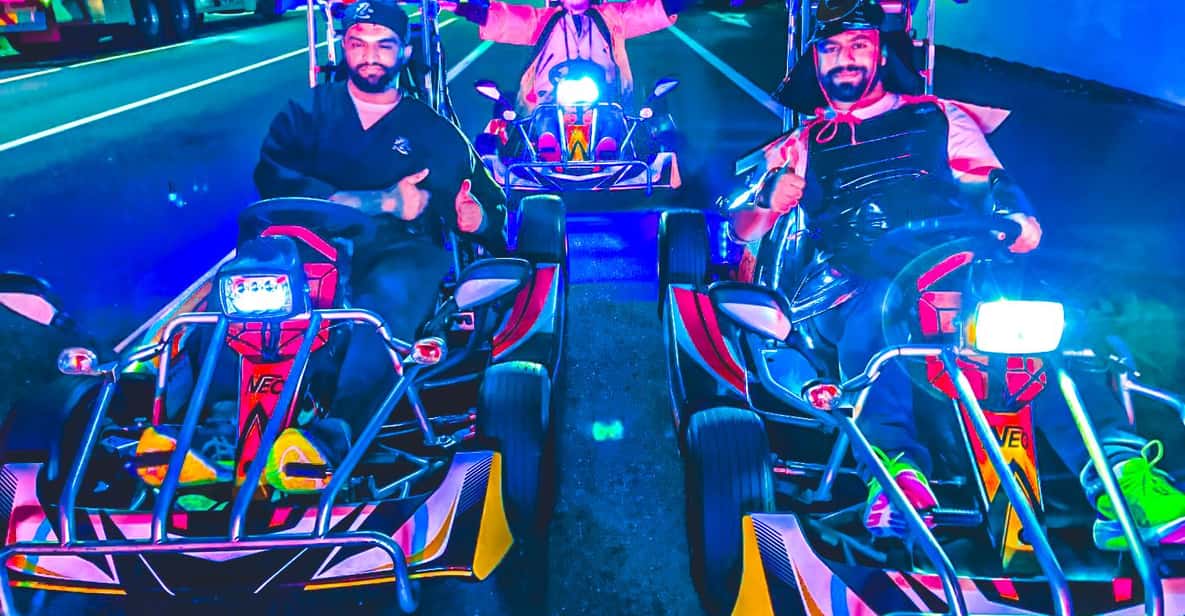
Tokyo turns into Mario Kart for an hour. This Ginza go-kart experience with NEO GINZA mixes open-air driving with playful costumes and real photo stops around famous sights, with hosts like Patrick keeping the vibe fun and organized. If you like memorable city views without feeling stuck on a tour bus, this is a great fit.
Two things I really like: the small group setup (limited to 6) with two guides, and the way the route focuses on major icons you can actually see clearly while you cruise. One consideration: you must have the right driving paperwork for Japan, and there are rules on what you can wear and bring (like no cellphones on the course).
In This Review
- Key highlights worth planning around
- A 60-minute Ginza kart run that feels like you’re in control
- Costumes that turn your Tokyo photos into something you’ll actually keep
- Zojo-ji to Kabuki-za: your landmark route in practical order
- Zojoji Temple stop
- Tokyo Tower photo moment
- Imperial Palace Outer Gardens views
- Tokyo Station stop
- Kabuki-za (Ginza) photo stop
- Two guides, one smooth flow: how the experience stays fun and safe
- Price and value: why $64 can feel fair for what you get
- Driving paperwork in Japan: the step that decides everything
- What you can and can’t bring (and wear) on the kart
- Night versus day: when Tokyo Tower lighting changes the mood
- Who should book NEO GINZA go-karting?
- Should you book this Ginza go-kart experience?
- FAQ
- FAQ
- How long is the NEO GINZA go-kart experience?
- What does it cost per person?
- What’s included in the price?
- Do I need an International Driving Permit to drive in Japan?
- Are there any license exceptions?
- Is there hotel pickup or drop-off?
- What’s not allowed during the experience?
- Can I cancel for free?
Key highlights worth planning around
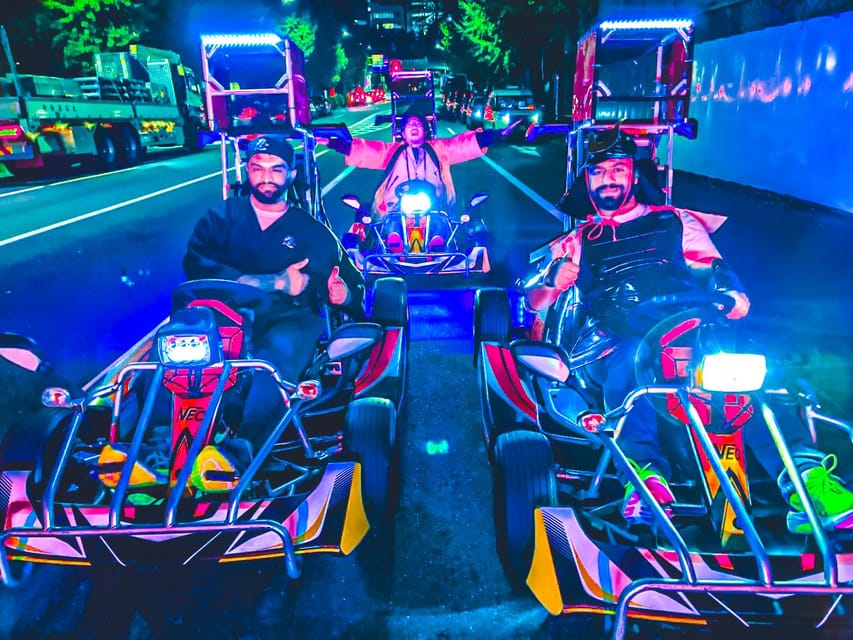
- Costume-powered fun: pick a character outfit and make your photos look like Tokyo’s version of a game
- Photo shooting service built in: your guide captures you at stops, and guides may share the images afterward
- Landmark route in one loop: Zojo-ji, Tokyo Tower, Imperial Palace Outer Gardens, Tokyo Station, and Kabuki-za
- Two-guide attention: clear directions and active support while you drive
- Limited to 6 participants: less crowding, more control, better pacing
- Night option can be a win: if you book later, Tokyo Tower’s lights add extra wow
Before you commit, see how this one stacks up against a few Tokyo favourites:
- Mt Fuji and Hakone 1-Day Bus Tour Return by Bullet Train★ 5.0 · 26,383 reviews
- 1-Day Tokyo Bus Tour★ 5.0 · 14,250 reviews
- Tokyo: teamLab Planets TOKYO Digital Art Museum Entry Ticket★ 4.6 · 9,779 reviews
A 60-minute Ginza kart run that feels like you’re in control
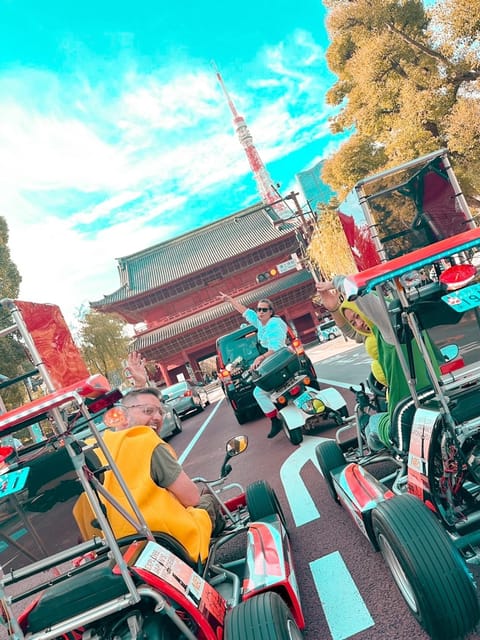
This is a short, high-energy outing: 60 minutes behind the wheel, designed so you get that instant Tokyo feeling without burning a whole day. You start at 新富町一丁目ビル and you end there too, which keeps things simple and low-stress.
The karts are the star. You’re out in the open air, steering through real city streets instead of watching landmarks from behind glass. That changes how you experience Tokyo—you feel the pace, the turns, and the street layout. It’s also why this works well for people who want photos but don’t want to spend the entire trip in waiting lines.
One practical note: since you’re driving, you’ll want to show up ready to follow instructions. The experience runs best when you treat it like a guided activity first, and a thrill ride second. Guides help with that balance.
Costumes that turn your Tokyo photos into something you’ll actually keep
One of the most fun parts is the costume. You can choose from an array of options, and the result is that you don’t just take pictures of Tokyo—you take pictures as Tokyo. It’s silly in the best way, and it also makes you easy for the photo team to frame.
Your guide handles the photo moments at key stops. In at least one experience, the guide took lots of photos and provided them afterward, so you’re not stuck with only phone snapshots. That’s a real value point because good city shots usually require timing—standing in the right place, at the right angle, right when the landmark looks its best.
Do keep in mind the restrictions on footwear and what you bring. High-heeled shoes and slippers are not allowed, so plan outfits that are comfortable for getting in and out of the kart and moving around for photos.
Zojo-ji to Kabuki-za: your landmark route in practical order
The route is built around big-name sights that are close enough to link into a single drive. You’ll do a mix of photo stops and guided sightseeing, plus plenty of pass-by driving so you’re not waiting around constantly.
Here’s what you can expect as you go:
Zojoji Temple stop
You’ll start your sightseeing with a photo stop at Zojoji Temple. This is a quick “see it, snap it, and get oriented” moment. It’s a good anchor point early because it sets the tone: old Tokyo next to fast modern streets.
You’re there long enough for photos and a short guided look, then you’re back in the kart to keep momentum.





Tokyo Tower photo moment
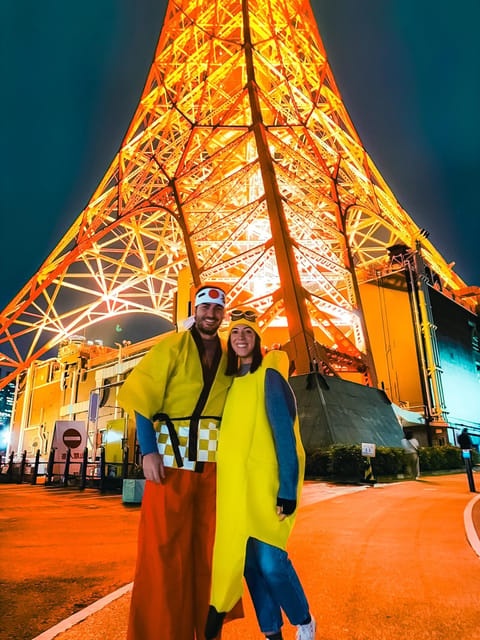
Next up is Tokyo Tower. This is the stop people talk about because it’s instantly recognizable and photogenic from multiple angles. If you ride at night, Tokyo Tower’s lighting can add a very different feel—more surreal, more postcard-like.
Even in daylight, Tokyo Tower gives you that vertical Tokyo landmark perspective that you simply don’t get from a flat walking tour route.
Imperial Palace Outer Gardens views
You’ll pass by the Imperial Palace Outer Gardens area and stop for photos. Since you’re not spending a long time inside a museum or attraction, this part works as a viewpoint break. It’s also a good reminder that Tokyo isn’t only neon and shopping—there are quiet, formal spaces too.
The trade-off: this is a viewpoint-focused stop, not a deep historical visit. If you want museum-level detail, plan to pair it with other time on your own.
Tokyo Station stop
Then you’ll hit Tokyo Station for another photo stop. It’s great because the station area is clean, iconic, and easy to recognize—one of those “you’re really in Tokyo” markers.
From the kart, you also get movement around the area instead of being stuck in a line. That keeps the energy up.
Kabuki-za (Ginza) photo stop
Your last landmark stop is Kabuki-za in Ginza. This is an especially fun way to end because it ties the tour theme back to the neighborhood you’re riding through—traditional theater alongside shopping and city life.
It’s also a satisfying finale for photos: you get the big sign, the classic feel of the area, and then you’re back to the starting point.
Two guides, one smooth flow: how the experience stays fun and safe
What makes this kind of activity work is not just the kart—it’s the handling. NEO GINZA runs with two guides, and that pair matters. They help with instructions, pacing, and keeping everyone on track.
You’ll get a structured flow: a start briefing, then a drive with stops for pictures and short guided sightseeing. During the ride, guides are actively involved—one reason people mention feeling safe even while they’re moving through busy streets.
In the guide lineup, Patrick gets a lot of love for being easy to talk with and for pointing out details along the way. That’s not just “entertaining.” It actually improves your trip because you learn what you’re seeing instead of guessing.
If you’re the type who likes explanations but still wants action, this format is a strong match.
Price and value: why $64 can feel fair for what you get
At $64 per person for 60 minutes, this isn’t a cheap souvenir-kind of activity. It is priced like an experience that includes effort, staff, and safety coverage.
Here’s where the value comes from:
- Included insurance: that’s part of what you’re paying for, and it matters for peace of mind
- Costume included: it’s not an extra fee if you want the full “character” effect
- Photo shooting service included: good photos are often the difference between a fun memory and a lasting one
- English-speaking staff plus Japanese-speaking staff: fewer language hurdles, smoother coordination
- Small group (max 6): you spend more time driving and less time waiting
What’s not included is also clear. You don’t get hotel pickup/drop-off, and you’d be on your own for personal expenses. If you want extra tech like a GoPro and an SD card, that’s also not part of the package. For most people, though, the included photo service covers the main need.
So the real value question is this: do you want a guided, photo-focused drive through Tokyo icons? If yes, $64 starts to feel like a fair exchange for time, access, and photos.
Driving paperwork in Japan: the step that decides everything
This is the biggest make-or-break part, so read it carefully.
To drive in Japan, all participants need special documents. In most cases, you need an International Driving Permit (IDP) in the booklet format compliant to the 1949 Geneva Convention. You must carry the physical IDP. You can’t obtain it online while traveling, and it must be issued from the same country that issued your domestic license.
There are exceptions. If your license is from Switzerland, Germany, France, Taiwan, Belgium, or Monaco, you’ll need a Japanese translation from JAF rather than an IDP booklet.
Also important: licenses issued by countries not covered by the 1949 Geneva Convention (like China, Indonesia, Mexico, Qatar, Saudi Arabia, and others) are not permitted to drive in Japan for this activity.
You’ll also need a physical passport and passport or ID card. This isn’t one of those experiences you can “figure out later.” If your documents aren’t correct in advance, you could be turned away.
What you can and can’t bring (and wear) on the kart
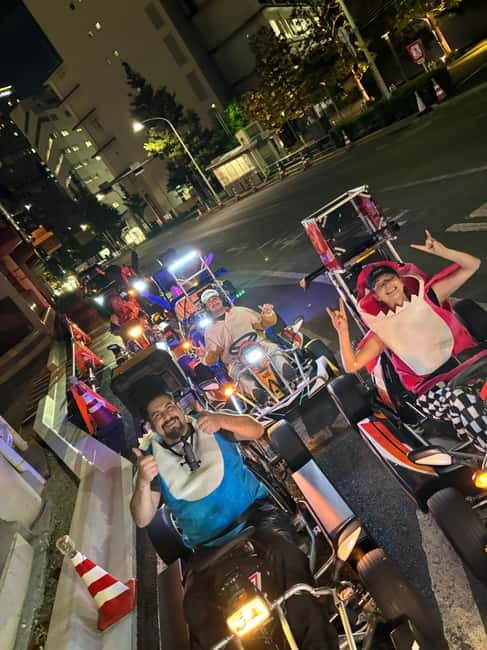
The rules are straightforward, and they’re there for safety and smooth operation.
Not allowed:
- Cellphones
- Alcohol and drugs
- High-heeled shoes
- Slippers
So plan your outfit like you’re dressing for walking plus short driving breaks. Closed-toe shoes with stable footing are the safest bet.
Also note: this isn’t for people without a driver’s license. And if you’re under 18, you can’t drive.
Night versus day: when Tokyo Tower lighting changes the mood
Even though the tour runs 60 minutes, timing can matter. People who went during the night slot highlight Tokyo Tower lit up as an extra bonus. Night driving also changes how you experience Ginza—street lighting and skyline contrast make the photos feel more cinematic.
If you’re deciding between day and night, think about what you want your memory to look like:
- Day: bright visibility and crisp landmark recognition
- Night: more mood, more glow, more surreal Tokyo energy
Since the experience depends on availability of starting times, pick a slot that matches your schedule and lighting preference.
Who should book NEO GINZA go-karting?
This experience is a strong match if you want:
- A fun, fast way to see major Tokyo icons
- A guided route with photo stops handled for you
- A small group experience rather than a big bus crowd
- The costume angle (you enjoy playful photos and character energy)
It’s also great for couples and friends because the group stays small and the driving feels shared, not staged. Guides actively keep things moving, so you’re not trapped in long explanations.
If you hate rules or you know you won’t have your paperwork in order, skip this one. The driving requirements in Japan are strict. And if you’re not comfortable driving through city traffic, don’t treat this as a casual activity—follow the instructions and drive attentively.
Should you book this Ginza go-kart experience?
I think you should book it if you meet the driving requirements and you want a Tokyo highlight that’s more than just sightseeing from a sidewalk. The combination of costumes, photo stops, and a route through Tokyo Tower, Zojoji, Tokyo Station, and Kabuki-za is a rare mix: action plus iconic backdrops.
You might skip it if:
- You can’t get the correct Japanese driving documents in time
- You’re not willing to follow equipment rules (no cellphones, footwear limits)
- You prefer museum-style depth over viewpoint stops
If you’re on the fence, this one is hard to regret because you’re paying for a guided, high-energy hour that also creates photos you can keep. In a city as huge as Tokyo, that’s a practical kind of magic.
FAQ
FAQ
How long is the NEO GINZA go-kart experience?
It lasts 60 minutes of go-kart time.
What does it cost per person?
The price is $64 per person.
What’s included in the price?
You get 60 minutes go-karting, insurance, a costume, and a photo shooting service, with English-speaking and Japanese-speaking staff.
Do I need an International Driving Permit to drive in Japan?
In most cases, yes. You need an International Driving Permit (IDP) in the physical booklet format compliant with the 1949 Geneva Convention, plus a physical passport and required supporting documents.
Are there any license exceptions?
Yes. If your driver’s license is from Switzerland, Germany, France, Taiwan, Belgium, or Monaco, you need a Japanese translation from JAF rather than an IDP booklet.
Is there hotel pickup or drop-off?
No. Hotel pickup and drop-off are not included.
What’s not allowed during the experience?
You can’t use cellphones, and alcohol and drugs are not allowed. High-heeled shoes and slippers are also not permitted.
Can I cancel for free?
You can cancel up to 24 hours in advance for a full refund.
More Tour Reviews in Tokyo



Fresh reviews from around Tokyo






Tokyo, compared.
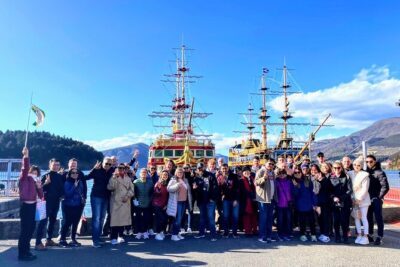 ★ 5.0Mt Fuji and Hakone 1-Day Bus Tour Return by Bullet TrainFrom $16326,383 reviews
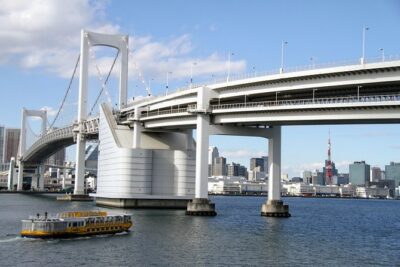 ★ 5.01-Day Tokyo Bus TourFrom $12914,250 reviews
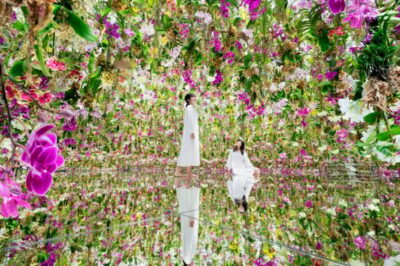 ★ 4.6teamLab Planets TOKYO Digital Art Museum Entry TicketFrom $259,779 reviews
 ★ 4.0Mt Fuji & Hakone Cruise, Drum Show Bullet Train 1 Day from TokyoFrom $1497,413 reviews
 ★ 5.0Shinjuku Food Tour (13 Dishes at 4 Local Eateries)From $866,603 reviews
 ★ 4.4Tokyo Mt Fuji 5th St & Hakone Cruise Bus Tour w/Bullet TrainFrom $1545,024 reviews
 ★ 5.0Flagship 2-Hours Official Street Go-Kart Tour – Tokyo Bay ShopFrom $644,974 reviews
 ★ 4.5From Tokyo: Mount Fuji Full-Day Sightseeing TripFrom $684,970 reviews