
Reviewed · SAMURAI & NINJA EXPERIENCES
Tokyo : Authentic Samurai Experience in a Private Space.
A samurai class in Tokyo, but real hands-on.
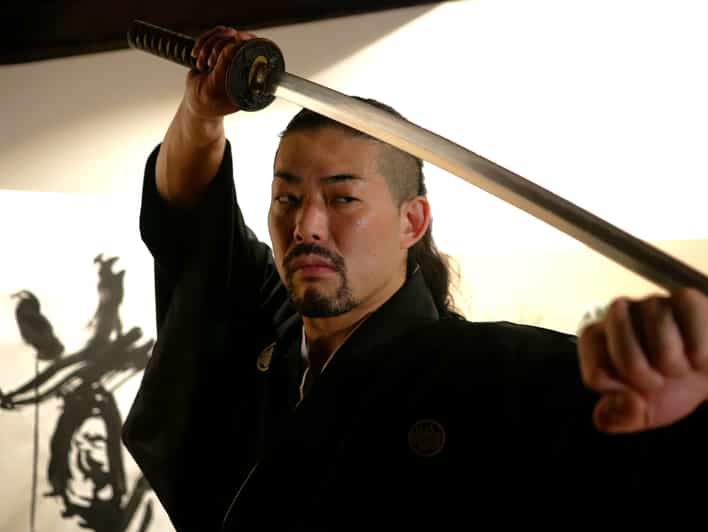
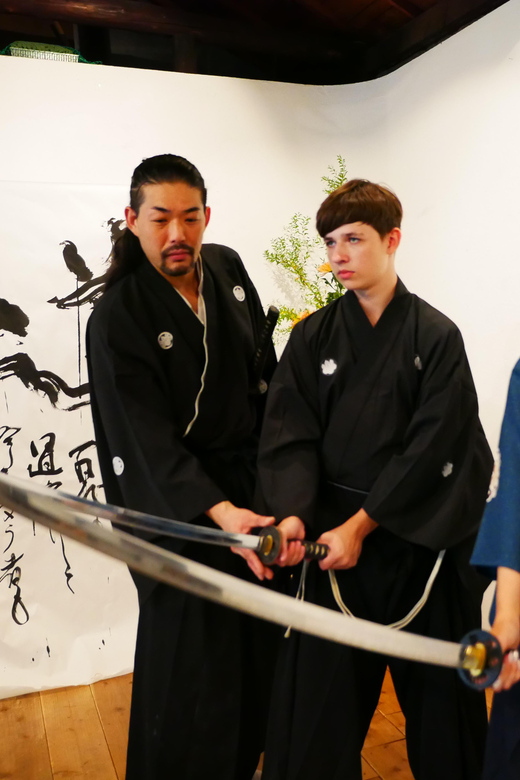
This experience takes place in an old private house (over 100 years old) where you suit up in a kimono, meet your instructors, and learn how a samurai sword is handled the way you actually practice it—draw, hold, swing, and sheath. It is short (about 1 hour 30 minutes) and built for people who want something concrete and cultural at the same time.
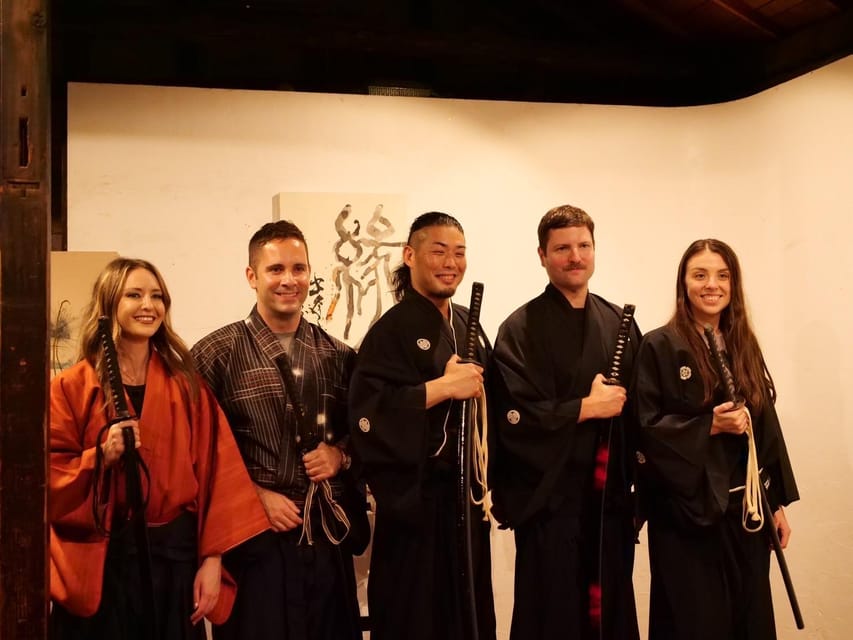
What I like most is how small it stays—capped at four participants in a private setting—so you are not stuck watching from the sidelines. I also really like that the sword lessons are tied to Bushido, not just technique, and you get to ask questions instead of getting rushed through.
One drawback to consider: it is not a long training arc. You will get a strong taste of sword basics and Bushido ideas, but you are not walking out a fully trained swordsman. If you are uncomfortable with the idea of practicing movements (even in a beginner-friendly way), this may feel like too much.
In This Review
- Key Highlights Worth Booking
- A 100-Year-Old House in Adachi Where You Suit Up
- Kimono On: What the Start Teaches You Right Away
- Bushido Lessons You Can Ask About
- Sword Training Basics: Draw, Hold, Swing, Sheath
- Cutting Targets: The Moment It Gets Real
- The Tea Finish: A Calm Ending to a Focused Hour
- Price and Value: Is $72 Fair for This?
- Who This Samurai Class Fits Best (and Who Might Skip It)
- Should You Book This Tokyo Samurai Experience?
- FAQ
- How long is the Samurai and Bushido experience?
- Is this experience private?
- Do I need to know anything about Bushido or samurai sword techniques beforehand?
- What language is the class taught in?
- What sword skills do you practice during the class?
- Is there cutting practice?
- Is tea included?
- What kind of ticket do I need?
- Can I cancel for a refund?
Key Highlights Worth Booking
- 100-year-old private house setting in Adachi City that makes the class feel lived-in, not staged
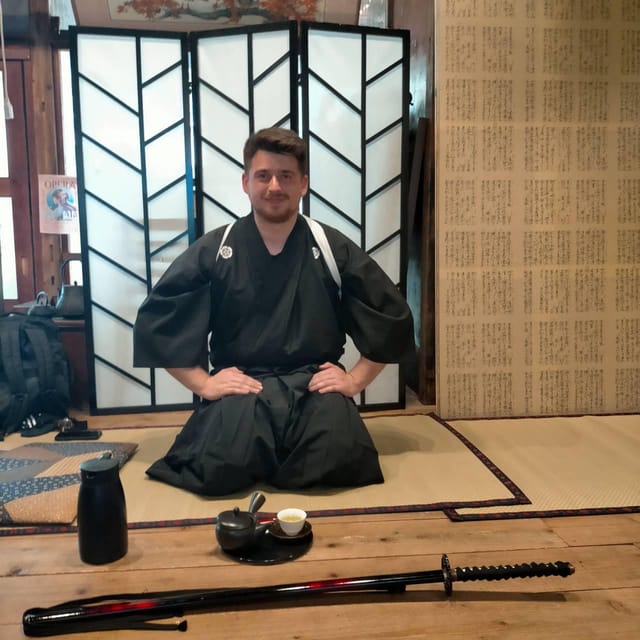
- Kimono included, so you can focus on learning instead of figuring out traditional dressing
- Bushido lessons connected to sword handling, so the culture has practical meaning
- Real cutting practice through straw targets (plus target cutting described by prior participants)
- Small-group instruction capped at four, which keeps attention where it belongs
- Tea at the end, served after the session so you can slow down and reflect
More blades, bows and dojo hours
- Tokyo: Samurai Ninja Museum Guided tour and Experience★ 4.6 · 1,010 reviews
- Tokyo: Samurai Sword & Archery Class from Samurai Descendant★ 5.0 · 603 reviews
- Best Samurai Experience in Tokyo★ 5.0 · 458 reviews
A 100-Year-Old House in Adachi Where You Suit Up
The class meets at rojicoya 路地裏寺子屋, in Adachi City. The address is: 36-1 Senjuasahichō, Adachi City, Tokyo 120-0026, Japan. It is near public transportation, and you finish back at the same meeting point.
What makes this location stand out is the setting: this is described as an old private house, over 100 years old. That matters. When a sword lesson happens in a normal studio, you feel the performance. When it happens in a traditional space, your brain starts cooperating. You slow down. You pay attention to posture. You understand why rituals and form are a big deal in Bushido.
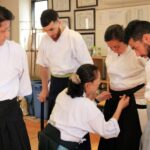
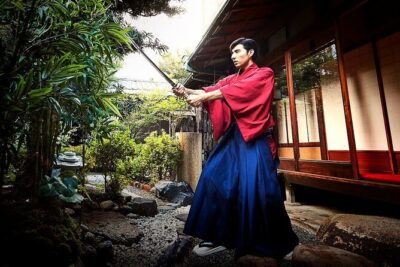
You will be wearing a kimono before you touch anything. That is not just for photos. The clothing helps frame the session as a cultural practice, and it adds a bit of structure so you are less likely to treat the class like a simple sport demo.
Kimono On: What the Start Teaches You Right Away
The moment you get suited up, the class starts teaching discipline. Samurai sword basics are not only about strength. They are about control—hands, stance, spacing, and timing.
The instructors guide you through how to handle the sword, starting from beginner comfort. The course format is built for people who have never held a katana-style sword before. You are asked to practice, but you are also constantly taught as you go, so you do not have to fake confidence.
English is mainly used during the course. One review also notes communication in English being very smooth. That is a big deal here because sword technique is one of those topics where a small misunderstanding can create awkward movement. Clear instruction keeps the session safe and actually useful.
Also worth noting: masks shown in photos are described as for online privacy only, and masks are not required for the experience itself. So you can expect the vibe to be more natural than overly staged.
Bushido Lessons You Can Ask About
Bushido is often mentioned as a theme, then forgotten once people start swinging a sword. Here, the point is to connect the mindset with what you do physically.
You get facts about Bushido and the tradition behind swordsmanship, plus time to ask questions during breaks. The class is set up like a cultural exchange, not just a lesson plan. That works well if you are curious about why certain stances exist, why discipline matters, and what the values mean in daily life.
Two names show up strongly in reviews: Sensei Musashi Oka and Yoshi San. Prior participants describe them as friendly and welcoming, and that friendliness matters because sword training can make beginners tense. When the tone is warm and the pace is supportive, you actually learn.
If you came to Tokyo thinking you would only get a short performance, this approach is a surprise in a good way. You leave with a clearer sense of what Bushido tries to teach: self-control, respect for the tools, and the idea that practice is a form of character building.
Sword Training Basics: Draw, Hold, Swing, Sheath
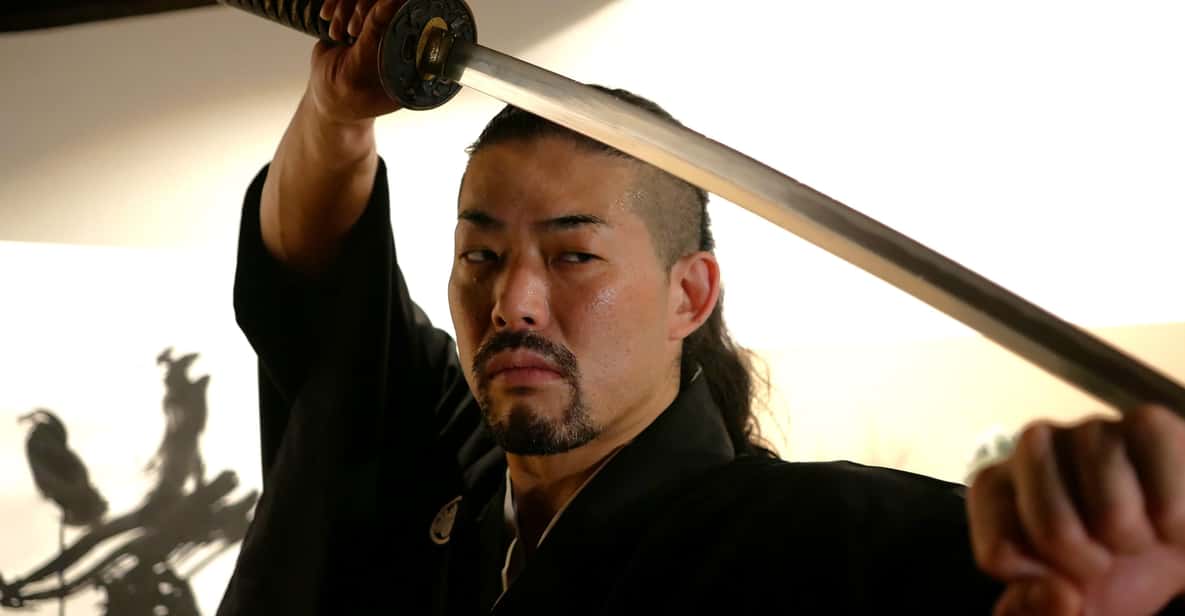
This is the hands-on core of the experience. You learn the way of the Samurai in a sequence that makes sense for first-timers.
Here is what the program focuses on:
- how to draw the sword
- how to hold it correctly
- how to swing and control motion
- how to sheath it
That order matters. Many classes jump to the dramatic part. This one builds your understanding from the start, which means you can connect movements rather than treating each one like a separate trick.
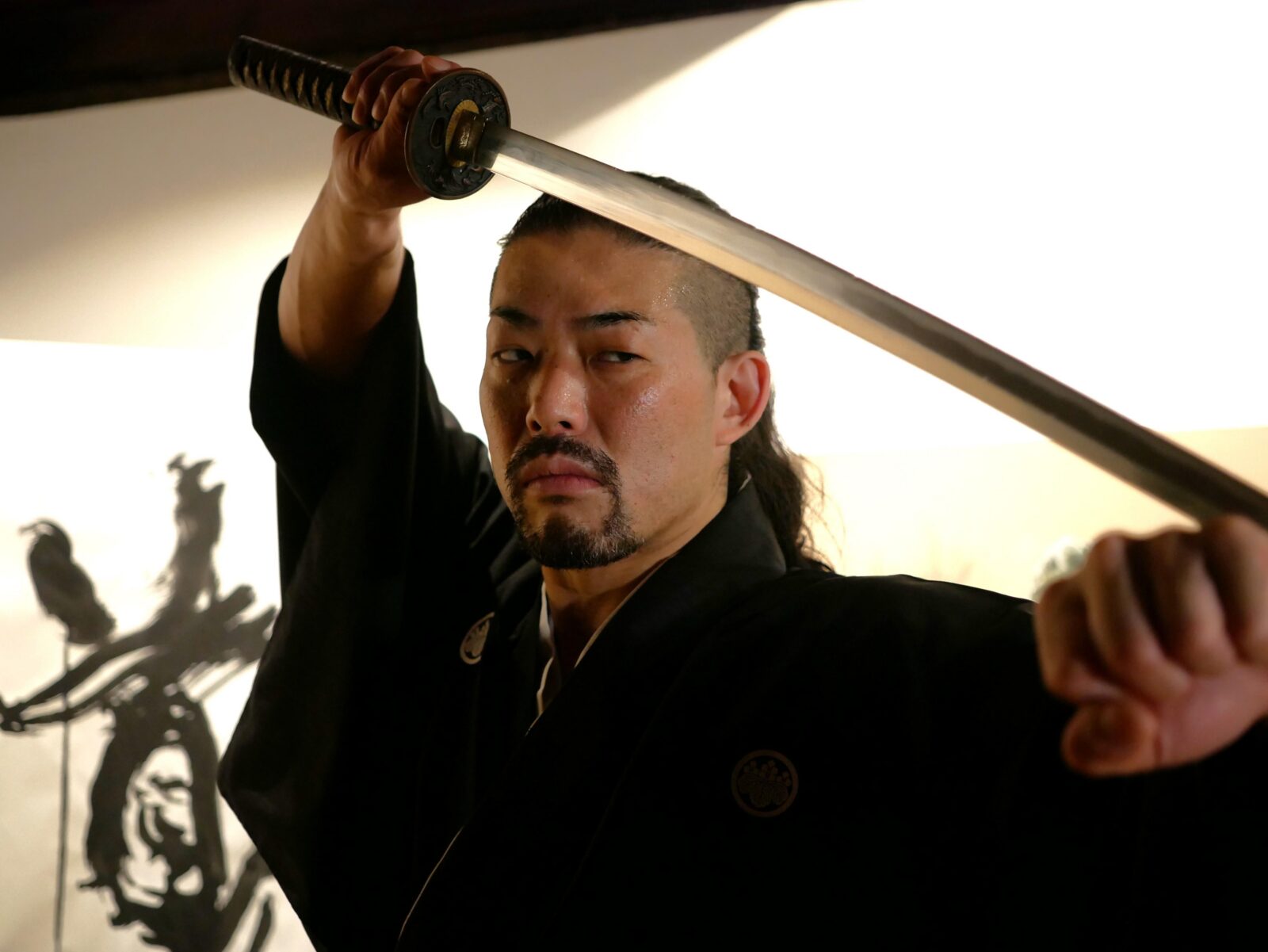
You will be asked to practice during the lesson as part of learning about Bushido and sword handling. The beginner-friendly coaching helps here: you are not left on your own to figure out posture and safety. That constant guidance is one of the most praised parts of the session, and it is why the class feels less intimidating than you might expect.
Even if you are a complete beginner, do not aim to go fast. Your goal is clean movement and good control. Think of it like learning a dance step. The payoff comes when your body understands the sequence without panic.
More private options with your own guide



Cutting Targets: The Moment It Gets Real
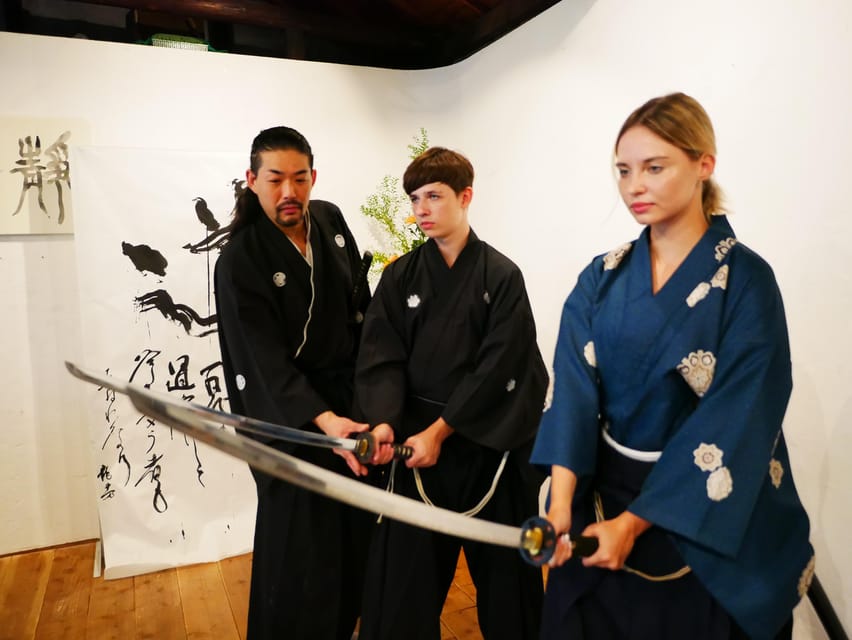
The fun part is the cutting practice. You put your skills to the test by cutting through straw targets. That hands-on moment is what makes the class stick in your memory.
What is also great is that cutting practice is not presented as a random stunt. It is tied to the fundamentals you just practiced: drawing, holding, the line of motion, and finishing properly. You are taking what you learned and turning it into something real, which makes the Bushido talk feel less abstract.
One participant described cutting to tatami with a real katana as the best part. Even if your target setup looks slightly different in your session, the overall idea is the same: you get to experience the moment of controlled impact. That is the point where most people stop thinking of the sword as a costume prop.
If you are nervous, that is normal. The trick is to focus on form, not strength. You do not need to be a gym person. You need to be consistent. The instructor guidance is designed to help you get there.
The Tea Finish: A Calm Ending to a Focused Hour
When the sword practice ends, you do not rush out. You wrap up with a cup of traditional Japanese tea.
This tea moment is more than a nice extra. It gives you a natural decompression period after a high-focus activity. You can think about what you did, ask one more question if you have it, and reset your body before heading back into Tokyo life.
Since the session includes Bushido context and question time, the tea feels like part of the cultural rhythm, not an afterthought.
If you like experiences that end with a quiet, human touch—something you can taste and notice rather than just scan on your phone—this is a good fit.
Price and Value: Is $72 Fair for This?
$72 for about 1 hour 30 minutes sounds simple on paper, but value here comes from three practical things.
First, you get hands-on sword practice rather than a guided viewing experience. Technique requires coaching, and you are not just watching someone else do it.
Second, the small group cap at four participants changes the learning environment. With fewer people, you tend to get clearer feedback and more attention when something feels off. That turns the class from entertainment into skill-building.
Third, you get a complete package: kimono setup, Bushido context, sword handling instruction, cutting practice, and tea at the end. You are paying for a full session, not piecemeal access.
In short: you are paying for time with instructors and for the materials plus a structured learning flow. If you want a quick cultural story without physical practice, you might feel this is more hands-on than you expected. If you want to actually do something, $72 can feel like a reasonable price for an experience with real instruction and a private atmosphere.
Who This Samurai Class Fits Best (and Who Might Skip It)
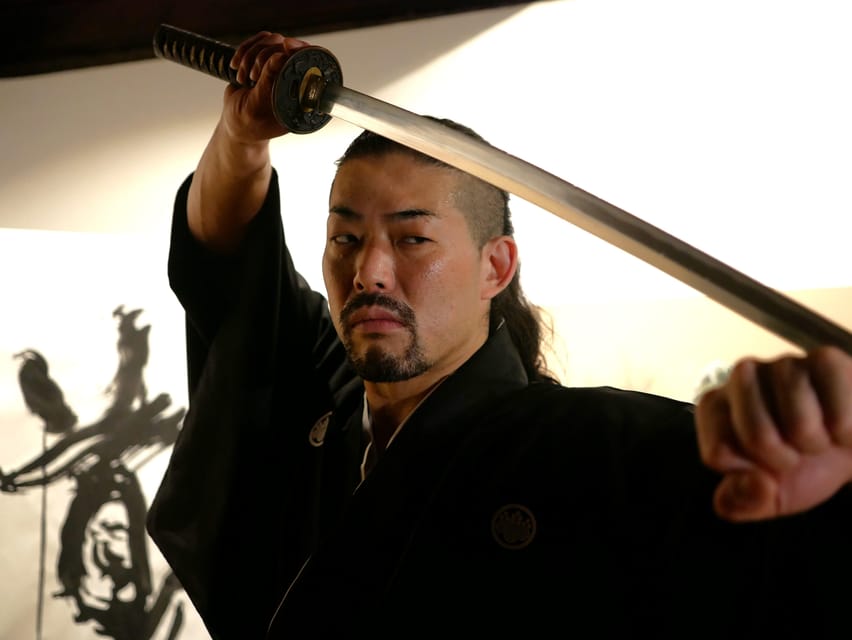
This class is a strong match if you:
- want a short, focused activity that still feels meaningful
- like hands-on learning more than museum-style information
- are curious about Bushido as ideas connected to daily discipline
- want small-group attention and a less hectic experience in Tokyo
It may not be ideal if you:
- hate any kind of structured practice or movement
- want a long multi-hour deep-dive program (this is under two hours)
- are only interested in sword history as a story with zero hands-on participation
One more practical point: since the session involves practicing sword handling and cutting, keep in mind you will be active. You do not need special fitness, but you should be ready to stand, move, and focus.
Should You Book This Tokyo Samurai Experience?
If you are choosing between watching something and doing something, I would steer you toward booking. The biggest wins are the small group setup, the real instruction on draw/hold/swing/sheath, and the fact that the class ties technique to Bushido rather than treating it like a generic theme.
Book it if you want a memorable Tokyo activity that feels authentic because it happens in a real traditional house, with kimono, an instructor who helps you practice, and a calm tea ending. Skip it only if you know you cannot handle hands-on practice—even beginner-friendly—because this experience is built around doing.
FAQ
How long is the Samurai and Bushido experience?
The experience runs for about 1 hour 30 minutes.
Is this experience private?
Yes. It is a private tour/activity, and only your group participates. The group size is capped at four participants.
Do I need to know anything about Bushido or samurai sword techniques beforehand?
No. Beginners can feel at ease because you are constantly taught and practiced during the session.
What language is the class taught in?
Courses are mainly in English, and conversations are said to be PokéTalk-compatible.
What sword skills do you practice during the class?
You learn how to handle a samurai sword, including how to draw, hold, swing, and sheath the sword.
Is there cutting practice?
Yes. You can test your skills by cutting through straw targets.
Is tea included?
Yes. After the experience, you are served a cup of traditional Japanese tea.
What kind of ticket do I need?
You receive a mobile ticket.
Can I cancel for a refund?
Yes. There is free cancellation. You can cancel up to 24 hours in advance for a full refund.
Just Your Group: Private Options
More Tour Reviews in Tokyo






The Way of the Sword, Continued

Fresh reviews from around Tokyo






Samurai & Ninja Experiences, compared.
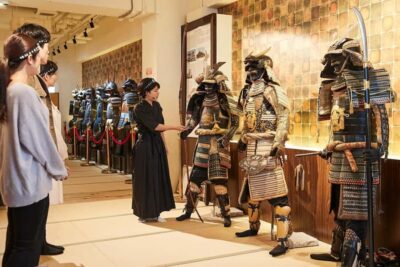 ★ 4.6Samurai Ninja Museum Guided tour and ExperienceFrom $271,010 reviews
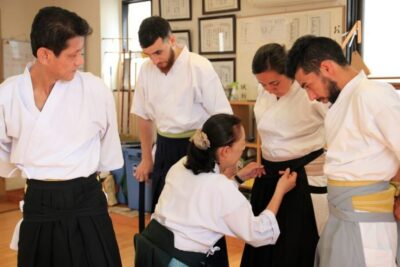 ★ 5.0Samurai Sword & Archery Class from Samurai DescendantFrom $193603 reviews
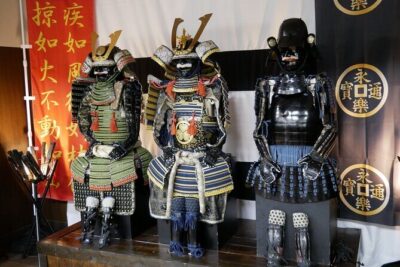 ★ 5.0Best Samurai Experience in TokyoFrom $65458 reviews
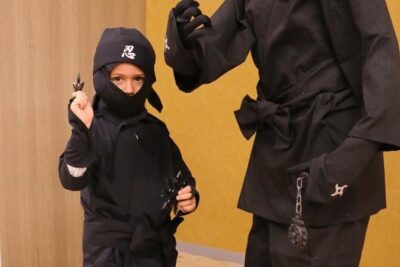 ★ 5.0Ninja Experience (Family Friendly) at Samurai Ninja Museum TOKYOFrom $47441 reviews
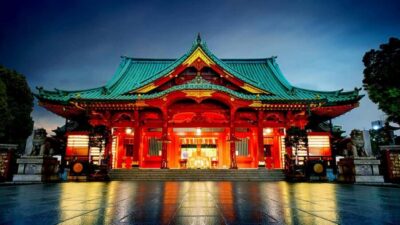 ★ 4.6Samurai Entertainment Night Show in Kanda ShrineFrom $41417 reviews
 ★ 5.0Tokyo Sword Experience – includes Museum Ticket/Ninja ExperienceFrom $84314 reviews
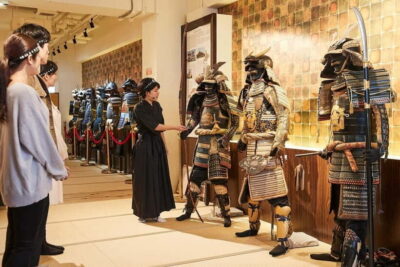 ★ 4.8Samurai Ninja Museum Asakusa: Samurai Sword Lesson & TourFrom $63306 reviews
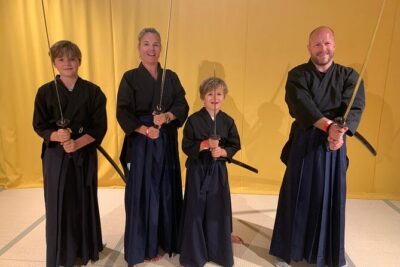 ★ 5.0Samurai Sword Experience (Family Friendly)at SAMURAI MUSEUM TOKYOFrom $65168 reviews
Browse the lists this tour appears in