
Reviewed · 1-DAY TOURS
Tokyo 1-Day Bus Tour, pickup from 28 designated hotels in Tokyo
Tokyo, compressed into one smooth day. This one-day bus tour is built for people who want the big hits of central Tokyo without spending hours figuring out subway routes, transfer times, and ticket lines. You start with hotel pickup, ride in an air-conditioned bus, and hit a tight string of landmarks with a certified English guide.
I really like two things here. First, the tour includes Tokyo Tower entry, and it also says you skip the ticket lines. Second, the river cruise is part of the plan, with admission included. Those two add real value because they’re often the most annoying parts of a self-planned day.
One watch-out: it’s a long day with outdoor walking, and the pace can feel quick in crowded areas. If you’re sensitive to long schedules or you need lots of slow, unhurried time, go in with the right expectations.
In This Review
- Key points at a glance
- Hotel pickup plus an 8:30 start: the schedule reality check
- Meiji Jingu first, then Shibuya and the Imperial Palace loop
- Tokyo Tower: included entry and a fast trip to the views
- Ginza lunch and Hamarikyu Gardens: two styles of Tokyo elegance
- Hinode Pier to Asakusa by boat: the day’s most scenic hinge
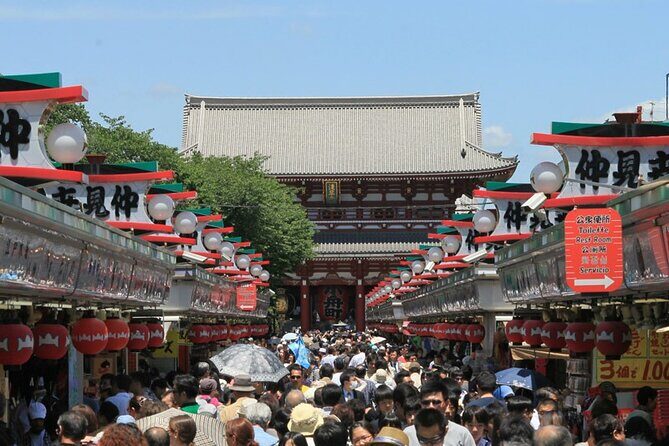
- Sensō-ji and Nakamise: old temple energy plus shopping street chaos
- Skytree area, Kappabashi kitchen street, and drop-offs in Ueno/Akihabara
- Guides, pacing, and how the group size affects your day
- Price value: what $89.19 really buys (and what it doesn’t)
- Who this one-day bus tour fits best
- Should you book this Tokyo 1-Day Bus Tour?
- FAQ
- What time does the Tokyo 1-Day Bus Tour start?
- How long is the tour?
- Does the tour include hotel pickup and drop-off?
- Are tickets to Tokyo Tower and the river cruise included?
- Is lunch included, and is there a vegetarian option?
- How long is the river cruise?
- What happens if the Sumida River cruise can’t operate?
- Is WiFi included on the bus?
- Can I get a full refund if I cancel?
Key points at a glance
- Hotel pickup and drop-off from designated Tokyo hotels makes the day start easy.
- Tokyo Tower included with time on the main observation deck.
- River cruise on the Sumida/Tokyo water route is built into the itinerary.
- Two major stops for photos and energy: Shibuya and the temple streets at Sensō-ji.
- Gardens with real “old Tokyo” flavor at Hamarikyu Gardens.
- Touring as a small package (max 40 people) with certified English guiding.
Worth weighing up alongside this Tokyo pick:
- Mt Fuji & Hakone Cruise, Drum Show Bullet Train 1 Day from Tokyo★ 4.0 · 7,413 reviews
- Tokyo Customized Private Tour (Must See Places in 1 Day)★ 5.0 · 1,499 reviews
- Tokyo Customized Private Tour: See Top Attractions in 1 Day★ 5.0 · 1,351 reviews
Hotel pickup plus an 8:30 start: the schedule reality check
The tour starts at 8:30am, and the itinerary is listed as about 8 hours 30 minutes, with the full day running closer to around 9 hours once you include pickup and travel time between stops. That means your morning really begins with meeting the bus, not with your first sightseeing photo.
Pickup is offered from a block of designated Tokyo hotels (the operator lists 28 designated hotels in the overview, and 33 hotels in the included details). Either way, the point is the same: you don’t have to plan trains or buses before you even see Tokyo Tower. That’s especially helpful if your first day in the city is already booked with jet lag and bag issues.
The tour caps at 40 travelers, which is big enough for comfort on the bus but small enough that the guide can still manage the group. Still, several reviews mention that timing can feel affected by traffic, and some days can include extra waiting while people are collected or dropped at different hotel locations.
Bring patience. Think of this as a “Tokyo hits in one day” plan, not a slow wander through neighborhoods at your own pace.
Meiji Jingu first, then Shibuya and the Imperial Palace loop
This itinerary does a nice trick: it starts with a calm, ceremonial space, then swings you into Tokyo’s high-energy grid.
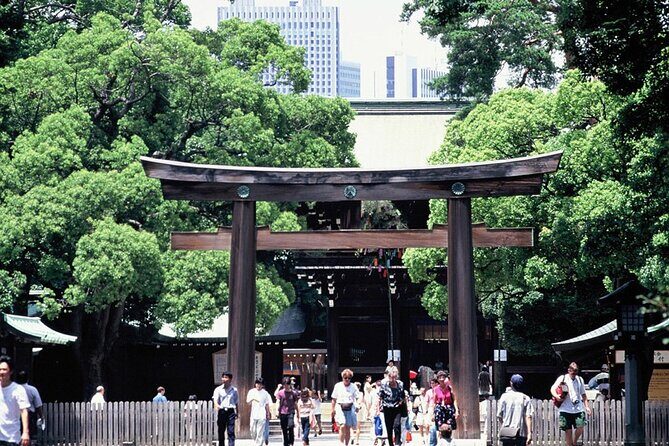
You begin at Meiji Jingu Shrine, a major Shinto shrine in Tokyo. You get about 40 minutes, and the admission is listed as free. It’s a great early stop because it gives your eyes a reset before the day turns into crowds, neon, and tall buildings.
Next up is Shibuya Scramble Crossing, the world-famous intersection where everyone moves like they’re connected by a hidden string. After that, you’re in the orbit of big governmental and symbolic landmarks: the Diet Building area and then a bus loop around the Imperial Palace. On the Imperial Palace drive, the guide provides commentary as you pass key sights from the road—useful if you want context without being stuck in traffic on foot.
Why this works: you’re not just collecting photos. You’re getting a “Tokyo contrast” day—spirit and tradition first, then modern density and power centers. If you’ve only got one day, this sequencing helps you understand Tokyo as more than just Instagram angles.
Tokyo Tower: included entry and a fast trip to the views
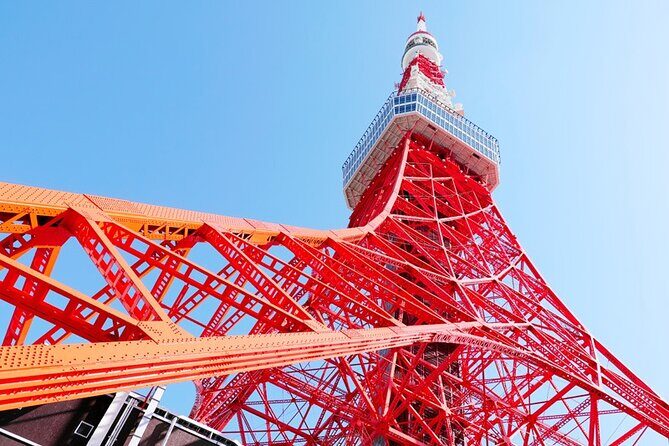
Tokyo Tower is one of the best payoffs in the day. The ticket is included, and the plan says you skip the lines to buy tickets. You’re scheduled for about 40 minutes at the tower.
The experience itself is mostly about getting up quickly. The description notes a high-speed elevator to reach the main observation deck, then you’re free to take in the city views at your own pace.
Practical tip: if you’re going on a day with hazy skies, keep your expectations flexible. You still get the tower experience, but the city can look flatter than the crisp-day postcards. Still, Tokyo Tower is a classic “I’m in Tokyo” moment, and doing it as part of a guided day keeps you from losing time to ticketing and wandering.
Ginza lunch and Hamarikyu Gardens: two styles of Tokyo elegance
After tower views, the tour moves into smoother, more polished Tokyo.
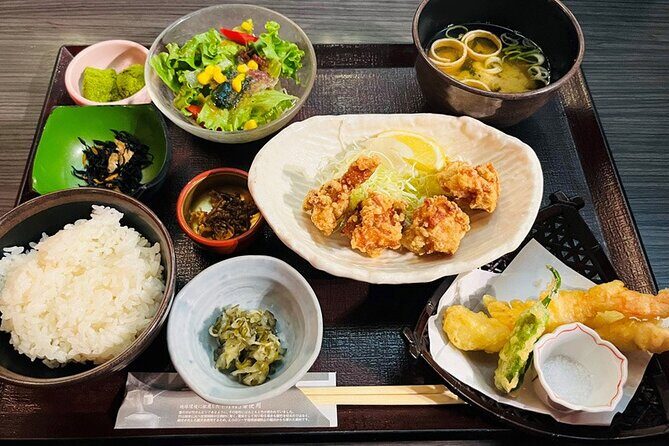
In Ginza, you get about 40 minutes, and the schedule includes a Japanese-style lunch option if you’ve selected the tour with lunch. Vegetarian is available, but the operator notes there’s no way to accommodate allergies or special dietary restrictions—so if you have specific needs, choose the no-lunch option.
Then comes Hamarikyu Gardens, a historic garden area that was once associated with Shogun-era grounds. You’re scheduled for about 40 minutes, and the admission is included.
What makes Hamarikyu a smart stop is how it changes the pace. From busy streets, you step into a landscape with ponds, trees, stones, and tea house areas—a reminder that Tokyo also builds beauty for quiet hours. Even if you don’t spend a full afternoon there, the tour time is enough to feel the contrast.
One note from the reviews: some people felt certain segments were rushed, while others found the timing worked well. If gardens are your priority, arrive ready to move at a steady pace and hit the main viewpoints first, then circle back for photos.





Hinode Pier to Asakusa by boat: the day’s most scenic hinge
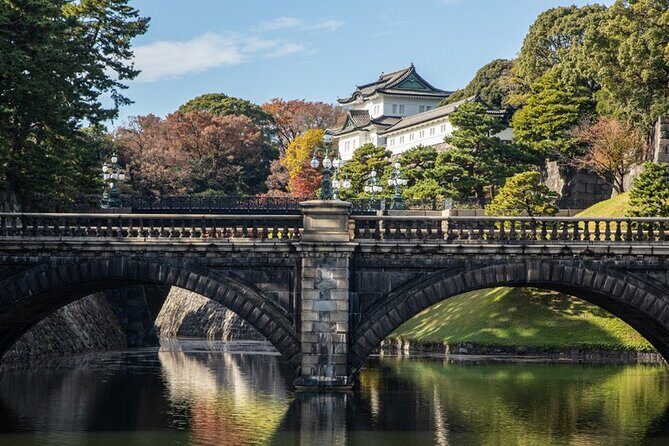
This is one of the strongest “different from the subway” parts of the tour: a water ride.
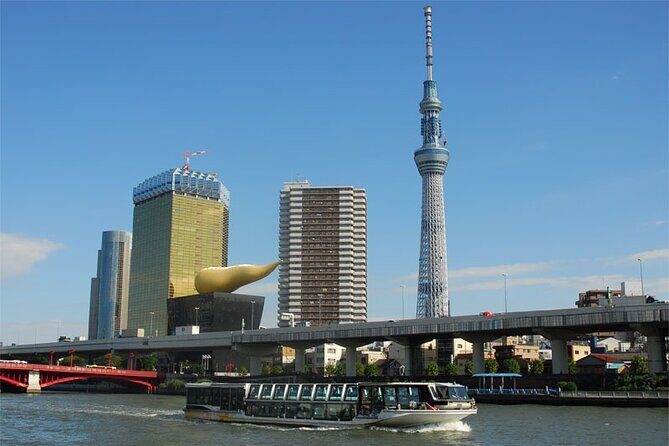
You start at Hinode Pier and take a one-way river cruise for about 30 minutes. The description says it runs on Tokyo Bay and the Sumida River, and the boat ends in Asakusa. Admission/tickets are included, so you’re not paying extra for this change of pace.
This segment can be a highlight because you finally get Tokyo at a slower speed—views from the water, fewer street crowds, and a break for your legs.
But there’s also operational reality. The tour info explains that if the Sumida River cruise is suspended (tides and operations), they may switch to an alternative Tokyo Bay cruise of about 50 minutes departing from Odaiba via Rainbow Bridge. In that switch, the itinerary says Hama-Rikyu Gardens may be omitted. And if both cruises are unavailable, an alternative route may involve driving through Odaiba and taking a bus via a Metro Expressway to Asakusa.
In short: plan for the idea, not only the exact boat. If you care a lot about that specific route, pack a backup mindset. Reviews also include comments that the boat narration wasn’t always engaging, so if you want storytelling, ask questions when you can or just treat it as your moving break.
Sensō-ji and Nakamise: old temple energy plus shopping street chaos
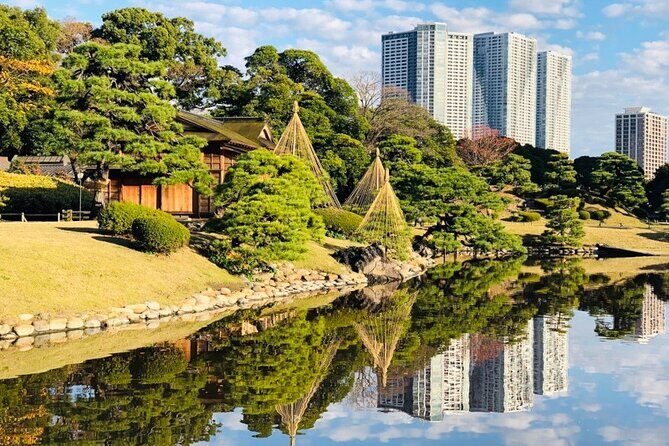
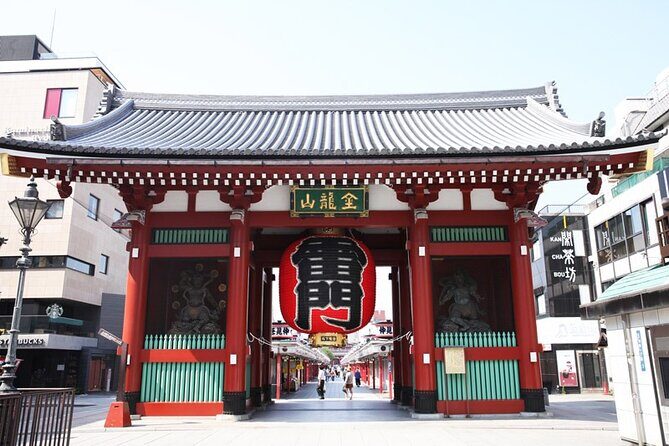
From the water, you land on Sensō-ji, one of Tokyo’s best-known Buddhist temples. The schedule gives you about 50 minutes, and admission is listed as free.
Sensō-ji traces back to the 7th century, and right in front of it you’ll find Nakamise, the narrow shopping lane packed with snack stands and traditional goods.
This stop is where the day can feel most intense. You get the sights fast, and it’s easy to get swept into the crowd flow. If you love browsing, this is your moment—but if you hate “pushy crowds,” stay aware of your walking space and don’t get stuck at the entrances.
Timing balance matters here. One review complained there was too much free time at Sensō-ji for their taste, while other reviews praised the variety and said the pacing felt fair. My practical advice: use your time like a checklist. Walk to the main temple area first, then spend your extra minutes shopping if the vibe is right.
Skytree area, Kappabashi kitchen street, and drop-offs in Ueno/Akihabara
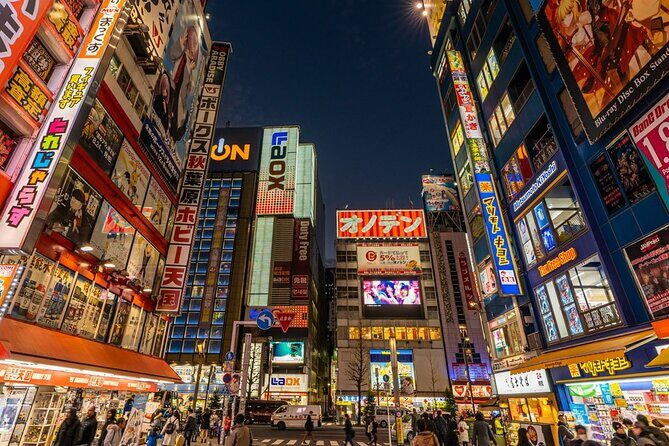
Depending on the exact day’s timing, you’ll also pass through or stop near more modern, shopping-focused Tokyo.
The plan mentions Tokyo Skytree, with a shopping mall at the base. There’s also a stop associated with kitchen tools and utensils shopping, often called Kitchen Street / Utensil Street, where you can find items restaurant owners use.
You’ll also have options for where you can exit the tour: the description mentions Ueno as a commercial district where guests who want to stay there can disembark, and Akihabara for anime and manga culture—again, as a potential drop-off point.
Even if you don’t stay in those neighborhoods, these stop points help you understand Tokyo’s different “reasons to go.” One day you’re doing shrine calm and temple incense; the next you’re at a place built for gadgets, street shopping, and specialized goods.
Guides, pacing, and how the group size affects your day
This is where the tour experience can vary most, even with the same itinerary.
The tour includes a certified English-speaking guide (National Licensed Guide Interpreter). Some departures include two guides—one for the morning and one for the afternoon—and multiple review details match that pattern. Names that came up include Oshi, Yoshi Hasegawa, Sakura, Yuki, and Spring.
Here’s the useful part: big groups in famous spots are always tricky. Even with a max of 40, crowded areas like Shibuya and temple streets can make it harder to hear instructions unless you’re close to the front. One review specifically mentioned that a guide was hard to hear unless you were near them, while another praised the English and historical context.
So do this: during transitions, stay close enough to catch the basics. If you have specific questions, ask at the bus or right before you step off. And be kind to your future self: wear comfortable sneakers and assume you’ll be moving more than you would on a museum-only day. The operator also suggests bringing rain gear.
Price value: what $89.19 really buys (and what it doesn’t)
At $89.19 per person, this is not a budget-only option. But it also isn’t just a bus ride around town.
You’re paying for several bundled wins:
- Hotel pickup and drop-off from designated Tokyo hotels
- A licensed English guide
- Tokyo Tower entry (main observation deck) and skip-the-line ticket handling
- River cruise admission (or an operational alternative cruise)
- Optional Japanese-style lunch (vegetarian option available)
- An air-conditioned vehicle
What’s not included: drinks, and there’s no WiFi on board. Gratuity isn’t required.
Value check for your planning: if you were doing this alone, you’d likely spend money and time on transport plus separate ticketing for major sites. Here, the tour compresses it into one organized day. That’s worth it when you value time more than you value total freedom.
Also, one review mentioned there wasn’t bottled water provided on a long day. The operator’s response pointed out that in Japan, bottled water isn’t usually included because vending machines and convenience stores are everywhere. Translation: plan to buy what you want when you need it, instead of expecting the tour to hand you drinks.
Who this one-day bus tour fits best
This tour is a good match if you want:
- A structured overview of central Tokyo in one day
- The major “must-see” landmarks without navigating rail transfers
- A mix of classic Tokyo (Meiji Jingu, Sensō-ji) and big-city Tokyo (Shibuya, Tokyo Tower)
- A built-in break thanks to the boat ride
It may be less ideal if you:
- Need long, slow time at fewer stops
- Hate crowds or dislike walking outdoors for extended periods
- Have very specific dietary needs beyond vegetarian (the operator says allergy accommodations aren’t available)
If you’re traveling as a couple, small family group, or solo visitor on a tight schedule, this kind of day is often the smartest use of your one free day in Tokyo.
Should you book this Tokyo 1-Day Bus Tour?
Book it if your priority is max sightseeing with minimal planning, especially if Tokyo Tower and the water cruise are on your list. The hotel pickup, included major tickets, and guided context make the $89.19 feel less like a “tour tax” and more like buying back your time.
Skip or reconsider if you’re very sensitive to schedule stress, you want deep, unhurried exploration of just one neighborhood, or you can’t handle crowd conditions and outdoor walking. Also, if the river cruise is your absolute top must-do, remember operations can change the boat plan due to tides or weather.
FAQ
What time does the Tokyo 1-Day Bus Tour start?
The tour starts at 8:30am.
How long is the tour?
The duration is listed as about 8 hours 30 minutes, and the operator notes the full day is approximately 9 hours once pickup and travel time are included.
Does the tour include hotel pickup and drop-off?
Yes. Pickup and drop-off are offered at major Tokyo hotels from a designated list.
Are tickets to Tokyo Tower and the river cruise included?
Yes. Tokyo Tower admission is included, and the river cruise tickets/admission are included as well.
Is lunch included, and is there a vegetarian option?
Lunch is included only if you choose the tour option that includes lunch. A Japanese-style vegetarian lunch is available. Special meals for allergies or dietary restrictions aren’t provided.
How long is the river cruise?
The Sumida River/Tokyo Bay cruise is a one-way boat ride of about 30 minutes.
What happens if the Sumida River cruise can’t operate?
If the Sumida River cruise is suspended, the tour may substitute a Tokyo Bay cruise (about 50 minutes) departing from Odaiba via Rainbow Bridge. In that case, the Hamarikyu Gardens visit will be omitted.
Is WiFi included on the bus?
No. WiFi is not included onboard.
Can I get a full refund if I cancel?
Yes. Free cancellation is allowed up to 24 hours in advance for a full refund.
More 1-Day Tours in Tokyo

More Tours in Tokyo

More Tour Reviews in Tokyo



Fresh reviews from around Tokyo






1-Day Tours, compared.
 ★ 4.0Mt Fuji & Hakone Cruise, Drum Show Bullet Train 1 Day from TokyoFrom $1497,413 reviews
 ★ 4.5DisneySea 1-Day PassportFrom $572,726 reviews
 ★ 5.0Tokyo Customized Private Tour (Must See Places in 1 Day)From $1451,499 reviews
 ★ 4.5Kamakura & Enoshima Day Trip including Temple TicketsFrom $581,375 reviews
 ★ 5.0Tokyo Customized Private Tour: See Top Attractions in 1 DayFrom $1451,351 reviews
 ★ 4.0Mt Fuji & Hakone Cruise, Drum Show Bus 1 Day from TokyoFrom $1221,287 reviews
 ★ 4.5Tokyo Panoramic 1 Day: Meiji Shrine, Asakusa, Odaiba and SKYTREE®From $851,222 reviews
 ★ 4.5Mt.Fuji & Lake Kawaguchiko 1-Day Bus Tour w/Optional LunchFrom $77839 reviews
Browse the lists this tour appears in