
Reviewed · SAMURAI & NINJA EXPERIENCES
Samurai Experience in Tokyo / SAMURAI’ve
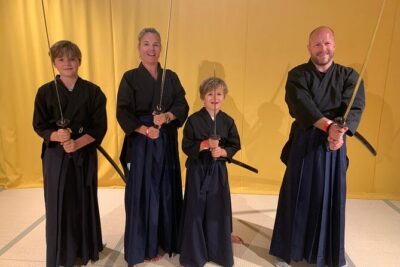
Suiting up as a samurai changes the day. This hands-on class in Tokyo mixes kimono dressing, samurai etiquette, and real practice with a practice katana so you’re not just watching. The standout is the flow: you learn, you practice moves, then you do a full tachimawari-style experience right in the session.
I particularly like that the instructors are professional samurai performers, so the teaching feels grounded in how the craft is presented in the real world. You also get built-in time for questions, which matters if you want more than a quick demo and a photo.
Another thing I love is the ending: a costume photo shoot with instructors helping you get great angles. The only real drawback to consider is timing. The session is only about an hour, and there’s been confusion around start times on ticket info, so you’ll want to arrive early and confirm your time slot.
In This Review
- Key things to know before you go
- Entering SAMURAI’ve: kimono, manners, and practical sword basics
- Kitsuke and Reigi sahou: dressing like a samurai and acting with respect
- Basic lesson and Tachimawari: your practice katana moment
- The photo shoot: getting real costume photos without stressing
- Instructors, group size, and what the class feels like
- Price and value: is $71.85 worth it for one hour?
- Where to meet in Shibuya/Sendagaya and how to plan your timing
- Optional samurai performance: add-on value if you want more stage time
- Who should book SAMURAI’ve?
- Should you book this samurai sword experience in Tokyo?
- FAQ
- FAQ
- What is the duration of the Samurai Experience in Tokyo / SAMURAI’ve?
- What time slots are available?
- What’s included in the ticket price?
- Do I learn to wear a kimono?
- Is the katana sharp?
- What are the main parts of the class?
- Can I add a samurai performance?
- How big is the group?
- Is free cancellation available?
Key things to know before you go
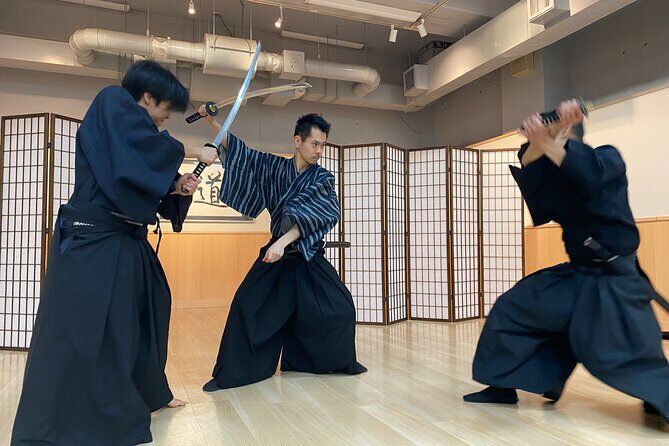
- Kimono first (Kitsuke): You start by learning how to wear a kimono as part of the experience, not as an afterthought.
- Etiquette before swordplay (Reigi sahou): You practice manners and respect themes that frame the whole lesson.
- Practice katana that’s heavy but not sharp: The supplied metal fake sword is described as heavy, with a non-sharp side for safe handling.
- Hands-on sequence (Basic lesson + Tachimawari): You don’t just learn moves; you try a full action sequence.
- Photo shoot included at the end: You get time for photos in costume, and instructors take pictures for sharing.
- Optional performance for extra fees: You may be able to incorporate a samurai performance show during your session if you add it.
More blades, bows and dojo hours
- Tokyo: Samurai Ninja Museum Guided tour and Experience★ 4.6 · 1,010 reviews
- Tokyo: Samurai Sword & Archery Class from Samurai Descendant★ 5.0 · 603 reviews
- Best Samurai Experience in Tokyo★ 5.0 · 458 reviews
Entering SAMURAI’ve: kimono, manners, and practical sword basics
This is a one-hour group class focused on learning how samurai swordsmanship is taught in a structured, beginner-friendly way. It’s not about becoming a master swordsman. It’s about learning the fundamentals of form, respect, and basic movement so you can understand what you’re seeing when you watch samurai performances in Japan.
The session runs in a clear order. You start with dressing (Kitsuke), move into etiquette (Reigi sahou), then do basic sword lesson mechanics, and finally experience a hands-on combat-style sequence (Tachimawari). You end with a photo shoot while dressed in costume.
What makes this especially worthwhile is the “why” behind the “how.” The program places etiquette and manners up front, which helps you understand that traditional martial arts training isn’t only about physical technique. It’s also about mindset, discipline, and respect—ideas you feel throughout the session, not just hear once.
Kitsuke and Reigi sahou: dressing like a samurai and acting with respect
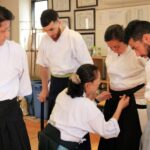
The first part is Kitsuke, where you learn how to wear your samurai costume and how to get into a kimono properly. This matters because the kimono is part of the visual identity of samurai-era presentation, but it also affects how you move. When the instructor shows you the correct way to put it on, you’re setting yourself up to participate comfortably in the later steps.
Then comes Reigi sahou, etiquette and manners. This is one of the most praised pieces of the class because it gives context to what you’re about to do with the sword. You’re guided through respect-focused behavior that fits the style of samurai training—how to carry yourself, how to treat the tools and the space, and how to behave while learning.
If you’re the type of traveler who likes cultural accuracy, this is a big win. Instead of jumping straight to sword swings, you’re learning a framework. And if you’re traveling with kids or teens, it gives them something concrete to “do right” from the start, not only chase adrenaline.
Basic lesson and Tachimawari: your practice katana moment
After costume and etiquette, you move into the basic lesson of sword fighting. You learn fundamental movements and then build toward a more complete action sequence. The key point here is that you get hands-on time with instruction, not just a lecture.
You’ll be using a supplied katana that’s described as a metal fake sword. In practical terms, it’s heavy like a real practice tool, but it’s designed for safety. One detail that stands out from the experience: it’s not sharp on the side. That’s the kind of information you want to hear when you’re about to start moving quickly with a sword in a group setting.
“Tachimawari” is the payoff. This is where you experience samurai sword fighting first-hand as a more complete sequence. It’s the moment that turns the lesson into a memory, because you’re combining posture, timing, and basic technique—under supervision—so you’re not just mimicking a single move.
There’s also a strong element of comfort here. The instruction style is patient, and instructors are set up to guide people who are trying this for the first time. Even if you’re nervous, you’ll likely find it easier once you realize the class is paced for beginners.
The photo shoot: getting real costume photos without stressing
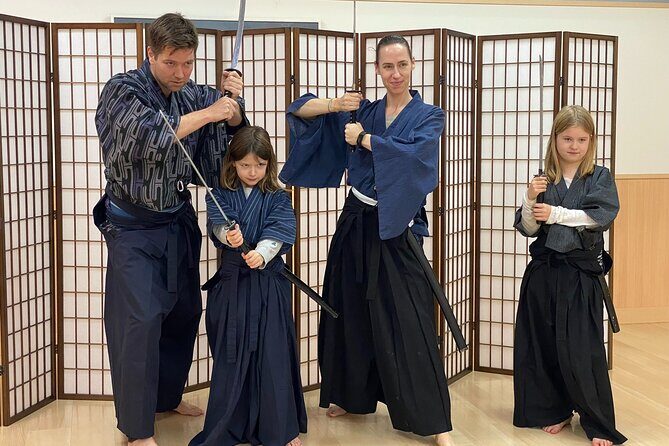
The session ends with a photo shoot, and it’s more than a quick snapshot. You’re dressed in your samurai costume, and instructors help you take photographs so you actually end up with usable pictures. People tend to remember this part because it’s where the costume and the action sequence come together visually.
A helpful detail is that instructors take pictures for you to post. That matters in Tokyo, where you may be juggling your phone camera and trying to pose. Here, you can focus on looking like you know what you’re doing, instead of asking strangers to take another blurry shot.
My practical advice: wear your confidence. If you can, arrive a few minutes early so you aren’t rushing through the kimono steps. When you’re rushed, photos get awkward fast. When you have a calm start, you’ll enjoy the full “samurai face on” vibe the class is aiming for.





Instructors, group size, and what the class feels like
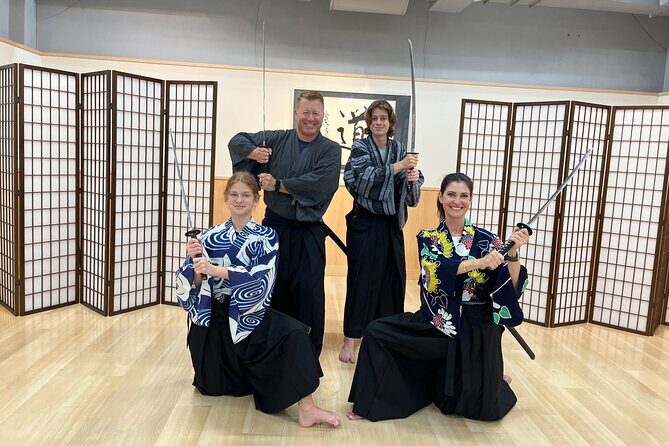
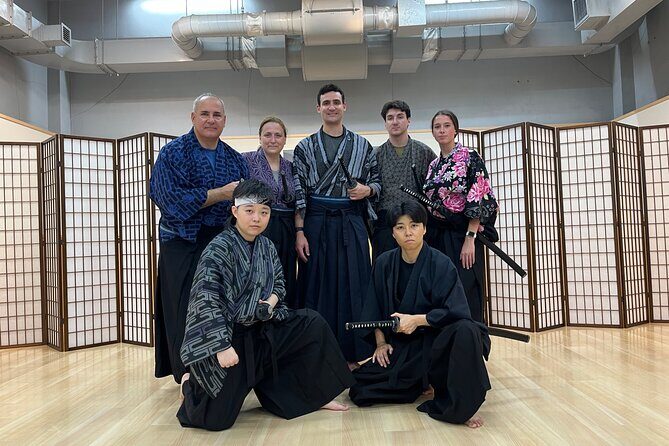
This is a small group format with a maximum of 19 travelers. That size is big enough to meet other people, but small enough that instructors can keep an eye on everyone’s progress. It also helps with energy: you don’t feel like you’re lost in a crowd.
You should know the instructors are professional samurai performers who teach and perform at shows and events. That’s why the class feels like more than a generic costume tour. Even at a beginner level, the techniques and manners come with real-world presentation.
What you’ll likely notice once the session starts is the teaching tone. It’s patient, and it can work well across ages. People have done this as a family outing, including older kids and teens, and the instruction style has been described as fun and safe, with humor used to keep younger participants engaged.
If you like structure, this is built for you. If you’re hoping for pure chaos and spontaneity, you might find it too organized. But for many visitors, that structure is the whole point: you leave knowing what you practiced and why it matters.
Price and value: is $71.85 worth it for one hour?
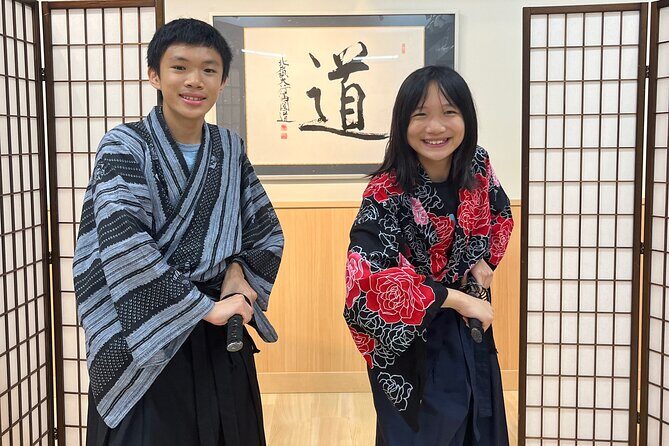
At $71.85 per person, you’re paying for a focused activity that includes costume and practice tools, delivered in a small group setting. The most important value detail: you’re not paying just for a theme. You’re paying for instruction that includes multiple components—Kitsuke, etiquette, basic sword moves, a hands-on sequence, and then a photo shoot.
You also get group discounts (depending on how the booking is structured) and a mobile ticket, which helps reduce friction when you arrive.
Is it expensive compared with a walk-and-photos activity? Yes. But it’s a bargain compared with paying separately for costume rental, guided cultural instruction, and staged photos. Here, those pieces are packaged into one short, event-style experience.
One more practical note: this activity is often booked ahead. The average booking time is about 70 days in advance, so if your Tokyo dates are fixed, it’s smart to book early and lock in a time slot.
Where to meet in Shibuya/Sendagaya and how to plan your timing
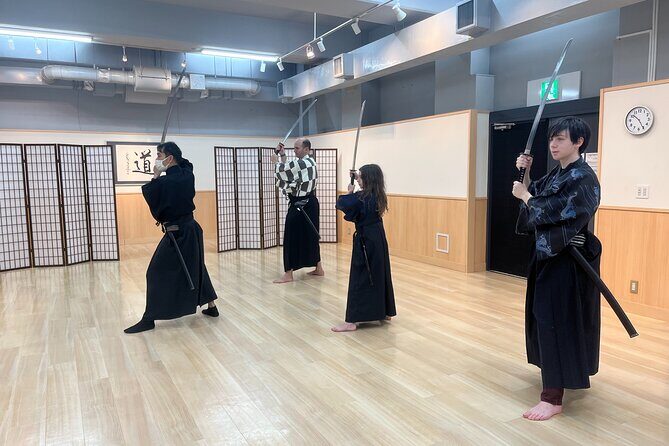
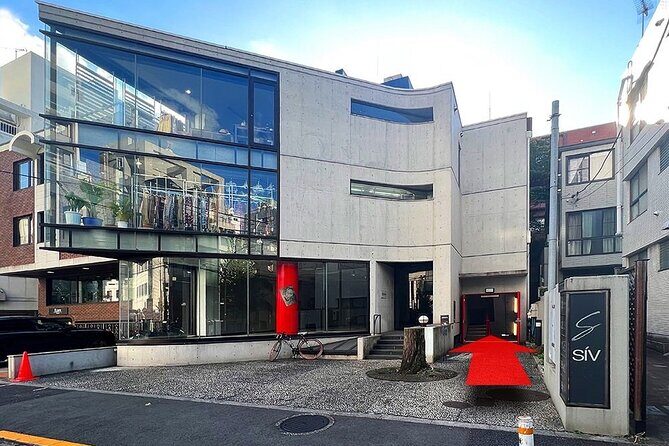
The meeting point is at SAMURAI EXPERIENCE in Tokyo / 侍体験 / Sword Fighting Class SAMURAI’ve, Shibuya, Sendagaya (151-0051). The address shown is 3-chōme 3 12 Shibata Bldg B2.
It’s also described as being near public transportation, which is good news. Tokyo access is rarely a problem, but you still want to give yourself enough time to find a basement meeting spot.
Plan for a simple rule: arrive early and confirm the session time before you leave your hotel. The biggest real-world disappointment risk isn’t the class itself—it’s missing the start. There’s been confusion reported around start times shown on ticket info, and since the whole session is about an hour, being late can mean losing the experience entirely.
If you want this to feel smooth, do this:
- Double-check the exact session time you booked.
- Aim to arrive with a cushion so you’re not rushed during dressing.
Optional samurai performance: add-on value if you want more stage time
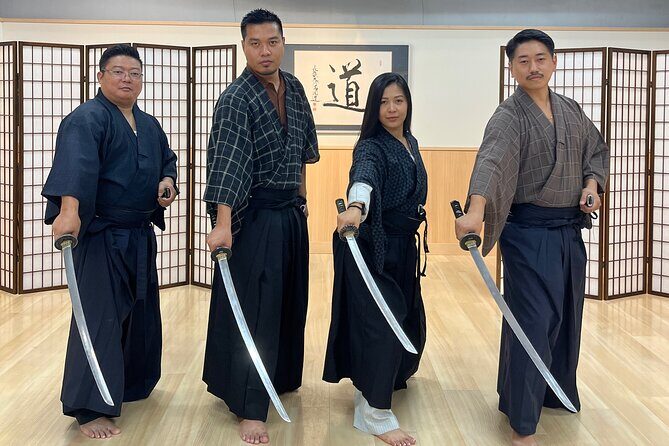
If you want the experience to include more performance energy, there’s an option to incorporate a samurai performance show performed by the instructors during your session. This is an additional expense, but it can be a strong add-on if you’re also interested in how samurai presentation looks in a show setting.
This matters because Tokyo has lots of cultural experiences, but very few that connect your hands-on practice to an on-stage performance by the same kind of instructors. If you’re the kind of traveler who likes to watch the “real version” after learning the “beginner version,” this option can help.
Who should book SAMURAI’ve?
This experience fits best if you want:
- A short, hands-on cultural activity you can finish in an hour.
- Costume photos that look like you actually participated, not only stood still.
- A beginner-friendly sword class with etiquette and safety in the foreground.
- A group setting where instructors can work with multiple people at once.
It’s also a great fit for families. People have brought kids and teens and found it fun, paced, and memorable, with patient instruction.
If you’re already an advanced martial artist looking for technical sparring or high-level training, you might find this too introductory. But if you want to understand the basics and walk away with a real-world feel for samurai presentation, it’s a strong choice.
Should you book this samurai sword experience in Tokyo?
I think you should book SAMURAI’ve if you want a compact, structured activity that combines costume, etiquette, and real practice with a practice katana, all capped with a photo shoot. The included costumes and the hands-on sequence are where the value lives, and the small group size keeps it from feeling like a conveyor belt.
Only hold off if your schedule is tight or you’re worried about arriving on time. Because the session window is short and start-time confusion has happened, you’ll get the best result by planning carefully and arriving early.
If you can do that, this is one of those Tokyo experiences that gives you something visual, something physical, and something you’ll remember long after the photos are posted.
FAQ
FAQ
What is the duration of the Samurai Experience in Tokyo / SAMURAI’ve?
The program is about 1 hour.
What time slots are available?
The experience is listed for 10:30A.M.–11:30A.M. and 3:00P.M.–4:00P.M.
What’s included in the ticket price?
Included are samurai costumes, a katana (metal fake sword), the instructional program, and a photo shoot.
Do I learn to wear a kimono?
Yes. The program includes Kitsuke, which is learning how to wear a kimono as part of suiting up.
Is the katana sharp?
You use a metal fake sword (katana). One description notes it is heavy but not sharp on the side.
What are the main parts of the class?
The session includes Kitsuke, Reigi sahou (etiquette), a basic sword lesson, Tachimawari (hands-on sword experience), and a photo shoot.
Can I add a samurai performance?
Yes. There’s an option to incorporate a samurai performance show by the instructors, but it requires additional fees.
How big is the group?
The experience has a maximum of 19 travelers.
Is free cancellation available?
Yes. You can cancel up to 24 hours in advance for a full refund.
More Tour Reviews in Tokyo



The Way of the Sword, Continued

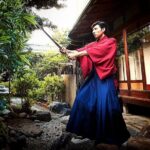
Fresh reviews from around Tokyo






Samurai & Ninja Experiences, compared.
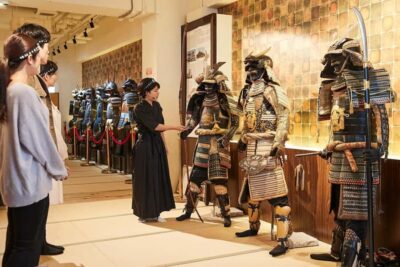 ★ 4.6Samurai Ninja Museum Guided tour and ExperienceFrom $271,010 reviews
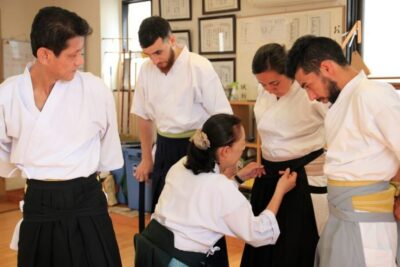 ★ 5.0Samurai Sword & Archery Class from Samurai DescendantFrom $193603 reviews
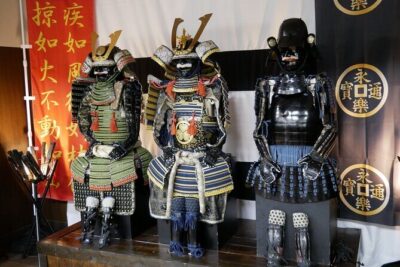 ★ 5.0Best Samurai Experience in TokyoFrom $65458 reviews
 ★ 5.0Ninja Experience (Family Friendly) at Samurai Ninja Museum TOKYOFrom $47441 reviews
 ★ 4.6Samurai Entertainment Night Show in Kanda ShrineFrom $41417 reviews
 ★ 5.0Tokyo Sword Experience – includes Museum Ticket/Ninja ExperienceFrom $84314 reviews
 ★ 4.8Samurai Ninja Museum Asakusa: Samurai Sword Lesson & TourFrom $63306 reviews
 ★ 5.0Samurai Sword Experience (Family Friendly)at SAMURAI MUSEUM TOKYOFrom $65168 reviews
Browse the lists this tour appears in