
Reviewed · MUSEUMS
Private Tour Through the Tokyo National Museum & Ukiyo-e
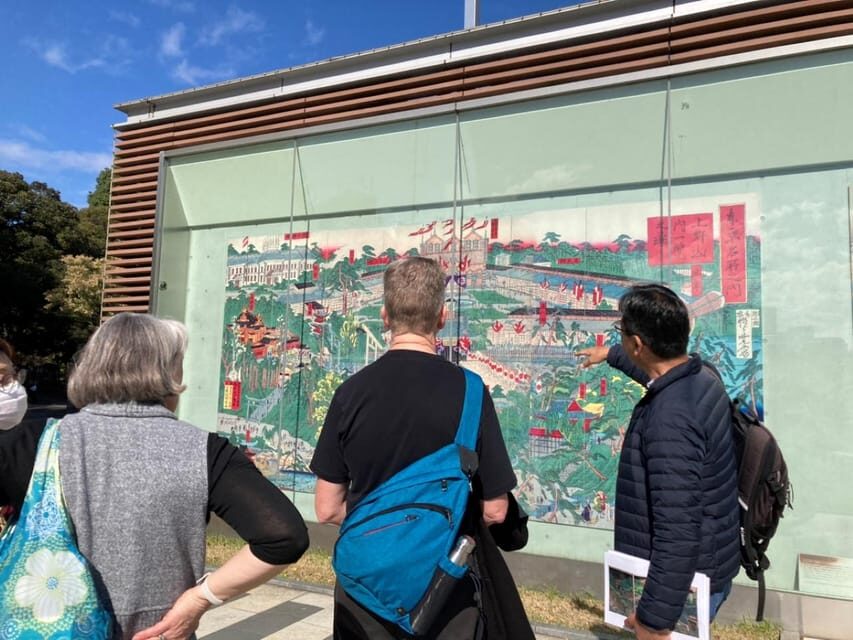
Ueno tells stories fast. This private tour threads together temples, a shrine, and Japan’s top museum so you get context instead of just photos. You’ll move through Ueno’s key landmarks with an English guide who ties what you see to the place around you.
I especially like the wooden-stage photo stop at Kiyomizu Kannondo, because the view makes the whole area feel real. I also like that the tour is guided end-to-end in English, and guides such as Shigeru, Hattori Yutaka, Mieko, and Masahito are known for answering questions clearly and spending time where you want it.
One possible drawback: this experience isn’t suitable for people with mobility impairments or wheelchair users. If you need step-free routes, the mix of outdoor temple/shrine stops plus the museum visit may be challenging.
In This Review
- Key highlights worth your time
- Getting Started at FamilyMart Ueno Park Branch (where to actually meet)
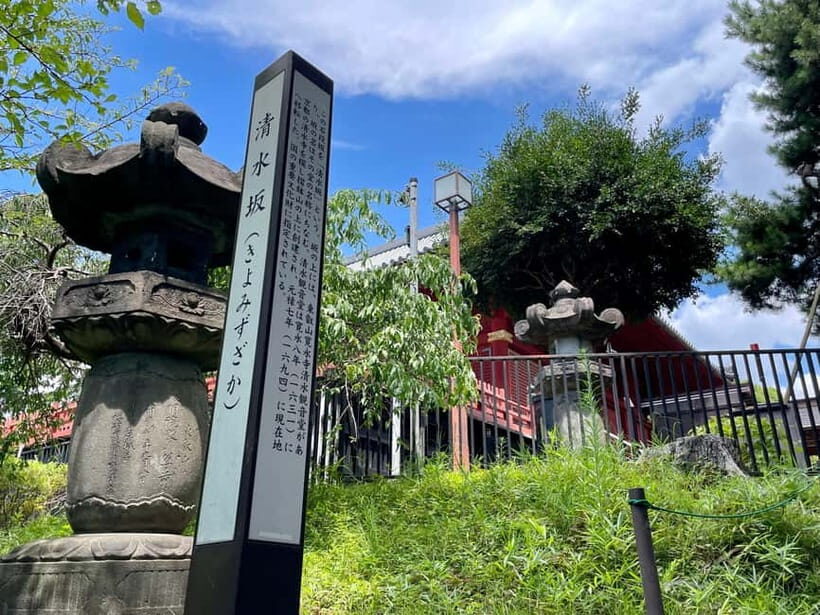
- Kiyomizu Kannon-dō: The wooden stage photo stop and calm views
- Ueno Toshogu Shrine: Tokugawa links in a compact stop
- Tokyo National Museum: Samurai armor, ukiyo-e, and what to look for
- Ueno Hill through time: Kaneiji Temple grounds to modern Ueno
- The value question: Is $74 worth it for 150 minutes?
- Timing and pace: how to get the most out of a short tour
- Small rules and what to pack for comfort
- Who should book this private tour (and who should skip it)
- Should you book this Tokyo National Museum & Ukiyo-e private tour?
- FAQ
- Where does the tour start?
- What’s the duration of the tour?
- Is the tour private and in English?
- What’s included in the price?
- What is the final meeting or ending point?
- Are there any rules about photos?
- Is this tour suitable for wheelchair users or mobility impairments?
Key highlights worth your time
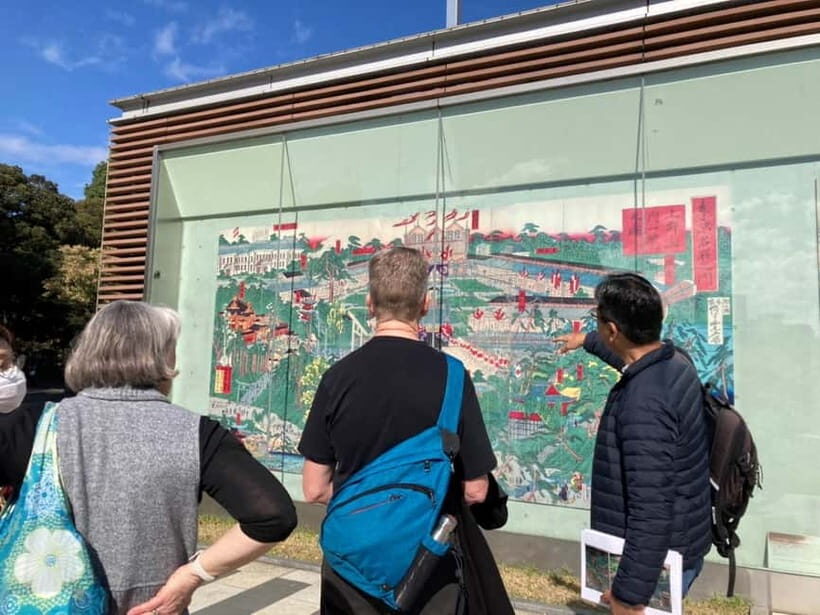
- Photo-stop views at Kiyomizu Kannondo from the wooden stage overlooking Ueno Park
- English-language guidance that explains what you’re looking at, not just where to stand
- Ueno Toshogu Shrine with connections to the Tokugawa shogunate
- Tokyo National Museum admission included, plus a focused look at major collections
- Guides help with comfort and questions, and some even coordinate lots of photos
More private options with your own guide
- Tokyo 6hr Private Tour with Government-Licensed Guide★ 5.0 · 3,902 reviews
- Private Tour to Mt. Fuji and Hakone (Fully Licenced Operator)★ 5.0 · 1,910 reviews
- Tokyo Customized Private Tour (Must See Places in 1 Day)★ 5.0 · 1,499 reviews
Getting Started at FamilyMart Ueno Park Branch (where to actually meet)
Meeting can sound simple until you’re staring at the wrong corner. The meeting point is in front of the FamilyMart Ueno Park branch, and it faces the street, not inside Ueno Park. If you arrive early, take a minute to confirm you’re outside the convenience store on the correct side.
This matters because your whole pace for the 150 minutes depends on starting on time. With only a bit over two hours total, you’ll want your first “meet-and-greet” to be quick and smooth.
Kiyomizu Kannon-dō: The wooden stage photo stop and calm views
Kiyomizu Kannon-dō is the first big mood shift. You’ll get a guided look and a photo stop at the wooden stage area, where the viewpoint over Ueno Park is part of the magic. It’s quieter than you’d expect in a busy Tokyo neighborhood, and that shift helps you reset before the museum.
What makes this stop useful is the way the guide frames it. Instead of treating it as just a viewpoint, you’ll get a sense of why this spot works for people historically and why it’s peaceful now.
Practical note: you’ll be on your feet and moving between spots. Comfortable shoes aren’t optional here.
Ueno Toshogu Shrine: Tokugawa links in a compact stop
Next is Ueno Toshogu Shrine, another outdoor highlight. You’ll pause for photos and sightseeing with guidance, and the anchor detail is the shrine’s connection to the Tokugawa shogunate. Even if you don’t know the name beforehand, this context helps the shrine feel less random and more like a chapter in Japan’s political story.
This is also a good stop for questions. If you’re curious about how religious sites relate to power, the guide’s job is to connect symbols to meaning in a way you can actually remember later.
A small consideration: because it’s built into a short overall tour, this shrine stop is likely more “guided overview” than “slow wander.” If you’re the type who wants to linger for an hour, you may want extra time before or after the tour.
Tokyo National Museum: Samurai armor, ukiyo-e, and what to look for
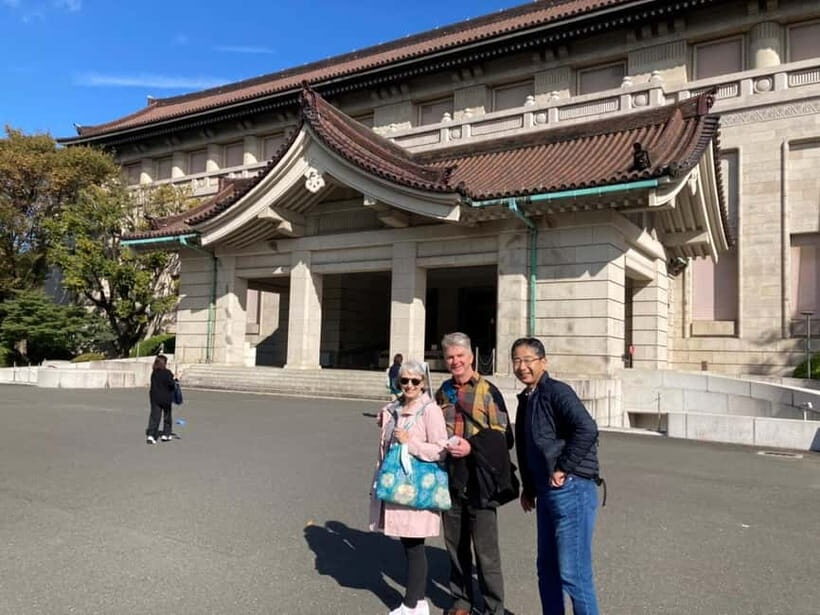
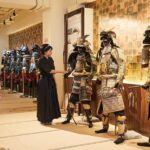
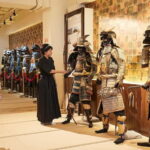
Then you hit the reason most people book: the Tokyo National Museum. Admission is included, which is a real value point because you’re paying for access plus a guide rather than doing it as two separate purchases.
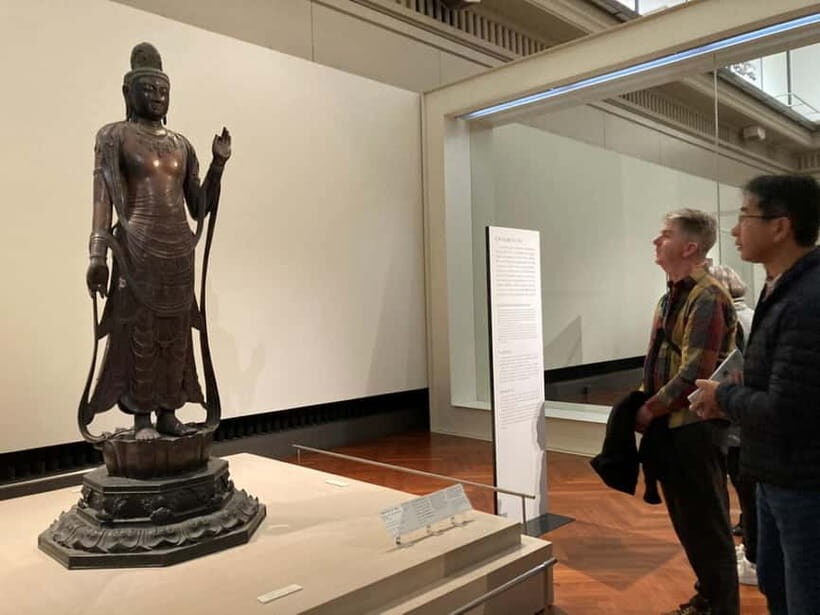
Inside, the focus is on standout cultural objects—think samurai armor and colorful ukiyo-e woodblock prints. What’s smart is that the tour style isn’t just “walk past galleries.” A good guide helps you slow down enough to understand what you’re looking at: materials, symbols, and why these works mattered.
If you’re an art person, ukiyo-e is the obvious draw. If you’re more into history, the armor and related objects can help you picture how status, conflict, and craftsmanship show up in material culture. Either way, this museum visit is set up to be readable in under two hours because you’re not alone in navigating.
One more practical perk: some guides are happy to adjust the pace so you can spend extra time on the parts you care about most. If you’re trying to see two specific areas, it helps to tell the guide early so your time doesn’t get eaten up by everything else.
More museum hours worth queueing for


Ueno Hill through time: Kaneiji Temple grounds to modern Ueno
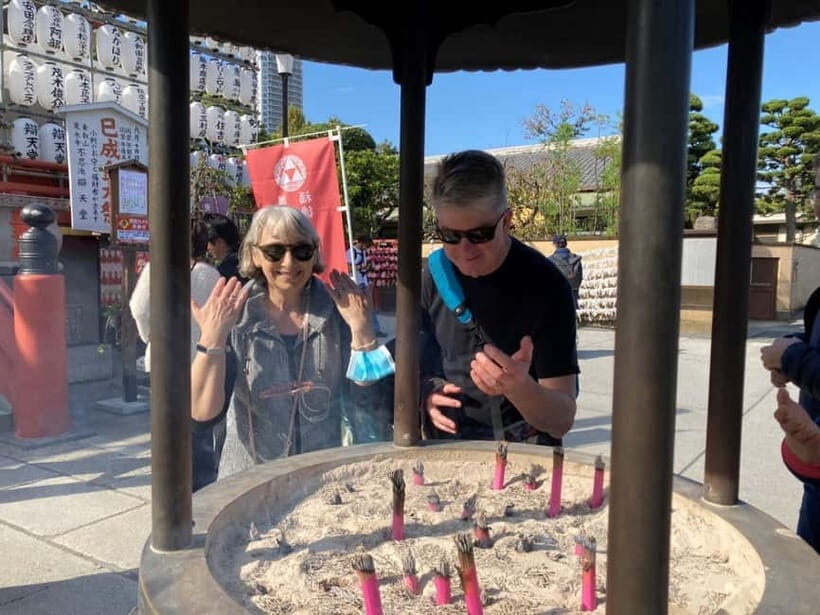
This tour isn’t only about buildings. It’s also about the ground under your feet—Ueno Hill and what it used to be. You’ll hear how the area was once the vast grounds of Kaneiji Temple and how, in the Edo period, it became a popular public space.
Then the story moves forward to the Meiji Restoration and the Battle of Ueno, explaining how the area’s character changed while certain elements stayed familiar. That kind of framing turns the walk into something like a living map. You’re not just moving between sights; you’re tracking how a neighborhood rewired itself over centuries.
I like this approach because it works for different kinds of travelers. If you love big historical narratives, you’ll connect dots. If you prefer a lighter pace, the guide still gives you enough context to make the sights feel intentional.
The value question: Is $74 worth it for 150 minutes?
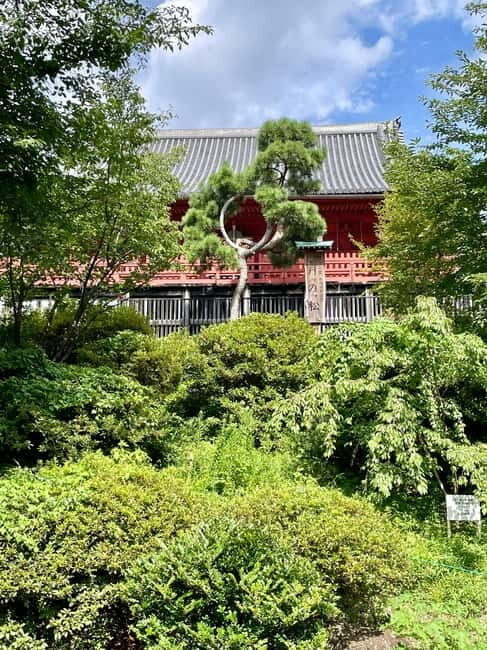
At $74 per person for about 150 minutes, you’re buying three things: a private English-speaking guide, museum admission, and access as part of the route that includes Kiyomizu Kannon-dō. The private format is a big deal if you want your questions answered without the usual “wait your turn” energy.
Here’s how I’d think about value before you book:
- If you planned to visit the museum anyway, included admission reduces friction.
- If you don’t want to spend your precious Tokyo time figuring out what matters most, the guided focus saves energy.
- If you’re traveling with kids or family, the guide’s patience and flexible pacing can be the difference between a stressful outing and a memorable one.
The only “cost” you pay is time limits. This tour is compact by design, so you won’t cover every single wing of the museum in depth. You’re here for key highlights and context, not for a full day of gallery browsing.
Timing and pace: how to get the most out of a short tour
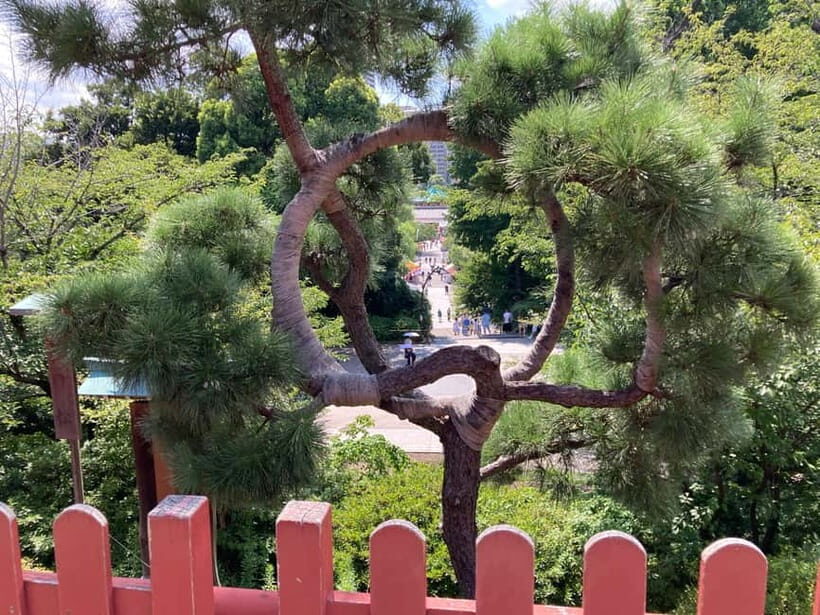
This tour runs tight enough that you’ll want to be ready to move. Photo stops are built in, and guided sightseeing is the core, but the whole day plan still depends on staying on schedule.
If you’re someone who likes to ask a lot of questions, it helps that some guides are known for answering patiently and giving you time to dig into what you care about. Others—like Shigeru or Masahito, depending on who you get—can be engaging and responsive, including taking lots of photos for you if you ask.
Also, bring water and be honest with yourself about walking stamina. Even if the stops are close in a neighborhood, the time adds up.
Small rules and what to pack for comfort
This is a simple tour, but Tokyo museums and temples have real-world rules that affect your experience.
- No smoking
- No flash photography
- Bring comfortable shoes, a hat, camera, sunscreen, and water
Flash-free photography is common in museums, but it’s worth noting because it changes how you plan to take pictures. If you’re hoping for nighttime-style shots indoors, you’ll want to rely on normal lighting and your camera settings rather than flashes.
And because the tour includes outdoor elements, the hat and sunscreen are genuinely practical. Ueno weather can shift, and you’ll feel it if you’re standing around for photos.
Who should book this private tour (and who should skip it)
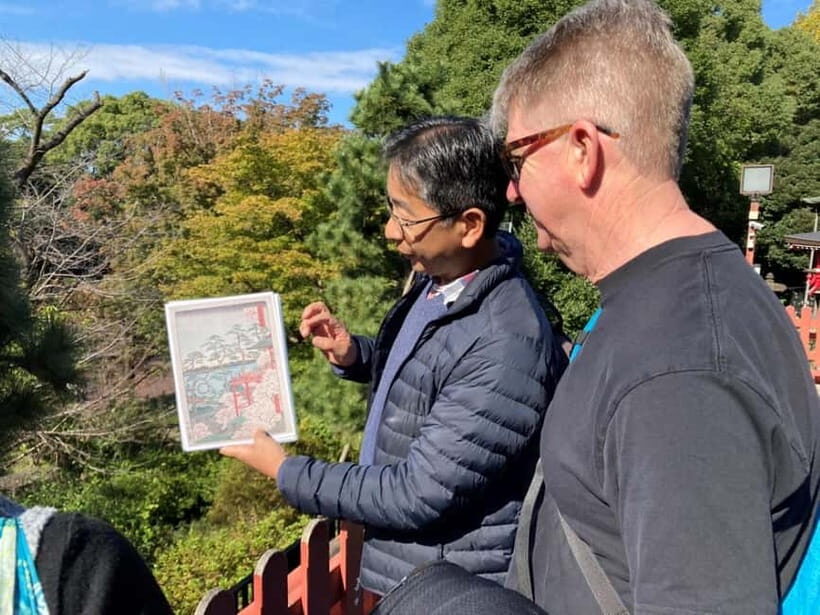
This tour is a strong fit if you want:
- a guided first visit to Ueno and the Tokyo National Museum
- an English guide who explains what you’re seeing in plain language
- temples and shrines without turning it into a long, exhausting day
It’s also a good match if you care about photos. Some guides have a reputation for taking lots of pictures and helping you feel comfortable while you explore. One guide even suggested a tasty lunch option, which is a nice bonus after a concentrated morning or afternoon.
Consider skipping or adjusting expectations if:
- you use a wheelchair or need step-free access, because it’s not suitable for wheelchair users
- you want a museum marathon with zero time pressure
If you’re the type who likes “highlights with meaning,” this hits the sweet spot.
Should you book this Tokyo National Museum & Ukiyo-e private tour?
I’d book it if you’re prioritizing understanding over wandering. The combination of Ueno Park views, Tokugawa-linked shrine context, and a museum stop featuring samurai armor and ukiyo-e is a solid way to get value from a short window in Tokyo.
I’d think twice if accessibility is an issue for you or if you need a slow, deep museum day. For everyone else, the private English guidance is the point. You’re not just collecting sights—you’re collecting context, and you’ll walk away knowing what those objects and sites mean, not only what they look like.
If you want a compact, high-impact Ueno outing with a guide who can answer questions and help with photos, this is an easy yes.
FAQ
Where does the tour start?
It starts in front of the FamilyMart Ueno Park branch. It is facing the street, not inside Ueno Park.
What’s the duration of the tour?
The tour lasts 150 minutes.
Is the tour private and in English?
Yes. It’s a private group tour with an English-speaking live guide.
What’s included in the price?
Admission to the Tokyo National Museum is included, and there is access to Kiyomizu Kannon-dō as part of the tour.
What is the final meeting or ending point?
The tour finishes at Tokyo National Museum.
Are there any rules about photos?
Flash photography is not allowed.
Is this tour suitable for wheelchair users or mobility impairments?
No. It is not suitable for people with mobility impairments or wheelchair users.
Just Your Group: Private Options



More Tours in Tokyo




More Tour Reviews in Tokyo



Fresh reviews from around Tokyo






Museums, compared.
 ★ 4.6teamLab Planets TOKYO Digital Art Museum Entry TicketFrom $259,779 reviews
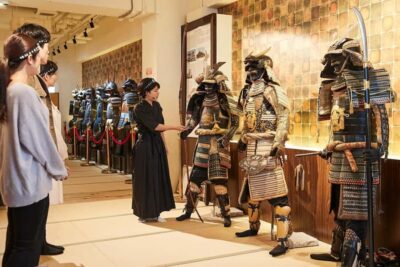 ★ 4.6Samurai Ninja Museum Guided tour and ExperienceFrom $271,010 reviews
 ★ 5.0Ninja Experience (Family Friendly) at Samurai Ninja Museum TOKYOFrom $47441 reviews
Tokyo Studio Ghibli Museum and Ghibli Film Appreciation TourFrom $193421 reviews
★ 5.0Ninja Experience (Family Friendly) at Samurai Ninja Museum TOKYOFrom $47441 reviews
Tokyo Studio Ghibli Museum and Ghibli Film Appreciation TourFrom $193421 reviews
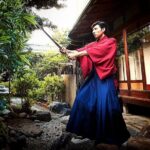
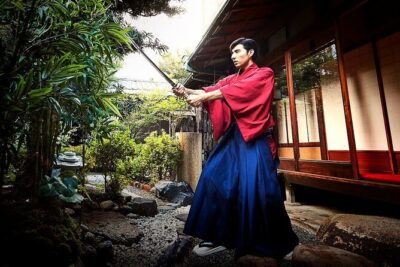 ★ 5.0Tokyo Sword Experience – includes Museum Ticket/Ninja ExperienceFrom $84314 reviews
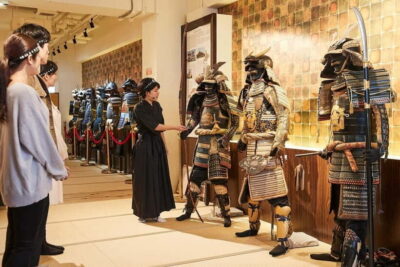 ★ 4.8Samurai Ninja Museum Asakusa: Samurai Sword Lesson & TourFrom $63306 reviews
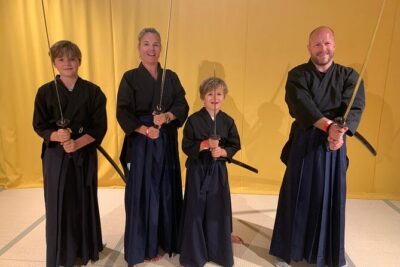 ★ 5.0Samurai Sword Experience (Family Friendly)at SAMURAI MUSEUM TOKYOFrom $65168 reviews
 ★ 4.7Samurai Ninja Museum Asakusa: Kid-Friendly Ninja TrainingFrom $5667 reviews
Browse the lists this tour appears in