
Reviewed · HAKONE DAY TRIPS
Traverse Outer Rim of Hakone Caldera and Enjoy Onsen Hiking Tour
Hakone without the map stress is the point of this trip. You’ll walk the outer rim of the caldera, get big ridge views (with Mt Fuji possible on clear days), then warm up your muscles again in an onsen. I love the mix of guiding + real hiking so you can focus on the trail and not line-check every turn. I also like that the route is built around a signature 2.5 to 3 hour ridge walk, so the best scenery isn’t just a quick stop.
The one drawback to keep in mind: this isn’t an easy stroll. You cover about 8 to 9 km with a 500 m ascent over roughly 90 minutes, plus uneven footing. If you’re not confident on uphill walking, you’ll feel it later—though the onsen is there to help.
In This Review
- Key things to know before you go
- Outer rim Hakone hiking: why this route feels so satisfying
- Sengokuhara start: cooler air and a no-nonsense uphill begin
- Mt. Marudake ridge walk: where the weather (and Fuji) plays the lead role
- The descent to Lake Ashinoko and why 30 minutes still matters
- Togendai lunch break: good carbs, real choices, and a gentle reset
- Onsen at the end: indoor and outdoor baths for real muscle recovery
- Price and value: what ¥, time, and effort add up to
- Fitness reality check: what strong legs actually means here
- Seasons on the trail: bamboo, sakura, leaves, or powdered snow
- Who this Hakone onsen hiking tour is best for
- Should you book this onsen hiking tour?
- FAQ
- How long is the hike and how long is the full tour?
- What time does the tour start and where do I meet?
- Is Mt. Fuji guaranteed on this tour?
- What’s the fitness level needed?
- How big is the group?
- What’s included in the price, and what costs extra?
- What happens if the weather is bad?
Key things to know before you go
- Outer rim caldera hiking with a full ridge highlight that takes the morning from climb to panoramic views
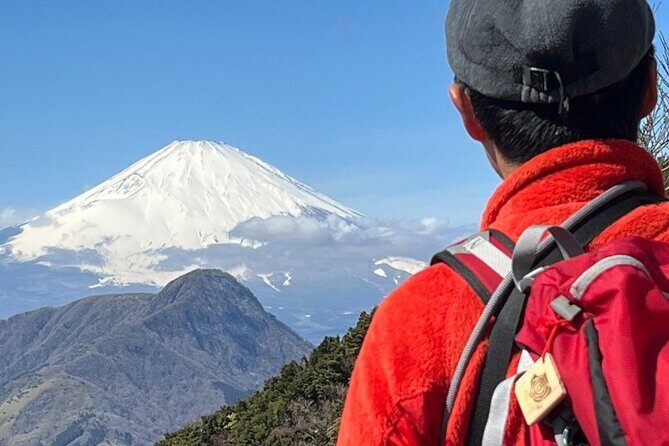
- Mt Fuji views depend on weather, but you still get sightings of Miyagino and Sengokuhara even when clouds roll in
- Seasonal trail variety as you pass bamboo areas and changing foliage through spring, autumn, and winter
- Trek-to-onsen payoff with both indoor and outdoor baths to reset tired legs
- Small group size (max 6), which keeps the pace comfortable and the guide more available
- Chartered taxi to the trailhead, but transportation isn’t included in the tour price
Outer rim Hakone hiking: why this route feels so satisfying
Hakone can be a lot of motion: cable cars, boats, buses, crowds. This tour swaps some of that for something quieter and more personal: walking the caldera’s outer rim. The big win is that you’re not just changing viewpoints—you’re earning them with climbing, ridge time, and a steady descent.
You’ll start around 700 meters above sea level, which matters more than people think. Even on a mild day in town, it can feel cooler up at the trailhead. That’s good for hiking because you don’t feel like you’re steaming through the entire climb.
The other smart piece is pacing. The hardest part is concentrated: a 90-minute ascent with about 500 meters of elevation gain, then the long ridge walk where you can slow down for photos and snacks without the trail turning into a full-on sprint. Your body has a job, and then it gets a reward.
Sengokuhara start: cooler air and a no-nonsense uphill begin
You meet at Hakone-Yumoto Station at 8:30 am, then take a chartered taxi up to the trailhead. Since the taxi cost isn’t included, I’d plan for that upfront so you’re not surprised at the end.
When you start hiking, you’re already in a mountain mindset. The trail begins around 700 m above sea level, and the temperature is generally cooler at that height. That’s not just comfort—it can help you avoid going out too fast on the first stretch.
From there, the climb to the top is about 1 hour 30 minutes and gains roughly 500 m. Expect work. This is where your leg strength and steadiness matter most. The trail also has uneven terrain, so footwear with solid grip is worth it. You don’t need to be an athlete, but you do need to be ready for hiking that feels like hiking.
One thing I really appreciate about this setup is that you’re not dealing with navigation. The tour is led by a nationally certified pro guide, and the experience is designed so you can focus on pace and footing. That’s a big value add if you’ve ever tried to DIY Hakone trails and spent more time re-checking your phone than enjoying the view.
Mt. Marudake ridge walk: where the weather (and Fuji) plays the lead role
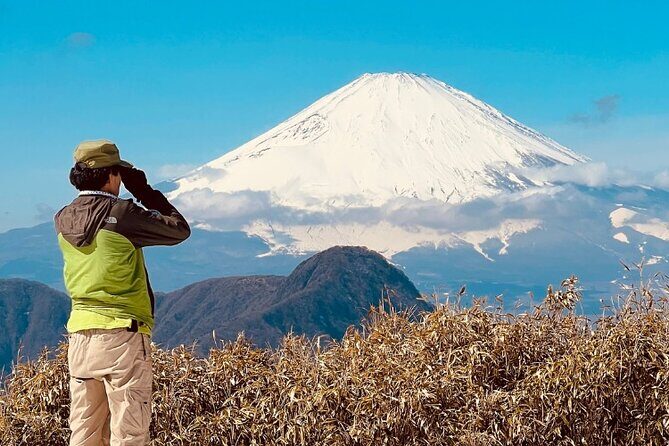
Once you hit the mountaintop, the tour shifts gears into the main event: a 2.5 to 3 hour ridge walk. This is the part that turns a good hike into a memorable one, because ridge walking changes everything—wind, light, and the way your eyes can roam.
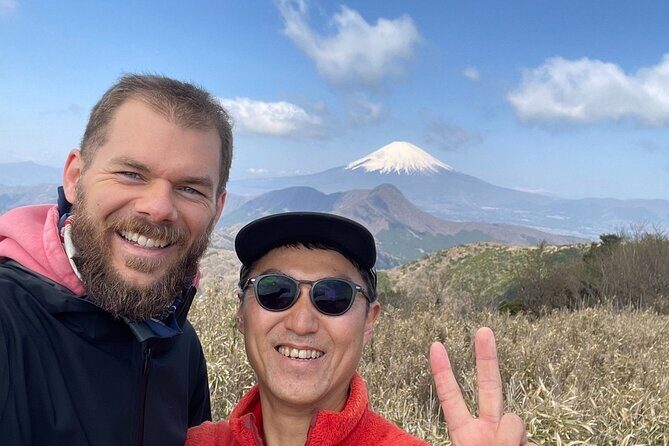
If the weather is kind, you can see Mt Fuji most of the time while you’re on the ridge walk. If Fuji is hiding behind clouds, you still aren’t staring at blank air. You’ll still have views in the Hakone area, including Miyagino and Sengokuhara. In other words, the ridge walk still has payoff even when the famous peak doesn’t show its face.
You’ll also pass through a bamboo field, and that small detail matters. It’s a sensory pause on a route that could otherwise feel all effort and no texture. You may hear birds singing, and the scenery changes with the season:
- Spring: you might see sakura along the way
- Autumn: you can catch red leaves
- Deep winter: you may step on powdered snow, if conditions allow
That seasonal variety is part of why this tour works across different months. You’re not stuck repeating the same “views and that’s it” formula.
Practical note: the ridge walk is also when you’ll likely take photos and eat a snack. The tour timing allows for that. If you rush, you’ll miss the point. If you go slow, you’ll get more from it.
The descent to Lake Ashinoko and why 30 minutes still matters
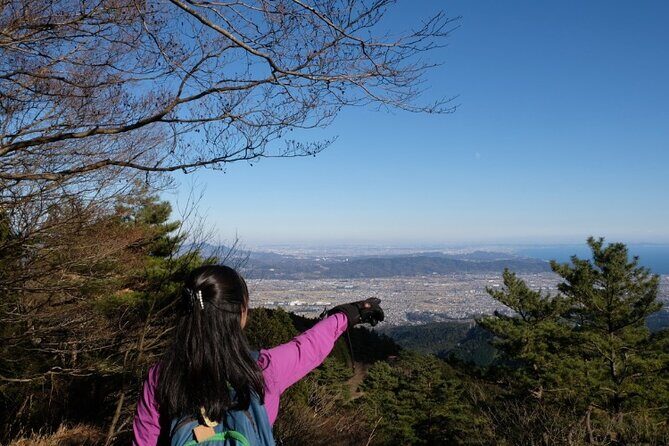
After the ridge segment, you’ll head down for about 30 minutes to reach the Lake Ashinoko area. This is not a huge descent, but it still deserves respect. Going downhill can be harder on knees and ankles than the uphill feels, especially on uneven ground.
Here’s the quiet logic of the itinerary: you don’t hike all day in one line. You climb, you linger on the ridge, then you drop down and get a brief transition. That makes the day feel structured instead of exhausting-on-paper and chaotic-in-real-life.
When you arrive at the Lake Ashinoko area, you’re positioned for an easy shift into the next part of the day: food and recovery.
Togendai lunch break: good carbs, real choices, and a gentle reset
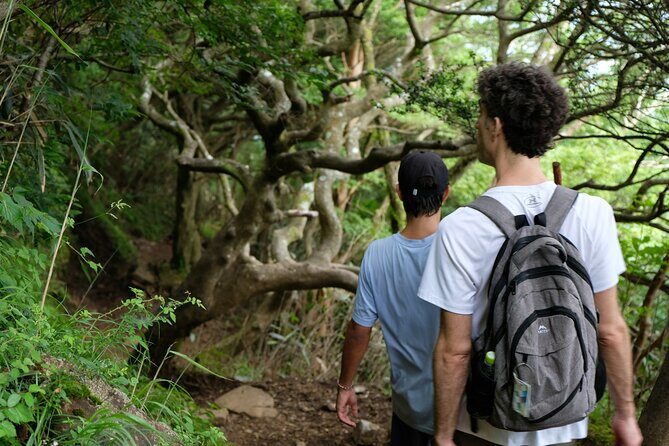
Next you’ll head to Togendai Station General Information Center. This is where the tour turns from trail mode to regular traveler mode.
Lunch is planned for about 1 hour, and you’ll find choices like soba, udon, Japanese curry, and even Westernized options. The tour guide helps you pick something that works with what’s available. That’s useful because Togendai can be busy, and hungry people don’t make the best decisions.
One value point here: lunch isn’t rushed. After a climb and ridge walking, you want time to eat without feeling like you’re being herded. Also, since lunch isn’t included, you get a chance to choose what fits your appetite and dietary preferences.
Onsen at the end: indoor and outdoor baths for real muscle recovery
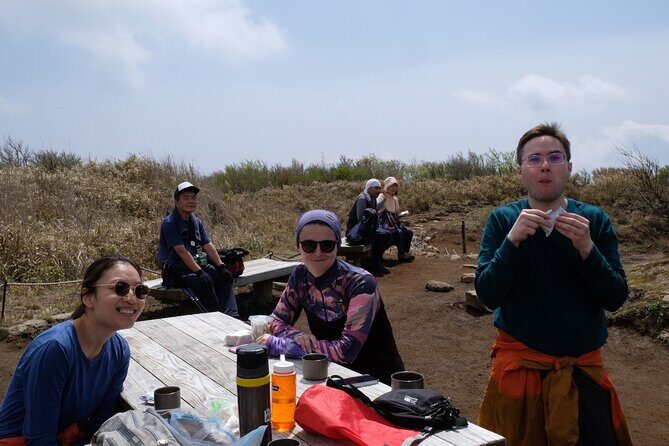
After lunch, you go to an onsen that has both indoor and outdoor baths. You’ll spend about 1 hour here, focused on relaxing and relieving the tired muscles from the hike.
The onsen fee is ¥1,500 per person and is not included, so factor that into your total budget. If you’re the type who likes to measure value honestly, this is the part where paying extra makes sense: you’re buying comfort and recovery after real physical work.
The onsen is described as having a legendary healing effect, but I’d treat that as marketing. What matters practically is that you have access to heat therapy right after the trail. Outdoor baths can also be a mood booster, especially when the air feels cooler from the mountain hike.
A nice touch is that the onsen experience can be customized according to your preference. The tour doesn’t force a single one-size-fits-all approach; it’s built around helping you actually feel better, not just “checking the onsen box.”
Price and value: what ¥, time, and effort add up to
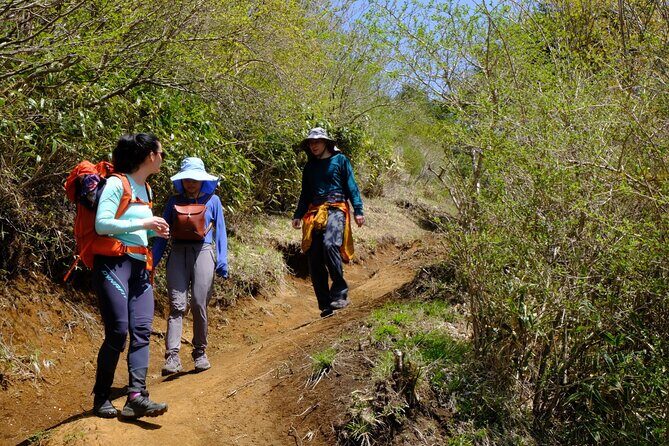
The tour price is $158.13 per person for a day that runs about 7 to 8 hours total. The hiking portion is roughly 4 to 5 hours, and you’re walking about 8 to 9 km with meaningful elevation.
What’s included:
- A nationally certified pro guide
What’s not included:
- Transportation to the trailhead (taxi is chartered, but that cost is extra)
- Lunch for your group
- Onsen fee ¥1,500 per person
So is it worth it? For the right traveler, yes—because you’re paying for three things you’d struggle to replicate smoothly on your own:
1) someone managing the route so you don’t lose time with navigation,
2) a planned flow from climb to ridge to recovery,
3) small group pacing (max 6 travelers) that keeps the day from feeling like a conveyor belt.
If you’re already comfortable hiking in Hakone and you can handle logistics on your own, you might spend less elsewhere. But you’d also be trading away guide support and a well-timed structure. For a lot of people, that trade-off is not worth the savings—especially on a day where footing matters.
Fitness reality check: what strong legs actually means here
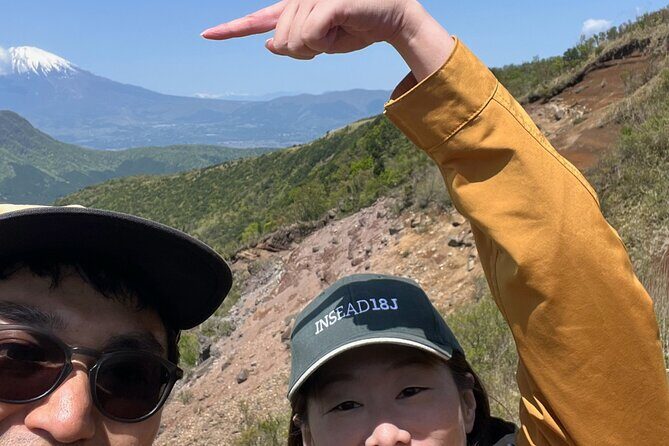
This tour says you need to be fit, and I agree with that message. You’ll handle:
- 4 to 5 hours hiking
- 8 to 9 km distance
- a 500 m ascent over about 90 minutes
- uneven terrain on the trail
That’s why it’s best for active individuals and families who can hike steadily. If your hiking experience is mostly flat city walks, you’ll probably find the uphill hard. If you can do regular cardio and you’re fine walking on mixed surfaces, you’ll likely be comfortable.
The good news: the guide helps you keep the hike feeling manageable. The reviews that rate this tour highly tend to point out that the guide is patient and helps with the navigation stress. You still have to hike, but you’re not doing it alone.
Also, be honest about weather. The tour is described as requiring good weather. If conditions are rough, you’ll need to rely on the operator’s weather-based plan.
Seasons on the trail: bamboo, sakura, leaves, or powdered snow
One reason I like Hakone hiking tours is how much the experience changes with the season, and this route actively taps into that. You might hear birds in the bamboo area, and you can catch different seasonal visuals:
- Sakura in spring
- Red leaves in autumn
- Powdered snow in deep winter
That doesn’t mean every season guarantees dramatic photos, but it does mean the trail is alive, not just scenic-once. And if Mt Fuji is hidden on a foggy day, the seasonal character plus ridge views of the surrounding Hakone areas still keep the hike worthwhile.
Bring layers. Even in a good forecast, the ridge can feel different from the town.
Who this Hakone onsen hiking tour is best for
I’d point this toward you if:
- you want Hakone hiking with structure, not DIY guesswork
- you enjoy views that come from time on a ridge, not a quick viewpoint stop
- you’re motivated by the end reward: onsen recovery
- you like small groups and don’t want to feel lost in a crowd
It’s also a strong choice for active families or individuals who want a day that’s both scenic and physically satisfying.
I’d think twice if:
- you have knee issues or you dislike downhill footing
- you’re looking for a low-effort, mostly sightseeing day
- you’re easily discouraged by fog (the tour can still be good, but Fuji depends on weather)
Should you book this onsen hiking tour?
If your ideal day in Hakone is: hike with a guide, get one big ridge highlight, eat a real meal, and soak sore legs afterward, then this is a good fit. The max 6 travelers and the guide-led navigation are major value points, especially for first-timers who don’t want to spend the day managing routes.
Book it if you’re confident with a 500 m climb and uneven trail conditions. If you’re on the edge of fitness, consider training a bit first. Your legs will thank you when you’re standing under hot water later.
If you want flexibility, watch the weather. Since the experience requires good weather, the operator may offer a different date or a full refund if it’s canceled due to poor conditions. And if you’re doing Japan on a tight schedule, plan ahead rather than leaving everything to the last moment.
FAQ
How long is the hike and how long is the full tour?
The hiking portion is about 4 to 5 hours and covers roughly 8 to 9 km. The full tour runs about 7 to 8 hours.
What time does the tour start and where do I meet?
You meet at Hakone-Yumoto Station at 8:30 am.
Is Mt. Fuji guaranteed on this tour?
No. You can see Mt. Fuji most of the time while you’re on the ridge walk when the weather is good. If it’s hidden by clouds, you can still view Miyagino and Sengokuhara.
What’s the fitness level needed?
You need strong physical fitness. The route includes a 500 m elevation gain over about 90 minutes, plus uneven terrain.
How big is the group?
The tour has a maximum of 6 travelers.
What’s included in the price, and what costs extra?
Included: a nationally certified pro guide. Not included: transportation to the trailhead, lunch, and the onsen fee of ¥1,500 per person.
What happens if the weather is bad?
The experience requires good weather. If it’s canceled due to poor weather, you’ll be offered a different date or a full refund. You can also cancel up to 24 hours in advance for a full refund.
More Tours in Hakone

More Tour Reviews in Hakone
Hakone, Three More Ways
Hakone Day Trips, compared.
 ★ 4.0Mt Fuji & Hakone Cruise, Drum Show Bullet Train 1 Day from TokyoFrom $1497,413 reviews
 ★ 4.4Tokyo Mt Fuji 5th St & Hakone Cruise Bus Tour w/Bullet TrainFrom $1545,024 reviews
 ★ 4.7Mt. Fuji Tour, Hakone Ropeway, Owakudani, Lake AshiFrom $544,002 reviews
 ★ 5.0Private Tour to Mt. Fuji and Hakone (Fully Licenced Operator)From $4971,910 reviews
 ★ 4.0Mt Fuji & Hakone Cruise, Drum Show Bus 1 Day from TokyoFrom $1221,287 reviews
 ★ 4.2From Tokyo: Mt. Fuji & Hakone Tour w/ Return by Bullet TrainFrom $1171,278 reviews
 ★ 4.5Mt. Fuji & Hakone Private Day Tour with English-Speaking DriverFrom $453824 reviews
 ★ 4.2Hakone Fuji Day Tour w/ Cruise, Cable Car, VolcanoFrom $98724 reviews
Browse the lists this tour appears in