
Reviewed · HAKONE DAY TRIPS
Hakone Hachiri: Old Tokaido Highway Hiking Tour
Old roads still teach you how to walk.
This Hakone Hachiri day turns the old Tokaido connection between Kyoto and Edo into something you feel in your legs. I especially like the mix of gentle hiking and real historical stops, plus the amasake stop at a tea house with around 400 years of history.
A small caution: Mt Fuji is only sometimes visible, depending on weather and cloud cover, and parts of the path can feel uneven (cobbles, roots, stones). If you need guaranteed, easy walking or step-free access, this won’t be a match.
In This Review
- Key highlights to look for
- Walking the old Tokaido when trains are waiting
- The 7-hour plan: Hakone-Yumoto to Mishima, with smart skip-by-bus pacing
- Amasake Tea House: the warm stop that makes the history feel human
- Lake Ashi and the cedar avenue: postcard views plus a real sense of place
- The Hakone Checkpoint gate: where the Edo era becomes specific
- Hakone Pass and Yamanaka Castle Ruins: the route gets practical
- Mishima Taisha and the Genbe River: a calm finish after the climb energy
- Price and value: what $167 actually buys you
- Practical tips for beginners: what to wear and how to handle uneven ground
- Should you book the Hakone Hachiri hiking tour?
- FAQ
- How long is the Hakone Hachiri hiking tour?
- How much hiking will I do during the day?
- Where do I meet the guide?
- Is Mt Fuji guaranteed on this tour?
- What is included in the price?
- What costs are not included?
- Where does the tour end, and can I continue to Odawara?
Key highlights to look for
- Edo-era route on foot: you cover portions of the Hakone Hachiri path and skip the steepest segments by bus.
- Amasake at a 400-year-old tea house: warm, local, and very much part of the journey culture.
- Lake Ashi photo moments: postcard-style views, including the Torii gate look from the water area.
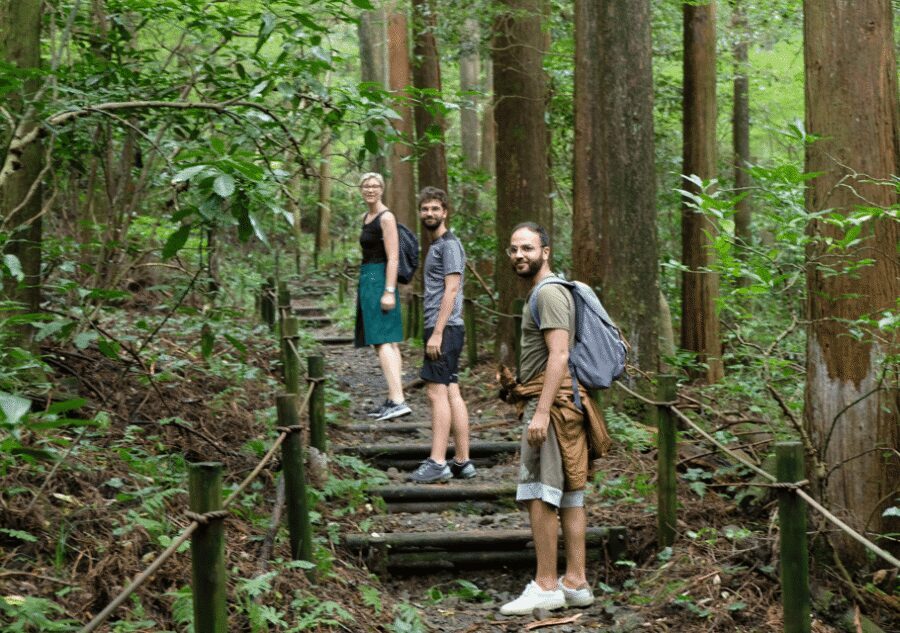
- Cedar avenue with centuries-old trees: a shaded walk that feels like time travel.
- A government checkpoint stop: you pass the old gate where travelers were controlled.
- Finish in Mishima: Mishima Taisha Shrine and a river walk at the end of the day.
Walking the old Tokaido when trains are waiting
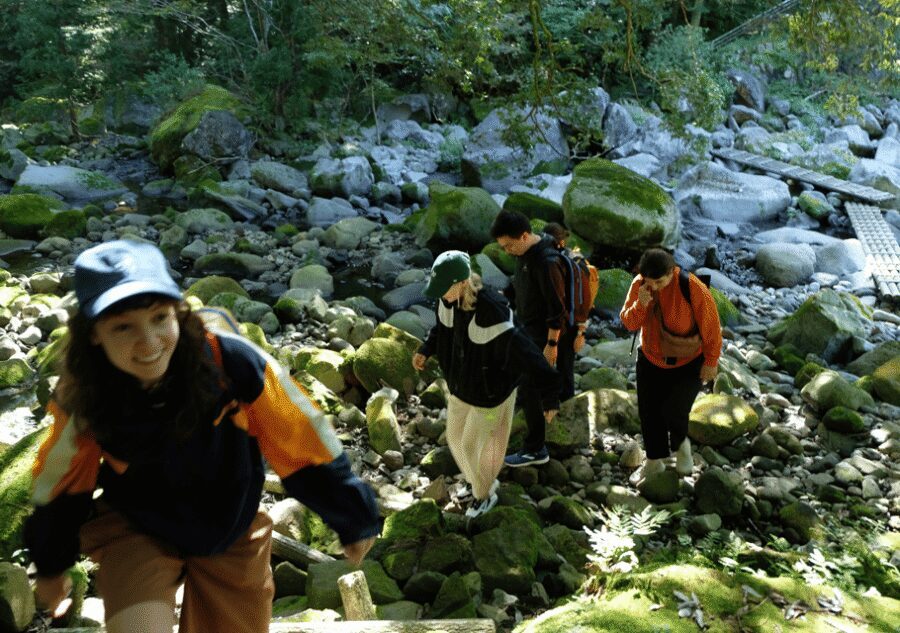
Hakone is famous for views, but this tour uses Hakone in a different way. Instead of treating the mountains as scenery, you use your feet to experience how people once moved between Kyoto and Edo (today’s Tokyo). It’s not a rugged expedition either. The walking is designed for beginners, with gentle slopes and cobbled sections, plus help from a certified guide.
The big idea behind Hakone Hachiri is simple: the original Hakone route was long and hard. “Hachi” means eight, and “ri” is roughly four kilometers, so Hachiri points to the tough mountain stretch travelers faced in the old days. You get a taste of that difficulty without committing to the full 32 kilometers, because the route includes buses to skip the steepest parts.
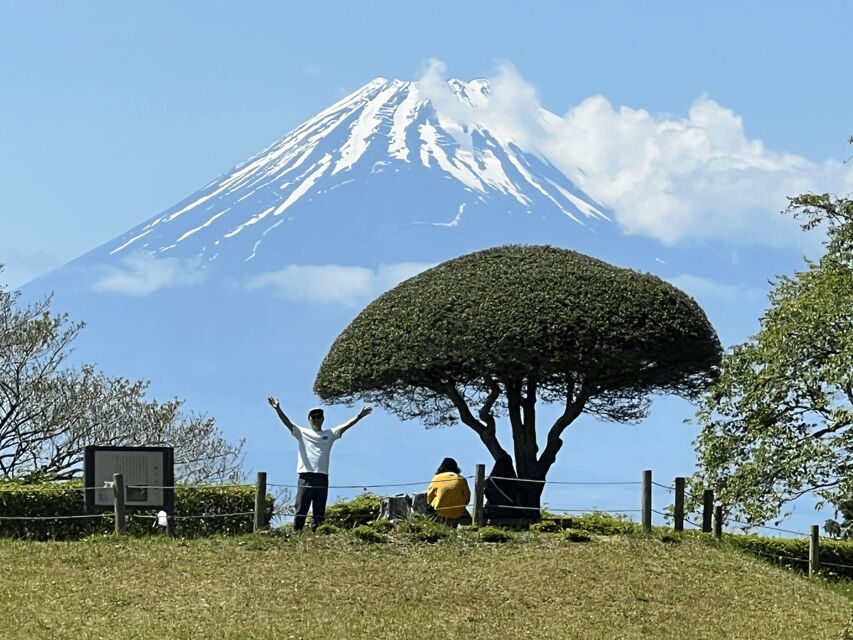
And yes, this is a route where Mt Fuji may show up while you’re walking. When it does, it feels more personal than a viewpoint photo because you’re seeing it from shifting angles as you move.
The 7-hour plan: Hakone-Yumoto to Mishima, with smart skip-by-bus pacing
The tour starts at Hakone-Yumoto Station, and your guide meets you at the ticket gate. From there, the day is a mix of walking and local transport (on foot, plus local bus and shared taxi segments). The whole experience runs about 7 hours, and you’re typically looking at around 5–6 hours on the move.
Here’s how the day usually flows:
1) Hakone-Yumoto to the first hiking stretch (Sukumo River area)
After a short shared taxi segment together, you begin walking near the Sukumo River area. This is a good warm-up stretch, and it helps you get used to the pace before you start stacking on the history stops.
2) Hatajuku and the tea-and-snacks break
You head toward Hatajuku, where you can browse briefly and get a feel for the old-road traveler vibe. Then you reach the Amasake Tea House (more on that below), which acts like a reset button for energy and temperature.
3) Old Tokaido cobblestones toward Lake Ashi
After the tea stop, you move onto the cobbled old Tokaido Highway. Cobblestones can be tough on slick soles, so comfortable, grippy shoes matter. This segment is where the “old-road” feeling becomes real—walking on the kind of textured ground travelers once knew.
4) Lake Ashi views and a Torii moment
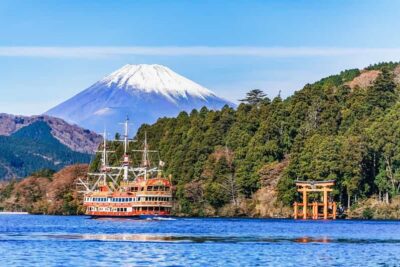
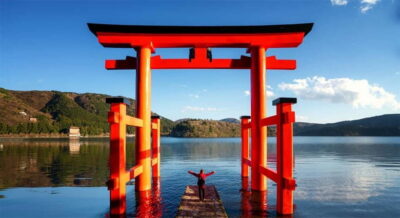
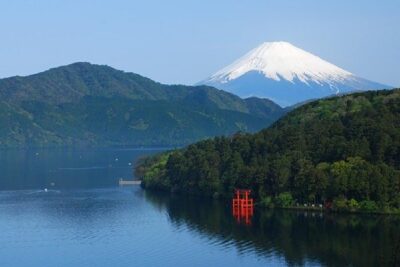
You arrive at Lake Ashi for photos and a break. This is also where the Mt Fuji odds come in. If weather cooperates, you can get strong views of Fuji and also the well-known Hakone Shrine Torii look that many people associate with the area.
5) Cedar avenue with old trees to the Hakone checkpoint gate
From Lake Ashi, you continue along the cedar avenue and toward the Hakone Checkpoint, the gate linked to how the Edo government controlled traveler movement. The cedar trees are often the emotional payoff here: it feels cooler, shaded, and older than the rest of the day.
6) Lunch area around Lake Ashi, then transport over Hakone Pass
After the checkpoint area, you return toward the lake side for lunch time. Importantly, lunch at local restaurants is not included, so you’ll want to budget for it. After lunch, you take a bus segment to get past Hakone Pass, which helps keep the day beginner-friendly.
7) Castle ruins and a photo stop on the way
You visit Yamanaka Castle Ruins after the bus crossing. Later, there’s a “secret stop” style photo moment where you walk or pause briefly for views.
8) Mishima Taisha Shrine, Genbe River, then the finish
You end with Mishima Taisha Shrine and then a walk to the Genbe River area. The tour finishes at Mishima Station (with timing around mid-afternoon), which makes it easy to continue your Japan route.
If you plan to go on to Odawara, you can take the Shinkansen between Mishima and Odawara on your own. It’s not included, but the trip is short—about 15 minutes, with a cost under 3,000 yen.
Amasake Tea House: the warm stop that makes the history feel human
The Amasake Tea House is one of the most memorable parts of this tour, and it’s for more than the snack.
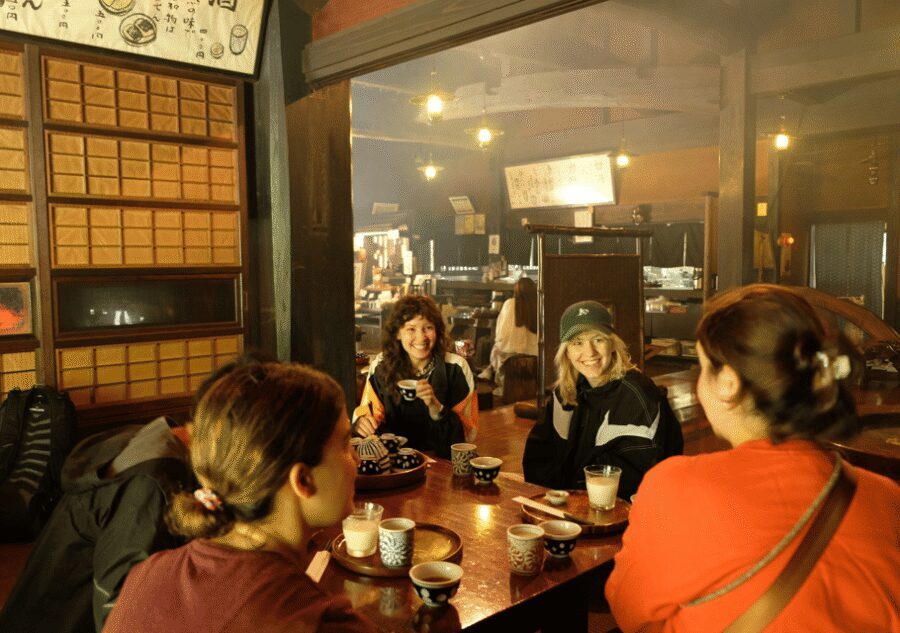
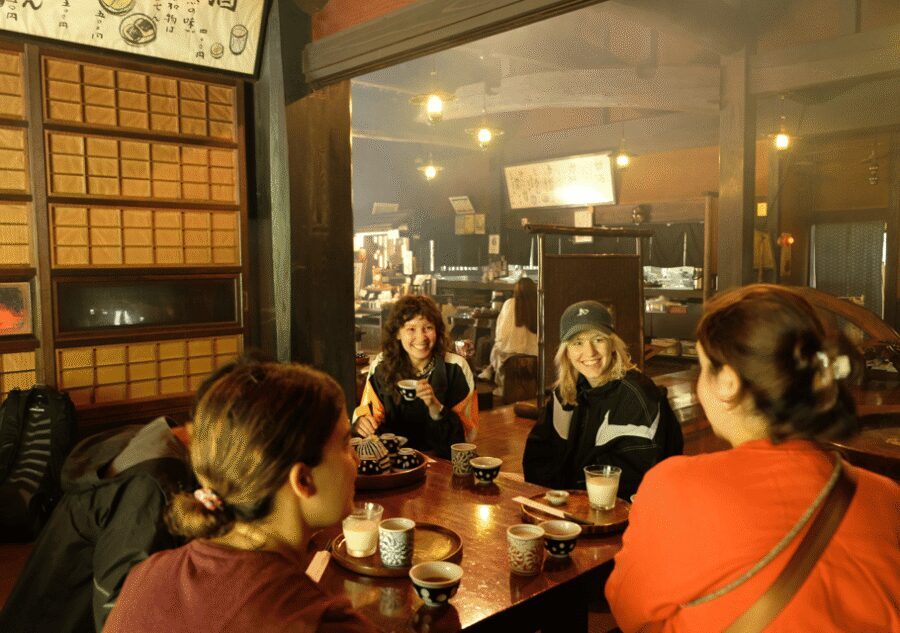
Amasake is sweet, fermented rice drink served warm, and it makes sense on an old mountain road. You’re walking in cool air sometimes, and even when it’s pleasant, the warmth feels like a reset. You also get small local snacks along the way, which helps you stay focused during the longer walking stretches.
One detail I really like is how this tea house functions as a cultural pause. Instead of just “standing around,” you get a break that matches the traveler rhythm of the old road—walk, eat something local, then keep going. In the day’s flow, it’s not an add-on. It’s part of the journey.
Lake Ashi and the cedar avenue: postcard views plus a real sense of place
Lake Ashi is the visual center of the morning. You get a photo stop and time to take in the water, and it’s one of the best spots to catch Mt Fuji if visibility is decent. I’d treat Fuji here as a bonus, not a promise. Still, when the mountains are clear, the combination of water and distant peak is striking.
You also get the Hakone Shrine Torii perspective from the lake area, the same iconic look that shows up on plenty of postcards. But the best part is the timing: you see it while you’re already “in motion,” not as a standalone bus drop.
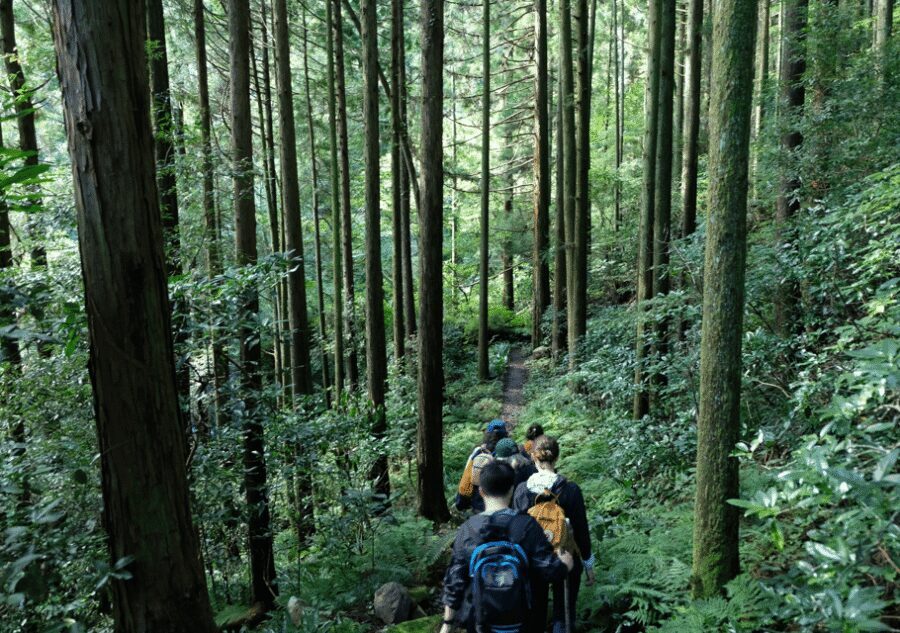
After the lake, the cedar avenue brings the scene down to earth. The trees are described as over 400 years old, and you feel that age as soon as you’re in the shade. It’s calmer than the open water and helps you keep an easier pace, especially if you tend to tire when a route keeps opening up into long stretches of sun.
The Hakone Checkpoint gate: where the Edo era becomes specific
One of the smartest stops is the Hakone Checkpoint, the gate where the Edo government controlled traveler traffic. It turns the abstract idea of the old Tokaido into something concrete.
Instead of just saying, people used to walk between big cities, your guide connects it to geography and enforcement—why certain routes mattered, and why travelers didn’t just wander freely. This is also where a certified mountain guide adds value beyond basic directions. You’re hearing the terrain story as you move through it.
This part of the route is short, but it helps you understand what you’ve been walking through. You stop seeing it as a scenic hike. You start seeing it as a system.
Hakone Pass and Yamanaka Castle Ruins: the route gets practical
The tour keeps things beginner-friendly by skipping the steepest segments with buses. That matters here because Hakone Pass is the kind of terrain that can wear people out fast. You still get the mountain context, but you’re not forced into a full-on climb for the whole day.
After you cross past the pass area, you reach Yamanaka Castle Ruins. Even if you don’t consider yourself a castle person, ruins can be useful on hikes. They give you a visual anchor for “why this place mattered,” and they break up the day so it doesn’t feel like constant walking and photos.
There’s also a photo stop later described as a “secret stop.” The point of these small pauses is the same: keep the day varied. You walk, you stop, you look, then you move again.
Mishima Taisha and the Genbe River: a calm finish after the climb energy
In the afternoon, the tour shifts from Hakone’s postcard mountain vibe into Mishima’s shrine-and-river feel.
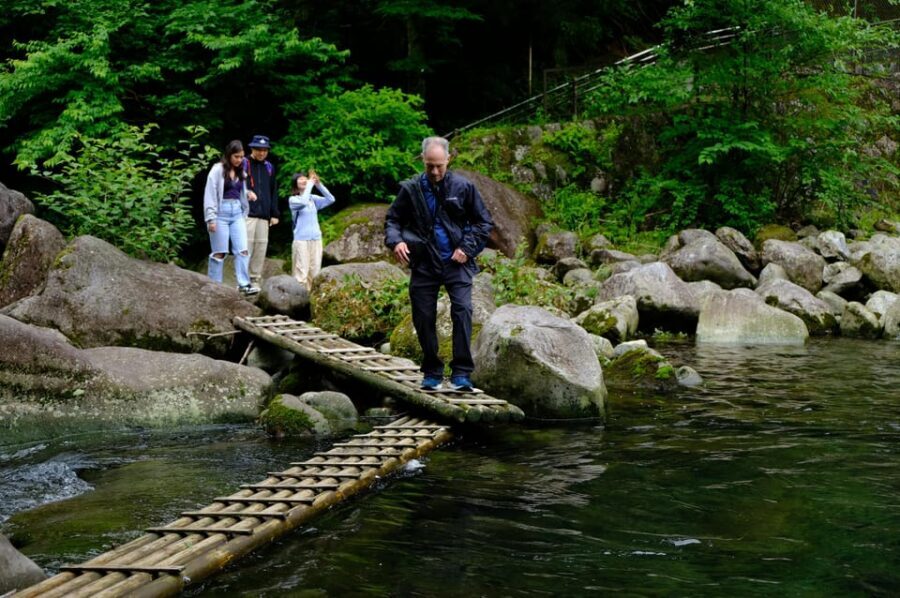
Mishima Taisha Shrine is where you get a proper cultural landing. It’s a satisfying place to end a walking day because shrines give you a different kind of quiet than mountain views. Then the Genbe River walk adds a gentle close. You’re not rushing to the next bus. You’re finishing with something more relaxed.
The overall effect is nice: you end in a town station area where it’s easy to keep traveling. Finishing at Mishima Station gives you options.
Price and value: what $167 actually buys you
At $167 per person, this tour isn’t a cheap stroll, and it’s not trying to be. The best value here is the nationally certified mountain guide with wilderness advanced first aid training. That sounds like formal paperwork, but in practice it means the guide is trained for real terrain issues—uneven cobbles, slippery spots, and pace control for a small group.
This is also a small group limited to 6 participants. In a hiking day, that size matters. You don’t get lost in a crowd, and the guide can watch foot placement and adjust pace. From what I’ve seen described in guidance style, Aki/Akihiro-type guides focus on safety and flexibility—slower pace, changing conditions, and even small help like carrying a bag for someone. Those touches make a hike feel less stressful.
What isn’t included is also clear. Food and drinks (including lunch) are not included, so you’ll pay for lunch on your own at local spots. And transport between sites is not listed as included in the price, even though the day uses buses and shared taxi segments. So budget for those ride costs, and don’t count on lunch or transit being covered.
The overall value logic is: you’re paying for a guided, historically themed mountain route with real safety training, not just for someone to lead you down a map.
Practical tips for beginners: what to wear and how to handle uneven ground
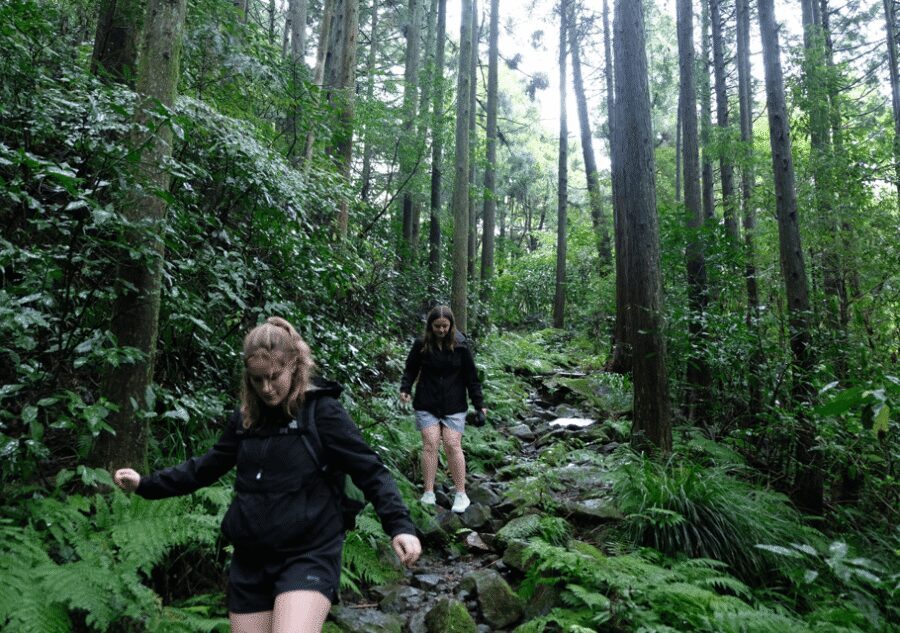
This route is described as beginner-friendly, with gentle slopes or cobbled sections. Still, “beginner-friendly” doesn’t mean “flat and soft.” The ground can be uneven, and cobbles can slip if your shoes have no grip.
Here’s what you should plan for:
- Wear comfortable shoes with real traction. Hiking shoes are a plus.
- Bring a sun hat even if the forecast looks mild; shade exists on cedar sections, but you’ll still be outside.
- Expect to walk around 5–6 hours during the day, even though the tour is listed at 7 hours total.
- Dress for variable weather. Even in winter, conditions might be manageable, but the highest elevation can be colder.
A helpful mindset: don’t race the route. The guide can pace you, and the day includes snacks and breaks. This tour is built around steady movement, not speed.
Also note the suitability limit: it’s not suitable for people with mobility impairments. If you’re planning around step-free access needs, double-check your requirements before booking.
Should you book the Hakone Hachiri hiking tour?
I think you should book if you want a memorable Hakone day that feels like Japan’s history lived in motion. You’ll like it if you enjoy walking in nature, care about how routes shaped travel in the Edo era, and don’t mind spending part of your day on uneven ground.
Skip it if you need guaranteed Mt Fuji views, step-free walking, or a fully guided experience where all meals and transport are included in the price. This is a do-it-with-your-own-feet day, with a few transit helps to keep the mountain manageable.
If you match that style—history plus walking, small group plus a trained guide—this tour offers strong value for your time in the Hakone region.
FAQ
How long is the Hakone Hachiri hiking tour?
The tour duration is listed at 7 hours.
How much hiking will I do during the day?
You’ll hike around 8km total, and the tour notes that you’ll be walking around 5–6 hours.
Where do I meet the guide?
The guide meets you at the ticket gate of Hakone-Yumoto Station.
Is Mt Fuji guaranteed on this tour?
No. Mt Fuji viewing is described as depending on weather conditions.
What is included in the price?
A nationally certified mountain guide is included, with wilderness advanced first aid training.
What costs are not included?
Food and drinks are not included, and lunch at local restaurants is not included. Transportation between sites (for example by bus) is also not included.
Where does the tour end, and can I continue to Odawara?
The tour finishes at Mishima Station (around 4:00pm). The Shinkansen between Mishima and Odawara is not included, but it takes around 15 minutes and costs less than 3,000 yen.
More Tours in Hakone


More Tour Reviews in Hakone
Hakone, Three More Ways
Hakone Day Trips, compared.
 ★ 4.0Mt Fuji & Hakone Cruise, Drum Show Bullet Train 1 Day from TokyoFrom $1497,413 reviews
 ★ 4.4Tokyo Mt Fuji 5th St & Hakone Cruise Bus Tour w/Bullet TrainFrom $1545,024 reviews
 ★ 4.7Mt. Fuji Tour, Hakone Ropeway, Owakudani, Lake AshiFrom $544,002 reviews
 ★ 5.0Private Tour to Mt. Fuji and Hakone (Fully Licenced Operator)From $4971,910 reviews
 ★ 4.0Mt Fuji & Hakone Cruise, Drum Show Bus 1 Day from TokyoFrom $1221,287 reviews
 ★ 4.2From Tokyo: Mt. Fuji & Hakone Tour w/ Return by Bullet TrainFrom $1171,278 reviews
 ★ 4.5Mt. Fuji & Hakone Private Day Tour with English-Speaking DriverFrom $453824 reviews
 ★ 4.2Hakone Fuji Day Tour w/ Cruise, Cable Car, VolcanoFrom $98724 reviews
Browse the lists this tour appears in