
Reviewed · MT FUJI DAY TRIPS
Private Mount Fuji Tour in Luxury Vehicle with English Guide
Mount Fuji looks better when you’re not rushing. This private vehicle day trip from Shibuya trades bus crowds for your own pace, with an English guide and in-car Wi‑Fi so you can plan shots and read up on the views as you go.
I especially like the lineup of photo stops that hits both classic and quieter Mount Fuji scenes. The Oshino Hakkai ponds feel calm and different from the bigger lakes, and your guide makes it easy by taking care of timing and helping with photos along the way.
One drawback to keep in mind is traffic and trip length. On some days, you may be asked to meet earlier than you expect, and the drive time can stretch longer than the typical 8–10 hours.
In This Review
- Key things that make this Fuji day trip work
- Private Mount Fuji in a luxury vehicle: what you’re really paying for
- Your ride from Shibuya: Wi‑Fi, timing, and why the pacing feels calmer
- Stop 1: Mt. Fuji Subaru Line 5th Station and the viewpoint payoff
- Lake Kawaguchiko: the Fuji Five Lakes classic you can actually enjoy
- Arakurayama Sengen Park and the Chureito Pagoda viewpoint
- Oshino Hakkai: the quiet eight-pond contrast
- Oishi Park: lake views plus seasonal flower walks
- Kitaguchi Hongu Fuji Sengen Jinja Shrine: a meaningful cultural stop
- Lawson Fujikawaguchiko Town hall: the quick Instagram Fuji moment
- Owaku-dani Valley: Hakone volcanic atmosphere at crater level
- Price and value: how $650 per group breaks down for your day
- Who should book this private Mount Fuji day trip
- Should you book this private Mount Fuji tour?
- FAQ
- FAQ
- How long is the private Mount Fuji tour?
- What is the price and group size?
- Where does the tour start in Tokyo?
- Is Wi‑Fi provided during the tour?
- What’s included in the price?
- What isn’t included?
- Do I have to pay to visit Mt. Fuji 5th Station?
- What happens if the weather is bad?
Key things that make this Fuji day trip work
- Private luxury car from Shibuya keeps your day smooth and uncluttered by crowds
- Wi‑Fi hotspot + water bottles means you can stay online and stay comfortable without extra stops
- Mt. Fuji Subaru Line 5th Station by car gives you high-altitude views (5th station fee is separate)
- Fuji Five Lakes region hits hard in one day with Kawaguchiko and Oishi Park viewpoints
- Oshino Hakkai eight-pond stop is a scenic, less-rushed contrast to the main lakes
- Owakudani Valley volcanic stop adds a Hakone flavor with real crater/steam atmosphere
Other routes to the mountain, compared
- Mt Fuji & Hakone Cruise, Drum Show Bullet Train 1 Day from Tokyo★ 4.0 · 7,413 reviews
- Tokyo Mt Fuji 5th St & Hakone Cruise Bus Tour w/Bullet Train★ 4.4 · 5,024 reviews
- From Tokyo: Mount Fuji Full-Day Sightseeing Trip★ 4.5 · 4,970 reviews
Private Mount Fuji in a luxury vehicle: what you’re really paying for
This isn’t a “sit and stare from afar” kind of day. You’re paying for a private, air-conditioned ride plus an English-speaking driver-guide who can steer the day between viewpoints, snack runs, and photo breaks. That matters because Mount Fuji days are often about timing—clear visibility, light angles, and simply avoiding the worst bottlenecks.
For a group of up to 6, the $650 price is mainly buying you flexibility. When you split it among a few people, it starts to feel less like a splurge and more like a practical alternative to juggling trains, transfers, and taxis while carrying bags and chasing your schedule.
The other big value is the human factor: the guides behind this experience—like Mukarram Muhammad and Talha Lakha—are set up to keep things moving without making the day feel rushed. They’ll answer questions, help with photos, and generally keep your group organized.
Your ride from Shibuya: Wi‑Fi, timing, and why the pacing feels calmer
The day begins at Shibuya Crossing (Udagawacho area). Even if you choose pickup, the tour anchors around this central Shibuya meeting point, which is handy if you’re staying in the city and don’t want to start the day with a complicated transit plan.
Inside the vehicle, you get a Wi‑Fi hotspot router and bottled water. That sounds small, but on long drives it’s a real comfort. You can check maps, read about what you’re seeing, and help your whole group coordinate photo plans without everyone tethering to one phone.
Pacing is where this tour often wins. You get about an hour at each major stop, which is long enough to see, take photos, and walk a bit without feeling like you’re sprinting. If you’re traveling with mixed energy levels—one person wants stairs, another just wants the view—that buffer is gold.
Stop 1: Mt. Fuji Subaru Line 5th Station and the viewpoint payoff
The climb is the big attraction, but the trick here is that you get to a high starting point by car. The Subaru Line 5th Station area sits around 2,200 meters, and it’s one of the closest drive-access points to the top view you can realistically get in a day trip.
Why it’s worth your time: at altitude, views open up and the “Mount Fuji looks close enough to touch” feeling gets stronger. You also get city and valley views from viewpoint areas, which can look surprisingly different from the famous lake panoramas later on.
What to consider: the Mount Fuji 5th station admission fee is not included (it’s listed separately as 2,100 yen per group). You should also assume that weather matters a lot—if visibility is poor, you may not get the crisp top-of-mountain clarity you’re hoping for.
Lake Kawaguchiko: the Fuji Five Lakes classic you can actually enjoy
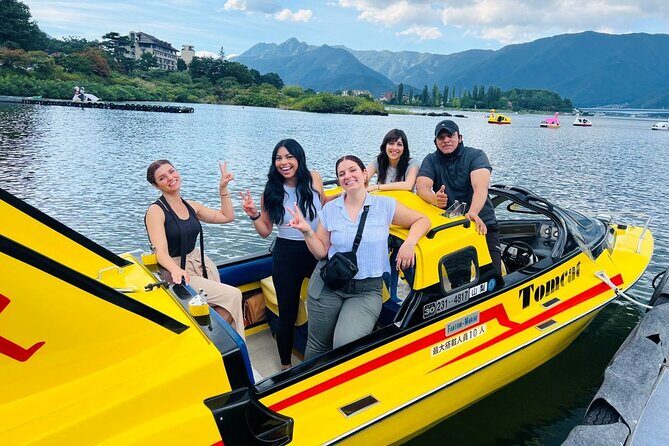
Lake Kawaguchiko is the main gateway to this whole region. It’s the most popular of the Fuji Five Lakes, and it’s also one of the shallower ones (the depth is listed at 14.6 meters). Translation: the lakeside scenes tend to feel open and scenic, with lots of shoreline viewpoints.
Here’s what you’ll likely like about this stop: it gives you the classic “Fuji with water” framing early in the day, which helps you understand what you’re seeing at the later stops. It’s also a practical reset point—easy to understand, easy to photograph, and generally simpler than crater-area or stair-heavy spots.
Time is about one hour, which is enough to walk around a bit and grab angles without dragging. If clouds roll in, your guide can help you shift to a viewpoint that still works.
More days made easy by a guide


Arakurayama Sengen Park and the Chureito Pagoda viewpoint
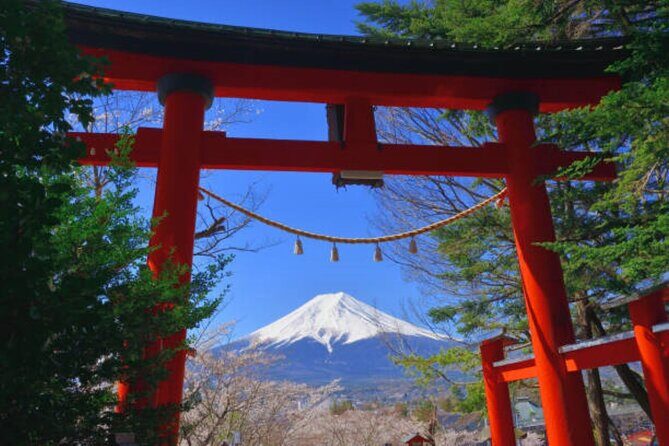
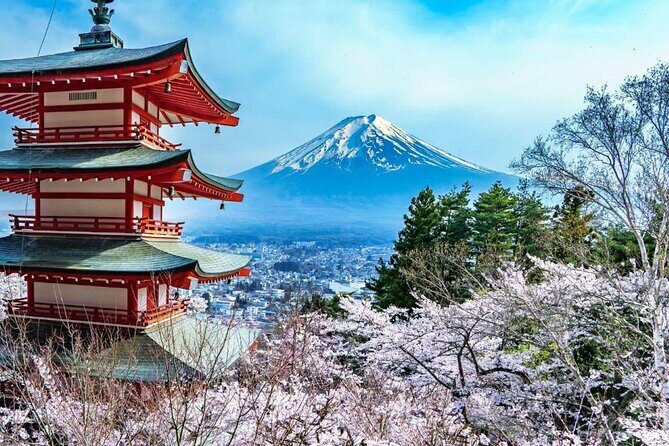
This is one of Japan’s famous photography locations, tied to the Chureito Pagoda, which is known for its postcard composition with Mount Fuji in the background. Arakurayama Sengen Park is in Fujiyoshida City, and it’s built for that “wait for the right angle” style of shooting.
One reason I like this stop on a private tour: you don’t have to fight crowds as tightly as you would on a bus schedule. You still get a realistic amount of time—about one hour—to see the pagoda area from multiple angles.
Practical note: if you go for the full viewpoint experience, expect some walking up stairs. Some groups also enjoy the area’s nearby ropeway option for additional views, but that part isn’t listed as included—so plan on paying extra if you want it.
Oshino Hakkai: the quiet eight-pond contrast
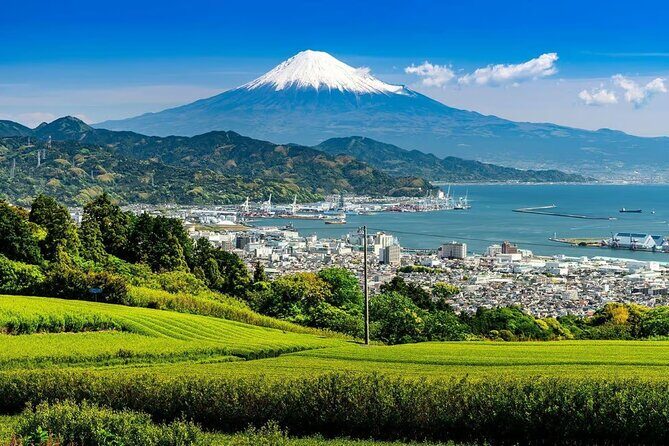
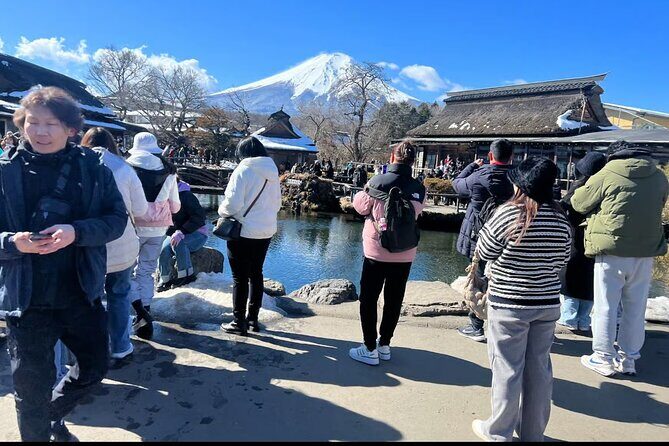
Oshino Hakkai is where the day can shift from “big scenery” to “small, calm details.” This is a collection of eight ponds, set in the quiet village area of Oshino between Lake Kawaguchiko and Lake Yamanakako.
What makes it special is the atmosphere. The ponds are scenic, but they also feel more intimate than the broader lake viewpoints. On a day packed with big vistas, Oshino Hakkai gives you a break where the photos look different—reflections, pond edges, and the village vibe around Mount Fuji.
Your stop is about one hour and it’s listed as free admission. In practice, this is a great moment for slower pacing, especially if your group wants something photogenic without climbing another set of stairs.
Oishi Park: lake views plus seasonal flower walks
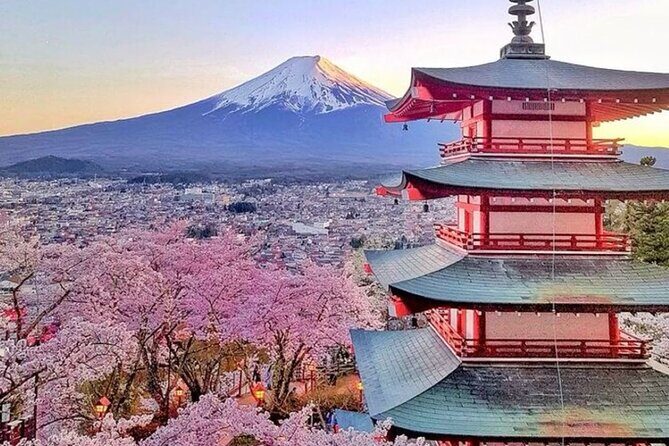
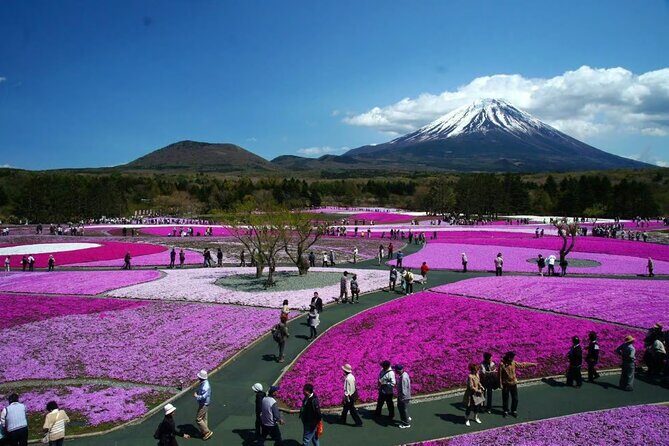
Oishi Park sits on the north shore of Lake Kawaguchiko. It’s another “Mount Fuji plus water” viewpoint, but it’s also set up for strolling along the lakeside promenade.
This is where the scenery can change based on season. The listing notes that various flowers bloom along the promenade depending on the time of year, so the photos can look noticeably different across visits to the same park.
It’s also a good stop because it balances wide open views with gentle walking. Like the other major lakeside moments, you get about an hour, which helps you keep your energy for the later volcanic stop.
Kitaguchi Hongu Fuji Sengen Jinja Shrine: a meaningful cultural stop
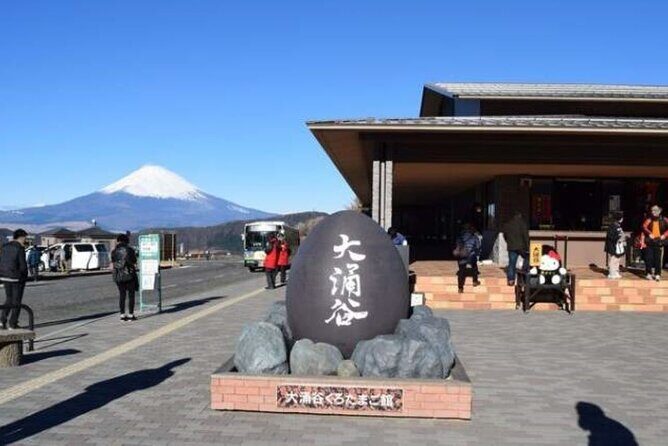
Between the photo-heavy moments, this shrine offers a different kind of Mount Fuji focus. Kitaguchi Hongu Fuji Sengen Shrine is one of about 1,300 Asama shrines that enshrine the deity of volcanoes and Mount Fuji specifically.
Even if you’re not a shrine expert, this can be a grounding stop. The setting connects the mountain to spirituality and local tradition, which makes the day feel less like sightseeing-only and more like understanding why the mountain matters to people living nearby.
Expect about one hour here, and admission is listed as free. Dress for comfort—this is still an outdoor stop, and you’ll likely be moving around for the best views and photo angles.
Lawson Fujikawaguchiko Town hall: the quick Instagram Fuji moment
This stop is short and very modern. It’s an Instagram-famous area near Mount Fuji featuring a Lawson building with a striking blue facade designed to contrast with the mountain views.
Is it a must? Not for everyone. But it’s useful because it’s fast, easy, and very effective for getting that clean, graphic-style Mount Fuji photo—especially if you’re low on patience for long waits.
You’ll have about one hour at this stop. It can be a nice breather before Owakudani, especially if your group needs a reset from walking.
Owaku-dani Valley: Hakone volcanic atmosphere at crater level
This is the “different day” portion. Owakudani Valley is the area around a crater created by the last eruption of Mount Hakone about 3,000 years ago. Today it’s described as an active volcanic zone with sulfurous fumes, so you should expect a smell and steaminess that feels real, not just scenic.
The payoff is atmosphere. If Mount Fuji is about views and framing, Owakudani is about being in the presence of an active volcanic landscape. It’s also a good contrast stop because it breaks up the day’s focus on lakes and pagodas.
Time here is about one hour, and the listing says the admission fee is not included. If your group is sensitive to strong smells, plan accordingly and ask your guide what areas are easiest to tolerate.
Price and value: how $650 per group breaks down for your day
At $650 per group (up to 6 people), the price is built around private logistics: a luxury car, an English-speaking driver-guide, in-vehicle Wi‑Fi, and a full day’s worth of organized stops.
Here’s how to think about value:
- If you have 4–6 people, the per-person cost can start to look reasonable for what you avoid—transit confusion, long waits for taxis, and crowded group tours.
- If you’re a solo traveler or a couple, it’s harder to justify unless you really want privacy and photo-friendly timing.
Budget reality check: most major stops are free to enter, but Mount Fuji 5th station has a listed fee of 2,100 yen per group, and Owakudani admission isn’t included. Lunch is also not included. So expect to add a bit for meals and the paid stops.
Also note the day depends on weather. The experience is described as requiring good weather, which is important because Mount Fuji visibility can vanish fast with cloud cover. If weather cancels the tour, the experience is set up to offer another date or a full refund.
Who should book this private Mount Fuji day trip
This is a strong fit if you:
- Want a one-day Mount Fuji + Hakone-adjacent mix without juggling public transport
- Care about photo stops with breathing room, not just quick “look and go” stops
- Like having someone handle logistics and interpret what you’re seeing, whether you’re into culture, viewpoints, or volcanic scenery
It may not be the best fit if:
- You’re very price-sensitive and trying to squeeze costs down with public transport
- You hate unpredictability from road traffic and want a tightly timed itinerary with no slack
One more practical note: with a group of 6, vehicle size can matter. A previous group feedback pointed out the van could feel a bit tight for six, even if it’s described as a luxury vehicle.
Should you book this private Mount Fuji tour?
If you want the classic Fuji sights plus a volcanic contrast, with private comfort and an English guide, I’d say yes—especially for groups. The day is built around strong photography moments like Mt. Fuji Subaru Line 5th Station, Lake Kawaguchiko, Oshino Hakkai, and Owakudani, and the private pacing makes it feel calmer than bus chaos.
Book it with two expectations: traffic can stretch the drive time, and weather controls how clearly you’ll see the mountain. If you can handle an early start when needed, you’re in for a smooth, organized day that still leaves room for your group to slow down at the places that matter most to you.
FAQ
FAQ
How long is the private Mount Fuji tour?
The tour runs about 8 to 10 hours (and the total experience duration is described as including time, around 10 hours).
What is the price and group size?
It costs $650.00 per group and is for up to 6 people.
Where does the tour start in Tokyo?
The meeting point is Shibuya Crossing, at 21 Udagawacho, Shibuya, Tokyo 150-0042, Japan.
Is Wi‑Fi provided during the tour?
Yes. There’s a Wi‑Fi hotspot router in the vehicle.
What’s included in the price?
Included are private air-conditioned luxury transportation, an English-speaking professional guide & driver, Wi‑Fi hotspot, and water bottles.
What isn’t included?
Lunch is not included. Also, the Mount Fuji 5th station admission fee is not included, and Owakudani Valley admission is not included.
Do I have to pay to visit Mt. Fuji 5th Station?
Yes. The Mount Fuji 5th station fee is listed as 2,100 yen per group and is not included in the tour price.
What happens if the weather is bad?
The experience requires good weather. If it’s canceled due to poor weather, you’ll be offered a different date or a full refund.
More Tours in Tokyo




More Tour Reviews in Tokyo




The Fuji Shortlist: Other Days Out to the Mountain

Fresh reviews from around Tokyo






Mt Fuji Day Trips, compared.
 ★ 4.0Mt Fuji & Hakone Cruise, Drum Show Bullet Train 1 Day from TokyoFrom $1497,413 reviews
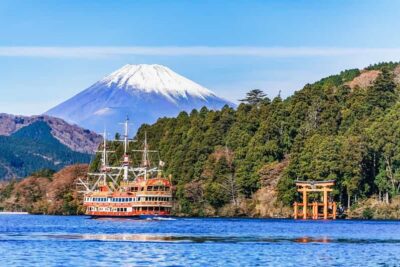 ★ 4.4Tokyo Mt Fuji 5th St & Hakone Cruise Bus Tour w/Bullet TrainFrom $1545,024 reviews
 ★ 4.5From Tokyo: Mount Fuji Full-Day Sightseeing TripFrom $684,970 reviews
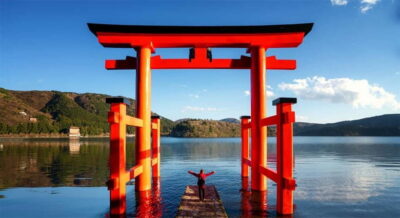 ★ 4.7Mt. Fuji Tour, Hakone Ropeway, Owakudani, Lake AshiFrom $544,002 reviews
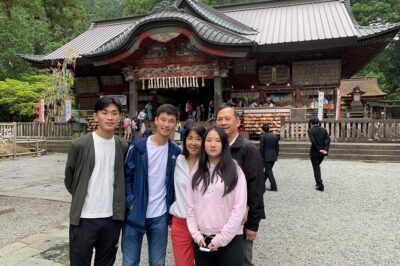 ★ 5.0Private Tour to Mt. Fuji and Hakone (Fully Licenced Operator)From $4971,910 reviews
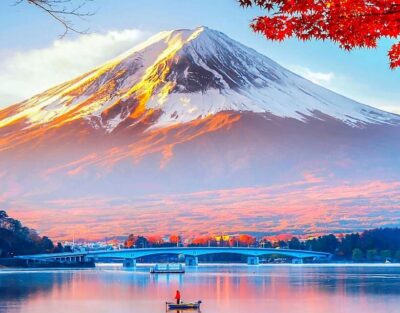 ★ 4.9Mount Fuji Full-Day Private Tour from Tokyo (Customizable)From $3931,470 reviews
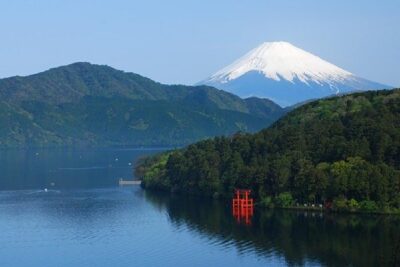 ★ 4.0Mt Fuji & Hakone Cruise, Drum Show Bus 1 Day from TokyoFrom $1221,287 reviews
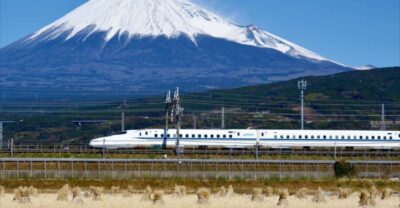 ★ 4.2From Tokyo: Mt. Fuji & Hakone Tour w/ Return by Bullet TrainFrom $1171,278 reviews
Browse the lists this tour appears in