
Reviewed · MUSEUMS
Private Edo-Tokyo Open Air Architectural Museum Tour
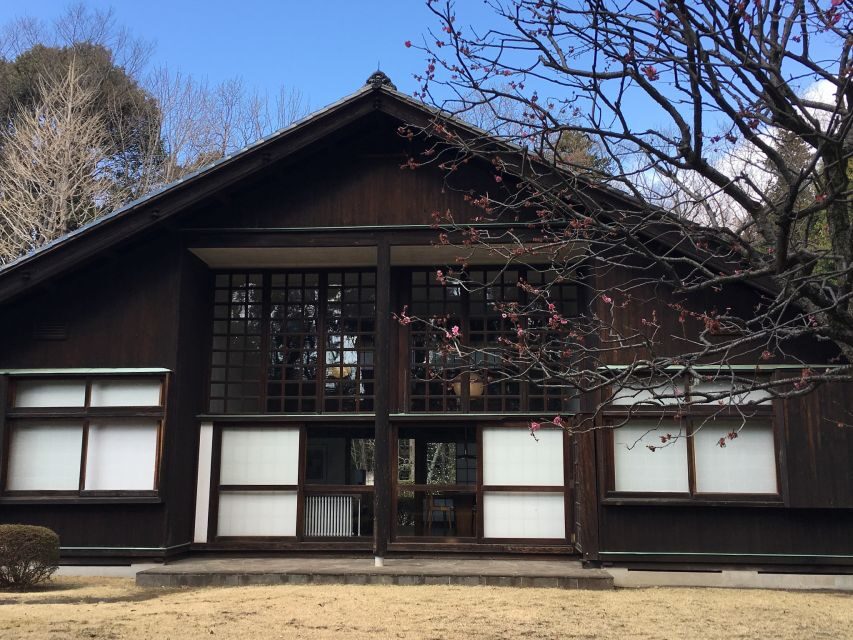
Tokyo architecture has a plot twist. This private 5-hour tour through the Edo-Tokyo Open Air Architectural Museum is built around how Tokyo spaces grew from traditional forms into modern, global design. I especially like the mix of real residences (not just facades) and the clear explanations of how architects like Kunio Maekawa and Sutemi Horiguchi shaped what you see in Tokyo today. One thing to plan for: you’ll do some public transit and a small amount of walking, and several buildings mean you’ll be taking your shoes off.
The best part is how the architecture story feels easy to follow—modern ideas arrive, get reshaped for Japanese living, and you can spot the evidence right in the rooms. The guides also seem to tailor the tour to your interests; you might meet an English-speaking guide like Yuichi or Yuki, who can connect design choices to day-to-day life. A possible drawback: the tour is focused on Edo-Tokyo museum buildings, so it does not include the Ghibli Museum, even if the vibe is similar.
In This Review
- Key things to notice before you go
- Entering the Edo-Tokyo Architectural Museum story in 5 hours
- Tokyo Station meeting point: where the tour actually starts
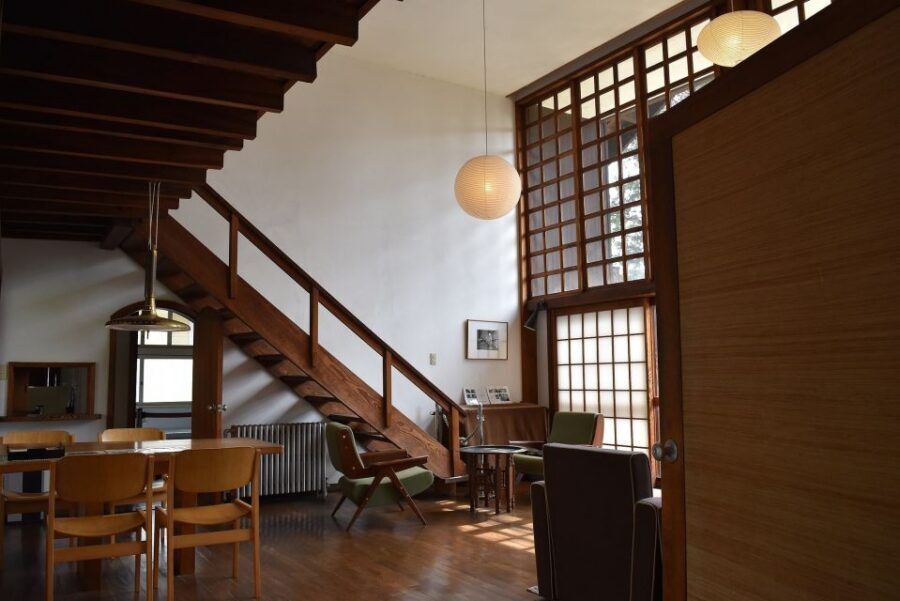
- Kunio Maekawa’s wartime house: when modernism learned Japanese manners
- Sutemi Horiguchi and the Dutch-to-Japan influence you can spot indoors
- The Mitsui family residence: luxury, status, and how interior design signals power
- Shitamachi East Tokyo vibes: bathhouse, old train, and animation-style streets
- How Western design got adopted in Japan without losing Japanese identity
- Guides that turn buildings into a story you can remember
- Price and logistics: does $193 make sense for this 5-hour private tour?
- Practical tips: shoes off, and comfortable boots win
- Who this tour is best for
- Should you book this Private Edo-Tokyo Open Air Architectural Museum Tour?
- FAQ
- How long is the private tour?
- Where do I meet my guide?
- Is the tour private?
- What language is the guide?
- What does the price include?
- What is not included?
- Do you visit the Ghibli Museum?
- Do I need to remove my shoes?
- What’s the best time to plan around if I’m taking transit?
- What’s the cancellation policy?
Key things to notice before you go
- Kunio Maekawa’s wartime modernism: Le Corbusier and Antonin Raymond connections, translated for Japan
- Sutemi Horiguchi’s Dutch-to-Japan shift: early Western European influence landing in 1925
- De Stijl and Art Deco inside Japanese room layouts: you’ll learn how styles mix, not replace
- Shitamachi atmosphere after the halfway point: streets, bathhouse, and an old train that add texture
- Private guide, English explanations: you get context fast without getting lost in the details
More private options with your own guide
- Tokyo 6hr Private Tour with Government-Licensed Guide★ 5.0 · 3,902 reviews
- Private Tour to Mt. Fuji and Hakone (Fully Licenced Operator)★ 5.0 · 1,910 reviews
- Tokyo Customized Private Tour (Must See Places in 1 Day)★ 5.0 · 1,499 reviews
Entering the Edo-Tokyo Architectural Museum story in 5 hours
This is not the kind of tour that throws a bunch of stops at you and hopes the photos do the talking. It’s organized like a guided walk through design evolution, starting with modern architecture roots and then moving into the East Tokyo feel people associate with classic animation backgrounds.
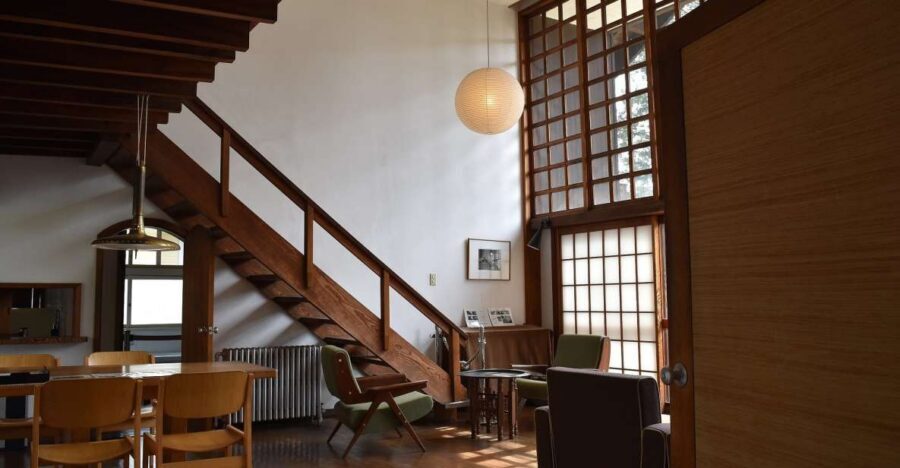
In practice, that means you’ll see architecture as a living idea. Doors and ceilings aren’t just pretty. They show what society valued at the time—privacy, status, technology, and how people adapted new materials and Western concepts without erasing Japanese daily life.
The tour is priced at $193 per person for a reason: you’re paying for a private, English-speaking licensed guide plus museum admission, with pickup offered from major Tokyo stations. For 5 hours, that can be good value compared with piecing it together on your own—especially if Tokyo transit is your weak spot.
Tokyo Station meeting point: where the tour actually starts
Your pickup point is Tokyo Station Marunouchi Front Plaza. After you exit the JR Tokyo Station Marunouchi Central Gates, head toward the center of the station building. Look for a carriage porch area marked for VIP guests, with a Japanese national flag on each side.
Your guide will be waiting there holding a bag with an illustration of the Nakagin Capsule Tower. That small detail matters because it hints at the tour’s angle: modern architecture as a thread that runs through Tokyo’s whole identity, not just the museum buildings.
If you’d rather not deal with station navigation, the tour also lists pickup at JR Shinjuku Station or JR Tokyo Station. Either way, you’re not left trying to find the museum alone.
Kunio Maekawa’s wartime house: when modernism learned Japanese manners
One of the best parts of this tour is the opening design lesson. You start at a house designed by Kunio Maekawa—the architect who worked under Le Corbusier and Antonin Raymond, then helped shape modern architecture in Japan.
This particular house was built during World War II. That timing is important because it frames the building as something more than a style exercise. You get to think about how ideas traveled through conflict and constraint, then still turned into spaces meant for real people.
When you’re standing in and around the house, focus on how the design balances clean modern lines with a house’s practical needs: light, privacy, movement, and comfort. The point of starting here is that Maekawa’s work is a bridge. It links international modernism with Japanese building logic, so later Western-influenced stops don’t feel random.
If you’re the kind of traveler who likes a clear “why this exists” story, this is a strong start. You’ll understand the bigger Tokyo theme fast: modern architecture arrives, but it gets translated into local life.
Sutemi Horiguchi and the Dutch-to-Japan influence you can spot indoors
Next up is a house designed by Sutemi Horiguchi, known for introducing Dutch architecture to Japan for the first time. The house was built in 1925, soon after Horiguchi returned from a trip to Europe.
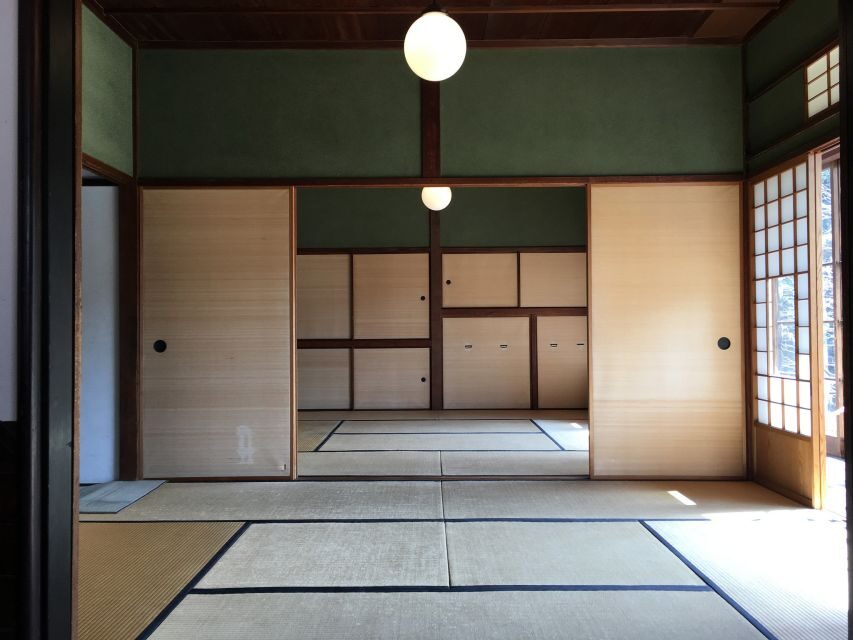
What I like about this stop is that it’s not just a name-drop. You’re meant to notice the design vocabulary. You’ll see Art Deco character and also compositions associated with De Stijl (The Style). The twist is that these Western European style elements appear alongside traditional Japanese rooms.
That combination is the learning moment. You’ll come away with a better sense of how Japan absorbed Western design without simply copy-pasting it. Instead, style elements can mix with Japanese spatial habits. It’s a hands-on lesson in cultural adaptation.
A practical tip here: take a slower walk inside the room layouts and let the guide point out what belongs to which style. In a museum setting, it’s easy to rush. Don’t. This is where the tour’s design intelligence becomes obvious.
More museum hours worth queueing for



The Mitsui family residence: luxury, status, and how interior design signals power
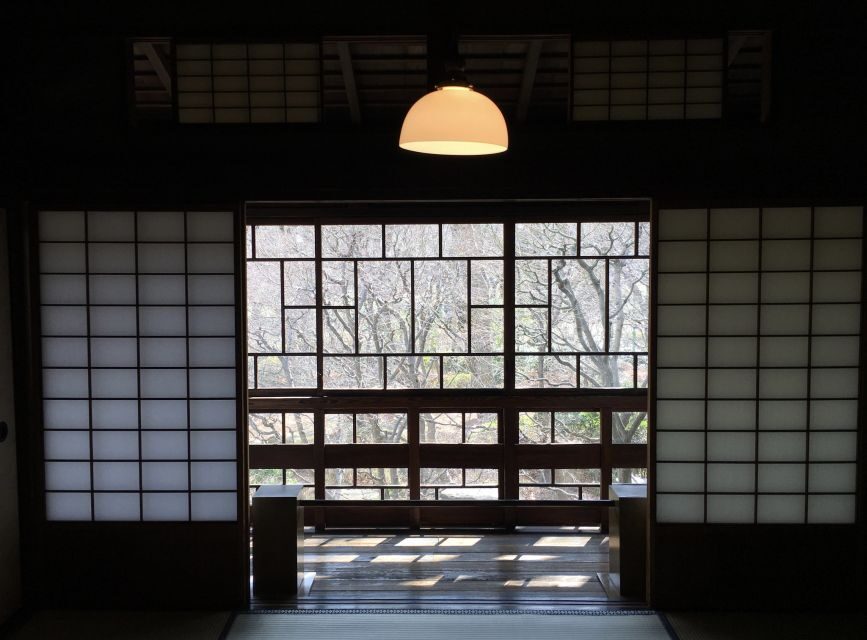
The middle stretch includes the residence of the Mitsui family, described as one of Japan’s richest families. This stop shifts the focus from “architecture as international exchange” to “architecture as social meaning.”
Luxury interiors can be tricky to judge if you don’t know what you’re looking for. The guide’s role matters here: you want help connecting details to the message the home was designed to send. Think about refinement in materials, room transitions, and how the home organizes space for visitors versus daily life.
Even if you’re not an architecture geek, this part works because it grounds the story. Tokyo wasn’t changing only because architects returned from Europe. It was also changing because wealth and social hierarchy shaped what was built, and what counted as good taste.
Shitamachi East Tokyo vibes: bathhouse, old train, and animation-style streets
After the architecture theory portion, the tour turns into atmosphere and texture—especially if you like Studio Ghibli-style visuals (just note: this tour is not the Ghibli Museum).
You walk through Shitamachi, the East Tokyo area known for older-town character. The buildings along the way have that film-background feel: low-slung streets, traditional shapes, and a sense that time moved more slowly here.
Two highlights add “wow, that’s real” energy:
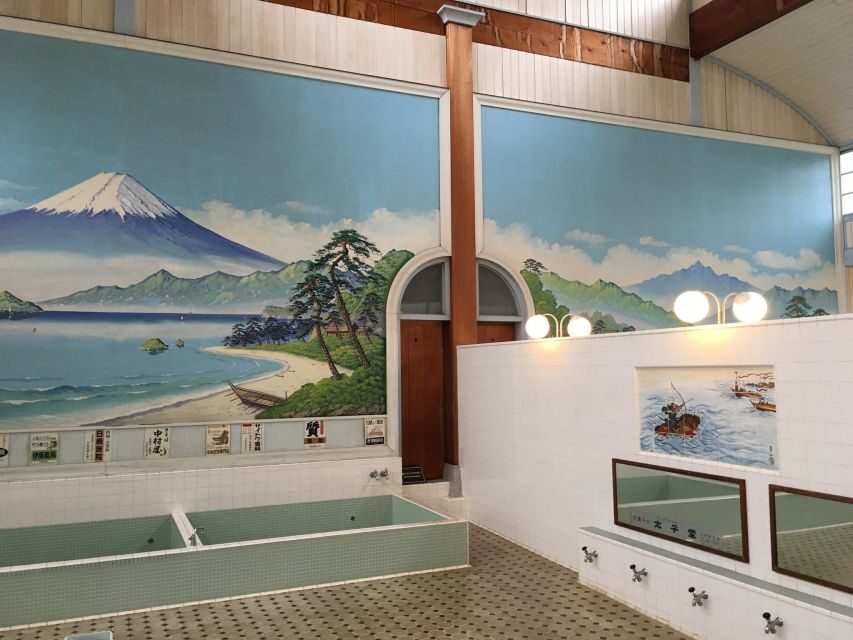
- A traditional bathhouse, where you can see how everyday life was built around shared spaces
- An old train that used to run through Tokyo, giving you a strong sense of transportation as part of daily urban life
This section is especially good for anyone who wants Tokyo culture in human scale. You’re not just viewing design concepts—you’re walking through spaces that would have shaped routines.
How Western design got adopted in Japan without losing Japanese identity
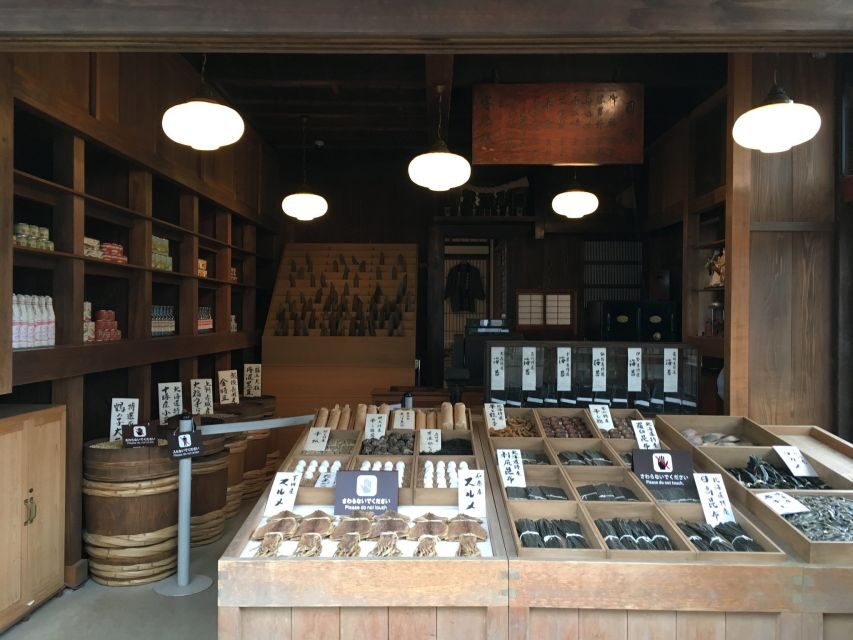
A lot of architecture tours treat Western influence like a takeover. This one doesn’t. It frames Western European design adoption as a process of selection and translation.
You can see the pattern across the stops:
- Modernism traveling through architects connected to Le Corbusier and Antonin Raymond
- Dutch influence arriving via Horiguchi after Europe
- Western style elements like Art Deco and De Stijl appearing alongside Japanese room structures
So by the end, you’ll have a clearer mental model. Japan wasn’t just accepting new ideas. Designers were working out what made sense for Japanese building traditions and how people actually lived inside homes.
That’s why this tour is worth your time even if you’re not traveling specifically for architecture. It’s Tokyo’s cultural math made visible.
Guides that turn buildings into a story you can remember
This is where private tours pay off. You’re not stuck listening to a script that doesn’t match your interests. The tour’s setup is flexible enough that your guide can steer the conversation toward what you care about.
In particular, two English-speaking guides were highlighted in prior experiences: Yuichi and Yuki. The praise wasn’t about fancy wording—it was about clear explanations and kindness. Yuichi’s style is described as attentive and considerate, including real help when someone needed to stop early. Yuki’s explanations stood out for making the museum feel human, not like a checklist of famous architects.
If you’re hoping for tea rooms and gardens within the architecture theme, you should like this format. The tour is designed to connect building form with cultural context.
Price and logistics: does $193 make sense for this 5-hour private tour?
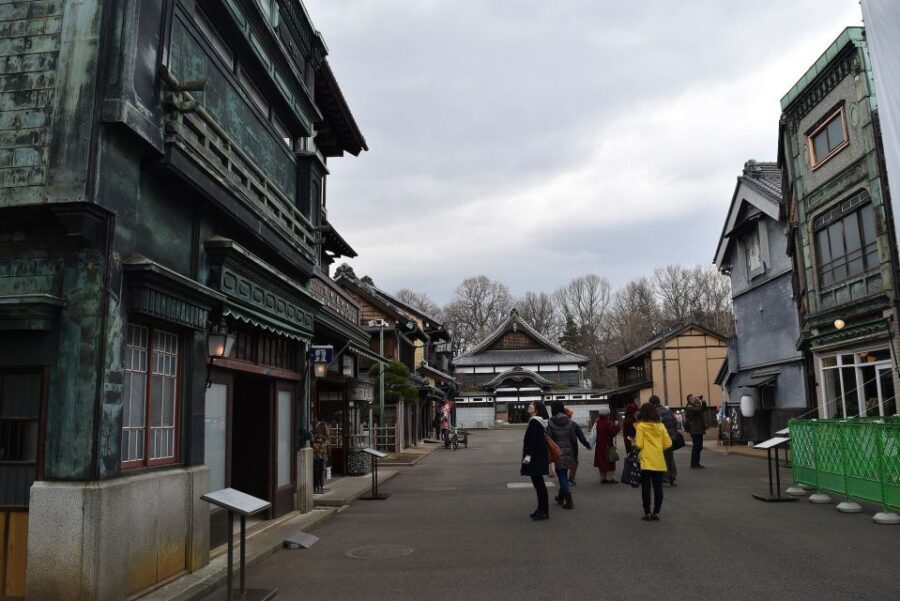
Let’s talk value, because $193 isn’t small.
Here’s what’s included:
- Pickup at either JR Shinjuku Station or JR Tokyo Station
- Admission fee
- English-speaking licensed guide
- Private group
- 5 hours total
What’s not included:
- Your transportation cost to and from Tatemono-en, estimated around 700 JPY one way, using trains and buses
So you’re mainly paying for the guide + museum admission + the time and organization. For many people, that’s money well spent, especially if:
- you don’t want to figure out transit on your first day
- you prefer your schedule to be guided rather than improvised
- you want architectural context, not just sightseeing photos
Also, Tokyo transit can be confusing at first. The tour includes enough structure that you can focus on the buildings.
If you’re traveling as a solo person or a small group and you care about understanding what you’re seeing, the private format often pays for itself in sanity.
Practical tips: shoes off, and comfortable boots win
You’ll be walking around historic buildings where you remove your shoes before entering. That’s the one practical detail that can ruin your comfort if you ignore it.
Wear shoes that are:
- easy to slip on
- easy to slip off
- comfortable for walking in for a few hours
This matters more than you’d think. One awkward shoe change can turn a smooth tour into a hassle. Plan your outfit accordingly, and you’ll enjoy the tour without feeling rushed.
Who this tour is best for
You’ll get the most from this experience if you fit one of these:
- you like architecture and want Tokyo context beyond a quick museum visit
- you’re curious how Western design ideas landed in Japan through specific architects
- you’re a Studio Ghibli fan looking for the feeling of animation neighborhoods, without doing the Ghibli Museum
- you want a private guide to match your interest, whether that’s Japanese homes, garden-like spaces, or modernist influences
If you want a high-energy street market tour, this isn’t that. This is calmer, more “slow down and look” territory.
Should you book this Private Edo-Tokyo Open Air Architectural Museum Tour?
Book it if you want a smart, guided walk that helps you see Tokyo’s architectural evolution in a short window. The highlights line up well: Maekawa’s modernism roots, Horiguchi’s European influence, a rich-family residence, and then Shitamachi atmosphere with the bathhouse and old train.
Skip it if you’re mainly chasing big-ticket indoor museums or you specifically want the Ghibli Museum. This tour is nearby in vibe, not in destination.
If you’re deciding based on value, remember what you’re getting: a private guide in English + admission + structured pickup for a museum where the meaning is harder to catch on your own. That combo makes the $193 price feel more reasonable.
FAQ
How long is the private tour?
The tour lasts 5 hours.
Where do I meet my guide?
You meet at Tokyo Station Marunouchi Front Plaza. After exiting the JR Tokyo Station Marunouchi Central Gates, head to the center of the station building. Your guide waits at the carriage porch area (for VIP guests) with a Japanese flag on each side.
Is the tour private?
Yes. It’s a private group tour.
What language is the guide?
The guide is English-speaking.
What does the price include?
The price includes pickup at either JR Shinjuku Station or JR Tokyo Station, the admission fee, and an English-speaking licensed guide.
What is not included?
Transportation to and from Tatemono-en is not included. It’s estimated to be about 700 JPY one way, and trains and buses are used.
Do you visit the Ghibli Museum?
No. This tour does not go to the Ghibli Museum.
Do I need to remove my shoes?
Many of the historic buildings require guests to remove their shoes before entering, so it’s best to wear shoes that are easy to slip on and off.
What’s the best time to plan around if I’m taking transit?
Because there is transit involved (trains and buses to Tatemono-en), you should plan for a bit of extra buffer if it’s your first time using Tokyo public transportation.
What’s the cancellation policy?
You can cancel up to 24 hours in advance for a full refund.
Just Your Group: Private Options



More Tours in Tokyo




More Tour Reviews in Tokyo



Fresh reviews from around Tokyo






Museums, compared.
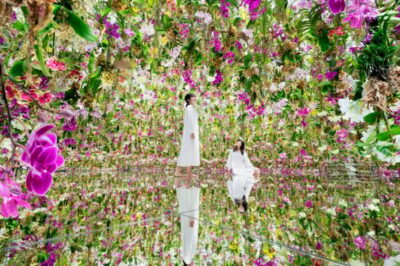 ★ 4.6teamLab Planets TOKYO Digital Art Museum Entry TicketFrom $259,779 reviews
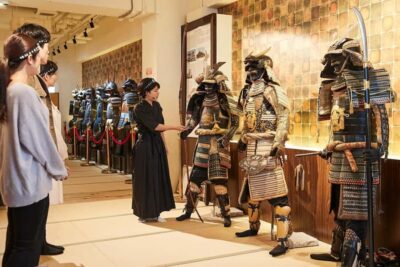 ★ 4.6Samurai Ninja Museum Guided tour and ExperienceFrom $271,010 reviews
 ★ 5.0Ninja Experience (Family Friendly) at Samurai Ninja Museum TOKYOFrom $47441 reviews
Tokyo Studio Ghibli Museum and Ghibli Film Appreciation TourFrom $193421 reviews
★ 5.0Ninja Experience (Family Friendly) at Samurai Ninja Museum TOKYOFrom $47441 reviews
Tokyo Studio Ghibli Museum and Ghibli Film Appreciation TourFrom $193421 reviews
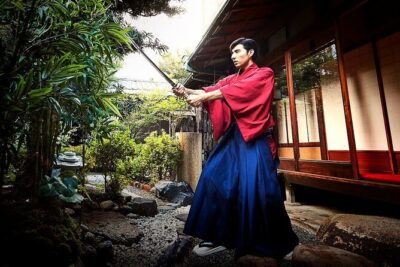 ★ 5.0Tokyo Sword Experience – includes Museum Ticket/Ninja ExperienceFrom $84314 reviews
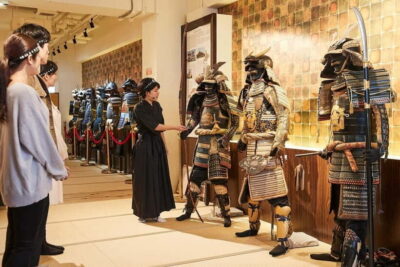 ★ 4.8Samurai Ninja Museum Asakusa: Samurai Sword Lesson & TourFrom $63306 reviews
 ★ 5.0Samurai Sword Experience (Family Friendly)at SAMURAI MUSEUM TOKYOFrom $65168 reviews
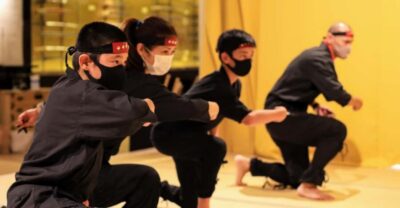 ★ 4.7Samurai Ninja Museum Asakusa: Kid-Friendly Ninja TrainingFrom $5667 reviews
Browse the lists this tour appears in