
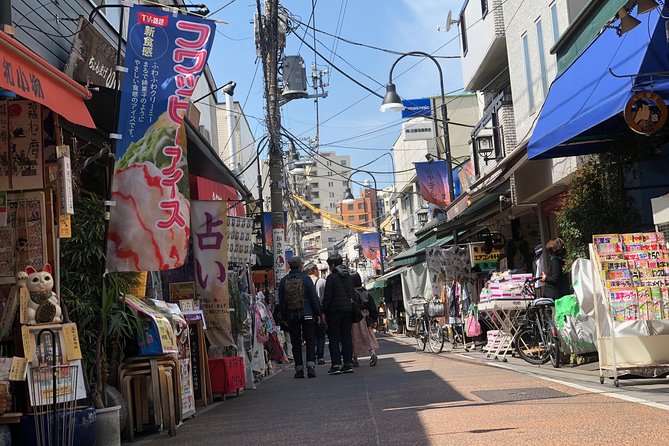
Reviewed · TOKYO
Old Town Tokyo Food Tour
Tokyo’s old neighborhoods taste better.
This food tour takes you through Yanaka (Yanesen), one of Tokyo’s quieter, older areas that survived major hardships and still keeps a lived-in feel. I like that the day is built around food and culture at the same time, not just eating on the run. You also get an actual tea-and-wagashi experience, which turns the trip from sightseeing into something you’ll remember.
Two things I especially like: the tour includes a Teishoku lunch with regional specialties (including Kyushu-style flavors), and the route mixes temple stops with small-shop street time like Yanaka Ginza. One consideration: it’s a walking tour with a moderate fitness level, and you should expect enough steps and stops to make comfortable shoes non-negotiable.
In This Review
- Key highlights worth planning for
- Yanaka Food Tour: why this old-town route works
- The 3.5-hour flow: what you’ll actually be doing
- Coffee Room Renoir Nippori Yanaka: your meeting point and warm start
- Temples, streets, and viewpoints: the cultural stops that shape the food
- Tennō-ji
- Kyōōji Temple
- Yūyake Dandan
- Yanaka Ginza: where the eating and shopping both make sense
- Yanaka Cemetery Park and Okakura Tenshin Memorial Park: a calmer side of the walk
- The food plan: six stops, drinks, and a real Teishoku lunch
- Six food stops plus drinks
- Teishoku lunch with Kyushu specialties
- Vegan, vegetarian, pescetarian, gluten-free friendly
- Wagashi and tea ceremony: the cultural ingredient people remember
- Group size, pace, and who this tour fits best
- Value check: $231 for food, lunch, tea, and a guide
- Practical tips so your day goes smoothly
- Should you book the Old Town Tokyo Food Tour in Yanaka?
Key highlights worth planning for
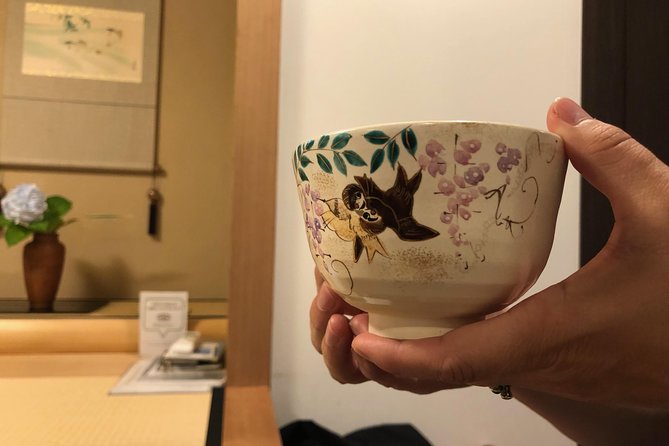
- Teishoku lunch with regional specialties included, so you’re not hunting for food mid-walk
- Tea ceremony plus wagashi, adding a hands-on cultural moment to the eating
- Six food stops with dishes and drinks, built for real sampling (not just one meal)
- Yanaka Ginza + old temples, so you see how locals shop and worship day to day
- Small group size (max 10), which helps the guide keep the pace human
- Family-friendly with dietary flexibility, since options are listed for vegan/vegetarian/pescetarian and gluten-free needs
Before you commit, see how this one stacks up against a few Tokyo favourites:
- Mt Fuji and Hakone 1-Day Bus Tour Return by Bullet Train★ 5.0 · 26,383 reviews
- 1-Day Tokyo Bus Tour★ 5.0 · 14,250 reviews
- Tokyo: teamLab Planets TOKYO Digital Art Museum Entry Ticket★ 4.6 · 9,779 reviews
Yanaka Food Tour: why this old-town route works
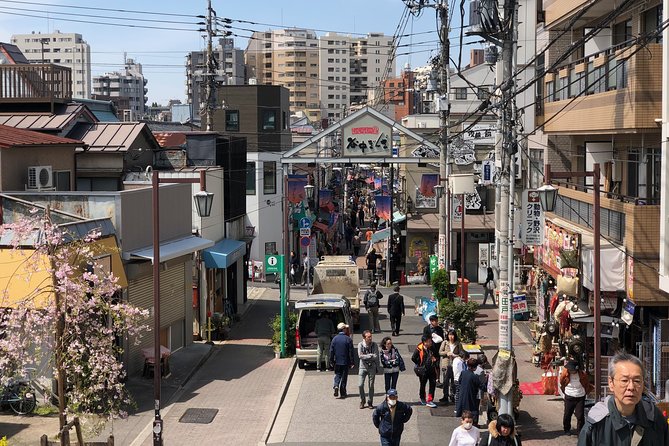
Yanaka is the kind of place where the pace feels different. Streets are calmer than central Tokyo, and the neighborhood layout makes it easy to connect what you eat with what you see. You’ll be walking through a district known for its preserved character—something you feel immediately when you move past temple grounds, cemetery parks, and old-style shopping lanes.
This tour leans into that. You’re not just checking boxes. You’re tasting, stopping, and learning how people treat everyday moments—tea, snacks, lunch, and casual shopping—as part of daily life. That makes the food taste more meaningful, because you’re meeting it in context.
The 3.5-hour flow: what you’ll actually be doing
The tour runs for about 3 hours 30 minutes, with a 10:30 am start. It’s designed as a half-day outing, which is a big deal in Tokyo where “one more thing” can quietly turn into a full-day drag.
You’ll meet at Coffee Room Renoir Nippori Yanaka in Yanaka (near the Yanaka area addresses listed by the operator). From there, the guide leads you through a chain of food stops and cultural sights. The pace generally works best if you show up ready to walk—then let the guide handle the ordering and explanations.
A small group (up to 10) also matters. More control for the guide, less waiting in line for you, and easier conversation when questions come up about what you’re eating or seeing.
Coffee Room Renoir Nippori Yanaka: your meeting point and warm start
The first stop is practical: meet at Coffee Room Renoir Nippori Yanaka, then get going with the food walk through Yanaka. This is helpful because you start the experience with a clear location, and you’re not guessing how far you’ll need to travel before the tour begins.
It also sets the tone. Coffee shops in these older neighborhoods feel more like neighborhood meeting spots than tourist traps, which makes the start feel like you’re already in the district rather than arriving at it.
Temples, streets, and viewpoints: the cultural stops that shape the food
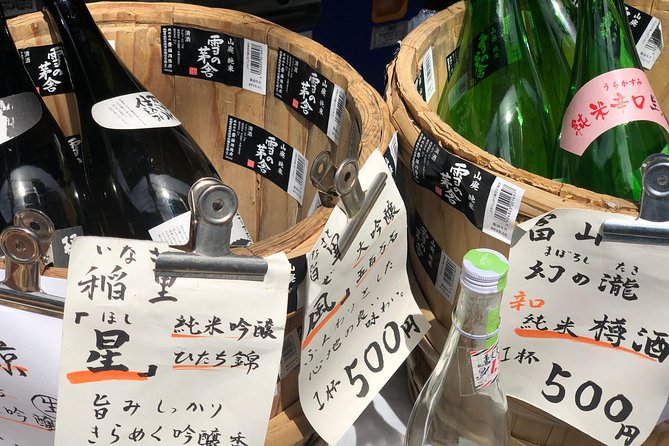
After you launch, you’ll hit several landmarks that help explain why Yanaka still feels like Tokyo’s “old” side.





Tennō-ji
This is one of the stops that gives the tour its spiritual rhythm. Even if you’re not a temple-hopping person, these breaks are useful because they slow the walk just enough for you to reset between food tastings. You also get a better sense of how everyday life shares space with religious sites in Japan.
Kyōōji Temple
Another temple stop, keeping the cultural thread consistent. This helps the guide’s stories land because you’re not jumping wildly between unrelated sights. Instead, the route keeps pointing you back to the neighborhood’s longstanding character.
Yūyake Dandan
This is a street/area stop that’s known for atmosphere. Even without getting lost in details, you’ll see how Yanaka’s streetscape turns ordinary walking into something scenic. It’s also the kind of stop that makes photos look natural, not staged.
Yanaka Ginza: where the eating and shopping both make sense
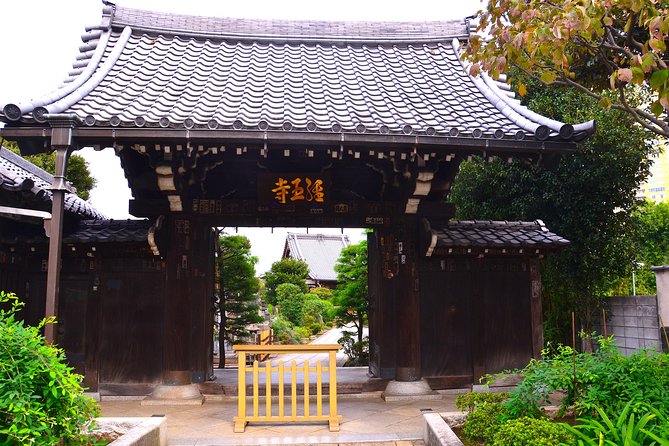
One of the best practical parts of the route is Yanaka Ginza, where you visit small shops with history and try local specialties. This is where you’ll feel the difference between eating as a “tour activity” and eating as part of a neighborhood routine.
Two ways this benefits you:
- You get guidance on what to sample, instead of guessing what to buy.
- You learn what’s worth looking for later if you want to come back on your own.
The included shopping time also helps. It’s not endless browsing, but it’s enough to pick up a snack for later or a small souvenir that feels tied to what you just tasted.
Yanaka Cemetery Park and Okakura Tenshin Memorial Park: a calmer side of the walk
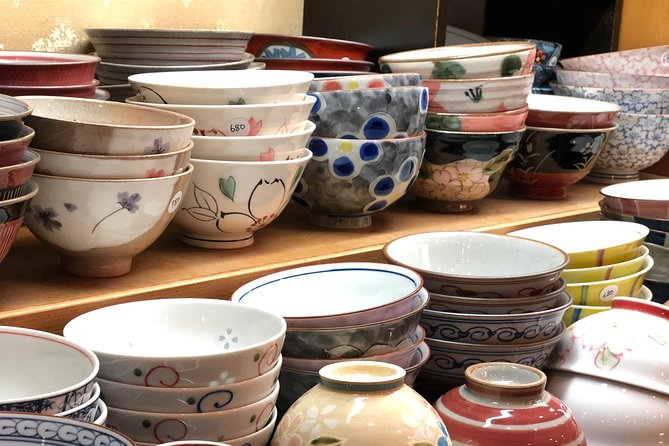
These stops add a quiet contrast to the food focus. A cemetery park and memorial area can sound heavy, but in Yanaka it works as a breathing space—an in-between moment where the pace slows and the neighborhood’s atmosphere sinks in.
They’re also useful for pacing. After several tastings and shop time, these areas let you walk a bit slower, take photos, and regroup without feeling rushed. If you’re someone who gets food-walk fatigue, this part can save the day.
The food plan: six stops, drinks, and a real Teishoku lunch
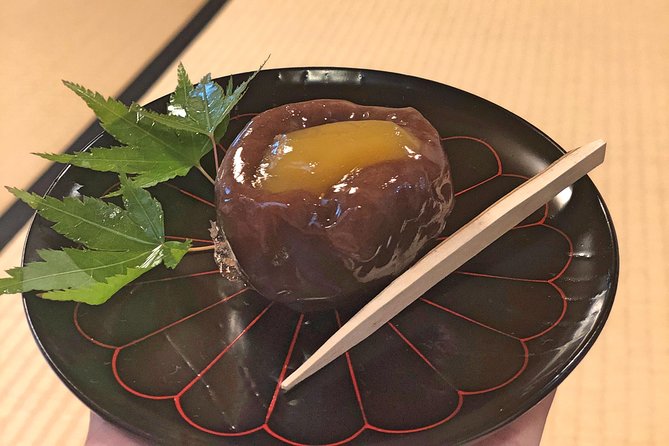
Here’s the heart of it: you’re not just snacking. You’re doing a structured tasting day.
Six food stops plus drinks
The tour includes dishes and drinks at 6 food stops. That usually means you’ll get variety—different textures, different flavors, and more than one “main event” taste rather than only one big meal.
Why this is good value: at $231 per person, a lot of tours at similar price points struggle to cover both food and a guided experience. Here, you’re getting multiple tastings plus guided walking plus cultural components. So you’re paying less for planning effort and more for actual included meals.
Teishoku lunch with Kyushu specialties
You also get lunch in a restaurant: a Teishoku set meal with regional specialties from Kyushu Island. Teishoku is the style most people mean when they say Japanese set meals: a balanced plate with rice and side dishes, designed so each portion feels purposeful.
What I like about this approach for a tour: you’re not stuck deciding between menus in a language barrier moment. A guided Teishoku lunch is often the easiest way to eat “local” without needing to be a food translator.
Vegan, vegetarian, pescetarian, gluten-free friendly
The tour is listed as vegetarian/vegan/pescetarian/gluten-free friendly. That’s a big plus in Tokyo, where you still have to manage assumptions at normal restaurant stops. I would still treat it as “tell the operator what you need” territory, because the tour only says they’re friendly—not that every single stop can guarantee every dietary variant without notice.
Wagashi and tea ceremony: the cultural ingredient people remember
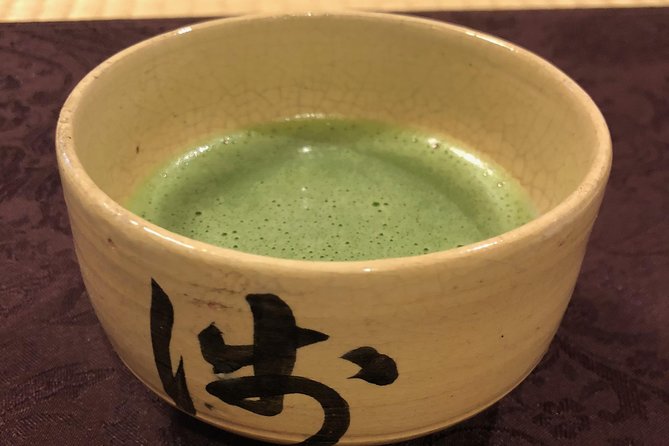
The included Wagashi and Tea Experience is arguably the most memorable part because it turns eating into a ritual.
You’ll sample wagashi (Japanese sweets), then take part in a tea ceremony-style experience. Even if tea isn’t your favorite drink, the ceremony format gives structure: it slows everything down so you taste the sweetness, smell the tea, and pay attention instead of rushing through bites.
This matters on food tours. Without a cultural anchor, you can end the day with a full stomach and zero sense of what you just learned. The tea stop makes the flavors feel like part of a tradition, not only a snack schedule.
Group size, pace, and who this tour fits best
This is family-friendly, with a maximum of 10 travelers. That size keeps the tour personal enough for questions and helps avoid the long waits that can happen on bigger walking groups.
It also says it works best for people with moderate physical fitness, which translates to: plan on walking and standing for multiple short segments. Bring comfortable shoes. If your day includes lots of stairs or long walks already, consider whether this will be your first outing or a later one after you’ve warmed up.
Who it suits:
- Food lovers who want variety, not just one meal
- Travelers who like guided context for what they’re eating
- Anyone visiting Tokyo for the first time and wanting a calmer neighborhood experience
- Families (the tour is described as family-friendly)
Value check: $231 for food, lunch, tea, and a guide
Let’s talk money plainly. $231 per person sounds steep until you match it against what’s included:
- Lunch in a restaurant (Teishoku)
- Wagashi and a tea experience
- Dishes and drinks at 6 food stops
- A local English-speaking guide
- Time for shopping
Also, it’s half-day time. In Tokyo, time and convenience are expensive. You’re paying for the guide to handle routing, timing, and food stop coordination, while you get to focus on tasting and learning.
If you enjoy self-guided Tokyo food wandering, you can sometimes eat cheaper on your own. But if you want a single organized experience that stitches neighborhoods, history sites, and multiple tastings together, this price starts to make sense fast.
Practical tips so your day goes smoothly
A few things make a noticeable difference:
- Wear shoes you can handle on uneven pavement. Yanaka is a neighborhood walk, not a flat mall loop.
- Eat something light beforehand if you’re easy to over-snack. Six food stops plus lunch can stack up.
- Have a plan for dietary needs early. The tour notes it’s friendly for several diets, but you’ll get the best outcome by stating your requirements clearly.
- Plan to arrive a few minutes early at Coffee Room Renoir Nippori Yanaka. It’s your anchor point.
Also, the tour uses a mobile ticket, so you’ll want your phone charged. (Tokyo days often include lots of map usage.)
Should you book the Old Town Tokyo Food Tour in Yanaka?
I think this tour is a strong pick if you want Tokyo that feels human-scale. You get food variety, a proper lunch, and the tea-and-wagashi experience that makes the trip more than a snack crawl. The route through temples, Yanaka Ginza, and park areas gives you a sense of place, not just a list of stops.
Book it if:
- You care about guided eating with structure
- You like old Tokyo neighborhoods and quieter streets
- You want included lunch and a cultural food experience in one morning
Skip it if:
- You hate walking or prefer short, seated experiences
- You’re only interested in one or two tastes rather than multiple stops
- You need very strict dietary guarantees at every single stop (the tour says friendly, but not perfect coverage for all possible needs)
If your ideal Tokyo day includes good food, tea ceremony culture, and a neighborhood that still feels old-school, this one is built for you.
More Tour Reviews in Tokyo



Fresh reviews from around Tokyo






Tokyo, compared.
 ★ 5.0Mt Fuji and Hakone 1-Day Bus Tour Return by Bullet TrainFrom $16326,383 reviews
 ★ 5.01-Day Tokyo Bus TourFrom $12914,250 reviews
 ★ 4.6teamLab Planets TOKYO Digital Art Museum Entry TicketFrom $259,779 reviews
 ★ 4.0Mt Fuji & Hakone Cruise, Drum Show Bullet Train 1 Day from TokyoFrom $1497,413 reviews
 ★ 5.0Shinjuku Food Tour (13 Dishes at 4 Local Eateries)From $866,603 reviews
 ★ 4.4Tokyo Mt Fuji 5th St & Hakone Cruise Bus Tour w/Bullet TrainFrom $1545,024 reviews
 ★ 5.0Flagship 2-Hours Official Street Go-Kart Tour – Tokyo Bay ShopFrom $644,974 reviews
 ★ 4.5From Tokyo: Mount Fuji Full-Day Sightseeing TripFrom $684,970 reviews