
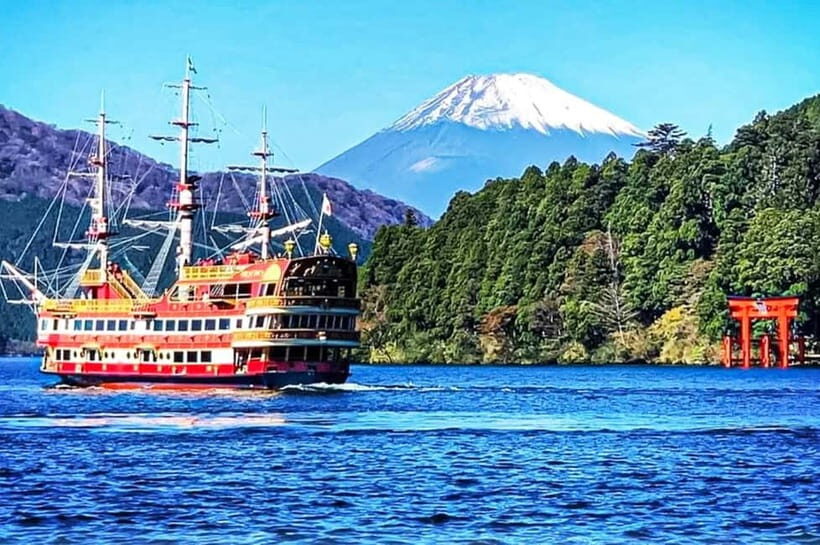
Reviewed · MT FUJI DAY TRIPS
Mt.Fuji Hakone Day Tour With Lake Ashi Cruise, FREE Ropeway
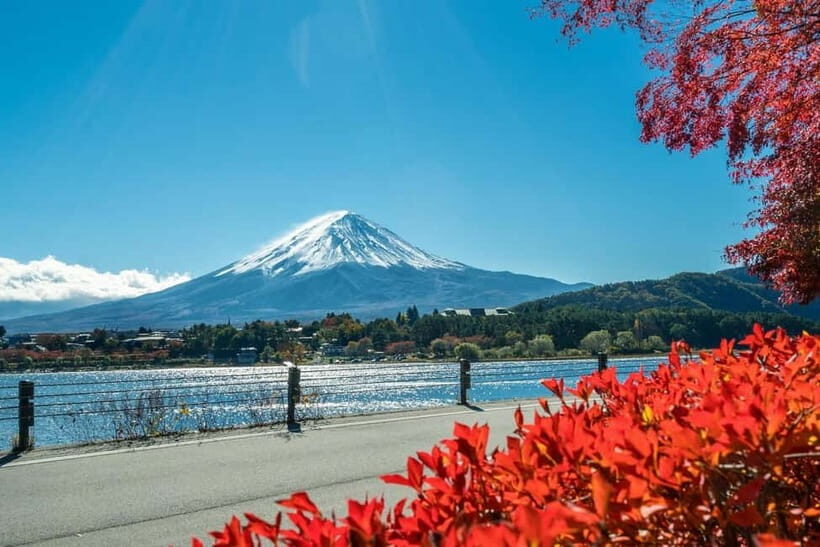
Mt. Fuji looks different from every stop. This day tour strings together cedar woods, volcanic steam, and some of the best easy photo backdrops in the Hakone–Fuji area, with Hakone Shrine and the Oshino Hakkai ponds doing the heavy lifting. I especially like the variety: forest shrine views in one hour, lake panoramas next, then that surreal volcanic valley at Owakudani.
My one big caution is the only factor you can’t control: Mt. Fuji visibility. If the weather turns, you’ll still get great sights, but you may not see that crisp, snow-capped cone from every angle.
In This Review
- Key highlights to look for
- A 10-hour Mt. Fuji and Hakone loop that feels efficient
- Where you start in Tokyo: show up early and aim to avoid chaos
- Hakone Shrine: the cedar forest walk that sets the tone
- Togendai and the Lake Ashi cruise option that adds drama
- Hakone ropeway and Owakudani: steam, sulfur, and the black egg moment
- Lake Yamanaka Swan Bay: where Fuji photos go soft and pretty
- Oshino Hakkai: eight ponds that make Fuji look like it belongs in water
- Timing, traffic, and the one big variable: the weather
- Costs and what to pack so the day doesn’t snag
- The guides: why this tour often feels well-run
- Who this tour fits best (and who should skip it)
- Should you book Mt. Fuji Hakone Day Tour with Lake Ashi Cruise and FREE Ropeway?
- FAQ
- How long is the tour?
- Is lunch included?
- Is the Lake Ashi cruise included?
- Is the ropeway free?
- What languages does the guide speak?
- Will I definitely see Mt. Fuji?
- Do I need to bring cash?
- Is the tour wheelchair accessible?
Key highlights to look for
- Red torii + Mt. Fuji framing at Hakone Shrine
- Lake Ashi views from the Hakone Pirate Ship, if you add the option
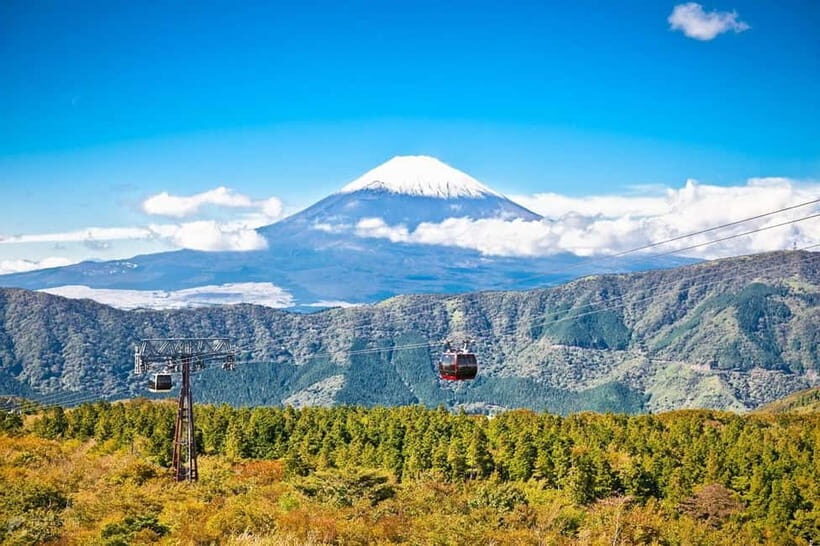
- FREE ropeway ride with a shot at volcanic steam at Owakudani
- Black eggs at Owakudani (the local seven-years story is part of the fun)
- Swan Bay at Lake Yamanaka for soft-water reflections
- Oshino Hakkai’s eight ponds with that classic Fuji mirror effect
Other routes to the mountain, compared
- Mt Fuji & Hakone Cruise, Drum Show Bullet Train 1 Day from Tokyo★ 4.0 · 7,413 reviews
- Tokyo Mt Fuji 5th St & Hakone Cruise Bus Tour w/Bullet Train★ 4.4 · 5,024 reviews
- From Tokyo: Mount Fuji Full-Day Sightseeing Trip★ 4.5 · 4,970 reviews
A 10-hour Mt. Fuji and Hakone loop that feels efficient
This tour is priced at about $58 per person for a full Tokyo-to-Hakone day (10 hours) with round-trip transportation, a live multi-language guide, and a driver. The value piece is that you’re not just doing one viewpoint. You’re stacking multiple “Fuji moments” across Hakone and the Fuji Five Lakes area, which is exactly what makes a short trip feel worthwhile.
Included on the tour side: round-trip transport from Tokyo, a ropeway ticket, plus a guide/driver and parking. Lunch is not included, and the Lake Ashi cruise is an optional add-on (around 1700 JPY). A realistic expectation for extra spending is that you might want 3,000 to 5,000 JPY more for lunch, small snacks, and any onboard or souvenir buys.
Here’s the deal in plain terms: this is a good pick if you want a guided hit list without having to plan the order yourself. It’s also a decent way to avoid getting stuck in the wrong place at the wrong time when transit in this region can get confusing fast.
Where you start in Tokyo: show up early and aim to avoid chaos
Your departure meets at a Tokyo location that can vary by option, with one listed pick-up near Stand T (東京MODE學園). Meeting points for popular day tours can get messy—there are often a lot of groups gathered in the same general area.
My practical tip: arrive a little early, keep an eye out for your guide, and don’t wait until the last minute. One common theme in the experience feedback is that once people found their guide, the day ran smoothly.
Also remember: this is a shared group tour with multiple languages handled by the guide (English, Japanese, Chinese). That means you’ll spend some of the day listening while the guide keeps everyone moving on time.
Hakone Shrine: the cedar forest walk that sets the tone
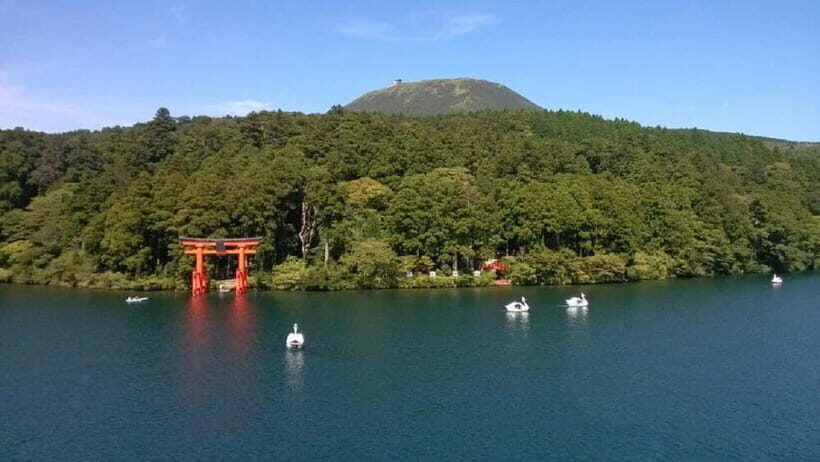
Hakone Shrine is where the day’s mood clicks into place. Expect a photo stop and sightseeing time of about 80 minutes, and the first thing you’ll notice is the walk itself: mossy stone steps and towering cedar trees where the pace slows down naturally.
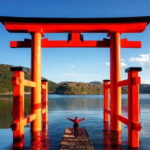
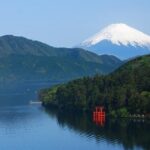
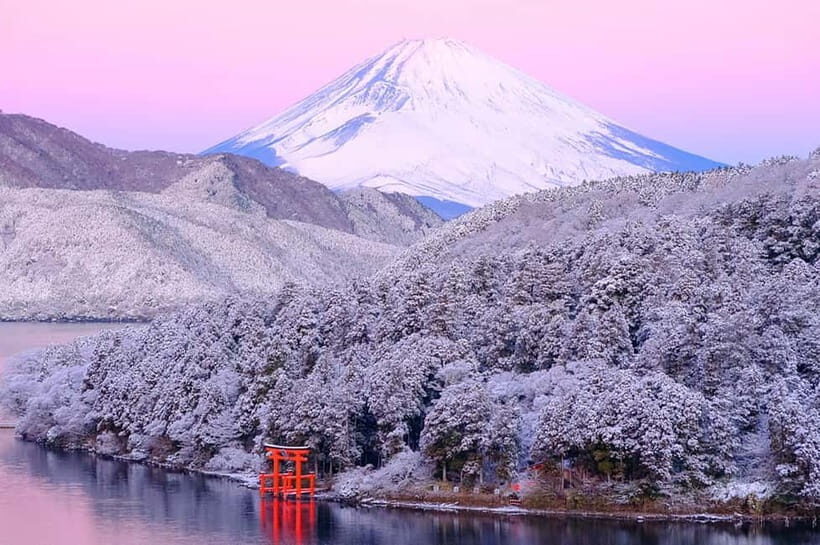
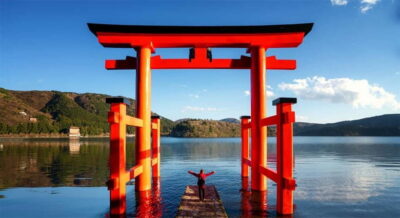
Then comes the payoff. You get a classic view setup—there’s a red torii gate with Mt. Fuji in the background, often framed so it feels like a postcard. Even when Fuji is partially hidden by clouds, you still get that devotional forest atmosphere, which is half the charm here.
A small drawback to plan around: this site can get crowded, so if you want clean photos, you’ll need to step a bit off the main flow and be okay with waiting for the moment. The upside is that the time you’re given usually gives you enough room to take photos and breathe.
Togendai and the Lake Ashi cruise option that adds drama
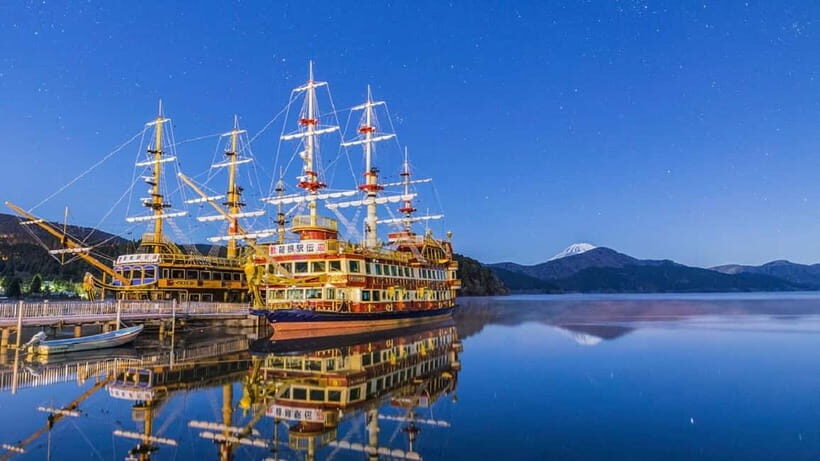
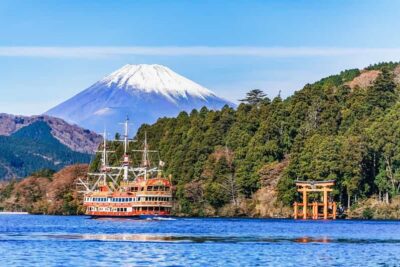
The cruise part is the most “romantic movie scene” segment of the day. The Hakone Pirate Ship operates on Lake Ashi, and you’ll get broad, panoramic views where Fuji and the shoreline can appear in the same frame.
Important detail: the cruise is optional with an extra fee (about 1700 JPY). If you skip it, the tour can send you onward by bus directly to the Togendai ropeway area so you don’t lose the day’s rhythm.
Why I like this as an option: you can match the day to your comfort level. If you want the lake photos and don’t mind paying extra, it’s worth it. If you’d rather keep costs down, you still get the main Hakone highlights without feeling like you missed the entire tour.
What to watch for: visibility. When the sky cooperates, the lake reflections and Fuji angles feel like the whole region is showing off. When it doesn’t, you’ll still get the scenery of Lake Ashi, just with less of that sharp Fuji moment.
More Hakone loops, ropeways and lake crossings
Hakone ropeway and Owakudani: steam, sulfur, and the black egg moment
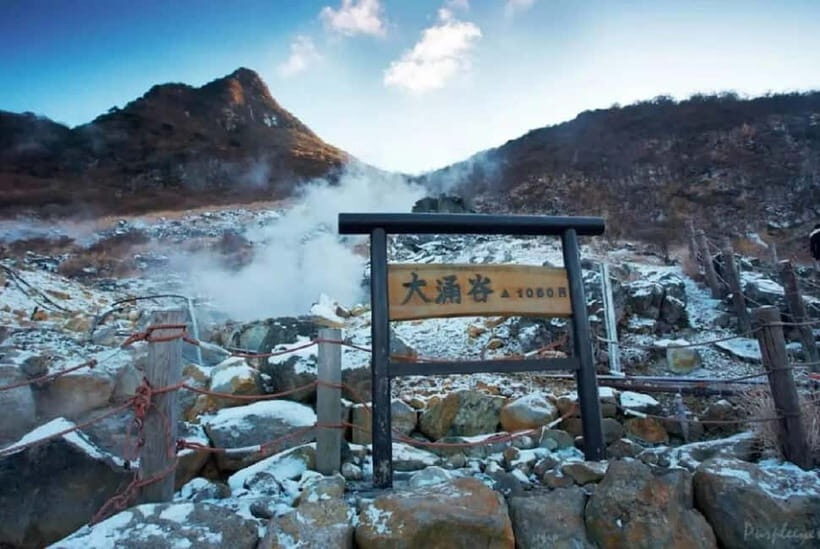
This is the part of the day people tend to remember. You’ll take the Hakone Ropeway for about 30 minutes, and the experience is built around changing views as you climb above volcanic ground. The tour frames it as a way to fly over the active-looking terrain below, with Owakudani Valley as the big destination.
Then you’re on the ground for photo stop and sightseeing (about 50 minutes) at Owakudani. Expect volcanic steam and sulfur clouds, with a harsher, more dramatic feel than the forest shrine area.
And yes, the black eggs are part of the moment. The tour notes the legend: each black egg is said to promise seven more years of life. Even if you don’t care about the folklore, the egg is a fun way to break up the walk and grab something simple while you’re surrounded by steam.
A consideration: volcanic zones can mean stronger smells and sometimes gusty air. Wear comfortable shoes and be ready for the “power nature” vibe. This stop isn’t a long hike, but it does feel different from the rest of the day.
Lake Yamanaka Swan Bay: where Fuji photos go soft and pretty
After the volcanic hit, the day turns gentler at Lake Yamanaka. You’ll have about 1.5 hours for a photo stop and guided time at Swan Bay.
The standout detail here is the swans. White swans glide slowly across the water, and they may drift close enough for fun, low-effort photos. With Mt. Fuji in the background (when visibility cooperates), the scene becomes calm and romantic without trying too hard.
This stop can feel like a breather between crowded sightseeing areas. The lake air also helps reset you after Owakudani’s intense environment.
Oshino Hakkai: eight ponds that make Fuji look like it belongs in water
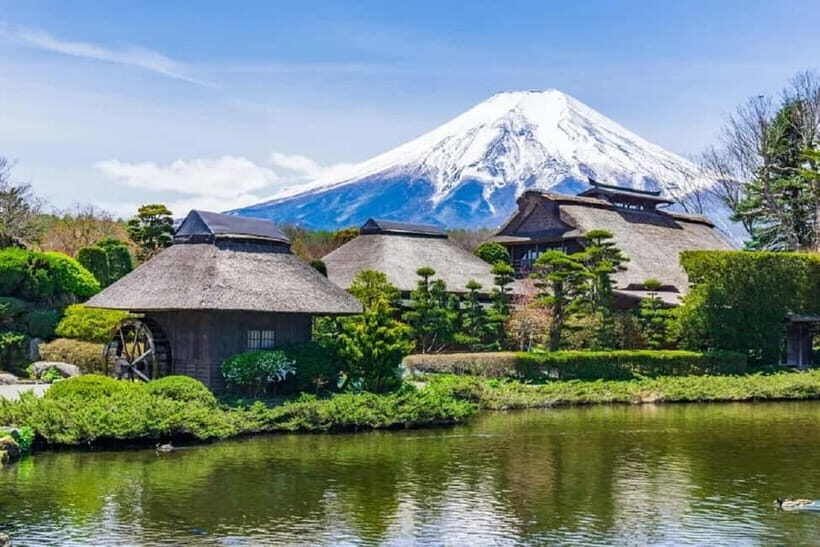
Next up is Oshino Hakkai, a village-style set of eight crystal-clear ponds. You’ll spend about 1.5 hours with guided sightseeing here.
What makes Oshino Hakkai special is the way the ponds sit like little windows. You’ll see pebbles and plants beneath the water, and the reflections can be very strong when Fuji is visible. Add in traditional thatched houses and wooden bridges, and the whole place feels like a time-frozen craft scene.
In a day full of viewpoints, this is a great place to slow down. Instead of only trying to shoot Fuji from one angle, you get multiple water surfaces and bridge angles to play with.
Crowds are common here too, especially on weekends. Still, the ponds are spaced in a way that lets you move, not just stand still. If you want the cleanest reflections, go a bit early in your allotted time and don’t be afraid to shift your position once or twice.
Timing, traffic, and the one big variable: the weather
The tour runs a full day, and it can stretch a bit. The itinerary includes a return to Tokyo after the Oshino Hakkai stop (with the full loop landing around the 10-hour mark). In the real world, delays happen when traffic or holiday congestion kicks in.
Here’s the key planning advice: keep your evening schedule open. If Mt. Fuji is obscured by clouds or a weather system slows travel, you might see changes in how much time you get at each place—or in some cases, certain parts of the plan can be adjusted.
And again, Mt. Fuji visibility is weather-dependent. Even with that uncertainty, you’re still doing a strong lineup: shrine forest, lake views, volcanic steam, swans, and the pond village.
Costs and what to pack so the day doesn’t snag
Lunch isn’t included. There is a scheduled lunch stop (around 40 minutes) at a local restaurant area, but you decide whether to eat there. You’re also told that you can bring your own food or buy lunch during the journey—just note an important rule: no food in the vehicle.
So what should you pack?
- Comfortable shoes for stone steps and outdoor walking
- Cash, because some local shops don’t accept cards
- Weather-appropriate layers, because Hakone and the Fuji area can feel different at each stop
I also suggest planning for small buys. Souvenirs move fast in this region, and if you want something at the ponds or the volcanic area, cash saves time.
The guides: why this tour often feels well-run
One of the best reasons to choose a group tour here is how the guide handles movement and explanations across sites. Names you may see mentioned include Jack, Kousei, Andrew, and Tom.
Across those examples, the pattern is clear:
- The guide keeps people organized and makes sure everyone knows where to go and when to meet.
- Explanations come through in multiple languages.
- The tone tends to be friendly and patient, with humor showing up when it fits.
This matters because you’re hopping between several crowded places in one day. A calm, structured guide turns a hectic route into a day that feels manageable. And when someone’s good at planning around crowds, you spend more time seeing and less time searching.
Who this tour fits best (and who should skip it)
This tour is a strong match if you:
- Want a one-day Fuji and Hakone overview without heavy planning
- Care about photos and like having multiple Fuji angles
- Enjoy a mix of shrine, lake, volcanic views, and pond reflections
- Prefer a guided pace that still gives room to wander and take pictures
It may be less suitable if you:
- Use a wheelchair, since it’s stated as not suitable for wheelchair users
- Want a slow, uncrowded day with long stays at just one location (this is more of a “see a lot” itinerary)
One nice reassurance from the experience feedback: the tour pace has worked for people who want comfort on a sightseeing day, including someone in their 70s.
Should you book Mt. Fuji Hakone Day Tour with Lake Ashi Cruise and FREE Ropeway?
If you’re short on time in Japan and you want a guided, photo-friendly day across Hakone and Fuji Five Lakes, I think this is a smart value booking. You get round-trip transport, a live guide, and the ropeway is covered, plus the itinerary hits the big “Fuji moments” people actually chase.
I’d book it if:
- You’re okay with crowds at popular stops
- You can bring cash for optional extras
- You’ll treat Mt. Fuji visibility as a bonus, not a guarantee
I’d think twice if:
- You need guaranteed views of Mt. Fuji in every photo
- You hate group logistics or want a quiet, slow day
If the weather cooperates, this kind of route can feel like you’re watching Fuji reveal itself in layers. And even when it doesn’t fully show, you still get cedar shrine calm, lake air, volcanic steam, swan stillness, and Oshino’s eight watery reflections.
FAQ
How long is the tour?
It runs for about 10 hours.
Is lunch included?
No. Lunch is not included, and there’s a lunch stop built into the day where you can buy food.
Is the Lake Ashi cruise included?
The Lake Ashi cruise on the Hakone Pirate Ship is optional. You may pay an additional fee (around 1700 JPY) if you want it.
Is the ropeway free?
Yes, the tour highlights a free ropeway, and a ropeway ticket is listed as included.
What languages does the guide speak?
The live guide provides English, Japanese, and Chinese.
Will I definitely see Mt. Fuji?
You might, but visibility depends on weather conditions.
Do I need to bring cash?
Yes. Some local shops may not accept card, so cash is recommended.
Is the tour wheelchair accessible?
No, it is not suitable for wheelchair users.
More Tour Reviews in Tokyo






Hakone, Three More Ways
The Fuji Shortlist: Other Days Out to the Mountain


Fresh reviews from around Tokyo






Mt Fuji Day Trips, compared.
 ★ 4.0Mt Fuji & Hakone Cruise, Drum Show Bullet Train 1 Day from TokyoFrom $1497,413 reviews
 ★ 4.4Tokyo Mt Fuji 5th St & Hakone Cruise Bus Tour w/Bullet TrainFrom $1545,024 reviews
 ★ 4.5From Tokyo: Mount Fuji Full-Day Sightseeing TripFrom $684,970 reviews
 ★ 4.7Mt. Fuji Tour, Hakone Ropeway, Owakudani, Lake AshiFrom $544,002 reviews
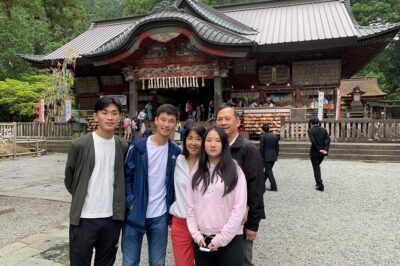 ★ 5.0Private Tour to Mt. Fuji and Hakone (Fully Licenced Operator)From $4971,910 reviews
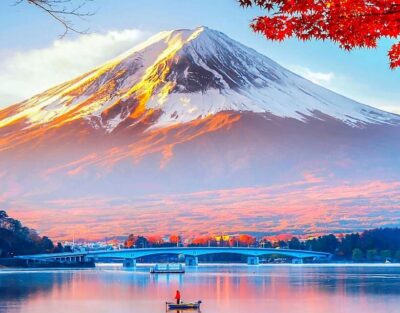 ★ 4.9Mount Fuji Full-Day Private Tour from Tokyo (Customizable)From $3931,470 reviews
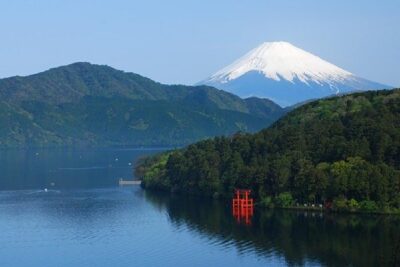 ★ 4.0Mt Fuji & Hakone Cruise, Drum Show Bus 1 Day from TokyoFrom $1221,287 reviews
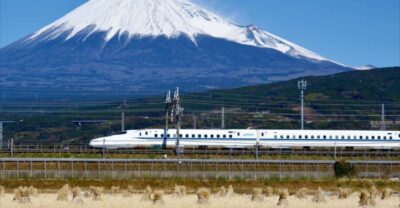 ★ 4.2From Tokyo: Mt. Fuji & Hakone Tour w/ Return by Bullet TrainFrom $1171,278 reviews
Browse the lists this tour appears in