
Reviewed · TOKYO
Private Tokyo with Exceptional Guide Tailored to Your Needs
Tokyo is fast. This tour helps you steer.
This private Tokyo experience turns the city into a choose-your-own-adventure, with a local guide shaping the day around what you actually want to see. You can mix major sights with quieter neighborhoods, and the pace stays yours, not a fixed bus schedule.
Two things I like a lot are the custom itinerary and the hotel pickup, which makes a first (or tight) day in Tokyo feel way less stressful.
One possible drawback: lunch and many admission fees aren’t included, and some stops can require extra payments if you want your guide to accompany you inside.
In This Review
- Key things to know before you go
- A private half- or full-day plan that actually fits your energy
- Hotel pickup plus public transport know-how (or a private car)
- Public transport option: fast and local
- Private car option: convenience when you want it
- A small but useful inclusion
- Tsukiji Fish Market: snack hunting with market-life context
- Senso-ji and Meiji Jingu: two temples, two emotions
- Senso-ji (Asakusa)
- Meiji Jingu
- Shibuya Crossing: iconic, but don’t treat it like a drive-by
- Imperial Palace: walls, moats, and the Edo Castle footprint
- Akihabara, Omotesando, and Takeshita Street: shopping with different vibes
- Akihabara (short and intense)
- Omotesando: architecture plus people-watching
- Takeshita Street: loud fashion energy
- Old Tokyo pace at Yanaka Ginza (and why it feels different)
- Ueno Park, museums, and the Toshogu connection
- How your guide turns stops into a day you understand
- History you can actually use
- Practical skills: public transport and routing
- Small experiences that make it feel personal
- Price and value: what you’re paying for at $151.54 per person
- Who this tour suits best (and who might not need it)
- Should you book this private Tokyo tour?
- FAQ
- How long is the private Tokyo tour?
- Is the tour really private?
- Do you get hotel pickup?
- Are lunch and entrance fees included?
- Can I travel by public transport or by car?
- What if the weather is bad or I need to cancel?
Key things to know before you go
- Half-day vs full-day flexibility: pick 2–3 places for about 4 hours, or 4–5 places for about 8 hours.
- Pickup is included: you get picked up from your hotel area, so you’re not spending the morning hunting stations.
- You choose the transport style: use public transit with local know-how or upgrade to a private car.
- WhatsApp planning helps: communication with your guide is built around easy messaging, so you can adjust your priorities.
- Your guide improves the day, not just the walking: expect history, practical tips, and future-trip advice.
- Some costs come after booking: lunch and entrance fees (and sometimes guide entry) are extra.
A private half- or full-day plan that actually fits your energy
Tokyo can overwhelm you in minutes. This tour solves that by letting you decide the target list first, then assigning your guide to turn it into an efficient route.
For the shorter option, you’ll choose 2–3 stops for around 4 hours. For the longer day, it’s 4–5 stops for around 8 hours. That matters because it keeps each location from turning into a 15-minute photo sprint. Instead, your guide can pace the time so you’re not rushing through temples, markets, and shopping streets back-to-back.
The other smart part: your guide can recommend what will work best together. Tokyo isn’t just “see famous places.” It’s also about how neighborhoods feel when you’re moving between them. A good guide helps you avoid dead time and reduces the chance you’ll end up hopping across the city just to check off a name.
If you’re the type who likes structure but not rigidity—this hits the sweet spot.
Hotel pickup plus public transport know-how (or a private car)
The logistics are one of the biggest reasons this tour feels good value.
You get English-speaking guidance and hotel pickup, which usually means the hardest part—getting started—is handled. From there, you have two transport modes:
Public transport option: fast and local
Public transport isn’t included, so you’ll want to plan ahead. The tour strongly suggests buying Tokyo Subway 24-, 48-, or 72-hour tickets in advance. Having those ready can save you time and last-minute decisions.
This matters for your comfort. Tokyo stations are huge. A guide who knows which lines to take helps you travel like a local without turning your day into a map-reading contest.
Private car option: convenience when you want it
If you choose the private car upgrade, you still keep the flexible itinerary, but travel time can shrink and transitions feel smoother—especially if you’re visiting during peak commuter hours, traveling with older family members, or simply want fewer stairs and transfers.
A small but useful inclusion
You also get bottled water, which sounds minor until you’re walking between markets, shrines, and shopping streets on a long day.
Tsukiji Fish Market: snack hunting with market-life context
One of the most fun ways to start a Tokyo day is with food energy. Tsukiji Fish Market is designed for exactly that.
You’ll typically spend about 1 hour here. Admission is free for this stop, which keeps costs down. The experience is about being around fresh seafood and watching the market crowd: people shopping, people eating, people doing both at the same time.
What I like about this stop inside a private tour is that you’re not just looking at stalls. Your guide can help you decide what’s worth trying and how to keep your time efficient. In markets, time is currency. If you’re going to sample, you want the sampling to be smart.
Senso-ji and Meiji Jingu: two temples, two emotions
Tokyo’s sacred spaces are more than landmarks. Done right, they’re a mood shift.
Senso-ji (Asakusa)
At Senso-ji Temple, you’ll often spend about 1 hour. It’s free to enter, and it’s famous for those classic red lantern views. This is where Tokyo tradition feels close-up—especially if you slow down long enough to watch how people move through the space.
Meiji Jingu
Then the mood turns greener and quieter at Meiji Jingu Shrine, also typically about 1 hour with free admission. The setting is all about trees and a calmer atmosphere. It’s the kind of stop that resets your brain after a busy neighborhood.
The value of having a guide between these two: you don’t just see structures. You understand what you’re looking at, and that makes photos more meaningful. Even if you only spend an hour at each, the contrast lands hard—in a good way.
Shibuya Crossing: iconic, but don’t treat it like a drive-by
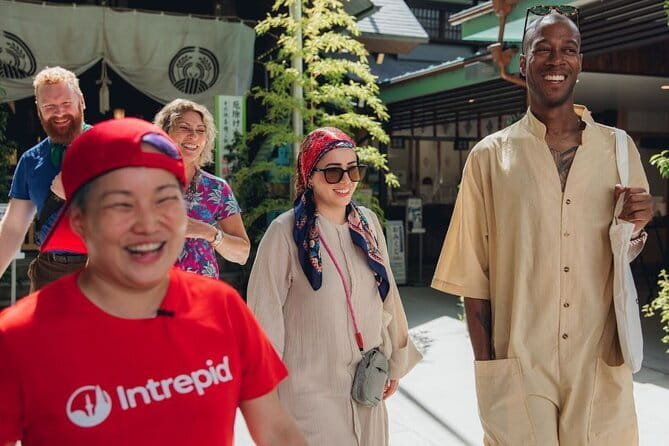
Shibuya Crossing is the kind of sight that’s better when you don’t rush. Expect about 30 minutes here, free to enter.
Yes, it’s the famous intersection, and yes, you’ll want to film it. There’s also a Hachiko statue nearby, which adds a story layer beyond the street spectacle.
In a private format, Shibuya becomes more than a checklist. Your guide helps you time your viewing and move away before you get crushed by the crowd flow.
Imperial Palace: walls, moats, and the Edo Castle footprint
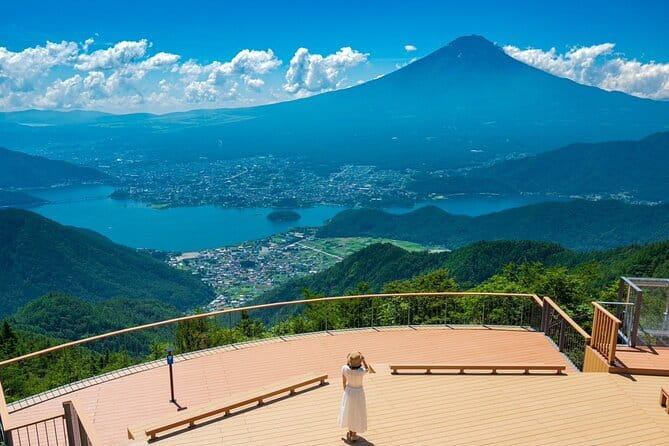
If you want a break from neon and shopping streets, Imperial Palace offers a calmer, spaced-out walk. It’s free, and the stop is typically around 1 hour.
You’ll be seeing the former site of Edo Castle, with moats and heavy stone walls around a big park area. It’s not a “go inside and tour a museum” stop—more a “take in the setting” stop.
A guide helps here too, because the meaning of what you’re seeing isn’t always obvious if you’re just reading signs. You’ll get the context without needing to do homework first.
Akihabara, Omotesando, and Takeshita Street: shopping with different vibes
Tokyo’s shopping is not one thing. It’s multiple cities stacked together.
Akihabara (short and intense)
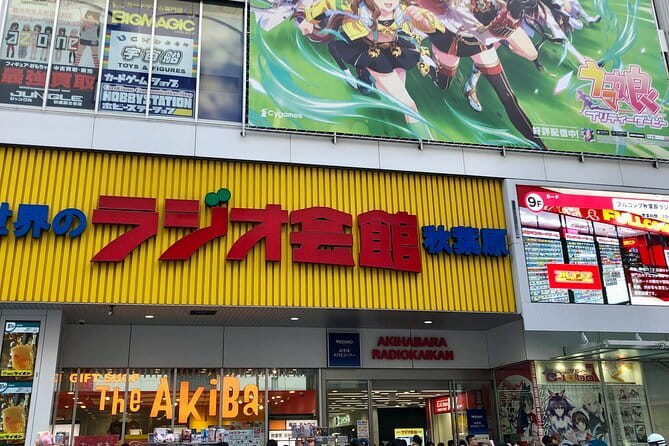
Akihabara is a great stop if you’re into anime, games, and manga. It’s typically only about 30 minutes on the itinerary, free to enter, so it works best when you’ve chosen what you want to look for ahead of time.
If you only have a half-day, this stop can be a perfect “yes, Tokyo is weird” moment.
Omotesando: architecture plus people-watching
Then there’s Omotesando, where the street is lined with buildings by well-known architects. You’ll often spend about 30 minutes here, also free to enter.
The vibe is modern and design-focused, but the real payoff is slowing down just enough to notice the mix of stores and galleries aimed at younger crowds.
Takeshita Street: loud fashion energy
Takeshita Street is famous for cute, colorful style. It’s typically around 30 minutes, free, and you can easily see why people love it for photos.
If you want a light, fun finale, it works. If you prefer quieter streets, keep it shorter and leave room to rest.
Old Tokyo pace at Yanaka Ginza (and why it feels different)
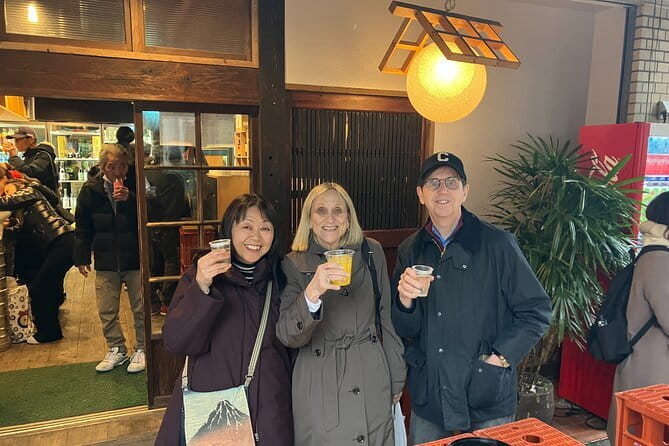
Not every day needs a headline sight. Yanaka Ginza Shopping Street is one of those places where Tokyo feels more human-scale.
You’ll spend about 1 hour here, free to enter. The streets keep traces of older Tokyo, and you’ll see locals mingling—often while eating standing snacks.
This stop shines in a private tour because it’s a chance to step away from the “tourist rail lines.” Your guide can point out what’s actually local versus just Instagram-friendly, and you can follow your appetite instead of your schedule.
Ueno Park, museums, and the Toshogu connection
Ueno Park shows Tokyo at a slower rhythm, even though it sits close to intense city motion.
It’s highlighted as famous for cherry blossoms, but the bigger reason to include it is what’s around it: multiple museums plus Ueno Toshogu (connected to the Tokugawas). Your guide can help you pick what fits your interests and time, especially if you’re not visiting in peak season.
Even if you’re not chasing blossoms, Ueno works as a reset stop. It breaks up the day between shiny shopping districts and heavier temple visits.
How your guide turns stops into a day you understand
This is where the tour earns its high ratings.
Guides like Hitomi, Miyuki, Kaz, and Miho show up prepared to match your interests. Many people plan through WhatsApp, sending must-sees ahead of time and refining priorities before you arrive. That helps your day start with a plan, not a scramble.
History you can actually use
A big theme in guide quality is clear context. At places like Meiji Jingu, Imperial Palace, and Shibuya, the guide can connect what you’re seeing to the larger story of Japan—without turning your day into a lecture.
Practical skills: public transport and routing
One of the most useful outcomes is that you learn how to move around Tokyo better after your tour. You’ll often leave knowing the subway logic enough to handle the rest of your stay with confidence. If you rely on Google Maps, pairing it with a real route plan makes it easier to trust your choices.
Small experiences that make it feel personal
At temple stops, you may have opportunities to do things like fortune-related activities such as omikuji (fortune telling) and writing fortunes. It’s optional and can add a memorable, hands-on layer to a very visual day.
And if your interests go beyond standard sightseeing, your guide can also offer advice for future plans during your visit. That included guidance can help you avoid wasting time chasing the wrong reservations later.
Price and value: what you’re paying for at $151.54 per person
The price listed is $151.54 per person, and the tour tends to be booked about 40 days in advance on average. That timing matters because Tokyo demand can be real—especially for popular day plans.
So is it worth it? In my view, it’s strongest when you want:
- Fewer logistics headaches on day one
- A tight itinerary that doesn’t waste hours in transit
- A guide who can translate what you’re seeing into something you understand
- The option to choose public transport or a private car
What you should budget for on top:
- Lunch isn’t included. The tour notes that lunch should be paid for together with the guide’s portion.
- Entrance fees aren’t included if you want the guide to accompany you inside facilities.
Also note: many of the specific stops listed are free to enter. Still, your costs can come from optional add-ons, meals, and any paid entry points not covered in the base plan.
When you compare this to doing Tokyo solo for the same number of stops, the private guide is often the difference between a fun day and a day that feels like work.
Who this tour suits best (and who might not need it)
This private setup is ideal if you:
- Are visiting for the first time and want to get bearings fast
- Want to pick highlights like Tsukiji, Senso-ji, Meiji Jingu, Shibuya Crossing, or Akihabara
- Prefer learning from a person rather than just reading signs
- Travel as a family or pair where adult preferences vary and timing matters
It may be less ideal if you:
- Enjoy navigating cities completely solo and don’t mind spending extra time figuring routes
- Want a super “free roaming” day with zero structure
- Are trying to avoid any extra costs at all (because lunch and some entrance situations are extra)
The tour does require moderate physical fitness, since you’ll likely be walking and moving between areas, plus using public transit if you choose that option.
Should you book this private Tokyo tour?
If you want a smart first Tokyo day—one that hits major icons and also gets you into areas you might miss on your own—this is a strong booking.
I’d especially recommend it if you’re:
- Short on time (half-day)
- Energy-managed (full-day with the option to shape the pace)
- Trying to learn Tokyo transport quickly
Just go in knowing lunch and some entry add-ons cost extra, and you’ll feel in control rather than surprised.
FAQ
How long is the private Tokyo tour?
You can choose a half-day (about 4 hours) or full-day (about 8 hours). The typical plan is 2–3 places for the shorter option and 4–5 places for the longer option.
Is the tour really private?
Yes. It’s a private tour/activity, and only your group participates.
Do you get hotel pickup?
Yes. Hotel pickup is offered, and pickup is included in the experience.
Are lunch and entrance fees included?
No. Lunch is not included, and entrance fees are also not included. The tour notes that if you want a guide to accompany you to a facility, you may need to pay for the guide as well.
Can I travel by public transport or by car?
You can do either. The experience offers the option to travel like a local on public transport, or you can upgrade to a private car (private car is included if you choose that option). Public transportation tickets are recommended to be purchased in advance.
What if the weather is bad or I need to cancel?
The experience requires good weather. If it’s canceled due to poor weather, you’ll be offered a different date or a full refund. The tour also offers free cancellation up to 24 hours in advance for a full refund.
Tokyo, compared.
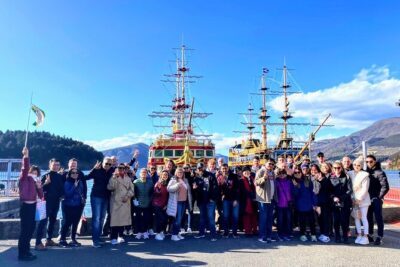 ★ 5.0Mt Fuji and Hakone 1-Day Bus Tour Return by Bullet TrainFrom $16326,383 reviews
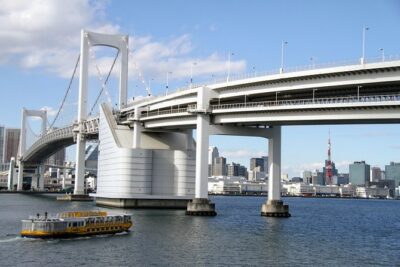 ★ 5.01-Day Tokyo Bus TourFrom $12914,250 reviews
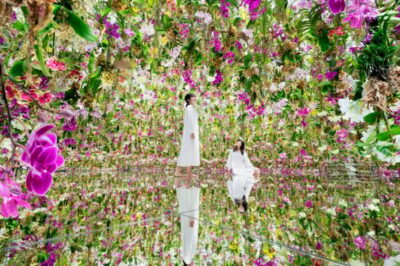 ★ 4.6teamLab Planets TOKYO Digital Art Museum Entry TicketFrom $259,779 reviews
 ★ 4.0Mt Fuji & Hakone Cruise, Drum Show Bullet Train 1 Day from TokyoFrom $1497,413 reviews
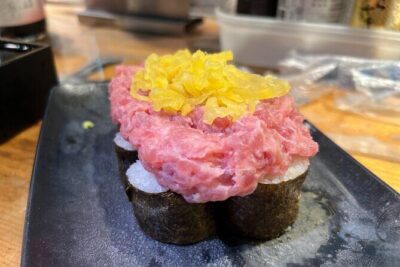 ★ 5.0Shinjuku Food Tour (13 Dishes at 4 Local Eateries)From $866,603 reviews
 ★ 4.4Tokyo Mt Fuji 5th St & Hakone Cruise Bus Tour w/Bullet TrainFrom $1545,024 reviews
 ★ 5.0Flagship 2-Hours Official Street Go-Kart Tour – Tokyo Bay ShopFrom $644,974 reviews
 ★ 4.5From Tokyo: Mount Fuji Full-Day Sightseeing TripFrom $684,970 reviews