
Reviewed · AKIHABARA OTAKU TOURS
Official Japan Go-Kart Tokyo Skytree/Akihabara (IDP Required)
Tokyo streets, but faster.
This go-kart tour is built for time-crunched sightseeing: you bounce between major neighborhoods and sights instead of walking blocks all day. You’ll roll past Kaminarimon in Asakusa, sweep through Ameyoko and Ueno Park, then head into Akihabara, finish with Kappabashi Kitchen Town, and end at Tokyo Skytree. It’s a short outing with a guide, so you get local context along the way without turning your whole day into a route-planning exercise.
What I like most is the combo of big landmarks in a short window and a small group capped at 10, which makes it easier to get help and pay attention during the ride. Second, the setup is straightforward: you’ll get an instruction video (a few minutes), sign paperwork, and get equipped before you start moving through real streets. One drawback to factor in: the driving rules are strict—if you don’t bring the right International Driving Permit (IDP) and license documents, you can be turned away without a refund, so check this well before you go.
In This Review
- Key Things to Know Before You Ride
- A 90-Minute Hit of Tokyo: What the Route Covers
- Licenses First: The IDP Rule That Can Make or Break Your Ride
- Meeting Point, Setup, Costumes, and the Instruction Video
- Kaminarimon to Ameyoko: Asakusa’s Gate and Ueno’s Market Streets
- Ueno Park to Akihabara: Culture Grounds and Otaku Tech Energy
- Kappabashi Kitchen Town to Tokyo Skytree: From Knives to 634 Meters
- Price and Value: Is $65.69 Worth It?
- What This Tour Is Really Like (and What It Isn’t)
- Best Fit: Who Should Book This Go-Kart Ride?
- Should You Book Japan Kart for Skytree and Akihabara?
- FAQ
- FAQ
- What do I need to drive the go-kart in Japan?
- Where is the meeting point and where does the tour end?
- How long is the experience?
- How big is the group?
- Is alcohol allowed before the tour?
- What should I wear?
- What’s the cancellation policy if weather is bad?
Key Things to Know Before You Ride
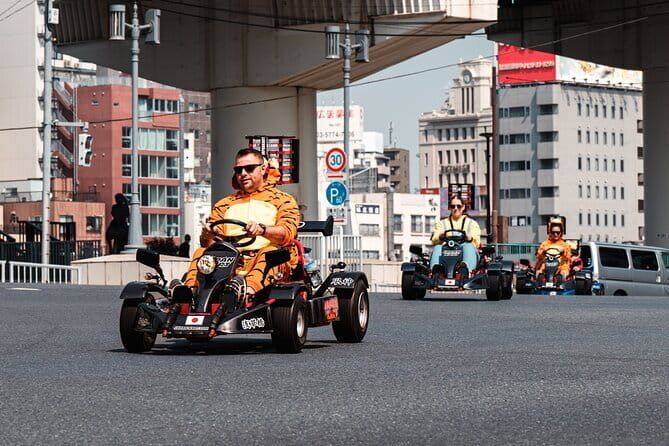
- A guide-led, real-streets route: you’ll pass well-known spots rather than driving around a theme park loop
- Max 10 people: smaller groups mean more attention during setup and guidance while riding
- Tokyo highlights in one go: Asakusa, Ameyoko, Ueno Park, Akihabara, Kappabashi, and Tokyo Skytree
- Short total time: about 1 hour 30 minutes overall, ideal when your schedule is tight
- IDP requirements are non-negotiable: bring the correct IDP format and original license
Deeper into Electric Town
- Official Street Go-Kart Tour – Akihabara★ 5.0 · 1,578 reviews
- Tokyo: Original Street Kart Experience from Akihabara★ 5.0 · 111 reviews
- Ramen Making from Scratch +Akihabara Tour –Tokyo Cooking Class★ 5.0 · 107 reviews
A 90-Minute Hit of Tokyo: What the Route Covers
This tour works like a greatest-hits playlist—except you’re in a go-kart. The main idea is simple: you cover a lot of Tokyo in about 1.5 hours instead of doing a long, stop-and-start walking day. You also get a guide alongside you, so you’re not just passing sights—you’re picking up quick context as you roll by.
The route also makes practical sense. The stops line up along the path many visitors already want to see: Asakusa’s Sensō-ji entrance area (Kaminarimon), the Ameyoko street market in Ueno, the Ueno Park cultural zone, Akihabara’s tech and pop-culture streets, Kappabashi Kitchen Town, and finally Tokyo Skytree. That means you can fit this into almost any itinerary—morning, afternoon, or right after you drop by one neighborhood.
A detail that matters for the overall experience: the tour returns you to the meeting point at the end. That saves you from the “now what?” feeling afterward, especially when you’re planning dinner or your next reservation.
Licenses First: The IDP Rule That Can Make or Break Your Ride
Let’s talk about the one part you shouldn’t treat casually: driving documentation. You must have an International Driving Permit issued in the 1949 Geneva Convention format, plus your home-country driving license and passport. The IDP has to be in booklet form, not a loose paper format.
Here’s where it gets extra specific (and why that negative experience happens). The instructions also say that Vienna Convention 1968 IDPs are not accepted in Japan. So even if you already have an IDP, it’s worth confirming it matches the accepted format before you arrive.
There’s also a special-case list. If your license is from Switzerland, Germany, France, Taiwan, Belgium, or Monaco, you’ll need a Japanese translation through the Japan Automobile Federation (JAF) and your own license. In other words, don’t rely on guesswork—confirm your exact situation early.
One more rule that’s easy to miss when you’re in trip mode: alcohol consumption before the tour is prohibited. And if you show up with the wrong documents, the tour provider notes you may be denied participation with no refund. That’s the big “consideration” behind this kind of activity, because the experience depends on you actually being able to drive.
Meeting Point, Setup, Costumes, and the Instruction Video
You’ll start at JapanKart, 2-chōme-18-15 Azumabashi, Sumida City, Tokyo 130-0001. It’s noted as near public transportation, so you should be able to reach it without a big taxi bill.
The tour asks you to arrive 15 minutes before your booking time. They can wait up to 10 minutes after the reserved time, so if you’re cutting it close, you’re taking a risk. Also, there’s a short instruction video and guide help—this is where you learn the basics for riding safely in traffic.
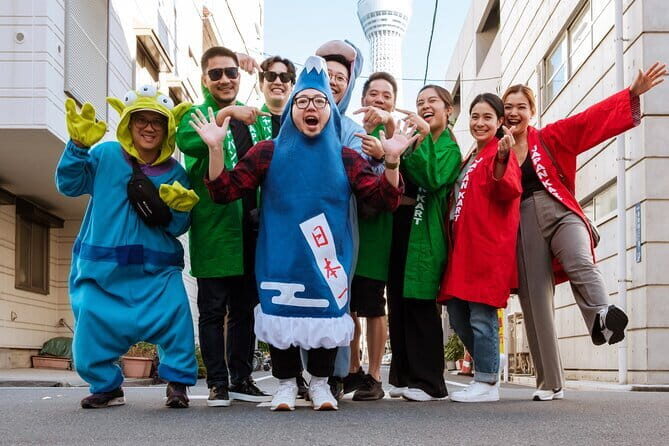
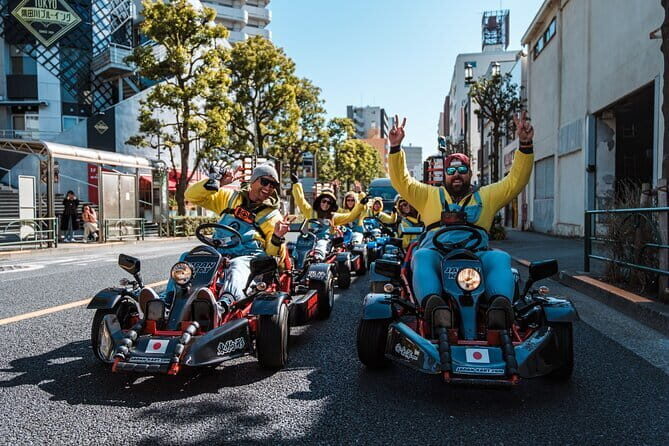
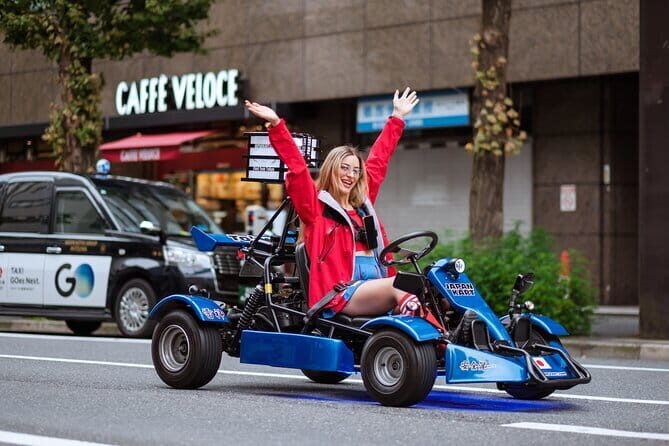
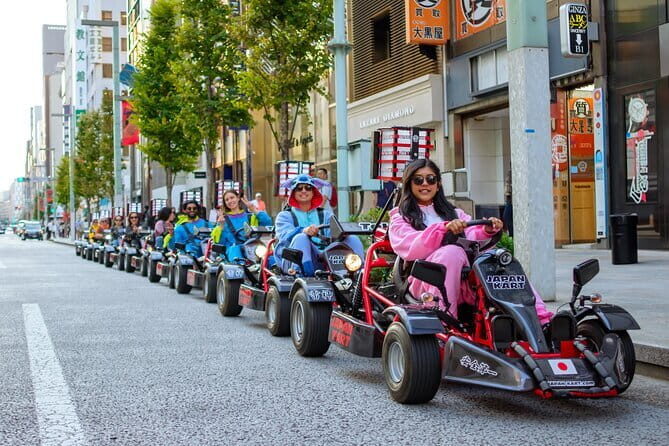
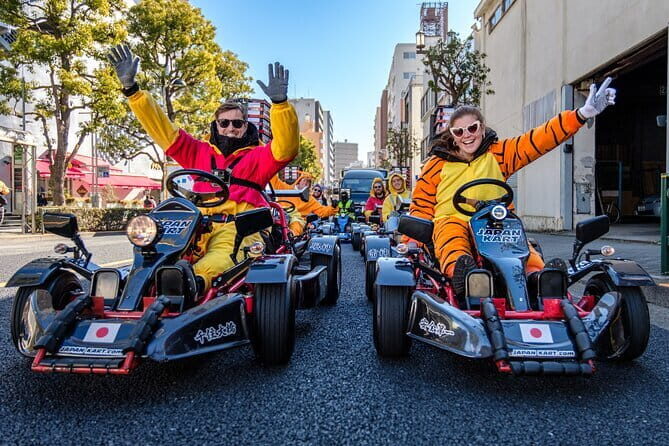
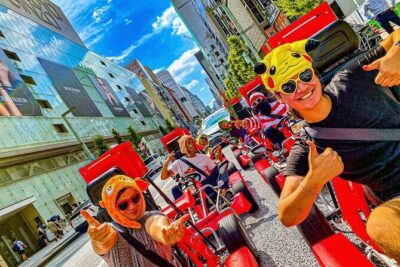
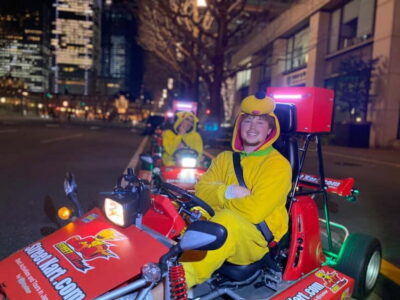
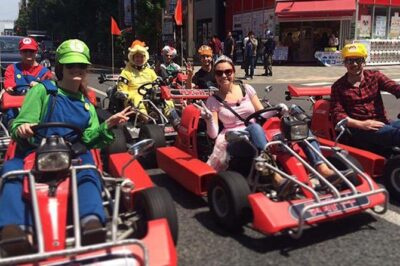
A fun part from participant stories: there’s a moment where you get to choose outfits/costumes and then get a quick tutorial before you roll. That costume angle is part of the appeal because it turns the ride into something playful, like street-level Mario Kart energy—only in real Tokyo traffic with a guide watching the group.
What to wear is clearly spelled out: avoid long skirts, high heel shoes, or sandals. Comfortable closed-toe shoes make everything easier when you’re hopping on and off and managing your kart controls.
Kaminarimon to Ameyoko: Asakusa’s Gate and Ueno’s Market Streets
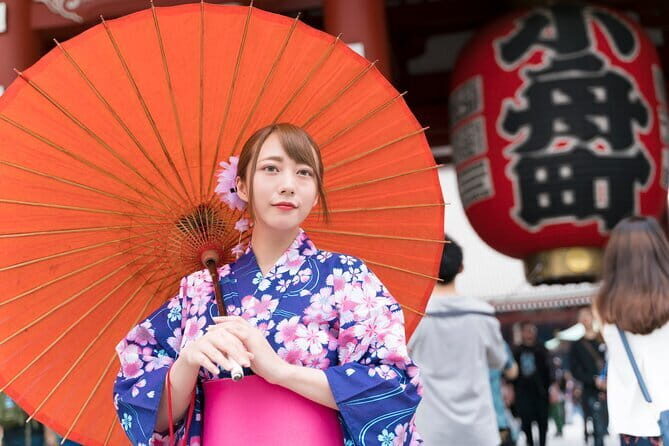
The tour begins with Kaminarimon, the Thunder Gate in Asakusa. It’s the famous red-lantern landmark marking the entrance to Sensō-ji. Even from the kart, this is a strong opening because the area is instantly recognizable, and it sets you up for the old-meets-modern feel that defines much of central Tokyo.
Then you head into Ameyoko, short for Ameya Yokocho, the market street in the Ueno area. The name traces back to American goods (because “ame” connects to America), and today it’s known for a dense mix of shops and street energy. On a kart, you experience the rhythm faster—you get to see the street character without spending the whole day weaving through crowds on foot.
Two practical notes for this section:
- Market streets can feel busy even during daylight. A kart doesn’t remove the “busy” factor, but the guide and the group format keep you moving.
- You’ll see more storefronts and street life than you would if you were only stopping for photos.
This is also where the small group size matters. With a cap of 10 people, it’s easier for the guide to keep everyone coordinated through tighter areas.
Other ways to drive the city in costume



Ueno Park to Akihabara: Culture Grounds and Otaku Tech Energy
Next comes Ueno Park, a large public park known for cultural institutions like the Tokyo National Museum and Ueno Zoo. It’s also a seasonal star for cherry blossoms in spring. Even if you’re not visiting during cherry blossom season, the park area is wide and recognizable, so it’s a solid “breather” section between denser streets.
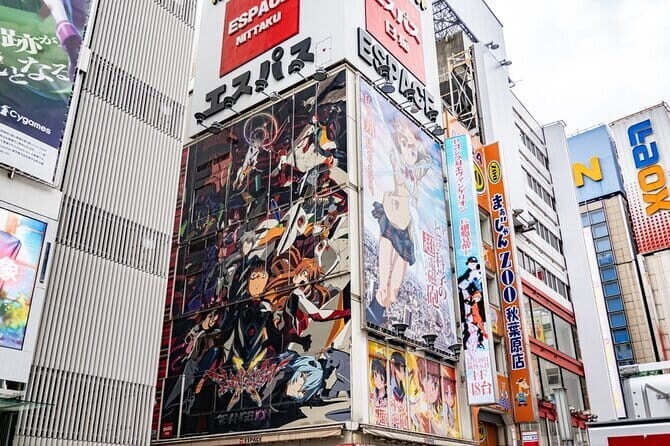
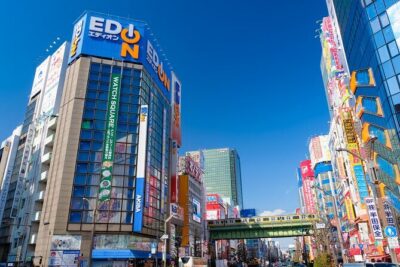
Then you roll toward Akihabara, often called Akiba, Tokyo’s hub for otaku culture and technology. Expect neon signage, major electronics stores, and streets filled with anime and manga shops. This is where the go-kart format really shines for many people: you get the high-energy “you’re in the scene” feel without having to plan a deep, stop-by-stop shopping crawl.
A piece of value here is pacing. If you tried to walk from Ueno Park to Akihabara while also hitting photos, snacks, and transit, it would take longer than you think. The kart compresses that movement while still letting you experience the vibe of each neighborhood.
And yes, there’s a real thrill factor. Some participants describe it as nerve-wracking in the best way—like you’re moving at fun speed through Tokyo streets while still being guided.
Kappabashi Kitchen Town to Tokyo Skytree: From Knives to 634 Meters
Kappabashi is next, also known as Kitchen Town. This area is famous for culinary gear—shops with professional-grade knives and cookware, plus interesting items like plastic food display models. It’s the kind of street you can easily turn into an hour-long browse if you’re into food tools, cooking supplies, or quirky visual food props. On a kart, you don’t do deep shopping, but you see why the area has that reputation fast.
Finally, you reach Tokyo Skytree, standing 634 meters tall as Japan’s highest structure. The observation decks offer panoramic views, and the skies can be great for seeing Mount Fuji if conditions align. Inside Skytree you’ll find shops, dining, an aquarium, and even a planetarium—though what you actually get to do depends on timing and what’s open.
Even without going inside, the kart-to-skytree finish has a “big moment” payoff. After moving through street markets and tech streets, you arrive at a landmark that feels like a formal capstone.
Price and Value: Is $65.69 Worth It?
At $65.69 per person, the cost isn’t low, but the value is about concentration. You’re paying for:
- Transport and route time across multiple neighborhoods
- A guide in your group
- An experience that would normally take longer (and more walking) if you did it on foot
If your Tokyo days are packed with museum tickets, train rides, and dinner reservations, the math often works. You can hit major areas—Asakusa, Ueno, Akihabara, and the Skytree area—without turning the day into a long-distance walk.
Also, the small group cap of 10 people can justify the price. You’re not just paying for movement; you’re paying for an operation that keeps the group together and delivers instruction so you can actually ride.
One thing to keep in mind: there are extra constraints tied to the activity (especially the IDP). That means you should only book this if you’re confident you have the correct documents and a window of time when the weather is decent enough for riding.
What This Tour Is Really Like (and What It Isn’t)
I think the clearest way to understand this experience is to separate the thrill from the sightseeing.
You get: a fast, fun way to see Tokyo’s iconic sections, plus guide context as you pass highlights. The costume moment and the “street-level” feel are a big part of why people rave about the overall vibe of the ride.
You don’t get: a long, in-depth museum-style visit. You’re not going to linger for extended shopping stops or deep cultural explanations at each location. Instead, it’s more like you’re learning the “map of Tokyo” through movement, then using that momentum to decide what you want to explore later on your own.
Weather matters too. The activity notes it requires good weather, and if it’s canceled due to poor weather, you’ll be offered a different date or a refund.
Best Fit: Who Should Book This Go-Kart Ride?
This is a great match if you want your Tokyo highlights to feel playful and fast. You’ll likely enjoy it if you:
- Have limited time and want multiple neighborhoods in one outing
- Like guided tours but don’t want a full-day schedule
- Want a memorable, photo-friendly activity that includes costumes
- Are comfortable following safety rules and driving instructions
It might not be the right match if you:
- Don’t already have the right IDP for Japan
- Prefer slow, lingering sightseeing with lots of walking breaks
- Have footwear or clothing limits you can’t adjust (no long skirts, no high heels, no sandals)
Should You Book Japan Kart for Skytree and Akihabara?
If you can meet the IDP requirements without stress, I’d book it. The route hits major Tokyo names in a short time, and the small group format helps keep it fun instead of chaotic. The setup—paperwork, instruction video, and guidance—also makes the experience feel organized from start to finish.
My practical advice is boring but important: double-check your IDP format before you leave home. The tour explicitly warns that wrong or missing documents can mean denial of participation with no refund. If you pass that hurdle, you’re set up for an energetic ride through some of Tokyo’s most recognizable districts.
FAQ
FAQ
What do I need to drive the go-kart in Japan?
You must bring an International Driving Permit in the 1949 Geneva Convention format, plus your original driving license from your home country and your passport. The IDP must be in booklet form (not loose paper or A4). If your license is from Switzerland, Germany, France, Taiwan, Belgium, or Monaco, you’ll need a Japanese translation through JAF plus your own license.
Where is the meeting point and where does the tour end?
The start point is JapanKart, 2-chōme-18-15 Azumabashi, Sumida City, Tokyo 130-0001. The tour ends back at the meeting point.
How long is the experience?
The duration is about 1 hour 30 minutes.
How big is the group?
The tour has a maximum of 10 travelers.
Is alcohol allowed before the tour?
No. Alcohol consumption before the tour is prohibited.
What should I wear?
Please do not wear long skirts, high heel shoes, or sandals.
What’s the cancellation policy if weather is bad?
You can cancel up to 24 hours before the tour start time for a full refund. The activity requires good weather—if it’s canceled due to poor weather, you’ll be offered a different date or a full refund. If you cancel within 24 hours of the start time, the paid amount is not refunded.
More Tour Reviews in Tokyo






More Street Karting in Tokyo
Further into Akihabara



Fresh reviews from around Tokyo






Akihabara Otaku Tours, compared.
 ★ 5.0Official Street Go-Kart Tour – AkihabaraFrom $611,578 reviews
 ★ 5.0Original Street Kart Experience from AkihabaraFrom $51111 reviews
 ★ 5.0Ramen Making from Scratch +Akihabara Tour –Tokyo Cooking ClassFrom $123107 reviews
 ★ 5.0Tokyo’s Must-Sees: 5-hour Tsukiji, Akihabara & Asakusa TourFrom $10188 reviews
 ★ 4.8Tokyo Akihabara, Anime, Manga, Video Games & Maid Cafe TourFrom $3881 reviews
 ★ 4.6Akihabara: Anime & Gaming Adventure Tour (Group or Private)From $8880 reviews
 ★ 4.5Akihabara: Go-Kart Experience with Local Guide in TokyoFrom $7257 reviews
Real Anime Culture Tour in Shibuya: Food, Shopping & Game FunFrom $7548 reviews
★ 4.5Akihabara: Go-Kart Experience with Local Guide in TokyoFrom $7257 reviews
Real Anime Culture Tour in Shibuya: Food, Shopping & Game FunFrom $7548 reviews
Browse the lists this tour appears in