
Reviewed · NIKKO DAY TRIPS
NIKKO PASS world heritage area
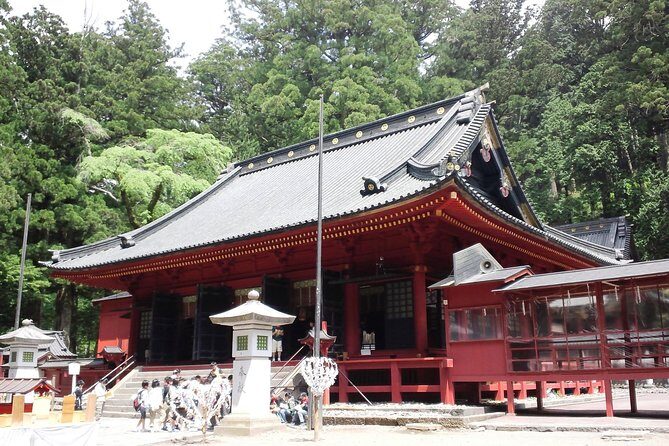
Nikko makes you slow down—this pass helps you do it. The Nikko Pass World Heritage Area is built for getting from Tokyo to the UNESCO shrine zone with minimal hassle, then riding local transit so you can spend your energy on the sights instead of figuring out connections. I especially like how it bundles long-distance day-trips and local bus travel into one plan.
I also like the two-day, calendar-day setup, because you can split your visit across two trips or just go hard on one day. Another win for me is the included roundtrip Tokyo-to-Nikko corridor via Tobu Railway locals between Asakusa and Shimo-Imaichi, plus unlimited rides farther into the Nikko area.
The one drawback to plan around: the pass covers transit, not shrine/temple admission. You’ll still need to pay for entries separately, and you should expect some uphill walking and lots of steps once you get off the bus.
In This Review
- Key things to know before you go
- NIKKO PASS World Heritage Area: what you’re really buying
- Asakusa pickup: start smart at Tobu Railway’s station hub
- Two-day validity: how to choose the right dates
- The core transit from Tokyo: Asakusa to Shimo-Imaichi and beyond
- Tobu World Heritage Pilgrimage bus: your legs’ best friend
- Planning your two-day flow around shrine admissions
- Discounts at shops and attractions: when they matter (and when they don’t)
- Price and value check: $21.41 is cheap if you use it right
- Who this Nikko pass suits best
- Who might want a different approach
- Should you book the NIKKO PASS World Heritage Area?
- FAQ
- Who can use the NIKKO PASS world heritage area?
- Where do I pick up the pass in Tokyo?
- How long is the pass valid?
- What transportation is included?
- What is not included with the pass?
- Are there any seasonal limits I should watch for?
- What if my plans change?
Key things to know before you go
- Pick up at Tobu Asakusa Station (1F): grab your pass at the Tobu Tourist Information Center where you start your ride.
- Two consecutive calendar days: your pass runs for the selected date and the next day, not a rolling 48 hours.
- Local-train focus from Tokyo: included routes take you Asakusa ⇄ Shimo-Imaichi, then onward to Tobu-Nikko or Shin-Fujiwara.
- Unlimited Tobu World Heritage Pilgrimage bus rides: great for hopping around without draining your legs early.
- Bus rides capped at Rengeishi: you get unlimited rides up to the Rengeishi stop, which shapes your final walking plans.
- Designed for non-Japanese passport holders: bring your passport, because you must show it on the day of use.
The shrine road north: other Nikko trips
- Nikko: Kegon Falls, Lake Chuzenji & Toshogu Temple★ 4.6 · 1,577 reviews
- Tokyo: Nikko Toshogu Shrine and Kegon Waterfall Tour★ 4.5 · 1,266 reviews
- From Tokyo: Nikko World Heritage Site Private Full-Day Trip★ 4.9 · 243 reviews
NIKKO PASS World Heritage Area: what you’re really buying
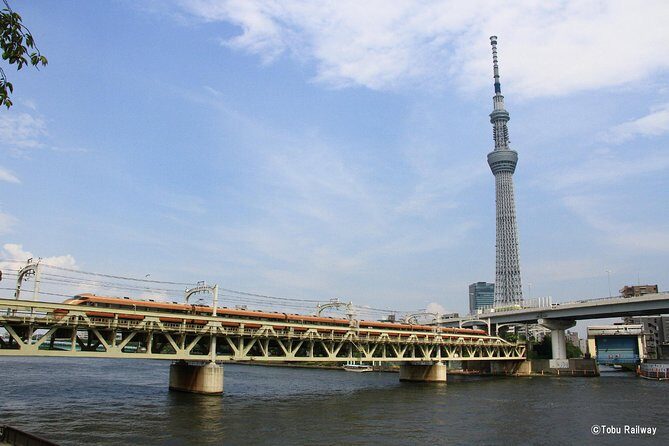
This pass is not just a ticket to Nikko. It’s a transit tool that turns your day into a schedule you can follow easily: get out of Tokyo, then move around the UNESCO shrine area and surrounding zones without constantly checking fares.
For your money, you’re mainly getting three things:
1) Tobu local-train travel from Tokyo’s Asakusa side into the Nikko area,
2) unlimited bus rides on Tobu’s World Heritage Pilgrimage routes, and
3) discounts at selected local attractions and shops (exact benefits can vary by season).
It’s also worth noting what’s not covered. The pass does not include shrine and temple admission tickets in the Nikko area, and it also doesn’t cover limited express and JR train fees. Translation: the pass can remove friction, but it doesn’t turn every payment into zero.
Asakusa pickup: start smart at Tobu Railway’s station hub
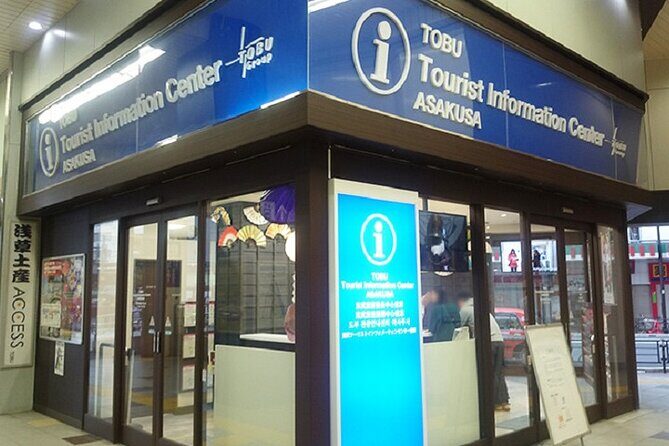
Your first step is straightforward: pick up the Nikko Pass World Heritage Area at the Tobu Tourist Information Center Asakusa, located on the 1F of Tobu Railway Asakusa station.
This matters more than it sounds. When you pick up right at the station, you avoid wasting time later in the morning trying to locate counters, and you’re ready to go as soon as your planned train departs. Since the pass is valid for a set window (two consecutive calendar days starting on your chosen date), getting the first day right is key.
Also keep your documents ready. The pass is only available for foreign tourists with a non-Japanese passport, and you must present a valid non-Japanese passport on the day of activity. If you’re traveling with family, children age five and under are complimentary when accompanied by a paying adult.
Two-day validity: how to choose the right dates
This is a small detail that can save you trouble. Your pass is valid for two consecutive calendar days, beginning on the date you select at booking. It’s not a rolling 24-hour-or-48-hour window.
So if your plan is to use day one for the train ride and bus hopping, and day two for a more relaxed shrine walk-and-view morning, you’re set. If you pick the date awkwardly—say, arriving late on day one and losing day two to travel—then the value can slip.
Since some Nikko area attractions operate seasonally, you’ll also want to check seasonal opening times before committing your two days. In places like this, a single closed attraction can cut your day short, and you don’t want that mismatch.
The core transit from Tokyo: Asakusa to Shimo-Imaichi and beyond
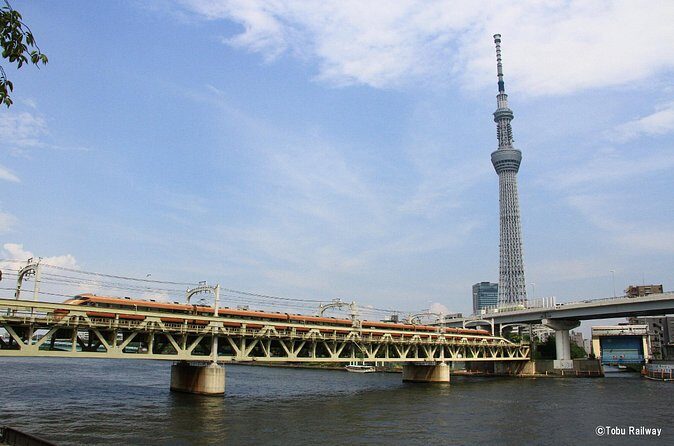
The pass gives you a round trip between Asakusa and Shimo-Imaichi using Tobu Railway local trains. After that, you get unlimited Tobu local train rides between Shimo-Imaichi Station and Tobu-Nikko Station or Shin-Fujiwara Station.
Why you’ll care: local trains are slower than limited express options, but they’re built into the pass. If you’re the type who likes predictable travel and hates last-minute ticket purchases, that predictability is the real value.
There’s also a practical trade-off to understand. Faster options exist, and a limited express can cut the Tokyo-to-Nikko travel time, but those fees are not included in the pass. One smart approach is to compare what you’d pay for a quicker ticket versus what you’d spend on using the included local services. If you’re okay with a longer ride (and you likely are, once you arrive), the pass can feel like a win.
Expect the day to include some walking once you arrive. Even with good buses, you’ll still be moving around a shrine region that includes stairs and uphill sections. Wear shoes that handle uneven pavement and steps, not sneakers that feel great in the airport only.
More paths into old Tokyo

Tobu World Heritage Pilgrimage bus: your legs’ best friend
Once you’re out in the Nikko area, the pass really starts to pay for itself in convenience: you get unlimited bus rides on the Tobu World Heritage Pilgrimage route for the duration of the pass.
This bus is ideal when you want to see more than one shrine zone without turning the day into a staircase endurance test. A bus hop can mean less uphill walking, fewer long detours, and more time to actually enjoy the sights rather than just reaching them.
There is one important boundary: your pass includes unlimited bus rides up to the Rengeishi stop. That doesn’t mean you’re stuck; it means you should plan your final segment with a quick decision. If the plan is to go beyond that bus range, you’d need separate arrangements for later stops.
In practice, I like using the bus for the sections that involve the steep climb, then walking where the terrain is more forgiving. It keeps your energy up for the best views and quieter moments.
Planning your two-day flow around shrine admissions
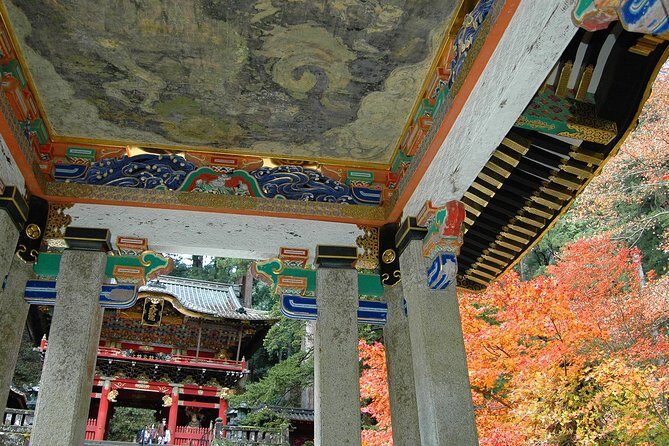
One thing the pass cannot do is pay for entries. Shrine and temple admissions in the Nikko area are not included, so you’ll still need to budget for ticket purchases once you’re on-site.
That said, the pass is excellent for structuring your days. Think of it like this:
- On your first day, travel in and use the bus to cover the area broadly. Ride, get oriented, and decide which specific spots you want to slow down for.
- On your second day, focus on the places you cared about most on day one. Since you already know the transit rhythm, you can spend more time walking and less time rerouting.
Because some attractions run only seasonally, your order matters. If you’re visiting during a time when certain sites are closed, swap them out early in your planning so you’re not scrambling after you’ve already used up your best daylight.
Also, keep food simple. Food and beverages aren’t included, so plan for meals out rather than assuming the pass covers anything beyond transportation and certain discounts.
Discounts at shops and attractions: when they matter (and when they don’t)
The pass includes discounts on local attractions and shops, but the specifics can change by season. That variability is exactly why I treat the discounts as a bonus, not the core reason to buy.
Use them in a smart way:
- If you already know which attraction or shop you want to visit, check whether a discount applies for your travel season.
- If you’re flexible, focus first on the transit value and let discounts guide a couple of optional purchases.
This is also why timing matters. The tour summary says the experience is often booked about 21 days in advance on average. If you’re traveling in a popular season, booking with enough lead time helps you secure the pass date you actually want, especially if you’re lining up a two-day shrine plan.
Price and value check: $21.41 is cheap if you use it right
The listed price—$21.41 per person—is unusually low for a two-day, multi-leg transit pass in a Japan sightseeing corridor. That doesn’t automatically mean it’s always the best deal for every traveler, but it’s strong enough that you should compare against what you’d pay otherwise.
Here’s the value logic I’d use:
- If you plan to ride the included trains and buses multiple times over two days, you’re leveraging what the pass covers.
- If you plan to take minimal bus travel and rely mainly on one direct route, you might question whether you want a pass at all—especially if you’re also willing to pay separately for faster limited express travel.
One review-minded takeaway (in general terms): some people find the pass not strictly necessary because you can reach Nikko from Tokyo without it. But the reason the pass can still be worth it is the bus coverage and the “no changes of trains” comfort on the long run, plus the discounts.
So my advice: treat the pass as a convenience package plus local transit savings. It’s less about skipping every ticket and more about making the route easy.
Who this Nikko pass suits best
This is a good match if you:
- Want a simple two-day plan out of Tokyo with local transit provided.
- Prefer riding buses in the area rather than walking every hill and step.
- Like the idea of using discounts at local sites and shops without micromanaging fare calculations.
It can also work for many travelers because the information says most people can participate. Still, be realistic. Expect some climbing and steps once you get closer to the shrine zones, and plan your day so you’re not rushing.
The maximum group size is 30 travelers, which typically keeps things from feeling like a cattle-car experience. Also, this is near public transportation, so you’re not signing up for something that isolates you from everything else.
Who might want a different approach
This pass may feel less compelling if you:
- Only want one quick visit day and don’t need much local bus riding.
- Plan to use faster limited express routes heavily (since those fees are not included).
- Want every admission and meal covered (since shrine/temple tickets and food are separate).
If that’s you, you might still visit Nikko easily from Tokyo without a pass. In that case, compare the cost of individual tickets and any express upgrades versus how much bus travel you realistically need.
Should you book the NIKKO PASS World Heritage Area?
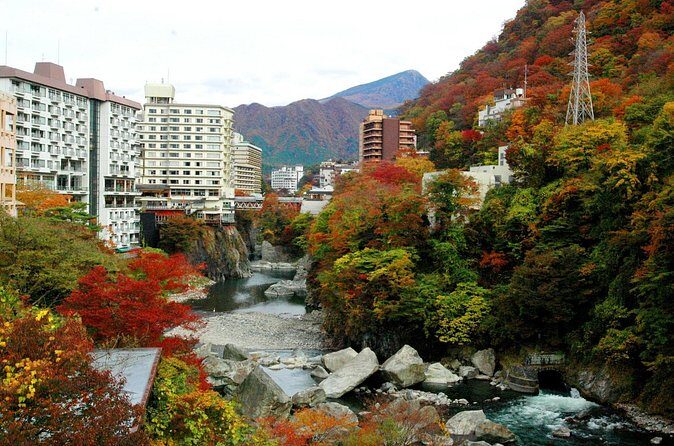
Book it if you want an easy Tokyo-to-Nikko rhythm: pick up at Tobu Asakusa Station, ride the included Tobu local trains, then use the World Heritage Pilgrimage bus to cut walking time while you explore the shrine area around Nikko and Kinugawa.
Skip or reconsider if you’re the type who will spend most of your time on one direct ride and won’t use the bus much, or if you’re set on paying for express travel instead. In that case, the pass might feel like overkill.
My final nudge: if you’re planning two days and you like the idea of moving by included local transit rather than doing fare math, this pass is a smart, low-stress bet.
FAQ
Who can use the NIKKO PASS world heritage area?
The pass is only available for foreign tourists with a non-Japanese passport, and you must show a valid non-Japanese passport on the day of the activity.
Where do I pick up the pass in Tokyo?
You pick it up at the Tobu Tourist Information Center Asakusa, located on the 1F of Tobu Railway Asakusa station.
How long is the pass valid?
It’s valid for two consecutive calendar days starting on the date you select when booking.
What transportation is included?
You get a round trip between Asakusa and Shimo-Imaichi by Tobu Railway local trains. You also get unlimited Tobu local train rides between Shimo-Imaichi and Tobu-Nikko or Shin-Fujiwara, plus unlimited Tobu World Heritage Pilgrimage bus rides and unlimited bus rides up to the Rengeishi stop.
What is not included with the pass?
Shrine and temple admission tickets in the Nikko area are not included. Limited express and JR train fees are also not included, and food and beverages are not included.
Are there any seasonal limits I should watch for?
Some Nikko area attractions operate seasonally. It’s a good idea to check before you go, since discounts and hours can vary.
What if my plans change?
Free cancellation is offered up to 24 hours in advance for a full refund.
The Old Tokyo, Toured Properly

More Tour Reviews in Tokyo






North Again: More Nikko Trips
Fresh reviews from around Tokyo






Nikko Day Trips, compared.
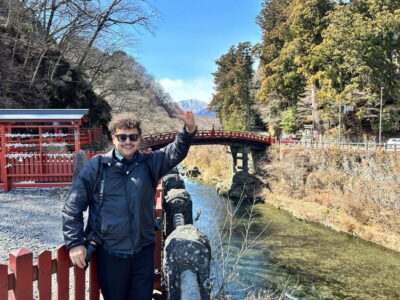 ★ 4.6Nikko: Kegon Falls, Lake Chuzenji & Toshogu TempleFrom $891,577 reviews
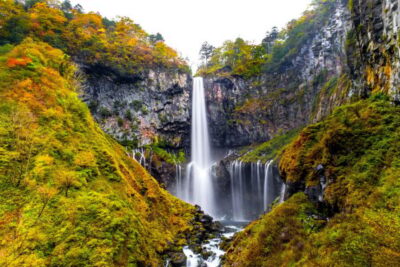 ★ 4.5Nikko Toshogu Shrine and Kegon Waterfall TourFrom $841,266 reviews
 ★ 5.0Nikko Full-Day Private Tour with Government-Licensed GuideFrom $155259 reviews
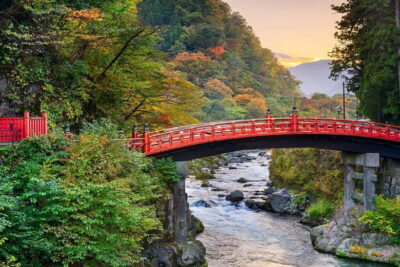 ★ 4.9From Tokyo: Nikko World Heritage Site Private Full-Day TripFrom $483243 reviews
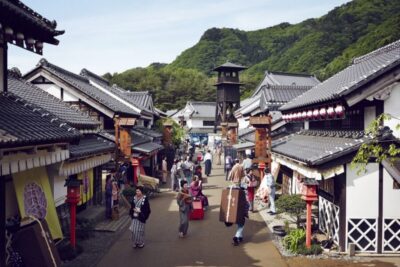 ★ 4.3Nikko: Edo Wonderland Edomura Cultural Theme Park TicketFrom $35205 reviews
From Tokyo: Nikko World Heritage Sight Full Day Private TourFrom $362127 reviews
★ 4.3Nikko: Edo Wonderland Edomura Cultural Theme Park TicketFrom $35205 reviews
From Tokyo: Nikko World Heritage Sight Full Day Private TourFrom $362127 reviews
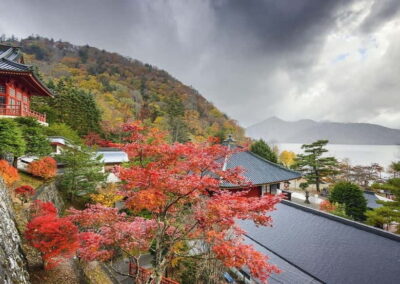 ★ 4.9Nikko – Beautiful Full-Day Personal and Private TourFrom $364119 reviews
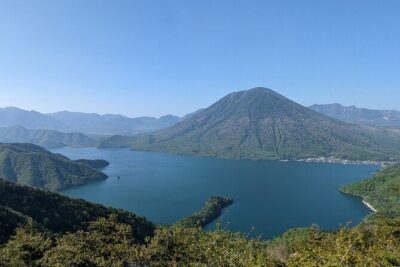 ★ 5.0Chartered Private Tour – Tokyo to Nikko, Toshogu, Edo WonderlandFrom $1,286105 reviews
Browse the lists this tour appears in