
Reviewed · SHIBUYA TOURS
Night Guided Food Tour in Shibuya
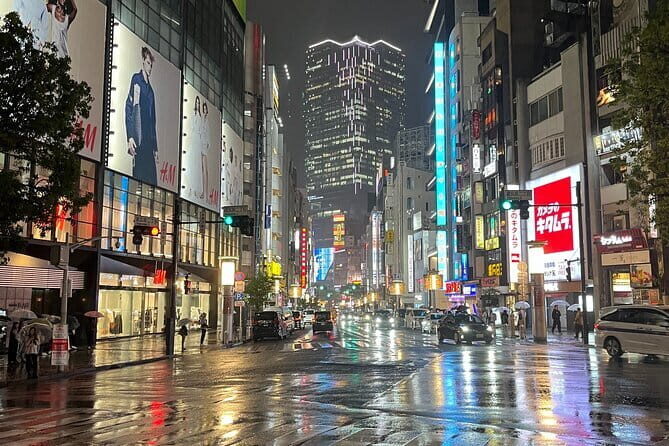
Neon nights taste better when someone local leads the way. This Shibuya tour is built for after-dark Tokyo: you start in the iconic crowd zone, then move into calmer pockets and small alley bars where the food feels tied to the neighborhood, not a postcard. I like that the local guide keeps you moving through spots many visitors skip, and I also love that you get a real drinking-and-eating flow with three drinks per person.
There is one catch to plan around: dietary restrictions like vegetarian, vegan, or gluten-free are not accommodated. If you need flexibility, you’ll want to think hard before booking.
You’re in a private group (only your group, no mixing), and the tour runs about 3 to 4 hours at night, starting and ending back at the Hachiko statue area near Shibuya Station. You’ll use a mobile ticket, and there are no hotel transfers included, so you’ll handle getting to the meeting point.
In This Review
- Key highlights you’ll feel right away
- Why Shibuya at night is the point
- Meeting at Hachiko: where the night actually starts
- Shibuya Crossing: a loud warm-up before dinner
- Shibuya 109 area: izakaya-style eating with a plan
- Shinsencho: a calmer gourmet pocket you’ll notice right away
- Shibuya Nonbei Yokocho: the alley where Tokyo drinks small
- The food and drink rhythm: what’s actually included
- Price and value: is $150 per person worth it?
- Who should book this Shibuya night tour
- Practical tips to make the night smoother
- Should you book this night food tour in Shibuya?
- FAQ
- How long is the Shibuya night guided food tour?
- Where does the tour start and end?
- What’s included in the price besides the guide?
- Is admission included for the stops?
- Are vegetarian, vegan, or gluten-free options available?
- What dietary allergens should I be aware of?
- What if I need to cancel?
Key highlights you’ll feel right away
- Goki-style hosting: a guide who makes conversation easy and tailors the night to your tastes
- Real Shibuya energy: start at Shibuya Crossing and feel Tokyo’s after-dark pulse immediately
- Food variety across neighborhoods: from izakaya classics to sit-down dinner plates you can actually savor
- Three drinks included: built in to keep the pacing fun, not rushed
- Alleyway evening culture: Shibuya Nonbei Yokocho shows how people hang out after work
More to do within sight of the Crossing
- Official Street Go-Kart in Shibuya★ 5.0 · 3,435 reviews
- Tokyo: Street Kart Experience in Shibuya★ 4.9 · 1,484 reviews
- Shibuya Meltdown Nightlife Tour: All-You-Can-Drink Bar Hopping★ 5.0 · 1,058 reviews
Why Shibuya at night is the point
Daytime Shibuya is about orientation. Nighttime Shibuya is about behavior—what people do when the lights turn up and office-hour crowds start looking for dinner, drinks, and a quick stop that turns into a full evening.
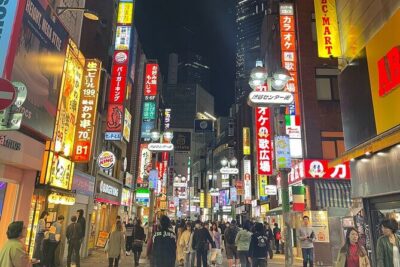
This is exactly what this tour leans into. You’re not just eating in one restaurant and calling it done. You’re walking through different moods: the big spectacle of Shibuya Crossing, then the more neighborhood-feeling streets around Shibuya 109 and the gourmet calm of Shinsencho, and finally the low-key chaos of tiny bars in Shibuya Nonbei Yokocho. That sequence matters because it keeps your senses busy while your stomach catches up.
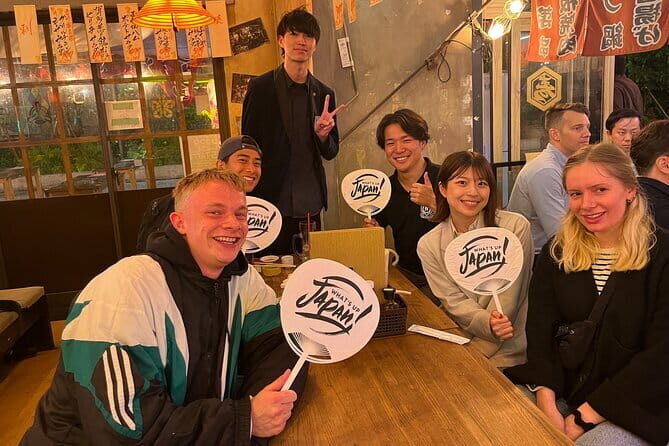
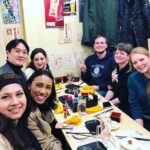
And yes, it’s social without being awkward. One review specifically called out how the guide, Goki, was friendly and easy to talk to, and that the dinner with a stranger didn’t feel strange at all. In practice, that’s what you want from a guided food night in a place that can feel overwhelming.
Meeting at Hachiko: where the night actually starts
Your starting point is easy to find if you know Shibuya’s main landmark: the Hachiko statue at Dogenzaka (2 Chome-1). The good part is that you’re starting where you can also end up the same way—this tour finishes back at the meeting point, so you’re not stuck figuring out a maze at the end of dinner.
Because hotel transfers aren’t included, plan to arrive on your own by train or on foot. The good news is the meeting area is near public transportation, so you shouldn’t need a taxi just to get going.
This is also a mobile-ticket tour. That typically means less hassle at check-in and a smoother handoff to your guide. You’ll want to keep your phone charged and accessible, because that’s where your confirmation lives.
Shibuya Crossing: a loud warm-up before dinner
The night kicks off with Shibuya Crossing—the famous scramble intersection where people move like a coordinated swarm. Even if you’ve seen photos, being there at night hits differently. The lights feel sharper, and the crowd energy is louder. It’s the perfect warm-up because it gets you oriented fast: you’re in Shibuya, and you’re not pretending it’s quiet.
At this stop, the admission ticket isn’t included. In plain terms, don’t count on the tour price covering any entry fee tied to the specific viewing area or any ticketed access (if there is one). Most of what you’re doing here is simply crossing and taking in the spectacle.
Time here is short—about 15 minutes—so I treat it like the opener to a meal. You’ll see it, get your bearings, and then move. This matters because long waits at the start can drain the energy you want for eating and walking.
Shibuya 109 area: izakaya-style eating with a plan
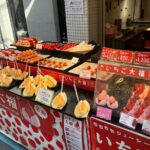
Next comes the Shibuya 109 area, a big name in shopping, but the real value for you is how your guide uses it as a launching pad into food. The tour’s idea here is to combine the busy street scene with local places that serve proper Japanese comfort food—think sushi, ramen, and izakaya dishes.
This stop is about 50 minutes, which is long enough to feel like you’re not rushing, but short enough to keep the night moving. Admission is listed as not included here too, so again, don’t assume any shopping-building fees or any special access is covered. The eating is the point.
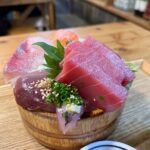
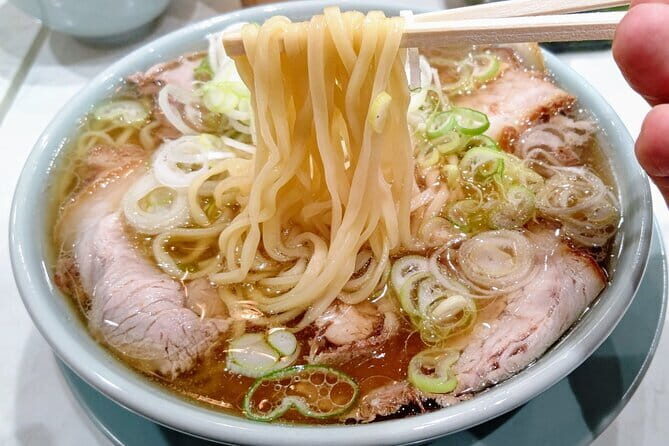
What I like about this part is that it’s less about one single famous restaurant and more about showing the variety of what people actually order. Yakitori, sashimi, ramen, and okonomiyaki are all mentioned as part of the dinner-recommended menu, and this kind of stop is where those flavors often show up in a practical way—sampling different textures and styles rather than doing one plate and calling it done.
Also, the guide can tailor the tour to your preferences. That came through clearly in the review that mentioned the guide customizing the route and ending up hitting three different places. If you’re picky about spicy food, seafood, or what you want first, this kind of adjustment can make the difference between a good night and a great one.
Other plates worth crossing Tokyo for


Shinsencho: a calmer gourmet pocket you’ll notice right away
After the big-name Shibuya zones, the tour shifts to Shinsencho, about a 10-minute walk from Shibuya Station. This is where you get a breather. Shinsencho is described as a gourmet town with a calmer charm compared to Shibuya’s nonstop energy.
That calm isn’t just “pleasant.” It helps you enjoy the food. When you’re constantly in crowds, you eat faster and pay less attention. In a quieter area, the bites feel more intentional, and conversations become easier.
This stop runs around 50 minutes, and it’s marked as admission free. So you’re likely paying only the tour price and then eating where your reservation takes you.
One thing to keep in mind: you’re still in Tokyo, so expect evening sidewalks and normal nightlife movement. Shinsencho should feel more relaxed than the crossing and main shopping streets, but it won’t feel like a museum. That’s part of the charm.
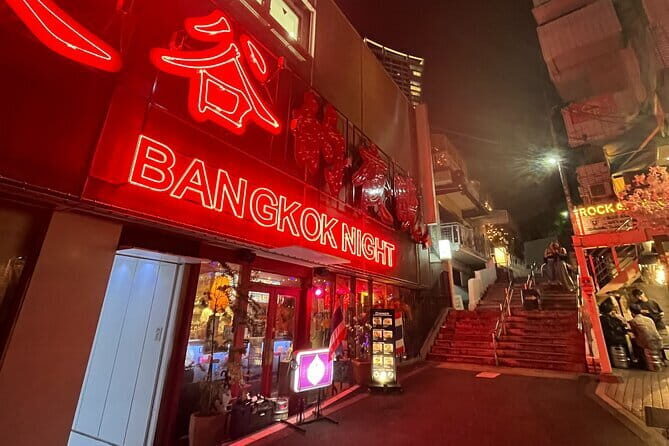
Shibuya Nonbei Yokocho: the alley where Tokyo drinks small
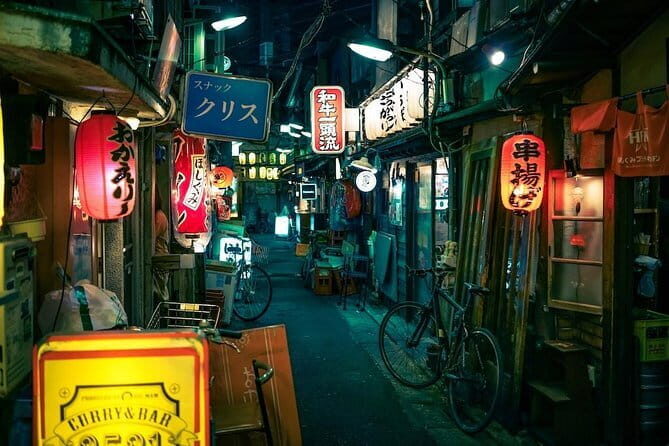
The last main stop is Shibuya Nonbei Yokocho—an alley packed with tiny bars and eateries. This is exactly the type of place you often miss if you only follow big tourist routes. The tour positions it as a look at how Japanese people spend their evenings, and that’s the point: it’s not only food, it’s the hangout culture.
Your time here is about 50 minutes. Admission is not included at this stop, which usually means you’re not getting a ticketed entry to the area. You’ll be spending money through what you order, plus the tour-included drinks and food stops earlier in the night.
This alley is also described as nostalgic, offering a glimpse into Tokyo’s post-war evening vibe. You’ll feel the different style of nightlife immediately: smaller spaces, more casual rhythm, and a stronger sense that the place is meant for repeat local visits.
In a well-run food tour, the final stop should feel like a payoff, not a tired afterthought. If you’ve been eating and walking for the previous 2 to 3 hours, Nonbei Yokocho works well because you can slow down slightly, sip something, and let the night settle into a more relaxed gear.
The food and drink rhythm: what’s actually included
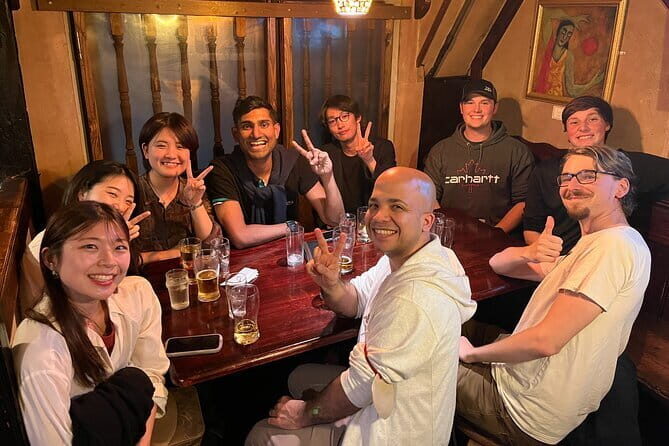
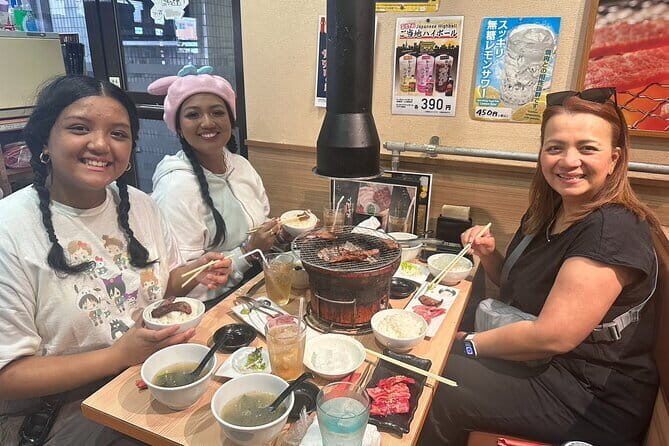
The tour is sold as a dinner-recommended experience, and the included food types are clearly listed: yakitori, sashimi, ramen, and okonomiyaki. Allergens mentioned include wheat, soy, and seafood. That’s important because the tour explicitly can’t accommodate dietary restrictions like vegetarian, vegan, or gluten-free.
Each person also gets three drinks. That’s a key value piece because it changes the math. A lot of Tokyo food tours either give you light tastings or “food included, drinks optional.” Here, the drinks are built in, so your total meal experience feels more complete.
Here’s the practical way to think about the pacing: three to four hours in the evening, with stops that include walking and eating. I’d plan to arrive hungry and ready for a steady flow, not a single big dinner followed by wandering. Your guide will help you find the right ordering moments and keep you from feeling swallowed by menu choices in a language barrier.
And since this is a private tour, the guide can generally match the pace to your group. One review highlighted that the guide didn’t just follow a rigid script; they tailored the night to likes and preferences. That’s exactly what you want if you’re traveling with someone who has strong opinions on ramen, grilled skewers, or seafood.
Price and value: is $150 per person worth it?
At $150 per person for a 3 to 4 hour private guided food night, you’re paying for three things:
1) A local guide who can steer you into the right places at the right time
2) Reservations handled for you
3) Three drinks plus dinner-recommended food options
The included reservation fee matters more than it sounds. In Tokyo, good places fill up, especially in small alley areas. If you’ve ever tried to line up dinner in Shibuya at night without a plan, you’ll know how quickly the day turns into a search mission. This tour reduces that friction.
Also, you’re not paying separately for the drinks, which are often where group meal costs balloon. With three drinks included, the tour price can feel more like a full night out than a tasting session.
The one value downside is the dietary inflexibility. Because vegetarian/vegan/gluten-free options cannot be accommodated, the tour can be a bad deal for anyone who needs those changes for health or lifestyle. For everyone else, it’s a solid package—guide + reservations + food + drinks in one neat schedule.
Who should book this Shibuya night tour
This tour is a great fit if you want:
- A guided way to experience Shibuya nightlife without feeling lost
- A taste mix of Japanese comfort foods like yakitori and ramen, plus izakaya-style ordering
- A friendly guide who helps your group feel comfortable eating together
- A private format that works well for couples, friends, and small groups
It’s less ideal if you:
- Need vegetarian, vegan, or gluten-free meal accommodations
- Want a totally alcohol-free experience (three drinks are included, even if you choose not to drink all of them—still, it’s part of the structure)
If your travel style is more about walking and eating than about museums and maps, this one matches that mindset. And if Shibuya feels intimidating, the guide route helps you move through it confidently.
Practical tips to make the night smoother
A few small choices make this tour go down easier:
- Bring comfortable shoes. You’ll walk between neighborhoods and alley areas.
- Arrive on time at Hachiko. The tour starts there and ends there, so don’t cut it close.
- Have your phone ready for the mobile ticket. Low battery is a real travel problem.
- Come hungry but don’t overpack your stomach. With multiple food stops and three drinks, you want room for the whole evening.
- Use the special requests section carefully. The tour says you should indicate dietary requirements there, but also notes it can’t accommodate some restrictions—so don’t assume it can fix everything.
One more practical note: transportation fees aren’t included, and hotel transfers aren’t included. Budget for getting to Shibuya on your own, then enjoy the guided walking once you’re at the meeting point.
Should you book this night food tour in Shibuya?
Book it if you want an easy, guided way to taste multiple sides of Shibuya at night—big neon energy, calmer gourmet streets, and the alleyway drink culture of Nonbei Yokocho—without spending your evening searching for the right spots.
Skip it if dietary restrictions are non-negotiable, because this tour can’t accommodate vegetarian, vegan, or gluten-free needs. Also, be honest with yourself about alcohol: three drinks are included, and this tour is clearly built around a lively night-out pace.
If that all sounds like your kind of Tokyo evening, this is a strong value play. The standout piece from the experience is the human factor: a guide like Goki who makes conversation feel natural and adjusts the night to your preferences so you leave with more than just full stomachs.
FAQ
How long is the Shibuya night guided food tour?
It’s about 3 to 4 hours.
Where does the tour start and end?
It starts at the Hachiko Statue at 2 Chome-1 Dogenzaka, Shibuya, Tokyo, and it ends back at the same meeting point.
What’s included in the price besides the guide?
Dinner-recommended Japanese cuisine is included (yakitori, sashimi, ramen, okonomiyaki), plus three drinks per person. Reservation fees are also included.
Is admission included for the stops?
Admission varies by stop. Some stops list admission ticket not included, while Shinsencho is marked as free.
Are vegetarian, vegan, or gluten-free options available?
No. Dietary restrictions like vegetarian, vegan, or gluten-free cannot be accommodated. You can mention dietary requirements in special requests, but they cannot be guaranteed.
What dietary allergens should I be aware of?
The tour information lists allergens such as wheat, soy, and seafood.
What if I need to cancel?
You can cancel for a full refund if you cancel up to 24 hours in advance of the experience start time. If you cancel less than 24 hours before, you won’t be refunded.
More Tours in Tokyo



More Tour Reviews in Tokyo




Still in Shibuya? Keep Going



Fresh reviews from around Tokyo






Shibuya Tours, compared.
 ★ 5.0Official Street Go-Kart in ShibuyaFrom $763,435 reviews
 ★ 4.9Street Kart Experience in ShibuyaFrom $741,484 reviews
 ★ 5.0Shibuya Meltdown Nightlife Tour: All-You-Can-Drink Bar HoppingFrom $1061,058 reviews
 ★ 5.0Shibuya Official Street Go-Kart in Shibuya AnnexFrom $69972 reviews
 ★ 5.0Shibuya Food Tour (13 dishes and 4 Eateries)From $77770 reviews
 ★ 5.0Best of Shibuya Food TourFrom $217612 reviews
 ★ 4.8Shibuya Highlights Walking TourFrom $19601 reviews
 ★ 4.7Premium Go-Kart Tour with Tower & Shibuya CrossingFrom $116528 reviews
Browse the lists this tour appears in