

Reviewed · MT FUJI DAY TRIPS
Mt Fuji Tour with Japanese Local Guide on Private Car from Tokyo
Fuji feels real when you’re early. This private car day trip from Tokyo is built to help you beat the crowds and still hit the big names around the Fuji Five Lakes area, with an English-speaking Japanese guide/driver and a route you can tailor to your pace. You get roundtrip transport plus pickup/drop-off to your hotel, so your day starts and ends with fewer logistics headaches.
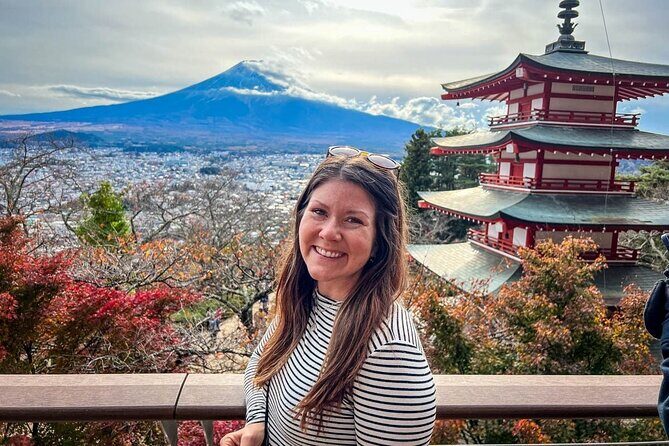
I especially like the chance to catch the classic view at Chureito Pagoda (Arakura Sengen Shrine area) with breathing room to take photos. I also like how the day strings together scenic stops that are hard to piece together smoothly on your own, like Lake Kawaguchi and the spring-fed ponds of Oshino Hakkai.
One drawback to plan for: the Mt. Fuji 5th Station is not included and you may need to pay extra (commonly about 2100 yen), plus the views depend on the weather—clear skies matter.
In This Review
- Key highlights worth getting excited about
- How the private Mount Fuji day trip works from Tokyo
- Chureito Pagoda and Arakura Sengen Shrine: the “wow” view, on purpose
- Mt. Fuji 5th Station: the closest look, but don’t bet on clouds
- Lake Kawaguchi: lunch choices and that “Fuji reflection” vibe
- Oshino Hakkai and Oishi Park: ponds, water views, and calmer pacing
- Kitaguchi Hongu Fuji Sengen Jinja: a 1900-year-old reset
- The most important part: guide quality and how to get the best English support
- Price and value: is $405.96 per group worth it?
- Should you book this Mount Fuji private tour?
- FAQ
- How long is the Mt Fuji private car tour from Tokyo?
- What time do we start, and can we choose a morning pickup?
- How many people can the private car accommodate?
- Is hotel pickup and drop-off included?
- Are admission fees included for Mt. Fuji 5th Station?
- Is lunch included in the tour price?
- Can I get a full refund if I cancel?
Key highlights worth getting excited about
- Private pickup in Tokyo with an air-conditioned vehicle for 1 to 6 people
- Multiple morning start times so you can match your energy and your day plan
- Big Fuji-area sights without transfers: Chureito Pagoda, Lake Kawaguchi, Oshino Hakkai, Oishi Park, and more
- A guide who can adjust your rhythm and let you skip stops you don’t want
- Weather matters at the 5th Station for the closest-looking Mount Fuji views
- Lunch and 5th Station access cost extra (lunch not included; 5th Station not included)
Other routes to the mountain, compared
- Mt Fuji & Hakone Cruise, Drum Show Bullet Train 1 Day from Tokyo★ 4.0 · 7,413 reviews
- Tokyo Mt Fuji 5th St & Hakone Cruise Bus Tour w/Bullet Train★ 4.4 · 5,024 reviews
- From Tokyo: Mount Fuji Full-Day Sightseeing Trip★ 4.5 · 4,970 reviews
How the private Mount Fuji day trip works from Tokyo
This is a classic “get out of Tokyo and get back without stress” day. You start in the Tokyo area and then travel by private air-conditioned car to the Fuji region. The trip runs about 9 to 10 hours, and you can choose from multiple morning start times, which is a big deal because morning timing often shapes how comfortable your photos and walks feel.
The best part for your sanity is that it’s truly private. It’s only your group, and your driver can keep things moving without the back-and-forth of public transit connections. Your car can handle between 1 and 6 people, and the tour price is listed per group up to 5, so if you have a small crew, you’ll usually feel the value more than if you’re going solo.
You also get flexibility. You can skip any stop you don’t want, which matters because Mount Fuji days can get “checklist-y” if you’re not careful. If you’re more into views and photos, you’ll likely spend more time at the areas with the best Mount Fuji angles. If you’re more into culture and walking, you’ll lean into the shrine and pond stops.
And yes: you’ll get a mobile ticket, which is helpful for keeping everything simple on travel days.
Chureito Pagoda and Arakura Sengen Shrine: the “wow” view, on purpose
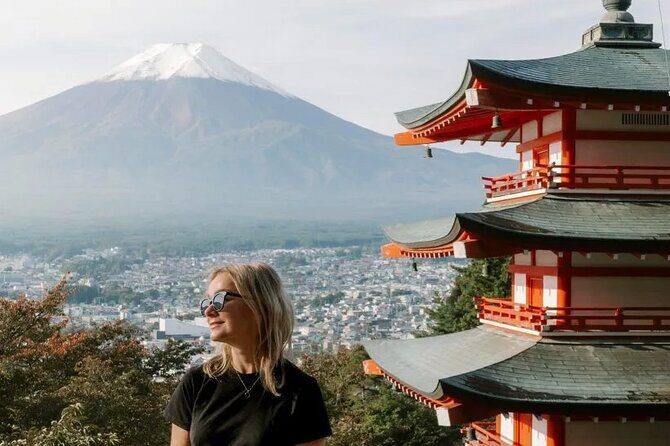
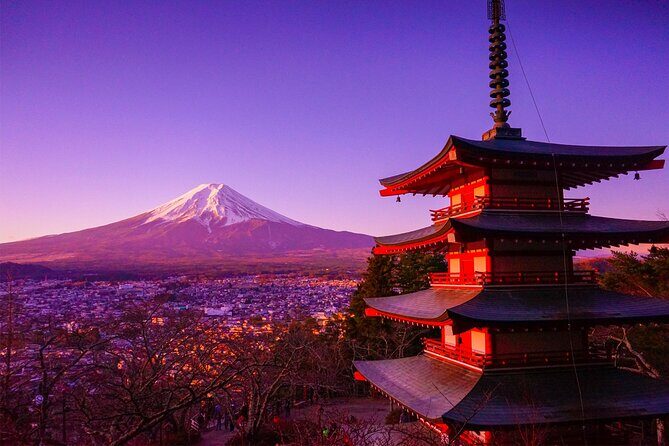
Your first real Fuji payoff is the Chureito Pagoda area. This is a five-story pagoda on the mountainside overlooking Fujiyoshida City, with Mount Fuji off in the distance. It’s part of the Arakura Sengen Shrine complex, and that setting is the whole reason it’s famous: it frames Fuji in a way that feels almost too perfect.
What I like about this stop is the pacing. It’s typically set up for about an hour, which is long enough to walk around, find a good viewing angle, and take photos without feeling rushed. Since this pagoda sits on a hillside above the city view, even if the light isn’t perfect, the scene still reads clearly.
A practical tip: wear shoes you can rely on. Shrine grounds and hillside viewpoints often mean stairs and uneven footing. Also, bring a light layer if it’s chilly when you arrive—morning in the mountains can feel sharper than you expect if you’re coming from Tokyo.
One more thing to keep in mind: the pagoda stop is listed as free admission, which means you’re not wasting money just to get a quick look. You’re paying with time, and the hour gives you options to decide how long you want to linger.
Mt. Fuji 5th Station: the closest look, but don’t bet on clouds
The 5th Station is the stop most people imagine when they picture Mount Fuji. It sits at about 2,300 meters above sea level, and when the weather cooperates, you get a close-view feel that’s different from seeing Fuji from down in the valley.
This is also where the practical reality kicks in. The stop time is about an hour, and it’s a place with souvenir shops, so it’s not only a viewpoint. It’s also a turnaround point for climbers and day visitors who want the atmosphere of being nearer to the mountain.
Two important considerations for your day:
- Weather changes everything. The closer-view experience is best when it’s not rainy. If clouds roll in, Fuji can become more of a silhouette than a dramatic presence.
- The cost can surprise you. The 5th Station is not included, and there’s an additional payment commonly noted at around 2100 yen. If you budget like it’s part of the tour price, you’ll be caught off guard.
Because you’ll only have about an hour, you’ll want a quick plan: decide ahead of time whether you want mostly photo time, mostly shopping time, or a mix. Then commit. It helps you avoid spending your hour walking around trying to find the best spot.
If you’re hoping to buy small souvenirs, this is a solid place to do it. But if you’re not into shopping, don’t get pulled into it by default—use your time to focus on the views.
Lake Kawaguchi: lunch choices and that “Fuji reflection” vibe
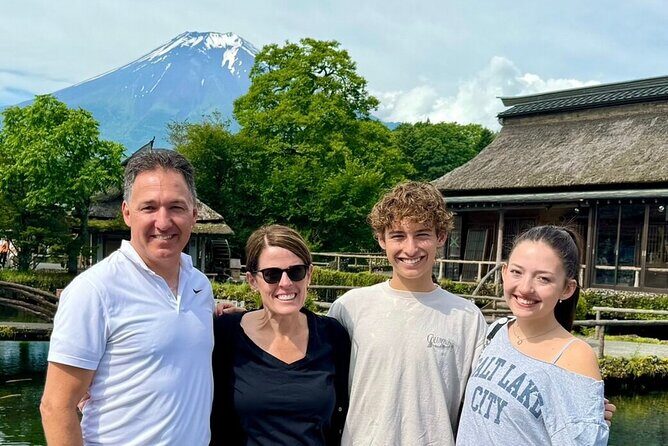
Next up is Lake Kawaguchi, the most well-known of the Fuji Five Lakes. You’ll get about an hour here, and it’s built for walking and eating. The listing suggests you can do lunch in the area, and there are lots of restaurants around the lake.
Here’s a useful context detail: Lake Kawaguchi sits at an elevation of about 830 meters, which is why the summers can feel cooler and winters can get icy. That elevation also helps explain why the air often feels crisp around the lake, especially if you’re there in cooler seasons.
What I like about using Lake Kawaguchi as your lunch stop is that it naturally breaks up the day. After pagoda viewpoints and a high-altitude stop, a lakeside hour helps you reset. You’re not stuck inside a car the whole time; you get to stretch, breathe, and choose where to eat without rushing.
Practical advice: don’t assume you’ll find your exact dream lunch spot instantly. With so many casual options, your best move is to pick what looks good and convenient when you arrive, then enjoy the lake views while you eat.
Also, remember lunch is not included in the tour price. The upside is you get choice instead of being locked into one set menu.
More days made easy by a guide

Oshino Hakkai and Oishi Park: ponds, water views, and calmer pacing
Two of the most photogenic stops in the Fuji region are paired here: Oshino Hakkai and Oishi Park.
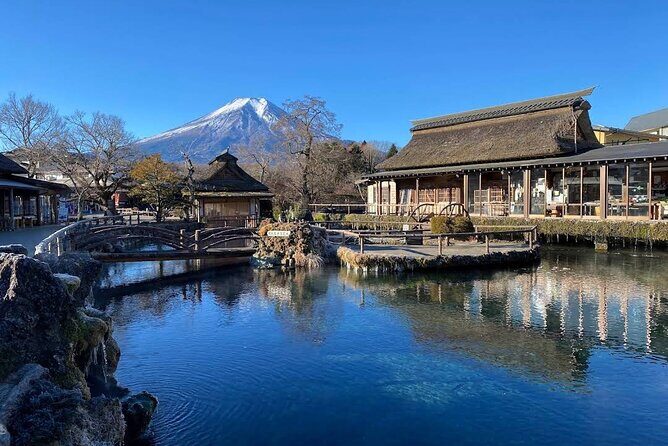
Oshino Hakkai is a cluster of eight ponds in Oshino village, in the Fuji Five Lakes area. It’s known for its water character and for being built around what used to be a sixth lake site. Expect a classic “slow down and look” kind of place. It’s listed as about an hour, which is enough time to wander, read the atmosphere, and get your photos without feeling like you’re on a conveyor belt.
Then there’s Oishi Park on the north shore of Kawaguchiko. This stop is all about the view: you get lake plus Mount Fuji in a single frame when conditions are right. It’s the kind of place where you’ll notice how quickly the scenery can change with cloud cover and light.
A good strategy here is to plan to be flexible. If you arrive and the mountain is clearly visible, take your photos earlier. If it’s partly hidden, spend some time around the pond area first and then come back to the wider view spot once the sky shifts. Your driver can help keep the day moving, but you still control your own walking pace.
Admission for both Oshino Hakkai and Oishi Park is listed as free, so you’re not paying extra to get the experience. The value is in the time you spend looking, not in ticket lines.
Kitaguchi Hongu Fuji Sengen Jinja: a 1900-year-old reset
If you want a bit of calm between big viewpoints, the day adds Kitaguchi Hongu Fuji Sengen Jinja. This shrine is listed as having a history of about 1900 years, and the grounds are described as beautiful with many photo spots.
What makes this stop feel worth it is the contrast. After lakes and iconic photo points, a shrine gives your eyes a new kind of detail: gates, textures, and the quiet rhythm of a sacred site. It also tends to be a good time to slow down your itinerary and just enjoy a place that isn’t solely about the view.
You’ll have about an hour here. That’s enough to wander, take photos, and watch other visitors move through at their own pace. If you’re not into shrine visits, you can keep it brief. But if you like Japan’s temple-and-shrine atmosphere, this one adds a meaningful cultural layer without turning your day into a history lecture.
Also, admission is listed as free, so you’re not paying again for yet another stop.
The most important part: guide quality and how to get the best English support

This tour is built around the guide/driver. In practice, that means the experience can swing based on how talkative and clear your driver is.
Some outings have gone really well. One guide operator named Fahad reportedly called the day of to explain a late start because of an accident, running about 30 minutes behind schedule, which was still manageable because guests had time for a relaxed breakfast. That kind of communication makes a day-trip feel controlled instead of stressful.
Other experiences highlight how much difference the guide style can make. One driver named Sam quickly moved guests between stops, but the Mt. Fuji station note was important: the station itself wasn’t included and required an extra 2100 yen payment. Another guide named Dan stood out for being helpful and informative, and the experience was described as unforgettable.
And yes, there can be imperfect situations too. There’s at least one account where the driver spoke very softly and had English that didn’t land well, with limited explanation during the drive. That doesn’t mean the trip is doomed, but it’s a reminder to manage expectations: the focus of a private car tour is often logistics and driving efficiency, and the depth of guiding can vary.
My practical advice: go in with two questions ready. Ask:
- What’s the best photo angle at each stop?
- If the weather changes, what should we prioritize first?
If your guide is strong, those questions will unlock more of the day. If your guide is less talkative, they still help you steer your own time.
Price and value: is $405.96 per group worth it?
At $405.96 per group (up to 5), you’re paying for four things: private transportation, an English-speaking Japanese guide/driver, tolls/fuel, and hotel pickup/drop-off.
Here’s the honest value math. The biggest cost in a Tokyo-based day trip to the Fuji area is getting there comfortably and efficiently. Public transit can work, but it also means transfers, walking, waiting, and time loss. A private car compresses that friction. If you’re traveling with friends or family, you spread the cost and the value jumps fast.
If you’re solo, the price can still make sense if you put a high value on not having to juggle schedules. But your biggest “return on investment” comes when you fill the car effectively and use the flexibility. The ability to skip a stop you don’t care about can prevent wasted time, which is where many day trips quietly lose value.
Also, remember what’s not included. Lunch is on you, and Mt. Fuji 5th Station access is extra. So treat the listed price as transport and guiding, then plan a separate budget for station access and your meal.
If you want a low-stress, high-convenience day hitting multiple Fuji Five Lakes highlights in one go, this price can feel fair. If you’d rather travel like a local on trains and you’re comfortable planning transfers, you’ll have cheaper options. The difference is effort versus comfort.
Should you book this Mount Fuji private tour?
Book it if you:
- Want a smooth, private day trip from Tokyo with pickup and drop-off
- Like the idea of seeing several Fuji-area highlights in one day without transfers
- Travel in a group where you can split the cost
- Appreciate flexibility and want to skip stops that don’t match your interests
Skip it or reconsider if you:
- Expect the guide to give constant, detailed commentary in clear English
- Can’t handle extra costs for Mt. Fuji 5th Station access
- Are traveling during weather that often brings rain or heavy cloud cover, since the closest-view experience depends on conditions
Overall, I think this tour is strongest when you use it like a tool: pick your priorities, ask your questions early, and let the private car do the heavy lifting. If you’re flexible and you plan for the station cost and lunch, it’s a very satisfying way to see iconic Fuji scenery without turning your day into a logistics project.
FAQ
How long is the Mt Fuji private car tour from Tokyo?
The tour lasts about 9 to 10 hours.
What time do we start, and can we choose a morning pickup?
You can choose from multiple morning start times for flexibility.
How many people can the private car accommodate?
The private car can accommodate between 1 and 6 people. The tour price is listed per group (up to 5).
Is hotel pickup and drop-off included?
Yes, pickup and drop-off to your hotel are included.
Are admission fees included for Mt. Fuji 5th Station?
No. Mt. Fuji 5th Station admission is not included, and you may need to pay an additional fee (noted as about 2100 yen).
Is lunch included in the tour price?
No, lunch is not included.
Can I get a full refund if I cancel?
Yes. You can cancel up to 24 hours in advance for a full refund.
More Tours in Tokyo




More Tour Reviews in Tokyo




The Fuji Shortlist: Other Days Out to the Mountain

Fresh reviews from around Tokyo






Mt Fuji Day Trips, compared.
 ★ 4.0Mt Fuji & Hakone Cruise, Drum Show Bullet Train 1 Day from TokyoFrom $1497,413 reviews
 ★ 4.4Tokyo Mt Fuji 5th St & Hakone Cruise Bus Tour w/Bullet TrainFrom $1545,024 reviews
 ★ 4.5From Tokyo: Mount Fuji Full-Day Sightseeing TripFrom $684,970 reviews
 ★ 4.7Mt. Fuji Tour, Hakone Ropeway, Owakudani, Lake AshiFrom $544,002 reviews
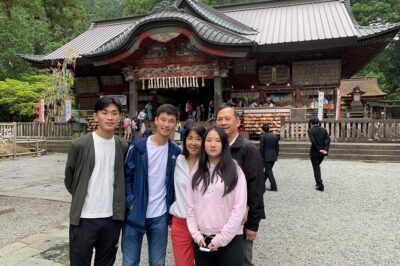 ★ 5.0Private Tour to Mt. Fuji and Hakone (Fully Licenced Operator)From $4971,910 reviews
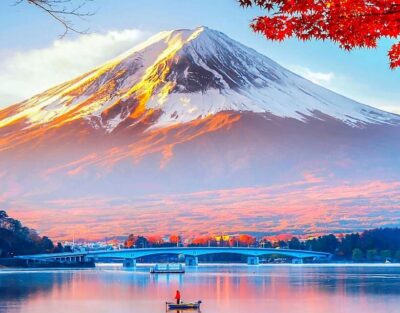 ★ 4.9Mount Fuji Full-Day Private Tour from Tokyo (Customizable)From $3931,470 reviews
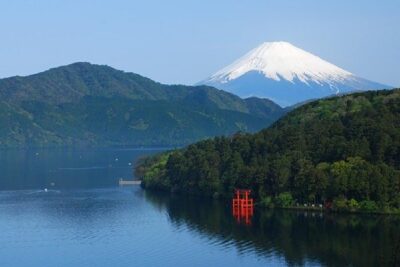 ★ 4.0Mt Fuji & Hakone Cruise, Drum Show Bus 1 Day from TokyoFrom $1221,287 reviews
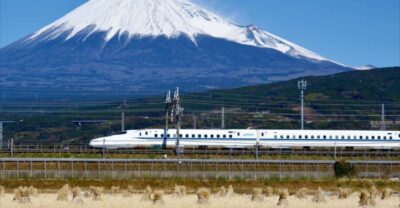 ★ 4.2From Tokyo: Mt. Fuji & Hakone Tour w/ Return by Bullet TrainFrom $1171,278 reviews
Browse the lists this tour appears in