

Reviewed · MT FUJI DAY TRIPS
Mt Fuji, Takayama, Nagano Private Tour w Local guide/photographer
Private Japan can be oddly hard.
A good guide makes it click fast. This is a private, photo-minded tour run with Kye—a Japan-born half-Australian, semi-pro photographer who mixes quick jokes with practical fixes for getting around. You cover the big “must-see” regions—Mt Fuji, Takayama, and Nagano—without spending your day trying to decode trains, tickets, and timing.
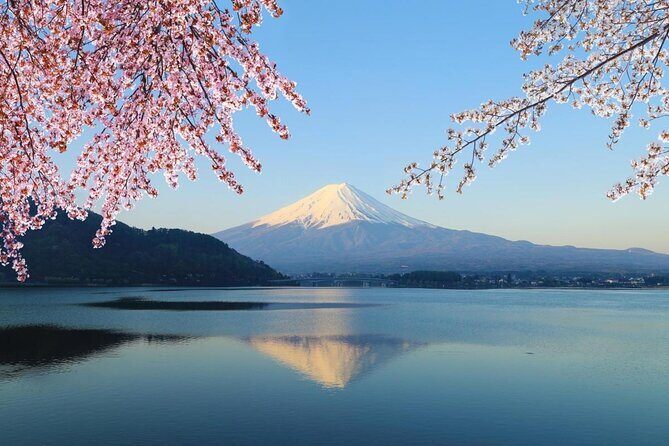
I really like two things about this experience. First, you get Mt Fuji photo stops built into the day so you can actually frame the view instead of sprinting past it. Second, Takayama is handled with a slower, more local feel (it’s often called miniature Kyoto, but it’s described as less crowded), which helps the whole trip feel less like a checklist.
One thing to consider: not everything is included. Several attractions list admission as not included, meals and fuel/tolls aren’t included either, and at this price point you’ll want to plan extra time for paid stops.
In This Review
- Key highlights you’ll feel in real life
- Kye the guide-photographer: what private really means
- Price and logistics that affect your wallet
- The vehicle day: Toyota Land Cruiser Prado plus pickup
- Day 1: Mt Fuji photo spots, Kyoto Prefecture, and the Sapporo food-and-weather vibe
- Day 2: Osaka thrill energy, then Takayama’s quieter lanes
- Day 3: Jigokudani Hell Valley and the snow monkeys’ sulfur-stained reality
- Chausuyama Zoo, red pandas, and then Zenko-ji without the Tokyo crowds
- Hakuba Goryu, Shiga Kogen, and Togakushi soba craft: winter culture in one day
- Endo Sake Brewery tastings and Matsumoto Castle’s climbable tower story
- Who this private Fuji–Takayama–Nagano tour suits best
- Should you book it?
- FAQ
- How many people is this private tour for?
- Where does the tour start and end?
- How long is the tour?
- Is pickup offered?
- What vehicle is used for the tour?
- Is WiFi included?
- Are meals included?
- Are tickets and admissions included?
- Is there a mobile ticket?
- What is the cancellation policy?
Key highlights you’ll feel in real life
- Photo-first planning with a local photographer so you’re not just seeing places, you’re getting the best angles and pacing
- Comfort transport with an air-conditioned vehicle, WiFi onboard, and pickup offered
- A mix of icons and quieter moments from Mt Fuji viewpoints to Takayama and Zenko-ji
- Nagano’s snow-monkey main event plus extra animal and food culture stops
- Split-the-group pricing since it’s up to 4 people per private tour
Other routes to the mountain, compared
- Mt Fuji & Hakone Cruise, Drum Show Bullet Train 1 Day from Tokyo★ 4.0 · 7,413 reviews
- Tokyo Mt Fuji 5th St & Hakone Cruise Bus Tour w/Bullet Train★ 4.4 · 5,024 reviews
- From Tokyo: Mount Fuji Full-Day Sightseeing Trip★ 4.5 · 4,970 reviews
Kye the guide-photographer: what private really means
Private in Japan is not just a nicer ride. It’s someone who helps you function. In this tour, you’ll be with Kye, who’s described as a semi-pro photographer who jokes fast and keeps things moving. That matters because photography days can turn stressful if you’re chasing timing while figuring out where to stand.
The tour is also framed as zero-stress travel. That shows up in how the day’s time is accounted for, with remaining hours allotted for transportation. In plain terms: you shouldn’t spend your precious daylight trying to solve transit puzzles.
I also like the tone of the experience. The vibe is light but organized. If you care about photos, you’ll get more than “stand here.” And if you don’t care about photos as much, you still benefit from the smoother route and fewer dead ends.
Price and logistics that affect your wallet
Let’s talk money honestly. The price is $39,021.51 per group, up to 4 people. Split four ways, that lands at roughly $9,755 per person. That’s not “cheap travel.” But you are paying for a private experience that spans multiple regions in a short time, with a local guide/photographer and dedicated vehicle time.
Here’s where value can improve for you:
- You’re not paying extra for WiFi or air-conditioned comfort. Those are included.
- Many stops list admission as free, which helps the cost stay predictable.
Here’s where you should budget ahead:
- Meals are not included.
- Fuel and tolls are not included.
- Several Nagano-related attractions list admission as not included (like Jigokudani Yaen-Koen, Chausuyama Zoo, Hakuba Goryu Ski Resort / Alpine Botanical Garden, Shiga Kogen, and more).
Also note the cancellation terms are strict: the experience is non-refundable and cannot be changed for any reason. If your dates might shift, that’s a real factor.
The vehicle day: Toyota Land Cruiser Prado plus pickup
Transport is one of the biggest quality-of-life issues on multi-stop Japan trips. This one uses a 2023 Toyota Land Cruiser Prado as the standard car, and a Japanese luxury van is available as an option if you want more space.
You also get WiFi on board and air-conditioning. That sounds small, but on a full day of viewpoints and drives, it keeps you sane. It also means you can quickly check maps, review shot lists, and plan where to go next without burning battery on constant navigation.
Pickup is offered, and the tour is private, so it’s only your group. That reduces the usual scramble of joining other people’s pace. And because the meeting area is described as near public transportation, you’re not completely stuck if pickup timing doesn’t match your own plan.
Day 1: Mt Fuji photo spots, Kyoto Prefecture, and the Sapporo food-and-weather vibe
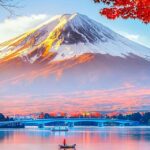
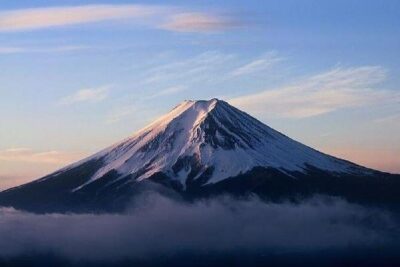
Day 1 is built around classic Japan, but with photo time included at the start. Mt Fuji comes first, with several photo spots and about one hour on the mountain-view side. That structure is what you want if you’re serious about pictures or simply want the best chance to see the full view without rushing.
Then you head to Kyoto Prefecture for an old-capital feel. You get about one hour here, and admission is listed as free. You’re not being asked to “live in the past” for the whole day. You’re getting a taste, which is honestly smart when your trip is only a few days.
Sapporo follows, framed around the best food and climate of Japan. Again, it’s about one hour and admission is free. This stop reads like a mood change: you go from mountain views to city energy to a food-and-weather mindset, which can make the trip feel varied instead of repetitive.
Possible consideration for Day 1: you’ll be moving. Even with plenty of time allotted, this is still a fast rhythm. If you want deep, slow sightseeing, you might feel the pressure. The private pacing helps, but it’s still three-day math.
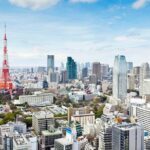
More days made easy by a guide

Day 2: Osaka thrill energy, then Takayama’s quieter lanes
Osaka is set up as a big, high-energy day. You spend about 7 hours here, with admission listed as free, and the description leans into a theme-park style visit known for world records for speed, height, and fear. That’s a very specific promise: you’re going for action and fun, not museum quiet.
After Osaka, you shift gears to Takayama. The experience calls Takayama a rural town north of Nagoya, often called miniature Kyoto, and highlights history plus nature. One hour is allotted, with admission free, and the emphasis is on countryside and a less-crowded feel.
This is where I think the tour earns trust. If you only do major cities, you’ll feel like Japan was just crowds and signage. Takayama is positioned as the “real rhythm” stop—plus the guide is said to be from Takayama, which suggests you get local choices, not generic photo backdrops.
You finish Day 2 in Okinawa Prefecture, described as Japan’s beach resort. One hour, admission free. That’s a quick taste, not a long beach vacation. But as a mood shift—mountain view, old-capital flavor, northern-city food vibe, theme-park energy, rural Takayama, then ocean air—it’s a lot of variety packed into one tour.
Day 3: Jigokudani Hell Valley and the snow monkeys’ sulfur-stained reality
Day 3 is where Nagano’s “main event” energy shows up. You go to Jigokudani Yaen-Koen, and the description is blunt: Jigokudani literally translates to hell valley, and it explains that plants struggle due to sulfur. That gives you context for what you’re seeing, beyond just calling it scenic.
You get about two hours here. Admission is not included, so plan for that extra cost. This is the kind of stop where your time matters. Even if you don’t consider yourself a photo person, you’ll still want time to watch how the monkeys move and how people position for better views.
You’ll also have the chance to see the Japanese red-faced snow monkeys in their semi-natural habitat. The wording matters: it’s not a zoo show. It’s more about observing.
Practical note: because the stop is described around sulfur and the setting suggests harsh conditions, you’ll likely want shoes that handle slick paths and clothing that handles cold and misty weather. You’ll thank yourself later.
Chausuyama Zoo, red pandas, and then Zenko-ji without the Tokyo crowds
After the snow monkeys, you head to Chausuyama Zoo for about one hour. Admission is not included, and the purpose is simple: see red pandas. The description even pokes fun at turning it into a safari, which tells you the plan is light, not an all-day zoo marathon.
Then you shift into temples. Zenko-ji is highlighted as more traditional compared to what you may see in Tokyo, and it’s described as a place with fewer crowds (the contrast is made with Tokyo’s heavy tourist volume). You get around one hour at the temple and about one more hour for the elegant traditional path leading to Zenkoji.
This is one of the best stretches of the tour for atmosphere. It slows down the animal-energy. It also gives you a more spiritual feel, not because you’re told to meditate, but because the pace and crowd level are described as more relaxed.
Possible drawback: if you’re tired from the snow monkey walk, temple time can feel like a cooldown you didn’t plan for. The solution is simple: treat temple time as your decompression hour, not your speed-run hour.
Hakuba Goryu, Shiga Kogen, and Togakushi soba craft: winter culture in one day
The tour keeps moving through winter-focused stops, including Hakuba Goryu Ski Resort / Alpine Botanical Garden and Shiga Kogen. You’ll spend about two hours at Hakuba Goryu (admission not included) and about one hour at Shiga Kogen (also not included). Both stops are described in terms of powder snow and ski areas, with Shiga Kogen described as right next to the snow monkeys and offering great snow.
You don’t have to be a skier to enjoy these stops. You’ll mostly want to absorb the winter setting and take in the general vibe. Still, this portion is clearly for people who like cold-weather places, not for people who want all cultural sites.
Next comes Togakushi Soba Museum Tonkururin. Here, admission is not included, and the focus is hands-on: you can learn how to make traditional Japanese soba from scratch. You get about two hours. That’s a big win for value because you leave with skills, not only photos.
If you’re the type who gets annoyed by “watching” tours, this is the stop that balances things out. Cooking and making takes effort, which means you remember it better.
Endo Sake Brewery tastings and Matsumoto Castle’s climbable tower story
Sake time is on the list at Endo Sake Brewery. Admission is not included, and you get about one hour for tastings. The description frames it around the fact that there are more than 10 sake breweries in the area, so the tasting fits into a larger regional identity, not just a one-off product.
After that, you visit Matsumoto Castle. You get about one hour, and admission is not included. The description is specific and impressive: it’s one of Japan’s treasured castles, it’s possible to go inside, and the main tower is five-tiered and six-story, built in the late 16th century. It’s also called the oldest surviving castle tower in the nation.
This stop helps you round out the day. After animals, temples, winter sports vibes, and food craft, a castle visit gives you something visual and strong—architecture you can actually walk through.
One consideration: you’ll likely need energy management. One hour sounds like plenty, but on a packed day it can go by fast. If you care about photos, plan to prioritize your shots rather than trying to capture everything.
Who this private Fuji–Takayama–Nagano tour suits best
This tour is best for you if:
- You want a private guide and you dislike wasting time negotiating logistics.
- You care about photos enough to want photo spots planned into the day.
- You like variety: mountains, temples, winter animal time, food craft, and a castle.
It’s not ideal if:
- You hate long days with multiple stops.
- You want meals and admissions fully included (meals and several admissions are not included).
- Your trip dates are uncertain, since the experience is non-refundable.
A strong clue from the feedback you’ll likely appreciate: the provider is capable of scaling up plans. One account describes starting with a short, two-day booking and expanding into a two-week private tour for a bigger group, including time for cherry blossoms and local artisans. That suggests flexibility if you want to build a longer Japan story around this foundation.
Should you book it?
I’d book this if you want a guided, photo-friendly route through the big-name regions of Japan in a short window, and you’re okay paying for convenience plus a private pace. You’re paying for someone to handle the movement, and for planned time at Mt Fuji and Nagano’s snow monkey highlight.
But I’d hesitate if your budget is tight once you add non-included admissions and meals, or if your dates might change. At this price, the cost of uncertainty is real.
If your plan is firm, and you want a mix of iconic views and real local flavor—Takayama’s described calmer feel, temples with fewer tourists, soba making, sake tastings—this is the kind of trip that can feel smooth instead of chaotic.
FAQ
How many people is this private tour for?
It’s a private tour/activity, and the group size is up to 4.
Where does the tour start and end?
It starts in Tokyo, Japan, and ends back at the meeting point.
How long is the tour?
The duration is 3 days (approx.).
Is pickup offered?
Yes, pickup is offered.
What vehicle is used for the tour?
The standard car is a 2023 Toyota Land Cruiser Prado, with a Japanese luxury van available as an option.
Is WiFi included?
Yes, WiFi on board is included.
Are meals included?
No, meals are not included.
Are tickets and admissions included?
Some stops list admission as free, while others list admission as not included (for example Jigokudani Yaen-Koen and several other Day 3 stops).
Is there a mobile ticket?
Yes, mobile ticket is included.
What is the cancellation policy?
The experience is non-refundable and cannot be changed for any reason.
More Tours in Tokyo




More Tour Reviews in Tokyo




The Fuji Shortlist: Other Days Out to the Mountain

Fresh reviews from around Tokyo






Mt Fuji Day Trips, compared.
 ★ 4.0Mt Fuji & Hakone Cruise, Drum Show Bullet Train 1 Day from TokyoFrom $1497,413 reviews
 ★ 4.4Tokyo Mt Fuji 5th St & Hakone Cruise Bus Tour w/Bullet TrainFrom $1545,024 reviews
 ★ 4.5From Tokyo: Mount Fuji Full-Day Sightseeing TripFrom $684,970 reviews
 ★ 4.7Mt. Fuji Tour, Hakone Ropeway, Owakudani, Lake AshiFrom $544,002 reviews
 ★ 5.0Private Tour to Mt. Fuji and Hakone (Fully Licenced Operator)From $4971,910 reviews
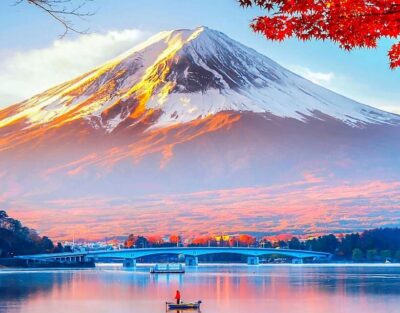 ★ 4.9Mount Fuji Full-Day Private Tour from Tokyo (Customizable)From $3931,470 reviews
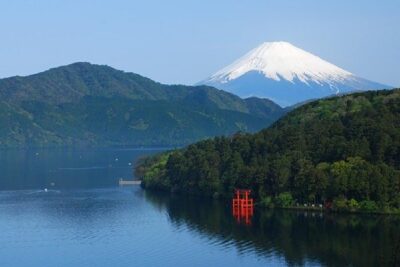 ★ 4.0Mt Fuji & Hakone Cruise, Drum Show Bus 1 Day from TokyoFrom $1221,287 reviews
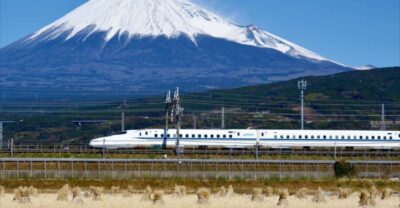 ★ 4.2From Tokyo: Mt. Fuji & Hakone Tour w/ Return by Bullet TrainFrom $1171,278 reviews
Browse the lists this tour appears in