

Reviewed · MT FUJI DAY TRIPS
Mt Fuji and Lake Kawaguchiko Bus Day Tour with English Guide
Fuji days feel like a puzzle. This one solves it for you with a smooth bus route, an English-speaking guide, and photo-friendly stops around Lake Kawaguchiko. You’ll spend the day chasing big Mount Fuji moments and learning what you’re seeing, not just snapping pictures. I especially like the way the tour leans into seasonal color and the way your guide helps you find angles that actually work.
Two parts I really enjoyed: getting views at Arakurayama Sengen Park with the Chureito Pagoda viewpoint, and then switching to calmer, water-and-mountain scenery at Oshino Hakkai. The guide names you might hear in this group include Wong and Kevin, and both come across as friendly, informative, and focused on making the day flow.
One consideration: this experience runs because the weather cooperates. If clouds roll in, you may lose some of the classic Fuji views, and there are also several walk-ups (including a stair climb early on) that you should plan for.
In This Review
- Key highlights you should care about
- From Tokyo Station to Lake Kawaguchiko: how the day trip plays out
- The photo strategy behind these Fuji stops
- Arakurayama Sengen Park and Chureito Pagoda: the 397-steps payoff
- Hikawa Clock Shop and Stairway to Heaven Town: a calmer Fuji framing
- Oshino Hakkai: eight springs, Fuji snowmelt, and reflective photo moments
- Lawson Kawaguchiko Station: the blue facade Fuji contrast stop
- Oishi Park at Lake Kawaguchiko: lavender in summer, kochia in autumn
- English guide guidance: what Wong and Kevin-style leadership changes
- Price and value: $15 for transport, a guide, and free admission spots
- Weather, walking, and timing: what to expect day-of
- Should you book this Mt Fuji and Lake Kawaguchiko bus day tour?
- FAQ
- How long is the Mt Fuji and Lake Kawaguchiko bus day tour?
- Where do we meet, and what time does the tour start?
- Is lunch included in the price?
- Are admission fees included for the stops?
- Does the tour depend on weather?
- Is this a private tour?
- What’s included in the tour price?
- What’s the cancellation refund policy?
- Is there a mobile ticket?
Key highlights you should care about
- Arakurayama Sengen Park and the Chureito Pagoda viewpoint, reached via 397 steps
- Oshino Hakkai’s eight springs, formed from snowmelt filtering through the ground
- The Lawson Kawaguchiko Station Fuji photo spot, with a modern blue facade for strong contrast
- Oishi Park’s seasonal show: summer lavender and autumn kochia color
- English guide guidance that helps you time your photos and understand what you’re seeing
- Free admission at each stop, so you’re not surprised by entry fees
Other routes to the mountain, compared
- Mt Fuji & Hakone Cruise, Drum Show Bullet Train 1 Day from Tokyo★ 4.0 · 7,413 reviews
- Tokyo Mt Fuji 5th St & Hakone Cruise Bus Tour w/Bullet Train★ 4.4 · 5,024 reviews
- From Tokyo: Mount Fuji Full-Day Sightseeing Trip★ 4.5 · 4,970 reviews
From Tokyo Station to Lake Kawaguchiko: how the day trip plays out

This is a classic “leave early, return by evening” Fuji day. You start at Tokyo Station (Marunouchi North Exit, Bus Stop No.21, Chome-6) at 8:00 am, and you come back to the same meeting point. Plan on 8 to 10 hours total, which is long enough to feel like you’ve done something meaningful but not so long that it wipes you out.
The big reason this format is useful is simple: you don’t have to stitch together transport and timing between multiple Fuji-area sights. You ride in an air-conditioned vehicle, and your guide keeps the day organized so you’re not spending the morning figuring out where to go next. It’s also a private tour/activity, meaning only your group participates, which usually makes photo stops less hectic than in big group buses.
One more practical note: it uses a mobile ticket, so have your phone charged and ready. That’s especially helpful for a day that runs on tight schedules and quick transitions between photo points.
The photo strategy behind these Fuji stops
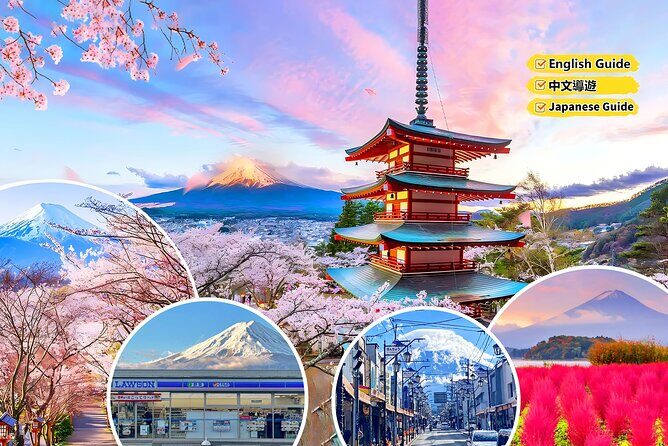
This tour is basically built around a single goal: maximizing your chances of getting Mount Fuji in the frame. What I like is that it doesn’t rely on just one view deck. Instead, it cycles through several different “Fuji contexts,” so even if one spot is blocked by weather, you’ve still got other scenes to enjoy.
Here’s the pattern: you start with a high, iconic composition (Fuji with the pagoda), then you go to a “small scale” town-like street scene, then you move into water reflections and springs, and finally you wrap up with seasonal color at Lake Kawaguchiko. The result is a photo set that looks like a real story, not just one postcard angle.
Also, the stops are designed for quick success. Several locations have free admission tickets, which means you can spend time photographing rather than standing in ticket lines. The guide’s job is to point you toward the best vantage spots and help you avoid wasting moments where the view is less reliable.
Arakurayama Sengen Park and Chureito Pagoda: the 397-steps payoff
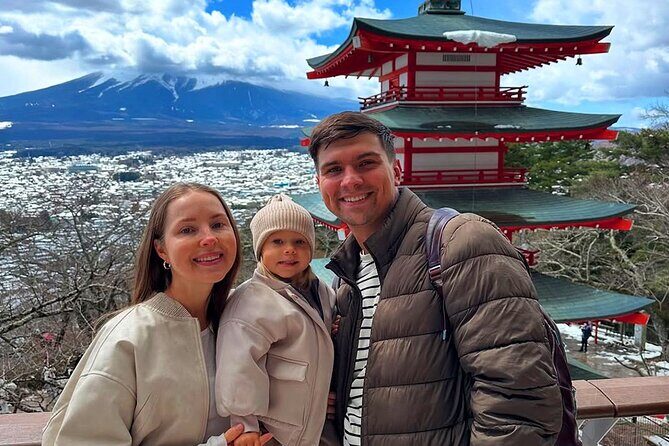
If your goal is the classic Chureito Pagoda-with-Fuji scene, Arakurayama Sengen Park is the place. You’ll head toward the shrine area and climb 397 steps near the main shrine to reach the iconic viewpoint.
This is one of those moments where the effort can pay off instantly. From the steps area, you’re moving into the vantage zone where Fuji tends to look dramatic, especially when the sky clears. The pagoda viewpoint is popular for a reason: it gives you a clear foreground subject, not just a distant mountain.
Practical consideration: those steps are real. If your legs hate stairs, go slower than you think you need. You’ll get plenty of chances to pause and reset because there are multiple photo moments along the way and at the top.
Also, check your camera rhythm. This style of viewpoint invites quick shooting, but don’t rush. Fuji photos often depend on small shifts in cloud cover. Give yourself a few minutes to try different angles from the same general area instead of only taking one “set it and forget it” shot.
Hikawa Clock Shop and Stairway to Heaven Town: a calmer Fuji framing
After the big stairs and iconic pagoda vibe, the day shifts to something more playful. You’ll visit Hikawa Clock Shop, in an area often described as the Stairway to Heaven Town near Mount Fuji.
The charm here is the street layout: quiet roads that feel like they step upward toward the mountain view at the end of the road. It’s less about one famous monument and more about getting a composed “end-of-the-street” Fuji shot. This can be great if the wind or crowds at scenic viewpoints are annoying you. It also gives you a break from heavy walking while still keeping Fuji in your visual field.
Time-wise, this stop is short, so I’d treat it like a photo and wander sprint. You’re looking for a few strong frames—street leading lines, mountain alignment, and anything that adds depth in the foreground.
More days made easy by a guide


Oshino Hakkai: eight springs, Fuji snowmelt, and reflective photo moments
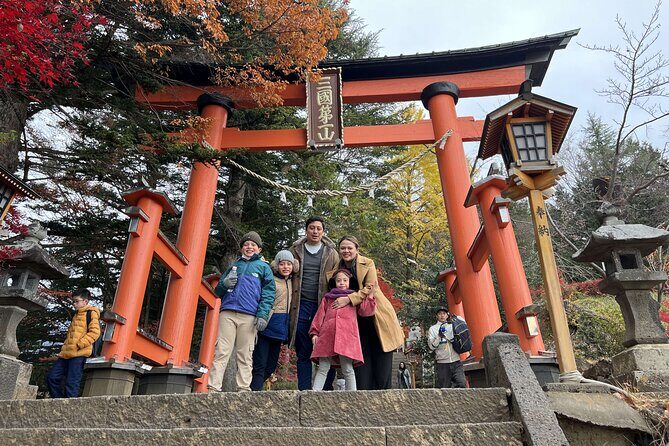
Then the day turns practical and poetic. Oshino Hakkai is formed from Mount Fuji’s snowmelt filtering through the ground, creating eight pristine springs. You’re not just seeing water—you’re seeing a physical explanation of how Fuji feeds the surrounding landscape.
What I like here is the variety of “water + mountain” feel. Springs mean you can find reflection angles, and the scenery tends to be visually calmer than the pagoda viewpoint. Even when Fuji is partially obscured, the ponds and spring basins still give you something to photograph.
Timing consideration: this stop runs about 1 hour 20 minutes, which is enough to walk around, compare different spring angles, and take some time for slower shooting. Don’t only aim for one reflection spot. Move a bit. With springs, a small change in position can make a big difference in how clear the mountain looks in the water.
If you’re traveling with someone who isn’t obsessed with landscapes (the word people use too often), this is also a great “everyone enjoys it” stop because it’s easy to understand and visually interesting even without perfect Fuji.
Lawson Kawaguchiko Station: the blue facade Fuji contrast stop
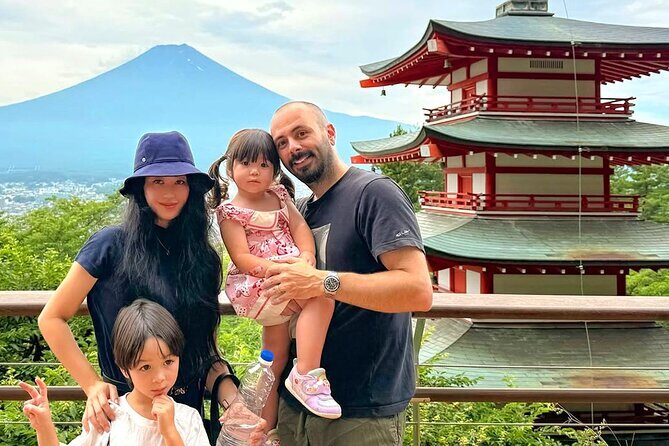
This is the one you’ll hear people talk about for photo reasons, and it makes sense. In Kawaguchiko, near the station with the same name, there’s a Lawson convenience store that’s become a famous Mount Fuji photography target. The standout detail is the store’s modern blue facade, which creates strong contrast against the mountain.
A big reason this works for photos is the combination of modern architecture and classic Fuji shape. You get clean color contrast, and the geometric building lines help frame the mountain instead of letting it float alone in the background.
This stop is short—about 20 minutes—so I’d keep it efficient. Arrive, confirm where the blue facade and Fuji alignment looks best, and take a burst of shots from a couple positions. If you wait for the “perfect” moment too long, the light can shift and you end up with a set of almost-the-right shots.
Oishi Park at Lake Kawaguchiko: lavender in summer, kochia in autumn
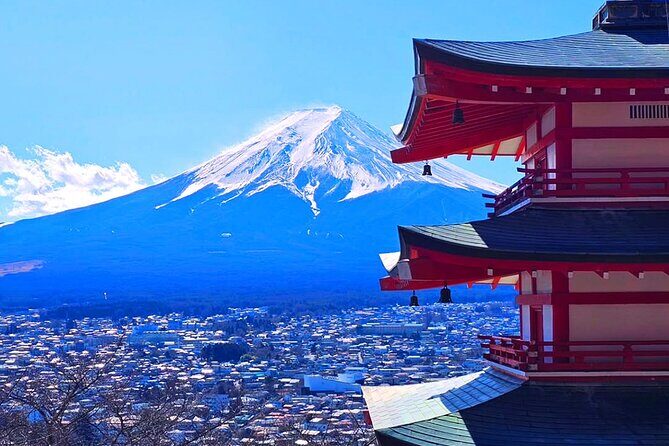
Oishi Park is where the tour earns its seasonal reputation. You’re at Lake Kawaguchiko, and the park’s plant colors change the story of your Fuji photos.
In summer, Oishi Park features lavender that can cover the park in a purple carpet, contrasting beautifully with Mount Fuji. In autumn, the focus becomes kochia, which turns into vibrant red tones and creates that “fiery” look people chase in Japan fall color season.
This stop lasts about 1 hour, which is workable if you keep your photo plan simple. Look for the main color areas first, then take your Fuji-alignment shots. If the sky clears, your keeper photos usually come fast, because the park’s color gives you a strong foreground even when the mountain isn’t sharp in every frame.
Seasonal festivals also matter here. The broader Lake Kawaguchiko area is known for events like the Lake Kawaguchi Cherry Blossom Festival and the Maple Corridor seasonal display. This tour is set up to guide you to the best seasonal viewing and photo spots around the region, including mentions of places like the Lake Kawaguchi Herb Festival and Maple Corridor annual displays.
One honest note: parks depend on what the season delivers that year. The promise is color and themed scenery, but the “wow” level depends on weather and timing.
English guide guidance: what Wong and Kevin-style leadership changes
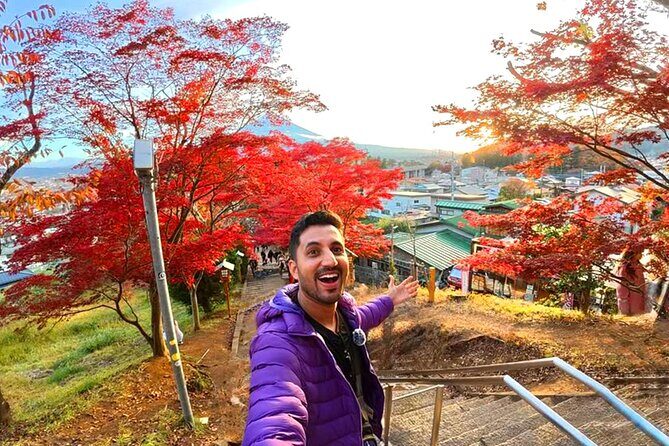
An English guide can be the difference between seeing Fuji and understanding it. In this group, the guide presence is clearly a highlight. Names that come up in the experience include Wong and Kevin, and the consistent theme is that they’re friendly and willing to explain what you’re looking at.
For you, that means you spend less time guessing. You’ll get direction about where to stand for the best views, and you’ll learn the background behind each spot—like what Oshino Hakkai springs actually are (not just scenic ponds) or why Arakurayama’s steps and pagoda viewpoint is such a strong composition.
The best part is how this support affects timing. When you’re doing multiple stops in one day, you don’t have time to wander randomly. A good guide helps you use your time for photos and viewing, not for decision fatigue.
Price and value: $15 for transport, a guide, and free admission spots
At $15 per person, this is priced in the “budget-friendly” lane. The key is what’s included. You get an air-conditioned vehicle plus driver and guide service fee. Admission is free at the stops listed, which helps keep the cost low.
What’s not included is lunch and other personal spending. That’s normal for a day trip like this, but it matters: you’ll want to plan where you’ll eat once you’re back on the Tokyo side or bring something simple if the schedule doesn’t align with your preferences.
One more value angle: because it’s private, you don’t have to bargain with strangers’ pacing. Even if your group is just two people, you can feel less rushed at photo points. The route also reduces your transport stress. In Fuji region days, savings often come from not paying for separate transfers or wasting time coordinating rides.
Weather, walking, and timing: what to expect day-of
This experience explicitly depends on good weather. That’s not a minor footnote. For a Mount Fuji day trip, clouds can flatten the whole payoff. The tour runs with the assumption that clear views are possible, and if it’s canceled due to poor weather, you’ll be offered a different date or a full refund.
Walking is also part of the reality. The big one is the 397 steps at Arakurayama Sengen Park. You don’t need to be a fitness hero, but you should be comfortable with stairs. The remaining stops are easier on average, but they still involve short walks around viewpoints and photo spots.
Timing wise, you start early at 8:00 am, and you move quickly between places. That means you’ll want comfortable shoes and a camera strap you can actually move with while climbing. Bring layers too. Morning can feel cooler, and later in the day you might want something light.
Age consideration is also stated: elders over 70 years old should be accompanied by a family member. If anyone in your group has mobility concerns, it’s worth thinking seriously about that first stair climb.
Should you book this Mt Fuji and Lake Kawaguchiko bus day tour?
I’d book it if you want a well-paced Fuji day without the planning headache. This tour is a strong fit when you:
- want a guided English-speaking experience that helps you find good angles fast
- like photography and want multiple types of scenes, not just one viewpoint
- prefer free admission stops and clear sightseeing structure
- can be flexible with your expectations if clouds roll in
I wouldn’t make it your first choice if stairs feel like a deal-breaker or if you’re traveling with someone who struggles with climbs, since the day includes a major step section at Arakurayama Sengen Park. Also, because lunch isn’t included, you’ll want to plan ahead so you don’t end the day hungry or irritated.
FAQ
How long is the Mt Fuji and Lake Kawaguchiko bus day tour?
The tour runs about 8 to 10 hours.
Where do we meet, and what time does the tour start?
You meet at Tokyo Station, Marunouchi North Exit Bus Stop No.21 Chome-6. The start time is 8:00 am, and the tour ends back at the meeting point.
Is lunch included in the price?
No. Lunch is not included, and you’ll need to cover it separately.
Are admission fees included for the stops?
Yes, the listed stops have free admission tickets.
Does the tour depend on weather?
Yes. This experience requires good weather, and if it’s canceled due to poor weather, you’ll be offered a different date or a full refund.
Is this a private tour?
Yes. It’s a private tour/activity, and only your group participates.
What’s included in the tour price?
Your price includes an air-conditioned vehicle and driver and guide service fee.
What’s the cancellation refund policy?
You can cancel for a full refund up to 24 hours in advance of the experience’s start time. If you cancel less than 24 hours before, the amount paid is not refunded.
Is there a mobile ticket?
Yes. The tour uses a mobile ticket.
More Tours in Tokyo




More Tour Reviews in Tokyo




The Fuji Shortlist: Other Days Out to the Mountain

Fresh reviews from around Tokyo






Mt Fuji Day Trips, compared.
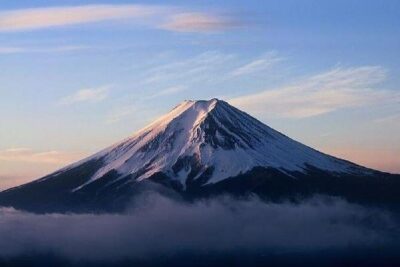 ★ 4.0Mt Fuji & Hakone Cruise, Drum Show Bullet Train 1 Day from TokyoFrom $1497,413 reviews
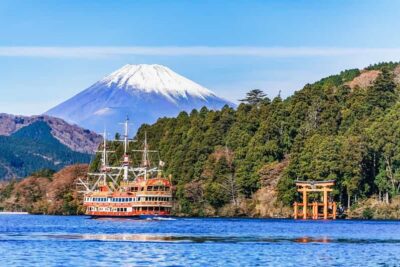 ★ 4.4Tokyo Mt Fuji 5th St & Hakone Cruise Bus Tour w/Bullet TrainFrom $1545,024 reviews
 ★ 4.5From Tokyo: Mount Fuji Full-Day Sightseeing TripFrom $684,970 reviews
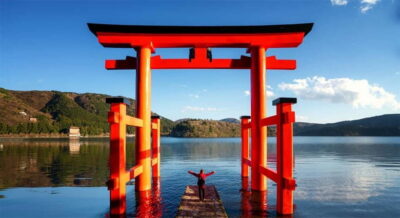 ★ 4.7Mt. Fuji Tour, Hakone Ropeway, Owakudani, Lake AshiFrom $544,002 reviews
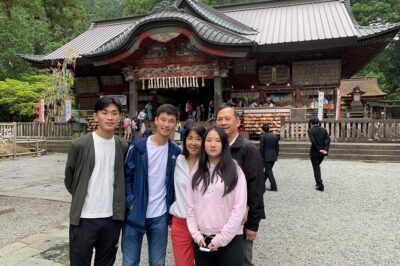 ★ 5.0Private Tour to Mt. Fuji and Hakone (Fully Licenced Operator)From $4971,910 reviews
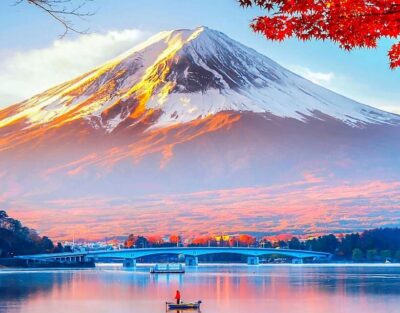 ★ 4.9Mount Fuji Full-Day Private Tour from Tokyo (Customizable)From $3931,470 reviews
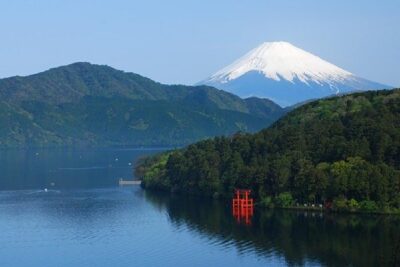 ★ 4.0Mt Fuji & Hakone Cruise, Drum Show Bus 1 Day from TokyoFrom $1221,287 reviews
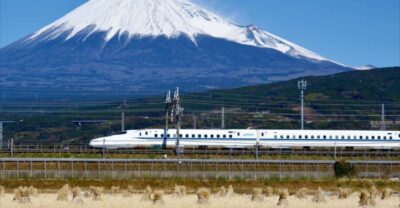 ★ 4.2From Tokyo: Mt. Fuji & Hakone Tour w/ Return by Bullet TrainFrom $1171,278 reviews
Browse the lists this tour appears in