
Reviewed · MT FUJI DAY TRIPS
Mount Fuji & Hakone Private Tour with Bullet Train Return
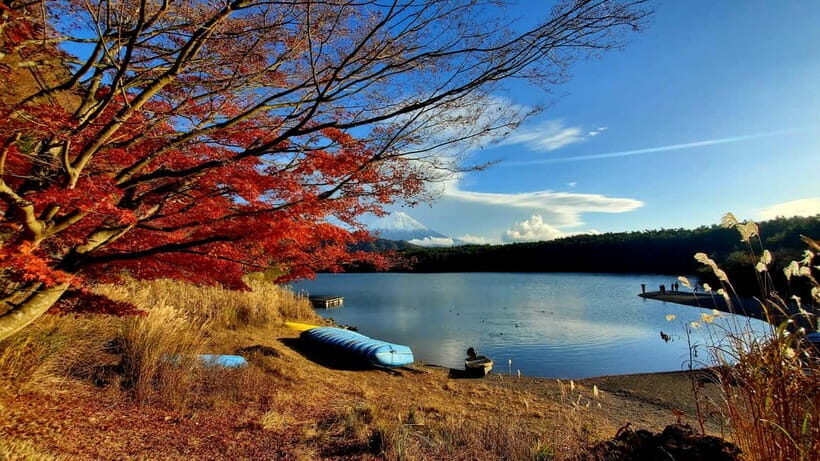
Fuji day trips can feel rushed, but this one has a real flow. I like how the itinerary keeps you looking up at Mount Fuji more than once, and I really like the Hakone mix of viewpoints plus the volcanic drama at Owakudani. The main thing to watch is the timing: you’re in a full 10-hour day, and road traffic can sometimes push the schedule back by 10–30 minutes.
You also get a true private-guide setup with hotel/Airbnb pickup in Tokyo’s 23 wards, so you’re not hunting trains and stops all morning. The tour is guided in English, Urdu, Punjabi, and Hindi, and the guide name you’ll want to look for is Ryu, who’s known for being calm, friendly, and good at handling surprise disruptions.
One more practical consideration: the tour ends in Odawara, and you’re responsible for getting from Tokyo Station back to your hotel on your own after the bullet train.
In This Review
- Key takeaways before you go
- Fuji Views First: Chureito Pagoda and Mt. Fuji Lookouts
- Shrine Stop That Connects Mount Fuji to Daily Life
- Oshino Hakkai Ponds: Fuji Snowmelt in Real Form
- Hakone Ropeway and Lake Yamanaka: Views You Can’t Fake
- Owakudani Valley: Steam, Sulfur Air, and the Fun of Not Being Comfortable
- Lake Ashi and the Fuji Over Water Moment
- Bullet Train Return from Odawara: The Easy Ending with One Catch
- What $280 Buys You (and What It Doesn’t)
- Who This Private Fuji and Hakone Tour Fits Best
- When Weather and Traffic Change the Plan
- Should You Book This Private Mount Fuji and Hakone Day Tour?
- FAQ
- How long is the Mount Fuji & Hakone private tour?
- Where do you pick up in Tokyo?
- Where does the tour end?
- Are bullet train tickets included?
- Is the Hakone Ropeway included in the tour price?
- Is the Lake Ashi cruise/boat included?
- Is there a guide, and what languages are offered?
- Is hotel pickup available outside Tokyo’s 23 wards?
- What should I bring?
- What’s not allowed on the tour?
Key takeaways before you go
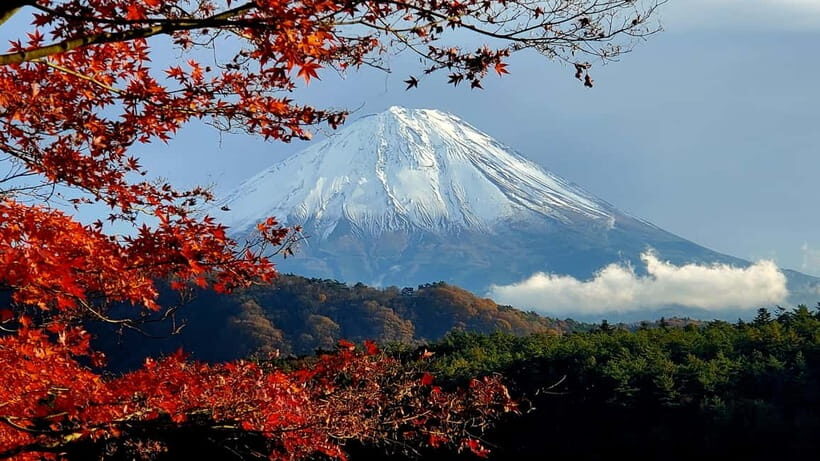
- Multiple Fuji lookouts instead of a single quick photo stop
- Owakudani Valley gives you the volcanic experience you came for—steam, sulfur air, and boiling-mud energy
- Lake Ashi views with a boat option (ticket not included) for that Fuji-over-water look
- Private, guide-led pacing with hotel/Airbnb pickup in Tokyo 23 wards
- Shinkansen return starts at Odawara, but your Tokyo transfer after that is on you
Other routes to the mountain, compared
- From Tokyo: Full-Day Mount Fuji Tour in English or Spanish★ 4.7 · 101 reviews
- Mount fuji and Hakone full day private tour with English gui★ 4.9 · 12 reviews
- Fuji/Hakone Private Tour, English speaking guide, Photograph★ 4.8 · 11 reviews
Fuji Views First: Chureito Pagoda and Mt. Fuji Lookouts
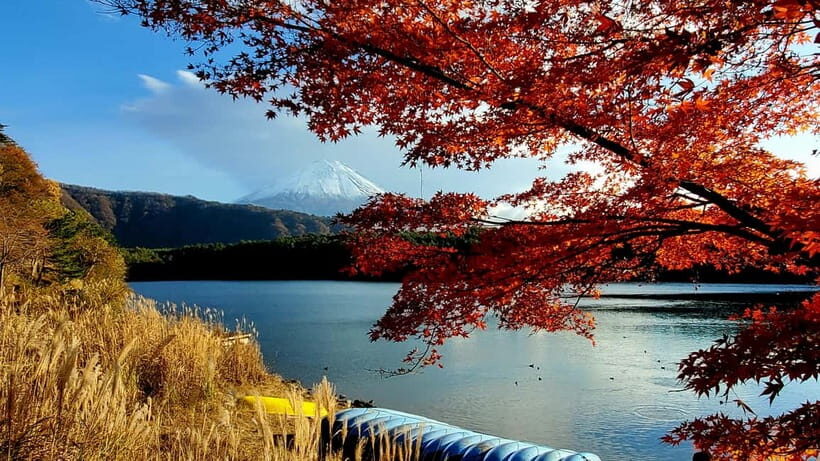
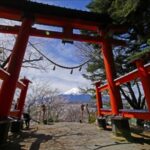
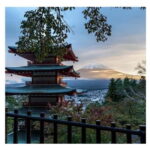
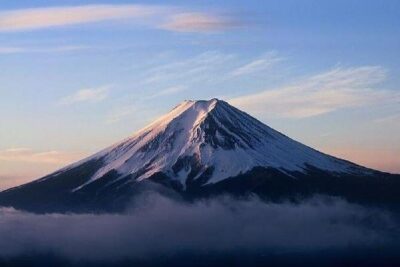
The day starts with one of the best-known places to photograph Mount Fuji: Chureito Pagoda. It’s a five-story pagoda perched on a hill, and the payoff is the classic view—Fuji looming in the background with the pagoda in the foreground. Even if you’re not a “photo person,” this is the kind of stop that helps you understand why Japan treats Mount Fuji like more than scenery.
After the first look, you’re already in Fuji-mode. The best part is that the tour doesn’t treat Fuji as a one-shot moment. You keep getting more opportunities later, which matters because weather in Japan can change quickly. If Fuji is partly hidden at one stop, it might show more clearly later.
A practical tip: this is a walk-and-stand kind of stop. Wear comfortable shoes and keep your eyes on the sky angle—light shifts fast in the morning, and that can change whether Fuji looks sharp or hazy.
Shrine Stop That Connects Mount Fuji to Daily Life
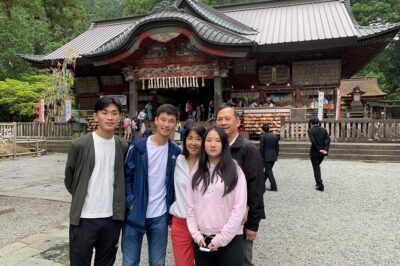
Next comes Kitaguchi-hongu Fuji Sengen Shrine. This is a Shinto shrine dedicated to Mount Fuji, and it adds the human side to what you’re seeing. It’s not just “a mountain out there.” People have long ties to it, and a shrine stop is one of the easiest ways to feel that connection without needing a background lecture.
You’ll have time for a guided visit plus free time, and there’s even a bit of shopping listed. That mix is useful. You can stay focused during the explanation, then use the free time to wander at your own speed—grab a snack, look around, or step back when you want a quiet moment.
This is also where a strong guide earns their keep. Ryu has a reputation for making stops feel understandable rather than like a checklist, and that matters most at places like shrines where the meaning changes depending on what you notice.
Oshino Hakkai Ponds: Fuji Snowmelt in Real Form
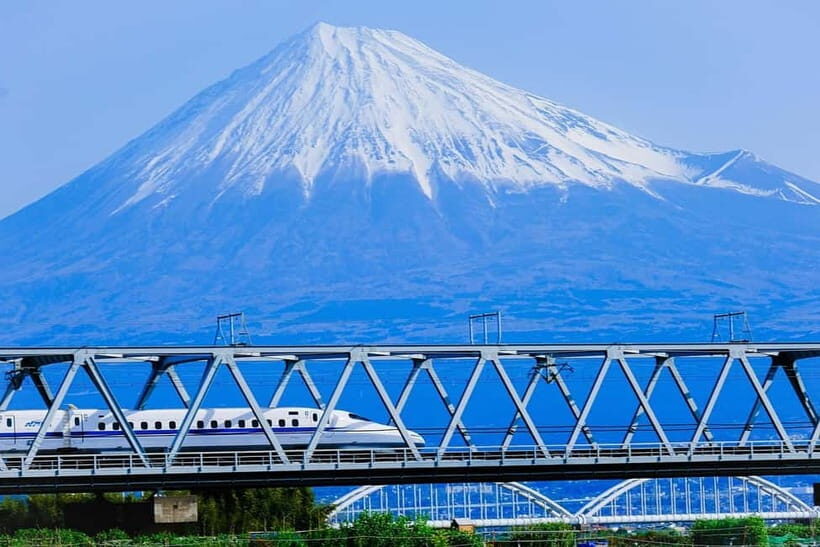
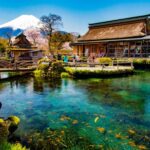
Oshino Hakkai is one of those places that sounds simple—ponds fed by Fuji snowmelt—but feels strangely magical when you see it. You’ll visit the collection of eight ponds, and the main draw is the clear water and the living ecosystem around it.
Why I like this stop for a private tour: it’s a calmer change of pace between the spiritual shrine and the busier Hakone sights. It’s not about chasing adrenaline. It’s about slowing down enough to see details—water color, the way the area is arranged, and the atmosphere that comes from fresh, cold-fed water.
This is also a good time for a quick snack if you want one; local snacks are mentioned as part of the experience here. Don’t overpack your stomach, though—Hakone days can feel like you’re moving from “cool and clear” to “hot and sulfur” pretty fast.
Hakone Ropeway and Lake Yamanaka: Views You Can’t Fake
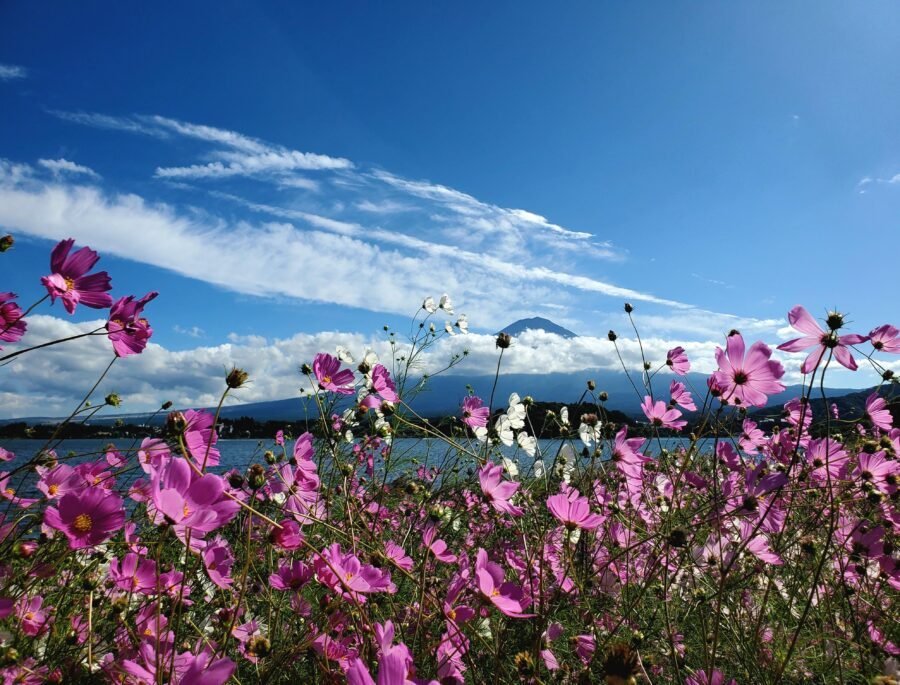
From Fuji-area sights, you head toward Hakone with a couple of big view-makers. Fujikawaguchiko and Lake Yamanaka give you more open-air Fuji/waterside context. You’ll have guided time at each, plus time to look around.
Then the Hakone Ropeway comes into play. This is where you get that aerial look at mountains, forests, and the shimmering Lake Ashinoko area from above. The ropeway itself is not included in the price, and it’s listed separately (3000 yen). If you love viewpoint time—if you want less walking and more “big view in one shot”—it’s worth budgeting for.
Here’s the practical advice: plan to go at the time of day when the air is clearest. Even with clouds, the ropeway usually gives you a strong sense of the terrain, but the visibility can make or break the Fuji sharpness later.
More Hakone loops, ropeways and lake crossings
Owakudani Valley: Steam, Sulfur Air, and the Fun of Not Being Comfortable
Owakudani Valley is the volcanic heart of Hakone. You’ll descend into the geothermal area and see hot spots, steaming vents, and bubbling geothermal features. The air includes sulfur fumes, so it’s not a “stroll and enjoy the breeze” kind of stop.
Why this part is so worth it: it’s rare to get a controlled, safe way to experience active geology in your travels. You’ll have guided time and sightseeing time, plus enough structure that you won’t feel lost in the middle of all the sensory overload.
Pack-for-this advice: bring your comfort to the valley. Comfortable clothes are listed, and I’d add that you should be okay with the smell. If you’re the type who gets bothered by strong odors, this is the stop to prepare for mentally, not one to “power through” without a plan.
You’ll wrap this section and then move toward Lake Ashi, where things cool down visually—less steam, more water and green slopes.
Lake Ashi and the Fuji Over Water Moment
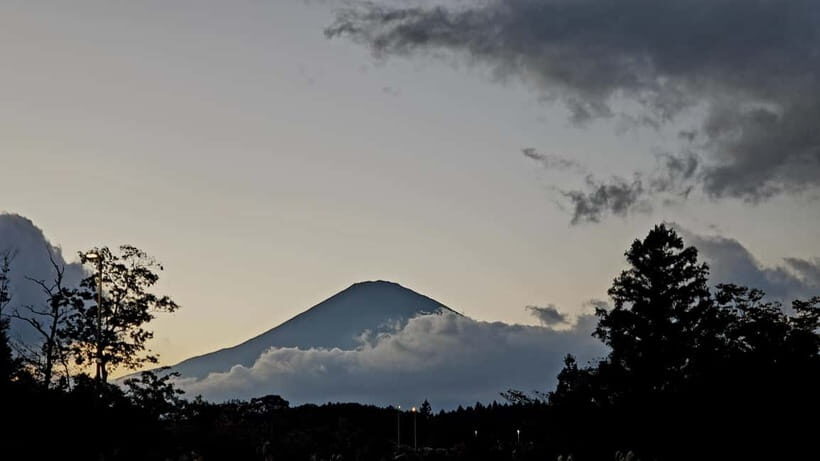
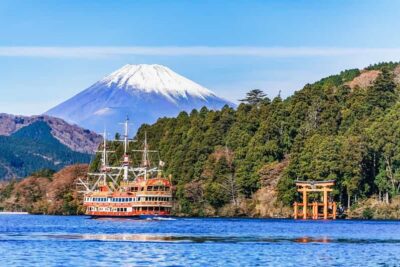
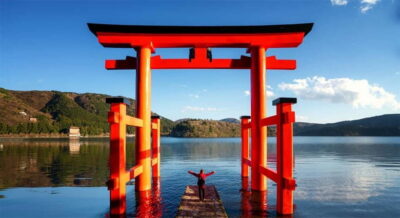
Lake Ashinoko is the postcard half of the day. You’ll stop for a guided visit and then have time to walk and take in the lake views. There’s also an optional boat ride mentioned (cruise ship ticket listed at 3000 yen).
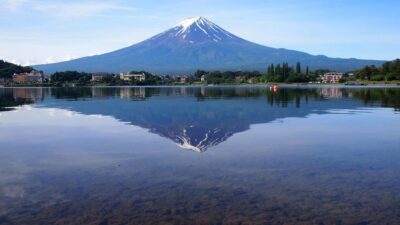
This is the kind of choice that often feels small until you’re standing there. The boat ride is not included, but if Mount Fuji is visible across the water, it’s one of those “okay, now I get it” experiences. Even when Fuji is partially hidden, the lake still gives you a calmer, scenic rhythm after Owakudani.
One more timing thought: if the weather turns, lake views can shift quickly. Ask your guide what the sky is doing and whether they think you’ll get the best chance for Fuji across the water. A good guide can read the day in a way that saves your best moments for when conditions cooperate.
Bullet Train Return from Odawara: The Easy Ending with One Catch
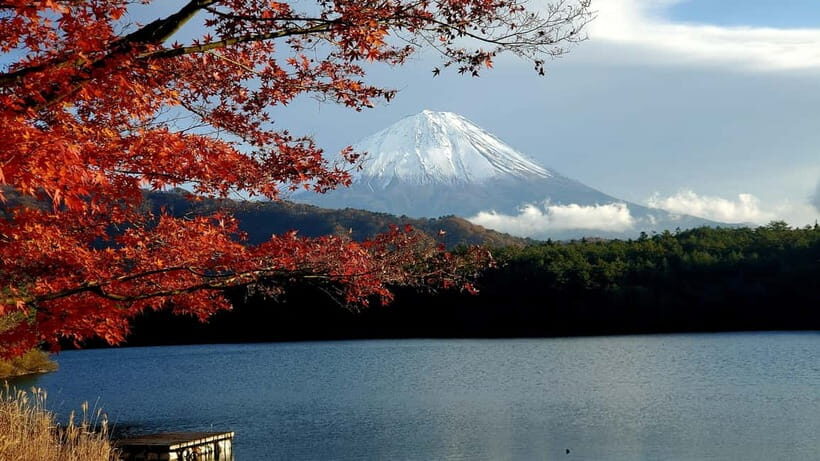
After Lake Ashi, the tour finishes at Odawara Station. Here’s the key detail you should not miss: the guide won’t travel with you on the bullet train ride to Tokyo Station. You’ll take the Shinkansen to Tokyo Station, and then you handle transportation from Tokyo Station back to your hotel.
This can be totally fine if you’re comfortable navigating your own last mile. If you’re not, build in a little buffer time and keep your hotel address ready in Japanese. Also, plan how you’ll get from Tokyo Station back to your lodging before you’re tired.
Transport wise, your bullet train tickets are included, and hotel pickup/drop-off is included for Tokyo’s 23 wards. That’s a big value chunk—most day tours nickel-and-dime you for transfers and rail planning.
What $280 Buys You (and What It Doesn’t)
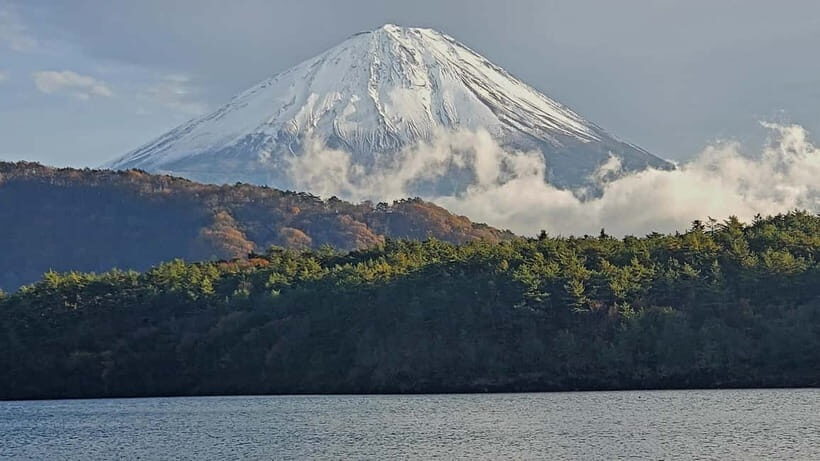
At $280 per person for a 10-hour private tour, the value is mostly in two areas:
First, you get the private guide experience plus hotel/Airbnb pickup and drop-off in Tokyo 23 wards. You’re also covered for bullet train tickets, petrol/gas, highway tolls, parking fees, and the modern vehicle.
Second, you get a day designed around big-name places that are hard to coordinate smoothly on your own if you don’t want to spend the morning hopping between transport systems.
What’s not included is where your budget could change. Meals, drinks, and snacks are not included. Also, some optional paid activities are listed: the Hakone Ropeway (3000 yen), the Lake Ashi cruise/boat (3000 yen), and an Oshino Hakkai museum (300 yen).
For me, the decision is simple:
- If you want the ropeway and the boat view, you should expect extra costs in the low-to-mid thousands of yen per activity.
- If you don’t care about either, you can still enjoy the day’s core stops.
Who This Private Fuji and Hakone Tour Fits Best
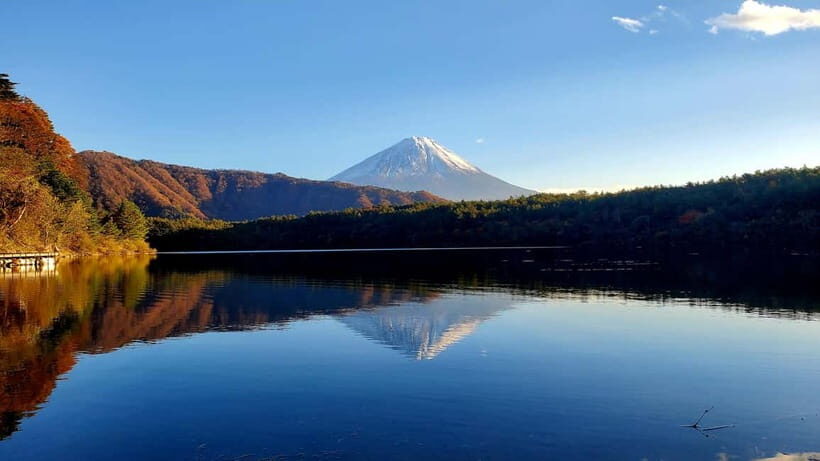
This tour fits you best if you want:
- A private, guided day with less stress and fewer transfers
- More than one real opportunity to see Mount Fuji
- The contrast of Fuji calm (shrines and ponds) plus Hakone heat (Owakudani steam)
- Clear structure: pickup, guided stops, and a bullet train return
It may be less ideal if you prefer very slow travel or you hate being on your feet for multiple walking/photo stops. It’s also not a good pick if you want someone to accompany you all the way back to your hotel after Odawara.
One more note: the tour has multilingual guide support (English, Urdu, Punjabi, Hindi). If you’re traveling with family or friends who prefer one of those languages, that can make the day feel much easier.
When Weather and Traffic Change the Plan
Japan can be unpredictable in two ways: visibility and traffic. The tour acknowledges that road conditions, congestion, or accidents can cause a driver delay of 10–30 minutes sometimes.
That’s why I’m glad this tour isn’t just a strict stopwatch schedule. A good guide matters, and Ryu’s record includes handling an unexpected traffic shutdown tied to a special royal event while still keeping the day moving smoothly. The message for you: this tour isn’t just “places on a map.” It’s people who know how to adjust when the real world interrupts.
For your part, keep the right expectations. Bring some patience, and you’ll enjoy the day more.
Should You Book This Private Mount Fuji and Hakone Day Tour?
Book it if you want a guided, low-stress day that hits the Fuji highlights and still gives you that strong Hakone volcanic experience. The mix of Chureito Pagoda, Kitaguchi-hongu Fuji Sengen Shrine, Oshino Hakkai, Hakone Ropeway, Owakudani Valley, and Lake Ashi is a smart one-day hit list, especially for first-time visitors to the area.
Skip it or rethink it if you’re extremely budget-focused and don’t plan to pay for optional ropeway/boat experiences. Also reconsider if you strongly dislike handling the final step on your own from Tokyo Station to your lodging.
If you can handle one independent transfer leg and you want a private guide who stays on top of the day, this is a solid pick.
FAQ
How long is the Mount Fuji & Hakone private tour?
The tour duration is 10 hours, including pickup and drop-off.
Where do you pick up in Tokyo?
Pickup is included at your hotel or Airbnb in all Tokyo 23 wards.
Where does the tour end?
The tour ends at Odawara Station. You then take the bullet train to Tokyo Station on your own.
Are bullet train tickets included?
Yes. Bullet train tickets are included, and the return is part of the tour.
Is the Hakone Ropeway included in the tour price?
No. The Ropeway ticket is not included. It’s listed as 3000 yen.
Is the Lake Ashi cruise/boat included?
No. The cruise ship/boat ticket is not included and is listed as 3000 yen.
Is there a guide, and what languages are offered?
There is a live English guide service, and languages available include English, Urdu, Punjabi, and Hindi.
Is hotel pickup available outside Tokyo’s 23 wards?
Yes, but extra charges may apply. Pick & Drop outside Tokyo 23 wards costs 6000 ¥. Pick & Drop from Yokohama port costs 7000 ¥.
What should I bring?
Bring comfortable shoes and comfortable clothes, and bring cash.
What’s not allowed on the tour?
Smoking in the vehicle, food in the vehicle, alcohol and drugs, and littering are not allowed.
More Tour Reviews in Fujiyoshida
Hakone, Three More Ways
The Fuji Shortlist: Other Days Out to the Mountain
Fresh reviews from around Fujiyoshida

Mt Fuji Day Trips, compared.
 ★ 4.0Mt Fuji & Hakone Cruise, Drum Show Bullet Train 1 Day from TokyoFrom $1497,413 reviews
 ★ 4.4Tokyo Mt Fuji 5th St & Hakone Cruise Bus Tour w/Bullet TrainFrom $1545,024 reviews
 ★ 4.5From Tokyo: Mount Fuji Full-Day Sightseeing TripFrom $684,970 reviews
 ★ 4.7Mt. Fuji Tour, Hakone Ropeway, Owakudani, Lake AshiFrom $544,002 reviews
 ★ 5.0Private Tour to Mt. Fuji and Hakone (Fully Licenced Operator)From $4971,910 reviews
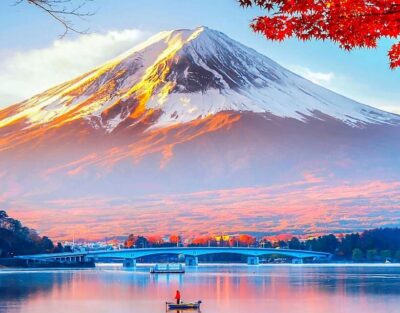 ★ 4.9Mount Fuji Full-Day Private Tour from Tokyo (Customizable)From $3931,470 reviews
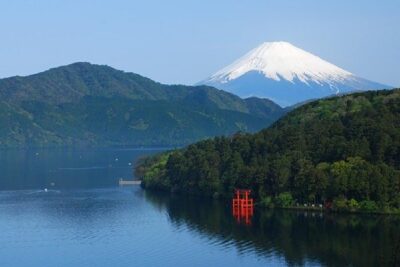 ★ 4.0Mt Fuji & Hakone Cruise, Drum Show Bus 1 Day from TokyoFrom $1221,287 reviews
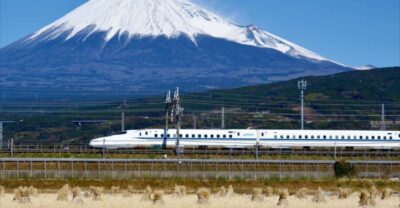 ★ 4.2From Tokyo: Mt. Fuji & Hakone Tour w/ Return by Bullet TrainFrom $1171,278 reviews
Browse the lists this tour appears in