
Reviewed · MT FUJI DAY TRIPS
Private Hiking Tour to View Mt. Fuji
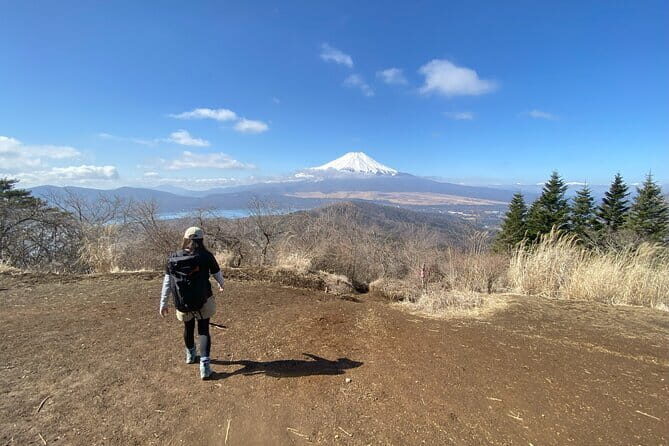
Fuji on foot is a real treat. This private hike targets Mt. Ishiwari in the Yamanakako area for big views of Mt. Fuji plus a stop at the Ishiwari Shrine with a famous cracked rock linked to the Ama-no-Iwato mythology.
I especially like how the tour blends effort with variety: you get steep climbing, then rewarding viewpoints over the lakes, and a local Yoshida udon lunch guided to the best spot. I also appreciate the practical support, including pickup/transport and included hiking gear like trekking shoes, poles, rain gear, and even gloves.
One thing to plan for: this is not a casual stroll. You’ll tackle 400+ stairs early on and a steep, narrow climb during the last 30 minutes, so you’ll want moderate fitness and steady legs.
In This Review
- Key things I’d lock in before you go
- Mt. Ishiwari gives you Fuji views with real legs behind them
- Pickup, private transport, and gear that actually matters
- How the climb works: 400+ stairs at the beginning
- Ishiwari Shrine at the 8th station: mythology + a serious rock
- The last 30 minutes: steep, narrow, and where fitness shows
- The viewpoint stops: when Fuji looks huge
- Lunch at Menkyo-kaiden: Yoshida udon and a cash reminder
- Why Yuki’s private guiding makes the day easier
- Price and value: $117.27 that buys back time and comfort
- Weather and booking timing: flexibility is your friend
- Who should book this hike (and who should skip it)
- Should you book this Private Hiking Tour to View Mt. Fuji?
- FAQ
- What time does the tour start?
- How long is the tour and how long is the hiking?
- Is pickup available?
- What should I know about fitness and the hike difficulty?
- What gear is included?
- Is lunch included, and do I need cash?
- Is this tour private and are there age limits?
Key things I’d lock in before you go
- Private, guided pace: You hike as your group, with Yuki keeping the timing realistic.
- Gear included: Trekking shoes, poles, rain jacket/pants, and gloves save you from last-minute shopping.
- A true viewpoint reward: Fuji looks huge, with strong combinations of Mt. Fuji and both Lake Yamanakako and Lake Kawaguchiko.
- Ishiwari Shrine on the route: The 8th station stop adds a memorable myth-and-mountain moment.
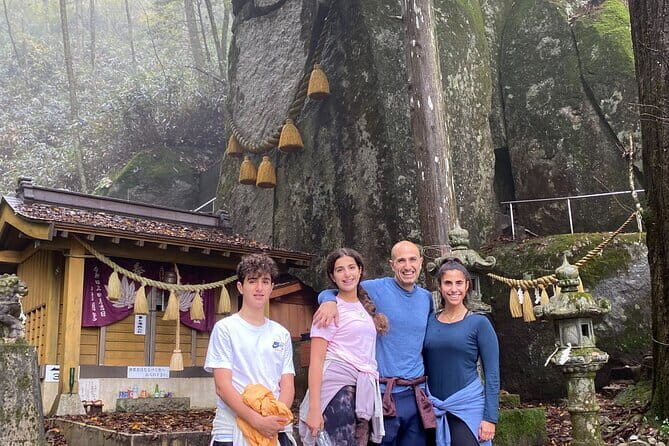
- The rock ritual: The cracked rock is tight enough that one person can barely pass through, and walking through three times clockwise is said to bring good luck.
- Plan around lunch cash: Lunch is not included, and you’ll pay about 1000 yen per person.
Other routes to the mountain, compared
- From Tokyo: Full-Day Mount Fuji Tour in English or Spanish★ 4.7 · 101 reviews
- Mount fuji and Hakone full day private tour with English gui★ 4.9 · 12 reviews
- Fuji/Hakone Private Tour, English speaking guide, Photograph★ 4.8 · 11 reviews
Mt. Ishiwari gives you Fuji views with real legs behind them
If you want the Mt. Fuji experience without just staring from a road, this hike hits the sweet spot. Mt. Ishiwari sits in the Yamanakako area, and the route is designed to bring you to high ground where Fuji’s scale feels almost unfair.
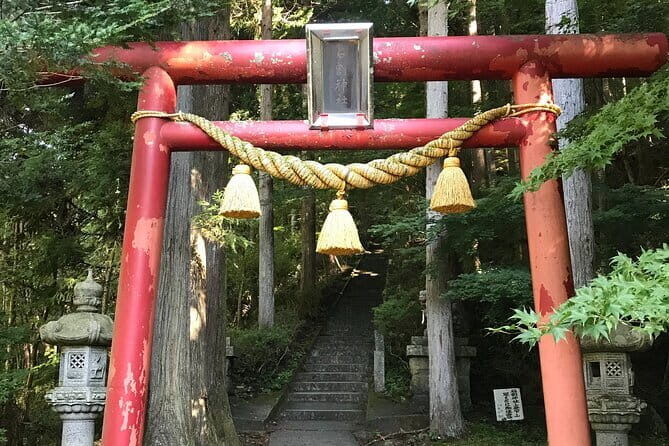
What makes it more interesting than a generic viewpoint stop is that the hike includes the Ishiwari Shrine area at the 8th station. You’re not only walking toward scenery; you’re moving through a place with a story tied to Japanese mythology.
This is also a good choice if you’re staying around Lake Kawaguchiko, Lake Yamanakako, or Fujiyoshida. You’ll be able to connect your day to the broader Fuji Five Lakes region instead of treating it like a one-off day trip.
Pickup, private transport, and gear that actually matters
The day starts at 9:00 am, and pickup is offered if you’re in the right area. That matters because it lowers the stress level: you don’t have to figure out buses and transfers when your legs will be doing the hard work later.
Once the tour starts, you’ll get the hiking setup you need. The package includes trekking shoes, trekking poles, rain jackets and pants, and gloves. Even if the forecast looks fine, having the rain gear ready is a big comfort in the Fuji mountains, where conditions can change quickly.
And yes, this is a private tour. Only your group participates, which gives you flexibility for slower moments on the stairs and time to stop for views without feeling rushed.
How the climb works: 400+ stairs at the beginning
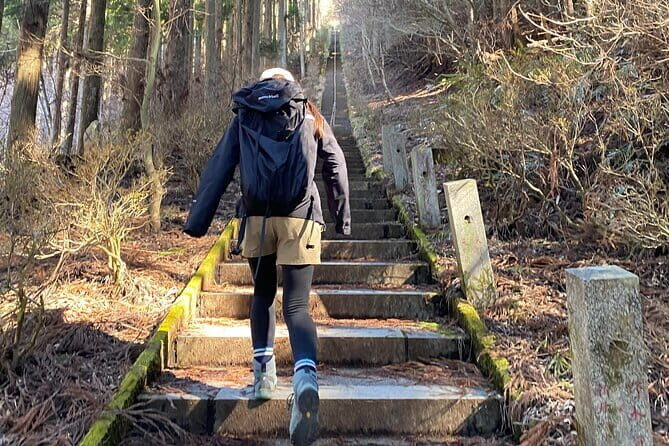
You’ll hike for about 3 to 3.5 hours, within a total tour time of roughly 5 hours. The route begins with more than 400 stairs, which means your first job is not speed. Your job is pacing.
Start steady. Early on, those stairs can trick you into going too hard because your legs feel fresh at the beginning. If you keep your effort even, you’ll arrive at the later sections calmer and more focused.
Since trekking poles are included, you can use them to take pressure off your knees. That’s a smart move here, because stairs plus a viewpoint hike is where fatigue usually sneaks up first.
Ishiwari Shrine at the 8th station: mythology + a serious rock
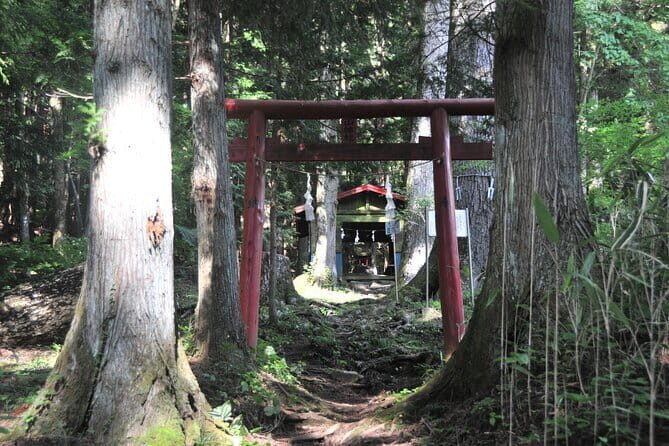
One of the most memorable parts of this tour is the stop at Mt. Ishiwari / Mt. Ishiwari (Ishiwari Shrine area) around the 8th station. The shrine stop centers on a large rock said to be connected to the Ama-no-Iwato mythology.
The detail that makes it stick is the rock’s shape and passage. The rock is cracked in a way that one person can barely pass through. And there’s a local belief that if you walk through it three times clockwise, it brings good luck.
Even if you’re not a ritual person, it’s a fascinating pause in the middle of the climb. It gives you a clear moment to reset, hydrate, and get ready for what comes next, instead of pushing straight through without landmarks.
More private options with your own guide
The last 30 minutes: steep, narrow, and where fitness shows
The hike’s challenge is real near the end. The last 30 minutes include a steep and narrow hill section, so your footing matters more than your stamina.
This is why the tour asks for moderate physical fitness. Moderate doesn’t mean you need to be an athlete, but you do need comfort with steep climbs and controlled steps. The good news is that the tour is private, so your guide can help keep your pace realistic for your group.
Bring the right mindset: treat it like a controlled climb, not a race. If you’re traveling with anyone who gets nervous on narrow paths, you’ll feel better if you plan slower breaks earlier in the hike.
The viewpoint stops: when Fuji looks huge
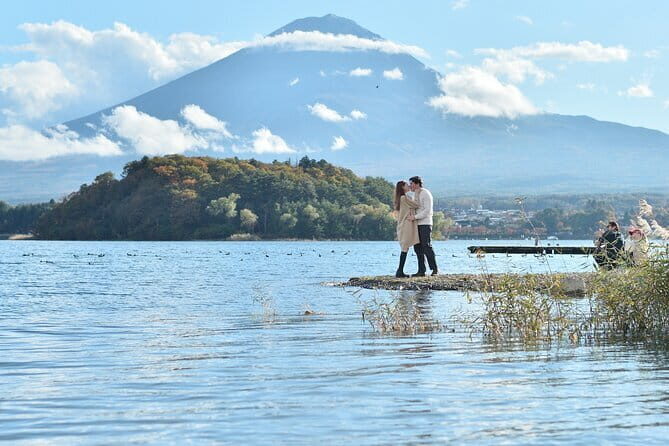
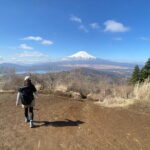
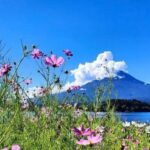
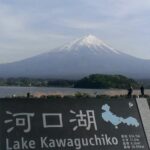
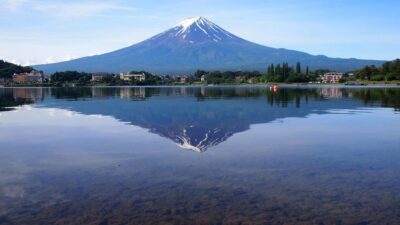
The itinerary includes time at multiple viewpoints after the toughest sections. You’ll enjoy great views of Mt. Fuji and Lake Kawaguchiko, and later you’ll also get an especially strong combination of Mt. Fuji and Lake Yamanakako.
That matters because Mt. Fuji doesn’t look the same from every angle. When you’re up high and the lakes are in the frame, Fuji’s shape feels more dramatic and more believable—like you’ve finally found the right stage for the mountain instead of only seeing it from roads.
From a comfort standpoint, these viewpoint moments are your reward for the climb. From a photography standpoint, they’re also the times when you can slow down and really frame the lakes and the mountain together.
Lunch at Menkyo-kaiden: Yoshida udon and a cash reminder

After hiking, you’ll eat Yoshida udon, a local specialty from Fujiyoshida. The lunch stop is around 30 minutes, and the guide takes you to a good place rather than leaving you to hunt around hungry.
Here’s a practical detail to plan for: lunch costs about 1000 yen per person, and you should prepare some cash. The tour does not include lunch, so budgeting matters more than usual on this one.
I like this setup for two reasons. First, it’s a local meal tied to the region you’re exploring. Second, you’re not spending your energy trying to coordinate your own lunch plan after a climb.
Why Yuki’s private guiding makes the day easier
The tour is led by Yuki (ゆうき). Based on what the tour feedback emphasizes, Yuki is friendly and fun, and he knows the Fuji region well enough to guide your day beyond just walking from point A to point B.
In practice, a good guide changes how the hike feels. You don’t just follow a path; you get help with timing, pacing, and where to stand for the best views. That matters most when the mountain is steep and when weather affects visibility.
Yuki’s role also extends to the cultural moment at the shrine and the flow of the day afterward. You’ll enjoy the hike, but you’ll also leave with a sense of why the stops are placed where they are.
Price and value: $117.27 that buys back time and comfort
At $117.27 per person, this isn’t an ultra-budget activity. But the value comes from what’s included and what you’re not doing yourself.
You’re paying for:
- Private transportation
- A private guide (Yuki)
- Included hiking gear (shoes, poles, rain gear, gloves)
- A full morning/early afternoon slot that’s built around climbing, viewpoints, and lunch timing
For many travelers, the most expensive hidden cost of a mountain day is friction: rental gear, last-minute purchases, missed views because you arrived at the wrong time, and the stress of logistics when you’re tired. This tour reduces that friction.
Also, group discounts are available, and that’s a real plus if you’re traveling with friends or family and can share the private setup.
Weather and booking timing: flexibility is your friend
This experience depends on good weather. If it’s canceled due to poor weather, you’ll be offered a different date or a full refund, so you’ll want to pick a day you can flex.
Mt. Fuji days are famously visibility-sensitive. Even when you’re on the mountain, clouds can erase the view, and clear weather makes a huge difference in how the lakes and Fuji layers show up from the viewpoints.
On planning timing, this tour is typically booked about 67 days in advance on average. That suggests you should not wait until the last minute, especially if your schedule is tight.
Who should book this hike (and who should skip it)
This tour is a good match if you:
- Want Mt. Fuji views that come from effort, not just a roadside photo
- Are comfortable with stairs and a steep final section
- Like combining scenery with a cultural stop (the shrine and rock ritual)
- Appreciate included gear so you can travel lighter
It’s less ideal if you:
- Have limited comfort with steep climbs or narrow paths
- Prefer fully level walking
- Want a casual, short “stretch your legs” outing instead of a true hike
Minimum age is 7 years old, and the guide expects moderate physical fitness. If you’re traveling with kids, plan to support them on stairs and the narrow final section.
Should you book this Private Hiking Tour to View Mt. Fuji?
I’d book it if you want a structured, private day that turns a Fuji view into an actual experience. The combination of gear included, a real climb, standout viewpoints over the lakes, and Yuki’s guiding makes it feel like a complete outing instead of a scavenger hunt.
I’d skip it only if the idea of 400+ stairs and a steep, narrow last section makes you uneasy. In that case, you’d likely enjoy Fuji more from an easier route where you can still take in the mountain without stress.
If you’re the type who likes to earn the view, this one is a strong pick. Just bring the right energy for the climb, carry cash for lunch, and aim for a day when the weather lets Fuji show up.
FAQ
What time does the tour start?
The start time is 9:00 am.
How long is the tour and how long is the hiking?
The overall tour is about 5 hours. The hike itself is about 3 to 3.5 hours.
Is pickup available?
Yes. Pickup is offered, and the tour includes private transportation.
What should I know about fitness and the hike difficulty?
You should have moderate physical fitness. The hike includes 400+ stairs at the beginning and a steep and narrow section during the last 30 minutes.
What gear is included?
The tour includes trekking shoes, trekking poles, rain jackets and pants, and gloves.
Is lunch included, and do I need cash?
Lunch is not included. Plan for about 1000 yen per person, and it’s best to have cash.
Is this tour private and are there age limits?
Yes, it’s private with only your group. The minimum age is 7 years old.
More Tours in Fujiyoshida
More Tour Reviews in Fujiyoshida
The Fuji Shortlist: Other Days Out to the Mountain
Fresh reviews from around Fujiyoshida

Mt Fuji Day Trips, compared.
 ★ 4.0Mt Fuji & Hakone Cruise, Drum Show Bullet Train 1 Day from TokyoFrom $1497,413 reviews
 ★ 4.4Tokyo Mt Fuji 5th St & Hakone Cruise Bus Tour w/Bullet TrainFrom $1545,024 reviews
 ★ 4.5From Tokyo: Mount Fuji Full-Day Sightseeing TripFrom $684,970 reviews
 ★ 4.7Mt. Fuji Tour, Hakone Ropeway, Owakudani, Lake AshiFrom $544,002 reviews
 ★ 5.0Private Tour to Mt. Fuji and Hakone (Fully Licenced Operator)From $4971,910 reviews
 ★ 4.9Mount Fuji Full-Day Private Tour from Tokyo (Customizable)From $3931,470 reviews
 ★ 4.0Mt Fuji & Hakone Cruise, Drum Show Bus 1 Day from TokyoFrom $1221,287 reviews
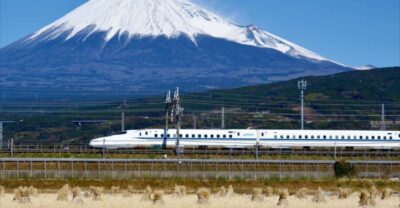 ★ 4.2From Tokyo: Mt. Fuji & Hakone Tour w/ Return by Bullet TrainFrom $1171,278 reviews
Browse the lists this tour appears in