
Reviewed · MT FUJI DAY TRIPS
Fuji/Hakone Private Tour, English speaking guide, Photograph
One day, two iconic backdrops.
This private trip is built for big scenery without the stress of figuring out trains. You get an English-speaking guide plus a professional photographer, and you control the pace—what you see, and how long you stay. I especially like the flexible itinerary choices and the photo-focused guidance that helps you get the shot, not just look at it. The main catch: weather can change everything around Mount Fuji, and you’ll do a moderate amount of walking at several viewpoints.
What makes it work in real life is the human factor. In the best cases, you’ll be with Ahamed—praised for staying calm, driving safely, and adjusting the plan based on what the day is giving you. I also like that the day is structured enough to feel full, but loose enough that you can swap priorities when clouds roll in or when you want more time at a favorite stop.
One more thing to plan for: lunch is in your hands, and entrance fees aren’t included. That’s normal in Japan, but it means you should budget for meals and any paid sights on the ground. Still, for a private group up to 5 people, this can be a very efficient way to see Fuji and Hakone in one go.
In This Review
- Key highlights that actually matter
- From Tokyo to Fuji: how the day flows
- Oshino Hakkai: the ponds that mirror Mount Fuji
- Mount Fuji 5th Station: when the mountain gets personal
- Chureito Pagoda: classic framing for Fuji photos
- Lunch near Fujikawaguchiko: eat where you want
- Lake Kawaguchiko and the Fuji Five Lakes moment
- Oishi Park: flowers, shoreline views, and a breather
- Kitaguchi-hongu Fuji Sengen Shrine: quiet inside all the scenery
- Saiko Iyashi-no-Sato Nenba: a living village stop
- Adding Hakone: when the day turns volcanic and watery
- What you pay for: value of the $357 group price
- Comfort tips so the day stays fun
- Who this private Fuji/Hakone day trip fits best
- Should you book this Fuji/Hakone private tour?
- FAQ
- How many people can be in a group for this tour?
- What is included in the tour price?
- What’s not included?
- Can I see both Fuji and Hakone in one day?
- Where does pickup and drop-off happen?
- Is the tour wheelchair accessible?
Key highlights that actually matter
- Private pickup across Tokyo, Saitama, and Yokohama with your own air-conditioned van and WiFi
- English guide plus professional photographer who steers you to strong photo angles
- Oshino Hakkai ponds and Chureito Pagoda for classic Mount Fuji views in one day
- Hakone option with Owakudani steam and Hakone Ropeway for a real change of scenery
- Lunch at Fujikawaguchiko is your choice—you’re not locked into one set menu
- You’ll get water and parking handled, but you still pay for food and entrance fees
Other routes to the mountain, compared
- From Tokyo: Full-Day Mount Fuji Tour in English or Spanish★ 4.7 · 101 reviews
- Mount fuji and Hakone full day private tour with English gui★ 4.9 · 12 reviews
- Fuji/Hakone Private Tour, English speaking guide, Photograph★ 4.8 · 11 reviews
From Tokyo to Fuji: how the day flows
This is a proper one-day reset from Tokyo. You’ll start with hotel pickup from several areas (Tokyo, Saitama, and Yokohama), then get a private ride toward the Mount Fuji region. The day includes a longer van leg—think about two hours of transit before the first major stop—so set your expectations: this is a day you’ll live in the car and outside of it.
The best part is that it’s private, so you’re not stuck watching everyone else’s pace. You’re free to linger, move faster, or reorder emphasis depending on what you care about most—sharp Fuji views, photography time, shrine stops, or a longer lunch.
And yes, you can end up seeing both sides of the Fuji/Hakone area in the same day. That’s the tradeoff: it’s a lot of stops, so you’ll want comfortable shoes and a flexible mindset.
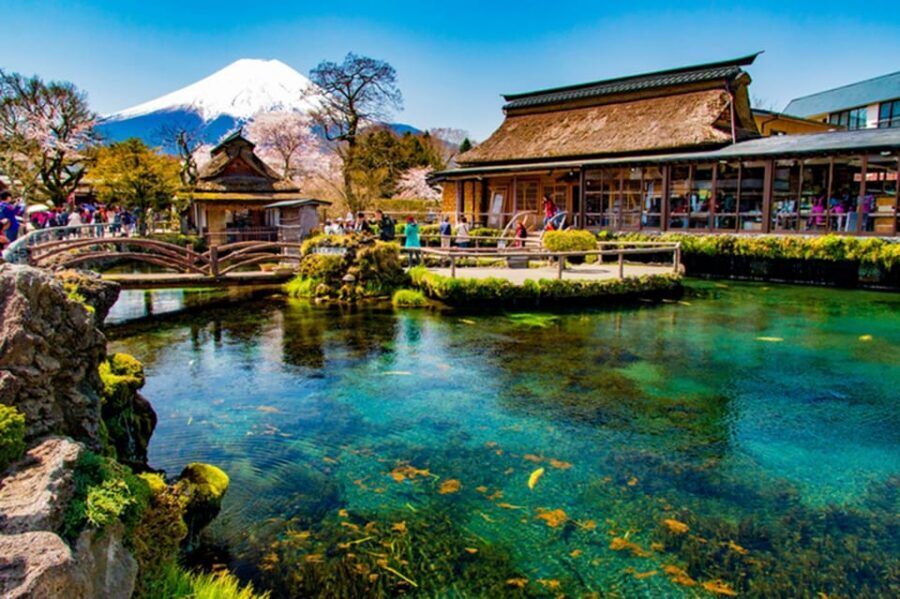
Oshino Hakkai: the ponds that mirror Mount Fuji
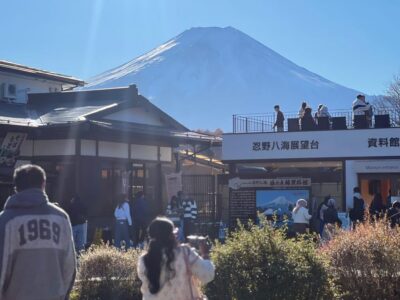
Oshino Hakkai is where the day turns calm. You’ll walk through a village known for crystal-clear ponds fed by snowmelt from Mount Fuji. The reason this stop is so loved is simple: on a clear day, the water gives you strong reflections, and the setting feels more traditional than the bigger tourist hubs.
You get around 45 minutes here, which is enough to stroll at a relaxed speed, look around, and do some shopping without feeling rushed. The walk is easy, but you’re still on your feet, and the ground can be uneven in spots—bring shoes you trust.
If you care about photos, this is a smart early move. The lighting is often gentler earlier in the day, and you can get both wide shots and close-up pond details before the day gets busier elsewhere.
Mount Fuji 5th Station: when the mountain gets personal
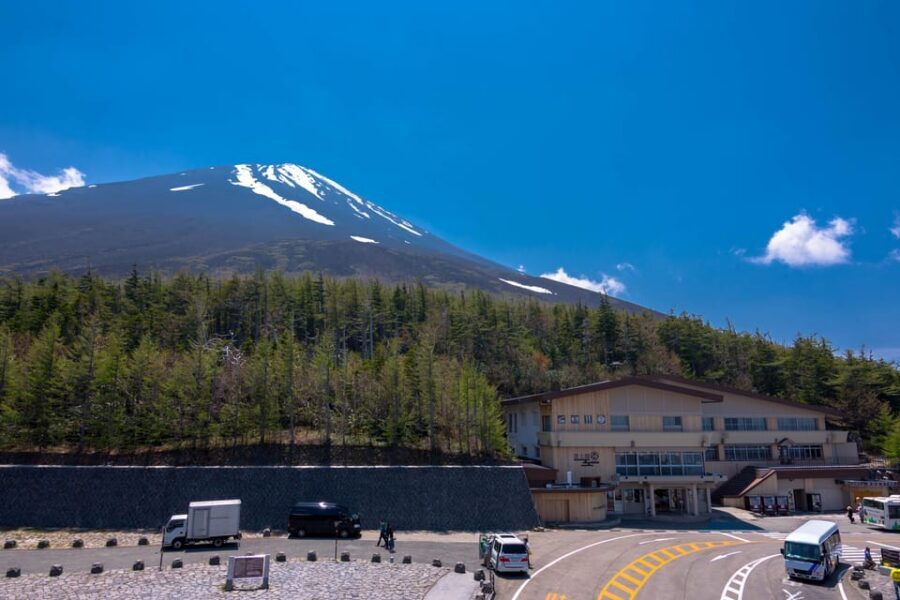
Next comes the Mount Fuji 5th Station, with about 1.5 hours dedicated to the visit. This is your chance to get higher up in the Fuji experience, not just view the mountain from town.
Even when Fuji isn’t perfectly visible, the station area can still feel dramatic because you’re close to the volcanic terrain and cloud layers. When it is clear, the views can be the kind that make you stop walking mid-sentence and just stare for a moment.
A practical note: the weather can swing fast at altitude. Pack warm layers. The included guidance about dressing for changing conditions isn’t dramatic marketing—it’s the difference between enjoying the stop and feeling miserable.
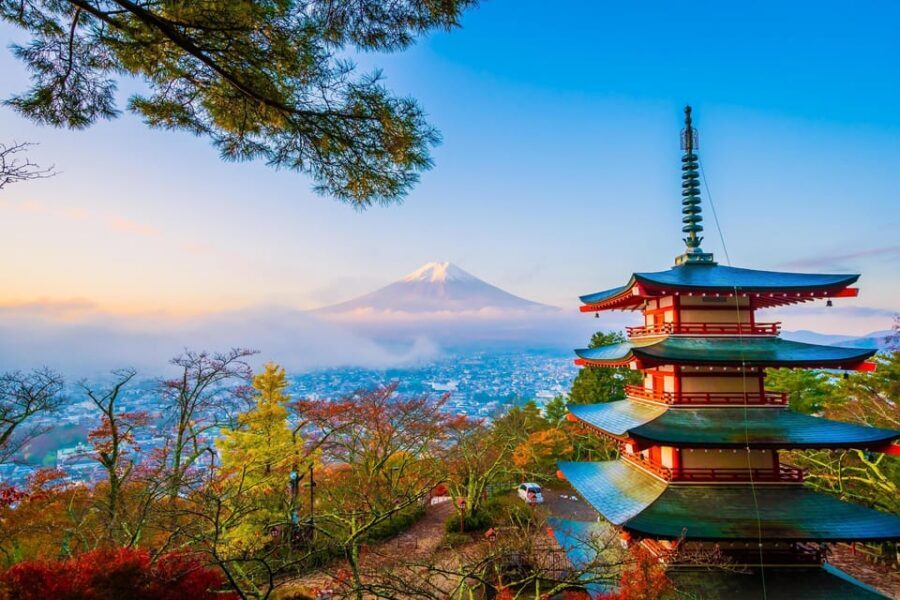
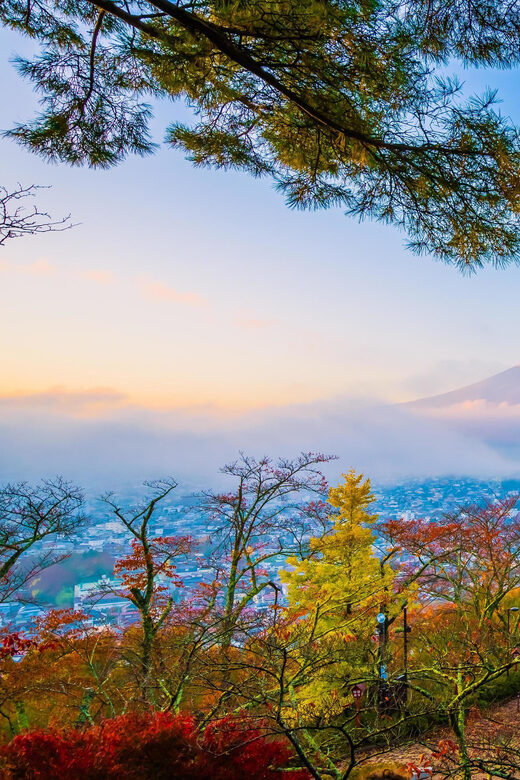
Chureito Pagoda: classic framing for Fuji photos
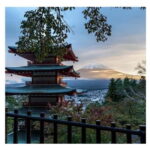
After your higher-altitude time, you’ll head to Chureito Pagoda, typically about 45 minutes. This five-story pagoda is famous because it creates a clean, iconic frame with Mount Fuji in the background.
This stop is ideal for photography for two reasons:
1) the pagoda gives you a built-in composition, and
2) you can walk a little to find better angles without needing complicated equipment.
Your guide and photographer can help with timing and placement so you’re not just standing where everyone stands. And because it’s a short, focused stop, you won’t feel like you missed it if the line or crowds shift.
More Hakone loops, ropeways and lake crossings
Lunch near Fujikawaguchiko: eat where you want
At Fujikawaguchiko, you get a break time and a 45-minute lunch window. What I like here is that lunch isn’t handled as a forced set meal. You can pick a local eatery, which matters in Japan—sometimes the best choice is the one five minutes off the main drag.
This is also a good moment to refill energy before the later pond-and-lakeside walking. In one of the best guide stories from the day, the guide even pointed out a local noodle option—exactly the kind of small tip that turns a simple lunch into a memorable one.
Keep in mind: food isn’t included, so you’ll pay your own way. But having your hands on lunch often gives you better value than a generic included meal.
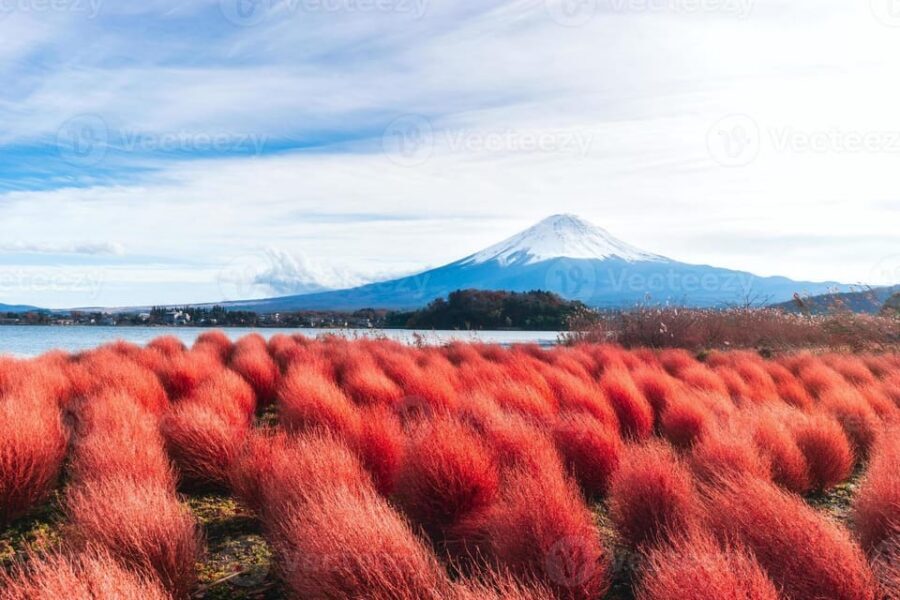
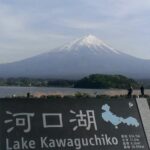
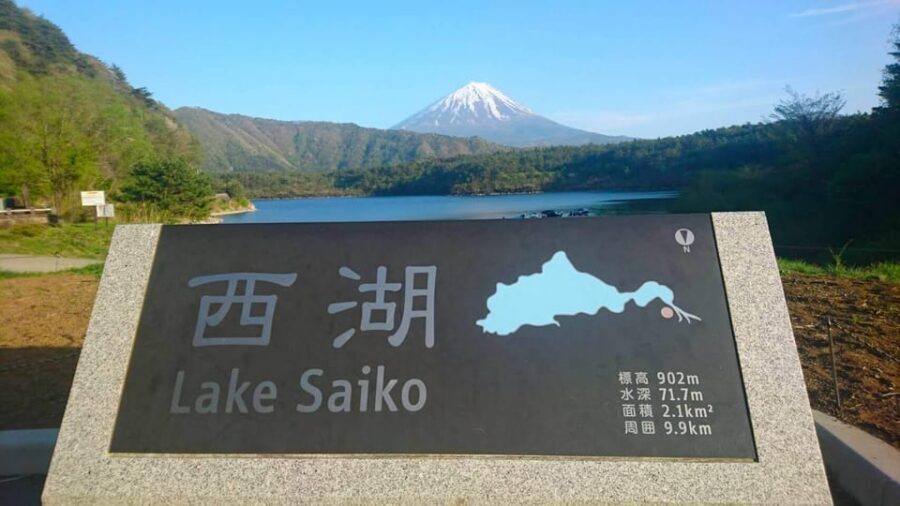
Lake Kawaguchiko and the Fuji Five Lakes moment
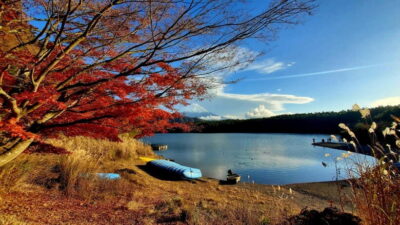
Then you’ll reach Lake Kawaguchiko, part of the Fuji Five Lakes area. You’ll have around 30 minutes here, with time for sightseeing and options like an airboat ride and duck boat ride.
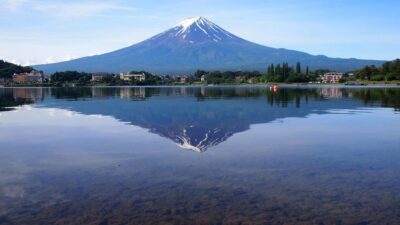
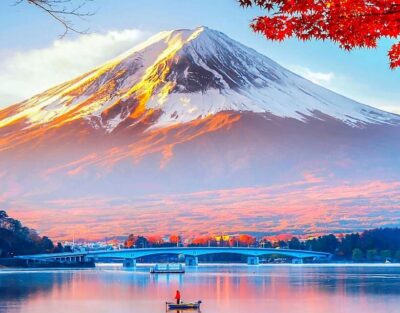
This is where Fuji becomes a reflection game. On a clear day, you get that famous mirror effect—Mount Fuji appears in the calm water. Even when the mountain is partly obscured, the lake still works because you’re surrounded by the rhythm of boats, shoreline views, and that “pause the day” feeling.
If you’re thinking about photos: this is one of the best places in the region for “I can’t believe that’s real” pictures, especially if your guide times your walk and positions you thoughtfully.
Oishi Park: flowers, shoreline views, and a breather
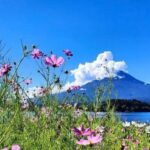
From the lake, you’ll go to Oishi Park for about 30 minutes. This is a garden area with blossoms and views framed by the lake and Mount Fuji. Even if you’re not traveling for flowers, it’s a good break in pace after the earlier sightseeing.
You’ll also have time to relax at a café. One of the small but nice perks of this stop is that you can reset mentally—sit down, grab a treat, and take photos without feeling like you’re “racing” the itinerary.
Oishi Park works particularly well in seasonal transitions. If you’re traveling in spring or autumn, the weather volatility is part of the deal, but the seasonal color can make the views feel extra.
Kitaguchi-hongu Fuji Sengen Shrine: quiet inside all the scenery
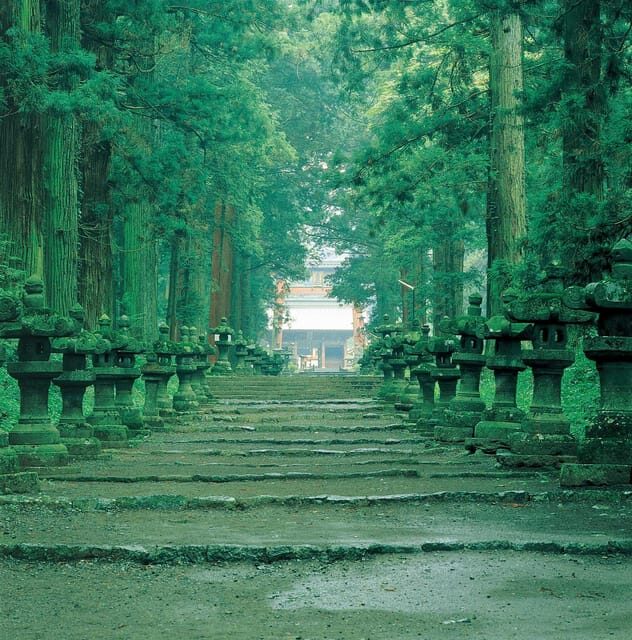
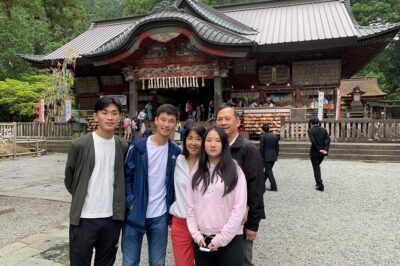
Next is Kitaguchi-hongu Fuji Sengen Shrine, with around 30 minutes. This is your calmer, more spiritual break, tucked among towering cedar trees. If you’ve only associated Fuji with views and postcards, this stop helps you connect Fuji with faith and ritual.
You’ll walk and sightseeing here, and because it’s shorter, it fits neatly into the “see a lot in one day” structure without turning into a long detour.
It’s a good place to slow down your body a bit before the later pacing ramps up again.
Saiko Iyashi-no-Sato Nenba: a living village stop
After the shrine, there’s time at Saiko Iyashi-no-Sato Nenba (about 30 minutes). This stop is guided and sightseeing-based, focused on a traditional village atmosphere.
The value here isn’t just the buildings—it’s the sense that you’re seeing how the area lived when Fuji wasn’t a “tourist brand.” If you want a break from pure photo stops, this is a solid option because it adds context.
It’s also a manageable time length. You get enough to feel it, but not so long that the day starts to collapse.
Adding Hakone: when the day turns volcanic and watery
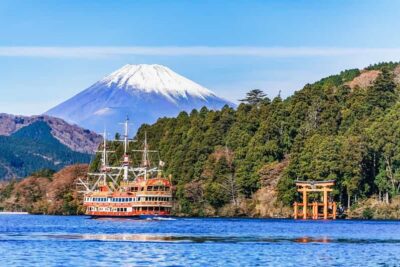
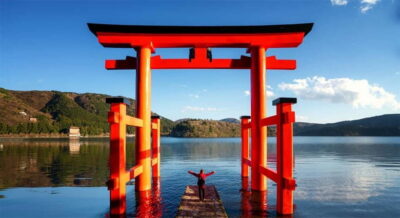
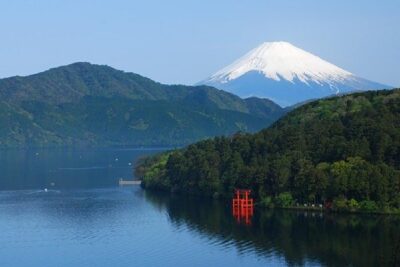
The tour can also continue onward into Hakone, and if you go this route, the mood changes fast. Instead of reflection shots and shrine calm, you get steam, cable cars, and lake views with that famous torii gate vibe.
First, you’ll handle some transfer time (another scenic drive leg is built in), then arrive at Owakudani Valley. Here, you’ll spend about 30 minutes with sightseeing and a cable car ride. Expect geothermal activity—steam rising from the earth is the star attraction. You can also try the famous black eggs that are associated with the area’s volcanic heritage.
Next comes Hakone Ropeway (about 1 hour of sightseeing and cable car time). This portion is about the views—riding above the valley and looking down into the terrain that makes Hakone feel so different from the Fuji towns.
Finally, you’ll visit Hakone Shrine for about one hour, which gives you a last scenic anchor before heading back.
If you’re the kind of traveler who likes variety more than repetition, this Hakone add-on is the smart move. It’s not just more scenery; it’s a different kind of scenery.
What you pay for: value of the $357 group price
The price is $357 per group up to 5 people for a full day. That’s not a “per person” deal, which matters a lot when you’re traveling as a family or small group.
Here’s the simple math:
- With 5 people, you’re effectively paying about $71 per person.
- With 2 people, it jumps to roughly $179 per person.
So the best value is when you fill the group size. Still, even if you’re a solo traveler, the privacy can be worth it if you want zero coordination headaches and a guide who can tailor stops around your interests.
What you’re getting for that price is practical, not fluff:
- hotel pickup and drop-off
- an English-speaking guide
- a private air-conditioned vehicle with WiFi
- bottled water, parking fees
- and a professional photographer
What you’re not getting:
- food and drinks
- entrance fees
That means budgeting matters. Also, since the day runs tightly, having your guide help with timing can save you from wasting time hunting down meals or buying tickets on the fly.
Comfort tips so the day stays fun
You’ll walk. That’s the big one. You’ve got multiple stops with walking time—some are short, but added together they count. The tour data calls it a moderate amount, which is accurate: you won’t be hiking, but you’ll be on your feet.
Bring:
- comfortable shoes
- warm clothing (especially if weather shifts)
- a hat and sunscreen
- a camera (you’ll want it)
If you’re traveling in spring or autumn, don’t assume the weather will behave. Plan like Fuji visibility might be hit-or-miss. That’s exactly why flexibility matters: you can adjust and still have a great day even if the mountain plays coy.
One small behavior tip: avoid smoking, and skip alcohol during the day if you want to stay sharp for photo stops and walking.
Who this private Fuji/Hakone day trip fits best
This works especially well if you want:
- privacy (no waiting around for strangers)
- strong photo help and a guide who knows where to stand
- a day trip that covers both Fuji and Hakone without you building the route yourself
- an English-speaking guide for easier museum-free cultural context (shrines, village stop, temple framing)
It’s also a good fit for families. One group specifically praised the guide for making it easy to bring kids and adjusting the day around what everyone needed.
If you’re a couple who wants romance plus photos, it’s a strong match too—Fuji views plus Hakone steam and cable cars gives you variety without changing hotels.
Should you book this Fuji/Hakone private tour?
Yes, if you care about having a plan and also having flexibility. The best parts of this experience are the combination of a private schedule, English guidance, and photo-focused support—plus the fact that the day can cover both Fuji and Hakone in one shot.
Book it if:
- you want a clean way to escape Tokyo without transfers complexity
- you’d rather pay for a guide than spend your day guessing where to stand
- you’re traveling with up to 5 people and can maximize the group price
Hold off if:
- you’re allergic to walking (the day is active, even if it’s not hiking)
- you need guaranteed Mount Fuji views no matter the weather
If you’re flexible and prepared, this is the kind of day trip that turns a single calendar day into a stack of “how is this real” images.
FAQ
How many people can be in a group for this tour?
The price is $357 per group, and the tour is for up to 5 people. It’s a private group, so you won’t be mixed with other strangers.
What is included in the tour price?
Included are hotel pickup and drop-off, an English-speaking guide, a private air-conditioned vehicle with WiFi, professional photographer, bottled water, and parking fees.
What’s not included?
Food and drinks are not included. Entrance fees are also not included.
Can I see both Fuji and Hakone in one day?
Yes. The experience can include two areas in one day, covering both the Mount Fuji side and the Hakone side (with options like Owakudani and Hakone Shrine).
Where does pickup and drop-off happen?
Pickup is possible from multiple locations including Fujiyoshida, Hakone, Yokohama, Saitama, and Tokyo (excluding Naita Airport). Drop-off is available in Yokohama, Saitama, Tokyo, Fujiyoshida, and Hakone.
Is the tour wheelchair accessible?
Yes, the tour is marked as wheelchair accessible.
More Tour Reviews in Fujiyoshida
Hakone, Three More Ways
The Fuji Shortlist: Other Days Out to the Mountain
Fresh reviews from around Fujiyoshida

Mt Fuji Day Trips, compared.
 ★ 4.0Mt Fuji & Hakone Cruise, Drum Show Bullet Train 1 Day from TokyoFrom $1497,413 reviews
 ★ 4.4Tokyo Mt Fuji 5th St & Hakone Cruise Bus Tour w/Bullet TrainFrom $1545,024 reviews
 ★ 4.5From Tokyo: Mount Fuji Full-Day Sightseeing TripFrom $684,970 reviews
 ★ 4.7Mt. Fuji Tour, Hakone Ropeway, Owakudani, Lake AshiFrom $544,002 reviews
 ★ 5.0Private Tour to Mt. Fuji and Hakone (Fully Licenced Operator)From $4971,910 reviews
 ★ 4.9Mount Fuji Full-Day Private Tour from Tokyo (Customizable)From $3931,470 reviews
 ★ 4.0Mt Fuji & Hakone Cruise, Drum Show Bus 1 Day from TokyoFrom $1221,287 reviews
 ★ 4.2From Tokyo: Mt. Fuji & Hakone Tour w/ Return by Bullet TrainFrom $1171,278 reviews
Browse the lists this tour appears in