
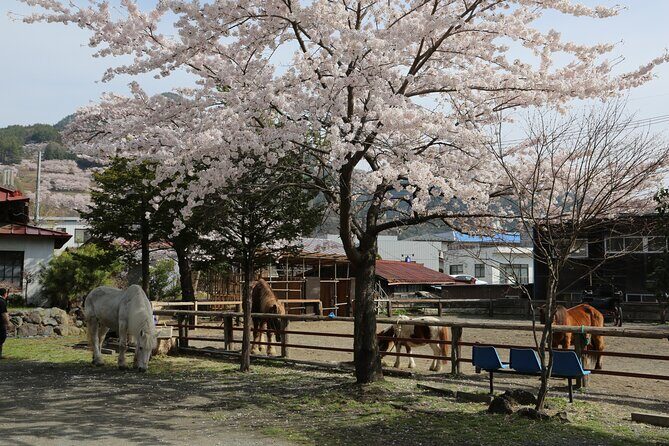
Reviewed · MT FUJI DAY TRIPS
Yabusame Adventure with Mt. Fuji Views
Horseback archery with Mt. Fuji in view. It’s a hands-on beginner Yabusame session in Fujiyoshida, built around an old Shinto shrine setting and guided practice with arrows and a real horse. I love the traditional dressing and shrine start, because it makes the whole thing feel grounded in Japanese ritual, not just a stunt.
My second favorite part is the horse training side. You ride native Japanese Kiso horses, learn the basics first, and get steady coaching so you’re not guessing with an unfamiliar sport. I also appreciate the focus on wellbeing for both guests and the horses.
One big consideration: there’s a rider weight limit for safety. The experience uses smaller Kiso horses, so you’ll need to stay within the stated 85–90 kg range, with a 90 kg weight limit.
In This Review
- Key points before you go
- Why Yabusame near Mt. Fuji feels more than a photo stop
- Arriving at Omurosengenjinja-Jinmesha and stepping into the role
- Getting comfortable on Kiso horses: the beginner plan that reduces panic
- The Yabusame challenge: shooting from the sacred grounds
- Mt. Fuji views, weather realities, and smart timing
- Price and value for a 2-hour private experience
- Who this tour suits best (and who might choose the alternatives)
- Should you book Yabusame with Mt. Fuji views?
- FAQ
- Where does the Yabusame experience start?
- How long is the experience?
- Is this a private tour?
- What’s included in the price?
- What if I’m a complete beginner?
- Is there a rider weight limit?
- Does the tour run in bad weather?
- Is transportation to my hotel included?
- Do I get a ticket on my phone?
- Can other guests do something else instead of riding and shooting?
- FAQ
- Question goes here
Key points before you go
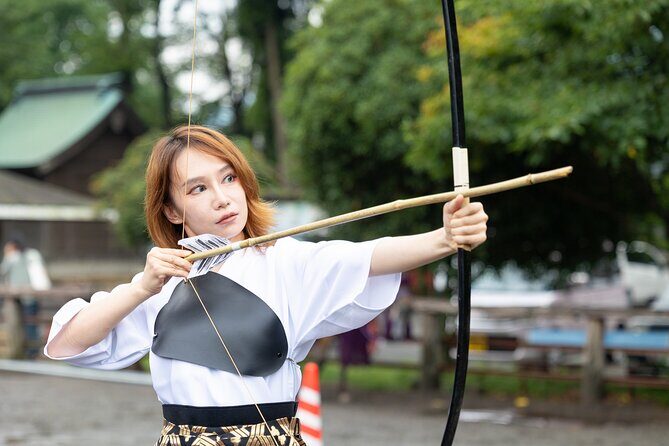
- Beginner-first Yabusame: You practice before you shoot on the sacred grounds.
- Omurosengenjinja-Jinmesha setting: The shrine atmosphere is part of the experience, not background noise.
- Kiso horses: Native Japanese horses, slightly smaller than Western breeds, with clear safety limits.
- Traditional outfit and gear rental: You’ll get kitted out properly for the activity.
- Private group time: It’s just your group for the session.
- Animal welfare mission: Retired horses get a second career, paired with cultural preservation.
Other routes to the mountain, compared
- From Tokyo: Full-Day Mount Fuji Tour in English or Spanish★ 4.7 · 101 reviews
- Mount fuji and Hakone full day private tour with English gui★ 4.9 · 12 reviews
- Fuji/Hakone Private Tour, English speaking guide, Photograph★ 4.8 · 11 reviews
Why Yabusame near Mt. Fuji feels more than a photo stop
Yabusame is one of those Japanese traditions that sounds almost impossible until you see it up close. The idea is simple: you ride and shoot arrows, but the way it’s done ties into Shinto ground, ritual timing, and respect for both horse and environment. Here, the Mt. Fuji surroundings are part of why the experience grabs you. Even if the mountain is partly hidden by weather, the setting around Fujiyoshida still gives you that big, calm sense of place.
What I like is that this version is built for people who are new. You’re not thrown straight into the hardest version of the sport. Instead, you get a structured sequence that starts with dressing for Yabusame, then moving into instruction for riding and archery fundamentals, then finally doing the challenge.
There’s also a practical “why this matters” angle. The provider’s whole mission is wellbeing, not just guest satisfaction. They work with retired horses, giving them a second career in tourism rather than having the horses quietly fade out of public life. If you care about animals and you want your experience to mean something beyond your own thrill, that’s a real plus.
Arriving at Omurosengenjinja-Jinmesha and stepping into the role
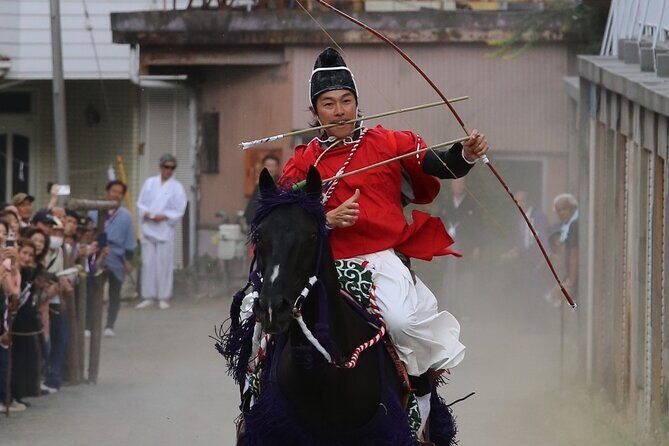
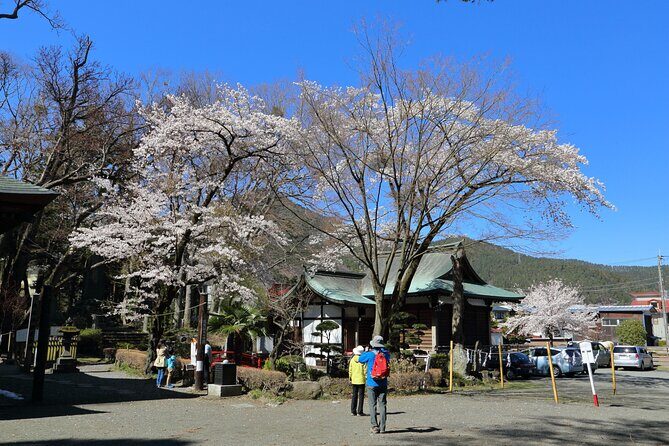
Your session centers on a real shrine location: Omurosengenjinja-Jinmesha. When you arrive at the meeting point in Shimoyoshida, the atmosphere shifts fast. You’re not just waiting for the action to start—you’re already in the space where the tradition lives.
Then you begin with the dressing portion. You’ll wear traditional Yabusame clothes and use the provided equipment. For first-timers, this helps more than you might expect. It gives you the right posture cues and context for what you’re about to do. It also keeps the focus on the experience, instead of everyone wondering what outfit would be “correct” for the moment.
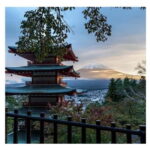
You’ll also visit the nearby Shinto shrine as part of the flow. That shrine stop matters because it frames the activity as a cultural practice with a setting, not just a sporting demo. You can feel the difference between standing in a scenic area and being guided on sacred grounds.
Practical note: the activity ends back at the meeting point. So you’re not stuck trying to solve your own last-mile transportation right after the session.
Getting comfortable on Kiso horses: the beginner plan that reduces panic
After the shrine-and-outfit part, you meet your horses and get instruction. This is where beginners usually worry the most: Can I handle the horse? Can I shoot with a bow while moving? In this experience, the pacing is the safety net.
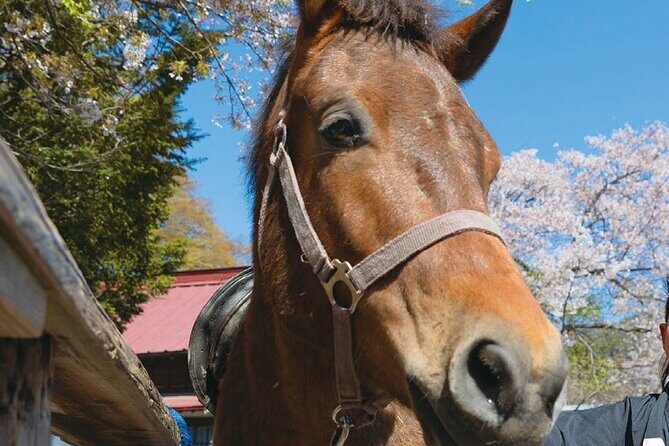
The session uses native Japanese Kiso horses, which are smaller than Western breeds. That choice isn’t random—it affects both safety and comfort. Because of this, there’s a firm weight limit: plan for 90 kg max for riders, and the guidance also notes a recommended range of 85–90 kg for safety.
Once you’re matched with your horse, the instructors walk you through riding basics and the fundamentals of arrow shooting. The goal is to get you moving with confidence before any “challenge” moment. You’re not expected to show up already knowing horse control or archery form.
This is also where the wellbeing focus shows up in a concrete way. If your horse is treated as a partner in the process, the whole session tends to feel calmer. You’ll spend time forming a connection with the horses, which helps a beginner relax. That connection piece isn’t just sentimental; it supports balance, timing, and how your body reacts when the horse is in motion.
The Yabusame challenge: shooting from the sacred grounds
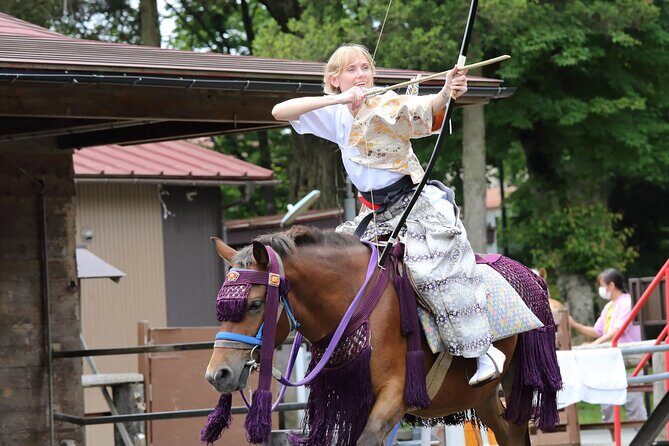
Once you’re prepared, you take part in the Yabusame challenge. This is the moment where the experience goes from instruction to action. You’ll be shooting arrows while riding on the sacred grounds of the shrine.
For beginners, the biggest payoff is that you get to experience the real structure of Yabusame rather than doing a simplified “trick” version. Even if you’re still learning, you get the full rhythm: mount, hold position, focus on arrow shooting, then try to coordinate everything while the horse moves.
The shrine grounds add something subtle: you’re practicing in a space that looks and feels set apart. It encourages good form and careful movement. In practical terms, it’s harder to treat it like a theme-park activity, because the setting pushes you into a more respectful mindset.
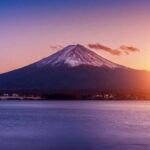
This is also where the Mt. Fuji surroundings can heighten the moment. If skies are clear, you might get views that make your brain go quiet. If not, you’ll still be in Fujiyoshida’s shrine-and-horse world, which is part of why this experience works year-round.
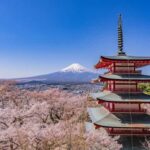
Mt. Fuji views, weather realities, and smart timing
The tour is sold as a Mt. Fuji view experience, and the Fujiyoshida area often delivers. Still, you should treat weather as part of the plan. The experience requires good weather, and if it’s canceled due to poor weather, you’ll be offered a different date or a full refund.
So how do you work with that? Keep your schedule flexible. If you’re building your itinerary around only this one Mt. Fuji moment, try to avoid putting it on the one day you cannot change.
One more thought: even when Mt. Fuji isn’t perfectly visible, the activity itself stays worthwhile because the real focus is the Yabusame tradition and the shrine setting. You’re not only chasing a single skyline view. You’re learning a cultural practice with horses, arrows, and a carefully guided pace.
Price and value for a 2-hour private experience
The price is $130.31 per person for an experience that runs about 2 hours (approx.). It’s listed as private, meaning it’s only your group participating.
On value, here’s how I’d think about it:
- You’re paying for more than instruction. You get traditional clothes and equipment rental, plus time with trained instructors and the horse itself.
- You’re doing a beginner-friendly version that steps you into a complex sport (riding + archery) rather than only showing you what to do.
- The private format can be worth it if you’re traveling with a partner or small group and you want time and attention that doesn’t get shared with strangers.
It’s not a long activity, and that’s the tradeoff. Two hours is enough to learn fundamentals, feel safe, and take part in the challenge—but it’s not an all-day deep training course. If you’re hoping for lots of repeated shots, you might feel the session ends quickly. If you want a first taste done well, the length is a strength.
Also note: transportation to your hotel isn’t included. The session ends back at the meeting point, so plan onward travel from there.
Who this tour suits best (and who might choose the alternatives)
This experience is clearly designed for beginners. If you’ve never ridden a horse or shot a bow, you’re in the right place. The coaching-first structure is the whole point.
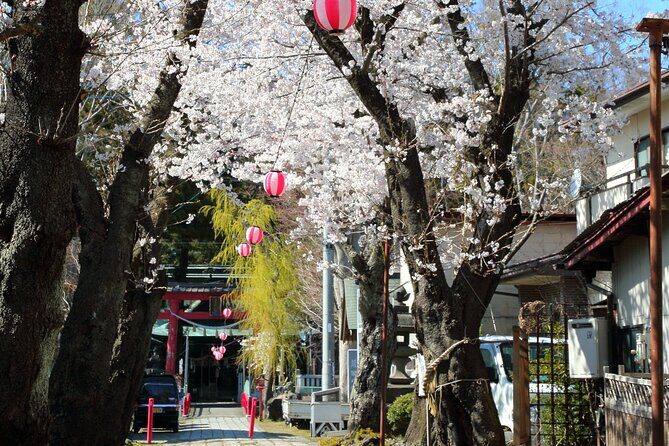
It also suits people who want more than a checklist activity. You’re learning a less-common Japanese tradition, and you’re doing it in the setting where it’s practiced, not in a generic riding arena.
A key fit factor is rider weight. If you’re near the upper range, double-check that you fall within the 90 kg limit. If you’re over, this specific option may not be the right match.
If you’re traveling with someone who doesn’t want to ride or shoot, the provider offers alternatives: a horse-drawn carriage ride through Fujiyoshida city or a horse interaction experience. That can make the trip easier to plan for mixed groups—say, one person wants the Yabusame challenge and another wants a calmer horse day.
Service animals are allowed, and the site is near public transportation. So you’re not starting from a remote place where you’ll burn half your day figuring out logistics.
Should you book Yabusame with Mt. Fuji views?
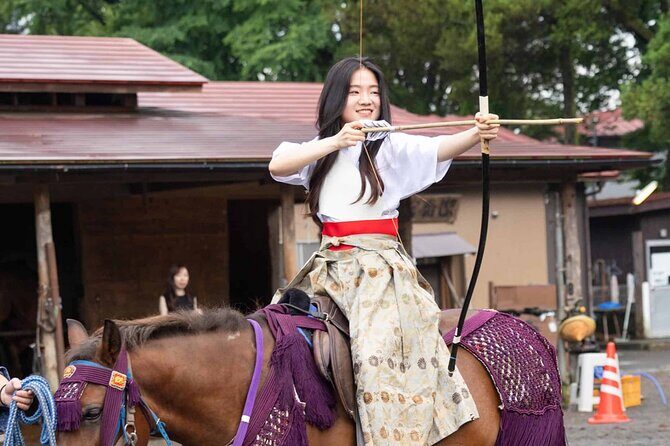
Book it if you want a beginner-friendly introduction to Japanese horseback archery with real guidance, real horses, and a shrine setting that adds meaning. The price is reasonable for the mix of training time, traditional outfit and equipment rental, and the chance to do the full Yabusame challenge rather than watching from the side.
Skip it or rethink if the weight limit doesn’t work for you, or if you can’t flex your schedule for weather. Also, if you’re the type who hates any uncertainty at all—like riding anything unfamiliar—go in with the mindset that this session is built to get you comfortable first.
If your goal is a hands-on cultural activity in Fujiyoshida with a shot at Mt. Fuji in the background, this is a strong choice.
FAQ
Where does the Yabusame experience start?
The activity meets at FujisanSimomiya OmuroSengen Jinja, 3-chōme-32-18 Shimoyoshida, Fujiyoshida, Yamanashi 403-0004, Japan.
How long is the experience?
It lasts about 2 hours (approx.). The exact timing may vary slightly depending on group size.
Is this a private tour?
Yes. It’s a private tour/activity, and only your group will participate.
What’s included in the price?
Traditional clothes and equipment rental are included.
What if I’m a complete beginner?
This is a beginner-friendly version of Yabusame, with instruction on riding and arrow shooting designed for people who are new to it.
Is there a rider weight limit?
Yes. Because native Japanese Kiso horses are smaller than Western breeds, there’s a safety weight limit of 90 kg.
Does the tour run in bad weather?
The experience requires good weather. If it’s canceled due to poor weather, you’ll be offered a different date or a full refund.
Is transportation to my hotel included?
No. Transportation to your hotel after the activity concludes is not included.
Do I get a ticket on my phone?
Yes. The experience uses a mobile ticket.
Can other guests do something else instead of riding and shooting?
Yes. Other guests are welcome to enjoy a horse-drawn carriage ride through Fujiyoshida city or a horse interaction experience instead.
FAQ
Question goes here
Answer paragraph
More Tour Reviews in Fujiyoshida
The Fuji Shortlist: Other Days Out to the Mountain
Fresh reviews from around Fujiyoshida

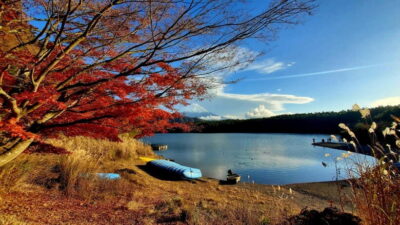
Mt Fuji Day Trips, compared.
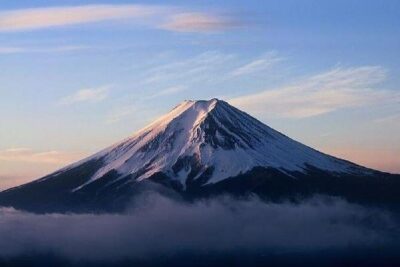 ★ 4.0Mt Fuji & Hakone Cruise, Drum Show Bullet Train 1 Day from TokyoFrom $1497,413 reviews
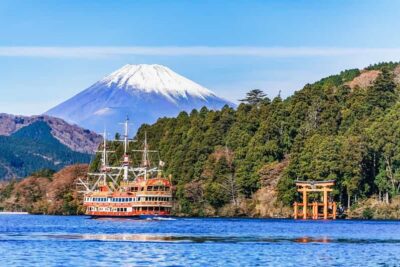 ★ 4.4Tokyo Mt Fuji 5th St & Hakone Cruise Bus Tour w/Bullet TrainFrom $1545,024 reviews
 ★ 4.5From Tokyo: Mount Fuji Full-Day Sightseeing TripFrom $684,970 reviews
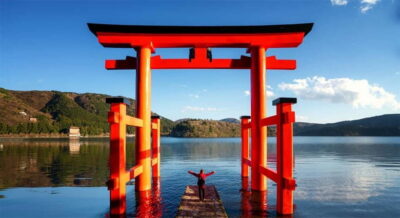 ★ 4.7Mt. Fuji Tour, Hakone Ropeway, Owakudani, Lake AshiFrom $544,002 reviews
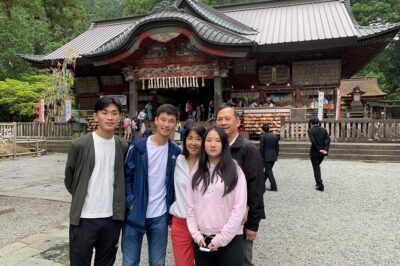 ★ 5.0Private Tour to Mt. Fuji and Hakone (Fully Licenced Operator)From $4971,910 reviews
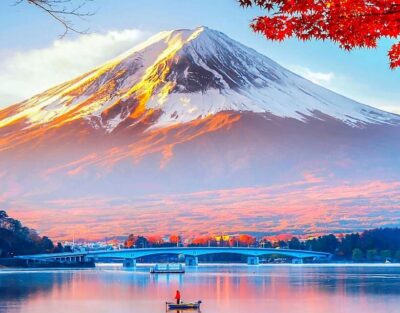 ★ 4.9Mount Fuji Full-Day Private Tour from Tokyo (Customizable)From $3931,470 reviews
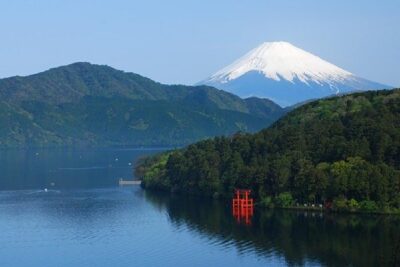 ★ 4.0Mt Fuji & Hakone Cruise, Drum Show Bus 1 Day from TokyoFrom $1221,287 reviews
 ★ 4.2From Tokyo: Mt. Fuji & Hakone Tour w/ Return by Bullet TrainFrom $1171,278 reviews
Browse the lists this tour appears in