
Want Mount Fuji without the hassle? This private day trip turns Tokyo into a smooth road trip to some of the most famous Fuji viewpoints, with time built in for classic photos and lakeside calm. I love the door-to-door private pickup and the way the route targets best Mount Fuji photo spots around Lake Kawaguchiko. One watch-out: visibility depends on weather, so you’ll want the driver’s flexibility when the sky turns cloudy.
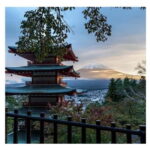
The heart of the day is the Fuji view ladder: Arakurayama Sengen Park for an elevated perspective, then the iconic Chureito Pagoda for that instantly recognizable silhouette. In strong visibility conditions, it’s the kind of stop where your camera does most of the work, and when you’re lucky with the guide you get real help adjusting plans—one guide named Ali is called out for being attentive and adapting during the day.
It’s also the kind of tour where you’re not stuck in a huge group. You’ll move in a comfortable mini van for about 10 to 11 hours, with stops that feel paced rather than rushed, but do keep in mind that some explanations may be brief depending on how talkative your guide is.
In This Review
- Key highlights at a glance
- Private Pickup From Your Tokyo Door
- The Fuji View Ladder: Arakurayama Sengen Park to Chureito Pagoda
- Lake Kawaguchiko: Best Photo Spots and Lakeside Time
- Oshino Hakkai: Fuji’s Snowmelt in a Walkable Village
- Fuji Five Lakes Without the Same Old Loop
- Optional Mount Fuji 5th Station: Closer Range If Roads and Weather Allow
- Gotemba Premium Outlets: When You Want a Controlled Break
- What Makes This Tour Feel Worth It (Even at $308 Per Group)
- How the Day Flows: Pace, Timing, and Practical Expectations
- Comfort and Rules You Should Know Before You Go
- Should You Book This One-Day Mount Fuji Private Tour?
- FAQ
- How long is the Mount Fuji one-day private tour?
- Where do you get picked up in Tokyo?
- Is there a guide during the tour?
- What stops are included in the route?
- Is lunch included?
- Can the itinerary change based on weather?
Key highlights at a glance
- Private pickup from your Tokyo hotel or Airbnb with WhatsApp contact the evening before
- Arakurayama Sengen Park and Chureito Pagoda for a classic Mount Fuji introduction
- Lake Kawaguchiko time built around photo breaks plus lakeside activities
- Oshino Hakkai ponds for a cultural stop tied directly to Fuji’s water
- Fuji Five Lakes options, including a quieter Lake Yamanaka perspective
- Optional add-ons like Saiko Iyashi-no-Sato Nenba, Mount Fuji 5th Station, and Gotemba outlets
Other routes to the mountain, compared
- From Tokyo: Full-Day Mount Fuji Tour in English or Spanish★ 4.7 · 101 reviews
- Mount fuji and Hakone full day private tour with English gui★ 4.9 · 12 reviews
- Fuji/Hakone Private Tour, English speaking guide, Photograph★ 4.8 · 11 reviews
Private Pickup From Your Tokyo Door
This is a true private day trip, and that matters more than it sounds. You start with pickup directly from your hotel or the exact address you enter at booking, and the driver confirms details via WhatsApp the evening before. That reduces the usual stress of figuring out meeting points, especially if you’re staying in a smaller Tokyo street or a neighborhood with tricky access.
You’re traveling in a luxury mini van, which is a big quality-of-life upgrade on a long day. It’s also built for comfort and practicality: the tour runs around 10 to 11 hours, so having seats that don’t turn into a battle plan helps.
One more useful note: the pickup and drop-off list includes many Tokyo wards and surrounding areas (and even Hakone shows up in the options). So if you’re not staying right in central Tokyo, you still have a good shot at a convenient start and finish.
The Fuji View Ladder: Arakurayama Sengen Park to Chureito Pagoda
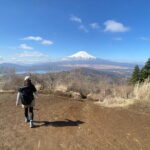
Your day kicks off at Arakurayama Sengen Park, an elevated viewpoint where Mount Fuji is framed by stairway and sky. From there, you walk to the Chureito Pagoda, the classic scene that many people know from photos, but that’s even better in person because you get scale and depth.
This stop works for two reasons:
1) It teaches you how to see Fuji. Once you’ve got the pagoda viewpoint in your head, the rest of the day’s lakes and parks snap into focus.
2) It sets the tone early. If the morning weather cooperates, you get that early-hit payoff before clouds or haze have a chance to swallow the view.
The walk itself is short, but you’ll want comfortable shoes. This is the kind of place where you might pause, step back, and reposition a couple times to get the cleanest angle.
Lake Kawaguchiko: Best Photo Spots and Lakeside Time
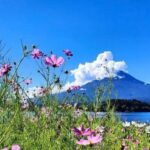
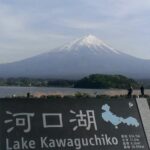
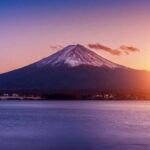
If you want the most “Mount Fuji, right now” energy of the day, Lake Kawaguchiko is where it happens. This is one of the Fuji Five Lakes, and the route is designed around the fact that Fuji views from the shore can be either crisp or completely gone depending on visibility.
You’ll also stop by Oishi Park along the northern shore. It’s known for wide panoramic views and seasonal scenery, which is exactly what you want if the sky is cooperating. Even when the light isn’t perfect, the open space gives you room to find a viewpoint that works.
At Lake Kawaguchiko, you get a longer block of time that can include a boat cruise, cable car ride, and a duck boat ride. The big value here is options: you’re not locked into one photo spot. You can choose between staying lakeside for photos, or shifting to activities that give you a different perspective of Fuji’s reflection and shoreline curves.
Lunch is planned during the Kawaguchiko stretch. The tour includes a lunch stop by the lake, but the lunch cost isn’t included, so budget for that meal separately.
Oshino Hakkai: Fuji’s Snowmelt in a Walkable Village
After the lake panoramas, the day slows down at Oshino Hakkai. This is a traditional area fed by clear spring ponds formed from Mount Fuji’s snowmelt. The point isn’t just scenery—it’s the connection between Fuji and daily life, made visible through these preserved ponds and the walkable village vibe.
Expect about an hour here: enough time to stroll, take photos, and also shop a bit if you want small local items. It’s a good contrast stop after busier viewpoints, and it helps the day feel more than just picture-taking.
If you like travel days that mix one big icon with a calmer, more human-scale location, this is one of the best balancing acts in the itinerary.
More private options with your own guide
Fuji Five Lakes Without the Same Old Loop
Not every Fuji day trip gives you more than one lake. Here, you also get Lake Yamanaka, the largest of the Fuji Five Lakes, with a reputation for a calmer atmosphere. That matters because different lakes can feel different even when the mountain is the same subject.
You’ll have time for a photo stop and sightseeing, plus about half an hour for a duck boat ride. This portion is shorter than Kawaguchiko, but it changes the day’s rhythm—less busy, more open, and often easier to enjoy without feeling squeezed between tour groups.
Then there’s Saiko Iyashi-no-Sato Nenba, a restored village of traditional thatched-roof houses. The goal here isn’t high drama; it’s a rural step back in time, with Fuji sitting in the background when weather allows. It’s a peaceful place to re-center your day after the big-name viewpoints.
Optional Mount Fuji 5th Station: Closer Range If Roads and Weather Allow
One of the smartest features of this tour is that it treats Mount Fuji 5th Station as optional. That’s not a casual “maybe.” It reflects real-world conditions: road access and weather can change fast, and visibility on the mountain can be a coin flip.
If you do go, you’ll get a short visit with free time and scenic views on the way. Even a quick stint can feel special because you’re closer to Fuji than the usual lakeshore photo chase.
My practical advice: if the forecast looks shaky, lean into what your driver suggests for the best overall visibility day. A top guide will treat Mount Fuji 5th Station as a decision based on conditions, not as a checklist item.
Gotemba Premium Outlets: When You Want a Controlled Break
If you still have energy at the end of the day, there’s an optional stop at Gotemba Premium Outlets before heading back to Tokyo. It gives you a predictable place to stretch, browse, and decompress.
This is a good add-on if you like shopping or you simply want a late-day environment that feels more familiar after lots of outdoors walking. It also helps you avoid the “we rushed back with no time for anything” feeling that some long day trips create.
Just remember: this adds time, so it’s best when Fuji visibility has already done its job or when weather plans have shifted.
What Makes This Tour Feel Worth It (Even at $308 Per Group)
Pricing works differently on this kind of trip. At $308 per group up to 5 people, the value depends on how you travel.
- If you’re a couple or small group, you’re paying for private transportation and dedicated time rather than splitting taxi costs across multiple legs.
- If you’re traveling solo, it’s still a fair option compared with piecing together trains plus private hires, especially because pickup and drop-off are handled.
Also, the tour includes a live guide in English and Hindi, along with targeted stops like Arakurayama Sengen Park, Chureito Pagoda, Oshino Hakkai, and key lakes. You’re not just paying for driving—you’re paying for a plan that’s meant to reduce guesswork.
One caution from real-world experience: in some cases, the tour can feel closer to a driver-led day with limited narration. A guide named Ali is praised for customization and attentive adaptation, but your experience may vary in how much commentary you get. If you want deep storytelling at every stop, message your expectations upfront and ask for more context during the ride.
How the Day Flows: Pace, Timing, and Practical Expectations
You should expect a full, active day. There’s walking at Arakurayama and around the pagoda area, plus strolling at Oshino Hakkai and the traditional village stop. Even when a stop is short, it’s the kind of day where you’ll keep moving, repositioning, and taking photos.
Here’s how the flow usually works:
- Early viewpoint hit at Arakurayama and Chureito Pagoda
- Lake focus around Lake Kawaguchiko and Oishi Park, including lunch
- Cultural reset at Oshino Hakkai
- More lakes and rural scenes via Lake Yamanaka and Saiko Iyashi-no-Sato Nenba
- Optional mountain or outlets depending on conditions
The tour is also customizable, with optional stops based on weather and timing. That’s exactly how Fuji trips should work, because the mountain doesn’t care about your itinerary.
Comfort and Rules You Should Know Before You Go
To keep the day smooth, there are a few practical constraints:
- No large luggage or big bags (bring only what you can manage without stuffing up the van)
- No smoking in the vehicle
- No alcohol and drugs, and no alcoholic drinks in the vehicle
- If you need mobility support, the tour is wheelchair accessible—but it also states that non-folding wheelchairs aren’t allowed, so check details with the operator if that applies
Also note who the tour may not be suitable for: pregnant women and people over 95 years aren’t recommended based on the tour’s guidance.
Bring comfortable shoes and keep travel insurance in mind. Cash is also listed as something to have.
Should You Book This One-Day Mount Fuji Private Tour?
Book it if you want:
- A private day trip from Tokyo with door-to-door pickup
- Classic Mount Fuji icons like Chureito Pagoda plus multiple Fuji Five Lakes viewpoints
- A driver who can adapt for visibility and adjust optional stops
- A small-group setup (up to 5) that feels flexible rather than rigid
Consider passing or adjusting expectations if:
- You’re the type who needs constant deep guide narration at every single stop. The tour includes a live guide, but the level of talk and interaction can vary.
- You’re traveling with heavy luggage or large items, since the tour restricts bags.
If your main goal is to maximize Mount Fuji photo chances in one day without wrestling public transport, this is a strong, practical choice. Just go in with the right mindset: Fuji is weather-dependent, so flexibility is part of the experience.
FAQ
How long is the Mount Fuji one-day private tour?
The tour runs about 10 to 11 hours, depending on timing and conditions. You’ll want to check availability for the exact starting times.
Where do you get picked up in Tokyo?
Pickup is available from anywhere in Tokyo, including hotels and Airbnb/apartment addresses you enter during booking. Your driver contacts you via WhatsApp the evening before to confirm pickup time and details.
Is there a guide during the tour?
Yes, there is a live tour guide. The language options listed are English and Hindi.
What stops are included in the route?
The planned stops include Arakurayama Sengen Park and Chureito Pagoda, plus time at Lake Kawaguchiko and Oishi Park. The route also includes Oshino Hakkai, Lake Yamanaka, and Saiko Iyashi-no-Sato Nenba, with optional stops that may include Mount Fuji 5th Station and Gotemba Premium Outlets.
Is lunch included?
Lunch is planned during the day at Lake Kawaguchiko, but the lunch cost is not included. You’ll pay for your meal when you’re there.
Can the itinerary change based on weather?
Yes. The itinerary is customizable, and some stops depend on weather and road accessibility, including the possibility of visiting Mount Fuji 5th Station.
More Tours in Fujiyoshida
More Tour Reviews in Fujiyoshida
The Fuji Shortlist: Other Days Out to the Mountain
Fresh reviews from around Fujiyoshida

Mt Fuji Day Trips, compared.
 ★ 4.0Mt Fuji & Hakone Cruise, Drum Show Bullet Train 1 Day from TokyoFrom $1497,413 reviews
 ★ 4.4Tokyo Mt Fuji 5th St & Hakone Cruise Bus Tour w/Bullet TrainFrom $1545,024 reviews
 ★ 4.5From Tokyo: Mount Fuji Full-Day Sightseeing TripFrom $684,970 reviews
 ★ 4.7Mt. Fuji Tour, Hakone Ropeway, Owakudani, Lake AshiFrom $544,002 reviews
 ★ 5.0Private Tour to Mt. Fuji and Hakone (Fully Licenced Operator)From $4971,910 reviews
 ★ 4.9Mount Fuji Full-Day Private Tour from Tokyo (Customizable)From $3931,470 reviews
 ★ 4.0Mt Fuji & Hakone Cruise, Drum Show Bus 1 Day from TokyoFrom $1221,287 reviews
 ★ 4.2From Tokyo: Mt. Fuji & Hakone Tour w/ Return by Bullet TrainFrom $1171,278 reviews
Browse the lists this tour appears in