
Reviewed · MT FUJI DAY TRIPS
From Tokyo: Full-Day Mount Fuji Tour in English or Spanish
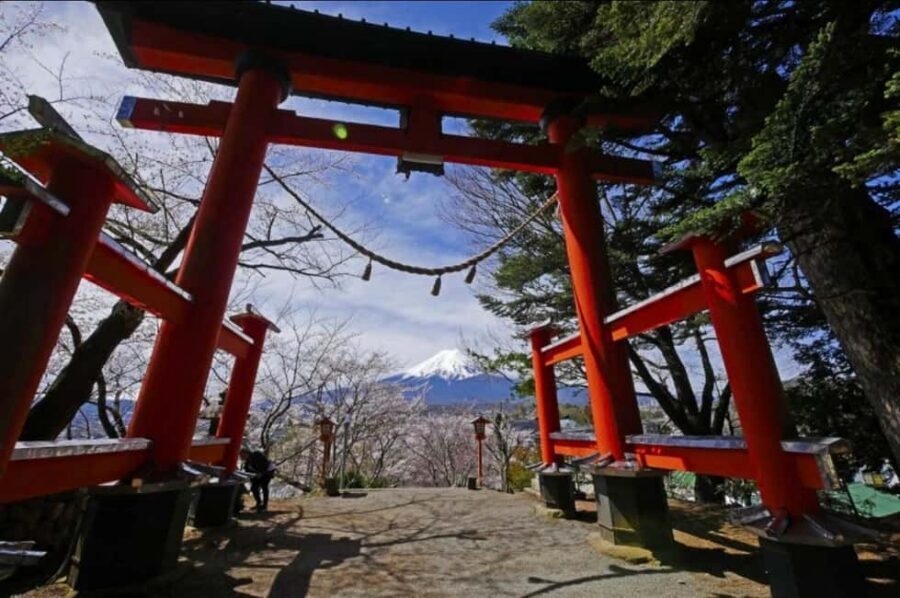
Fuji fans have a soft spot for this route.
I like that this day trip mixes big Mount Fuji viewpoints with a guide who can speak English or Spanish. I also enjoy the pacing because you get several different angles of Fuji, then cool down with time around Lake Kawaguchiko instead of racing nonstop.
The heart of the experience is more than photos. You’ll walk through shrine grounds, along Honcho Street (Fuji Michi pilgrimage vibes), and into Oishi Park, where the story is tied to Fuji’s eruptions and the gardens people built for memory and beauty. It’s a practical mix of culture and views, and it helps the day feel fuller than just chasing one overlook.
One thing to consider: the Arakurayama area can mean a lot of walking and stairs. There’s a route with 400 steps to reach Chureito Pagoda, and while there’s also a slope option, you’ll still want comfortable shoes. Weather changes fast around Fuji, so you’ll want to dress for surprises.
In This Review
- Key highlights worth your time
- How this Mount Fuji day trip works from Tokyo
- Arakurayama Sengen Park: the Fuji viewpoint with real shrine energy
- Chureito Pagoda steps: choose your effort level
- Honcho Street in Fujiyoshida: the pilgrimage-route walk
- Kitaguchi Hongu Fuji Sengen Shrine: UNESCO significance, plain and clear
- Oishi Park: eruption stones, seasonal flowers, and a sweet break
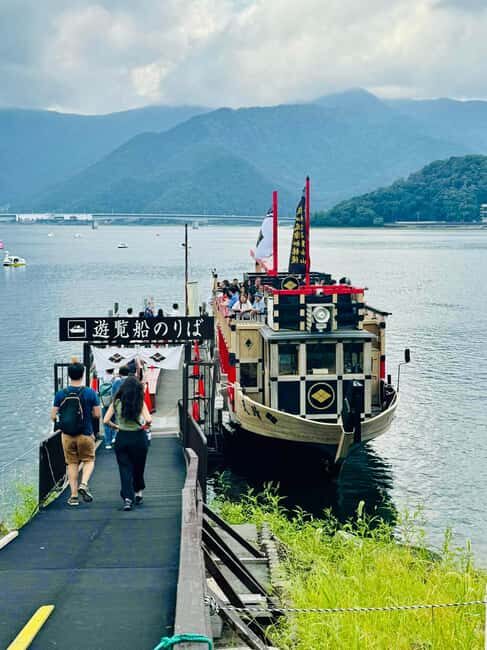
- Lake Kawaguchiko cruise: the calmer payoff at the end
- Price and value: what $90 actually buys you
- What I’d pack for this Fuji day (so you stay comfortable)
- Pace and accessibility: what your body needs to handle
- The guide factor: why Luis keeps showing up in the good stories
- Who this Mount Fuji tour is best for
- Should you book this full-day Mount Fuji tour from Tokyo?
- FAQ
- How long is the Mount Fuji tour?
- What languages are offered on the tour?
- How much does the tour cost?
- Where do I meet the guide in Tokyo?
- What attractions are included in the day?
- Is Mount Fuji a guaranteed viewpoint every day?
- Are there stairs to reach Chureito Pagoda?
- What is included in the price?
- What should I bring?
- Is the tour suitable for very elderly travelers?
Key highlights worth your time
- Spanish-or-English guidance, with guides that can explain what you’re seeing in a way that actually lands (Luis is frequently praised)
- Arakurayama Sengen Park + Chureito Pagoda with a famous Fuji view and both step and non-step routes
- Honcho Street walk on the old Fuji Michi pilgrimage route, with traditional storefronts and great sight lines
- Kitaguchi Hongu Fuji Sengen Shrine, part of the Mt. Fuji UNESCO World Cultural Heritage area
- Oishi Park gardens with seasonal flower areas and a locally famous ice cream stop you can try on your own
- Lake Kawaguchiko cruise for a slower end to the day, with Fuji and lake views
Other routes to the mountain, compared
- From Tokyo: Full-Day Mount Fuji Tour in English or Spanish★ 4.7 · 101 reviews
- Mount fuji and Hakone full day private tour with English gui★ 4.9 · 12 reviews
- Fuji/Hakone Private Tour, English speaking guide, Photograph★ 4.8 · 11 reviews
How this Mount Fuji day trip works from Tokyo
This is a straightforward full-day outing built for people who want classic Fuji sights without managing trains and bus connections on their own. You start in Nishishinjuku, with a simple meeting point in front of the Robert Indiana sculpture LOVE. Your guide carries a sign for JP Travelers and announces the tour in Spanish, so you’ll know you’re in the right place fast.
The day is long—about 10 hours total—so the value comes from packing a lot of meaningful stops into one managed flow. You’ll move by bus/coach, then spend chunks of time walking and sightseeing on foot. The included entrance fees also help; you’re not nickel-and-diming your way through paid spots.
The best part for me is that the tour doesn’t treat Fuji like a single postcard. You see Fuji from multiple viewpoints: shrine steps, streets, a park over the lake, and finally from the water.
Arakurayama Sengen Park: the Fuji viewpoint with real shrine energy
Arakurayama Sengen Park is where the day starts to feel special. You go up to the park to take photos and get oriented, then you’ll visit the Arakura shrine area as part of the climb. This is a sacred site tied to regional leadership, and it’s also known for being one of the older shrines in the area—built by the Lord of Yamanashi, associated with the samurai Takeda.
The practical reason this stop matters: it’s a Fuji viewpoint that has built-in context. Instead of seeing Fuji as a random mountain, you’re seeing it as part of a spiritual route and local tradition. That makes the photos feel less like a checklist and more like a lived moment.
Chureito Pagoda steps: choose your effort level
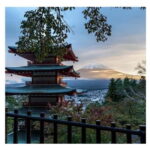
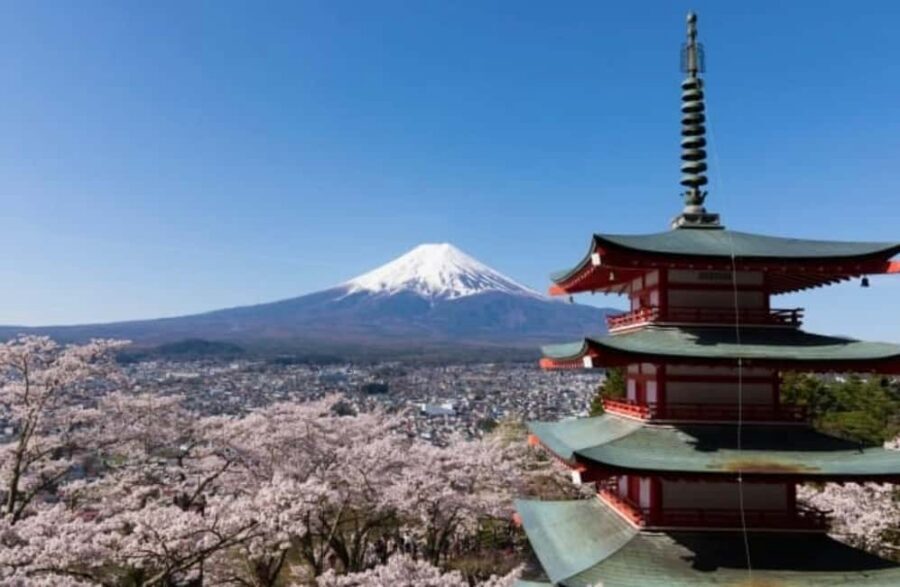
Chureito Pagoda is the photo star here, and it earns that reputation. The view of Mount Fuji from the pagoda area is one of the most famous scenes around Kawaguchiko/Fuji-region sightseeing. You’ll also learn what you’re looking at while you’re there, which is where the guide skill shows.
Now, the big logistics: there are two ways up. One route involves 400 steps total—the first 100 steps take you toward the shrine area, then you continue another 300 steps up toward the pagoda. If steps aren’t your thing, there’s an alternative path without steps, up a beautiful slope where the viewpoint is also impressive. Either path brings you to the same general destination area, so you can pick your comfort level without feeling like you’re taking a lesser route.
A small but important tip: this area rewards patience. If you want less crowd pressure for photos, a guide who times things well helps a lot. In past experiences with Luis specifically, people praised the way he showed up earlier to avoid the biggest rush, which makes walking up and stopping for pictures more pleasant.
Honcho Street in Fujiyoshida: the pilgrimage-route walk
After the mountain-side views, you shift to Honcho Street in Fujiyoshida. It’s a shopping street with traditional architecture and local shops, but it’s also more than that. Its history connects to the Fuji Michi idea, the path people used when traveling toward the sacred mountain.
Why I like this stop: it breaks up the day so you’re not stuck only in temple staircases and parks. You get a gentle walk, you can browse small shops at your own pace, and you’ll catch another famous Mount Fuji view as you go. This is one of those stretches where you can slow down, look around, and realize Fuji frames the entire town-life rhythm.
If you care about authentic-feeling Japan rather than staged photo spots, this section tends to land well. It also gives you a chance to grab something small for later since lunch isn’t included.
Worth weighing up alongside this Fujiyoshida pick:

Kitaguchi Hongu Fuji Sengen Shrine: UNESCO significance, plain and clear
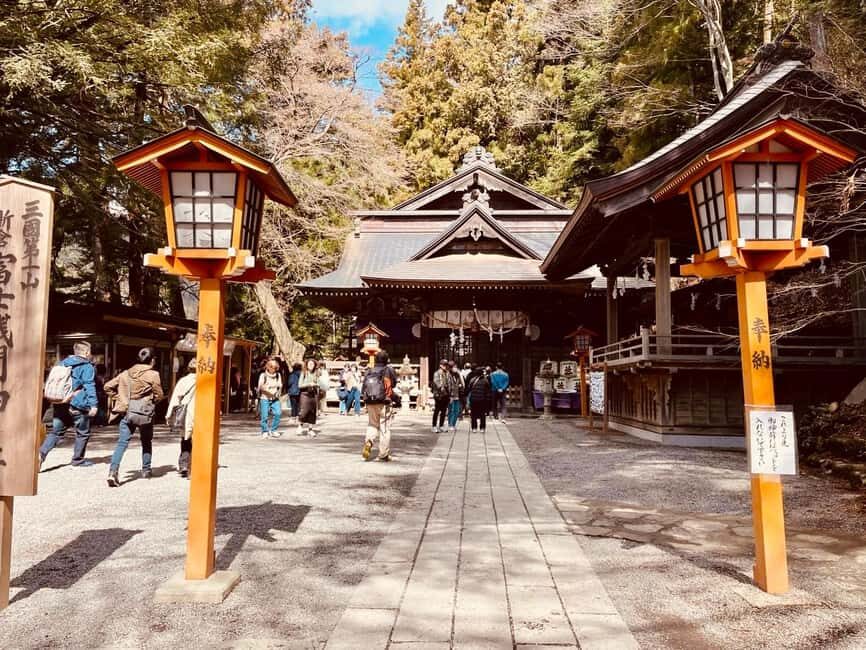
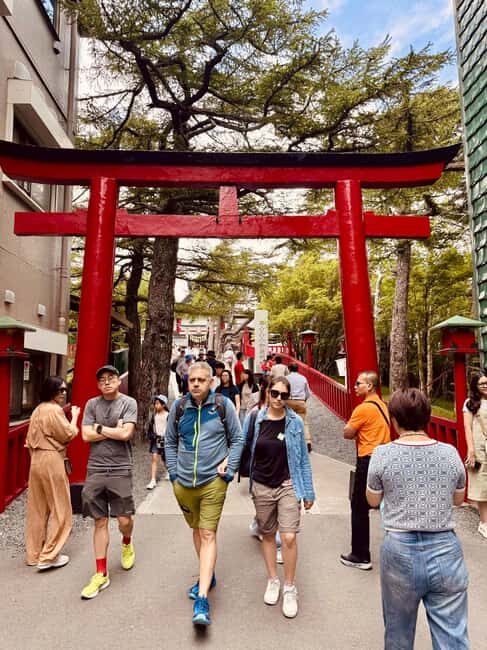
Next comes Kitaguchi-hongu Fuji Sengen Shrine. This stop adds depth without requiring you to know a ton in advance. The shrine is part of the Mt. Fuji UNESCO World Cultural Heritage site, designated in 2013, and it’s described as having origins dating back to around 100 AD. It was built to honor the legendary prince Yamato Takeru during his passage through the region.
The shrine’s role as the ancient northern entrance to Mount Fuji matters here. You’re not just visiting a pretty building; you’re stepping into a starting point of a long pilgrimage route. The guide typically helps you connect the symbolism to the physical place, so the experience feels less like “walk in, walk out.”
This is also where the tour shows its practical side. If Mount Fuji viewing is restricted due to closure or entry limits, the plan includes a fallback: you’ll still visit Kitaguchi Hongu Fuji Sengen Shrine instead. That means your day doesn’t collapse into disappointment if conditions aren’t right.
Oishi Park: eruption stones, seasonal flowers, and a sweet break
Oishi Park sits in front of Lake Kawaguchiko, and it’s a different kind of Fuji experience—more “crafted by locals for memory” than “just a lookout.” The park uses stones recovered by local people from around Fuji after strong eruptions. The idea is that those stones now frame the lake area as a kind of remembrance.
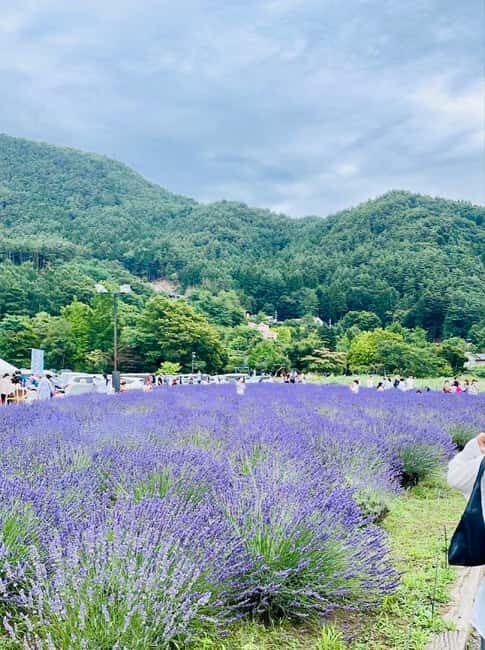
Then you get the garden part. You’ll walk through two garden areas with seasonal flowers, so the scenery changes depending on when you go. It’s a nice moment to shift from wide views to smaller details: petals, paths, and the sense that the community shaped this space around the mountain’s presence.
There’s also time for a food moment that’s easy to enjoy even if you’re watching your budget. You can sample creamy ice cream with 14 different flavors, plus local fruits and souvenirs. Just remember: ice cream and meals are not included, so bring a little cash and plan to buy what you actually want.
Lake Kawaguchiko cruise: the calmer payoff at the end
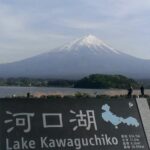
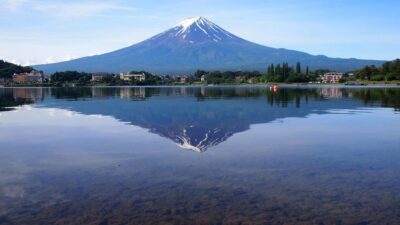
The day ends on the water with a cruise on Lake Kawaguchiko. This lake is the second largest around Mount Fuji, and the cruise is about slowing down after a lot of walking. You’ll look back toward Fuji and also out to the shoreline scenery.
Why this matters: after stairs, streets, and gardens, the cruise gives your eyes a breather. It also often feels more “Fuji-region” than just viewing the mountain from land. If you’re the kind of person who likes your travel days to end with an emotional exhale, this section helps.
The cruise is listed as about 40 minutes, which is long enough to enjoy the views but short enough that you still stay on schedule for the return to Tokyo.
Price and value: what $90 actually buys you
At about $90 per person for a 10-hour day, the value comes from bundling transportation, guide time, entrance fees, and multiple stops into one ticket. You’re not paying separately for each viewpoint entry, and you’re not managing the logistics on your own from Tokyo.
Is it worth it? For me, it depends on what you would otherwise do. If you’re planning to rent a car or piece together buses and trains across Fuji area sites, this kind of guided day trip can save stress. If you already know you want the “classic set” of spots—Arakurayama/Chureito, Honcho Street, a UNESCO shrine, Oishi Park, and a lake cruise—then the ticket becomes a convenience bargain.
Budget note: lunch, snacks, drinks, and the ice cream are not included. The tour still gives you time where you can buy food, but you’ll want to plan for it so you’re not stuck hunting for something at the last minute.
What I’d pack for this Fuji day (so you stay comfortable)
Bring what you need for a long day outside, with possible weather shifts. The essentials listed for the tour are solid: comfortable shoes, a camera, sunscreen, water, comfortable clothes, and cash. Add a light layer if you run cold, because Fuji-region weather can change quickly.
Also consider packing a small snack. Lunch isn’t included, and while there are shopping areas and breaks, you’ll feel better if you can top up energy instead of waiting for the next stop.
If you’re serious about photos, treat this like a shooting day: water for you, camera readiness for views, and enough patience for the step/slope option at Arakurayama.
Pace and accessibility: what your body needs to handle
This isn’t a “sit in the bus and view through glass” outing. You’ll walk through shrine areas and parks, and the Chureito pagoda stop includes a 400-step option (plus a no-steps slope alternative). That makes it a better match for people who can handle moderate walking for extended periods.
The tour also notes it isn’t suitable for people over 95 years. Even if you’re younger, take the steps seriously. If you want less strain, pick the slope route early and don’t second-guess it at the first junction—your legs will thank you.
The guide factor: why Luis keeps showing up in the good stories
One reason this tour gets strong feedback is how the guide shapes the day. Luis, in particular, is frequently praised for explaining history and details at each stop in a way that makes the place easier to understand and enjoy. People also note he’s patient and gives useful recommendations for buying things and choosing where to look.
You’ll feel the difference most when the tour moves from “photo moment” to “meaning moment,” like when you’re at UNESCO-related shrine grounds or walking on a pilgrimage route. That’s where guided context turns the day from scenic to memorable.
Who this Mount Fuji tour is best for
I’d steer you toward this tour if you want:
- Multiple Fuji viewpoints in one day, including Chureito Pagoda and Lake Kawaguchiko
- A Spanish-friendly experience (or English, if you prefer)
- A mix of sightseeing and shrine/cultural stops, not just one lookout
It also works well if you’re traveling with someone who enjoys different things than you do. One person can focus on photos and the pagoda view, while the other can enjoy the shrines, Honcho Street history, and Oishi Park garden walks.
If you want a totally free-form day with no set schedule, you might find this style a bit structured. But if you like clarity and steady movement, it hits a sweet spot.
Should you book this full-day Mount Fuji tour from Tokyo?
Book it if you want a guided day that reliably checks the classic Fuji boxes without making you handle transit, entrances, and timing yourself. The included transport and entrance fees help the math, and the Spanish/English guidance keeps the experience accessible and informative.
Skip it if stairs and long walking days are a problem for your body, or if you’re the type who hates structured sightseeing. Also, keep your expectations flexible for weather; Fuji views depend on conditions, and the tour plan includes a shrine-focused backup if direct Fuji viewing isn’t possible.
If your goal is one high-impact day with great variety—pagoda viewpoints, pilgrimage streets, eruption-stone gardens, and a lake cruise—this is a solid way to do it.
FAQ
How long is the Mount Fuji tour?
It lasts about 10 hours.
What languages are offered on the tour?
The tour is conducted in English and Spanish.
How much does the tour cost?
The price is listed as $90 per person.
Where do I meet the guide in Tokyo?
You meet in front of the Robert Indiana sculpture LOVE. The guide will have a sign with the company name JP Travelers and will say in Spanish Fuji tour in Spanish.
What attractions are included in the day?
You’ll visit Mount Arakura Sengen Park, Arakura shrine, Chureito Pagoda, walk along Shimoyoshida Honcho Street, Kitaguchi-hongu Fuji Sengen Shrine, Oishi Park, and take a cruise on Lake Kawaguchiko.
Is Mount Fuji a guaranteed viewpoint every day?
Mount Fuji viewing depends on conditions. If Mount Fuji is closed or entry is not permitted for reasons beyond control, the plan includes visiting Kitaguchi Hongu Fuji Sengen Shrine instead.
Are there stairs to reach Chureito Pagoda?
Yes. One route includes 400 steps, with the first 100 steps toward the shrine and the remaining 300 steps up to the pagoda. There is also an option without steps via a slope.
What is included in the price?
Included are bus transportation, guide fee, entrance fees, and the listed places to visit.
What should I bring?
Bring comfortable shoes, a camera, food and drinks, sunscreen, water, comfortable clothes, and cash.
Is the tour suitable for very elderly travelers?
The tour is not suitable for people over 95 years.
More Tours in Fujiyoshida
More Tour Reviews in Fujiyoshida
The Fuji Shortlist: Other Days Out to the Mountain
Fresh reviews from around Fujiyoshida

Mt Fuji Day Trips, compared.
 ★ 4.0Mt Fuji & Hakone Cruise, Drum Show Bullet Train 1 Day from TokyoFrom $1497,413 reviews
 ★ 4.4Tokyo Mt Fuji 5th St & Hakone Cruise Bus Tour w/Bullet TrainFrom $1545,024 reviews
 ★ 4.5From Tokyo: Mount Fuji Full-Day Sightseeing TripFrom $684,970 reviews
 ★ 4.7Mt. Fuji Tour, Hakone Ropeway, Owakudani, Lake AshiFrom $544,002 reviews
 ★ 5.0Private Tour to Mt. Fuji and Hakone (Fully Licenced Operator)From $4971,910 reviews
 ★ 4.9Mount Fuji Full-Day Private Tour from Tokyo (Customizable)From $3931,470 reviews
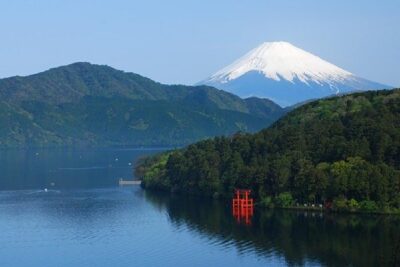 ★ 4.0Mt Fuji & Hakone Cruise, Drum Show Bus 1 Day from TokyoFrom $1221,287 reviews
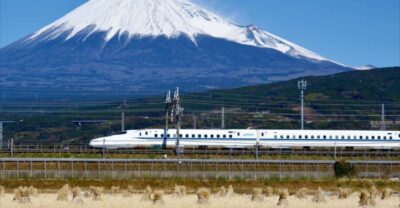 ★ 4.2From Tokyo: Mt. Fuji & Hakone Tour w/ Return by Bullet TrainFrom $1171,278 reviews
Browse the lists this tour appears in