

Reviewed · MT FUJI DAY TRIPS
Mount Fuji Full-Day Private Customizable Tour From Tokyo
Fuji in a single day takes planning. That’s exactly why this private Tokyo-to-Mount Fuji tour is so handy: you hit the big-name photo spots plus calmer, more local-feeling places around the lakes, with a driver and guide handling the timing. I especially love the chance for multiple Mount Fuji viewpoints across the day, from Chureito Pagoda to lake reflections. The main catch is that some popular add-ons, like ropeways and boat/motorboat tickets, are not included.
What makes it feel worth the cost is the door-to-door setup. Hotel pickup and drop-off, air-conditioned transportation, and a guide who can keep things moving without rushing you too hard means you can focus on the views, the walking, and the details. Reviews also point to guides like Tee, Saim, and Dalawar bringing a calm, helpful vibe, including patience for photos and plenty of time at key spots.
One more consideration: it’s a full day with several stops. You’ll want comfortable shoes, and you may end up paying extra for optional rides. If you’re traveling with anyone over 95, this tour isn’t suitable.
In This Review
- Key things I’d plan around
- Why this private Mount Fuji day trip works from Tokyo
- Chureito Pagoda: the Mount Fuji postcard you’ll actually understand
- Oshino Hakkai: ponds, reflections, and a quieter feel
- Kitaguchi Hongu Fuji Sengen Shrine: cedar shade and pilgrim energy
- Lake Kawaguchi: reflections plus optional ropeway thrills
- The Lake Ashi cruise: that calm, mirrored-mountain feeling
- Hakone Ropeway and the volcanic feel
- Hakone Open-Air Museum: art meets the Mount Fuji backdrop
- Fugaku Wind Cave: cool temps, ice pillars, and geology you can feel
- What the guides do that really changes the day
- How much this costs, and when it’s a smart deal
- Logistics you can prep in 30 seconds
- Who should book this Mount Fuji and Hakone private tour
- Final call: should you book Mount Fuji Discoveries?
- FAQ
- What is the group size for this tour?
- Where does the tour run?
- How do pickup and drop-off work?
- What transportation is provided?
- What attractions are included in the experience?
- Is food included?
- Are ropeways and boat tickets included?
- Is Mt. Fuji 5th Station entry included?
- What languages are available?
- Are there any rules or restrictions?
- FAQ
- Can I cancel and get a full refund?
- When should I arrive for the meeting point?
- What should I bring or wear?
- Is there a guide during the tour?
Key things I’d plan around

- Private, up to 6 people: better pacing and easier logistics than public transit
- Iconic Chureito Pagoda framing: Mount Fuji with seasonal cherry blossoms or autumn color
- Oshino Hakkai’s clear ponds: snowmelt-fed water and reflections you can actually linger over
- Hakone add-ons are flexible: ropeways, boat rides on Lake Ashi, and museum time
- Good “photo support”: guides have a track record of helping you capture the shots
- A geology stop option: Fugaku Wind Cave with cool temperatures and preserved ice pillars
Other routes to the mountain, compared
- From Tokyo: Full-Day Mount Fuji Tour in English or Spanish★ 4.7 · 101 reviews
- Mount fuji and Hakone full day private tour with English gui★ 4.9 · 12 reviews
- Fuji/Hakone Private Tour, English speaking guide, Photograph★ 4.8 · 11 reviews
Why this private Mount Fuji day trip works from Tokyo
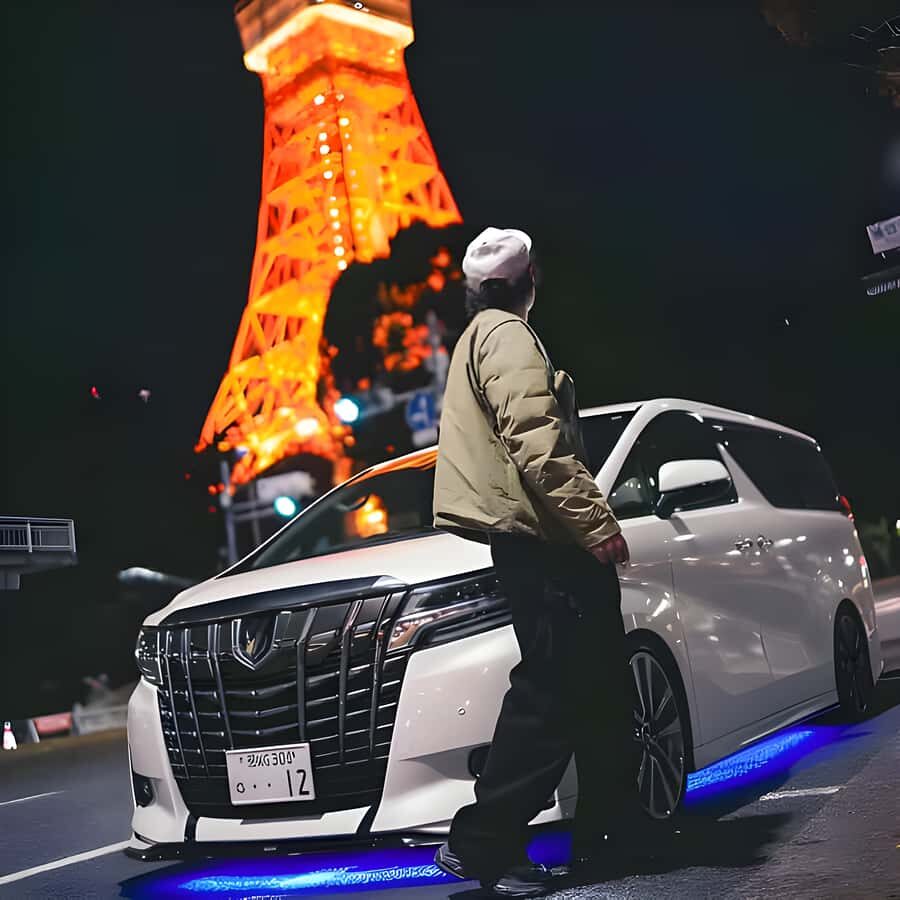
This is the kind of day trip that saves you from the hard parts. Getting to Mount Fuji and then stitching together the lake area plus Hakone can be a maze if you’re doing it alone. Here, you get hotel pickup and drop-off, plus air-conditioned transportation, so your only job is to show up and enjoy.
For me, the best part is the variety. You’re not just ticking off one viewpoint. You bounce between shrine atmosphere, village ponds, classic pagoda photos, and lake reflections. That mix matters because Mount Fuji is visual, but it’s also emotional. One stop feels ceremonial, another feels quiet and water-based, and then you switch gears to museum art and volcanic scenery.
The “private customizable” angle is also practical. You’re traveling in a small group (up to six), so you’re not trapped in a loud herd. One review described the sense of freedom to enjoy each place, and that matches how this type of tour typically works: the guide can adjust pacing to your interests while still covering the highlights.
Chureito Pagoda: the Mount Fuji postcard you’ll actually understand
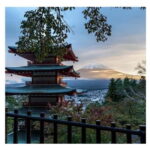
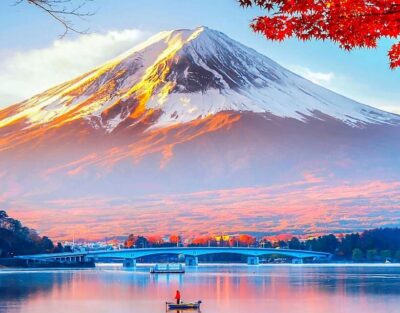
Your day often starts with the Chureito Pagoda scene, the five-story hillside pagoda that’s famous for being framed by Mount Fuji. It’s easy to recognize in photos, but up close you notice how carefully the view is composed by the setting: the pagoda steps upward, and the mountain sits in the background like a backdrop you didn’t bring.
This stop is special because it’s both simple and atmospheric. In spring, you’re watching cherry blossoms around the scene. In autumn, the roads and foliage can turn red and gold, changing the mood fast without changing the structure. If you like photography, this is one of the best “set-piece” moments of the day: it’s structured enough that you can relax and just shoot, and seasonal color gives you variety even if you’ve seen the image before.
The main “watch-out” is walking and standing. The area works best if you’re comfortable moving at a steady pace and taking a few minutes to choose your angle. Bring your camera plan: shoot a wide framing first, then step back and get a tighter shot if you can.
Oshino Hakkai: ponds, reflections, and a quieter feel

Next comes Oshino Hakkai, the traditional village known for its ponds fed by Mount Fuji’s pure snowmelt water. This is where the day slows down a notch. Instead of focusing on one dramatic structure, you wander past thatched-roof homes and gardens, then arrive at clear ponds where reflections can look almost too crisp.
What I like about this stop is that it feels grounded. It’s not just a viewpoint; it’s a small place with everyday textures. Walking here is also a good reset for your legs: you can choose how much you want to linger, and the scenery rewards slow movement.
The reflection effect depends on conditions, so don’t treat any one pond like the only shot that matters. If your guide is offering photo help, use it. In the reviews, guides offered to take pictures and gave patient time at spots, and Oshino Hakkai is the kind of place where a quick assist can mean the difference between missed framing and a keeper.
Kitaguchi Hongu Fuji Sengen Shrine: cedar shade and pilgrim energy

Then you head to Kitaguchi Hongu Fuji Sengen Shrine, a revered site connected to pilgrims who climbed Mount Fuji for centuries. If Chureito Pagoda is about iconic symmetry, the shrine is about mood. You move into a calmer, more spiritual atmosphere with towering cedar trees around you.
This stop is valuable even if you’re not a shrine person, because it changes the day’s rhythm. You go from water and views into something more human and ceremonial. It also helps you understand that Mount Fuji wasn’t only a scenic mountain; it has long been treated as a sacred destination.
Practical tip: wear shoes that handle uneven ground. Even when the walking feels gentle, shrine grounds can include slopes, stone surfaces, and small stairs. It’s one of those moments where comfort matters more than speed.
More private options with your own guide
Lake Kawaguchi: reflections plus optional ropeway thrills

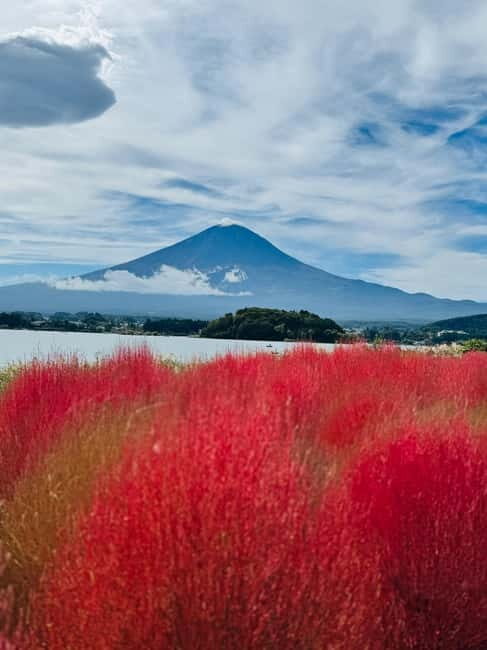
Lake Kawaguchi is one of the Fuji Five Lakes, and it’s where you start seeing Mount Fuji in a calmer, water-reflection context. Your experience here can include a lakeside stroll for a slower feel, or you can add more viewpoint time.
This is also where the day mentions the Mt. Kachi Kachi Ropeway, a cable car option that can reveal wide views across the lake and surrounding scenery. The key detail: ropeway tickets are not included, so plan on paying separately if you want it. If you’re traveling with people who love views and heights, ropeways can turn a standard lake stop into something memorable.
After that, Oishi Park is a nice follow-up for seasonal flowers along the lake’s edge. It’s the kind of place where you can get your “same mountain, different angle” feeling without needing more transportation time. If the earlier spots have you focused on photos, Oishi Park lets you shift into walking and wandering.
The Lake Ashi cruise: that calm, mirrored-mountain feeling
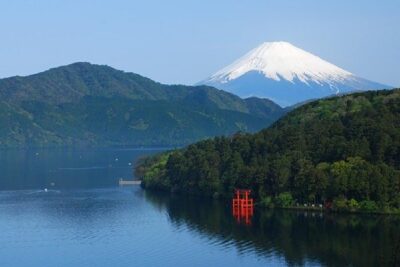
Next up is Lake Ashi, where you can unwind with a scenic cruise and enjoy Mount Fuji visible in the distance. The tour description includes two boat options: a traditional ride or a themed pirate ship experience. Either way, the point is the same: you’re on the water, and that changes how the mountain sits in your frame.
This is also a moment where timing and comfort matter. You’ll likely be walking to and from the boat area, then sitting for the ride. Dress for outdoor time, and bring your camera even if you think you already photographed enough today.
One important note: the boat/motorboat ticket is not included. So budget for it if you want the cruise as part of your day. If you skip it, you’d still likely get lake time, but you’d lose one of the tour’s signature “reflection” moments.
Hakone Ropeway and the volcanic feel
From the Lake Ashi area, you may continue to Hakone Ropeway, a cable car ride that takes you over volcanic landscapes with hot spring scenery in the background. The tour includes this stop as a way to add height and big views without changing regions.
Here’s the practical part: like other rides, ropeway tickets are not included. If you’re paying for the whole day, you’ll want to decide early whether the ropeway is worth it for your group. If you have anyone who gets motion sick on cable cars, plan that into your decision too.
If your group likes variety, this segment gives you a different kind of Mount Fuji experience. You’re not only looking at a distant mountain. You’re traveling above the region’s volcanic shapes, which helps explain why this area looks the way it does.
Hakone Open-Air Museum: art meets the Mount Fuji backdrop
A standout stop in this experience is the Hakone Open-Air Museum, where sculpture installations are placed against a Mount Fuji backdrop. This is a smart choice because it breaks the pattern of always seeing the mountain directly. Instead, art becomes part of the scenery, and your brain shifts from “photo mode” to “slow looking.”
This museum stop also balances the more natural and scenic stops. If you’re traveling with someone who gets restless with endless viewpoints, a museum break can be a relief. And if you’re art-minded, it’s a chance to see how modern creativity can sit naturally in a landscape setting, without feeling like you’re stuck indoors.
Like the other long-day stops, the watch-out is pacing. Plan to spend time there, but don’t plan to sprint through it. The value comes from taking breaks and letting the day breathe.
Fugaku Wind Cave: cool temps, ice pillars, and geology you can feel
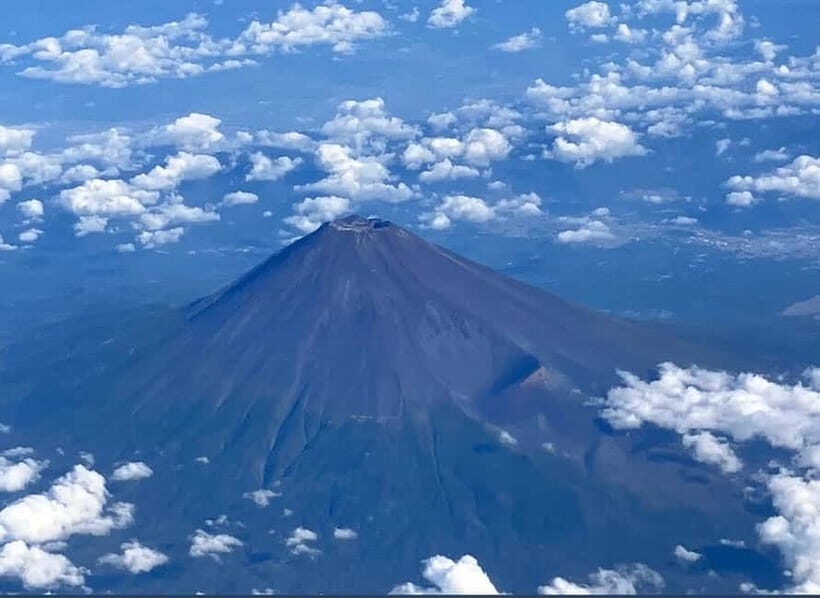
Another interesting add-on is Fugaku Wind Cave near Aokigahara Forest. The tour description says the cave stays cool year-round, with preserved natural ice pillars and lava formations. That’s a pretty unusual kind of stop in a Mount Fuji-focused day trip, and it gives you something hands-on and physical.
This is worth considering if you like geology or just want a different break from walking in daylight. You’ll get a change of temperature, which can feel good halfway through a full day. If you tend to run cold easily, bring a light layer even if it’s warm outside.
What the guides do that really changes the day
A private day trip lives or dies on the guide. This experience clearly prioritizes that. Reviews praised drivers and guides for being on time, polite, professional, and very helpful with photos. Names that came up include Tee, Saim, and Dalawar.
The best part isn’t just friendliness. It’s the practical side: helping you feel comfortable, offering to take photos, and being patient while you work on the perfect framing. That matters at places like Chureito Pagoda and lake stops, where good photos often require a bit of waiting, repositioning, and multiple tries.
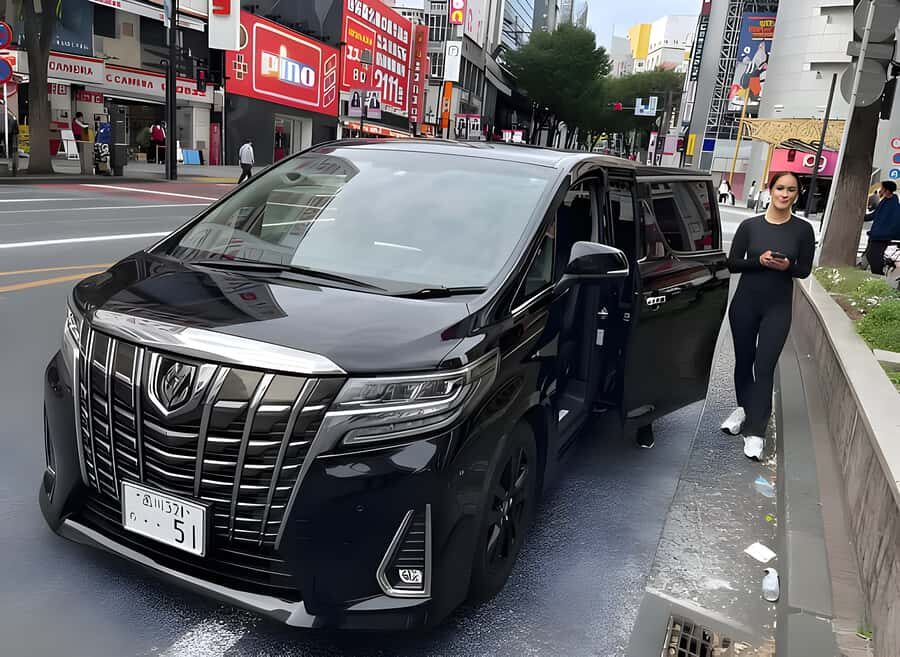
Also, the vehicle quality comes up. One review noted a clean, comfortable car, and that’s more important than people think on a day with lots of road time. When the ride is pleasant, you arrive at viewpoints calmer and ready to enjoy the walking.
How much this costs, and when it’s a smart deal
The price is $374 per group up to 6. That pricing structure can be a good value when you split it between friends or family, because you’re paying for door-to-door transport plus guiding.
A quick way to think about it: the per-person cost drops fast if you fill the group. If you have fewer people than six, it’s still often cheaper than piecing together multiple separate services and paying for several transfers. The main reason it feels fair is the full-day scope: Chureito Pagoda, Oshino Hakkai, a shrine, lakes, possible ropeways, Hakone museum time, and a Lake Ashi cruise.
You do need to plan for extras though. The not-included list includes Mt. Fuji 5th Station entry ticket, plus ropeway or motorboat tickets, and of course food and drinks. If you want the full set of experiences with minimal decision fatigue, budget for those add-ons in advance.
Logistics you can prep in 30 seconds
This tour is designed with the basics covered: hotel pickup and drop-off, a driver, and air-conditioned transportation. Guides are available in English, Hindi, and Arabic, which is a nice comfort if you want clear explanations without language strain.
A few practical reminders before you go:
- Wear comfortable shoes for walking.
- Check the weather forecast and dress accordingly.
- Bring a camera.
- Consider bringing snacks and water.
- Arrive at the meeting point 15 minutes before departure.
- No smoking in the vehicle.
And there’s an age note: it’s not suitable for people over 95.
Who should book this Mount Fuji and Hakone private tour
Book this if you want the Mount Fuji day trip experience without the stress of routing and transfers. It’s a strong fit for:
- Couples or small groups who want a private vehicle and flexibility
- Photo-focused travelers who need help with timing and framing
- People who want a mix of classic sights and calmer stops like Oshino Hakkai
- Anyone who likes a “full day, but guided” structure rather than self-guided hopping
Skip it (or check alternatives) if you hate long days, and if you’re not comfortable with the idea that some rides have extra tickets. Also keep in mind the age suitability note if traveling with older family members.
Final call: should you book Mount Fuji Discoveries?
If you value convenience, pacing, and a guide who helps with photos and comfort, I think this tour is an easy yes. The combination of Chureito Pagoda, Oshino Hakkai, shrine atmosphere, lake scenery, a Lake Ashi cruise, and Hakone art and ropeway-style viewpoints makes for a complete day.
Just go in with your eyes open about costs outside the base price: ropeway and boat tickets, food, and any Fifth Station entry. If you’re okay with those extra decisions and you’ll actually enjoy walking and switching areas, this is the kind of private day trip that turns Mount Fuji from a distant dream into a full, varied experience.
FAQ
What is the group size for this tour?
It’s priced per group for up to 6 people.
Where does the tour run?
It takes place on Honshu, Japan, around Mount Fuji and the surrounding area including Hakone.
How do pickup and drop-off work?
Hotel pickup and drop-off are included.
What transportation is provided?
You’ll travel in air-conditioned transportation with a driver.
What attractions are included in the experience?
You’ll see the Chureito Pagoda, Oshino Hakkai, Kitaguchi Hongu Fuji Sengen Shrine, Lake Kawaguchi, and the Hakone Open-Air Museum. The plan also includes a boat ride on Lake Ashi.
Is food included?
No. Food and drinks are not included.
Are ropeways and boat tickets included?
No. Ropeway or motorboat tickets are not included.
Is Mt. Fuji 5th Station entry included?
No. Mt. Fuji 5th Station entry ticket is not included.
What languages are available?
The tour offers languages including English, Hindi, and Arabic.
Are there any rules or restrictions?
Smoking in the vehicle is not allowed, and the tour is not suitable for people over 95.
FAQ
Can I cancel and get a full refund?
You can cancel up to 24 hours in advance for a full refund.
When should I arrive for the meeting point?
You should arrive 15 minutes before departure.
What should I bring or wear?
Wear comfortable shoes for walking, and bring a camera. You might also want to bring snacks and water.
Is there a guide during the tour?
Yes, a guide is included along with the driver.
More Tours in Fujiyoshida
More Tour Reviews in Fujiyoshida
The Fuji Shortlist: Other Days Out to the Mountain
Fresh reviews from around Fujiyoshida

Mt Fuji Day Trips, compared.
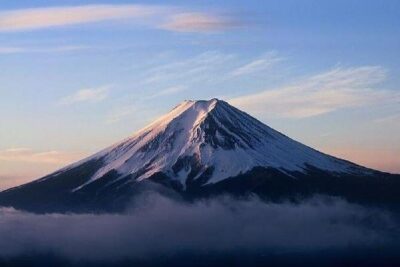 ★ 4.0Mt Fuji & Hakone Cruise, Drum Show Bullet Train 1 Day from TokyoFrom $1497,413 reviews
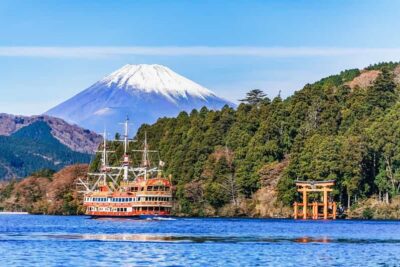 ★ 4.4Tokyo Mt Fuji 5th St & Hakone Cruise Bus Tour w/Bullet TrainFrom $1545,024 reviews
 ★ 4.5From Tokyo: Mount Fuji Full-Day Sightseeing TripFrom $684,970 reviews
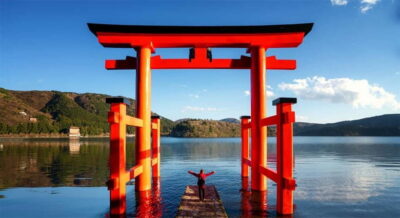 ★ 4.7Mt. Fuji Tour, Hakone Ropeway, Owakudani, Lake AshiFrom $544,002 reviews
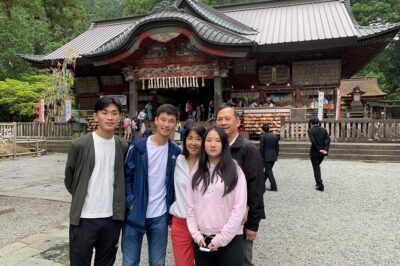 ★ 5.0Private Tour to Mt. Fuji and Hakone (Fully Licenced Operator)From $4971,910 reviews
 ★ 4.9Mount Fuji Full-Day Private Tour from Tokyo (Customizable)From $3931,470 reviews
 ★ 4.0Mt Fuji & Hakone Cruise, Drum Show Bus 1 Day from TokyoFrom $1221,287 reviews
 ★ 4.2From Tokyo: Mt. Fuji & Hakone Tour w/ Return by Bullet TrainFrom $1171,278 reviews
Browse the lists this tour appears in