
Fuji in one day takes smart planning. This tour delivers round-trip transport and shibazakura + Mt. Fuji photo chances without you figuring out train changes. The trade-off is that it’s a tight schedule, so you’ll be moving between stops more than lingering.
I like the mix of Fuji views plus culture and local spirituality, not just a single lookout. You’ll also get guides who keep things orderly, with names like Kishida and Agnes showing up in feedback for clear meeting-point guidance and smooth timing.
If the weather turns gray, expect the mountain to be hit-or-miss, because you’re dealing with nature. Also, two main attractions require extra tickets, so your final cost isn’t only the advertised price.
In This Review
- Key Points Before You Go
- Why This Mt. Fuji Day Trip Works From Tokyo
- Price and Value: What the $58.90 Actually Covers
- Getting There: Coach Comfort, Timing, and Group Reality
- Stop-by-Stop: Fuji Shibazakura Festival at Motosuko Resort
- Saiko Iyashi-no-Sato Nenba: Traditional Village With a Real Story
- Lake Kawaguchiko: The Fuji Five Lakes You Came For
- Oishi Park: Flowers, Promenade, and Fuji in One Frame
- Kawaguchiko Natural Living Center: A Red Torii Photo Moment
- Chureito Pagoda and Arakurayama Sengen Park: The Icon Stop
- Arakura Fuji Sengen Shrine: Spiritual Stop, Short and Meaningful
- What the Best Guides Do With a Jam-Packed Day
- Weather and Photos: How to Get Results, Not Just Hope
- Food on a Tight Timeline: How to Handle Lunch (or Skip It)
- Who This Tour Fits Best (and Who Should Skip It)
- Should You Book This Mt. Fuji & Fuji Shibazakura Day Trip?
- FAQ
- How long is the Mount Fuji & Fuji Shibazakura one-day trip?
- How much does the tour cost?
- What’s included in the price?
- Is lunch included?
- Which tickets cost extra?
- Is Mt. Fuji viewing guaranteed?
- What are the main stops on the itinerary?
- Does the tour offer the option of different languages?
- Is the itinerary affected during Golden Week?
- How big is the group?
Key Points Before You Go
- Shibazakura Festival timing: You visit during bloom at Motosuko Resort, built for photos of flowers with Mt. Fuji in the same frame.
- Multiple Mt. Fuji viewpoints: You’re not relying on one single scenic spot; the route gives you several chances to see the mountain.
- Cultural stop at Saiko Iyashi-no-Sato Nenba: A traditional village that tells the story of rural life and loss, with a small entrance fee.
- Comfort-focused logistics: Air-conditioned coach and a group cap of 45 helps keep the day organized.
- Classic icons on the schedule: Lake Kawaguchiko, Oishi Park, a red torii viewpoint, Chureito Pagoda, and Arakurayama Sengen areas.
- Golden Week route change: May 1–7 can mean Chureito Pagoda and Arakura Fuji Sengen Shrine get skipped to reduce traffic stress.
Other routes to the mountain, compared
- Mt Fuji & Hakone Cruise, Drum Show Bullet Train 1 Day from Tokyo★ 4.0 · 7,413 reviews
- Tokyo Mt Fuji 5th St & Hakone Cruise Bus Tour w/Bullet Train★ 4.4 · 5,024 reviews
- From Tokyo: Mount Fuji Full-Day Sightseeing Trip★ 4.5 · 4,970 reviews
Why This Mt. Fuji Day Trip Works From Tokyo
If you’re basing yourself in Tokyo and want Mt. Fuji in a single day, this kind of tour earns its keep. It handles the big headache: getting you from the city to the Fuji Five Lakes area and back with minimal fuss.
What makes this experience feel practical is the pacing. You get quick hits of the most famous visuals around Lake Kawaguchiko, plus two culture-and-spirituality stops that ground the day beyond selfies. You’re still on a timetable, but at least the stops aren’t random.
The group size matters too. With a maximum of 45 people, it’s big enough to run efficiently, but small enough that your guide can still keep check-ins and meeting points clear.
Price and Value: What the $58.90 Actually Covers
The headline price is $58.90 per person, and that covers round-trip transportation by air-conditioned vehicle and a guide. That’s the core value for a one-day Mt. Fuji trip—your time is protected, and you’re not spending it navigating trains.
Two attractions are not included:
- Saiko Iyashi-no-Sato Nenba ticket: ¥500 per person
- Fuji Shibazakura Festival ticket: ¥1,200 per person
Lunch is also not included.
So do the math with your own habits. If you already know you’ll want to enter those two paid stops and you usually grab meals on the go, you’re likely paying a bit more than the starting price. If you’re the type who packs snacks and keeps meals simple, the value gets stronger fast.
Getting There: Coach Comfort, Timing, and Group Reality
This is an about 10-hour day trip, built around convenience rather than free-roaming. You’ll be on the bus for the transitions between Tokyo and the Kawaguchiko area and between each viewpoint.
The coach is air-conditioned, which is not a small detail when you’re doing Japan in warmer or cooler months. And because it’s a group tour, you’ll have a structured flow for meeting points, timing, and what to do during each stop.
You’ll also want to plan around the reality that some stops are short—some are 15 to 30 minutes. That doesn’t mean the stops are low value. It means you should arrive ready: shoes on, water situation handled, camera charged, and a clear idea of what you want to photograph at each place.
Stop-by-Stop: Fuji Shibazakura Festival at Motosuko Resort
This is your first big visual payoff. The Fuji Shibazakura Festival has been held since 2008, and the visit is timed for when the shibazakura plants are in bloom at Motosuko Resort.
Why this matters: shibazakura grows low to the ground and covers large areas, so it’s one of the best ways to get that classic composition—pink flowers foreground, Mt. Fuji behind. Even if the sky isn’t perfect, the festival setting gives your photos structure and color.
You’ll have about 1 hour here. That’s enough time to find a viewpoint, take photos, and stroll a bit—without turning it into a half-day commitment. The ticket isn’t included (¥1,200), so treat that cost as part of the festival experience.
Practical note: if clouds threaten Mt. Fuji, this early timing helps because the mountain visibility can change during the day. The itinerary is built to give you multiple chances later, too.
Worth weighing up alongside this Tokyo pick:


Saiko Iyashi-no-Sato Nenba: Traditional Village With a Real Story
Next comes Saiko Iyashi-no-Sato Nenba, the traditional Japanese village in Fujikawaguchiko Town. It’s known for being a striking rural scene with Mt. Fuji in the background—exactly the kind of contrast you don’t get from a purely modern city tour.
Here’s what gives the stop weight: the village was destroyed by a landslide during a typhoon in 1966, and it later became a place visitors can experience and remember. At about 50 minutes, you can slow down enough to actually look at the buildings and atmosphere, not just walk past.
This stop has an entrance ticket not included: ¥500 per person. If you’re the type who likes village life details—how spaces are arranged, what the setting feels like—this paid stop is often worth it. If you’re only chasing scenery, you might feel the time is short, but it still adds cultural context.
Lake Kawaguchiko: The Fuji Five Lakes You Came For
Lake Kawaguchiko is the headliner lake for many visitors, and for good reason. It’s the most popular of the Fuji Five Lakes, with panoramic Mt. Fuji views from the shore.
You’ll have about 20 minutes here, which is short. But the trick is to treat this as a viewpoint stop, not a full lakeside hangout. You can walk a bit, frame your shot, and get oriented for the rest of the day.
Also worth knowing: Lake Kawaguchiko has the longest shoreline among the Fuji Five Lakes. That’s part of why there are so many angles people use to photograph Fuji from different spots along the water.
If you’re picky about views, use this moment to decide which direction to face for your best photos later—especially if Mt. Fuji is partially visible and you want to optimize angles.
Oishi Park: Flowers, Promenade, and Fuji in One Frame
Oishi Park is designed for exactly what you probably came for: a view where flowers + Lake Kawaguchiko + Mt. Fuji all show up together. The lakeside promenade is lined with blooms that vary by season, which helps explain why people call this a go-to place during spring festival periods.
You’ll have about 30 minutes. That’s a comfortable window for photos plus a slower stroll than the pure quick-hit stops. And because the park is set up for scenic walking, you’re not just standing around waiting for a single angle.
This is also a good place to reset your focus. If the first festival crowd energy made you rush, Oishi Park tends to feel like a more relaxed scenery walk—without losing the Fuji postcard look.
Kawaguchiko Natural Living Center: A Red Torii Photo Moment
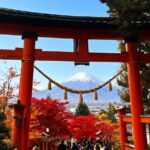
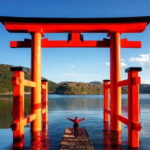
Not every stop here is about a long walk. The Kawaguchiko Natural Living Center is a short 15-minute stop where you can capture a memorable composition: a red torii blending with Mt. Fuji.
This is the kind of scene that works even if Mt. Fuji is a little dramatic in the background. The strong red color gives your photos a focal point, even when the mountain isn’t perfectly clear.
Because the time is limited, plan to walk in, aim your photos, and avoid getting stuck looking at unrelated details. Think of it as a targeted photo stop that adds variety to the day.
Chureito Pagoda and Arakurayama Sengen Park: The Icon Stop
Chureito Pagoda is one of those places where everyone knows the image, and for many people, that’s the point. The pagoda sits in Arakurayama Sengen Park, famous for panoramic views of Chureito Pagoda, Mt. Fuji, and Fujiyoshida City.
You’ll have about 50 minutes here, which is the longest stop after Saiko Iyashi-no-Sato Nenba. That extra time helps because this area typically takes a bit of navigation. You want time to find your spot and get your photos without feeling rushed.
Important timing note: during Golden Week (May 1–7), traffic around Mt. Fuji is expected to be heavy, and this tour cancels the visit to Chureito Pagoda and Arakura Fuji Sengen Shrine. The day will be adjusted so you still get time for other attractions. If your dates fall in that window, it’s smart to treat the itinerary as flexible.
If you’re visiting outside Golden Week, this is one of the best chances to get a classic Mt. Fuji framing with a well-known landmark foreground.
Arakura Fuji Sengen Shrine: Spiritual Stop, Short and Meaningful
Arakura Fuji Sengen Shrine is next, with about 15 minutes on the schedule. The shrine was built in 705 and has served as a guardian god for Arakura Village for over 1,300 years.
That age matters because this isn’t just a pretty backdrop. You’re stepping into a place that has had a long role in local belief and community life.
Like Chureito Pagoda, this stop can be cancelled during Golden Week (May 1–7). Outside that period, 15 minutes is enough to walk through respectfully, take in the atmosphere, and move on without turning it into a long detour.
If you like your tours to include at least one spiritual or historical moment—not just scenic views—this stop is a good fit.
What the Best Guides Do With a Jam-Packed Day
A one-day Mt. Fuji tour lives or dies by coordination. The most praised part of this experience is how guides keep the day organized: clear instructions for meeting points, direct communication, and patience when groups need a moment to finish photos.
You’ll also appreciate the way guides help you make quick decisions about where to stand for the best view and what to prioritize during each stop. In past feedback, guides were praised for giving straightforward guidance on viewing points and practical needs like bathrooms and timing.
Guide names that come up include Kishida and Agnes. Either way, the pattern is similar: the day feels controlled, even when it’s packed. That matters because Mt. Fuji days go sideways fast when people are late or confused.
Weather and Photos: How to Get Results, Not Just Hope
Mt. Fuji is a weather-dependent star. Even when forecasts look overcast, the itinerary offers multiple opportunities to see the mountain—at the shibazakura stop, later by the lake, and again around the pagoda and shrine areas.
That strategy is your best protection as a visitor. If you only had one viewpoint, gray skies could ruin the entire day. Here, you’re giving yourself chances in different locations and angles.
Pack like this is an outdoor photo day:
- Layers for wind and cool air
- A compact umbrella or rain cover
- Comfortable shoes for short walks and uneven ground
- Phone power and a camera strap if you use one
Also, set your mindset. In a schedule like this, your goal is not perfection in one photo spot. Your goal is getting at least a few strong frames and enjoying the day’s rhythm.
Food on a Tight Timeline: How to Handle Lunch (or Skip It)
Lunch is not included. That’s common on day trips, but it affects how the day feels—especially when each stop is short.
In past feedback, food recommendations didn’t feel standout, so a lot of people end up managing snacks and simple meals on their own. My advice is simple: bring a snack you like. Think of it as insurance against the time crunch.
If you do plan to buy food during the day, keep expectations realistic. You’re here for the scenery and the landmarks, not for a slow sit-down meal. Build in energy, then spend your limited time enjoying each stop.
Who This Tour Fits Best (and Who Should Skip It)
This tour is a strong match if you:
- want a first-time Mt. Fuji day trip from Tokyo
- prefer guided logistics over public-transport problem-solving
- like classic photo stops and scenic walking without long hikes
- want a mix of nature, a traditional village, and a shrine moment
It may be less ideal if you:
- hate short timed stops and want to linger for hours
- need a guaranteed clear view of Mt. Fuji (because weather can change fast)
- are looking for a food-focused day or a deeply slow cultural experience
Golden Week (May 1–7) deserves special attention. The tour cancels Chureito Pagoda and Arakura Fuji Sengen Shrine during that period to reduce traffic issues. If those are your top two icons, check your dates carefully.
Should You Book This Mt. Fuji & Fuji Shibazakura Day Trip?
I’d book it if you want a high-efficiency Fuji experience with air-conditioned comfort and a guide who keeps the day moving in the right direction. The value is strongest for first-timers because it bundles the shibazakura festival, a traditional village, and multiple Kawaguchiko-area viewpoints into one organized route.
Skip—or at least reconsider—if your travel style requires long free time at each stop, or if you’re only satisfied when Mt. Fuji is perfectly clear. This is a well-run plan, but it still follows the rules of weather and daylight.
If your timing lines up with shibazakura bloom and you’re visiting outside Golden Week, you’re in a sweet spot: enough structure to see the icons, and enough variety to feel like more than a single-view day.
FAQ
How long is the Mount Fuji & Fuji Shibazakura one-day trip?
The tour runs for approximately 10 hours.
How much does the tour cost?
The price is $58.90 per person.
What’s included in the price?
You get an air-conditioned vehicle and a guide.
Is lunch included?
No, lunch is not included.
Which tickets cost extra?
Saiko Iyashi-no-Sato Nenba costs ¥500 per person, and the Fuji Shibazakura Festival costs ¥1,200 per person.
Is Mt. Fuji viewing guaranteed?
The itinerary offers multiple viewpoints, but Mt. Fuji visibility depends on weather.
What are the main stops on the itinerary?
You’ll visit the Fuji Shibazakura Festival, Saiko Iyashi-no-Sato Nenba, Lake Kawaguchiko, Oishi Park, Kawaguchiko Natural Living Center (for the torii photo viewpoint), Chureito Pagoda, and Arakura Fuji Sengen Shrine.
Does the tour offer the option of different languages?
Yes, the tour is available in English and Mandarin.
Is the itinerary affected during Golden Week?
Yes. From May 1st to 7th, traffic is expected to be heavy and the tour cancels the visit to Chureito Pagoda and Arakura Fuji Sengen Shrine.
How big is the group?
The tour has a maximum of 45 travelers.
More 1-Day Tours in Tokyo
More Tour Reviews in Tokyo





The Fuji Shortlist: Other Days Out to the Mountain

Fresh reviews from around Tokyo






Mt Fuji Day Trips, compared.
 ★ 4.0Mt Fuji & Hakone Cruise, Drum Show Bullet Train 1 Day from TokyoFrom $1497,413 reviews
 ★ 4.4Tokyo Mt Fuji 5th St & Hakone Cruise Bus Tour w/Bullet TrainFrom $1545,024 reviews
 ★ 4.5From Tokyo: Mount Fuji Full-Day Sightseeing TripFrom $684,970 reviews
 ★ 4.7Mt. Fuji Tour, Hakone Ropeway, Owakudani, Lake AshiFrom $544,002 reviews
 ★ 5.0Private Tour to Mt. Fuji and Hakone (Fully Licenced Operator)From $4971,910 reviews
 ★ 4.9Mount Fuji Full-Day Private Tour from Tokyo (Customizable)From $3931,470 reviews
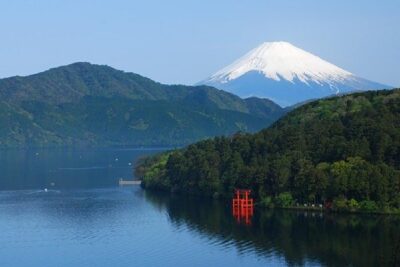 ★ 4.0Mt Fuji & Hakone Cruise, Drum Show Bus 1 Day from TokyoFrom $1221,287 reviews
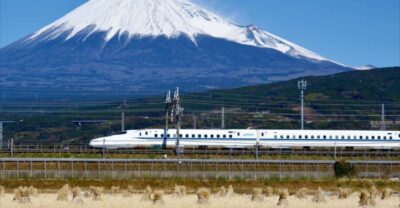 ★ 4.2From Tokyo: Mt. Fuji & Hakone Tour w/ Return by Bullet TrainFrom $1171,278 reviews
Browse the lists this tour appears in