
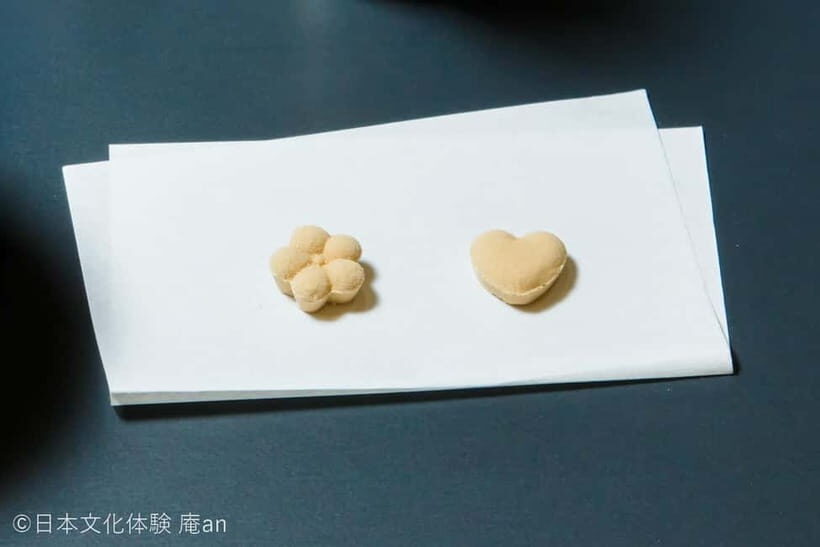
Reviewed · DESSERT TOURS
Japanese dried-type Sweets (Ohigashi) making
That first bite can taste like a quiet secret.
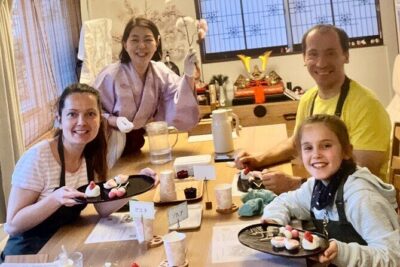
This hands-on Japanese dried-type sweets session is short, friendly, and very practical: you’ll learn the basics of traditional sweets, then make your own ohigashi using 100% Wasanbon. It’s the kind of class that feels less like watching and more like doing, with cute results you’ll want to photograph (yes, they build that in).
Two things I really like: you get to choose the shape using a wooden mold, and the sugar itself is the star—Wasanbon has a mellow flavor that only fully clicks when it’s fresh and melted into the final sweet. One thing to think about: the class is listed with Japanese language, with English translation provided as much as possible, so if you rely 100% on English, go in with a flexible mindset and a few “show me” moments worked out.
In This Review
- Key Highlights You’ll Care About
- Making Wasanbon Ohigashi: What You Create in 30 Minutes
- The Sweet Star: 100% Wasanbon and Why It Tastes Different
- Wooden Mold Choices and the Color Option (200 JPY)
- Step-by-Step: From Sweets Intro to Pictures and Tasting
- Price and Value: Is $10 Worth It for Ohigashi?
- Who This Workshop Is For (and Who Might Want Another Style)
- Should You Book This Wasanbon Ohigashi Experience?
- FAQ
- How long is the Japanese dried-type sweets (ohigashi) making experience?
- What sugar is used to make the ohigashi?
- Can I choose the shape of my sweets?
- Is coloring included?
- Where is the meeting point?
- Is English translation available?
Key Highlights You’ll Care About
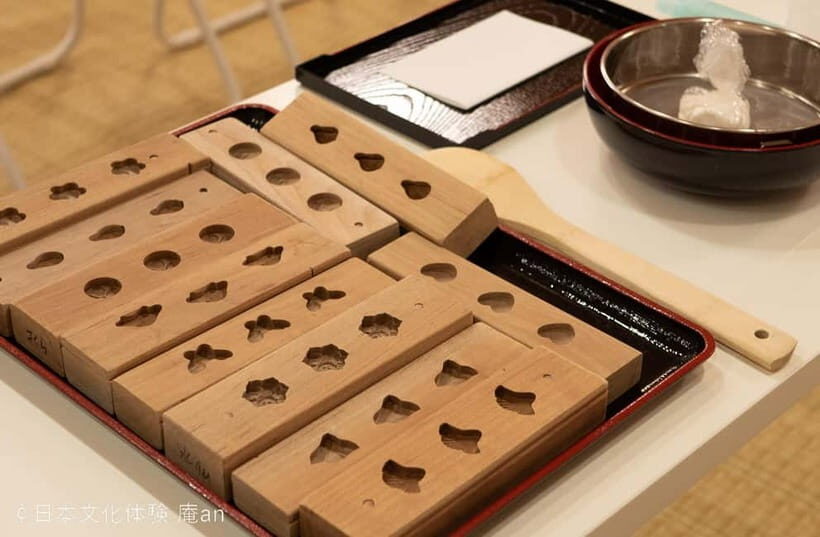
- 100% Wasanbon as the only sugar used, so the flavor is the point
- Wooden mold shapes to create your own cute ohigashi
- A clear mini schedule, with making first, then pictures and tasting
- You’ll make ohigashi without color by default, with a paid color option
- Instructor guidance is a big part of the experience, and it shows in the smooth flow
Worth weighing up alongside this Tokyo pick:
- Make Traditional Nerikiri Sweets & Matcha experience in Shibuya★ 5.0 · 130 reviews
- Private Mochi Sweets Making class near Shibuya area★ 5.0 · 93 reviews
- Japanese Traditional Sweets making and Tea Ceremony★ 4.7 · 50 reviews
Making Wasanbon Ohigashi: What You Create in 30 Minutes
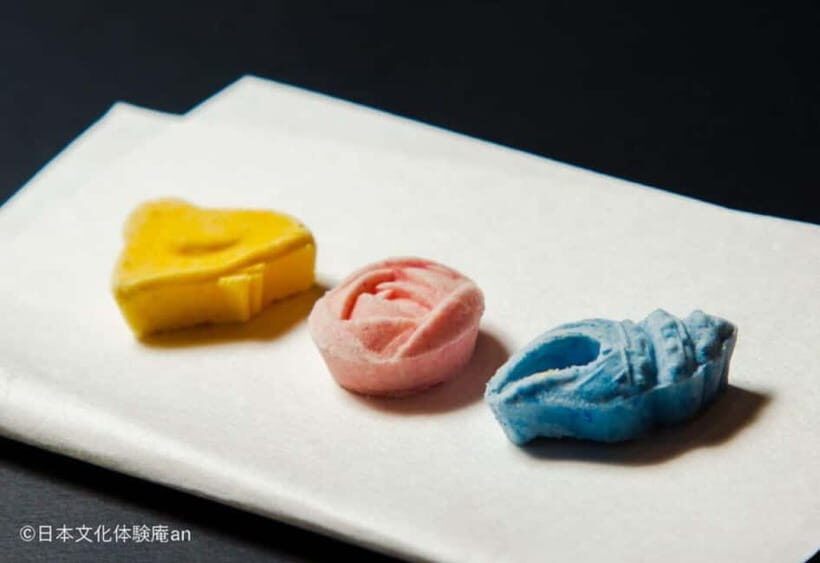
This is a 30-minute workshop that focuses on one job: making Japanese dried-type sweets, or ohigashi, using traditional sugar called Wasanbon. Don’t expect a long cultural lecture. You’ll get enough context to understand what you’re doing, then you jump straight into the making part.
For me, the best part of a short class is that it keeps you from overthinking. You’re not stuck for hours watching someone else work while you wait for your turn. Here, the rhythm is pretty direct: explanation, making, then time for pictures and tasting. That structure matters because ohigashi is all about the final texture and the fresh taste, and you don’t get that if everything stretches out too long.
You’re also creating a small souvenir that isn’t just decorative. It’s edible, made by you, and linked to a specific ingredient style—Wasanbon. That’s a more memorable keepsake than a generic snack you buy on the street.
One practical note: because the experience is short, you’ll want to show up on time and be ready to focus during the making steps. They also can’t hold the event for delays, so plan your arrival like you would for a train connection you really don’t want to miss.
The Sweet Star: 100% Wasanbon and Why It Tastes Different
The workshop’s biggest selling point is right in the ingredient. You’ll make your ohigashi from 100% Wasanbon—traditional Japanese sugar. Wasanbon isn’t just “sugar with a Japanese name.” It has a different feel and flavor profile than many Western-style sugars, and the mellow taste is part of why people seek it out.
If you’ve never had high-quality Wasanbon, this is one of those experiences where your brain catches up after your mouth does. The sugar melts smoothly, and the taste lingers in a gentle way instead of hitting you with sharp sweetness. That matters for ohigashi, which is typically meant to be subtle and precise rather than loud and candy-sweet.
Also, this is a dried-type sweet class, so what you’re tasting is tied to the way the sugar is handled and shaped. You’re not just mixing ingredients. You’re learning the method that turns Wasanbon into a finished sweet with a specific texture you can actually experience immediately.
The class also gives you a default version with no coloring added. That’s smart. It keeps the taste pure and lets you notice what Wasanbon is doing on its own. If you’re the type who likes learning by comparison, you’ll likely understand why the color option is treated as an add-on rather than the main event.
Wooden Mold Choices and the Color Option (200 JPY)
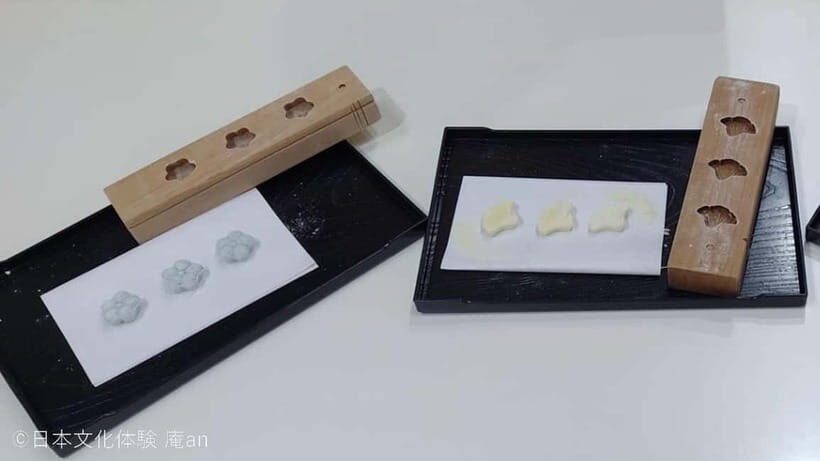
One of the most fun parts is also the most visible: you choose your shape from cute wooden molds. This is not a “trust us, it’ll look nice” situation. You’re actively picking the design, and that choice affects how your finished ohigashi looks in your photos and how you present it while tasting.
It also changes how you experience the class. The mold makes the process feel tangible. You can see progress right away, and you can compare results when you look at your shape versus others (even if you don’t plan to make a comparison, your brain will).
Now, about color: you’ll make ohigashi without adding color as part of the standard experience. If you want colorful versions, there’s an optional add-on for 200 JPY that lets you make colorful ohigashi. If you’re a “taste first” person, the default version is already a good choice because it spotlights Wasanbon. If you’re making this for a group or you want visuals for gifts, the color option can be a nice extra.
The workshop also mentions a paid option for an experience completion certificate (300 JPY). That’s not required to enjoy the class, but it can be a fun paper souvenir if you like keeping proof that you did something hands-on.
Step-by-Step: From Sweets Intro to Pictures and Tasting
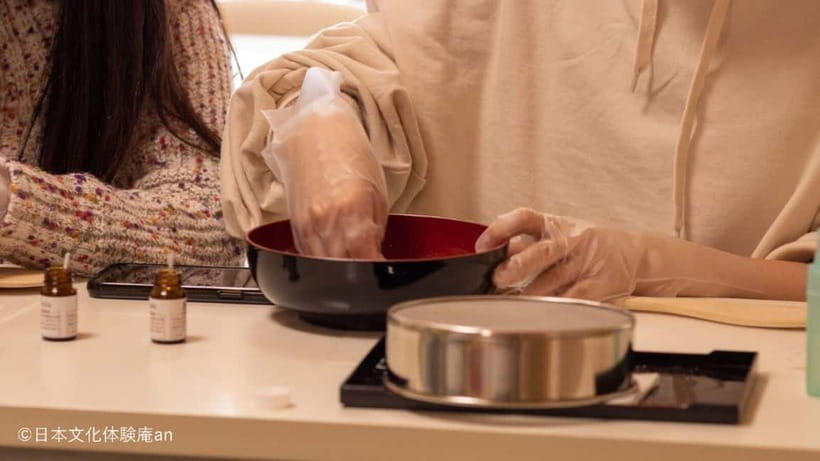
Here’s how the flow works in real time, and why each step matters.
Start (around 00 minutes): You begin with the session kickoff and an explanation of Japanese traditional sweets. This isn’t meant to turn you into a historian. It’s there to give you a quick map so the making steps don’t feel random. You’ll learn what ohigashi is in general terms and what you’re about to craft.
Making the dried-type ohigashi (the core step): After the intro, you move into the main action: Japanese dried-type sweets making. You’ll shape your ohigashi using the wooden mold you choose. The sugar is the highlight here, and the workshop specifically calls out that you won’t fully know the taste of high-quality Wasanbon unless you try it—so the method is designed to lead you toward that fresh flavor moment.
Picture time (around 20 minutes): At about the 20-minute mark, you get picture time. That’s useful because it gives you a moment to capture your shape before you eat it. It also reduces the chance you rush your photos while your sweet is still warm and perfect.
Eating and drinking (toward the 30-minute end): Then you shift into tasting. You’ll enjoy the taste that only comes from freshly made sweets. Since this is a short class, the tasting is fast and direct—no waiting around, no guessing what your sweet will taste like later.
One small but important consideration: because they do picture time before the final tasting, don’t plan on skipping the photos if you care about visuals. The timing is part of how the class is structured, and you’ll likely have a better experience if you go with the rhythm.
Also, the experience is listed with the instructor as Japanese. English translation is provided as much as possible. That means you’ll probably understand what’s happening even if your Japanese is limited, but you should still expect the instructor’s main communication to be in Japanese.





Price and Value: Is $10 Worth It for Ohigashi?
The price is $10 per person, which is pretty reasonable for a hands-on food workshop. The value isn’t just that you get a sweet. It’s that you get a specific ingredient experience—100% Wasanbon—and you make the sweet yourself.
If you’ve ever bought fancy Japanese sweets, you know there’s a difference between something that’s been sitting around and something made fresh. This class targets the fresh element. You taste what you made soon after you finish shaping it, so you’re not paying for a generic souvenir snack. You’re paying for an edible activity tied to traditional sugar.
What’s included is a set experience of making ohigashi. That typically means you’re not bringing your own supplies or paying hidden material fees for the main ingredients.
Optional extras do cost more:
- 200 JPY for colorful ohigashi
- 300 JPY for a completion certificate
So if your goal is strictly value, you can keep it simple and enjoy the no-color, Wasanbon-forward version included in the standard experience. If you want visuals and a more “Instagram-friendly” look, the color add-on is the only extra that changes the main outcome in a noticeable way. The certificate is more of a keepsake than a flavor upgrade.
The best way to judge value is to ask yourself one question: do you want to make something, not just eat something? If yes, this pricing makes sense.
Who This Workshop Is For (and Who Might Want Another Style)
This is a great fit for:
- People who like short food experiences with clear steps
- Anyone curious about Wasanbon and how its mellow flavor actually tastes
- Travelers who enjoy crafting and want an edible souvenir
- Couples or small groups who want something light, not overly long, and easy to fit into a schedule
It’s also a nice option if you’re the type who likes “quiet craftsmanship.” Ohigashi isn’t about big flavors or heavy sweetness. It’s about shape, texture, and ingredient quality. If you prefer that kind of precision, you’ll likely enjoy the process as much as the eating.
Who might reconsider? If you need a fully English-run class with lots of conversation, the workshop notes English translation is provided as much as possible, with the language listed as Japanese. You’ll still participate in the making, but your ability to chat may depend on how much translation is offered at your time slot.
Also, since the experience is only 30 minutes, you won’t get a long menu of options. This isn’t the kind of workshop where you try multiple techniques. You pick a shape, make the sweet, taste it, and move on.
The good news is that the short timeline keeps things focused. And one review-backed detail worth trusting: the instructor style matters here. The experience includes guidance that helps you feel comfortable doing the shaping steps, and that makes a big difference for first-timers.
Should You Book This Wasanbon Ohigashi Experience?
I’d book this if you want an authentic Japanese food activity with a clear ingredient story. 100% Wasanbon isn’t common in casual snack purchases, and being able to shape your own ohigashi using a wooden mold turns it into a memory, not just a bite.
If you’re curious about Japanese sweets but feel overwhelmed by variety, this helps. You focus on one type of sweet, one ingredient, and one method. You leave with something you made and tasted right away.
I’d also book it if you like friendly, guided classes where you can follow steps without needing advanced language skills. The overall impression from the experience is that the instructor guides well and keeps the mood welcoming.
Skip it only if you’re looking for a long cultural immersion, or if you strongly prefer fully English instruction with lots of detailed back-and-forth. The workshop is short by design, and the main goal is the hands-on making plus immediate tasting.
FAQ
How long is the Japanese dried-type sweets (ohigashi) making experience?
It lasts about 30 minutes.
What sugar is used to make the ohigashi?
The experience focuses on making ohigashi with 100% Wasanbon (traditional Japanese sugar).
Can I choose the shape of my sweets?
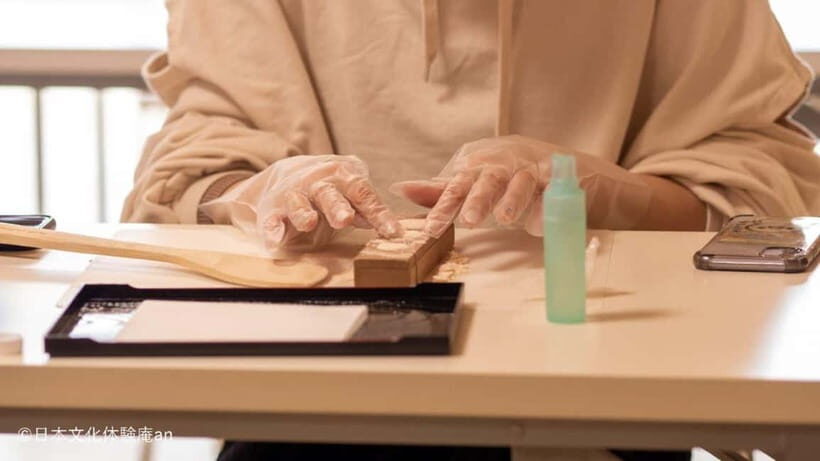
Yes. You can choose your favorite shape from the wooden molds provided.
Is coloring included?
By default, you make ohigashi without adding color. You can add color for an additional 200 JPY.
Where is the meeting point?
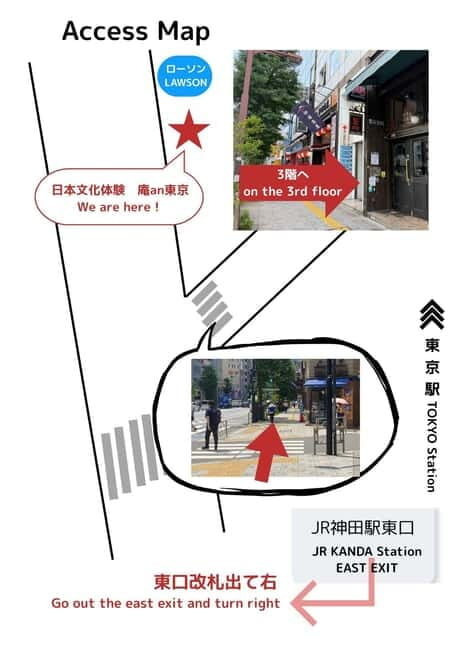
Meet at AN TOKYO Japanese Culture Experience, with coordinates 35.6916541, 139.7715022.
Is English translation available?
English translation is provided as much as possible, though the listed language is Japanese. You can contact the provider if you want to add English support.
More Dessert Tours in Tokyo



More Tour Reviews in Tokyo



Fresh reviews from around Tokyo






Dessert Tours, compared.
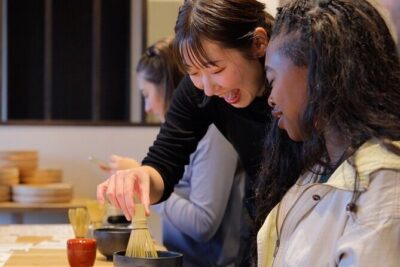 ★ 5.0Matcha Making Class in Tokyo with Authentic Japanese Sweets SetFrom $21744 reviews
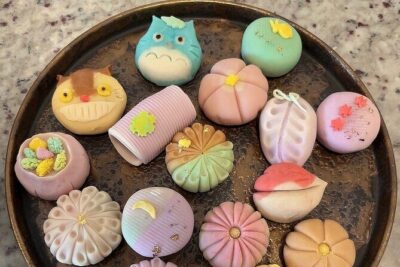 ★ 5.0Make Traditional Nerikiri Sweets & Matcha experience in ShibuyaFrom $60130 reviews
 ★ 5.0Private Mochi Sweets Making class near Shibuya areaFrom $7993 reviews
 ★ 4.7Japanese Traditional Sweets making and Tea CeremonyFrom $1850 reviews
 ★ 5.0Tokyo Local Food Tour: Noodles, Skewers, Dumplings, SweetsFrom $7448 reviews
 ★ 4.6Two Types of Japanese Sweets Making and Tea CeremonyFrom $2826 reviews
 ★ 5.0Mochi Matcha Gluten Free Japanese Sweets Class near Shibuya areaFrom $11226 reviews
 ★ 5.0Private Mochi・Matcha sweets Making Class Near Shibuya AreaFrom $7822 reviews
Browse the lists this tour appears in