
Reviewed · WALKING TOURS
Gyoda Tabi Shoes Cultural Walking Tour
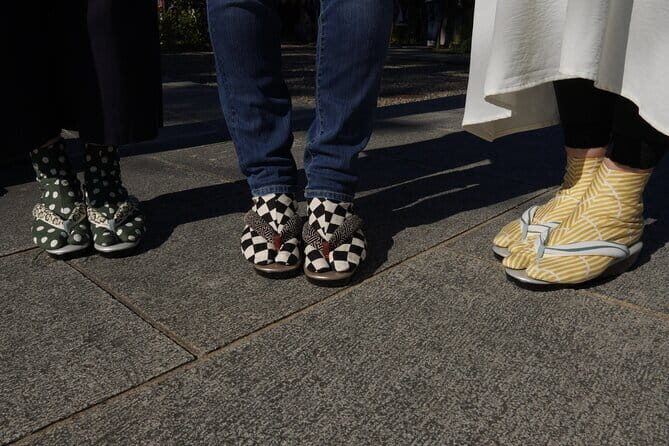
Tabi shoes have a split toe for a reason. In Gyoda, Saitama, that practical detail connects to centuries of footwear know-how and the kimono world. This walking tour focuses on Gyoda’s tabi culture and the Japan Heritage warehouse-town feel, with time to pick your own tabi socks and learn how the craft grew here.
I love two things most about this experience. First, the guided factory portion where you can see how the work gets done in a place built for production—exactly the kind of behind-the-scenes you rarely get in big cities. Second, the food stops: jelly fries and manju, which keep the tour grounded in local everyday flavor, not just sightseeing.
One consideration: you’ll be walking in tabi socks and zori sandals for a few hours, so comfort and weather planning matter. The tour moves through streets, warehouses, and factory areas, and the footwear setup can feel unfamiliar at first.
In This Review
- Key highlights you will actually care about
- Why Gyoda’s tabi culture is different from a normal souvenir stop
- The 3-hour structure: small group pace, mobile ticket, and what to expect
- Stop 1 at Kanko Bussankan Buratto Gyoda: choosing tabi socks that fit your walk
- Chujirō warehouse snacks: jelly fries and Japan Heritage craft buildings
- Jumangokufukusaya manju tasting inside a 1836 storehouse
- Gyodahachiman Shrine and Hanahancozu flowers: a calmer break from factories
- Inside the tabi factories: from a saw-toothed roof exterior to guided manufacturing
- Walking in tabi and zori: how to make it comfortable (and not regret it)
- Food culture that fits the craft theme: quick tastings, not a separate meal
- Price and value: what $45.61 buys you in real terms
- Who this tour suits best (and who might want a different plan)
- Should you book this Gyoda Tabi Shoes Cultural Walking Tour?
- FAQ
- How long is the Gyoda Tabi Shoes Cultural Walking Tour?
- What time does the tour start, and where is the meeting point?
- What is included in the tour price?
- Is this a group tour?
- Do I visit the shrine by myself or with the guide?
- Is a paper ticket required?
Key highlights you will actually care about
- Pick your tabi socks up front so you start walking in the right gear
- Jelly fries + manju tastings make the cultural stops feel like a food tour too
- Gyodahachiman Shrine and Hanahancozu add a calm, pretty pause to the craft focus
- Two factory experiences: a quick look at the saw-toothed-roof school factory exterior, then a longer guided look at manufacturing
- Small group size (max 15) helps the pace stay friendly instead of rushed
Saitama Prefecture at walking pace, a few more ways
- Gyoda Tabi Shoes Cultural Walking Tour★ 5.0 · 7 reviews
Why Gyoda’s tabi culture is different from a normal souvenir stop
Gyoda sits about an hour from central Tokyo, but it feels worlds away from the usual tourist loop. The big idea here is that Gyoda is Japan’s tabi shoe production town, built on warehouses and workshops where people have maintained the craft year after year. That heritage angle matters because you’re not just buying a product—you’re walking through the town that made it.
The tour is also built around a wearable concept. You start by selecting your own tabi socks to wear on the walk, so the story isn’t theoretical. You feel the split-toe design and how it changes your stride. It’s a small thing, but it makes the kimono connection click fast.
And yes, there’s a guide on the ground. Even when the tour is simple in logistics, it adds context—like how tabi connects to traditional clothing and why these warehouses and factories became the backbone of the town.
The 3-hour structure: small group pace, mobile ticket, and what to expect
This is a mobile ticket tour that runs about 3 hours and caps at 15 travelers, so it’s not a stampede. The schedule is stop-and-go rather than one long guided march, which helps if you’re trying to stay comfortable in tabi and zori.
Most stops are short and focused—think quick tastings, a guided walk through specific historical buildings, then factory time later. The shrine stop gives a bit of independence, meaning you can take in the area at your own pace rather than being marched from one photo spot to another.
You’ll start and finish back at the same meeting point near public transportation. Service animals are allowed, and most people can participate. If you’re traveling light and hate wasting time with transfers, this one fits your day better than tours that begin 30 minutes away from where you end up.
Stop 1 at Kanko Bussankan Buratto Gyoda: choosing tabi socks that fit your walk
The tour starts at 観光物産館ぶらっとぎょうだ, where you choose the tabi socks you’ll wear during the experience. That’s a smart way to remove guesswork. It also means you’re not just hearing about footwear culture—you’re stepping into it right away.
You’ll also be given free Gyoda City sightseeing maps and time around the souvenir stores. That’s useful if you want to keep exploring after the tour, or if you simply want a quick orientation without extra planning.
This first stop is roughly 30 minutes, which is long enough to settle in, get your socks, and understand the basic idea before you start walking.
Chujirō warehouse snacks: jelly fries and Japan Heritage craft buildings
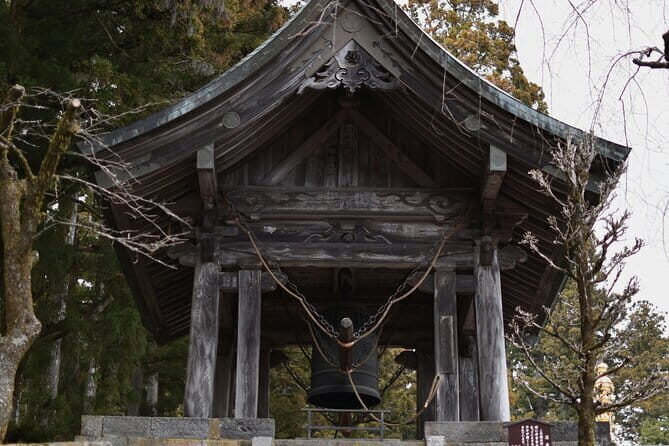
Next you head to the 忠次郎蔵 warehouse area. The highlight here is twofold: a local food moment and the setting itself.
You eat jelly fries, which is one of those snacks that feels like a local in-joke until you try it. It’s not just a random tasting either; the warehouse is designated as a Japan Heritage component cultural property and is also a nationally registered tangible cultural property. In plain terms, you’re tasting something in a building that’s officially protected for its cultural value.
This stop stays short at about 10 minutes, so it works well if you want to sample food without losing time. If you have a sensitive stomach or hate novelty textures, take your time with the snack and sip water as needed.


Jumangokufukusaya manju tasting inside a 1836 storehouse
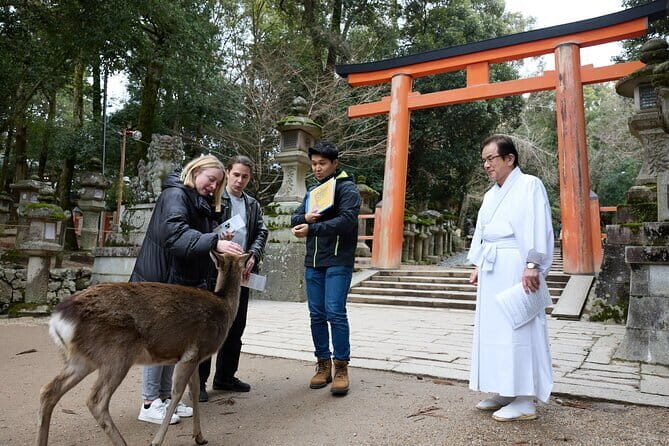
After the jelly fries, the tour shifts into sweet-and-slow mode at Jumangokufukusaya Gyoda Honten. The building dates to 1836, and it’s designated as a national tangible cultural property. That makes the tasting feel earned—you’re not just eating inside any old shop.
You get a brief tour of the historical buildings, plus a manju tasting. The timing is about 15 minutes, which is perfect for trying one flavor and moving on while the story stays fresh.
If you love traditional sweets in small doses, this stop is a good anchor. If you’re not into sweets, keep an open mind—this is also part of how traditional towns keep customers connected to the craft.
Gyodahachiman Shrine and Hanahancozu flowers: a calmer break from factories
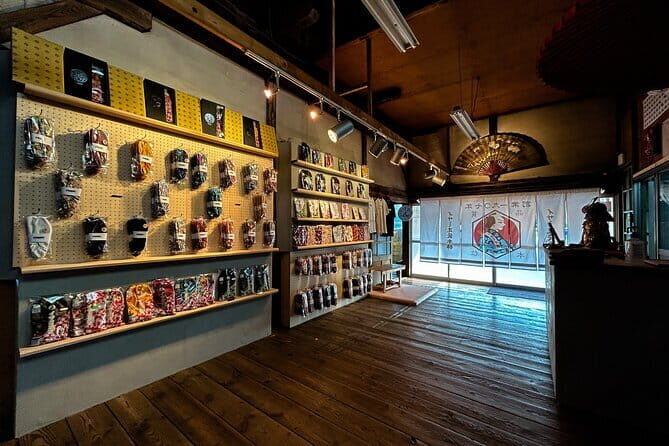
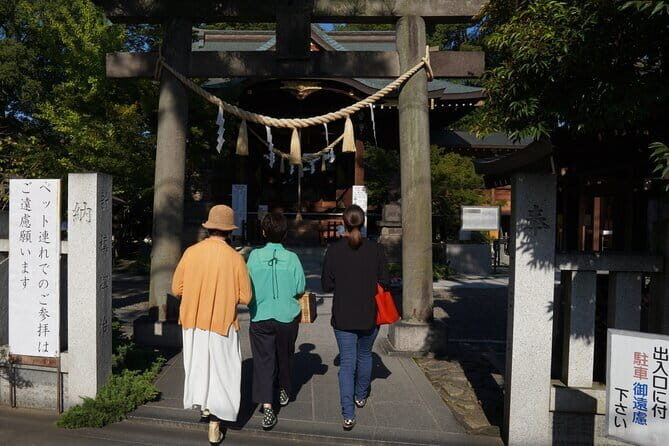
Then you head to Gyodahachiman Shrine. This is one of those moments where the tour slows down naturally, because shrines invite walking, quiet attention, and small pauses for photos.
The shrine is known for blessings for cancer, and people come from locals to visitors around the country. That means it’s not just a scenic stop; it has real meaning in the community.
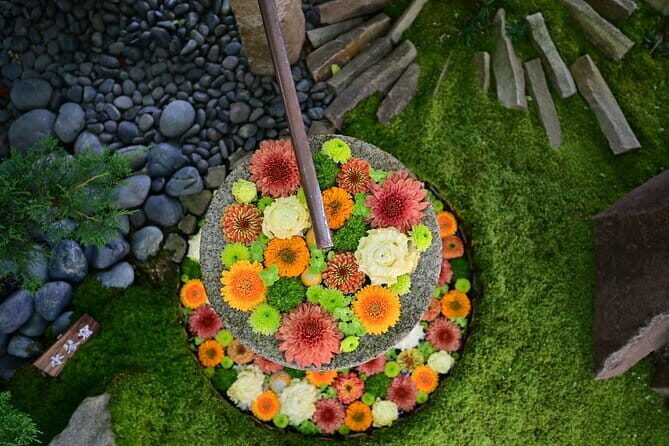
You’ll also view the Hanahancozu, the flower display tied to the shrine area. Participants may visit the shrine on their own, which is great when you want a little control over timing—especially if you’re photographing flowers or taking a moment to step away from the louder factory talk.
This stop lasts about 25 minutes, so it’s long enough for a real breath, not just a quick pass-through.
Inside the tabi factories: from a saw-toothed roof exterior to guided manufacturing

Factory time is where this tour earns its reputation. Even though the earlier stops build context, the real payoff is seeing how tabi shoes are actually made.
First, you get to Isami Corporation School Factory. The building dates to 1917 and is described as Gyoda’s largest saw-toothed-roof tabi factory. Here you visit the exterior, roughly 5 minutes—a quick architectural peek rather than a full tour.
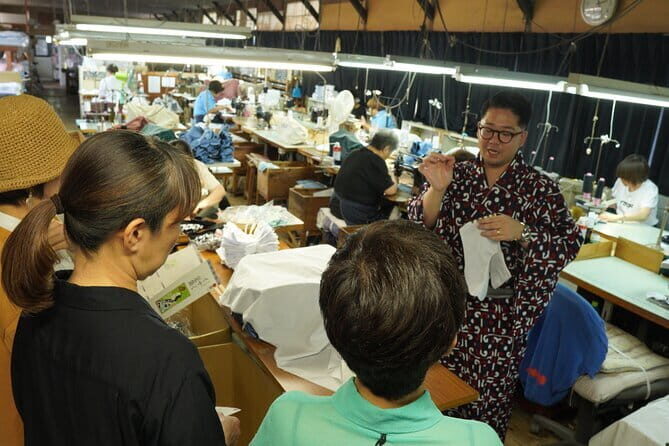
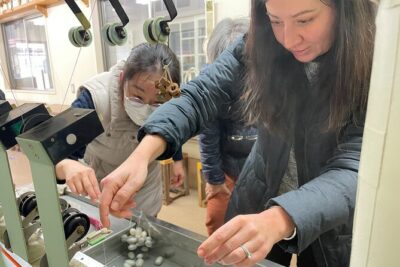
Then comes the longer and more detailed part at Isami Corporation headquarters. This is the guided manufacturing factory portion, about 45 minutes. You’ll go through the tabi production process with a guide, and the craft atmosphere comes through strongly when you’re standing where people made shoes and kept machines running.
One theme from the experience is watching the work and hearing explanations tied to the process, not just generic facts. The guide’s tone matters here, because factory tours can feel flat if all you get is a sales pitch. The tour is designed to keep this section instructional, and the smaller group size helps questions land naturally.
Practical note: factory areas can mean cooler indoor spaces or different floor textures. Wear footwear that you’re comfortable walking in for the entire day. Your tabi and zori will do the job, but you’ll still want to be ready for the real movement.
Walking in tabi and zori: how to make it comfortable (and not regret it)

This tour gives you the gear: tabi socks with the split toe and zori sandals. That’s part of the value because you don’t need to rent or hunt for the right items in town.
Still, comfort is on you. Tabi socks can feel odd if you’re used to normal socks, and the split-toe design changes how your foot distributes weight. The tour is only about 3 hours, but it’s long enough that foot soreness can creep in if you’re already tired.
What helps:
- Keep your stride relaxed and avoid forcing a fast pace.
- If you’re sensitive to cold, plan clothing accordingly. One cold-weather comment from similar experiences is that wind and season can make the walking feel chilly.
- If you have blisters easily, take special care the first few minutes—your feet need a short adjustment period.
Food culture that fits the craft theme: quick tastings, not a separate meal
The snack plan is simple but effective: jelly fries and Jumangoku manju. You’re not stuck in a long lunch queue, and the food stops are spaced so you don’t feel like you’re eating between unrelated attractions.
That pairing also matches the tour’s structure. The tastings happen inside meaningful places—warehouse spaces and historical storehouses—so the food feels like part of the town rhythm rather than a detour.
You’ll also likely find that souvenir stores along the way give you a chance to buy something practical if you want it. Even if you don’t, the food breaks help reset your attention before the next craft story.
Price and value: what $45.61 buys you in real terms
At $45.61 per person, you’re paying for more than a stroll with a guide. You’re also getting:
- Tabi socks and zori sandals
- Local snack tastings
- Multiple protected historical settings tied to Japan Heritage and national tangible properties
- A meaningful factory section that focuses on how the shoes are made
That combination is the value. In Tokyo, you might pay similar money just for a guided walk through shopping streets with no gear included. Here, you’re getting a hands-on cultural connection—wearing the footwear and watching production—plus food stops that keep the experience human.
The one trade-off is that the guide is in-person but not licensed or certified (as stated). That doesn’t automatically mean the tour quality is low, but it is a consideration if you need a formally accredited guide. If your goal is learning in a relaxed, practical way and enjoying the setting, it should still work well.
Who this tour suits best (and who might want a different plan)
I think this tour fits best if you like cultural travel that’s specific, not generic. You’ll probably enjoy it if you’re interested in:
- Japanese footwear culture and how it ties to kimono traditions
- Craft towns and how production is still happening locally
- Small-group walking tours where you can ask questions
It may be less ideal if you hate factory environments or can’t stand trying unusual footwear for a few hours. It’s also not positioned as a slow museum day; it’s a paced walk with short stops and one longer manufacturing segment.
If you’re visiting Saitama and want something that feels clearly local—even when you’re coming from Tokyo—Gyoda is a strong choice.
Should you book this Gyoda Tabi Shoes Cultural Walking Tour?
Book it if you want a tour that actually connects three things: the shoes, the town that built them, and the people who keep making them. The best parts are the structured factory time and the snack-and-heritage stops that keep the walk from feeling like a lecture.
Skip it (or consider another style of tour) if your main goal is large-scale landmark sightseeing. This isn’t about towering views. It’s about craft, buildings, and what daily life looks like when a tradition is still working.
If you go, wear comfortable layers, expect a bit of foot adjustment time in tabi, and keep your camera ready for both the shrine and the workshop vibe.
FAQ
How long is the Gyoda Tabi Shoes Cultural Walking Tour?
It runs about 3 hours.
What time does the tour start, and where is the meeting point?
It starts at 1:00 pm. The meeting point is 観光物産館ぶらっとぎょうだ, 2-chōme-1-8 Oshi, Gyoda, Saitama 361-0077, Japan.
What is included in the tour price?
Included items are tabi socks (split toe), zori sandals, jelly fries (local snack), and Jumangoku manju (Japanese sweet bun). An in-person guide accompanies the tour.
Is this a group tour?
Yes. The maximum group size is 15 travelers.
Do I visit the shrine by myself or with the guide?
You visit Gyodahachiman Shrine and you may visit the shrine on your own during the shrine portion.
Is a paper ticket required?
No. The tour uses a mobile ticket. Confirmation is received at the time of booking.
Saitama Prefecture on Foot: More Walks
More Tours in Saitama Prefecture

More Tour Reviews in Saitama Prefecture
Fresh reviews from around Saitama Prefecture
Walking Tours, compared.
 ★ 5.0Tokyo Tsukiji Fish Market Food and Culture Walking TourFrom $993,184 reviews
 ★ 4.9Shinjuku Local Bar and Izakaya Guided Walking TourFrom $341,794 reviews
 ★ 5.0Tsukiji Fish Market Food and Walking tourFrom $301,724 reviews
 ★ 4.8Asakusa Walking Tour with Sensoji Temple VisitFrom $221,583 reviews
 ★ 4.9Tsukiji Fish Market Guided Walking TourFrom $221,397 reviews
 ★ 4.7Tokyo Castle & Imperial PalaceーShogun Walking TourFrom $231,068 reviews
 ★ 4.9Imperial Palace Japanese History Walking TourFrom $32987 reviews
 ★ 4.7Dark Side of Tokyo Shinjuku Red Light Walking TourFrom $29862 reviews
Browse the lists this tour appears in