
Reviewed · SAITAMA PREFECTURE
Let’s enjoy Japanese Festival Music- Chichibu Yatai Bayashi
Chichibu’s festival beat hits hard. This tour pairs 3D theater and projection mapping at the Chichibu Festival Museum with a real chance to watch Chichibu Yatai Bayashi music performed by local players. The main thing to weigh is that it runs only on a few dates each year, so you need to match your trip calendar.
I also like the pace and size: it’s about 4 hours and capped at 8 people, so you get real attention from your guide, Sachiko. One more consideration: lunch isn’t included, so you’ll want to plan a snack stop when you’re out near the downtown stretch.
In This Review
- Key points before you go
- Chichibu Yatai Bayashi: what this music tour really gives you
- Getting there at 12:30 and finishing at Seibu-Chichibu
- Stop 1: Chichibu Festival Museum 3D theater and projection mapping
- The live music moment: Chichibu Yatai Bayashi with local players
- Stop 2: Chichibu Shrine, Myoken-sama, and the 2111-year story
- Stop 3: Downtown Chichibu, Suwa Shrine, and Otabisho
- Dates matter: only on Oct 6, 14, and 20
- Price and value: is $26.06 a good deal?
- Who this tour fits best (and who should consider alternatives)
- Practical tips to enjoy it more
- Should you book this tour?
- FAQ
- What is the tour duration?
- How much does the tour cost?
- Where does the tour start and end?
- What is included in the price?
- Is lunch included?
- What are the tour dates?
- Is the museum show available in English?
- How large is the group?
Key points before you go
- Chichibu Festival Museum 3D theater in English plus projection mapping of the Night Festival visuals
- Live Chichibu Yatai Bayashi performance by local players, not just a demo video
- Sachiko can play the instruments, so the music part feels hands-on
- A shrine-and-streets mix: Chichibu Shrine, then Suwa Shrine and Otabisho area
- Tons of meaning packed into short stops with a long-history shrine visit
Chichibu Yatai Bayashi: what this music tour really gives you
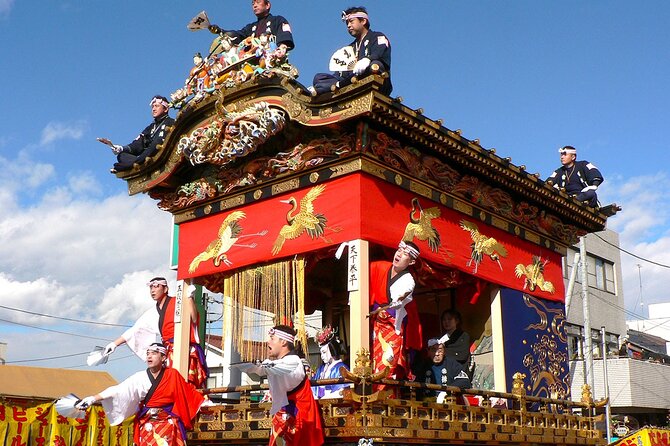
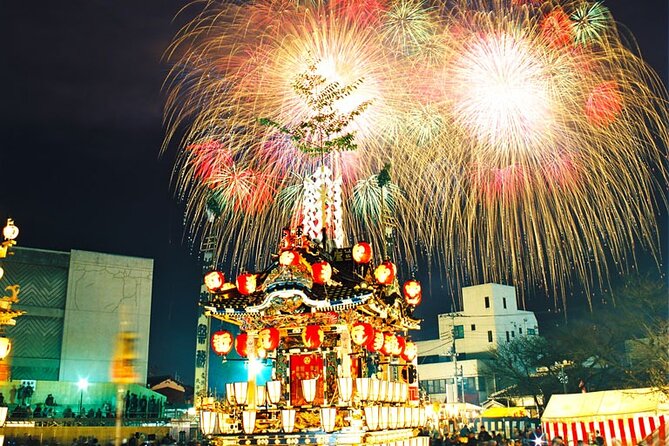
This is a music-focused day in Chichibu that doesn’t treat the festival like a postcard. You start by seeing the Chichibu Night Festival through 3D theater and projection mapping, then you move on to the real thing: watching Chichibu Yatai Bayashi music with local performers. That order matters. The visuals help you understand the scale and mood, so the live sound hits you faster.
I also like that the tour keeps the story grounded in place and people. You’re not bouncing through random highlights. You’re going to the shrine areas tied to the festival calendar, and then you walk through the downtown lanes with room for snacks and shopping.
The best takeaway? You’ll leave with a clearer sense of what the festival music is doing in local life—how it connects to the shrine, the seasons, and the big annual night-time events.
Getting there at 12:30 and finishing at Seibu-Chichibu
The tour starts at 12:30 pm at Chichibu Station and ends at Seibu-Chichibu Station. That finish location is handy because Seibu-Chichibu has food and souvenir shopping, so you’re not stuck scrambling at the end.
Because this is a short, timed plan (about 4 hours), you should plan your day so you’re not rushing. Build in a buffer for train timing and any quick platform changes. The schedule is tight enough that you’ll enjoy it more if you arrive early and relaxed.
Group size is up to 8 travelers, which usually means the guide can slow down for questions and adjust pacing without the classic big-group herd feeling.
Stop 1: Chichibu Festival Museum 3D theater and projection mapping
Your first stop is the Chichibu Festival Museum, where the core experience is the 3D theater in English paired with projection mapping of the Chichibu Night Festival. Think of this as your orientation session—but not a dry lecture. You get the sights in a way that helps you understand what you’re about to hear later.
The museum time is about 1 hour 30 minutes, and that’s long enough to absorb it without feeling yanked along. The projection mapping effect is the kind of thing that makes you notice details you would otherwise miss—like the rhythm of the night festival atmosphere and how the whole scene connects.
Practical note: since it’s indoors, it’s also a good choice if your travel day needs shelter from heat, cold, or rain. If you’re the type who likes pictures, this is where your camera will feel useful—but don’t treat it like a photo contest. Watch the show first, then take photos if the venue allows.
The live music moment: Chichibu Yatai Bayashi with local players
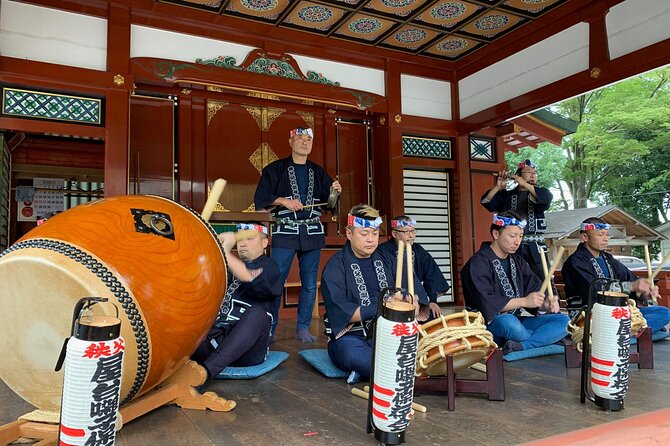
After the visuals, the tour shifts to what you actually came for: traditional festival music performed by local players. The music part is a rare opportunity, because it’s one thing to watch festival footage online and another thing to hear instruments and rhythms in the context of the day.
One standout detail from your guide experience: Sachiko can play the instruments. That matters because it turns the music from something you passively listen to into something you understand. When someone can demonstrate how the instrument works, the beat stops being just sound and becomes technique, timing, and local style.
Also, the reviews you’ll see for this tour emphasize the excitement of instrument time—specifically trying taiko drums / playing the festival drums. If that’s your kind of travel (hands-on rather than just watching), this tour is built for you. Even if you don’t get time at every instrument, you’ll likely leave with a stronger sense of the festival rhythm because you’ve felt how it lands.
Possible drawback: this is still a festival-music setting, so if you’re hoping for lots of open-air roaming right away, you start indoors and then shift outdoors. You’ll get street time later, but plan your expectations accordingly.
Stop 2: Chichibu Shrine, Myoken-sama, and the 2111-year story
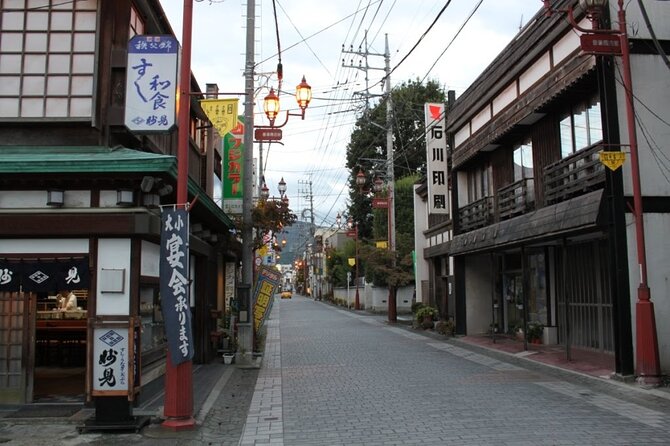
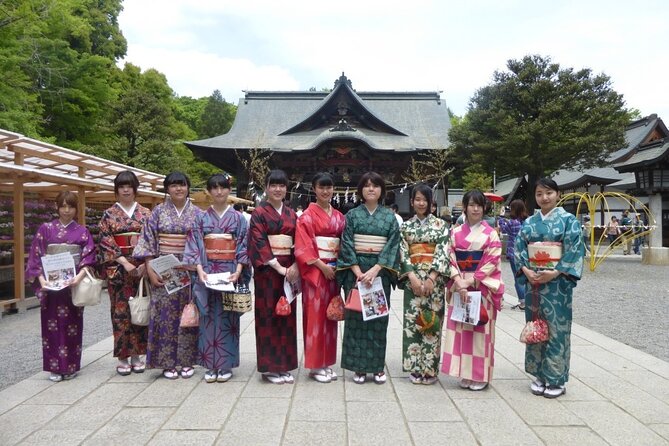
Next up is Chichibu Shrine (about 50 minutes, and the admission is free). This is one of the major sacred sites in the Kanto region, and it has a history that reaches back 2111 years.
The tour’s focus isn’t just name-dropping. You get key religious context: Myoken-sama, a female god said to live at the shrine, is associated with the direction of the northern star. On the other side is Mt. Buko, where the Dragon God lives. There’s a special yearly connection too: the Dragon God comes to Otabisho to meet Myoken-sama on the day of the Night Festival.
That storyline is why the shrine stop feels more than sightseeing. It explains the festival’s spiritual logic—why certain places matter, why the timing matters, and why people gather with intention instead of just celebration-by-schedule.
You’ll also see magnificent carved sculptures by Hidari Jingoro, the famous Edo-era carving artist. If you like details, this is where it pays off to look slowly. The tour format keeps it short, but it gives you enough time to appreciate the craftsmanship without feeling like you’re speed-walking.
Possible drawback: 50 minutes goes fast. If you want to linger for a long photo session or read every sign carefully, you may feel slightly rushed. I’d treat this as a meaningful orientation stop, not a slow temple immersion.
Stop 3: Downtown Chichibu, Suwa Shrine, and Otabisho
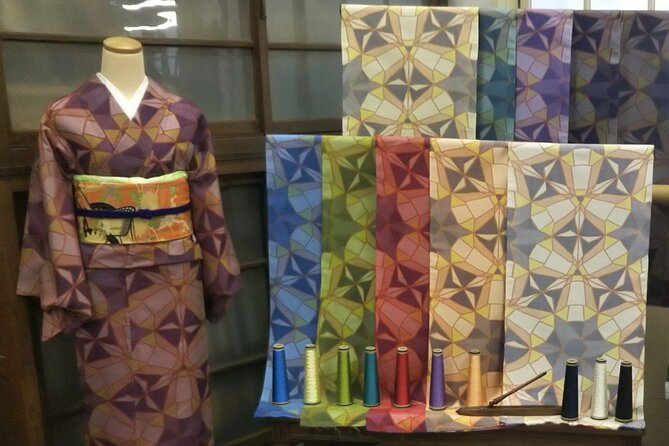
Then you move into the downtown rhythm. This section is about 1 hour 40 minutes and includes time around the charming streets with shops and cafes, plus the chance to enjoy local gourmet food.
In the shrine-flavored part of this segment, you’ll visit Suwa Shrine and the Otabisho area. That ties directly to the Myoken-sama and Dragon God story you heard at Chichibu Shrine. In other words, the tour keeps connecting dots. You’re not jumping between separate attractions—you’re traveling through a map of meaning.
Why I think this works well: it lets you experience the festival spirit in two layers. First, the spiritual layer at the shrine. Then, the everyday layer in the street where food, browsing, and local life flow alongside it. Even if the big night festival isn’t happening on your day, you still get a sense of how the area supports it year-round.
If you’re the type who likes to plan food on the fly, this is the time to do it. Since lunch isn’t included, you’ll want to bring your appetite. You’ll likely have a perfect window to grab a snack or a full meal depending on your pace.
Dates matter: only on Oct 6, 14, and 20
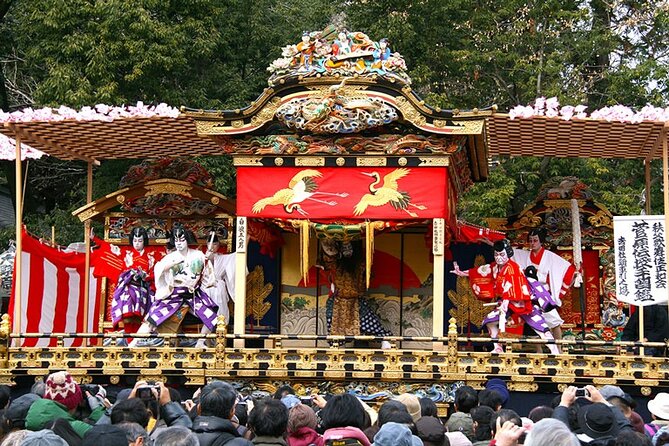
One key scheduling point: this specific tour runs only on October 6, 14, and 20 this year. That’s not a minor detail. It affects how easy it is to fit into your itinerary.
If you’re already in Chichibu around those dates, this is a smart pick because it’s music-and-place focused. If you’re visiting on a different day, you might need to consider other activities in the area, since this exact festival-music setup won’t match your calendar.
Price and value: is $26.06 a good deal?
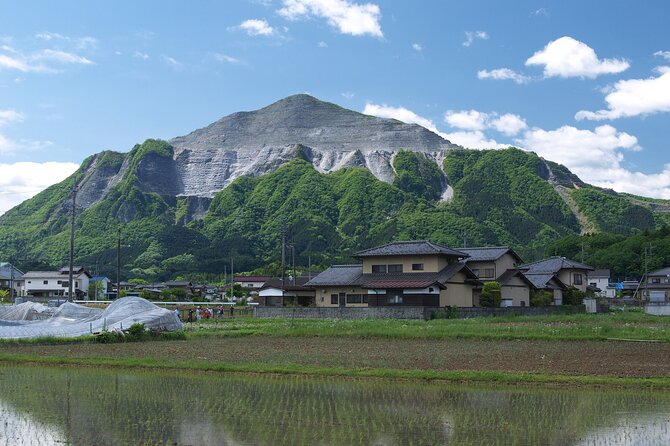
At $26.06 per person, the value depends on what you care about most: festival music, guided context, and an experience that’s not just photos.
Here’s what your price includes: all fees and taxes, plus the Chichibu Festival Museum admission (adult 500 yen, children 250 yen). Since the museum portion is a major part of the tour and includes the 3D theater and projection mapping, you’re not paying extra on top of entry fees to access that key segment.
You also get an expert guide through multiple stops, including shrine context and downtown wandering. That reduces the “figure out everything yourself” burden, especially if your Japanese is limited and you want the story explained clearly.
Does the price include lunch? No. But that can actually work in your favor. You can choose food based on taste and budget instead of being locked into one meal style.
Overall: if you want festival music with real cultural context in a short window, this price feels fair for what you receive.
Who this tour fits best (and who should consider alternatives)
This tour is a strong match if you:
- want traditional festival music in a guided setting
- enjoy short, meaningful stops rather than long scenic marathons
- like learning why places matter, not just what they’re called
- want a small group experience with room for questions
It may feel less ideal if you:
- only want outdoor wandering and minimal indoor time
- hate any music/drum activity that might be loud or energetic
- are traveling on a day far from the listed Oct 6, 14, or 20 dates
If you’re building a Chichibu itinerary, this is one of those experiences that gives you “why” and “sound” together. That pairing is the whole point.
Practical tips to enjoy it more
A few things will help you get the most from the 4-hour flow:
- Bring your appetite for downtown time: lunch isn’t included, so eat before or plan to snack during the street walk.
- Wear comfortable shoes. You’ll be walking through streets and shrine areas, and you don’t want sore feet cutting into the experience.
- Use your eyes first at the museum. The 3D theater and projection mapping are the kind of start that changes how you hear the music afterward.
- Arrive on time at Chichibu Station. Starting at 12:30 means missing the start can throw off the whole rhythm of the day.
Also, the tour uses a mobile ticket. Have your ticket ready on your phone so check-in goes smoothly.
Should you book this tour?
If your goal is to understand Chichibu by its festival music—especially Chichibu Yatai Bayashi—this is an easy yes. You get the helpful 3D/visual setup first, then the live music element with local performers and the chance to engage with the instruments through Sachiko’s guidance. Add in Chichibu Shrine and the Otabisho/Suwa Shrine story, and you get a tour that connects sound, faith, and everyday street life.
Book it if you can match one of the listed dates in October. Skip it (or plan something else) if your travel dates don’t align, because this exact format and access only runs on those specific days.
FAQ
What is the tour duration?
The tour lasts about 4 hours.
How much does the tour cost?
The price is $26.06 per person.
Where does the tour start and end?
It starts at Chichibu Station and ends at Seibu-Chichibu Station.
What is included in the price?
The price includes all fees and taxes, and the admission fee for the Chichibu Festival Museum.
Is lunch included?
No, lunch is not included.
What are the tour dates?
This tour is held on Oct 6, 14, and 20.
Is the museum show available in English?
Yes. The 3D theater is available in English.
How large is the group?
The tour has a maximum of 8 travelers.
Saitama Prefecture, compared.
 ★ 5.0Mt. Fuji and Hakone Private Tour with English Speaking DriverFrom $54022 reviews
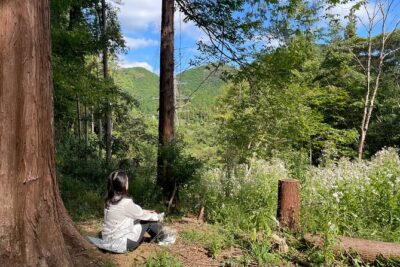 ★ 4.5Ecotourism and Woodcraft with a Mountain Artist Near TokyoFrom $9321 reviews
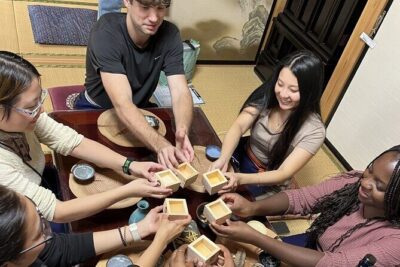 ★ 5.0Unique Brewery Tour and One-of-a-Kind Sake Tasting Near TokyoFrom $10017 reviews
 ★ 5.0Gyoda Tabi Shoes Cultural Walking TourFrom $457 reviews
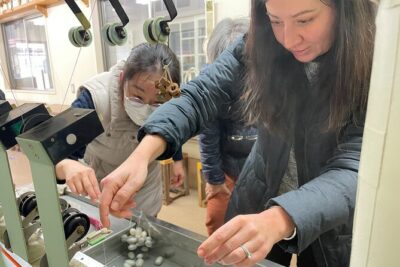 ★ 5.0Chichibu’s Weaving Story: A Journey of Tradition and FestivalFrom $1006 reviews
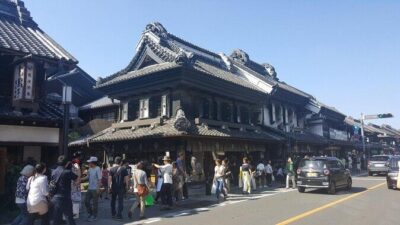 ★ 5.0Experience Seasonal Green Tea Picking in Sayama and Nostalgic Walk in Kawagoe!From $1304 reviews
★ 5.0Mt. Fuji and Hakone Private Tour with English Speaking DriverFrom $5404 reviews
★ 5.0Experience Seasonal Green Tea Picking in Sayama and Nostalgic Walk in Kawagoe!From $1304 reviews
★ 5.0Mt. Fuji and Hakone Private Tour with English Speaking DriverFrom $5404 reviews
 ★ 5.0Cultural Sake Brewery Private Tour & Unlimited Tasting Near TokyoFrom $1054 reviews
Browse the lists this tour appears in