
Reviewed · SAITAMA PREFECTURE
Chichibu’s Weaving Story: A Journey of Tradition and Festival
Silk plus festival floats sounds like a great combo, and it is. This 3-hour Chichibu outing ties the area’s sericulture roots to the Chichibu Night Festival story, with hands-on time at the Chichibu Meisen Museum and year-round views connected to the festival’s famous yatai. I especially love the practical, do-it-yourself coaster-making piece, and I also like how the walk through town makes the silk boom feel real, not just explained.
One thing to consider: you’ll be doing most of this in the daytime, so if you’re hoping for the full Night Festival parade atmosphere, you’ll still be focusing on the heritage—the routes, the displays, and the shrine link—rather than the nighttime chaos.
In This Review
- Key takeaways before you go
- Chichibu’s silk roots and Night Festival story in one morning
- Getting there from Tokyo without burning your whole day
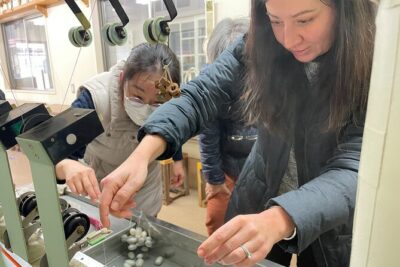
- Chichibu Meisen Museum: live silk-spinning and your coaster workshop
- What to expect in the workshop
- A practical tip
- Banba Street and the float-access slope: festival energy you can walk toward
- Chichibu Festival Museum: yatai and kasaboko context year-round
- Why museum time is valuable here
- Add in the Meisen wholesaler streets
- Chichibu Furusato-kan: the silk storehouse world in miniature
- Chichibu Shrine: 2,100 years of carvings and festival meaning
- A small choice at the end
- Price and value: what $100.99 buys you here
- Who should book this silk-and-floats tour?
- Book it or skip it: my practical recommendation
- FAQ
- How long is the tour?
- What time does the tour start?
- How much does it cost?
- Where does the tour start and end?
- What activities are included at the museums?
- Is admission included for the museums and festival hall?
- Is the Chichibu Shrine visit included?
- Do I need to pay extra for a fortune slip?
- FAQ
- What is the group size limit?
- What’s the cancellation policy?
Key takeaways before you go
- Hands-on coaster-making using a loom-like setup is the highlight and easy to enjoy even if you’re a beginner.
- Live silk-spinning demonstrations at the Chichibu Meisen Museum give you a clear sense of how silk becomes fabric.
- Yatai float and kasaboko context comes from the festival museum experience and related walking streets.
- Banba Street + Chichibu Shrine connect the silk story to the festival’s spiritual center, with great carved details.
- Small group size (max 5) keeps the experience calm and question-friendly.
- Short walking stops (about 3 hours total) make it a solid Tokyo day-trip option.
Before you commit, see how this one stacks up against a few Saitama Prefecture favourites:
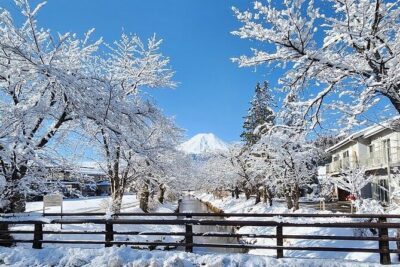
- Mt. Fuji and Hakone Private Tour with English Speaking Driver★ 5.0 · 22 reviews
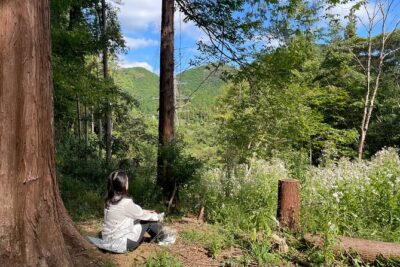
- Ecotourism and Woodcraft with a Mountain Artist Near Tokyo★ 4.5 · 21 reviews
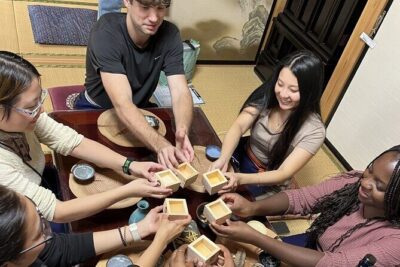
- Unique Brewery Tour and One-of-a-Kind Sake Tasting Near Tokyo★ 5.0 · 17 reviews
Chichibu’s silk roots and Night Festival story in one morning
Chichibu has a special way of mixing craft and celebration. Silk weaving wasn’t just a trade here—it shaped what merchants did, how the town looked, and even how festival crowds were drawn in the first place. The result is a morning where you can go from threads to floats without it feeling like two separate tours.
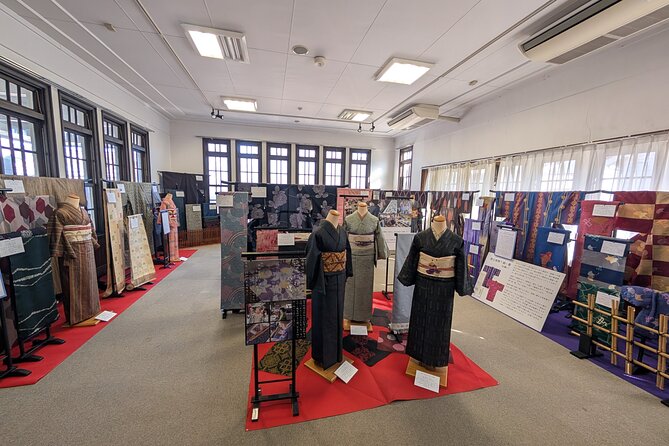
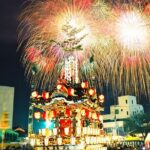
You’ll start with the silk side at the Chichibu Meisen Museum, where the story focuses on kimono that became popular in Japan as casual, stylish clothing roughly a century ago. Then the day shifts into festival culture through museum displays and walking routes that connect to the Chichibu Night Festival, which runs annually on December 2nd and 3rd and has been around for over 300 years.
Getting there from Tokyo without burning your whole day
Chichibu is one of those places that works really well as a short escape. One review I loved noted it’s about 90 minutes from Tokyo by Seibu Railway’s Limited Express Laview, which is a big reason people include this area in a day plan.
This tour starts at 9:30 am and runs about 3 hours. That time window matters: it keeps things efficient, but it also means you’re more likely to enjoy museum spaces and shrine architecture than late-night festival action.
You’ll also be fine with logistics because the meeting spot is close to public transportation, and you get a mobile ticket. After the tour ends at Chichibu Shrine, you’re free to stroll around town at your own pace.
Chichibu Meisen Museum: live silk-spinning and your coaster workshop
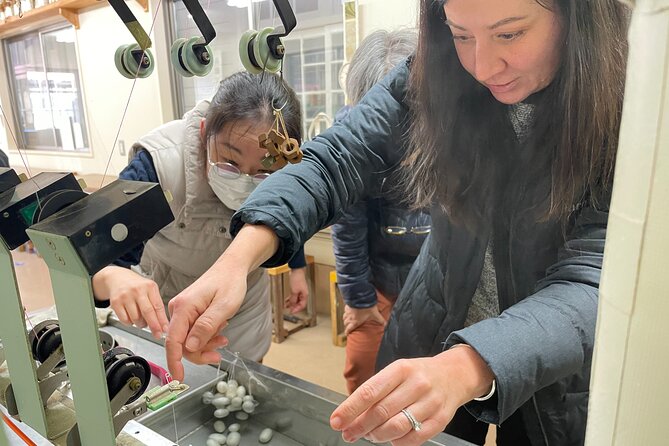
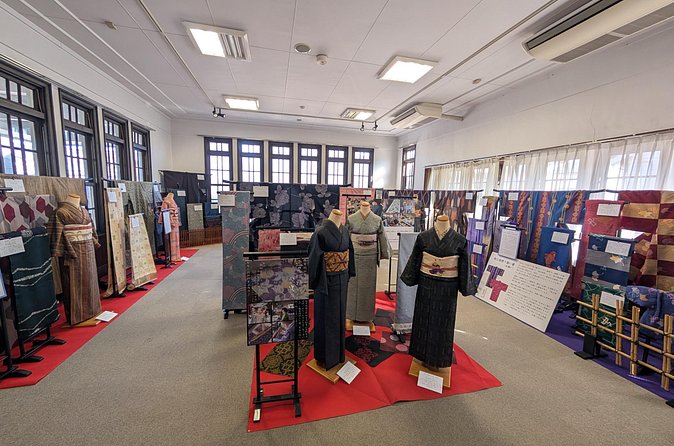
Your first stop is the Chichibu Meisen Silk Center / Chichibu Meisen Museum, and it’s the anchor of the whole experience. This is where you get the basic “how silk becomes cloth” understanding—without needing to be a textile expert.
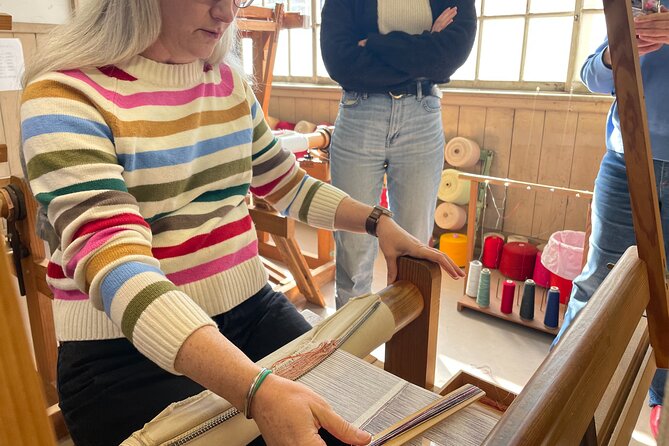
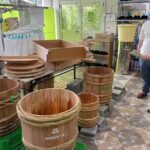
What I like here is that the museum isn’t only about looking. There are live silk-spinning demonstrations, and you also get to make something yourself. The coaster-making workshop is included, and it’s designed so you can participate rather than just watch. In reviews, people repeatedly call out this hands-on moment as the best part—especially for the feeling of learning through doing.
What to expect in the workshop
You’ll make coasters as a tangible souvenir from the silk world. Because the activity is short (about an hour at this stop), it doesn’t drag. You’ll get guidance, and you’ll leave with an object that feels linked to the materials story you just saw.

A practical tip
Wear comfortable shoes. Even though the total walking time isn’t huge, you’ll be moving between museum spaces and town streets, and you’ll enjoy the day more if you’re not fighting foot fatigue.
Banba Street and the float-access slope: festival energy you can walk toward
After the museum, your guide leads you to a slope where floats are pulled up during the climax of the Chichibu Night Festival. You might not see the full nighttime spectacle from here, but you do get the physical context. It makes the festival feel like a local event with real geography behind it, not just a set of photos.
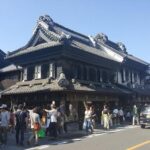
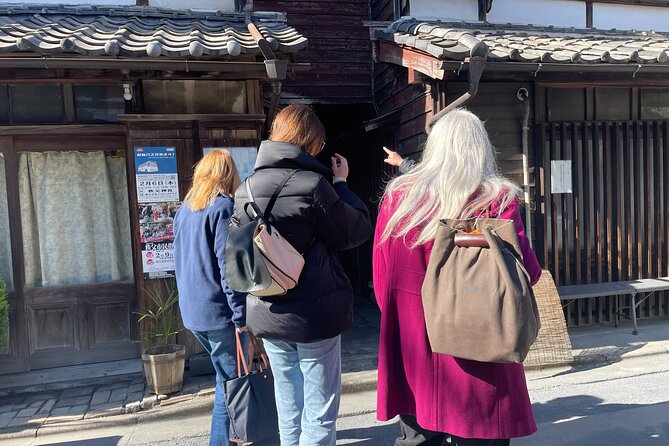
Then you head along Banba Street, described as a stone-paved approach to Chichibu Shrine. This street is lined with buildings from the late Taisho to early Showa period—about 100 years old. That timeframe matters because it’s the sweet spot where traditional craft wealth and town architecture overlap.
If you care about everyday historical atmosphere, this walk is a win. You’re not just stepping into a museum; you’re moving through the kind of street where merchants would have lived and worked.
Chichibu Festival Museum: yatai and kasaboko context year-round
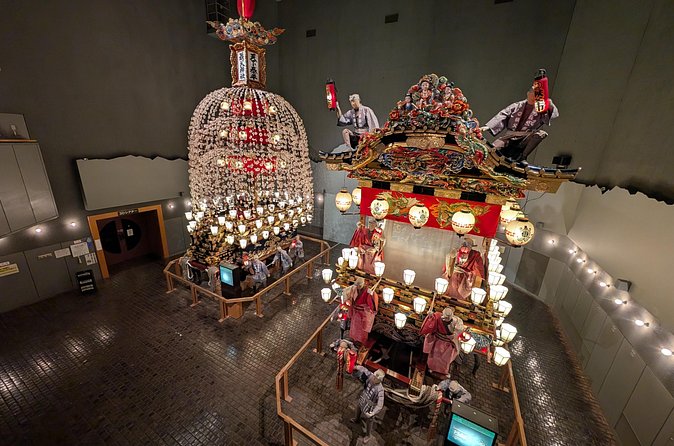
Next comes the Chichibu Festival Museum stop, tied directly to why this town is famous. The Chichibu Night Festival is often grouped with Japan’s major float festivals—Gion in Kyoto and Takayama in Hida—so your guide will place it in that bigger national context.
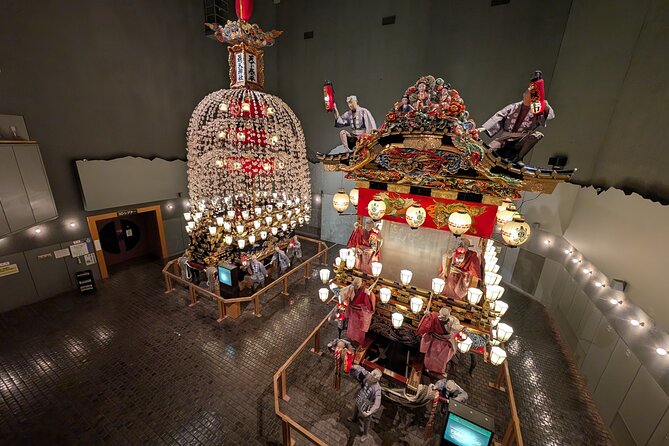
At the museum, you get to see the yatai floats and kasaboko, with festival displays available year-round. Reviews also highlight that you can view a 3D-style experience of floats and fireworks here, which is a great bridge if you want the excitement without waiting for December.
Why museum time is valuable here
This isn’t just “information time.” It’s a translation tool. The silk story gives you a reason why the festival grew in the first place, and the museum gives you the visual language of the festival. Once you’ve seen the shapes and learned what you’re looking at, the walking bits later feel more meaningful.
Add in the Meisen wholesaler streets
During this festival-focused section, your guide brings you along streets that once housed Chichibu Meisen wholesalers. You’ll walk through areas that retain an early Showa-era commercial atmosphere, with valuable commercial buildings along the way. Another street you might pass is Kaitsuisho Street, which is also lined with buildings related to Chichibu Meisen.
This is one of those moments where the town becomes the exhibit. You can see how the silk industry shaped not only products, but also streets, storefronts, and the daily flow of trade.
Chichibu Furusato-kan: the silk storehouse world in miniature
You then visit Chichibu Furusato-kan for a shorter stop—about 10 minutes. Even at that length, it helps you connect the dots. This part of the experience focuses on buildings and storehouses of Meisen wholesalers that thrived roughly 100 to 120 years ago.
Why I like this stop: it gives you a change of pace. After seeing floats and festival visuals, the storehouse view turns the volume down and lets you picture how trade actually worked. You’re shifting from spectacle to infrastructure, from performance to storage and logistics—the stuff that kept silk commerce running.
Chichibu Shrine: 2,100 years of carvings and festival meaning
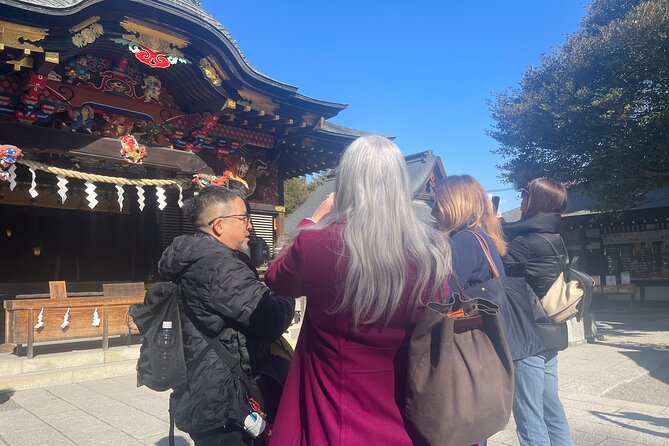
The final stop is Chichibu Shrine. This isn’t a quick photo stop either; you’ll have around 30 minutes here, and admission is free.
Chichibu Shrine is believed to be founded over 2,100 years ago, and it’s known for its sacred atmosphere and exquisite carvings. The shrine also functions as the focal point of the Chichibu Night Festival, which is the key link that makes the whole tour click.
In practice, that means you’re ending in the place where the festival story feels grounded. The earlier parts show you crafts, trade streets, and float culture. The shrine ties it all to tradition and place.
A small choice at the end
There’s also a note that fortune slips (omikuji) are not included if you choose to buy one. So if you like doing that at shrines, plan for a small extra cost.
Price and value: what $100.99 buys you here
At $100.99 per person, this isn’t a budget workshop. But it also isn’t overpriced for what you get, if you care about craft and context.
Here’s what’s included in the price:
- Guide fee
- Chichibu Meisen Museum admission
- Coaster-making workshop fee
- Chichibu Festival Hall / museum admission
That combination matters because you’re paying for access to multiple places, plus a guided route that ties them together. With a maximum group size of 5 travelers, you also get a more personal experience than you’d likely get on a bigger bus-style tour.
The tour is about 3 hours total, so you’re not buying half a day. You’re buying a tight morning with multiple meaningful stops.
Who should book this silk-and-floats tour?
This is a great fit if you:
- Want a Tokyo-area day trip that feels distinctive, not generic sightseeing
- Like hands-on cultural activities and want a souvenir tied to what you learn
- Care about how festivals connect to local industries, not just the parade itself
- Enjoy walking short sections of town where the architecture and street atmosphere matter
You might prefer a different kind of tour if you’re strictly chasing the full nighttime festival parade experience. This one is built around cultural context, museum displays, and the shrine connection, so it’s the best choice if you want meaning more than spectacle.
Book it or skip it: my practical recommendation
I’d book this if you want one morning that links silk production, Meisen wholesaler streets, and the Chichibu Night Festival in a way that actually makes sense. The best part is the balance: you get hands-on coaster-making, you see silk-spinning demonstrations, and you finish at a shrine with serious age and detail.
If your goal is only photos of floats at night, this might feel like you’re arriving at the story after the best lights. But if you want a day trip with craft, walking, and a strong sense of place, this tour is an easy yes.
FAQ
How long is the tour?
The experience runs for about 3 hours (approximately).
What time does the tour start?
The start time is 9:30 am.
How much does it cost?
The price is $100.99 per person.
Where does the tour start and end?
You meet at 1-chōme-16-15 Nosakamachi, Chichibu, Saitama, and the tour ends at Chichibu Shrine, 1-3 Banbamachi, Chichibu, Saitama.
What activities are included at the museums?
You’ll visit the Chichibu Meisen Museum and take part in a coaster-making experience.
Is admission included for the museums and festival hall?
Yes. Chichibu Meisen Museum admission and Chichibu Festival Hall admission are included.
Is the Chichibu Shrine visit included?
Yes. You’ll have about 30 minutes at Chichibu Shrine, and admission is included.
Do I need to pay extra for a fortune slip?
Fortune slips are not included, so you’d pay separately if you want one.
FAQ
What is the group size limit?
The tour has a maximum of 5 travelers.
What’s the cancellation policy?
You can cancel for a full refund if you cancel up to 24 hours in advance of the experience’s start time. After that point, the paid amount is not refunded.
More Tour Reviews in Saitama Prefecture

Fresh reviews from around Saitama Prefecture
Saitama Prefecture, compared.
 ★ 5.0Mt. Fuji and Hakone Private Tour with English Speaking DriverFrom $54022 reviews
 ★ 4.5Ecotourism and Woodcraft with a Mountain Artist Near TokyoFrom $9321 reviews
 ★ 5.0Unique Brewery Tour and One-of-a-Kind Sake Tasting Near TokyoFrom $10017 reviews
 ★ 5.0Gyoda Tabi Shoes Cultural Walking TourFrom $457 reviews
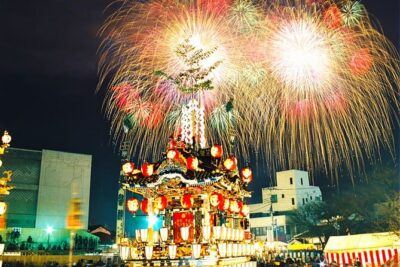 ★ 5.0Let’s enjoy Japanese Festival Music- Chichibu Yatai BayashiFrom $265 reviews
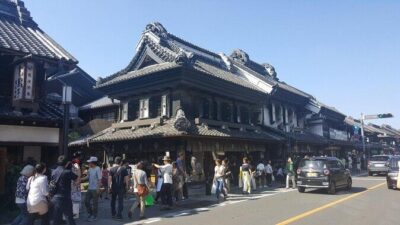 ★ 5.0Experience Seasonal Green Tea Picking in Sayama and Nostalgic Walk in Kawagoe!From $1304 reviews
★ 5.0Mt. Fuji and Hakone Private Tour with English Speaking DriverFrom $5404 reviews
★ 5.0Experience Seasonal Green Tea Picking in Sayama and Nostalgic Walk in Kawagoe!From $1304 reviews
★ 5.0Mt. Fuji and Hakone Private Tour with English Speaking DriverFrom $5404 reviews
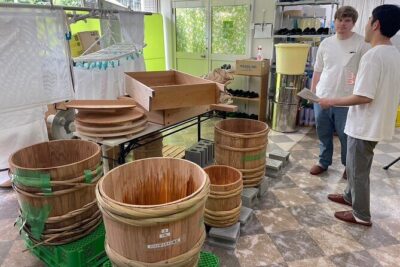 ★ 5.0Cultural Sake Brewery Private Tour & Unlimited Tasting Near TokyoFrom $1054 reviews
Browse the lists this tour appears in