
Reviewed · SAMURAI & NINJA EXPERIENCES
Tokyo: Samurai Adventure! Authentic Sword Experience
Tokyo turns into a dojo for an hour.
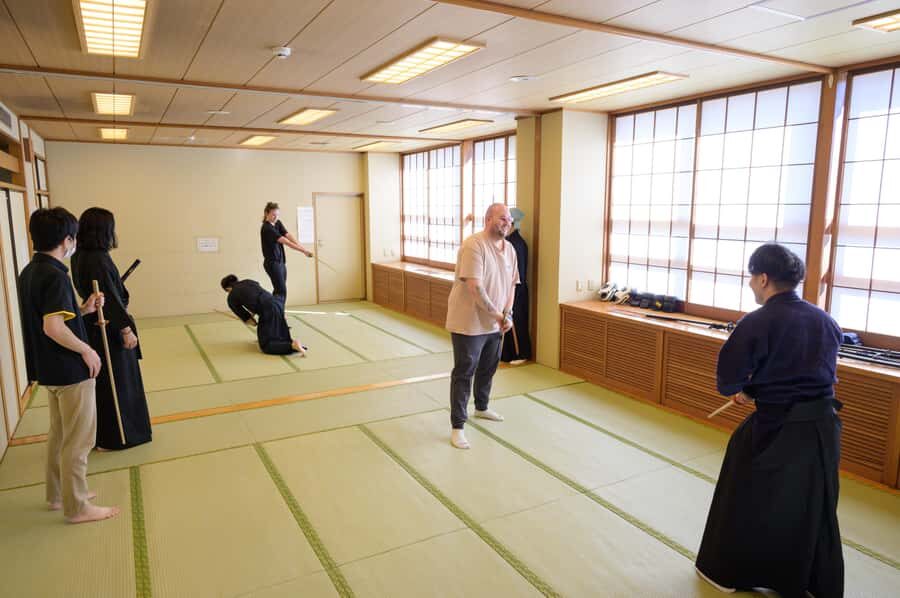
This hands-on samurai sword experience in central Honshu puts you close to the action: professional action actors train, you learn basic Tate-style handling, and you practice with wooden swords instead of swinging real blades. It’s also built for people who just want a fun, cultural activity that still feels physical.
I especially like the safety setup—practice wooden swords and guided movements—so you’re not put on the spot for real combat. I also like the instructor energy, with Dai-san and Kume-san leading the lesson in a way that makes you comfortable. One consideration: the session is teaching-focused, so you should expect practice choreography and defensive drills, not true sword-on-sword sparring.
In This Review
- Why This Samurai Workshop Feels Different in Tokyo
- The Big Choices: Public Class vs Private Samurai Lesson
- Public course: practice alongside aspiring actors
- Private course: tailored coaching with cultural context
- Getting There: Honshu Convenience from Tokyo Station, Ginza, and Tsukiji
- What Happens When You Arrive: Costumes, Photos, and a Dojo Walk
- Warm-Ups and Movement Basics: How You Learn Without Being Overwhelmed
- The Safe Sword Part: Wooden Swords, Strikes, and Defensive Moves
- Up-Close Demonstrations: Watching Dai and Kume Work in Real Time
- Pair Practice That Looks Like an Action Movie (But Stays Controlled)
- The Photo Moment: Your Samurai Keepsake
- Price and Value: Why $24 Can Make Sense Here
- Who This Samurai Experience Is Best For
- Safety and Comfort Notes You Should Not Ignore
- Quick, Practical Tips to Make the Most of Your Session
- Should You Book This Samurai Adventure in Tokyo?
- FAQ
- Is this real sword fighting?
- Do I need prior experience with martial arts or sword handling?
- What’s the difference between the public and private courses?
- Where do I meet for the experience?
- What should I wear and bring?
- Is the experience suitable for wheelchair users or people with vertigo?
- Can I take photos with the samurai?
Why This Samurai Workshop Feels Different in Tokyo
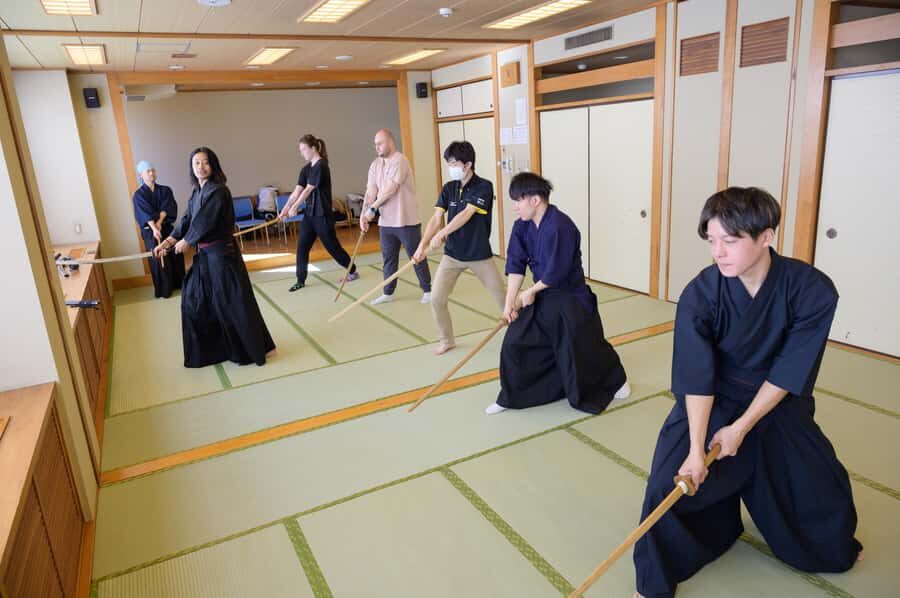
If you’ve been in Tokyo long enough, you know “seeing” culture is easy. Doing it—learning the rhythm of it—is harder. This experience is designed for that second part. The whole point is to show you what samurai training looks and feels like in modern terms: warm-ups, stance work, controlled strikes, then paired practice that looks like a movie scene, all guided by performers who know how to teach.
Here’s what you’re really buying for the price: a structured introduction plus time at the center of the room. You’re not just watching from the back of a hall. You’ll move, you’ll practice grip and swing mechanics, and you’ll get to interact during the session—either in a public class atmosphere or in a more tailored private lesson.
And yes, you can leave with photos that capture the look. That matters, because a lot of Japan activities are either cultural or athletic. This one tries to be both.
More blades, bows and dojo hours
- Tokyo: Samurai Ninja Museum Guided tour and Experience★ 4.6 · 1,010 reviews
- Tokyo: Samurai Sword & Archery Class from Samurai Descendant★ 5.0 · 603 reviews
- Best Samurai Experience in Tokyo★ 5.0 · 458 reviews
The Big Choices: Public Class vs Private Samurai Lesson
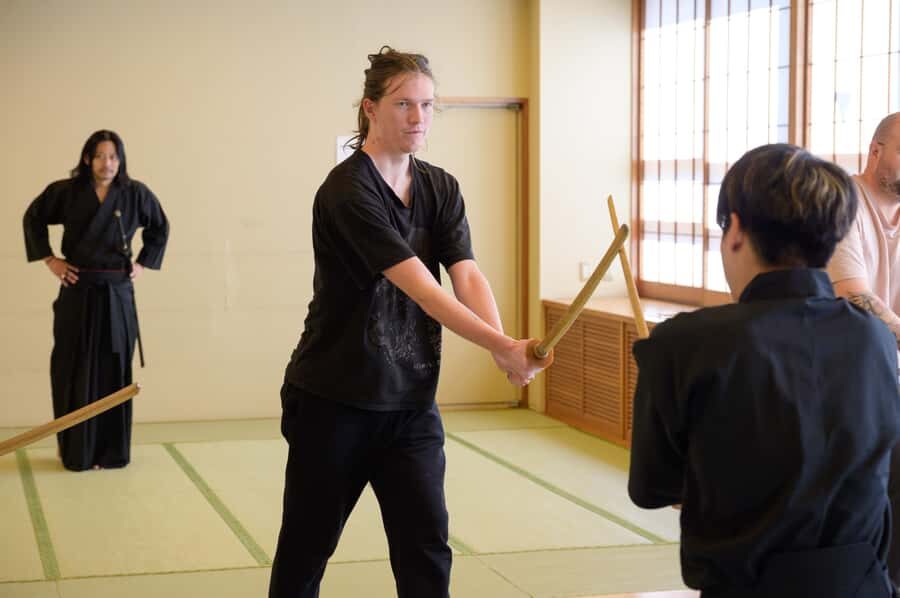
You choose your style before you go, and it changes the feel of the session.
Public course: practice alongside aspiring actors
In the public course, you join a class where Japanese students are learning samurai action. You begin by observing, then you can practice alongside them. That gives the lesson a busy, collaborative vibe. You’re watching people work, then stepping into the same movements with guidance.
If you like learning in a group and you enjoy the energy of students training in the open, this is usually the better fit. You’ll get the sense of how these action skills are taught day to day.
Private course: tailored coaching with cultural context
In the private course, you’ll start with a brief introduction to samurai history and culture, then the action actor instructor tailors the lesson to your level and goals. Private sessions are popular with martial arts practitioners and people who already know a bit about Japanese culture.
If you’re the type who wants direct feedback, slower pacing, or a stronger focus on what you’re trying to learn, the private format makes sense. It can also feel less like a performance class and more like a personal lesson.
Getting There: Honshu Convenience from Tokyo Station, Ginza, and Tsukiji
This is in the heart of Tokyo and is easy to reach from major hubs. It’s especially convenient if you’re already around Tokyo Station, Ginza, or Tsukiji.
Your meeting point is registered as Samurai Experience Photo Studio ICHI on Google Maps. The activity ends back at that same meeting point, so you’re not left navigating an unfamiliar area afterward.
A practical note: arrive 15 minutes early. The session runs better when you have time to settle, get ready, and avoid rushing.





What Happens When You Arrive: Costumes, Photos, and a Dojo Walk
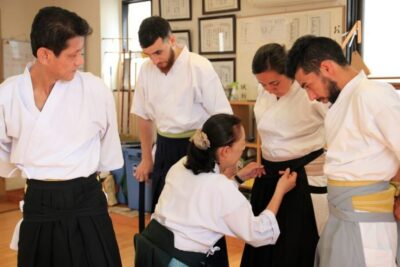
The session is built around a photo studio start, then training space time. In practice, you’ll check in at Samurai Experience Photo Studio ICHI, handle the look part (including the option of a samurai costume), and then you walk to a nearby building where the dojo training happens.
That sequence matters. You get time to get comfortable in your outfit, then transition into movement. A lot of people underestimate how awkward it can be trying to train while still figuring out how clothing and equipment sit on your body.
By the end of the session, you’ll have a photo opportunity with the samurai. One review also mentioned a kimono-style try-on, so your exact outfit options may vary by session, but costume play is definitely part of the overall experience.
Warm-Ups and Movement Basics: How You Learn Without Being Overwhelmed
The workshop starts with warm-up exercises, then shifts into fundamental movements. The goal is simple: help you feel the mechanics before you try anything that looks flashy.
You’ll learn core basics like:
- Proper grip and holding the sword
- How to swing safely with correct body positioning
- Fundamental stance work and movement timing
Since the instructors are action actors, you’ll typically get teaching that’s practical and staged for beginners. You’re not expected to already know martial arts. The process is designed so you can go from awkward beginner to competent-looking trainee within a short session.
This is also why the wooden swords matter. They let you focus on form—angle, timing, and balance—without the fear of real contact. The experience is physical enough to feel real, but controlled enough that most people can participate comfortably.
The Safe Sword Part: Wooden Swords, Strikes, and Defensive Moves
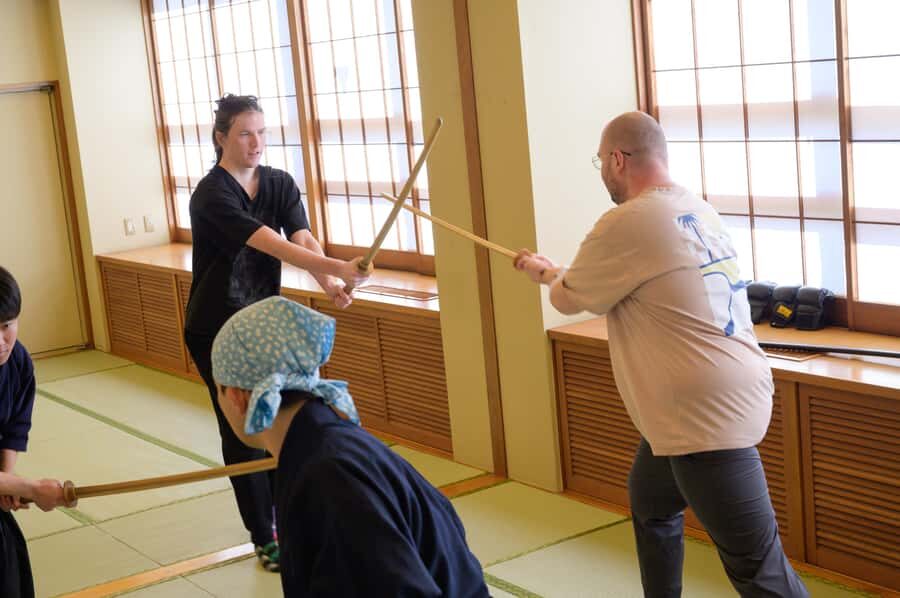
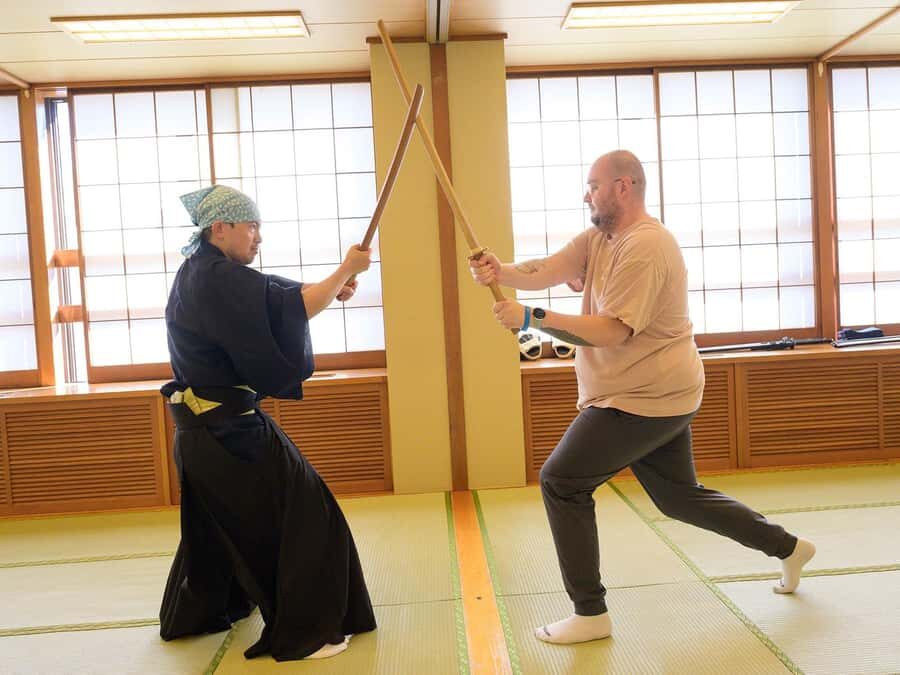
You do not engage in actual sword fighting during the lesson. Instead, you learn the movements of the samurai safely using practice wooden swords.
That means you’ll practice:
- Basic strikes
- Defensive moves
- Controlled paired work, once you’ve mastered the basics
In other words, you’ll get the fun “action scene” feeling without the risk level of a real blade. The paired practice is where it starts to look cinematic—two people working the same choreography, matching distance and timing so it stays safe.
One thing I appreciate about this design: it teaches the skills that make sword work look convincing. A lot of “sword experiences” stop at posing. Here, you actually learn how motion is generated from stance and grip.
Up-Close Demonstrations: Watching Dai and Kume Work in Real Time
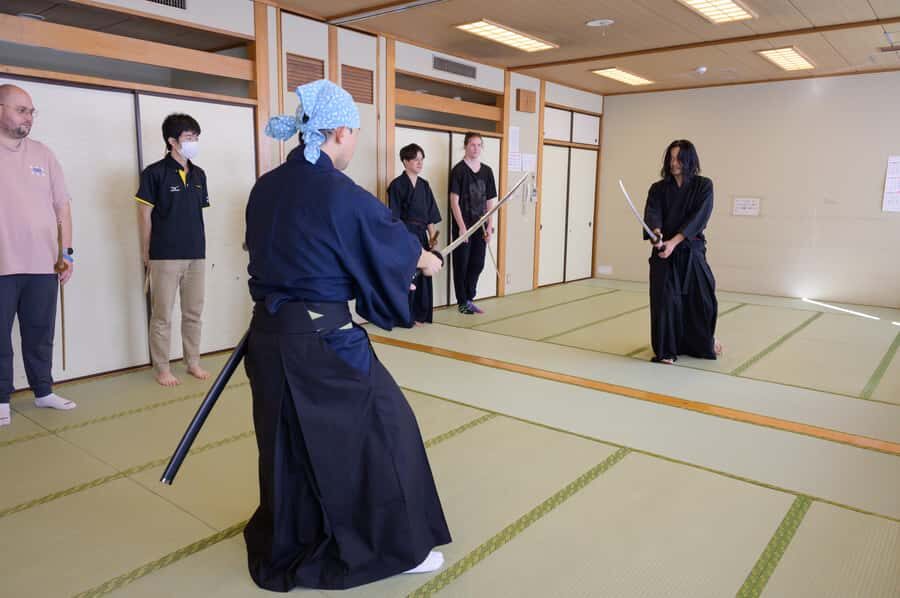
A big part of the experience is watching skilled training demonstrations up close. You’ll see powerful technique performed by the samurai, and you’ll also get to observe the action actors instructing and correcting.
Names you’ll hear include Dai-san and Kume-san. Multiple reviews highlight them as the instructors who keep the lesson friendly, detailed, and easy to follow. People also praised their ability to make beginners feel at ease.
Even if you only plan to watch, the close-up nature of the demonstrations gives you a strong sense of scale—how precise movement looks when you’re not on the other side of a theater.
Pair Practice That Looks Like an Action Movie (But Stays Controlled)
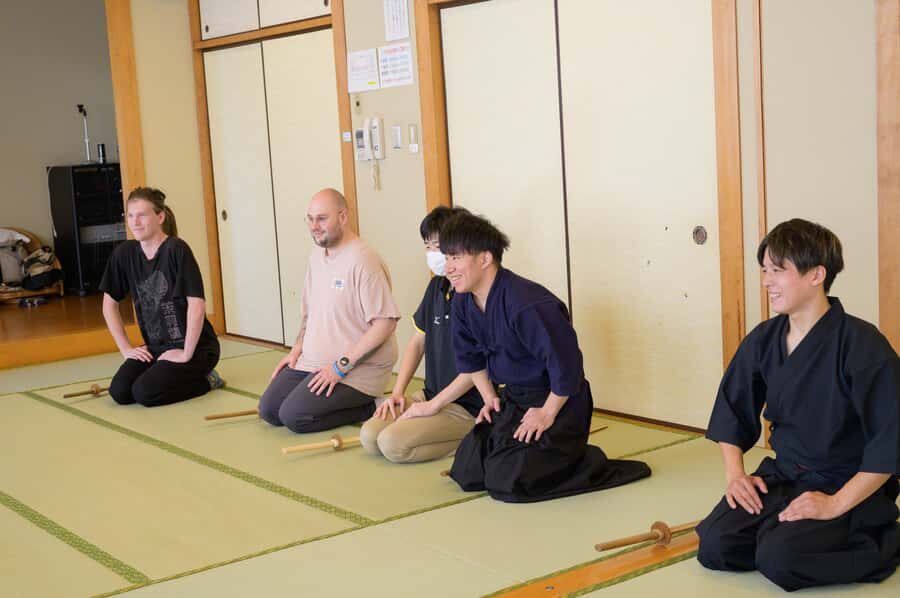
Once you’ve learned the fundamentals, the session moves into paired practice with a professional samurai. This is the part that tends to feel like an action film, because you’re coordinating motion with another person while maintaining safe form.
You should expect choreography rather than unpredictable fighting. The instructors guide the pace, and the “sparring” element stays within the training rules.
If your goal is pure adrenaline, this won’t replace a full martial arts class. But if your goal is to feel what samurai-style movement looks like when it’s taught and performed correctly, this is the highlight.
The Photo Moment: Your Samurai Keepsake
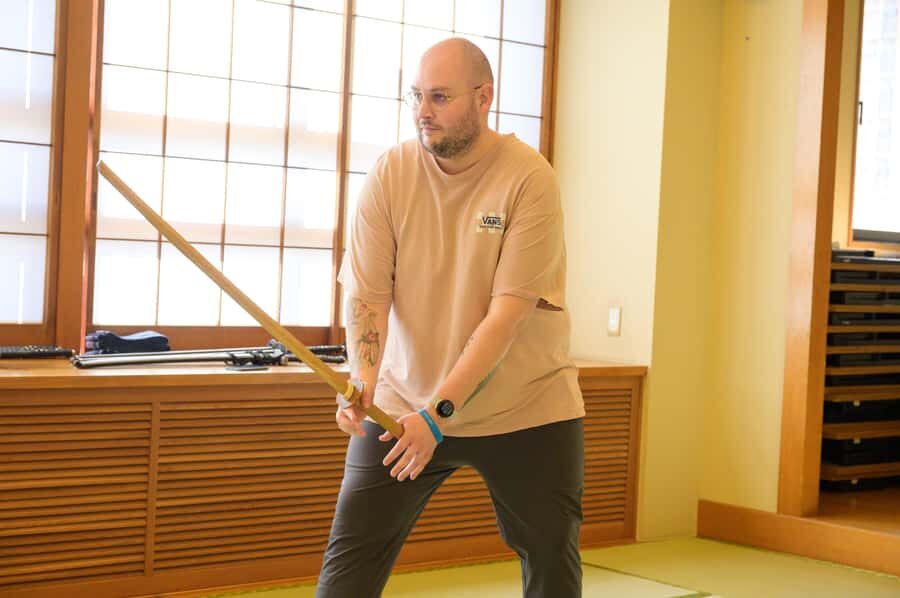
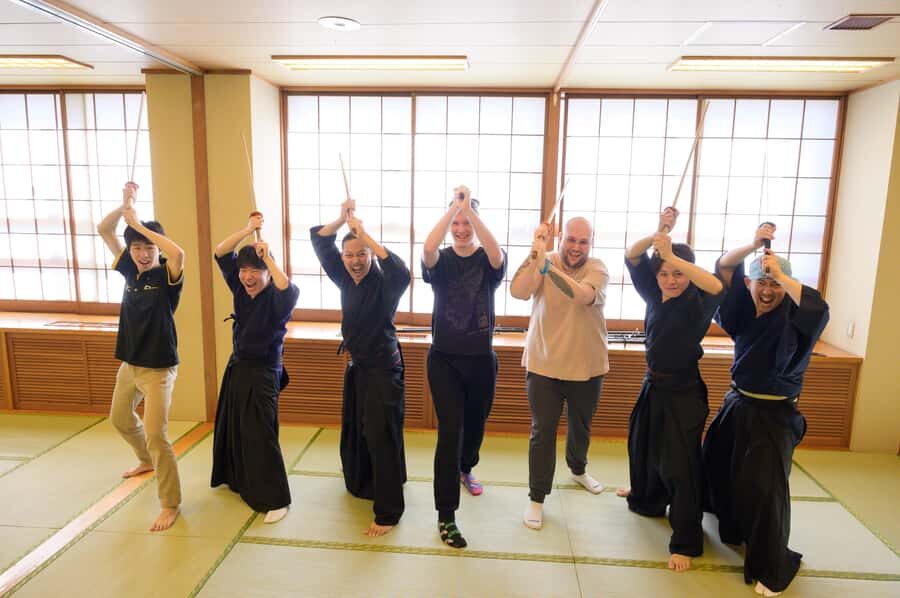
At the end, you get a chance to take memorable photos with the samurai. The session begins at a photo studio and ends back at the meeting point, so it’s all integrated into the experience rather than tacked on awkwardly at the end.
If you’re traveling with family or friends, this is usually the part people talk about later. It’s also a nice way to capture the outfit plus the reality of having practiced.
And if you’re nervous about movement, photos still give you a complete “I did this” result.
Price and Value: Why $24 Can Make Sense Here
At $24 per person, the value comes from what’s included, not just the price tag. Your session includes:
- Introduction to samurai history
- Live training demonstrations
- Hands-on swordsmanship practice
- Practice wooden swords provided
- Photo session with samurai
That combo is harder to find than it sounds. A lot of paid “culture” activities give you talking and posing. A lot of paid “martial arts” activities give you training but not the cultural framing or the show-and-tell demonstration. This one tries to blend both.
Also, the cost includes equipment (wooden swords) and instruction, which is a big deal when you’re doing something hands-on in a city where rentals and guided lessons can add up.
Optional items exist too. A samurai costume is available as an option, which can make the experience feel more like a full transformation.
Not included: meals and beverages, and transportation to and from the workshop. Plan on keeping this as a short, active stop in your day, not a whole-day plan.
Who This Samurai Experience Is Best For
This workshop is a good match if you:
- Want a beginner-friendly activity that still involves real physical movement
- Like Japanese culture but also want something active, not just museum time
- Enjoy close-up demonstrations and instructor interaction
- Want a fun “Tokyo highlight” that doesn’t require advanced skills
It also seems like a strong fit for people who enjoy martial arts or action training, especially when they choose the private course.
Safety and Comfort Notes You Should Not Ignore
This isn’t suitable for everyone. The experience is not recommended for:
- Pregnant women
- People with back problems
- Wheelchair users
- People with vertigo
- People with pre-existing medical conditions
You also need to watch your footwear and movement comfort. High-heeled shoes are not allowed, and you should wear closed-toe shoes and comfortable clothes suitable for physical activity.
During the session, there are basic rules: no smoking, no drones, and no alcohol or drugs. Electric wheelchairs are not allowed, and explosive substances are, obviously, a no.
One more practical tip: bring comfortable clothing and plan to move. If you show up in stiff jeans or shoes that don’t grip well, you’ll feel it during stance and practice.
Quick, Practical Tips to Make the Most of Your Session
A few things help your experience go smoother:
- Arrive 15 minutes early so you can get ready without rushing
- Wear closed-toe shoes and comfortable clothes
- If you’re booking public course, go in with the idea that you’ll learn alongside the class rhythm
- If you want more specific guidance, consider the private option so your instructor can tailor adjustments to you
- If you’re more nervous than you expect, remember you can always take the photo option and observe parts too—just follow the instructor’s pace
Should You Book This Samurai Adventure in Tokyo?
If you want a Tokyo activity that mixes hands-on practice, a friendly instructor-led vibe, and real close-up demonstrations, this is an easy yes. The wooden sword setup keeps it approachable, and the included history intro plus photo keeps it from feeling like a random stunt.
Book it if:
- You’re a beginner and want structured coaching
- You want something memorable beyond sightseeing
- You’re comfortable with light to moderate physical activity
Skip it if:
- You have back issues, vertigo, pregnancy, or other medical conditions that make movement risky
- You want actual real-blade fighting (this is practice and choreographed training, not real combat)
For a short, high-impact Tokyo stop near central train areas, I think this is one of the better value ways to feel how samurai training is taught in a modern setting—without turning it into a stress test.
FAQ
Is this real sword fighting?
No. You won’t engage in actual sword fighting during the lesson. You’ll practice safe movements using practice wooden swords, with demonstrations and controlled paired practice.
Do I need prior experience with martial arts or sword handling?
No. Beginners are welcome, and the session teaches basic sword handling techniques, including grip, stance, and safe strikes and defensive moves.
What’s the difference between the public and private courses?
In the public course, you join a class and observe, then practice alongside the group while Japanese students learn samurai action. In the private course, you get a brief history and culture introduction and a lesson tailored to your level and goals.
Where do I meet for the experience?
Search for Samurai Experience Photo Studio ICHI on Google Maps. The activity starts there and ends back at the same meeting point.
What should I wear and bring?
Wear comfortable clothes and closed-toe shoes suitable for physical activity. You should arrive 15 minutes early.
Is the experience suitable for wheelchair users or people with vertigo?
No. It is not suitable for wheelchair users and not suitable for people with vertigo (also not recommended for pregnant women and people with back problems or other pre-existing medical conditions).
Can I take photos with the samurai?
Yes. A photo session with the samurai is included, and you’ll also be at the start location connected to the photo studio. The experience ends back at the meeting point.
More Tour Reviews in Tokyo



The Way of the Sword, Continued
Fresh reviews from around Tokyo






Samurai & Ninja Experiences, compared.
 ★ 4.6Samurai Ninja Museum Guided tour and ExperienceFrom $271,010 reviews
 ★ 5.0Samurai Sword & Archery Class from Samurai DescendantFrom $193603 reviews
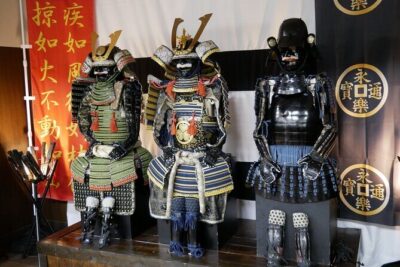 ★ 5.0Best Samurai Experience in TokyoFrom $65458 reviews
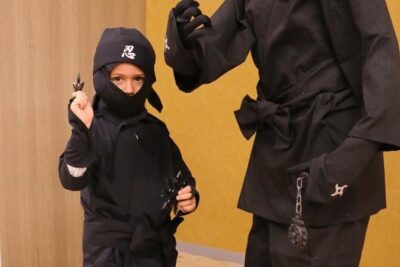 ★ 5.0Ninja Experience (Family Friendly) at Samurai Ninja Museum TOKYOFrom $47441 reviews
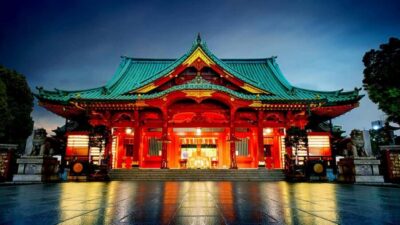 ★ 4.6Samurai Entertainment Night Show in Kanda ShrineFrom $41417 reviews
 ★ 5.0Tokyo Sword Experience – includes Museum Ticket/Ninja ExperienceFrom $84314 reviews
 ★ 4.8Samurai Ninja Museum Asakusa: Samurai Sword Lesson & TourFrom $63306 reviews
 ★ 5.0Samurai Sword Experience (Family Friendly)at SAMURAI MUSEUM TOKYOFrom $65168 reviews
Browse the lists this tour appears in