
Reviewed · MT FUJI DAY TRIPS
From Tokyo: Mt. Fuji 5th station and Oshino Hakkai Day Trip
Mt. Fuji looks different each stop. This day trip strings together the classic picture points around Mount Fuji, from Lake Kawaguchi’s calm mirror views to the higher-altitude drama of the 5th Station, then finishes at Oshino Hakkai for those volcanic spring ponds that feel almost otherworldly.
I especially like the double dose of Fuji views and the way the tour builds in real breaks—time to walk at Oshino Hakkai and shop for melon bread and coffee near the 5th Station. I also think the included Yamanashi lunch is strong value since you don’t have to hunt for food between viewpoints.
One consideration: this is a packed 10-hour day, so if you hate crowds or long lines, the time you get at each photo stop can feel quick—especially around the 5th Station and popular lake viewpoints.
In This Review
- Key things that make this tour work
- Meeting at Shinjuku’s LOVE statue and getting rolling fast
- Lake Kawaguchi: Fuji views, plus a ropeway moment
- Oishi Park’s flower seasons: what you’ll likely see
- Yamanashi lunch: a value win that keeps you moving
- Mt. Fuji 5th Station at 2,300 meters: close-up but short
- Oshino Hakkai: eight spring ponds and a calmer pace
- How the timing feels across 10 hours
- The “luxury vehicle” part: comfort, not just style
- Weather reality: sea of clouds odds and photo tactics
- Guide quality can make or break the day
- Price and value: what your $103 is paying for
- Who should book, and who should skip
- Quick packing checklist for a Fuji day trip
- Should you book this Mt. Fuji 5th Station and Oshino Hakkai day trip?
- FAQ
- Where is the meeting point?
- What time does the tour depart?
- How long is the tour?
- What is included in the price?
- Is there a ride at Lake Kawaguchi?
- Is this tour suitable for wheelchair users or people with mobility impairments?
Key things that make this tour work
- Two Fuji viewpoints: Lake Kawaguchi plus Mt. Fuji 5th Station, so you’re not betting everything on one view
- Oishi Park by season: you’ll see a different flower show depending on when you visit
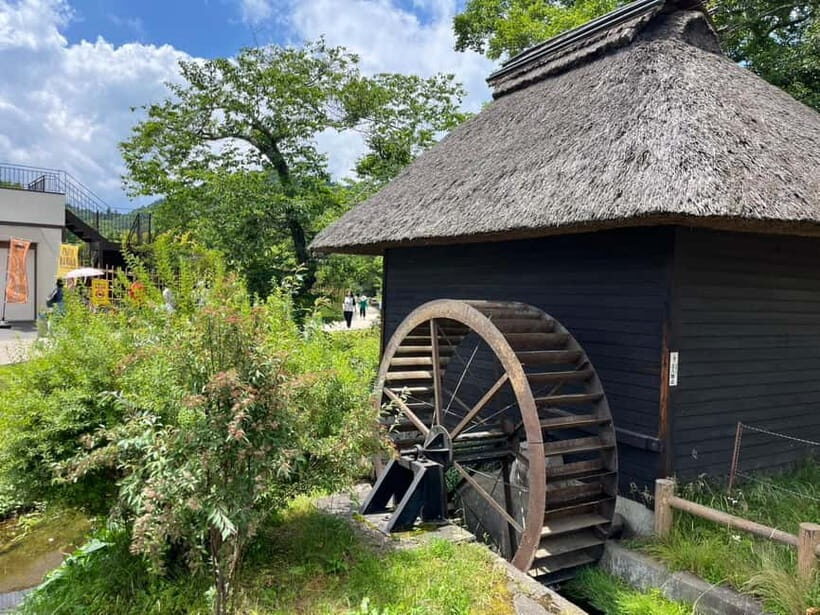
- Oshino Hakkai’s eight spring ponds: easy strolling through a compact, storybook village
- Lunch included: Yamanashi local food without paying extra during the day
- A real driver-guides-your-day setup: if the group is small, the driver may guide you too
Other routes to the mountain, compared
- Mt Fuji & Hakone Cruise, Drum Show Bullet Train 1 Day from Tokyo★ 4.0 · 7,413 reviews
- Tokyo Mt Fuji 5th St & Hakone Cruise Bus Tour w/Bullet Train★ 4.4 · 5,024 reviews
- From Tokyo: Mount Fuji Full-Day Sightseeing Trip★ 4.5 · 4,970 reviews
Meeting at Shinjuku’s LOVE statue and getting rolling fast
Your day starts at Shinjuku Station West Exit, in front of the Shinjuku Island Tower statue called LOVE. The meeting is at 7:45 AM, with departure at 8:00 AM sharp, so I’d plan to arrive early and settle your tickets and headcount before the bus/vehicle fills up.
I like this early start. It gives you a better shot at clear skies and reduces the odds of spending your best daylight hours in traffic. Also, Shinjuku is easy to reach, so you’re not wasting energy on complicated first-day navigation.
If the group is smaller, you might notice the driver also serves as the guide. That can be a plus if you want questions answered quickly, but it also means the pace may feel more “real driving + explaining” than a fully scripted tour.
Lake Kawaguchi: Fuji views, plus a ropeway moment
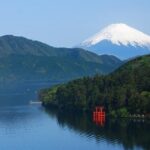
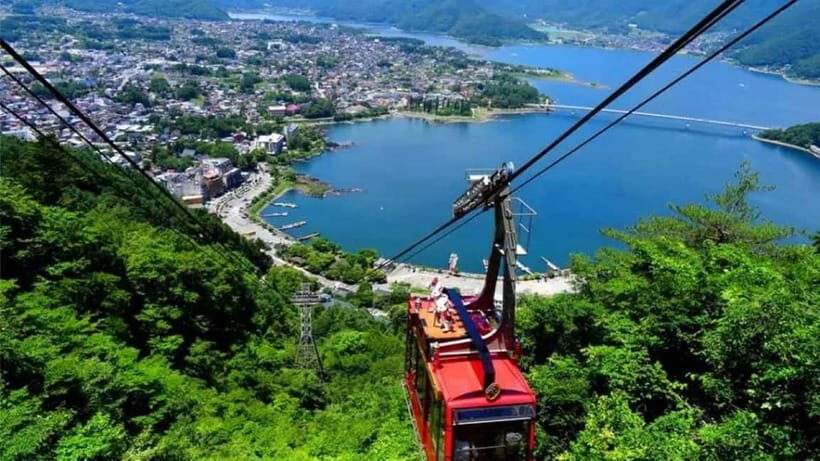
Lake Kawaguchi is where the day first clicks into place. This stop is built around the idea that the mountain and the lake can look like they belong to the same postcard—especially when the sky cooperates.
You’ll get time to enjoy the lake view, then you’ll ride a panoramic ropeway for an overhead perspective of the water and Fuji’s upper forms. If you like photos, this is a smart add-on because it gives you angles you can’t easily get from ground level.
A practical note: views here depend heavily on weather. If it’s misty, you might still get great scenery, but you’ll want to keep expectations flexible and focus on composition rather than only on getting the mountain perfectly framed.
Oishi Park’s flower seasons: what you’ll likely see
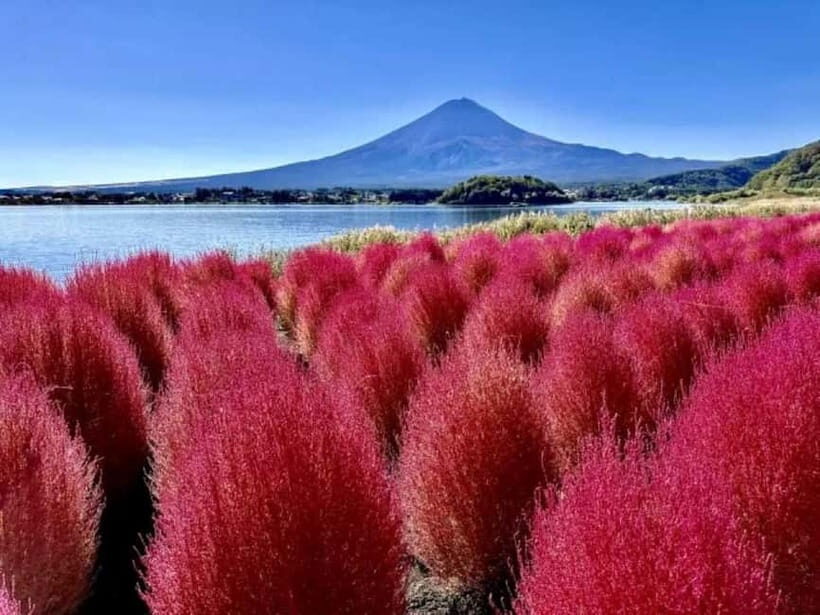
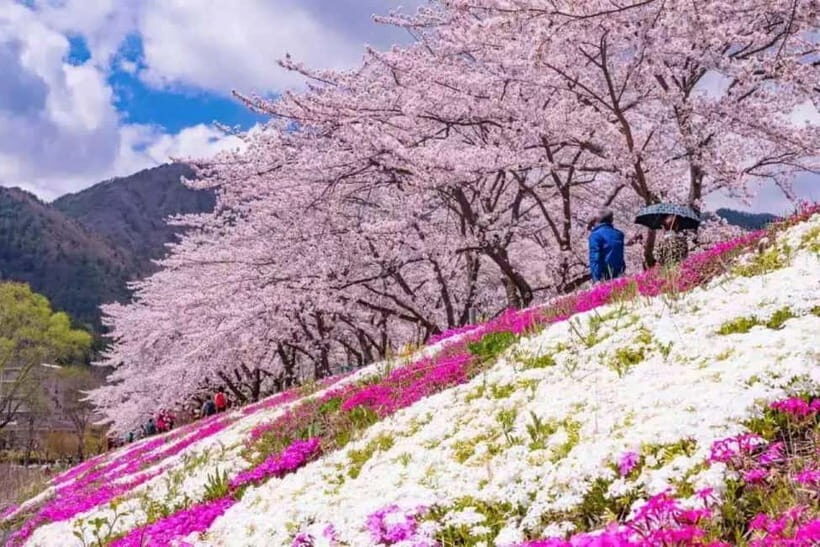
Oishi Park is the tour’s color stop, and it’s not random. The park changes its main show by season, so you’re basically visiting a timed flower calendar.
Depending on when you go, you might catch:
- Cherry blossoms (late March to early April)
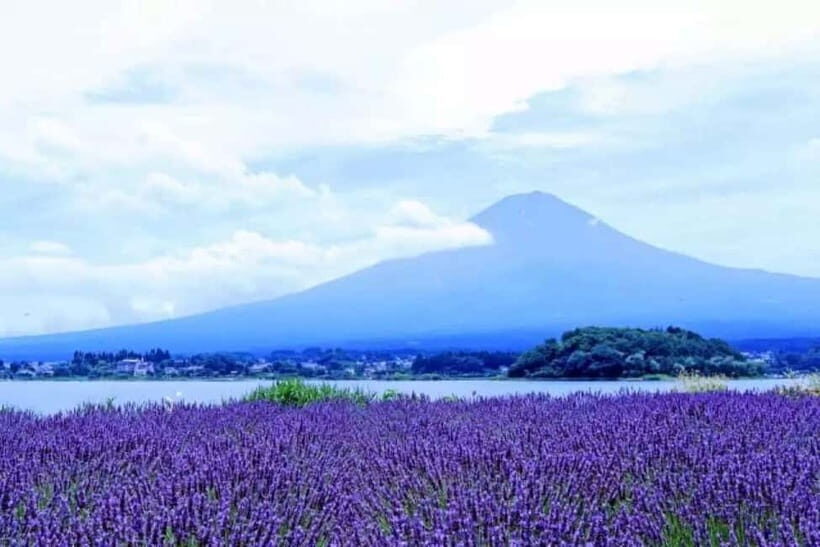
- Lavender (late June to late July)
- Kochia turning red (mid to late October)
- Winter scenes with snow (when conditions allow)
You only have about a half hour plus walking time, so I suggest using that window strategically. If you’re traveling in peak bloom season, treat it like a quick photo mission: check light direction, grab your “wide view” shots first, then slow down for close-ups.
Even if your timing is off by a couple weeks, the park still gives you a change of pace from the lake and mountain focus. It’s a reset for your eyes.
Yamanashi lunch: a value win that keeps you moving
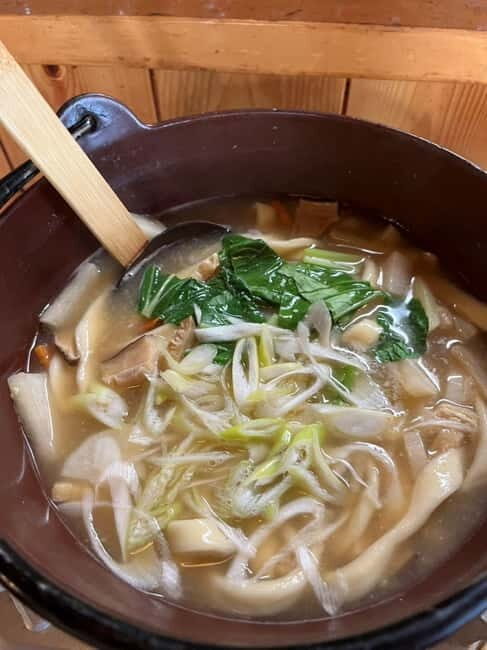
Lunch is included, and it’s specifically Yamanashi local cuisine. That matters because Mt. Fuji day trips often end up with expensive food stops where you’re paying for convenience.
You’ll get about 50 minutes for lunch and then a short rest period. That time buffer is helpful. It keeps you from arriving at the 5th Station feeling rushed and cranky, which is half the battle on long sightseeing days.
One small planning tip: the tour won’t include drinks, and you should avoid bringing food into the vehicle. If you think you’ll need water or small snacks for the later portions, sort that out before you settle in for the drive.
Worth weighing up alongside this Tokyo pick:


Mt. Fuji 5th Station at 2,300 meters: close-up but short
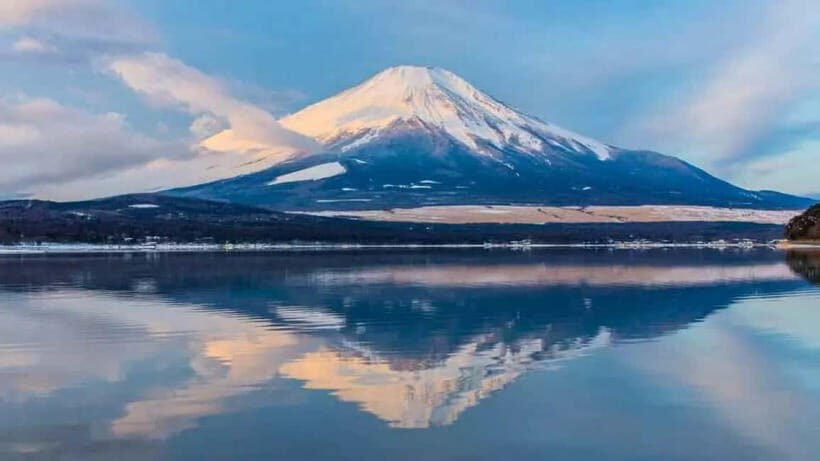
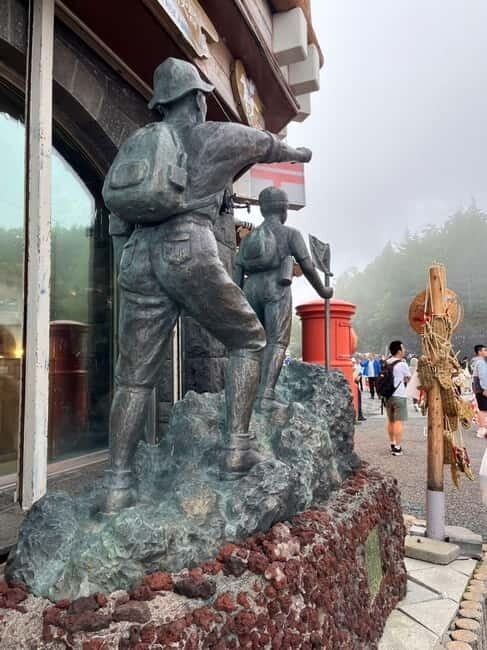
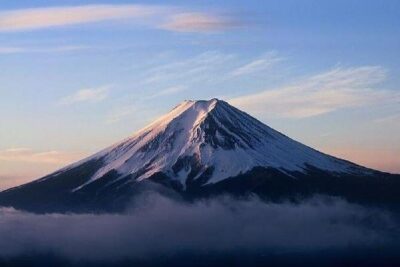
The 5th Station is the star for people who want Fuji up close. You’ll reach 2,300 meters, and the experience is more about feeling the high-altitude atmosphere than about lingering all day.
Your time here is around 40 minutes, including photo stops. In that window, you can enjoy coffee and freshly baked melon bread while looking toward the peak views. Even when conditions are not perfect, being this high changes how the mountain feels—more serious, more rugged, less like a distant icon.
Here’s the key reality check: if it’s crowded or visibility drops, that time goes fast. So I’d keep your plan simple—pick your best viewpoint quickly, take your photos, then enjoy the moment rather than chasing every angle.
Also, wear warm clothing. Even on a mild Tokyo day, the temperature up at elevation can surprise you.
Oshino Hakkai: eight spring ponds and a calmer pace
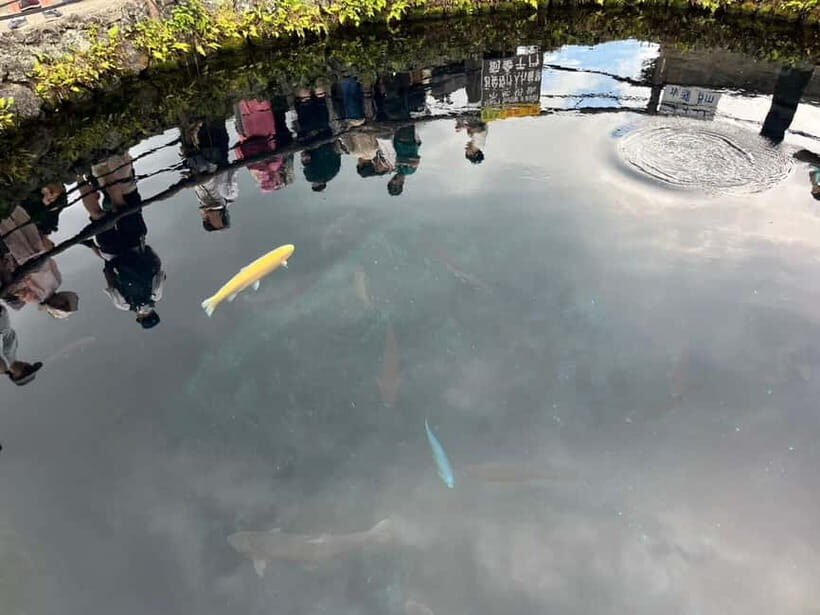
After the big mountain moment, Oshino Hakkai feels like a different kind of sightseeing. It’s a picturesque village known for eight crystal-clear spring ponds fed by volcanic activity, and the setting is built around traditional houses and strolling paths.
You’ll get about 50 minutes, with a mix of photo stop time and free time. This is a good place to slow down and walk without needing to be in motion every minute. If you enjoy photography, the ponds reward patience—ripples, reflections, and angles are everything.
Because this stop is compact, it’s also easier to pace yourself if the earlier parts of the day ran long due to crowds. I found it mentally refreshing: after Fuji and the lake, it’s calmer, more human scale, and very walkable.
How the timing feels across 10 hours
This day trip is designed for efficiency: multiple viewpoints, limited but meaningful free time, and a lunch stop that’s already taken care of. The big strength is that you’re not relying on just one viewpoint to decide whether the day is worth it.
The trade-off is you’re on the clock. You’ll move from Shinjuku to the Fuji area and back in a single day, and each major stop is timed tightly. If you like slow travel, consider how you feel about photo lines and how quickly you can enjoy a viewpoint without endless lingering.
Still, the structure works well for first-timers who want the classic highlights without arranging trains, buses, and multiple transfers.
The “luxury vehicle” part: comfort, not just style
The vehicle is described as a luxury car experience, and in practice that usually means smoother travel and better seating for a long day. You’ll also get scenic countryside views through the window as you head between the lake, park, 5th Station, and Oshino Hakkai.
A rule to remember: no smoking and no food in the vehicle, plus no alcoholic drinks in the vehicle. It’s the kind of policy that keeps the cabin clean and quiet, but it also means you should pack only what you’re allowed to eat and drink outside.
If you’re the type who gets travel-stiff, this is a comfort upgrade worth noticing.
Weather reality: sea of clouds odds and photo tactics
There’s a promise built into the region: on clear days, you may see the famous sea of clouds effect around the Fuji area. But weather can turn fast, and even when the mountain is not fully visible, the surrounding atmosphere can still be beautiful.
My advice for photos is simple:
- Shoot wide early, then switch to details
- Take at least one photo from each viewpoint even if you think visibility is only fair
- Dress warm and be ready for wind at elevation
This tour gives you multiple tries at Fuji’s presence. That reduces the chance your whole day hinges on one lucky minute.
Guide quality can make or break the day
The tour includes a multilingual guide (Chinese, English, Japanese), and guide performance shows up clearly in the experience. Two names you may see mentioned for this kind of service are Helen (also called Ms. Wei) and Jenny.
If you get Helen / Ms. Wei, the vibe tends to be gentle and helpful—offering support for photos and looking after smaller groups with extra attention. If you get Jenny, you can expect detailed explanations, careful guidance to the best spots, and time taken to make sure you don’t feel lost, even if you’re the only English speakers.
Even when schedules are tight, a good guide turns the day from bus-rides-and-photos into a smoother flow where you know what you’re looking at and where to stand for better results.
Price and value: what your $103 is paying for
At about $103 per person for a 10-hour outing, you’re paying for three big things: round-trip transport, guided interpretation, and included lunch. Many self-planned Fuji days cost less on paper but quickly add up once you factor in transport tickets, timing complications, and food between stops.
The value gets better because lunch is not just included—it’s Yamanashi local cuisine. That saves you from spending extra money at convenient but overpriced places during the busiest part of your day.
Also, the tour structure helps you avoid the coordination headache. In Japan, Fuji-area timing can be tricky, and having someone manage the sequencing and timing is worth real money when you’re only in the region for a day.
Who should book, and who should skip
This is a strong fit for:
- First-time visitors who want the classic Fuji sights without planning
- Travelers who like structured stops but still want some free time
- People who appreciate multilingual guidance and included lunch
It may be a poor fit if:
- You have mobility limitations or need wheelchair access
- You’re pregnant
- You have heart problems
Those restrictions are listed for safety, and I’d treat them seriously rather than hoping “it might be fine.” Also remember you’ll be at elevation and walking around scenic areas, so comfort matters.
Quick packing checklist for a Fuji day trip
Bring:
- Comfortable shoes
- Warm clothing (especially for the 5th Station)
- A camera
- Something for personal water needs since drinks aren’t listed as included
Leave behind:
- Smoking and any intention to eat in the vehicle (it’s not allowed)
- Alcoholic drinks in the vehicle
Should you book this Mt. Fuji 5th Station and Oshino Hakkai day trip?
If you want a one-day “greatest hits” version of Mt. Fuji, I think this is a practical pick. The mix of Lake Kawaguchi + Oishi Park + 5th Station + Oshino Hakkai gives you multiple ways to enjoy Fuji and keeps the day from becoming repetitive.
I’d book it if you value guidance, included lunch, and the ease of getting there from Shinjuku without transfers. I wouldn’t book it if you need a slow, unstructured day or if you strongly dislike crowds and lines—your time at each stop is limited on purpose.
If your goal is to see Fuji from more than one angle and still have a calm final stop with the eight ponds, this itinerary makes sense.
FAQ
Where is the meeting point?
You meet at Shinjuku Station West Exit, in front of the Shinjuku Island Tower statue called LOVE.
What time does the tour depart?
The group meets at 7:45 AM and departs at 8:00 AM.
How long is the tour?
The total duration is 10 hours.
What is included in the price?
The price includes transportation by car, a multilingual guide, and lunch.
Is there a ride at Lake Kawaguchi?
Yes. At Lake Kawaguchi, there’s time to enjoy the views and a cable car/ropeway ride.
Is this tour suitable for wheelchair users or people with mobility impairments?
No. It is listed as not suitable for wheelchair users and people with mobility impairments, as well as for pregnant travelers and people with heart problems.
More 1-Day Tours in Tokyo
More Tour Reviews in Tokyo





The Fuji Shortlist: Other Days Out to the Mountain

Fresh reviews from around Tokyo






Mt Fuji Day Trips, compared.
 ★ 4.0Mt Fuji & Hakone Cruise, Drum Show Bullet Train 1 Day from TokyoFrom $1497,413 reviews
 ★ 4.4Tokyo Mt Fuji 5th St & Hakone Cruise Bus Tour w/Bullet TrainFrom $1545,024 reviews
 ★ 4.5From Tokyo: Mount Fuji Full-Day Sightseeing TripFrom $684,970 reviews
 ★ 4.7Mt. Fuji Tour, Hakone Ropeway, Owakudani, Lake AshiFrom $544,002 reviews
 ★ 5.0Private Tour to Mt. Fuji and Hakone (Fully Licenced Operator)From $4971,910 reviews
 ★ 4.9Mount Fuji Full-Day Private Tour from Tokyo (Customizable)From $3931,470 reviews
 ★ 4.0Mt Fuji & Hakone Cruise, Drum Show Bus 1 Day from TokyoFrom $1221,287 reviews
 ★ 4.2From Tokyo: Mt. Fuji & Hakone Tour w/ Return by Bullet TrainFrom $1171,278 reviews
Browse the lists this tour appears in