
Reviewed · MT FUJI DAY TRIPS
From Tokyo: Mount Fuji Full Day Private Tour English Guide
Fuji day trips are all about timing. This one works because you get prime photo stops plus enough flexibility to shape the day around the weather and your pace. I like the way the route hits the most iconic Fuji viewpoints first, including Chureito Pagoda, and then climbs toward the mountain for big panorama moments. One thing to factor in: the Mt. Fuji 5th Station can be closed in winter or when conditions aren’t safe, so your day may shift to fit what’s open.
You also travel in comfort. Hotel pickup and drop-off from the Tokyo 23 wards means less stress on trains and buses, and a private car is a real time-saver when you’re doing multiple stops in one day. The experience leans practical too: bottled water, an English-speaking driver/guide, and room to pause for lunch or extra viewpoints.
The tour is private, so you won’t be stuck waiting on other groups. That said, it’s not for everyone: it’s not suitable for wheelchair users, and it may be less comfortable for very elderly travelers.
In This Review
- Key Things I’d Not Miss on This Private Fuji Tour
- A Private Car Turns Fuji Into a Real Day, Not a Bus Hop
- Chureito Pagoda: The Fuji Photo Everyone Knows
- Mt. Fuji 5th Station at 2,300 Meters: The View Gets Bigger
- Oshino Hakkai: Fuji Reflected in Quiet Water
- Lake Kawaguchi and Oishi Park: The Fuji Horizon Feeling
- Kita-Guchi Fuji Sengen Shrine: A More Grounded Fuji Stop
- Flexibility Is the Real Luxury
- English-Speaking Guidance That Helps You Navigate the Moments
- Price and Value: What $370 Per Group Really Buys
- What’s Included, What’s Not, and How to Avoid Budget Surprises
- Timing, Weather, and What to Pack for Fuji Reality
- Who This Tour Is Best For
- Should You Book This Mount Fuji Private Tour?
- FAQ
- How long is the Mount Fuji full day private tour?
- Where do you get picked up in Tokyo?
- Is this tour private?
- Is an English-speaking driver/guide included?
- What’s included in the price, and what costs extra?
- What should I do if Mt. Fuji 5th Station is closed?
- Are there rules about drones, bikes, or smoking?
- What should I bring with me?
Key Things I’d Not Miss on This Private Fuji Tour
- Chureito Pagoda views early for those postcard angles and calmer crowds
- Mt. Fuji 5th Station at 2,300 meters when conditions allow
- Oshino Hakkai’s spring ponds with Fuji reflections and easy walking
- Lake Kawaguchi and Oishi Park for wide-open water-and-mountain scenery
- Kita-Guchi Fuji Sengen Shrine for a quieter, more grounded side of the Fuji area
- Custom timing with your English-speaking driver so you’re not rushed
Other routes to the mountain, compared
- Mt Fuji & Hakone Cruise, Drum Show Bullet Train 1 Day from Tokyo★ 4.0 · 7,413 reviews
- Tokyo Mt Fuji 5th St & Hakone Cruise Bus Tour w/Bullet Train★ 4.4 · 5,024 reviews
- From Tokyo: Mount Fuji Full-Day Sightseeing Trip★ 4.5 · 4,970 reviews
A Private Car Turns Fuji Into a Real Day, Not a Bus Hop
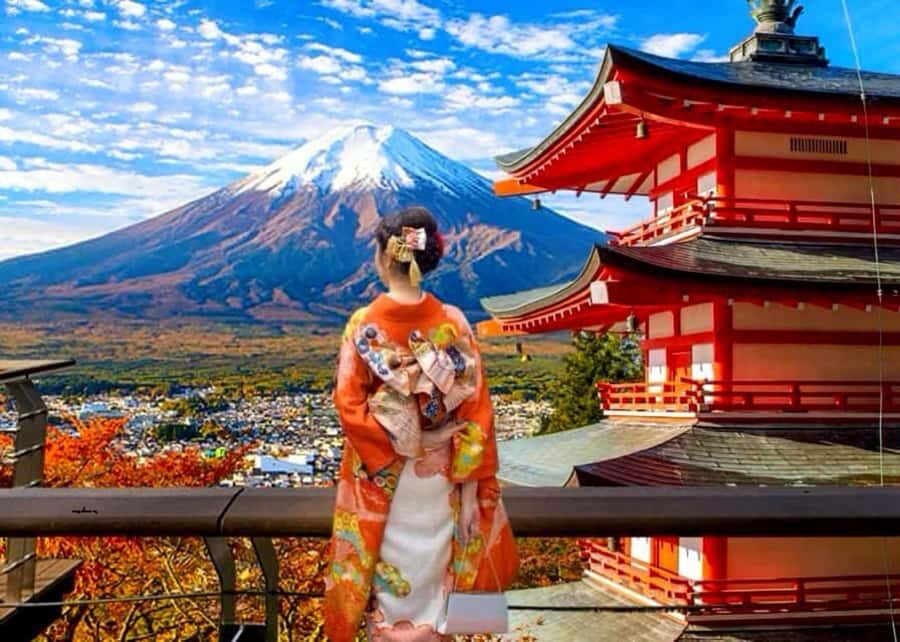
Mount Fuji can feel far away from Tokyo, even though it’s only a day trip on paper. What makes this tour feel worth it is how directly it gets you into the Fuji region. You start with hotel pickup and you’re in an air-conditioned private vehicle with only your group, typically for a 9 to 10 hour day.
That matters because Fuji days live or die by weather. Clouds roll in, visibility changes, and you often want to adjust on the fly. With a dedicated driver, you’re not stuck with a fixed train schedule or hunting for taxis between stops.
You also get English support. The tour is guided by an English-speaking driver/guide, and the tone from past guests is consistent: the guides are friendly, helpful, and willing to work with what you want to see.
If you’re curious what you might experience, names that show up in guide feedback include Adnan, Ahmed, Sunny, Malik, Rizwan, and Badshah. Each person’s style differs, but the common thread is practical guidance and photo-friendly pacing.
Chureito Pagoda: The Fuji Photo Everyone Knows
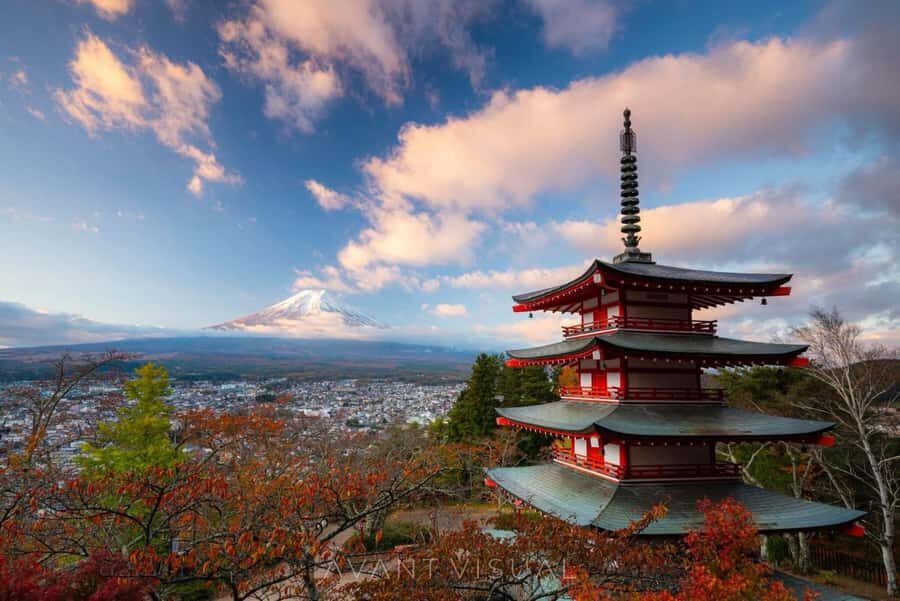
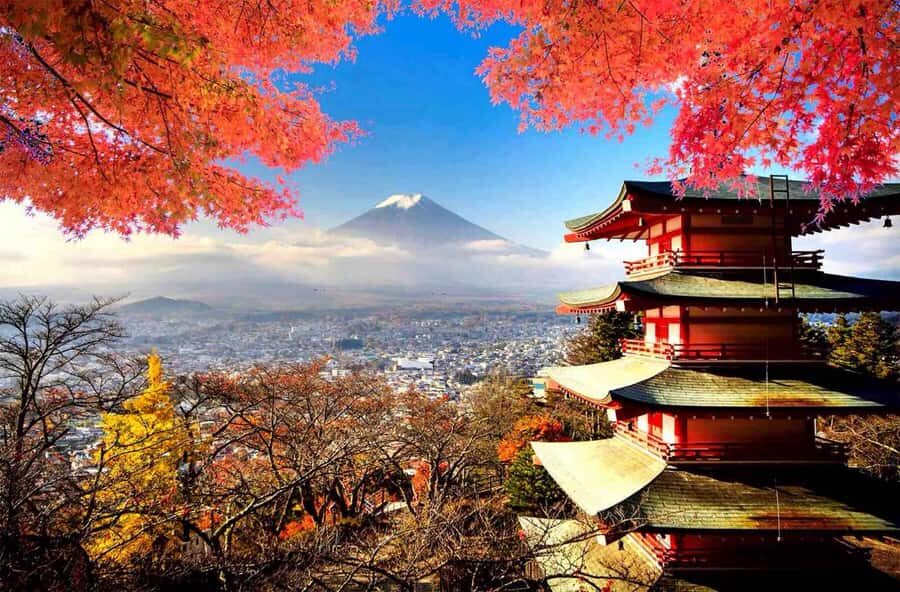
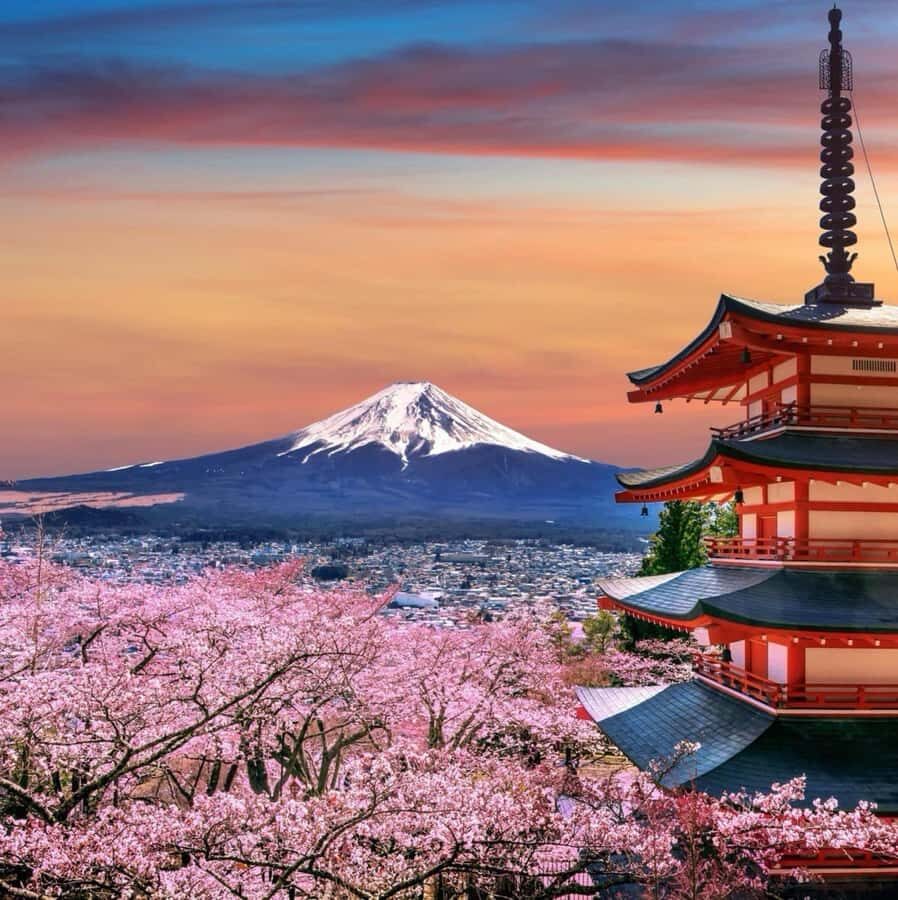
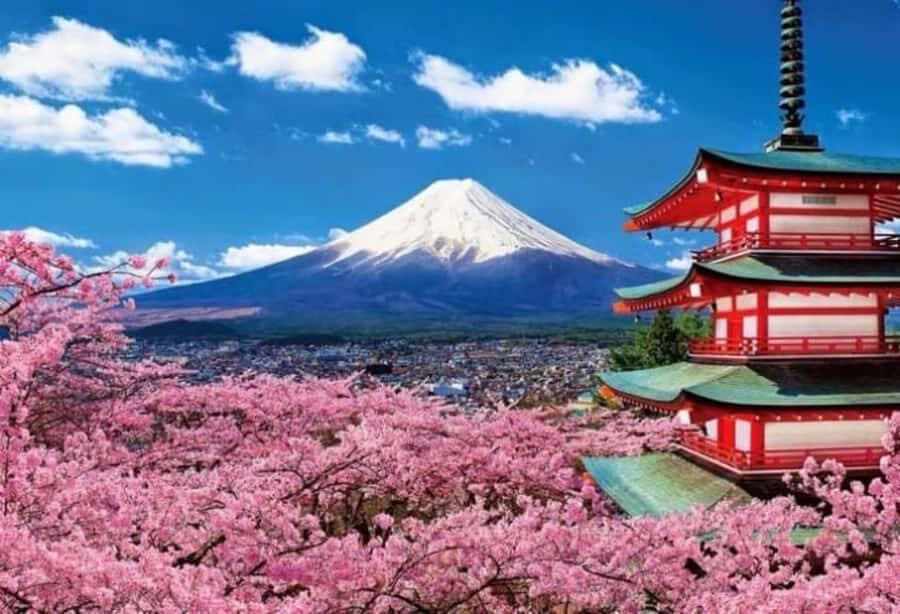
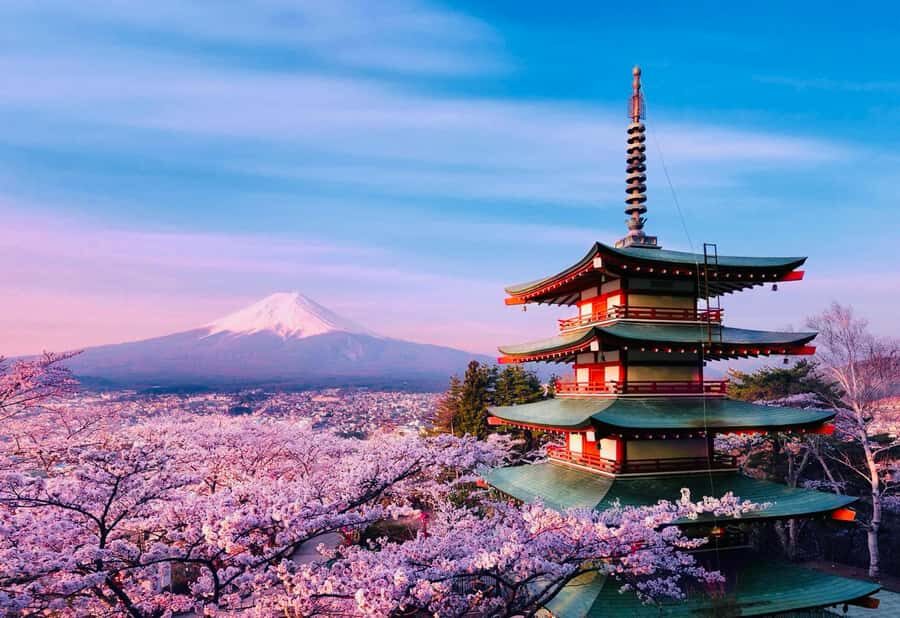
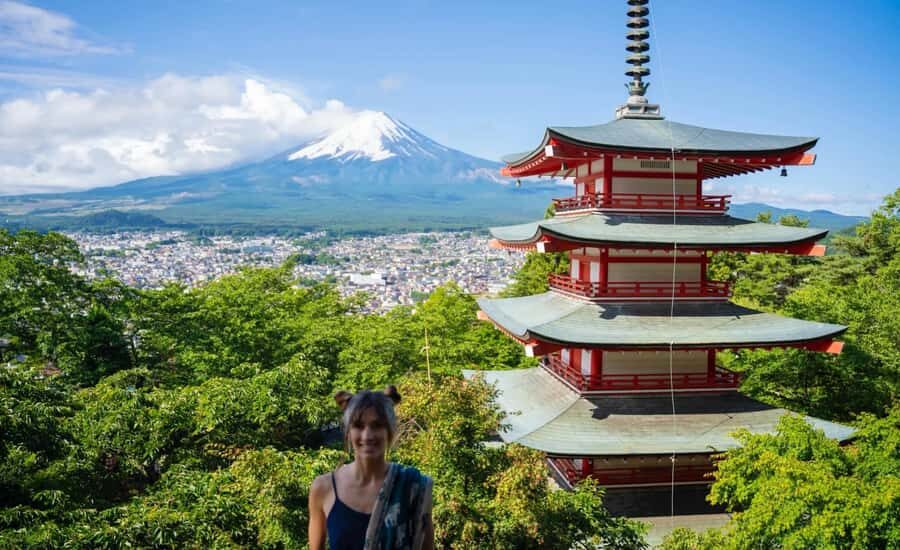
The day’s first big target is Chureito Pagoda at Arakurayama Sengen Park. This is the classic five-story pagoda setup, with Mount Fuji framed behind it. It’s the kind of view that makes you stop walking and just look. On clear days, the contrast between the pagoda and the mountain is exactly why people plan their calendars around Fuji.
Why I like this stop for your itinerary:
- It’s a true “wow” viewpoint without needing a complicated plan.
- You can spend time where you want—photos, quick strolls, or just standing still with a drink and watching the light change.
One consideration: this area can get busy. A private guide helps because the timing can be nudged to beat the crush. Several guides in feedback specifically recommended starting earlier to reduce the rush, and it shows up in the way the day flows.
If your timing includes seasonal scenery, you may hit extra magic. One guest noted cherry blossom trees creating an especially dramatic view from the pagoda area. If you’re traveling during peak seasons, it’s worth bringing an extra spare memory card.
Mt. Fuji 5th Station at 2,300 Meters: The View Gets Bigger
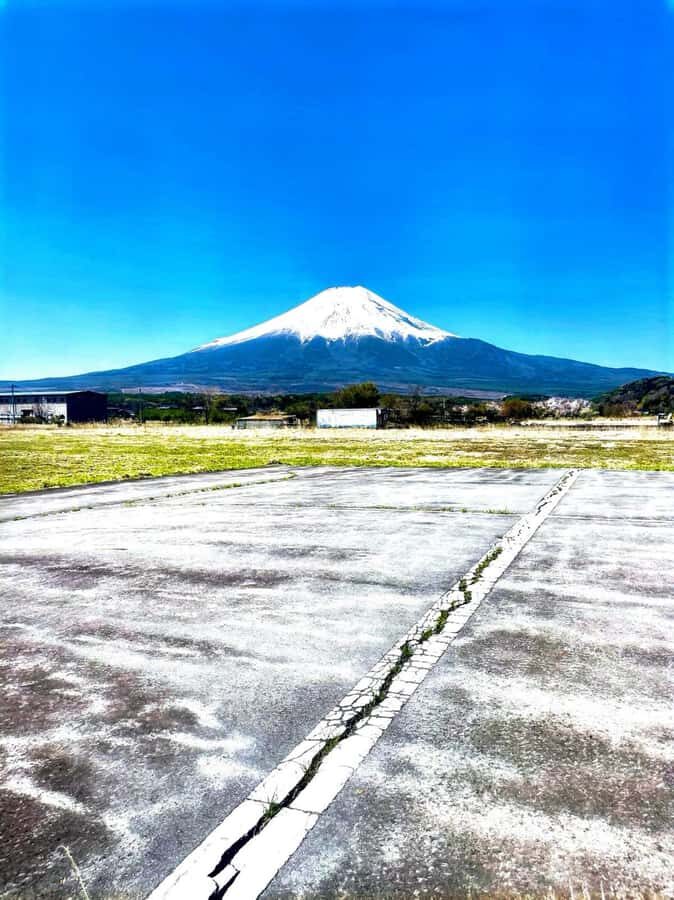
Next comes the climb toward Mt. Fuji 5th Station, located about 2,300 meters above sea level. This is where your experience shifts from “looking at Fuji” to “standing much closer to it.” Weather permitting, the panoramas stretch over lakes, valleys, and the patchwork of the Fuji region.
What you’ll likely do here:
- Pause for wide-angle views over the surrounding area
- Browse small souvenir shops
- Visit the small shrine area if you want a bit of calm
The payoff is simple: even when you can’t get all the way to the summit, height changes how the mountain looks. It feels more solid, more real, and less like a distant postcard.
The main drawback is also simple and worth planning for. The 5th Station may be closed during winter or due to weather conditions. In that case, your driver can suggest alternatives and adjust your route. The tour’s flexibility is the safety net here.
Practical tip: bring sunglasses and expect temperature swings. Even in seasons when Tokyo feels mild, the Fuji area can feel colder once you gain elevation. A camera helps too, but don’t focus only on photos—take a moment for your own eyes first.
Oshino Hakkai: Fuji Reflected in Quiet Water
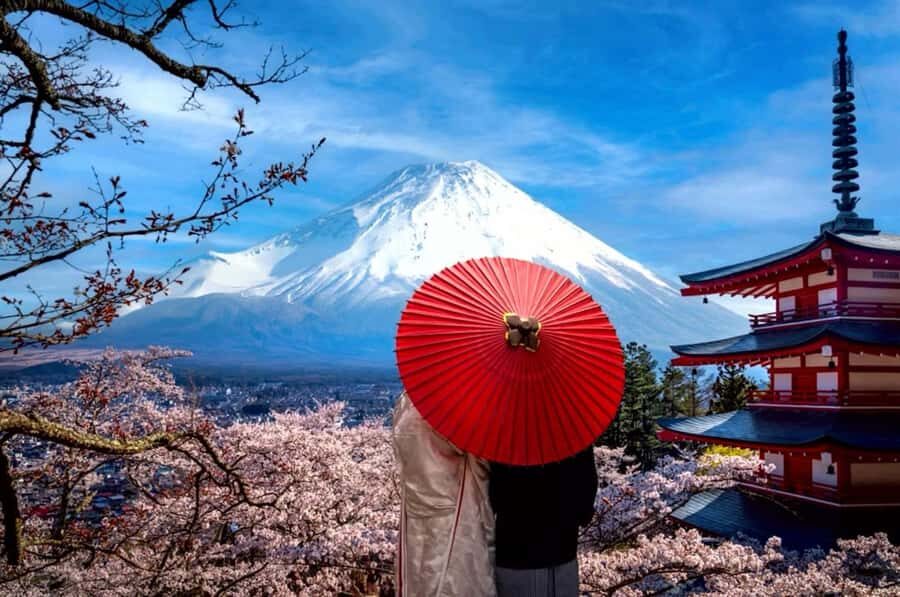
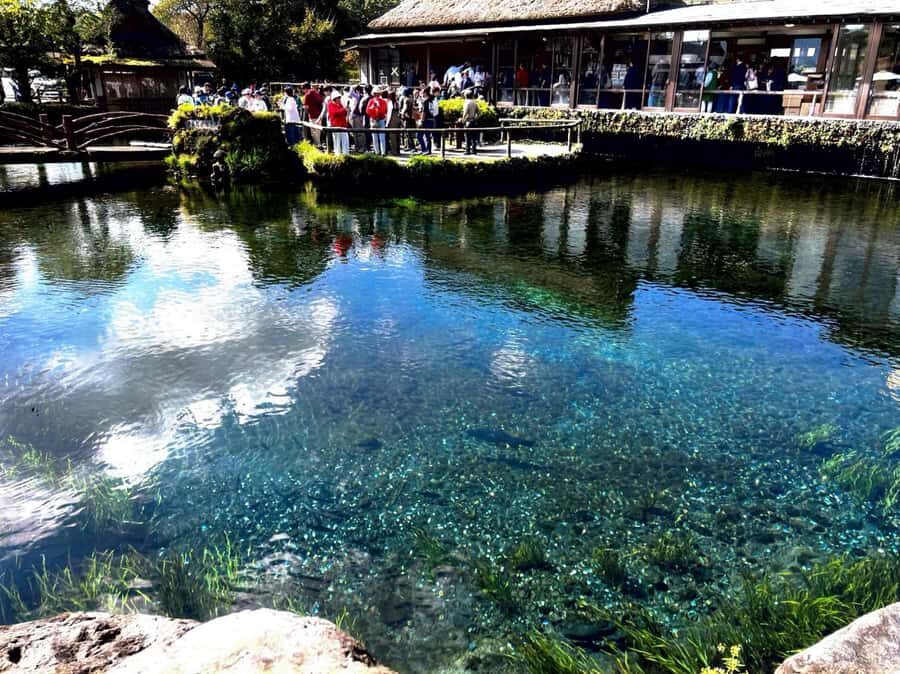
Then you head to Oshino Hakkai, a traditional village centered on eight spring-fed ponds. This stop feels slower, even though the day is moving. Wooden bridges, gentle footpaths, and ponds that can mirror the mountain create a different mood than the busier viewpoint areas.
Why this part of the day works:
- It’s a good break from pure sightseeing intensity
- It’s walk-friendly at your pace
- It rewards you for lingering with photos and small snacking breaks
This is one of those places where you can do the “quick photo” version or the “spend 45 minutes wandering” version. If visibility is good, the pond reflections can be striking. If the weather is less cooperative, the village still feels pleasant and atmospheric.
One note for expectations: Oshino Hakkai is known for walking and looking, not for thrill rides. If you want a calm, scenic pause, it fits perfectly.
More days made easy by a guide

Lake Kawaguchi and Oishi Park: The Fuji Horizon Feeling
From here the day typically transitions to Lake Kawaguchi and Oishi Park—a classic Fuji area for wide views over water. This is the stage where you notice how Fuji changes across angles. From a lake viewpoint, the mountain can look more dramatic, especially when clouds break or wind shifts.
Why it’s worth including:
- Water adds depth to the scenery
- Oishi Park is designed for viewpoints, so you can see without constant backtracking
- It gives you another photo opportunity beyond pagoda and ponds
In real terms, this segment is where you’ll often choose your pace. If your group wants more time with photos, you can ask for it. If you want something quicker and then lunch, your driver can steer the timing.
A practical idea: keep an eye on cloud movement here. Fuji can appear, disappear, then show up again. Catching that “window” is often the difference between a nice photo and a memorable one.
Kita-Guchi Fuji Sengen Shrine: A More Grounded Fuji Stop
Later in the day, you may visit Kita-Guchi Fuji Sengen Shrine. This is not just about scenery. Shrines add a cultural layer that makes the whole Fuji day feel less like a checklist and more like a place with meaning.
What you’ll get from this stop:
- A calmer tone after the big viewpoint areas
- A chance to slow down and absorb local spirituality linked to Fuji
- Photo opportunities that feel more personal than crowd-heavy scenic platforms
If you’re the kind of traveler who likes variety—one dramatic view, one reflective pond stop, one shrine moment—this final stretch can land really well.
Also, if you’ve been hoping for a more authentic rhythm, this is the part that helps. You’re not just chasing views. You’re observing how people actually experience the Fuji pilgrimage culture.
Flexibility Is the Real Luxury
A private tour isn’t just about comfort. It’s about control. The itinerary can be customized in advance or even on the day, depending on what you want to prioritize and what the weather allows.
That flexibility often shows up in the details:
- You can request extra photo stops or adjust the order
- You can ask for more time in a specific spot
- Your driver can propose a better plan when conditions aren’t ideal
One guest shared that their guide contacted them ahead of time because the forecast wasn’t great, and suggested the next day would work better. When the weather changed, the guide was happy to adjust plans to improve the chances of clear views. That kind of communication makes the day feel cared for, not just scheduled.
In another case, a guide didn’t rush people through the pagoda viewpoint and instead managed timing so the group didn’t feel pushed. That’s the difference between a “tour” and a day you can actually enjoy.
English-Speaking Guidance That Helps You Navigate the Moments
Your driver/guide isn’t just a person in a car. They help with where to go, how long to linger, and what to watch for. Past guests praised guides who:
- Speak English clearly
- Offer safety and pacing
- Recommend starting earlier to reduce congestion
- Adapt when weather throws a wrench into the plan
If you’re a couple, this is a big deal. You’re not negotiating with strangers or translating stress while trying to get the mountain shot. If you’re a family, it helps keep the day smooth. For solo travelers, it can turn “I hope I find the right places” into “I know what I’m doing.”
Price and Value: What $370 Per Group Really Buys
The price is $370 per group, up to 5 people. That means your cost scales with group size, not with individual tickets. Add in hotel pickup and drop-off, and you’re paying for a whole day of private transport plus English support.
What makes the value feel more reasonable than a cheaper option:
- One vehicle, one plan, your group only
- Time saved versus train transfers and taxi-hopping
- Flexibility to adjust stops based on weather and visibility
- A driver who can guide you to the “worth the effort” spots
What’s not included can affect your final budget. Mount Fuji entrance fees aren’t included, and there are also entry fees for any optional activities. Food and drinks are not included either.
Still, if you want a comfortable, efficient way to see Fuji highlights in one day—without turning your schedule into a spreadsheet—this private format is one of the most practical ways to do it.
What’s Included, What’s Not, and How to Avoid Budget Surprises
Included in the tour:
- Hotel pickup & drop-off in Tokyo 23 wards
- Private car for your group
- English-speaking driver/guide
- Fuel, tolls, parking
- Bottled water
- Wi-Fi if they need it
Not included:
- Mount Fuji entrance fee (listed as 2,100 yen per group)
- Entry fees for optional activities
- Food and drinks
My advice: treat food as a planning item, not an afterthought. You’ll be moving between scenic stops for most of the day, so decide what kind of lunch you want (fast and easy, or sit-down and slow) and then tell your driver your preference.
Also, bring cash. You’ll need it for entrance fees and for purchases at shops. The tour info also lists passport as required.
Timing, Weather, and What to Pack for Fuji Reality
This tour is about views, so weather is the villain and sometimes also the plot twist.
Key points to plan around:
- The 5th Station can be closed due to winter or weather.
- If conditions change, the itinerary can be adjusted.
- You may spend time at viewpoints that depend on visibility.
What to bring (practical list):
- Passport
- Sunglasses
- Camera
- Cash
And two “don’t bother” notes:
- Drones are not allowed.
- Smoking is not allowed in the vehicle.
One more reality check: it’s not suitable for wheelchair users, and it’s not suitable for people over 95. If mobility is limited, you’ll want to reconsider or ask detailed questions before booking—this tour involves scenic areas and walking.
Who This Tour Is Best For
This private Mt. Fuji day trip is a strong match if:
- You want comfort and fewer logistics headaches from Tokyo
- You care about getting the best chance at views without rushing
- You’re traveling with family or a small group and want control over pacing
- You prefer a dedicated English-speaking driver/guide to handle navigation
It may not fit as well if:
- Your group can’t manage some walking at scenic spots
- You want a DIY budget trip with public transport and no guidance
- You’re traveling during a season when 5th Station access is often limited and you’d be disappointed by a change
Should You Book This Mount Fuji Private Tour?
If your main goal is a smooth, high-hit-day of Fuji icons—pagoda views, 5th Station height when possible, pond reflections at Oshino Hakkai, and lake-and-park viewpoints—then yes, booking makes sense. The private format keeps your day flexible, and the English-speaking guidance helps you spend time seeing instead of figuring.
I’d book it especially if your travel style is: less chaos, more photos with breathing room. It’s also a smart choice when you’re only in Japan for a short time and don’t want to gamble on public transport timing.
If your heart is set on reaching the 5th Station no matter what, consider that closures happen. The tour can adjust, but it can’t change safety rules. If you can accept that possibility, this is a very solid way to experience Fuji highlights in one day.
FAQ
How long is the Mount Fuji full day private tour?
The tour lasts about 9–10 hours.
Where do you get picked up in Tokyo?
Pickup is available from the Tokyo 23 wards.
Is this tour private?
Yes. It’s a private tour, so only your group participates.
Is an English-speaking driver/guide included?
Yes. The driver/guide speaks English.
What’s included in the price, and what costs extra?
Included are hotel pickup and drop-off, a private car for your group, English-speaking driver/guide, fuel, tolls, parking, bottled water, and Wi-Fi if they need it. Not included are the Mount Fuji entrance fee (2,100 yen per group), entry fees for optional activities, and food and drinks.
What should I do if Mt. Fuji 5th Station is closed?
The 5th Station may be closed during winter or due to weather conditions. The tour can be customized, so your driver can adjust the plan to fit what’s available.
Are there rules about drones, bikes, or smoking?
Drones are not allowed. Bikes are not allowed. Smoking is not allowed in the vehicle.
What should I bring with me?
Bring your passport, sunglasses, a camera, and cash.
More Tours in Tokyo




More Tour Reviews in Tokyo




The Fuji Shortlist: Other Days Out to the Mountain

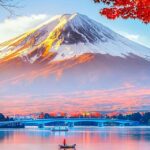
Fresh reviews from around Tokyo






Mt Fuji Day Trips, compared.
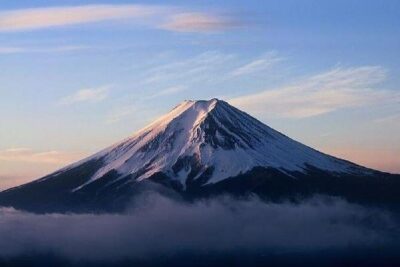 ★ 4.0Mt Fuji & Hakone Cruise, Drum Show Bullet Train 1 Day from TokyoFrom $1497,413 reviews
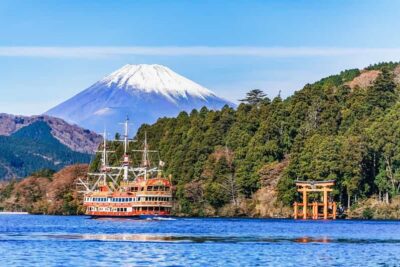 ★ 4.4Tokyo Mt Fuji 5th St & Hakone Cruise Bus Tour w/Bullet TrainFrom $1545,024 reviews
 ★ 4.5From Tokyo: Mount Fuji Full-Day Sightseeing TripFrom $684,970 reviews
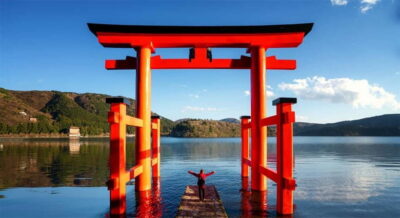 ★ 4.7Mt. Fuji Tour, Hakone Ropeway, Owakudani, Lake AshiFrom $544,002 reviews
 ★ 5.0Private Tour to Mt. Fuji and Hakone (Fully Licenced Operator)From $4971,910 reviews
 ★ 4.9Mount Fuji Full-Day Private Tour from Tokyo (Customizable)From $3931,470 reviews
 ★ 4.0Mt Fuji & Hakone Cruise, Drum Show Bus 1 Day from TokyoFrom $1221,287 reviews
 ★ 4.2From Tokyo: Mt. Fuji & Hakone Tour w/ Return by Bullet TrainFrom $1171,278 reviews
Browse the lists this tour appears in