
Reviewed · HISTORICAL TOURS
Discover the Art of Ikebana in Tokyo’s Historic Yanaka District
Tokyo’s calm side starts here.
This Ikebana workshop pairs a real lesson with a real neighborhood rhythm in Yanaka, where you start by choosing seasonal flowers at a local shop and end with a finished arrangement you made with a master instructor. I like that it is designed as more than a classroom—there’s room for everyday community connection, so the experience feels tied to where you are, not staged for tourists.
Two things I really like: the hands-on teaching with an English-speaking assistant, and the small, focused feel that leaves time for questions and creativity. The only drawback to consider is timing: it is about 90 minutes, but it also includes a short neighborhood walk, so you’ll want to protect a bit of buffer time in your schedule on busy days.
In This Review
- Key things that make this Yanaka Ikebana class worth it
- A Calm Ikebana Lesson in Yanaka’s Everyday Tempo
- Picking Seasonal Flowers at the Yanaka Shop (Cash in Your Pocket)
- Inside the Workshop: How You Build an Ikebana Arrangement
- The Yanaka Walk: From Yanaka Ginza to Yuyake Dandan
- Yanaka Ginza Shopping Street
- Yanaka Cemetery
- Nezu Shrine
- Yuyake Dandan
- Why this walking route matters
- Price and Value: What $108.99 Actually Buys You
- Scheduling Tips: Give Yourself Buffer Time
- Who This Workshop Fits Best (and Who Might Prefer Something Else)
- Should You Book This Yanaka Ikebana Workshop?
- FAQ
- FAQ
- How long is the Ikebana workshop?
- Where does the tour start?
- What’s included in the price?
- Do I need to bring cash for flowers?
- Is this activity private?
- Will I have help if I don’t speak Japanese?
- What happens if the weather is bad?
Key things that make this Yanaka Ikebana class worth it
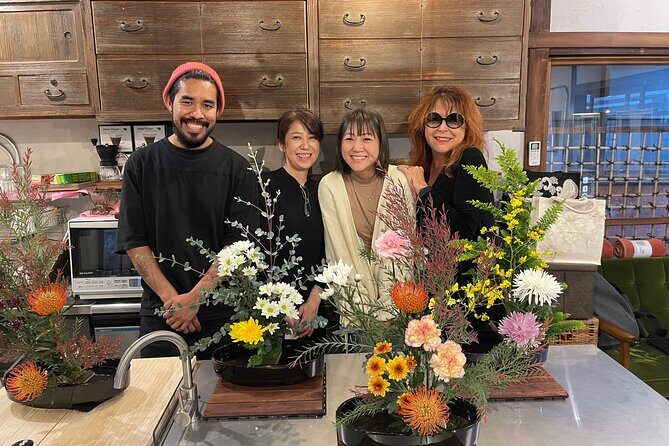
- You choose your flowers locally in Yanaka, then use them for your final arrangement
- A master instructor leads the technique, with translation support throughout
- It feels private for your group, not a crowded demo
- You get a neighborhood walk tied to Yanaka’s classic spots
- Bring cash for flowers (listed as ¥1,000, with guidance that it may run higher)
More paths into old Tokyo
- Tokyo: Imperial Palace Japanese History Walking Tour★ 4.9 · 987 reviews
- Tokyo: Shinjuku Historical Walking Tour & Secret Backstreets★ 5.0 · 530 reviews
- From Tokyo: Nikko World Heritage Site Private Full-Day Trip★ 4.9 · 243 reviews
A Calm Ikebana Lesson in Yanaka’s Everyday Tempo
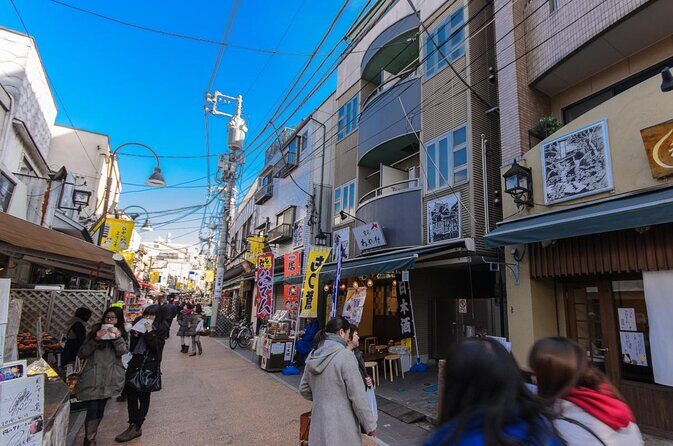
Yanaka is the kind of Tokyo neighborhood where you can feel everyday life moving at walking speed. That matters here, because the workshop isn’t just about making something pretty—it’s about learning a way of looking: seasonal awareness, careful structure, and restraint.
Ikebana (Japanese flower arrangement) has a reputation for being formal, but the best part of this experience is that it stays practical. You’re not being asked to “perform tradition” from a distance. You’re given guidance to create something that makes sense with the flowers in front of you, while still respecting the forms.
The teaching space is also part of the charm. From prior participants’ notes, it’s located above a café in the area, so you can walk Yanaka streets before and after class and still keep the lesson calm and contained.
Picking Seasonal Flowers at the Yanaka Shop (Cash in Your Pocket)
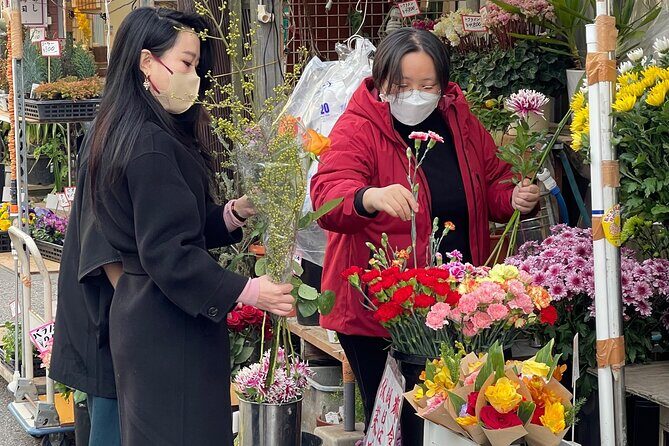
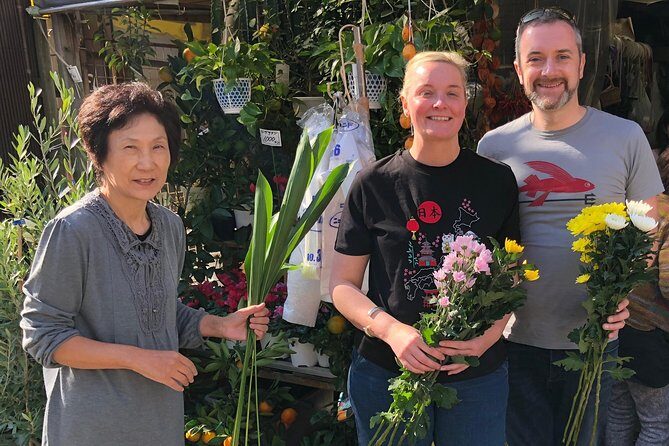
The workshop starts with the most important material choice: your flowers. You’ll visit a nearby flower shop in Yanaka and select seasonal flowers with the group, using what looks right and available that day. This is a big value point because it shifts the class from “here’s a kit” to “here’s what the neighborhood is actually getting.”
One practical heads-up: you need cash. The instructions specifically ask you to bring ¥1,000 in cash, and they also note that you may need about ¥1,000–¥2,000 for fresh flowers for your final presentation. If you show up with only cards, you’ll be stuck while others sort it out.
When you pick your flowers, you also get a taste of real local business culture. People have mentioned meeting the flower-shop owner during selection. That kind of small interaction is exactly what turns a workshop into a story you can bring home, not just a souvenir you set on a shelf.
Inside the Workshop: How You Build an Ikebana Arrangement
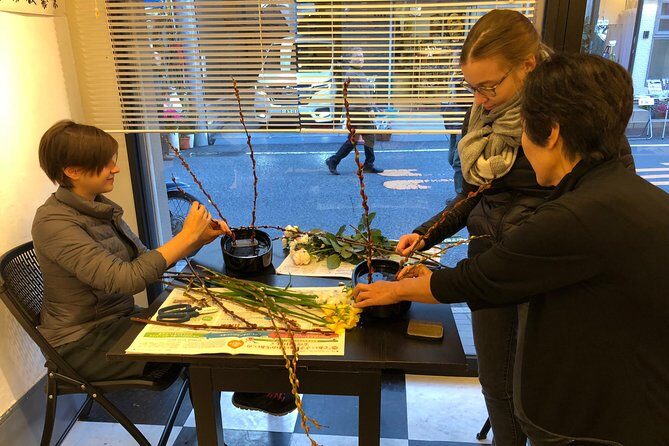
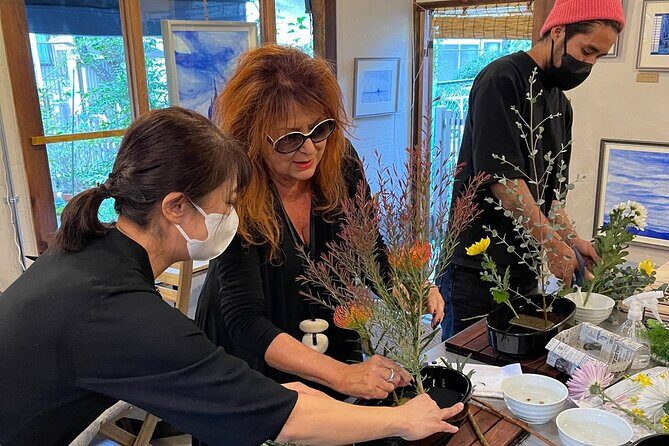
This is a hands-on session led by an Ikebana master, supported by an English-speaking assistant. The teaching style described in participant notes is that it stays informative without stopping your creativity. In other words, you learn the rules, then you still get to make choices.
You’ll work toward a final arrangement you can take with you. The format is designed for clarity: you start with the basics of how Ikebana thinks—line, balance, and the idea that negative space has value too. Then you apply those ideas with your own flower selection.
The experience also has a “mindful but not overly serious” vibe. People have described it as peaceful and focused, and they liked that the class didn’t feel rushed. For couples, this setup can be especially nice because it often feels close to a small private lesson rather than a big group scramble.
You can also expect plenty of help if you’re new. Ikebana can feel intimidating at first, but the instructors are there to guide you step-by-step. If you’re the kind of traveler who likes doing things rather than watching, this part is likely to satisfy you quickly.
The Yanaka Walk: From Yanaka Ginza to Yuyake Dandan
The day includes a neighborhood route, so you’re not locked indoors the whole time. You visit four Yanaka landmarks or classic spots, with time to look around, take photos, and connect the ideas you’re learning to the place you’re in.





Yanaka Ginza Shopping Street
You begin in a shopping street area (Yanaka Ginza). Even if you don’t buy anything, this stop is useful: it gives you a sense of Yanaka’s pace and the small, local business feel that makes the neighborhood worth slowing down for. Use this time to get your bearings fast before the workshop.
Yanaka Cemetery
Next is Yanaka Cemetery. This is one of those stops where Tokyo suddenly feels quieter. You’re walking through a space people treat with respect, and it helps set a calmer tone for the arrangement part of the day. If you’re the type who likes to understand how Japanese space and silence work, this stop gives context without being complicated.
Nezu Shrine
Then you visit Nezu Shrine. Again, this isn’t presented as a checklist. The point is atmosphere and contrast—street life, reflective quiet, and then a shrine stop that feels distinctly Japanese. If you’re photographing, keep an eye on how light falls; these areas tend to look best in softer daylight.
Yuyake Dandan
Finally, you’ll see Yuyake Dandan. This is a visual, memorable ending to the route because it feels like a neighborhood perspective point. It also makes scheduling easier: after you’ve finished the route and return toward the meeting point, you’re not far from where you can continue exploring.
Why this walking route matters
Those stops do more than fill time. They set up the theme of seasonality and attention. Ikebana is about looking closely, and Yanaka is a good place to practice that mindset while you’re moving through the day.
Price and Value: What $108.99 Actually Buys You
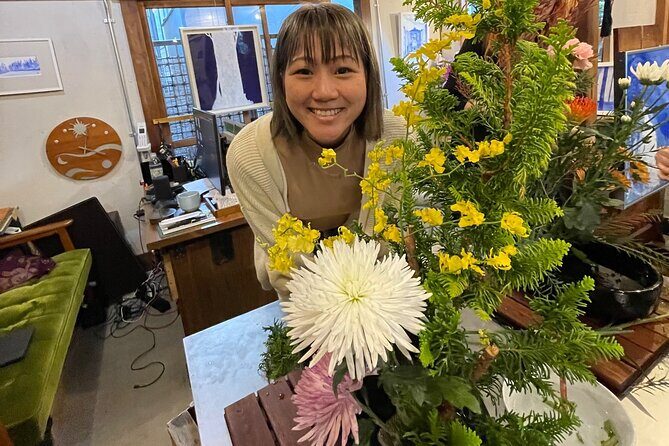
At $108.99 per person, this isn’t a cheap add-on class. But the value comes from what’s included: instruction with an Ikebana master and an English-speaking assistant, plus the experience is built around selecting fresh flowers locally. In Tokyo, that kind of guided, hands-on teaching with language support is exactly what usually costs real money.
A couple other value signals help too. There’s mention of group discounts, and the experience is private for your group, meaning you’re not sharing the instructor attention with strangers from ten different countries. That small-group feel shows up in the way participants describe the class: more time for you, less time waiting.
One more practical value note: plan ahead. On average, it’s booked about 41 days in advance, which suggests it’s popular enough to sell out on certain dates. If you have specific travel dates, don’t “maybe” it too long.
Scheduling Tips: Give Yourself Buffer Time
The whole experience is listed at about 1 hour 30 minutes. In practice, that short length is great, but you still need to think like a walker: you’ll be moving between the meeting point, the shop, the workshop, and the neighborhood stops.
One helpful piece of advice from earlier participants is to leave extra time if you’re stacking this with another activity. Even when the lesson itself is efficient, Yanaka is the kind of place where you might want to linger for photos, snacks, or one last look down a side street.
Also, weather matters. The experience requires good weather, and it can be canceled due to poor weather. If you’re visiting in hot, humid conditions, it can be a relief that the teaching space can feel cooler than the outdoors, based on past comments.
Who This Workshop Fits Best (and Who Might Prefer Something Else)
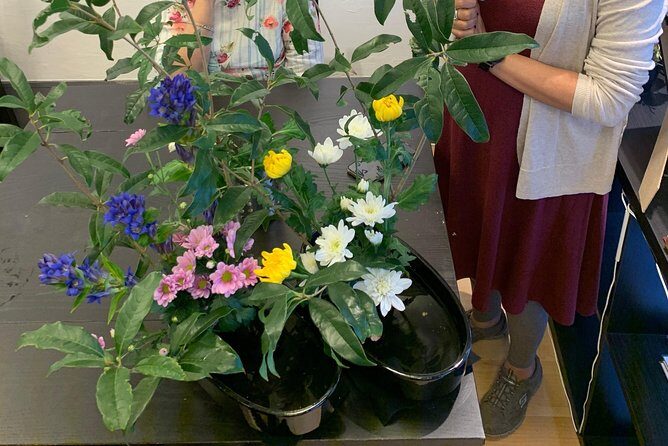
This is a strong match if you want a Tokyo experience that mixes culture with a real skill you can repeat later. You’ll probably enjoy it most if you:
- like hands-on workshops more than museum-style visits
- want language support, so technique feels clear
- enjoy walking a small neighborhood route and photographing quietly
It may be less ideal if you hate walking or you only have time for a totally indoor activity. The itinerary includes outdoor stops, and flower selection means you’ll also have to handle cash on arrival.
Should You Book This Yanaka Ikebana Workshop?
If you’re seeking a calm, meaningful Tokyo experience that doesn’t feel like a staged show, I’d book it. The best part is the combination: you choose seasonal flowers locally, then you learn the structure behind Ikebana from a master with English support. That’s the difference between simply taking a class and actually coming away understanding how the art works.
Do it especially if you want something that feels local in Yanaka, with time to notice details in daily life. The neighborhood walk makes the day feel connected, not compartmentalized.
Before you book, check one thing: bring the right cash for the flowers. If you’re the kind of person who hates last-minute shopping logistics, this is your chance to plan ahead and make it smooth.
FAQ
FAQ
How long is the Ikebana workshop?
The experience is approximately 1 hour 30 minutes.
Where does the tour start?
It starts at YANESEN Tourist Information & Culture Center, 3-chōme-13-7 Yanaka, Taito City, Tokyo 110-0001, Japan.
What’s included in the price?
You get the workshop with an Ikebana master and an English-speaking assistant.
Do I need to bring cash for flowers?
Yes. You’re asked to bring ¥1,000 in cash, and the guidance also says about ¥1,000–¥2,000 for fresh flowers for your final presentation.
Is this activity private?
Yes. It’s listed as a private tour/activity, and only your group will participate.
Will I have help if I don’t speak Japanese?
Yes. An English-speaking assistant is included to support you during the workshop.
What happens if the weather is bad?
The experience requires good weather. If it’s canceled due to poor weather, you’ll be offered a different date or a full refund.
The Old Tokyo, Toured Properly
More Tour Reviews in Tokyo



Fresh reviews from around Tokyo






Historical Tours, compared.
 ★ 4.9Imperial Palace Japanese History Walking TourFrom $32987 reviews
 ★ 5.0Shinjuku Historical Walking Tour & Secret BackstreetsFrom $25530 reviews
 ★ 4.9From Tokyo: Nikko World Heritage Site Private Full-Day TripFrom $483243 reviews
 ★ 5.0Yanaka Historical Walking Tour in Tokyo’s Old TownFrom $81182 reviews
 ★ 5.0Kamakura Historical Walking Tour with the Great BuddhaFrom $98129 reviews
From Tokyo: Nikko World Heritage Sight Full Day Private TourFrom $362127 reviews
★ 5.0Kamakura Historical Walking Tour with the Great BuddhaFrom $98129 reviews
From Tokyo: Nikko World Heritage Sight Full Day Private TourFrom $362127 reviews
 ★ 4.8Yanaka District: Historical Walking Tour in Tokyo’s Old TownFrom $79117 reviews
 ★ 4.8Nikko Heritage & Nature Day Trip from TokyoFrom $39194 reviews
Browse the lists this tour appears in