
Reviewed · SUMO SHOWS
Chair Seat Guaranteed SUMO Practice +Photo +Culture Option
Sumo practice in Tokyo is a little time machine. You’ll watch training close up from guaranteed chair seats, while a local guide puts the sport into context and helps you follow stable etiquette. It’s not just a spectacle. It’s a chance to understand how sumo is practiced and talked about inside the stable world.
I especially like two things: first, you’re not stuck on the floor, which matters when you’re watching quietly for a long stretch. Second, the experience goes past observation with a Q&A with an active sumo wrestler and a group photo you’ll take home.
One consideration: you have to follow strict rules during the training, including no talking, no eating or drinking, and you may also face limits on filming. Plus, even with chairs, comfort can be hit or miss for some people.
In This Review
- Key things I’d circle before you book
- Guaranteed chairs at a real stable: what you’re actually buying
- Getting to Kiyosumi-Shirakawa without turning it into a stress test
- Stop-by-stop: from station meet-up to chair-side practice and the wrestler Q&A
- Stop 1: Kiyosumi-Shirakawa station meetup (about 15 minutes)
- Stop 2: chair-side viewing of the morning practice (about 1 hour 40 minutes)
- Stop 3: talk with active sumo wrestlers and take photos (about 20 minutes)
- Stop 4: local guide session on sumo’s history and context (about 25 minutes)
- Stop 5: transfer back to the station (about 20 minutes)
- Stable etiquette: what you can do, what you can’t, and how to not mess it up
- The culture part you’re actually getting (not just a souvenir explanation)
- Price and value: why $102.47 can be worth it for the right kind of morning
- Who should book this seated sumo practice, and who should think twice
- Should you book it? My decision guide
- FAQ
- FAQ
- What time does the sumo practice tour start?
- Where do we meet for the tour?
- Is seating guaranteed or do I sit on the floor?
- What rules should I expect during the practice?
- Will I have a chance to talk to sumo wrestlers?
- How long is the full experience?
- What’s included in the ticket price?
- How many people are in the group?
- Can I get a refund if I cancel?
Key things I’d circle before you book
- Guaranteed chair seating instead of floor sitting, great for knees and lower backs
- Small group size (max 10) for a more controlled, less chaotic experience
- Close, front-row style viewing of the morning practice routines
- Q&A plus a group photo after the best viewing window
- Guided culture context with a focused session on sumo’s history and how it developed
More chances to sit ringside
- Tokyo: Sumo Show and Dining Experience★ 4.8 · 2,742 reviews
- the SUMO show★ 5.0 · 1,960 reviews
- Tokyo Shinjuku Sumo Show & Experience with Photo★ 5.0 · 1,750 reviews
Guaranteed chairs at a real stable: what you’re actually buying
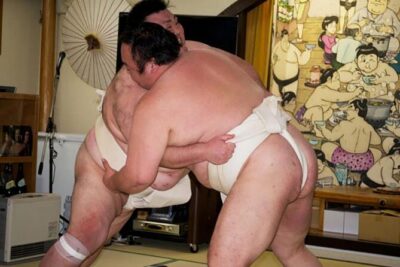
This is a morning sumo practice ticket designed for real people with real legs. You come early, get into position, and watch training from a stable setting without the usual floor-sit problem. The biggest practical win is the phrase guaranteed chair seat. In many sumo viewing setups, seating can be basic or uneven. Here, the whole point is that you can sit comfortably enough to watch for about an hour and forty minutes.
You’re not going to just see wrestlers in motion and call it a day. The structure includes a local guide session on what sumo is and how it came to be, plus time after the main viewing period to talk with active wrestlers. That combination helps you connect what you see (training routines and warm-ups) to the cultural framing you’re hearing.
The other thing I like: this is built around calm, respectful viewing. During the training portion, you’ll follow strict stable rules: no talking, no eating or drinking, and you can take pictures. The upside is you can focus on the details you’d otherwise miss. The downside is you don’t get the usual chatter-and-snack tourist rhythm.
Bottom line: you’re paying for close access, guided context, and a smoother viewing setup than the common floor-sitting alternatives.
Getting to Kiyosumi-Shirakawa without turning it into a stress test
Your meeting point is the Kiyosumi-Shirakawa Station area in Tokyo (Koto City). The key details matter here: you meet at the station with the Exit B1 instruction, at ground level, near a Family Mart convenience store.
This is one of those experiences where being five minutes late can feel like being fifteen minutes late. One person had trouble finding the meeting spot, so I’d treat the instructions like a checklist:
- Go to the station exit labeled B1
- Find the ground-level point near Family Mart
- Stay aware that you’re meeting on the rail station side first, then walking/transitioning afterward
The tour is listed as starting at 8:00 am. That early time is part of the value. Morning practices are when you get that focused training atmosphere, and it also explains the quick, efficient flow of the program.
Also note the ride setup: it’s near public transportation. That helps because you’ll likely be heading back to the same station afterward, after the stable time.
If you want an easy mental plan for the morning: treat this like an appointment, not a casual walk-on activity.
Stop-by-stop: from station meet-up to chair-side practice and the wrestler Q&A
Here’s what your roughly three-hour experience feels like when broken into moments.
Stop 1: Kiyosumi-Shirakawa station meetup (about 15 minutes)
You start at Kiyosumi-Shirakawa Station, with the group meeting at Exit B1 on the ground level. The short stop here is about collecting everyone and moving as one unit.
Why it’s worth paying attention to: you’re starting from a crossing station with multiple train lines nearby. Meeting points can get messy fast if everyone heads toward the wrong exit. The Family Mart landmark is your friend.




Stop 2: chair-side viewing of the morning practice (about 1 hour 40 minutes)
This is the core viewing block. You’ll be seated instead of sitting on the floor, and you’ll watch the morning practice from very near proximity. The rules are firm: no talking, no eating, and no drinking. Taking pictures is fine.
What makes this segment special is the combination of time plus closeness. An hour and forty minutes is long enough for you to see patterns in the training and understand the rhythm of warm-up and routine. The quiet rules help you stay locked onto what’s happening in front of you.
A drawback to know in advance: while chairs are guaranteed, some people find seating uncomfortable. If you’re sensitive about chair support, plan around it. Comfortable clothing helps, and wearing shoes you can stand in briefly makes the transitions easier.
Stop 3: talk with active sumo wrestlers and take photos (about 20 minutes)
After the main viewing, you get an opportunity to speak with active sumo wrestlers. This is also when the photo moment can happen. One detail I like here is the built-in sense of timing: your photo could become more meaningful later as a wrestler moves up the ranks.
In plain terms: this is your chance to switch from watching to interacting. And it’s limited time, so listen closely when your guide signals what’s next.
Stop 4: local guide session on sumo’s history and context (about 25 minutes)
Then the tour shifts from action to understanding. Your experienced local guide provides a session on the history and context of sumo—what it is and how it came to be.
This segment matters because it prevents the common problem of seeing training without knowing why it looks the way it does. It turns the morning routine into something you can explain later, not just something you filmed.
From the guide notes shared with past groups, I’ve seen mention of guides like Max or Masao, and in one case Max was described as educated in the U.S. The point isn’t the background. The point is the tone: the best guides help you connect what you see to the larger cultural framework.
Stop 5: transfer back to the station (about 20 minutes)
Finally, you return for time to transfer to and from the stable and then wrap back near the meeting point.
This is not a long walkathon. It’s a practical buffer so you can reset after the training block and interaction portion.
Stable etiquette: what you can do, what you can’t, and how to not mess it up
Sumo stables run on discipline. That shows up in your rules during the main practice window. Based on the provided tour guidance, expect:
- No talking during the training portion
- No eating or drinking
- Pictures are allowed
- You should follow any additional filming limits given on-site (one group note specifically mentioned no videos)
It’s tempting to treat this like a normal sightseeing stop. Don’t. Think of it like attending a focused rehearsal. The quiet isn’t there to spoil your fun. It’s part of how the practice environment works.
Practical tip: decide early that you’ll be an observer. If you want to ask questions, do it in the Q&A window. If you want photos, focus on catching the action during the time you’re allowed to film or photograph.
Also remember the rules can feel stricter with kids in tow. The good news is that many families do fine when they do a quick pre-brief with their children about what’s allowed. If you’re bringing a younger kid, keep expectations simple: quiet, no food, no wandering.
The culture part you’re actually getting (not just a souvenir explanation)
A lot of Tokyo tours promise culture and then rush through it. This one includes a focused presentation that explains sumo’s history and context—what it is and how it came to be.
Why this matters: when you’re close to the action, your brain fills in gaps automatically. You’ll notice intensity, routine, and the way training is structured. Without context, you might still enjoy the show, but you’ll miss why certain things feel meaningful.
The guide session gives you language and framing. That turns the experience from I watched wrestlers train into I understand what I was watching and where it fits in the broader story of sumo.
One more cultural value: you’re not just hearing from a narrator. You’re hearing in the stable environment, and you follow real stable etiquette while you’re learning. That combination makes the lesson stick.
Price and value: why $102.47 can be worth it for the right kind of morning
At $102.47 per person, this is not the cheapest way to see sumo in Tokyo. But it’s priced for a specific kind of access: guaranteed chairs, a guided setup, small-group control, and included interaction components.
Here’s the value math that makes sense for many people:
- Guaranteed chair seating removes a common pain point (and it’s explicitly part of the product)
- A small maximum group size (10 travelers) helps the stable flow stay orderly
- You get more than observation: the experience includes a group photo and a Q&A session with a sumo wrestler
- Entrance fees to the stable are included, so you’re not assembling add-ons at the last minute
- The guide provides a history/context presentation, which raises the experience above a one-and-done viewing
If you’re a first-time Tokyo visitor, this can also function as a “Tokyo first wins” style activity: it’s iconic, timed well, and it gives you a story you’ll remember for the rest of your trip.
When the price might feel steep: if you only want casual sightseeing and you hate quiet rules, you might prefer a cheaper drop-in viewing option. But if you want organized access with context, this is built for that.
Booking timing also matters. The experience is often booked around 25 days in advance on average. If you’re traveling during a popular period, I’d book early rather than hoping.
Who should book this seated sumo practice, and who should think twice
This is a great fit if you:
- Want a close-up morning sumo practice with guided explanation
- Appreciate comfort and would rather not sit on the floor for a long stretch
- Like structured experiences with clear rules (so you know what to do and when)
- Want interaction time through Q&A and a group photo
You might think twice if you:
- Strongly dislike following silence/behavior rules during the main viewing block
- Have very specific chair-comfort needs and are worried about seating being uncomfortable for you personally
- Expect a casual, chatty tour format
It also suits moderate physical fitness levels. The stable time and transfers are planned, but you will still move between station and stable and stand/sit within the schedule.
And if you’re traveling with kids: you can make it work, as long as you prep them on the rules and keep expectations realistic.
Should you book it? My decision guide
Book it if you want the best mix of guaranteed seating, close viewing, and real context instead of just watching from wherever you can find a spot. The chair guarantee and the Q&A/photo pieces are the strongest reasons to choose this option over a purely observational ticket.
Skip it (or look for another style) if quiet rules and strict etiquette sound miserable to you. Also consider a backup plan for seating comfort if your body is picky about chairs.
If you can handle a calm, early-morning schedule, this is one of those Tokyo experiences that pays you back quickly: you’ll leave with pictures, a story you can explain, and a clearer sense of what sumo practice is really like from inside the stable world.
FAQ
FAQ
What time does the sumo practice tour start?
The tour starts at 8:00 am.
Where do we meet for the tour?
You meet at Kiyosumi-Shirakawa Station. The instructions specify Exit B1 on the ground level, near a Family Mart.
Is seating guaranteed or do I sit on the floor?
Seating is guaranteed. This ticket provides chair seating instead of floor sitting.
What rules should I expect during the practice?
During the practice portion, you should follow stable rules such as no talking, no eating, and no drinking. Taking pictures is allowed, and there may be limitations on videos during the session.
Will I have a chance to talk to sumo wrestlers?
Yes. After the main viewing period, you’ll have an opportunity to talk with active sumo wrestlers, and the tour includes a Q&A session.
How long is the full experience?
It’s listed at about 3 hours total, with time at the stable and time for transfers.
What’s included in the ticket price?
Included are entrance fees to the stable, a group photo from the session, a presentation by a local guide, and a Q&A session with a sumo wrestler.
How many people are in the group?
The group size is limited to a maximum of 10 travelers.
Can I get a refund if I cancel?
The policy allows free cancellation up to 24 hours in advance for a full refund. If you cancel less than 24 hours before the start time, the amount paid is not refunded.
More Tour Reviews in Tokyo



More Mornings with the Wrestlers
Fresh reviews from around Tokyo






Sumo Shows, compared.
 ★ 4.8Sumo Show Experience with Chicken Hot Pot and a PhotoFrom $1036,678 reviews
 ★ 4.8Sumo Show and Dining ExperienceFrom $792,742 reviews
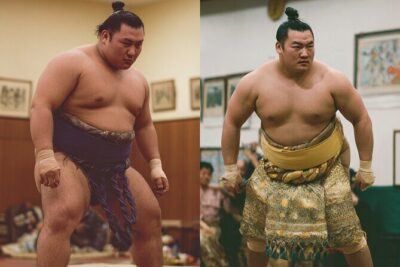
 ★ 5.0the SUMO showFrom $891,960 reviews
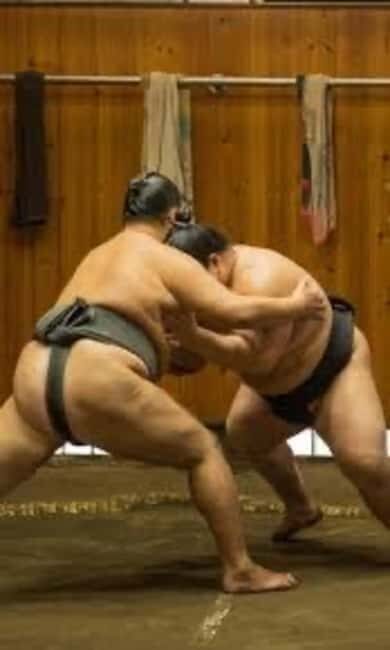
 ★ 5.0Tokyo Shinjuku Sumo Show & Experience with PhotoFrom $791,750 reviews
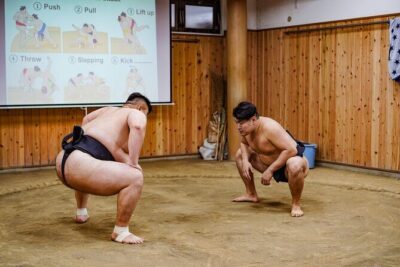
 ★ 4.8Sumo Show and Experience in ShinjukuFrom $691,001 reviews
 ★ 5.0Authentic Sumo Experience in Tokyo: Enter the SanctuaryFrom $171603 reviews
 ★ 4.8Tokyo Sumo Experience: Chanko & Mochi with a Former ProFrom $103567 reviews
 ★ 5.0Ultimate Sumo Tournament: Tokyo, Osaka, Nagoya, FukuokaFrom $184468 reviews
Browse the lists this tour appears in