
Reviewed · HAKONE DAY TRIPS
2 Hour Onsen Calligraphy Experience
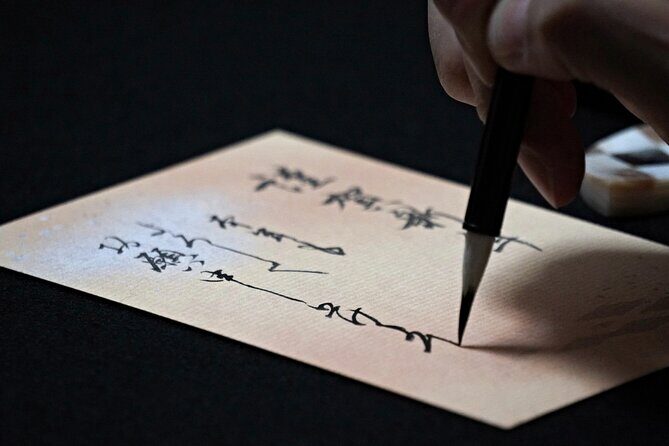
This is calligraphy that feels Hakone, because you prep your ink with real onsen water and write in the calm indoor space of a ryokan. It’s one of those rare experiences where the setting isn’t just decoration, it actually changes the way the process feels.
I really like the hands-on craft part: you’ll make your own piece on either traditional paper or a Japanese hand fan (uchiwa), and you leave with a finished memento in a take-home bag. The other big win is the teaching style—this class is beginner-friendly, and the instructor guides you step by step so you can write characters without feeling lost.
The main thing to consider: it’s a small group (up to 8), so it’s not a private, one-on-one session if you’re looking for lots of extra customization.
In This Review
- Key highlights worth showing up for
- Writing Sumi with real onsen water in a Hakone ryokan
- From Hakone-Yumoto meet-up to tea and the calligraphy intro
- Ink prep: the sensory difference of onsen-water sumi
- The brush lesson: what beginners actually need
- Paper or uchiwa: how to choose your take-home style
- Tea, calm air, and why the ryokan setting matters
- Cost and value: what $60 includes (and what it doesn’t)
- Practical timing: 2 hours is enough to finish something real
- Who this onsen calligraphy experience suits best
- Should you book this calligraphy workshop at Onsen Experience Lab – Yuno-iro?
- FAQ
- How long is the Onsen Calligraphy Experience?
- What is included in the $60 price?
- Where does the experience start?
- Do I need to know calligraphy before I go?
- How big is the group?
- Is transportation included?
- What is the cancellation policy?
Key highlights worth showing up for
- Real onsen water used to prepare the ink, not a gimmick ingredient
- Choose paper or uchiwa, so you can pick the style that fits your memory of Hakone
- A calm ryokan atmosphere that makes it easy to slow down and focus
- Beginner instruction that focuses on basic brush handling first
- A take-home setup: finished artwork plus a take-home bag and materials included
- Complimentary Japanese tea during the experience
Writing Sumi with real onsen water in a Hakone ryokan
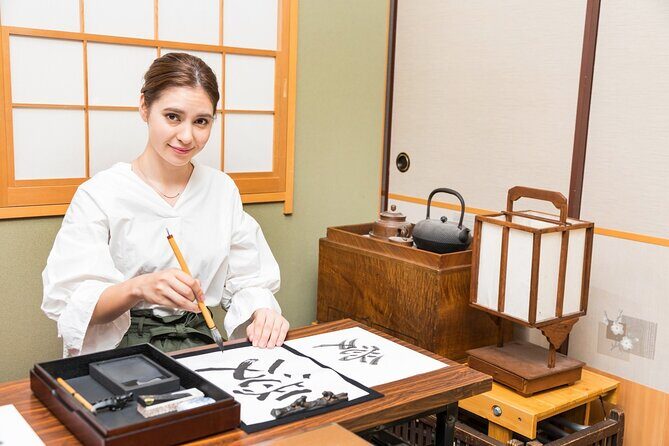
Hakone is famous for hot springs, but this experience uses that idea in a practical, hands-on way. Instead of just watching a demonstration, you mix your ink using onsen water from the ryokan. That means your calligraphy starts with the same ingredient that defines the town.
What’s interesting is how the process changes the mood. In reviews, people described a gentle sensory shift: the air feels quieter, the sound of hot water is present, and the ink preparation has a soft scent that feels different from school-style materials. Even if you’ve used a brush before, this approach makes the whole thing feel more like a ritual than a class.
And you do this in a ryokan setting. That matters, because the experience is designed to be peaceful. You’re not rushing between photo stops. You’re settling in, learning slowly, and creating something you can keep.
From Hakone-Yumoto meet-up to tea and the calligraphy intro
You start at 655 Yumoto, Hakone (Ashigarashimo District). The location is described as near public transportation, which is helpful because the tour price does not include transportation to and from the meeting point.
Once you arrive, the session kicks off with a brief introduction. You’ll hear about the history and cultural significance of Hakone’s hot springs—enough context to connect the onsen water to the craft you’re about to do. It’s a small detail, but it makes the experience feel less random and more intentional.
Then you’ll settle in, and you’re served complimentary Japanese tea. In a workshop like this, that little pause helps you switch gears. It also makes the room feel more like an evening in Japan than an activity you fit into a busy day.
Ink prep: the sensory difference of onsen-water sumi
This is the part that makes the whole experience feel special. You’ll use onsen water to prepare your ink for calligraphy. That changes two things at once: the practical feel of the ink and the atmosphere around it.
People noted that ink made with onsen water feels softer and more comfortable to write with, and that it even has a slight scent. That’s exactly the kind of difference you notice when you’re doing the work yourself. When your brush meets the paper (or the uchiwa), you’re not thinking about logistics—you’re focusing on line weight, flow, and control.
If you’ve ever tried calligraphy and felt stuck in the mechanics, this is a nice reset. The ink and the quiet room do some of the work for you. It’s still technique-based, but it’s not stiff or overly academic.
The brush lesson: what beginners actually need
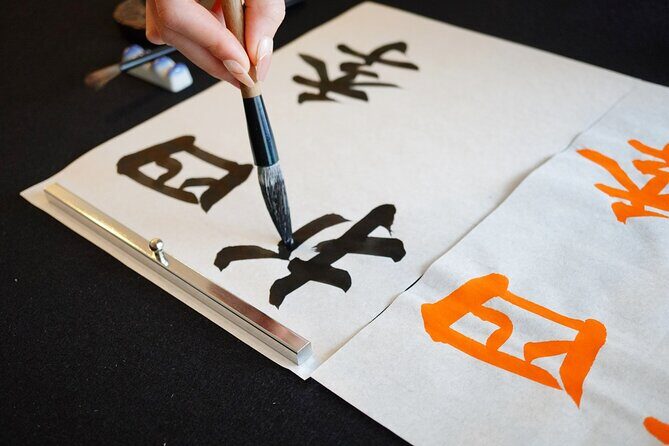
A good calligraphy teacher doesn’t start with fancy effects. This workshop starts with basics—especially how to hold the brush slowly and steadily.
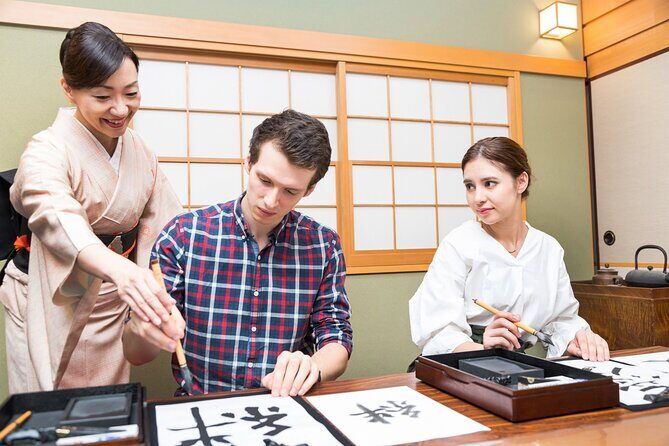
In the feedback, the instructor is repeatedly described as polite and patient, with guidance that helps you concentrate naturally. Several people mentioned they were able to focus even the first time they used a brush for writing characters, not just drawing pictures.
Here’s the practical value for you: if you’re a beginner, you’ll likely worry about doing it wrong. The structure of this class reduces that stress. You don’t need to already know how to form strokes. You’re guided so you can get the feeling of each movement.
Also, with a small group (max 8), you’re not just left with a worksheet. The class is paced with instruction that can respond to what each participant is doing.
Paper or uchiwa: how to choose your take-home style
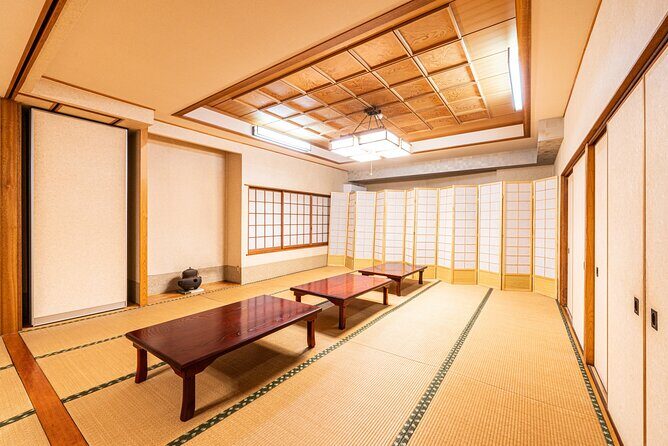
Your final piece comes from one clear choice: traditional paper or a Japanese hand fan (uchiwa). Both are valid souvenirs, but they give you different outcomes.
Choosing paper tends to feel classic and straightforward. You’ll create a piece that looks like traditional writing display—easy to frame or show at home if you like that clean, formal look.
Choosing uchiwa gives you something more everyday and Japanese-looking as an object. An uchiwa also makes sense if you’re thinking about Hakone as a place you visited in a specific season or mood. You get a functional item that still carries your calligraphy.
Either way, the class provides your materials. What you take home is not just a sketch or practice sheet—it’s a finished artwork supported by a take-home bag.
One more detail I appreciate: the workshop is designed to be calm enough that you can actually enjoy the process. People described forgetting day-to-day busy thoughts while brushing in the quiet of the inn. That’s not an accident. The setting is part of the product.
Tea, calm air, and why the ryokan setting matters
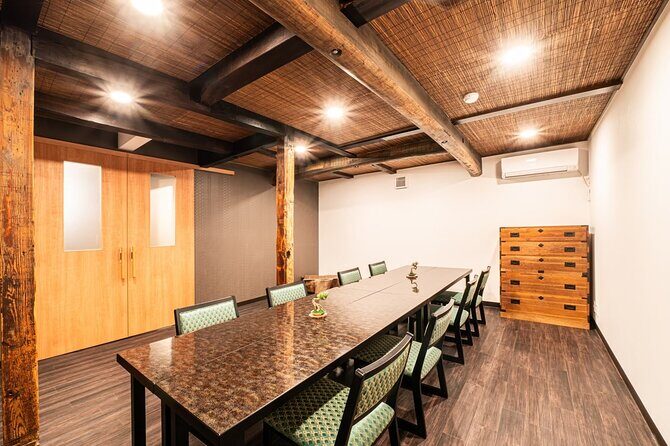
Calligraphy is one of those activities where small environmental factors change the outcome. In this setting, the ryokan atmosphere supports the craft.
In reviews, people commented on the sound of hot water outside and the quiet air indoors. They also described the experience as relaxing enough that even friends with a playful vibe could concentrate. That tells me the room is managed well—enough stillness that you’re not competing with distractions.
This is also where you get value beyond the final character. If your Japan trip is packed with fast sightseeing, a workshop like this becomes a reset button. You slow down, focus on one task, and leave with a piece that brings you back to that calm feeling later.
Cost and value: what $60 includes (and what it doesn’t)
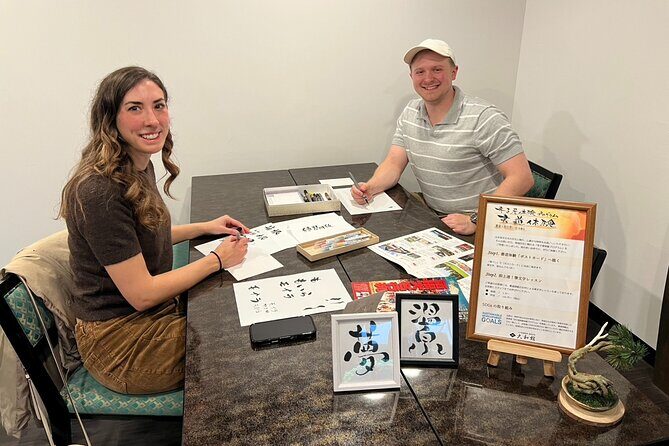
At $60 per person, this can look simple at first glance. But the included items make it feel more like a full guided craft session than a basic demo.
Here’s what’s included:
- All calligraphy materials
- Onsen water for ink preparation
- One uchiwa for the artwork (so if you choose that option, you have the right base)
- A take-home bag for your finished pieces
- Instruction from an experienced calligraphy teacher
- Cultural explanation of Hakone hot-spring traditions
- Complimentary Japanese tea
- Venue fee for the indoor space at the onsen ryokan
What’s not included:
- Transportation to/from the meeting point
- Gratuities for the instructor (optional)
So where does the value land? In my view, the key is that you’re paying for the teacher’s guidance and the onsen-water element and the ryokan setting (including the indoor venue fee). You’re not just buying materials. You’re buying an atmosphere and a coach who helps you actually finish something.
Also, the small group size (max 8) supports that value. Even if you’re traveling with friends, you get structured attention rather than being one face in a crowd.
Practical timing: 2 hours is enough to finish something real
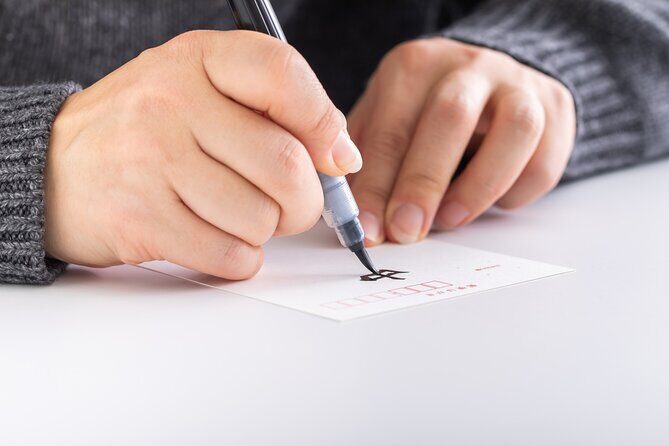
The experience runs about 2 hours. That’s a good length for a craft workshop. You get time to:
- listen to a short cultural intro,
- prep ink with onsen water,
- practice brush movement,
- and finish your take-home piece.
It also means you can fit it into a day in Hakone without turning your schedule into a jigsaw puzzle. Just remember: the tour doesn’t include transportation, so plan your travel time to reach the meeting point near Hakone-Yumoto.
The group and pacing also matter for first-timers. A couple of comments highlighted that two hours felt like it passed quickly—suggesting you’re kept moving, but not rushed.
Who this onsen calligraphy experience suits best
This is a great fit if you want a more grounded, hands-on Hakone experience. It works particularly well for:
- Beginner calligraphy attempts (they teach brush holding and stroke flow)
- People who love Japanese craft and want a take-home souvenir beyond photos
- Travelers who want calm instead of constant walking and crowds
- Anyone curious about how onsen culture connects to everyday traditions like ink and writing
It may feel less ideal if you’re chasing something extremely active or outdoorsy. This is quiet, indoor, and focused on creating one finished work.
Should you book this calligraphy workshop at Onsen Experience Lab – Yuno-iro?
If you like practical craft, calm settings, and making a real piece of art, I think you should book it. The big selling point isn’t just calligraphy—it’s the onsen-water ink and the ryokan atmosphere that makes the session feel like part of Hakone, not a generic add-on.
For best results, go with a beginner mindset. You don’t need confidence in your strokes. The teacher guidance is built for first timers, and the experience is paced to help you finish something you’ll want to keep.
FAQ
How long is the Onsen Calligraphy Experience?
It lasts about 2 hours.
What is included in the $60 price?
All calligraphy materials, onsen water for ink preparation, one uchiwa (Japanese round paper fan) for artwork, a take-home bag, instruction by an experienced calligraphy teacher, a cultural explanation of Hakone’s hot spring traditions, complimentary Japanese tea, and the indoor venue fee at the onsen ryokan.
Where does the experience start?
The meeting point is at 655 Yumoto, Hakone, Ashigarashimo District, Kanagawa 250-0311, Japan.
Do I need to know calligraphy before I go?
No. Most travelers can participate, and the experience includes guidance for beginners.
How big is the group?
The maximum group size is 8 travelers.
Is transportation included?
No. Transportation to and from the meeting point is not included.
What is the cancellation policy?
You can cancel for a full refund if you cancel at least 24 hours before the experience’s start time. Free cancellation is offered, and changes less than 24 hours before start time aren’t accepted.
More Tour Reviews in Hakone

Hakone, Three More Ways
Hakone Day Trips, compared.
 ★ 4.0Mt Fuji & Hakone Cruise, Drum Show Bullet Train 1 Day from TokyoFrom $1497,413 reviews
 ★ 4.4Tokyo Mt Fuji 5th St & Hakone Cruise Bus Tour w/Bullet TrainFrom $1545,024 reviews
 ★ 4.7Mt. Fuji Tour, Hakone Ropeway, Owakudani, Lake AshiFrom $544,002 reviews
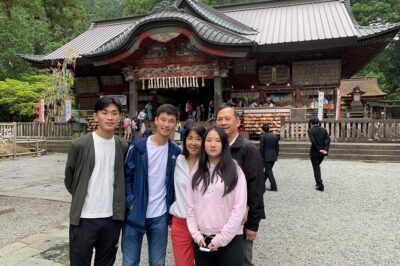 ★ 5.0Private Tour to Mt. Fuji and Hakone (Fully Licenced Operator)From $4971,910 reviews
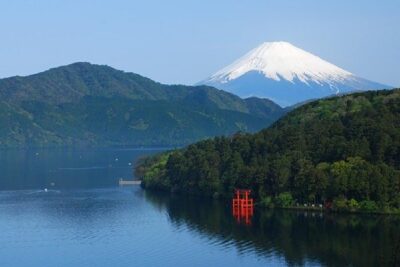 ★ 4.0Mt Fuji & Hakone Cruise, Drum Show Bus 1 Day from TokyoFrom $1221,287 reviews
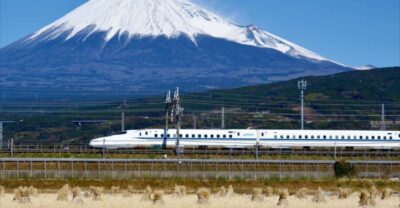 ★ 4.2From Tokyo: Mt. Fuji & Hakone Tour w/ Return by Bullet TrainFrom $1171,278 reviews
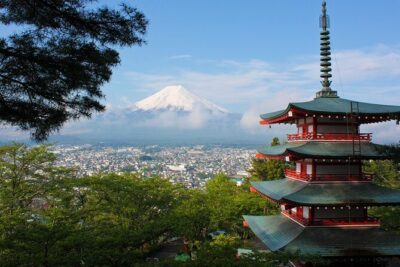 ★ 4.5Mt. Fuji & Hakone Private Day Tour with English-Speaking DriverFrom $453824 reviews
 ★ 4.2Hakone Fuji Day Tour w/ Cruise, Cable Car, VolcanoFrom $98724 reviews
Browse the lists this tour appears in