
Reviewed · SHIBUYA TOURS
【NEW】Shibuya Tea Ceremony Tokyo-Chaan
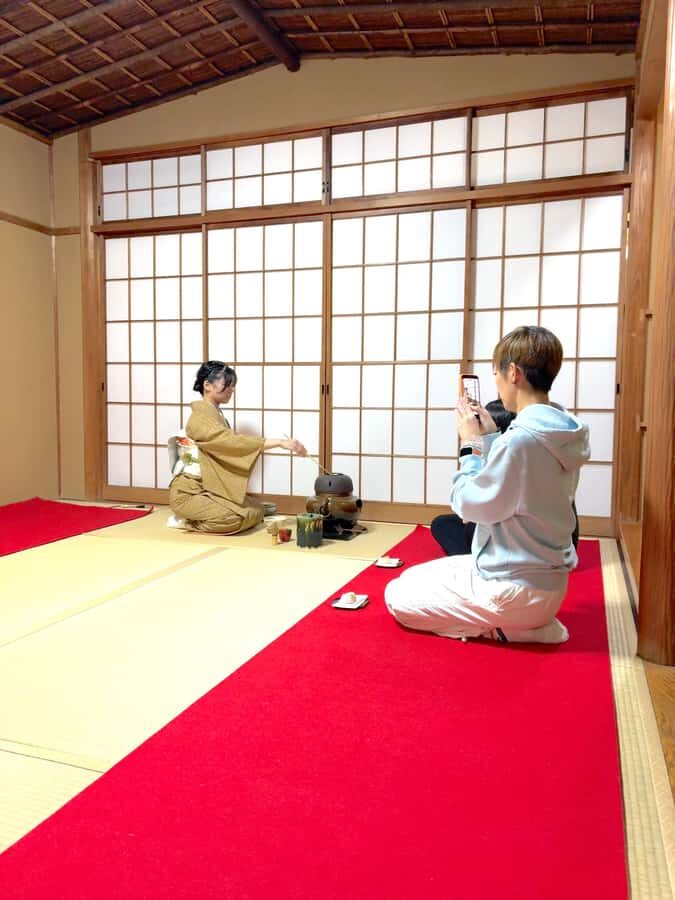
Matcha, but make it calm. This Shibuya Tea Ceremony class is a smooth intro to Japanese culture, with English-speaking instructors guiding you through the meaning of tea and the steps of a classic ceremony. I especially like that you get hands-on matcha making, not just watching from the sidelines, and that it all happens in a quiet traditional tatami room.
The main thing to consider is family planning: children under 4 can’t participate, and kids 4+ need their own ticket (they may be refused entry if a child under 4 is along for the class).
In This Review
- Key things to love about Shibuya Tea Ceremony Tokyo-Chaan
- Shibuya Tea Ceremony Tokyo-Chaan: a calm break in the middle of Tokyo
- Where you’ll be: tatami calm at the Manji Building on Dogenzaka
- Your hosts: Japanese instructors in kimono with fluent English
- Welcome and ceremony context: what the tea ceremony is really for
- Otemae demonstration: etiquette and tool basics you can remember
- Hands-on matcha making: your turn with traditional utensils
- Tasting matcha with seasonal sweets: why the pairing matters
- What makes this class a good first experience
- Price and value: is $18 a fair deal?
- How long it takes and how to plan your day
- Who should book this tea ceremony in Shibuya
- Should you book Shibuya Tea Ceremony Tokyo-Chaan?
- FAQ
- FAQ
- Where is the meeting point?
- What language is the experience taught in?
- Is matcha making hands-on?
- What’s included in the price?
- Are seasonal sweets included?
- How much does it cost?
- Are children allowed?
- What’s the cancellation policy?
- Does it end where it starts?
Key things to love about Shibuya Tea Ceremony Tokyo-Chaan
- English guidance from Japanese instructors who each bring 10+ years of experience
- Kimono-wearing hosts and a peaceful tatami-room setup
- Otemae demonstration that teaches etiquette and tool use in clear steps
- Real matcha-making practice with authentic utensils, not a staged photo-op
- Seasonal Japanese sweets designed to pair with your matcha tasting
More to do within sight of the Crossing
- Official Street Go-Kart in Shibuya★ 5.0 · 3,435 reviews
- Tokyo: Street Kart Experience in Shibuya★ 4.9 · 1,484 reviews
- Shibuya Meltdown Nightlife Tour: All-You-Can-Drink Bar Hopping★ 5.0 · 1,058 reviews
Shibuya Tea Ceremony Tokyo-Chaan: a calm break in the middle of Tokyo
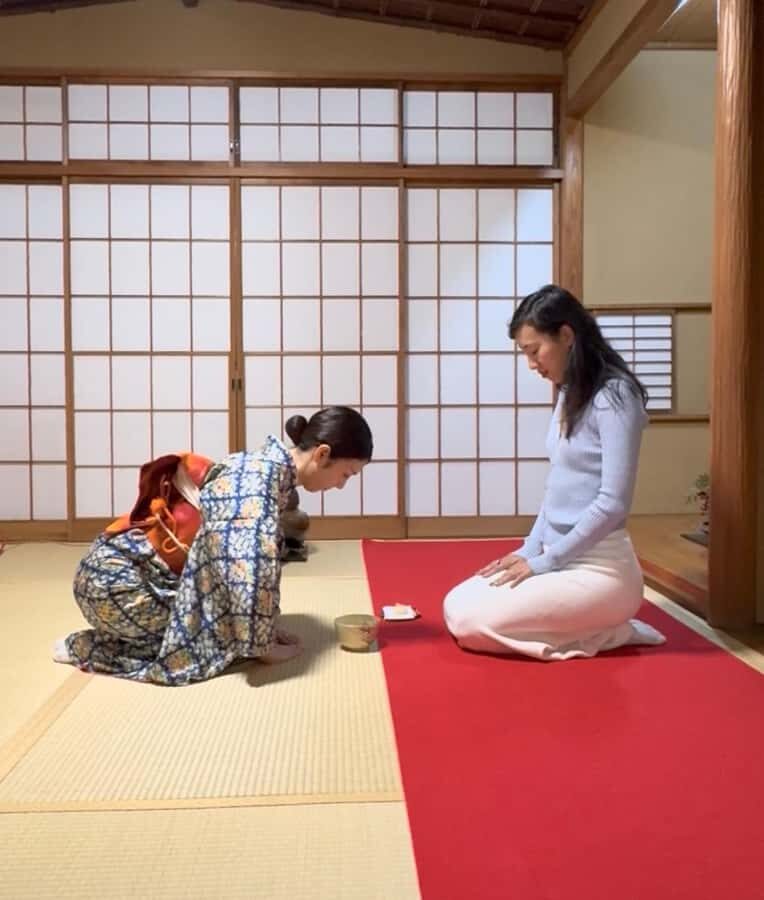
Shibuya can move fast. This experience slows everything down on purpose. You trade street noise for a traditional room where the focus is on the craft, the manners, and the simple act of preparing tea with care.
What I like about this class is the balance: you watch the ceremony fundamentals, then you do the key action yourself. That combination helps you learn without it feeling like a lecture, and it’s a great way to understand why tea ceremony isn’t just about drinking something green.
Where you’ll be: tatami calm at the Manji Building on Dogenzaka
The meeting point is practical and easy to find once you’re in the Shibuya area: 2nd Floor, Manji Building, 1-15-9 Dogenzaka, Shibuya-ku, Tokyo. Because it’s on a specific floor, I’d plan to arrive a little early so you’re not rushing when you’re trying to keep the vibe respectful.
After the class, it ends back at the meeting point, so you’re not dropped into a maze of directions. That makes it simple to slot into a day of sightseeing around Shibuya without overthinking your route afterward.
Your hosts: Japanese instructors in kimono with fluent English
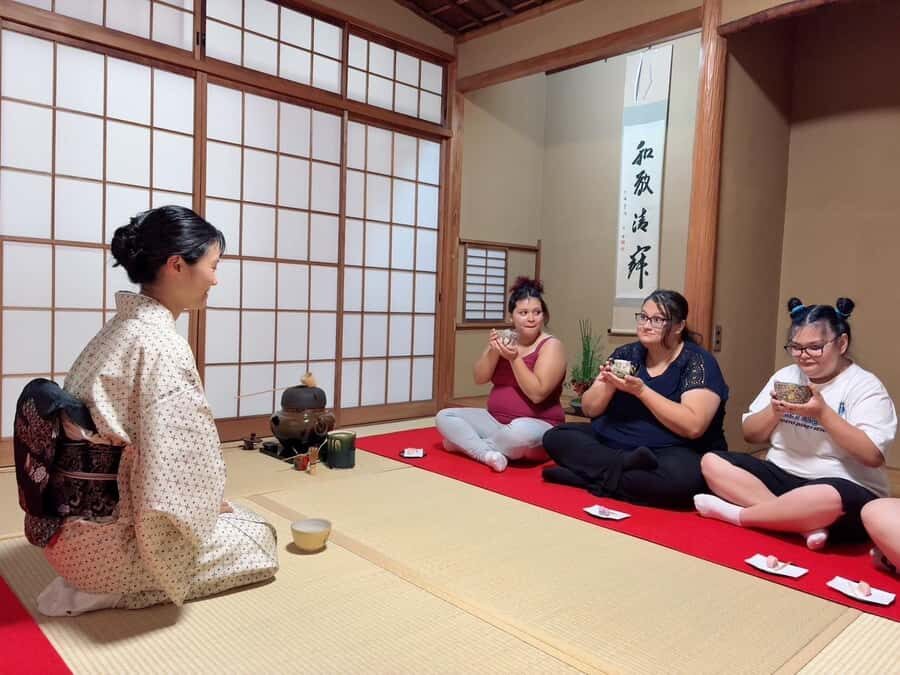
The tea ceremony is led by experienced Japanese instructors who wear traditional kimono and speak English fluently. Each instructor has over 10 years of tea ceremony experience, which matters because they can explain both the how and the why—without hand-waving.
From the names you might hear during the session, Sakura sensei and Kini are called out as hosts in this experience. If you happen to be guided by either of them, you’ll likely get that mix of warmth and structure that helps first-timers understand the etiquette without feeling put on the spot.
Welcome and ceremony context: what the tea ceremony is really for
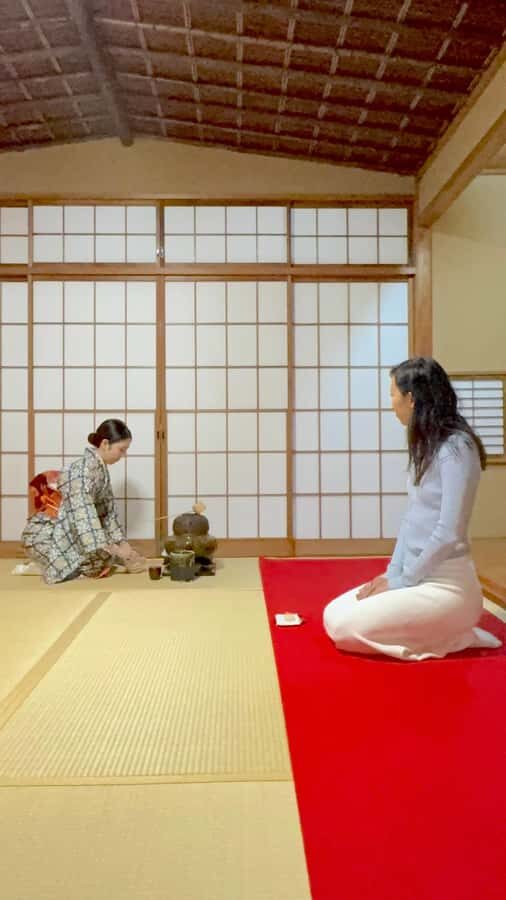
Before matcha tools come out, you get a proper welcome and a quick foundation. The instructor explains the meaning and history behind the tea ceremony, plus the basic approach: respect, attention, and making each step deliberate.
This is more than trivia. When you understand what the ceremony is trying to express, you stop treating the whisking as a gimmick and start treating it like a skill. For many people, that’s the part that makes the whole experience feel authentic rather than touristy.
Quieter hours: more tea rooms and ceremonies



Otemae demonstration: etiquette and tool basics you can remember
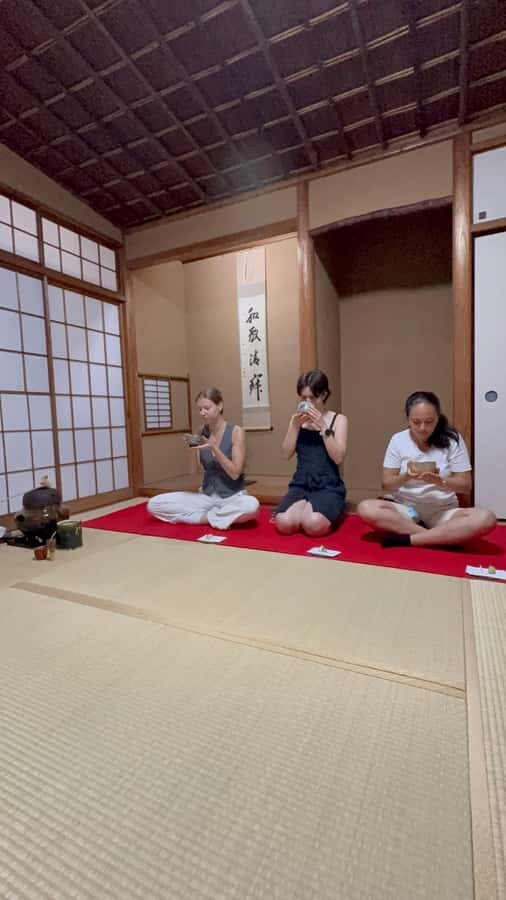
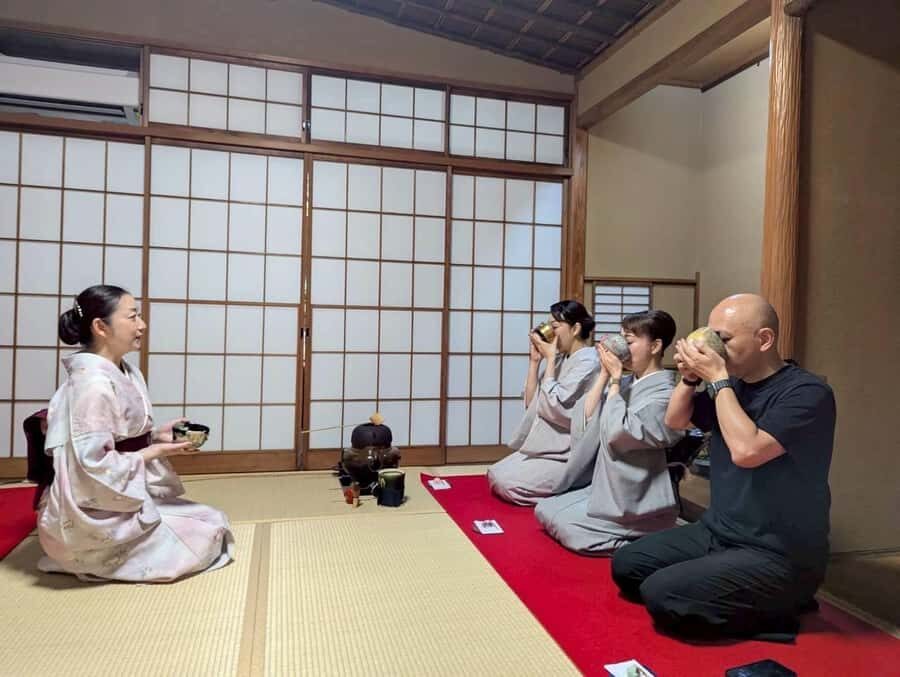
Next comes the live tea ceremony demonstration, also known as otemae. This is where you’ll see how the tools work together and how the host handles the pace—steady, unhurried, and respectful.
You’ll also learn basic manners and etiquette for serving. Even if you never plan to run a tea gathering yourself, this is useful because it explains what you should do with your attention and your body during the ritual. In a culture like Japan, small actions matter, and here you’re taught them in a friendly, clear way.
Hands-on matcha making: your turn with traditional utensils
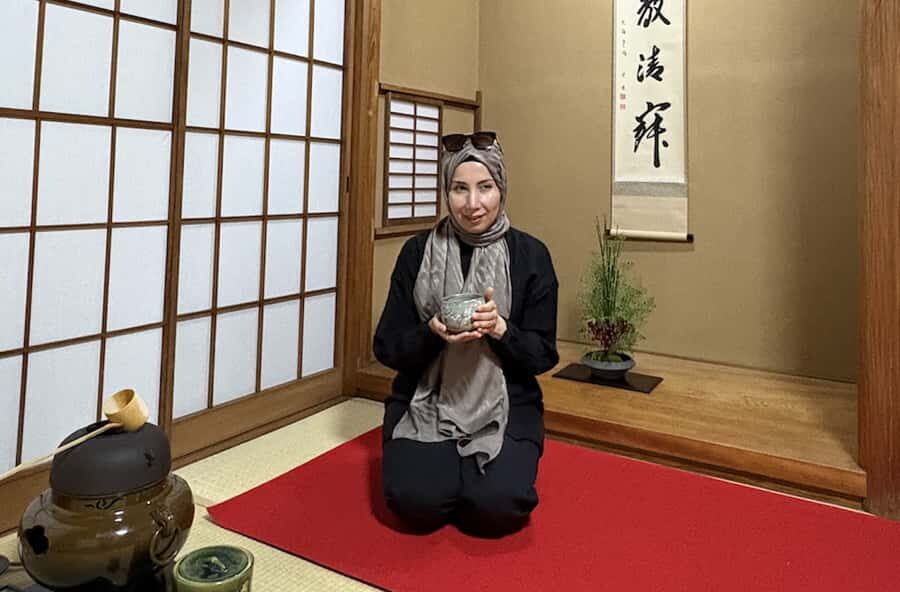
Then the best part happens: hands-on matcha making. You use traditional utensils to make your own bowl of matcha using freshly ground powder.
I like that the class doesn’t leave you with vague instructions like Stir until green. Instead, you’re guided step by step as you prepare the tea. That’s important for value—because you’re not paying just to watch a skilled person do the work, you’re paying to learn how to do it yourself.
Your result isn’t just a drink. It’s a bowl you made, which changes how you taste it. The flavor makes more sense when you know what the whisking and handling are doing.
Tasting matcha with seasonal sweets: why the pairing matters
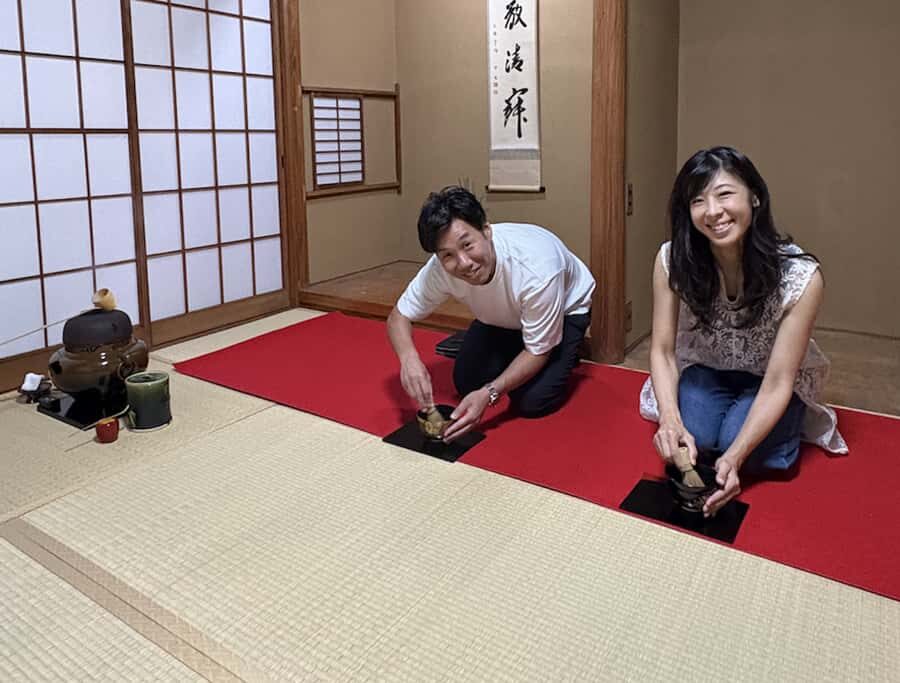
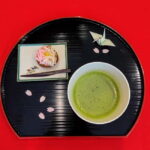
After you prepare and serve your matcha, you enjoy it with seasonal Japanese confections. The key detail here is that it’s not random candy. The sweets are chosen to go well with matcha, so each bite and sip feels intentional.
If you’ve only had matcha as a bottled drink or a dessert flavor, this will likely feel different. Freshly prepared matcha can taste richer and more complex, and it becomes easier to appreciate when you’re tasting it in the right rhythm—alongside something sweet that supports it rather than fighting it.
What makes this class a good first experience
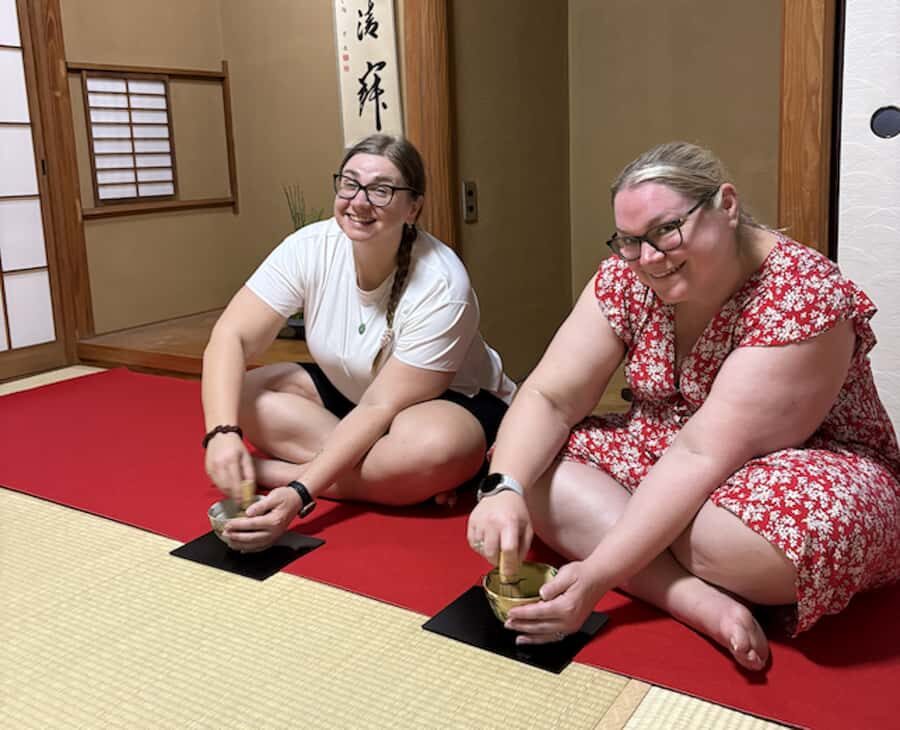
This is a strong “first tea ceremony” option because it’s designed to be beginner-friendly while still staying grounded in tradition. You’re taught etiquette, you see the otemae demonstration, and you get real practice making matcha.
In plain terms, it avoids two common problems in cultural classes:
- it doesn’t oversimplify everything, and
- it doesn’t rush you through without explaining what you’re doing.
That’s why the experience scores so well when you’re looking at the details like clarity of instruction and how well the history is explained.
Price and value: is $18 a fair deal?
At $18 per person, this is priced like a short, focused cultural workshop rather than a big-day tour. The value comes from what’s included: entrance fee, matcha (powdered green tea), and confections.
You’re also getting instructor time that goes beyond “here’s a recipe.” With the otemae demonstration, etiquette guidance, and hands-on practice using traditional tools, you’re paying for coaching and context. For visitors who want an authentic Tokyo experience without spending half a day or a small fortune, this sits in a sensible range.
If you’re the type who likes learning one craft properly, rather than collecting generic souvenirs, it can feel like a good deal.
How long it takes and how to plan your day
The experience returns you to the meeting point and is structured as a single guided session. There’s no reason you can’t pair it with nearby Shibuya sightseeing, but I’d still treat it like a calm appointment, not something to squeeze in between trains.
If you’re visiting with a group, the pacing should work well because the instructor can guide each step. And if you’re solo, it’s also comfortable—you’ll be part of a small group setting in a traditional room.
Who should book this tea ceremony in Shibuya
This is a great fit if you:
- want a low-stress cultural activity in Shibuya
- enjoy learning through watching and then doing
- like matcha and want to understand it beyond trendy drinks
- appreciate etiquette and the “why” behind rituals
It’s not a fit for younger kids. Children under 4 can’t participate, and kids 4+ need their own ticket. If you’re traveling with a mixed-age group, you’ll need to plan carefully so everyone can join.
Should you book Shibuya Tea Ceremony Tokyo-Chaan?
Yes, if you want an authentic tea ceremony experience with English instruction, real matcha-making practice, and a calm tatami-room setting in central Shibuya. The biggest reason to book is the combination: instruction with context, a live demonstration, then hands-on work, plus seasonal sweets that actually match the drink.
Skip it only if you’re looking for a long, multi-stop day with lots of sightseeing. This is about focus and craft, not big-city hopping. If that sounds like your style, you’ll likely leave with a bowl of matcha knowledge you can carry home.
FAQ
FAQ
Where is the meeting point?
You’ll meet at Start: 2nd Floor, Manji Building, 1-15-9 Dogenzaka, Shibuya-ku, Tokyo 150-0043, Japan (〒150-0043 東京都渋谷区道玄坂1-15-9 万字ビル 2F).
What language is the experience taught in?
The experience is taught in English.
Is matcha making hands-on?
Yes. You’ll watch the demonstration and then make your own bowl of matcha using traditional utensils before tasting it.
What’s included in the price?
Included items are entrance fee, matcha (powdered green tea), and confections.
Are seasonal sweets included?
Yes. You’ll have seasonal Japanese sweets that pair with your matcha tasting.
How much does it cost?
The price is $18 per person.
Are children allowed?
Children under 4 years old cannot participate. If an adult has a ticket, children aged 4 and above still need their own ticket, and entry may be refused if a child under 4 is accompanied.
What’s the cancellation policy?
You can cancel up to 24 hours in advance for a full refund.
Does it end where it starts?
Yes. The activity ends back at the meeting point.
More Tour Reviews in Tokyo






More Tea Rooms Worth Booking
Still in Shibuya? Keep Going





Fresh reviews from around Tokyo






Shibuya Tours, compared.
 ★ 5.0Official Street Go-Kart in ShibuyaFrom $763,435 reviews
 ★ 4.9Street Kart Experience in ShibuyaFrom $741,484 reviews
 ★ 5.0Shibuya Meltdown Nightlife Tour: All-You-Can-Drink Bar HoppingFrom $1061,058 reviews
 ★ 5.0Shibuya Official Street Go-Kart in Shibuya AnnexFrom $69972 reviews
 ★ 5.0Shibuya Food Tour (13 dishes and 4 Eateries)From $77770 reviews
 ★ 5.0Best of Shibuya Food TourFrom $217612 reviews
 ★ 4.8Shibuya Highlights Walking TourFrom $19601 reviews
 ★ 4.7Premium Go-Kart Tour with Tower & Shibuya CrossingFrom $116528 reviews
Browse the lists this tour appears in