
Reviewed · YOKOHAMA TOURS
Wheelchair Accessible Taxi from HND to Yokohama Port
Your port transfer should feel boring—in a good way. This one is a wheelchair-friendly, private ride from Haneda Airport to the Yokohama Port area, run by BridgeMAIT. What makes it interesting is the way they treat accessibility as a safety job, not an afterthought, and the fact that you’re not stuck improvising at the airport.
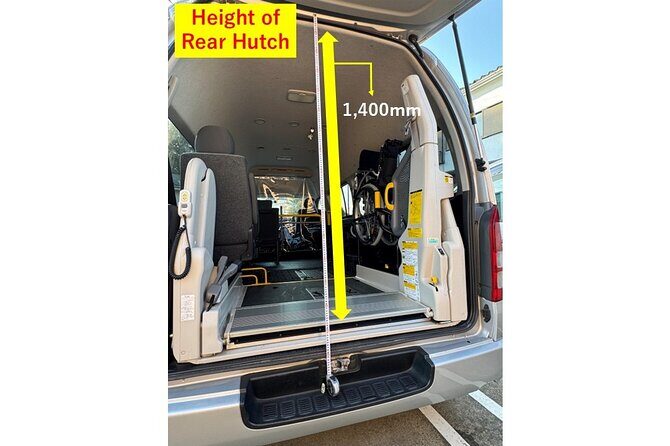
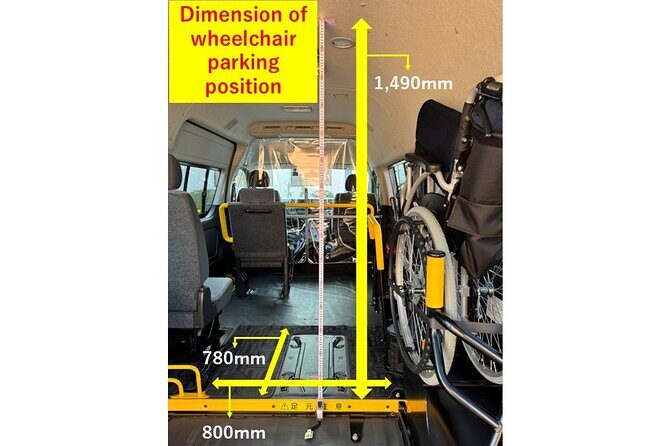
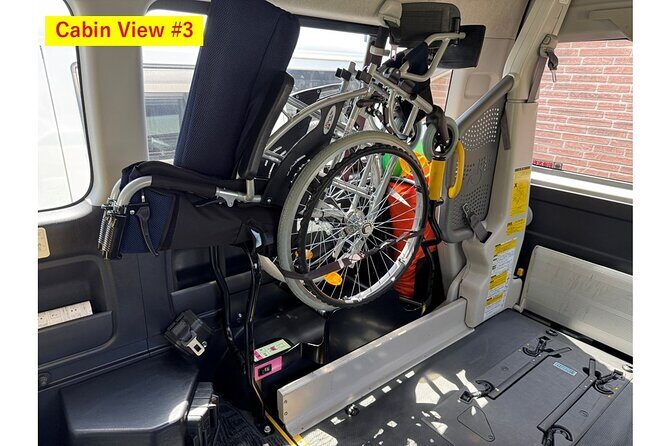
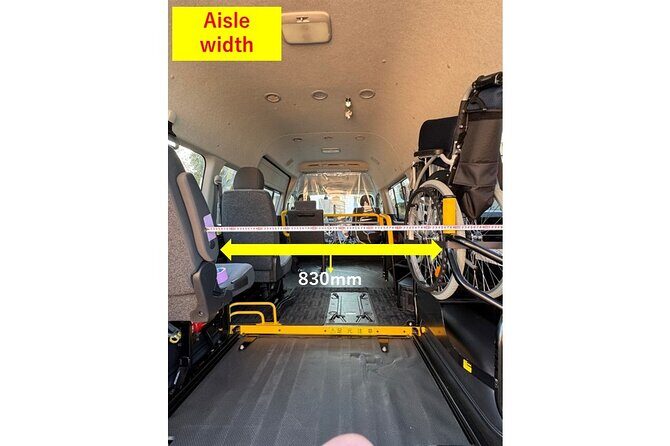
I really like the safety-first driver training (including Yokohama City Fire Department patient transport certification), and I also like how they help you plan the fit with detailed vehicle photos and measurements when you have a larger powered chair. One possible drawback: there’s no restroom on board, so plan for that before you leave.
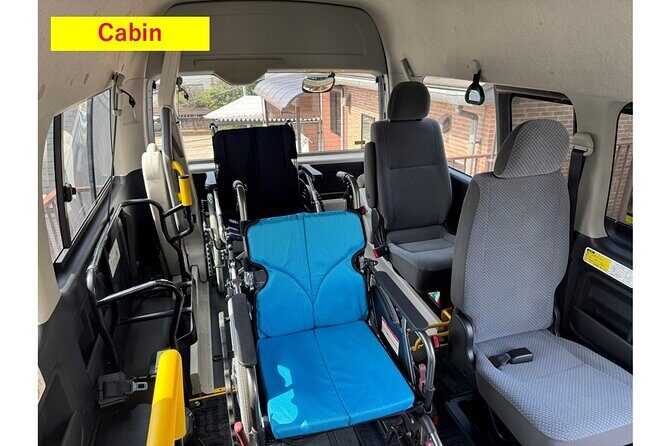
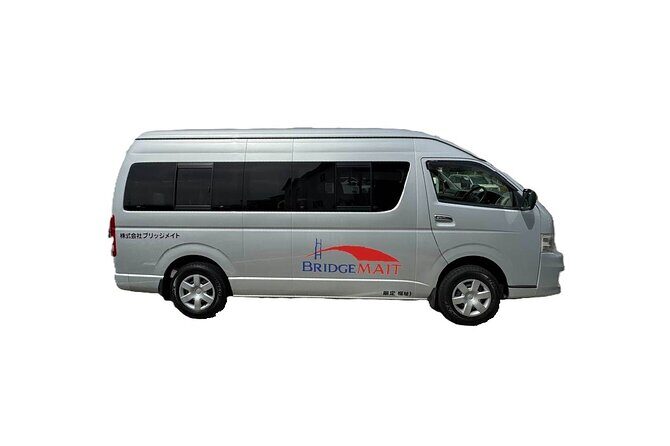
You’ll ride in a Toyota Hiace Commuter-style van with a low-vibration structure and a roomy, clean cabin kept at a comfortable temperature. Pickup is handled by a wagon with the BridgeMAIT logo, timed to what you specify when reserving, and you’ll use a mobile ticket instead of paper.
In This Review
- Key things to know before you go
- Why This Haneda-to-Yokohama Port Transfer Works for Wheelchairs
- Meet the Van: Toyota Hiace Commuter Space Math That Actually Helps
- Safety and Driver Credentials You Can Feel in the Details
- What Happens From Haneda Pickup to Yokohama Port Drop-Off
- Included Comforts: WiFi, AC Power, and a Cabin That Doesn’t Feel Miserable
- Price and Value: When Private Transport Beats the Headache
- Who This Transfer Suits Best (And Who Might Reconsider)
- Should You Book BridgeMAIT for Haneda to Yokohama Port?
- FAQ
- Is this a one-way trip?
- Where is the pickup location?
- What time is pickup?
- How long does the transfer take?
- How many wheelchairs and passengers can the van handle?
- Is WiFi and AC power included?
- Is there a restroom on board?
- Does the service include wheelchair boarding assistance?
- Can I cancel for a full refund?
Key things to know before you go
- Trained for real accessibility needs: Drivers hold multiple certifications tied to patient transport and assistance work.
- Fits more than you expect: The Toyota Hiace Commuter van fits two wheelchairs, up to four adults, and five oversized suitcases.
- Private door-to-port transfer: It’s only your group, and it’s one-way from Haneda to Yokohama Port.
- On-board comfort add-ons: WiFi and AC100V power supply are included for the trip.
- Good communication calm: You can contact 7*24 customer service, and the driver is geared for support.
More of the harbour city next door
- Narita Airport: One Way Private Transfer to Tokyo|Yokohama Hotels★ 4.5 · 69 reviews
- Tokyo: Private One-Way Transfers to/from Yokohama Port★ 4.5 · 50 reviews
- Private Car Tour to see Highlights of Kamakura, Enoshima, Yokohama from Tokyo★ 5.0 · 48 reviews
Why This Haneda-to-Yokohama Port Transfer Works for Wheelchairs
Getting from Haneda to the port area can be the kind of trip where everything stacks up at once: airport navigation, luggage weight, time pressure, and the extra logistics that come with a wheelchair. This transfer is built around the idea that the ride should remove stress, not add to it.
The biggest thing I’d watch for is how they approach safety. The drivers are certified in Home Helper 2nd class, Guide Helper (for generalized and intellectual disabilities), and they’re also Yokohama City Fire Department-certified patient transportation drivers. On top of that, one of the certifications listed is a Japan Automobile Federation Type 2 racing driver license. That sounds like a random detail until you realize what it signals: careful driving and control, plus experience with people who need extra stability.
I also like that the service doesn’t just say wheelchair accessible. It specifically includes boarding and disembarking assistance, which is where most “accessible transfers” either shine or fall apart. In a situation like Haneda-to-port, that assistance can mean the difference between a smooth start and a scramble.
One caution: because it’s a taxi-style transfer, not a tour with stops, you shouldn’t count on a toilet break during the ride. If nature calls, you’ll want to handle it before boarding.
Meet the Van: Toyota Hiace Commuter Space Math That Actually Helps
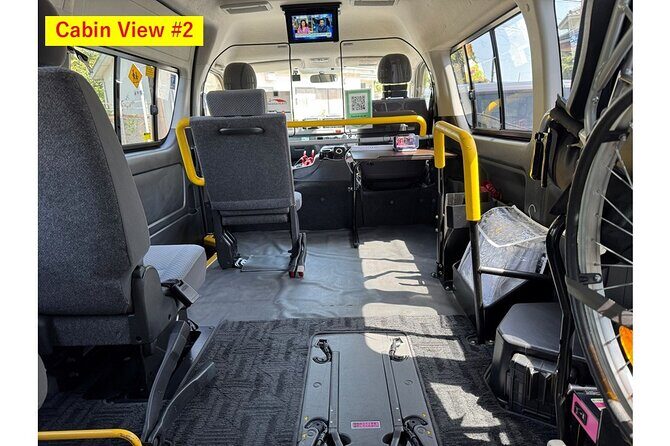
This is the kind of transfer where the vehicle layout matters as much as the destination. You’ll use a Toyota Hiace Commuter-type wheelchair van designed to handle both people and gear comfortably.
Here’s the space setup:
- Two wheelchairs can fit
- Four adults can fit
- Five oversized suitcases can fit
That’s a lot of capacity, and it matters because airport luggage can be bulky even if you’re traveling light. You’re also more likely to have room to adjust once you’re inside, instead of playing luggage Tetris at the curb.
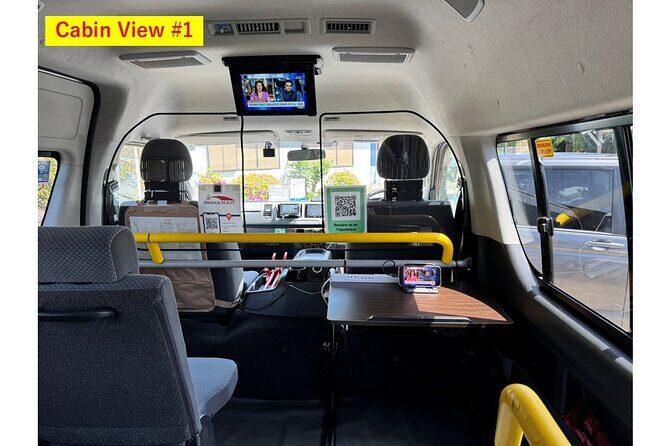
It also includes a low-vibration structure and a spacious, clean passenger space. For wheelchair users and anyone sensitive to motion, a smoother ride isn’t a luxury—it’s easier on your body and keeps your day from starting with fatigue.
And yes, it’s private. Your group rides together, so you’re not negotiating shared stops or delays with strangers who booked a different schedule.
Safety and Driver Credentials You Can Feel in the Details
The service claims safety transfers, and the credential list is the sort of paperwork that usually stays hidden. Here, it’s front and center. The drivers listed by the provider include:
- Home Helper 2nd class certification
- Guide Helper certification (generalized and intellectual disabilities)
- Yokohama City Fire Department-certified Patient Transportation Driver
- Japan Automobile Federation (JAF) Type 2 racing driver license
I treat that combination as a practical checklist. Home Helper and Guide Helper matter because they’re tied to assistance. Fire Department patient transport connects to careful handling and safe movement. The driving certification points to vehicle control and stable driving habits.
The reviews also spotlight a real-world version of that training: the driver is repeatedly described as courteous, professional, and careful with wheelchairs. Yoshio-san comes up by name, and one theme is that he handles both the person and the chair with attention to safety, not just speed. Another theme is communication quality—detailed photos and measurements shared early so you can confirm your larger powered wheelchair will fit.
If you’ve ever tried to guess whether a specific vehicle can accommodate a particular chair model, you know how stressful that can be. The best part here is that the service seems to anticipate that stress.
What Happens From Haneda Pickup to Yokohama Port Drop-Off
This is a one-way transfer, so the entire job is focused on getting you from Haneda to the port area, without detours.
Pickup location: Haneda Airport, Hanedakuko, Ota City, Tokyo 144-0041, Japan
Start time listed: 7:00 am
Timing in practice: the pickup is at the time you specify during reservation, and a wagon with the BridgeMAIT logo will come for you.
Duration is listed as about 1 hour to 1 hour 30 minutes. In plain terms: it’s long enough to let you settle in, but short enough that you probably don’t want to pack the day with extra obligations right after you arrive.
The ride includes boarding/disembarking assistance for wheelchair users. So you’re not left to manage the handoff yourself at the curb. That’s a big deal in Japan, where curbside space can be tight and timing is everything.
The end point is described as a different location in the Yokohama Port area, with details provided in the reservation information. You won’t be stuck thinking, Where do we actually go? You’ll have a defined drop-off point rather than a vague “close to the port.”





Included Comforts: WiFi, AC Power, and a Cabin That Doesn’t Feel Miserable
This isn’t just “we have a van.” It includes several comfort items that make the trip feel less like transportation and more like controlled time.
Included:
- WiFi on board
- AC100V power supply
- Temperature and humidity management (proper comfort levels)
- Parking fees and expressway tolls included
Those details matter for real-life travel. Airport mornings can start early and drain your energy. Having WiFi helps if you need to check schedules, communicate with a hotel or port contact, or just pass the time. And AC power is one of those small items you don’t appreciate until you need it—charging a phone, powering an essential device, or topping off travel gear.
The provider also mentions maintaining a spacious, clean passenger space and low-vibration structure. Translation: less jostling, fewer “why does my body feel weird?” moments. That’s especially important if you’re using a wheelchair for the rest of your day.
What’s not included is also useful to know:
- No restroom on board
- No coffee or tea
So if you’re on a schedule, treat the cabin as a ride, not a lounge. Bring water, and use airport facilities before pickup.
Price and Value: When Private Transport Beats the Headache
The price is listed at $170.19 per group (up to 3), and it’s typically booked about 9 days in advance.
On the surface, that’s not cheap compared with a train ticket. But here’s the value logic: you’re paying for a service that bundles the hard parts—wheelchair assistance, a properly sized vehicle, trained drivers, and direct pickup and drop-off.
If you’ve ever tried to mix public transit with a wheelchair and oversized luggage at peak times, you already know the hidden costs: time lost to navigation, energy spent on transferring, and stress managing ramps, elevators, or spacing. With a private accessible vehicle, that friction is reduced.
Also, the price includes expressway tolls and parking fees. For many rides, those can creep into the final total. Here, you’re not doing math at the end while you’re already tired and focused on getting to your next step.
One more value angle: this is a private experience. Only your group rides together, which matters when you’re traveling as a family or with a small team and you need predictable coordination.
Who This Transfer Suits Best (And Who Might Reconsider)
This service is a strong match if:
- You need wheelchair accessibility and direct help boarding and disembarking
- You’re traveling with a powered wheelchair or a wheelchair that needs confirmed fit
- You’re dealing with multiple people and luggage and want to avoid moving through the airport and port area with more hassle than necessary
- You want a driver who’s trained in patient transport and assistance, not just “knows where the port is”
It’s also a good fit if you want reliable, timed pickup. Reviews mention being on time, and that matters a lot when your next activity has a firm start.
You might reconsider if:
- You strictly need onboard amenities like a restroom (there isn’t one)
- You’re traveling with only light bags and a very flexible schedule and don’t mind doing a bit of public transport legwork
But if your goal is smooth, safe, and low-stress, this transfer is built for that.
Should You Book BridgeMAIT for Haneda to Yokohama Port?
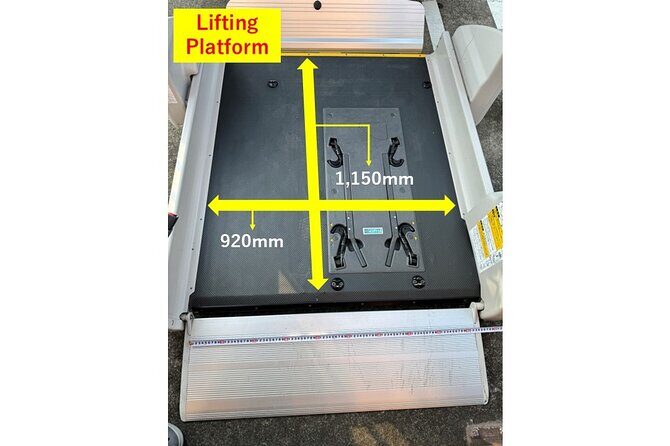
I’d book it if you want predictable care and less stress on a day that already has moving parts. The standout reasons are the safety-trained driver credentials, the wheelchair-focused assistance, and the practical comfort extras like WiFi and AC power. Add in the fact that the service can share photos and measurements for vehicle fit, and you get a kind of confidence that’s rare in transportation planning.
If you’re the type who likes to handle logistics yourself, this won’t feel “adventurous.” It’s meant to be straightforward. Good. At the airport, straightforward is usually the winning style.
FAQ
Is this a one-way trip?
Yes. This reservation is only for one way, from Haneda Airport to Yokohama Port.
Where is the pickup location?
The pickup start point is Haneda Airport (Hanedakuko, Ota City, Tokyo 144-0041, Japan).
What time is pickup?
The listed start time is 7:00 am, and the wagon will pick you up at the time you specify when making the reservation.
How long does the transfer take?
The duration is approximately 1 hour to 1 hour 30 minutes.
How many wheelchairs and passengers can the van handle?
The Toyota Hiace Commuter can fit two wheelchairs, four adults, and up to five oversized suitcases.
Is WiFi and AC power included?
Yes. WiFi is available on board, and there is an AC100V power supply.
Is there a restroom on board?
No. There is no restroom on board.
Does the service include wheelchair boarding assistance?
Yes. It includes boarding and disembarking assistance for wheelchair users.
Can I cancel for a full refund?
Yes. Cancellation is free, and you can cancel up to 24 hours in advance of the experience start time for a full refund.
More Tour Reviews in Tokyo



Next Door in Yokohama





Fresh reviews from around Tokyo






Yokohama Tours, compared.
 ★ 4.9EVO, WRX, Skyline – JDM Night Run to Daikoku Car MeetFrom $125478 reviews
Best Price Daikoku Parking Area JDM Car MeetFrom $76192 reviews
★ 4.9EVO, WRX, Skyline – JDM Night Run to Daikoku Car MeetFrom $125478 reviews
Best Price Daikoku Parking Area JDM Car MeetFrom $76192 reviews
 ★ 4.9Daikoku & Tokyo Private JDM Tour by 700HP R34 GT-RFrom $586101 reviews
 ★ 5.0Tokyo 8hr Private Tour with Licensed Guide from YokohamaFrom $20194 reviews
 ★ 5.0【Tokyo】JDM Daikoku Parking Area & Nissan Facility TourFrom $5587 reviews
 ★ 4.5Narita Airport: One Way Private Transfer to Tokyo|Yokohama HotelsFrom $7769 reviews
 ★ 5.0Shuttle Van Transfer, Yokohama(Port)⇒Tokyo, Narita, Haneda, TDRFrom $12263 reviews
 ★ 5.0R34Skyline Daikoku PA Fast & Furious Private ExperienceFrom $10963 reviews
Browse the lists this tour appears in