
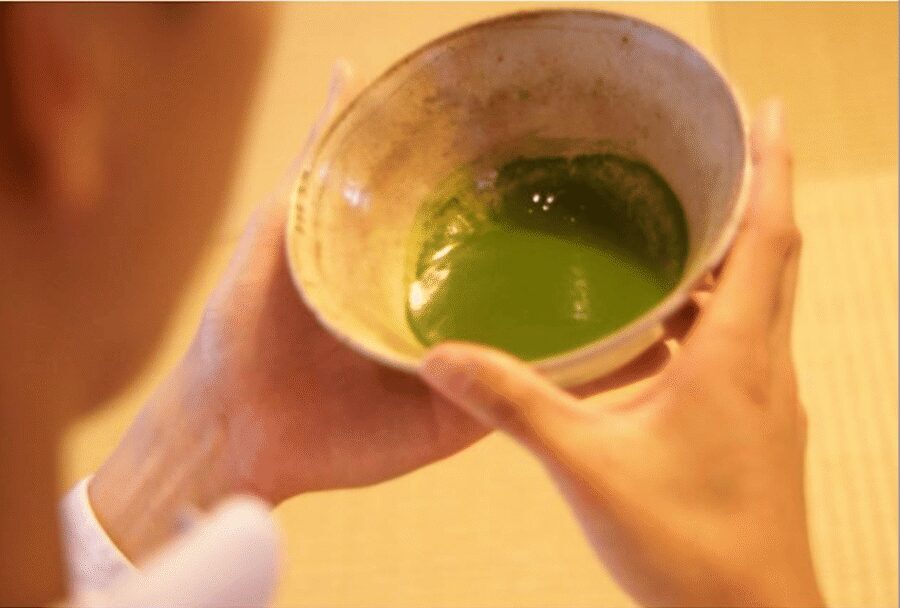
Reviewed · TEA CEREMONY EXPERIENCES
Tokyo:Tea ceremony experience at Komaba Warakuan
A real tea school beats a photo stop. This Komaba Warakuan experience is built around a beginner-friendly flow and hands-on teaching inside a historical school setting. You’ll even choose between Rich tea and Light tea seating, which changes the vibe of how the ceremony feels.
I love that it’s practical, not showy. The instructor explains the process, helps you learn how to make tea, and keeps the pace friendly for first-timers. I also like the small group size, capped at 4 participants, which makes it easier to ask questions and follow along.
One thing to consider: the session is listed as Japanese language. If you don’t read or understand Japanese, you’ll still be able to participate through demonstration, but you should expect less English back-and-forth and plan a little patience.
In This Review
- Key things to know before you go
- Komaba Warakuan tea ceremony: what makes this place different
- Rich tea vs Light tea seating: pick your vibe
- The full experience flow: what you do in the 90 minutes to 2 hours
- 1) You’re briefed on the process
- 2) Tabi socks first, then you walk to the tea room
- 3) Tea-making teaching: you learn the routine
- 4) Etiquette tools: fukusa scissors-type items
- What you learn: more than movements
- Included foods and the tea/sweet pairing
- Price and value: why $56 can make sense
- Language and comfort level: how to enjoy it even with limited Japanese
- Where the ceremony fits in your Tokyo day
- Who should book this tea ceremony (and who might skip it)
- Should you book Komaba Warakuan?
- FAQ
- How long is the Komaba Warakuan tea ceremony experience?
- How much does it cost per person?
- Can I choose between Rich tea and Light tea?
- What is included in the experience?
- Is this a small group?
- What language is the instructor?
- Are tabi socks provided?
- What is the cancellation policy?
- Is the session guided by a Japanese instructor?
Key things to know before you go
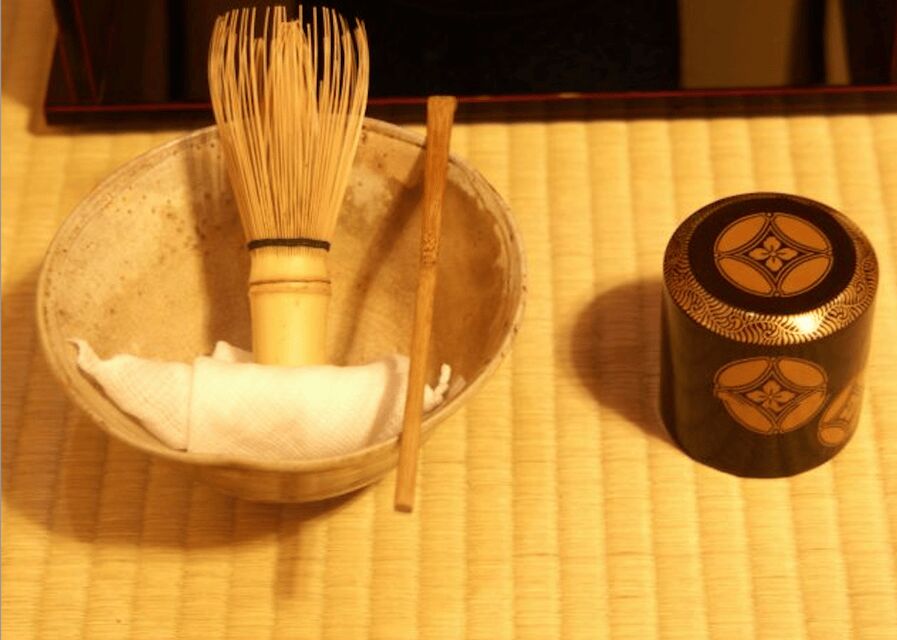
- Choose your atmosphere: Rich tea is quieter; Light tea is brighter and more chatty.
- Small group teaching: Limited to 4 participants, so you get more attention.
- Hands-on steps: You’ll learn the tea-making routine, not just watch.
- Traditional sweets included: Each course includes Japanese tea plus sweets.
- Tea-room etiquette starts early: You’ll change into tabi socks before you enter.
- Bring your tools if you have them: Fukusa scissors-type items are provided, but you can bring your own.
Quieter hours: more tea rooms and ceremonies
- Tokyo: Traditional Tea Ceremony with a Tea Master★ 5.0 · 528 reviews
- Tea Ceremony Workshop in Tokyo by the Experienced Instrucor★ 5.0 · 189 reviews
- Tea Ceremony Experience in a Private Tea Room in Shibuya★ 4.9 · 125 reviews
Komaba Warakuan tea ceremony: what makes this place different
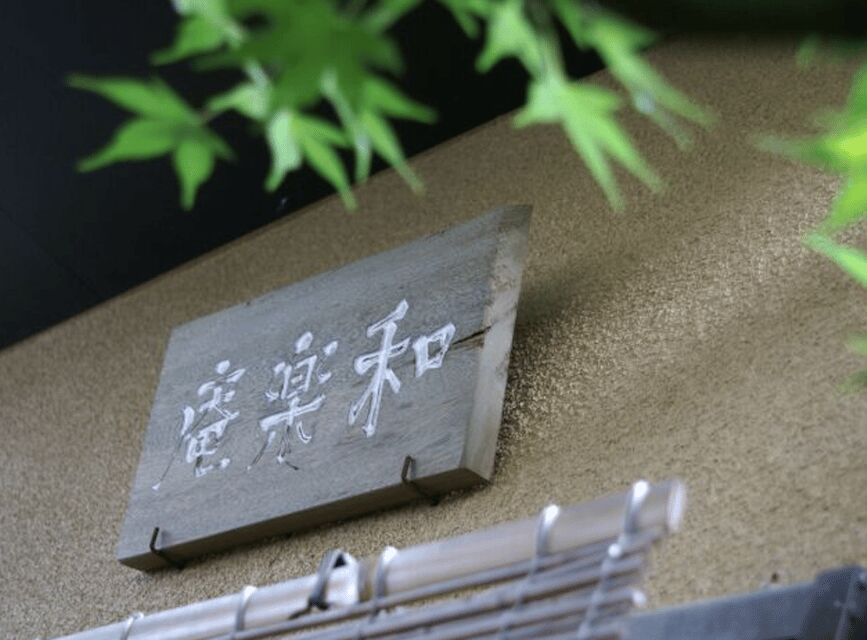
If you’re tired of watching a ceremony once and then rushing off, this is a calmer, more “learn the method” kind of experience. Komaba Warakuan is a school with deep roots in the tea world, and the format is designed for people who want to understand what they’re doing and why.
The setting matters. You’re not just sitting in a generic room. You start with an explanation of the ceremony flow, then you move into the tea space through open ground, with the etiquette laid out from the beginning. It’s the sort of structure that helps you slow down without feeling lost.
You also get a choice that changes the feel of the ceremony: Rich tea or Light tea. That choice isn’t just a marketing label—it affects how the seating works and how the mood shifts during the experience.
Rich tea vs Light tea seating: pick your vibe
Here’s the fun part: you can choose between Rich tea and Light tea, and the seating choice directly shapes the atmosphere.
With Rich tea, you sit in what’s described as a hidden seat. The idea is quiet focus. You’ll face the tea in a way that encourages calm attention, like the ceremony is a small world you step into for a while.
With Light tea, you sit in the seat of the sun. The tone is described as brighter, with lively conversation. Think less “whisper and reflect,” more “friendly energy with the ceremony steps still taken seriously.”
This is a great option if you’re traveling with someone whose style is different than yours. Want quiet and meditative? Choose Rich tea. Want something upbeat and chatty but still traditional? Choose Light tea. Either way, Japanese tea and traditional sweets are part of the package.
The full experience flow: what you do in the 90 minutes to 2 hours
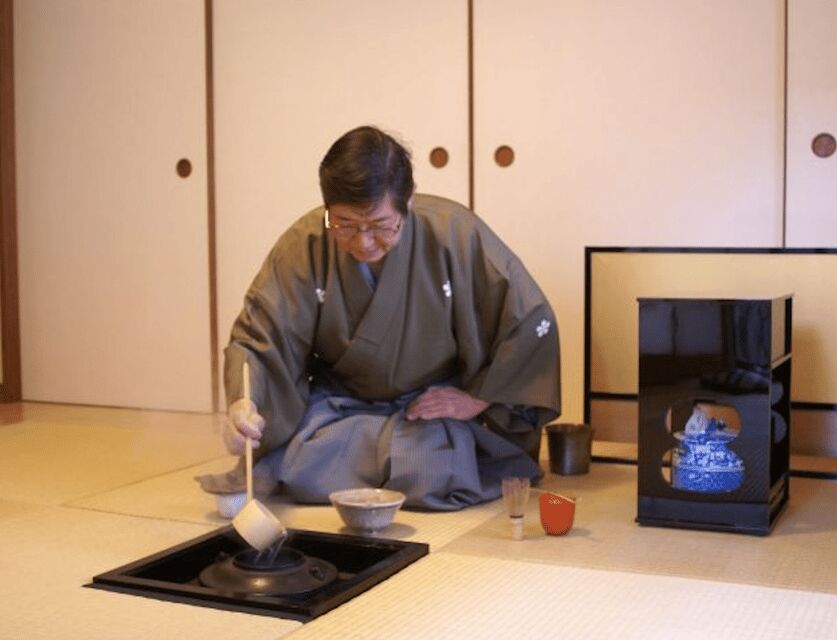
The schedule is structured and easy to follow, which is a big deal for a tea ceremony. Here’s what your time is likely to look like, step by step.
1) You’re briefed on the process
After you arrive, you’ll get an explanation of how the ceremony unfolds. This matters because tea etiquette can feel mysterious if you just sit down and hope for the best. You’ll know what comes next before you’re holding utensils.





2) Tabi socks first, then you walk to the tea room
Next comes a key etiquette moment: you change into tabi socks right away. Tabi are traditional split-toe socks, and you’re led to the tea room through open ground. Tabi socks are provided, and you’re also welcome to bring your own.
If you’ve never worn tabi before, don’t panic. Plan for it as part of the experience. The point isn’t comfort at all costs—it’s practicing how the tea setting asks you to slow your body down and move with intention.
3) Tea-making teaching: you learn the routine
Then the instructor carefully teaches you how to make tea. You won’t just watch. You’ll be guided through the movements needed to prepare the tea as part of the ceremony.
Because this is a small group (up to 4), it’s easier to keep your place and get help when you need it. Also, the instructor is Japanese, and the experience is listed as Japanese language—so lean on demonstration and clear hand motions.
4) Etiquette tools: fukusa scissors-type items
You’ll have fukusa scissors type items provided. This is described as folding fan, paper, toothpick, etc. If you have your own, you’re encouraged to bring it.
This detail is practical: it signals you’re doing a real ceremony setup, not a watered-down lesson. If you bring your own tools, make sure they’re in good shape and bring them clean—small items, big role in the feel.
What you learn: more than movements
The ceremony isn’t treated as pure performance. Komaba Warakuan is described as a school that taught the Kobori Enshu school and served as the tea ceremony instructor for the third Tokugawa shogun. In other words, you’re learning in the context of a real lineage of tea practice.
What that means for you on the day is simple: your movements are tied to a tradition, not just a checklist. You learn the steps for preparing and serving, but you also get some of the meaning behind why the ceremony is done this way.
Even if your Japanese is limited, you can still follow the structure: explain → prepare your space → make tea → serve and participate. That “why” matters because it changes how you remember the experience later. You’ll be able to tell the difference between tea performance as a spectacle versus tea as a discipline.
Included foods and the tea/sweet pairing
All three courses include Japanese tea and traditional sweets. That’s not just a side detail—it’s part of the pacing.
In tea culture, sweets often set the mood and rhythm before the tea. You get a chance to slow down, taste, and then move into the tea preparation and serving steps with a calmer head. If you like food that isn’t just a snack but part of a ritual, this format is right up your alley.
You also don’t have to manage extra costs for refreshments during the ceremony. The included fee plus tax covers the experience itself, and you’ll have what you need on-site.
Price and value: why $56 can make sense
At about $56 per person for 90 minutes to 2 hours, this is not the cheapest thing you’ll do in Tokyo. But tea ceremonies like this usually cost for one reason: time with a real instructor in a small setting.
Here’s the value logic I’d use to decide:
- Small group size (up to 4) means you’re paying for teaching attention, not just a seat.
- Hands-on instruction means you leave with skill and memory, not just photos.
- Two different seating courses (Rich vs Light) give you a choice that affects your experience.
- Tea and traditional sweets are included, so you’re not stacking extra purchases on top.
Is it for everyone? No. If you mainly want a quick intro and don’t care about doing the steps, you might find cheaper group options elsewhere. But if you want your Tokyo day to include something calm, respectful, and educational without feeling like homework, this price can feel fair.
Language and comfort level: how to enjoy it even with limited Japanese
The experience is listed as Japanese, and there’s no mention of English support. That means you’ll get the most out of it if you approach it like this: follow the instructor’s demonstrations and focus on the rhythm of the ceremony steps.
Practical tip: keep your expectations simple. Your goal isn’t to understand every word. Your goal is to learn the sequence: how you prepare, how you hold, how you make tea, and how the serving etiquette works.
Also, this is described as beginner friendly. That matters. A good beginner setup doesn’t treat you like a distraction—it builds the lesson around your first time.
Where the ceremony fits in your Tokyo day
Komaba is in the Honshu Tokyo area, but the biggest day-planning issue isn’t the distance—it’s whether you can find the place quickly. Some people report difficulty locating Komaba Warakuan, so I’d plan extra buffer time and use your maps carefully before you set off.
Once you arrive, the experience itself runs about 90 minutes to 2 hours, depending on the start time and the session flow. That’s a nice block: long enough to feel like you slowed down, short enough to still enjoy the rest of Tokyo after.
If you’re the type who likes quiet downtime between busy sights, schedule this after a lighter morning. If you’re already exhausted, choose a tea course that matches your energy—Rich tea for quiet focus, Light tea for more conversation.
Who should book this tea ceremony (and who might skip it)
I’d recommend Komaba Warakuan if you want:
- a beginner-friendly introduction that still takes tradition seriously
- a small group setting where it’s easier to learn
- an experience with a real school lineage behind it
- a choice between Rich tea and Light tea so you’re not stuck with a single mood
You might skip it if:
- you need an English-first explanation (the listing says Japanese)
- you’re looking for a fast, casual photo stop
- you hate moving through spaces in a more formal, etiquette-driven way (tabi socks and traditional steps are part of the experience)
Should you book Komaba Warakuan?
If you want a tea ceremony in Tokyo that feels like learning something real, this is a strong pick. The combo of small-group teaching, hands-on tea making, and the mood choice between Rich and Light tea gives you real control over how the experience feels.
Book it if you can handle Japanese instructions with patience and body language. You don’t need to be fluent to participate. You do need to be willing to slow down, follow steps, and treat sweets, tea, and etiquette as part of the same moment.
If you’re deciding between this and a more basic, larger-group option, I’d lean this way. For $56, you’re paying for attention and structure. That’s what makes tea ceremony time feel worth it.
FAQ
How long is the Komaba Warakuan tea ceremony experience?
It runs about 90 minutes to 2 hours. You can check availability to see starting times.
How much does it cost per person?
The price is listed as $56 per person.
Can I choose between Rich tea and Light tea?
Yes. You can choose between Rich tea and Light tea, and each seating option changes the mood of the ceremony.
What is included in the experience?
The experience fee includes the guided tea ceremony, and it also includes Japanese tea and traditional sweets as part of the courses.
Is this a small group?
Yes. The group is limited to 4 participants.
What language is the instructor?
The experience is listed as Japanese language.
Are tabi socks provided?
Yes. Tabi socks are provided, and you are welcome to bring your own.
What is the cancellation policy?
Free cancellation is available if you cancel up to 3 days in advance for a full refund.
Is the session guided by a Japanese instructor?
Yes. The instructor is listed as Japanese.
More Tour Reviews in Tokyo



More Tea Rooms Worth Booking



Fresh reviews from around Tokyo






Tea Ceremony Experiences, compared.
 ★ 5.0Traditional Tea Ceremony with a Tea MasterFrom $38528 reviews
 ★ 5.0Tea Ceremony Workshop in Tokyo by the Experienced InstrucorFrom $38189 reviews
 ★ 4.9Tea Ceremony Experience in a Private Tea Room in ShibuyaFrom $30125 reviews
 ★ 5.0Matcha Kimono Tea Ceremony in TokyoFrom $59104 reviews
 ★ 4.9Tea ceremony experience in Japanese-style room 60minFrom $4586 reviews
 ★ 5.0Casual Japanese Tea Ceremony ExperienceFrom $2574 reviews
 ★ 5.0Shibuya Authentic Tea Ceremony with experienced instructorFrom $2554 reviews
 ★ 4.9Tea Ceremony Experience in a small tea roomFrom $5153 reviews
Browse the lists this tour appears in