
Reviewed · FOOD & DRINK
Tokyo Vegan Food Tour
Food in Japan hits different when it’s all plant-based.
This Tokyo Vegan Food Tour is a smart way to eat your way through Shibuya and Ebisu with a guide who knows the vegan angle, not just the menu. You’ll taste five Japanese favorites in vegan form, then learn the hows and whys behind each dish, from miso ramen style to sweet bean paste. My favorite part is how you leave with practical confidence for ordering after the tour, not just a full stomach. The one thing to plan for is pacing: you’ll be walking and hopping between spots, so it helps to wear comfy shoes and be ready for a bit of train time, plus you’ll need cash.
I also like that the group stays small (up to 6), which makes it easier to ask questions and get tailored help. And because hosts like Bunga and Brian have been specifically called out for their guidance, you can expect real advice for navigating vegan and vegetarian options in Japan. The potential drawback is simple: at $99 for 3 hours, you’ll want to be sure you’re excited about plant-based versions of Japanese comfort food, since this isn’t a broad restaurant tour where you can browse freely at your own pace.
In This Review
- Key highlights worth circling
- Why Shibuya to Ebisu makes perfect sense for vegan eating
- What $99 covers (and why it feels fair for Japan)
- Meeting at Shibu Hachi Box: the fastest way to start smoothly
- The ramen mini bowls: choosing vegan Hokkaido-style flavors
- Vegan gyoza and karaage-style bites: the savory comfort challenge
- Fruit sandwiches and the butter-and-anko sweet stop
- What your guide teaches you beyond the food
- How the pace and small group size changes the whole experience
- Who should book this Tokyo Vegan Food Tour
- Should you book it?
- FAQ
- Where is the meeting point?
- How long is the tour?
- What food is included?
- Is the tour guided, and what language is it in?
- How big is the group?
- Do I need cash?
- Where does the tour end?
Key highlights worth circling
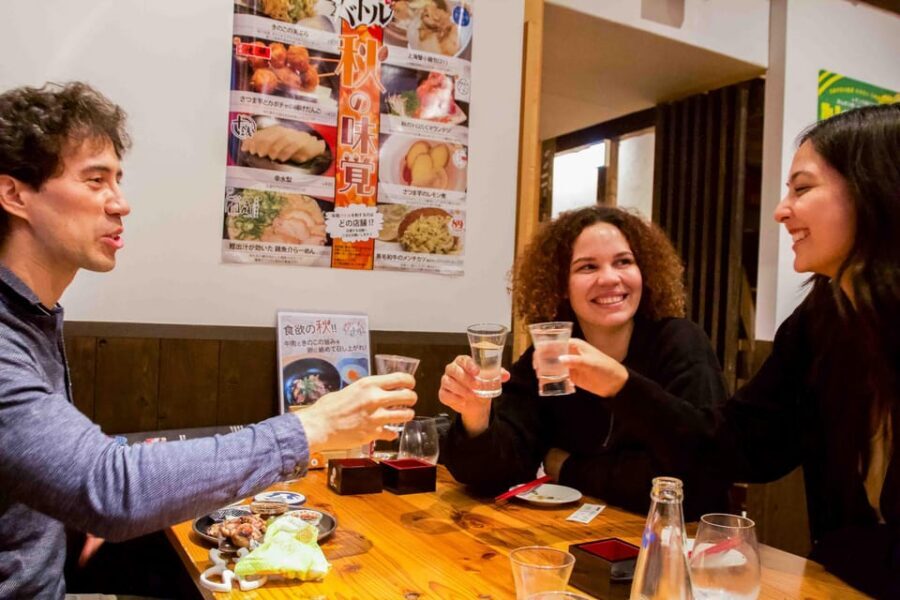
- Shibuya to Ebisu walking route: An easy urban loop that keeps you close to transit and packed with food stops
- Five distinct Japanese food types, all vegan: Mini ramen, gyoza, karaage-style bites, and two sweet sandwich styles
- Ramen options you can actually choose: Spicy miso, miso, shoyu, and shio flavor directions
- Comfort-food variety without the regret: Savory and sweet are balanced so you don’t crash mid-tour
- Guide tips that carry beyond the tour: Guidance for finding vegan options and handling ordering questions
- Small group format (max 6): More time for questions, less time waiting around
Other plates worth crossing Tokyo for
- Tokyo: Shinjuku Food Tour (13 Dishes at 4 Local Eateries)★ 5.0 · 6,603 reviews
- Tokyo Tsukiji Fish Market Food and Culture Walking Tour★ 5.0 · 3,184 reviews
- Tokyo: Shinjuku Food Tour (15 Dishes and 4 Eateries)★ 4.9 · 2,033 reviews
Why Shibuya to Ebisu makes perfect sense for vegan eating
Shibuya and Ebisu are close enough to feel like one continuous food mission, but different enough to keep the walk interesting. Shibuya gives you that big Tokyo energy, and Ebisu tends to feel a little more relaxed while still being packed with eateries. For a vegan-focused food tour, this matters because you’re not spending half your time commuting across town.
The start point is also easy to find if you’re using train navigation: your guide meets you at Shibu Hachi Box, across from the Hachiko statue, outside Shibuya Station, with a Food Tours Tokyo sign. From there, you head toward Ebisu. That Shibuya-to-Ebisu flow is the kind of route that makes sense even if you’re not staying in either neighborhood long-term.
Another smart thing: the tour is only 3 hours, so you’ll get a tight sample without feeling like you need a whole day to do it. You’ll eat enough to feel satisfied, and you’ll still have time to explore on your own afterward.
What $99 covers (and why it feels fair for Japan)
At $99 per person for 3 hours, this is priced like a curated food experience, not like a casual meet-up. The value comes from what’s included:
- 5 types of Japanese food (savory and sweet)
- 1 beverage
That’s a big deal in Tokyo because food isn’t always cheap when you’re ordering multiple dishes at multiple places. Here, you’re getting several categories of food in one structured outing, with a guide who explains what you’re eating and helps you connect it to what to look for later.
Also, you’re not just sampling food. The tour is built to teach you how vegan eating fits into Japan’s own flavors and ingredients—so you can translate the experience into real-world ordering. One review highlighted that it was a great confidence boost for the rest of the trip, especially for people who want vegetarian or vegan meals without stress.
Is it still a “splurge”? Sure, in the sense that $99 is more than buying snacks on your own. But if you like structure, variety, and guidance—this price can feel like it saves you time and guesswork.
Meeting at Shibu Hachi Box: the fastest way to start smoothly
Tokyo is famous for smooth public transit and famously chaotic station crowds. So the start matters.
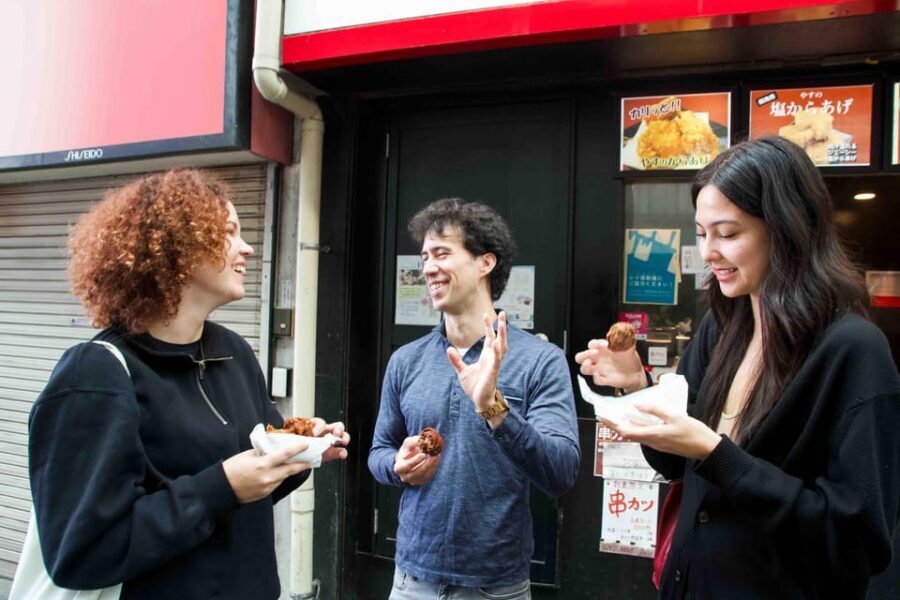
Look for the guide at Shibu Hachi Box, across from Hachiko, outside Shibuya Station, holding a Food Tours Tokyo sign. If you’re arriving from another line, I’d give yourself a little extra buffer so you can find the statue area calmly. That calm pays off because once the tour starts, you’ll be moving between spots.
From a practical standpoint, this tour also includes a quick convenience stop and may include a train hop. The operator asks you to bring cash, which is a detail many people forget until it matters. Bring some bills just in case—small ones are helpful.
The ramen mini bowls: choosing vegan Hokkaido-style flavors
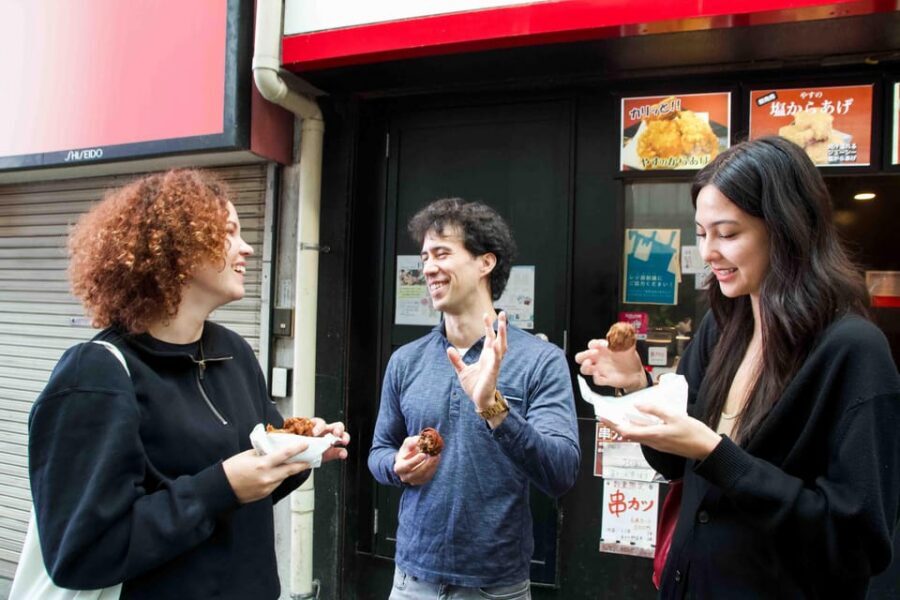
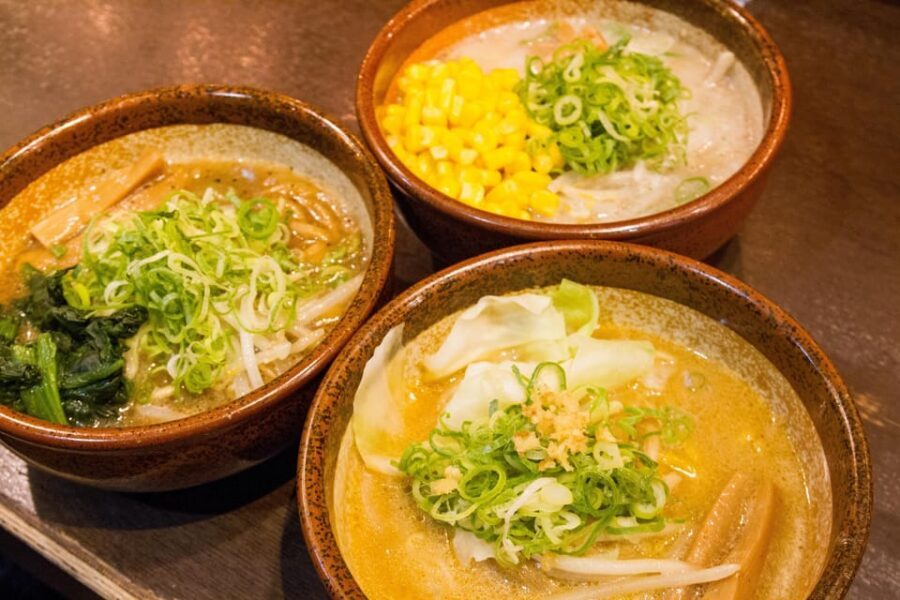
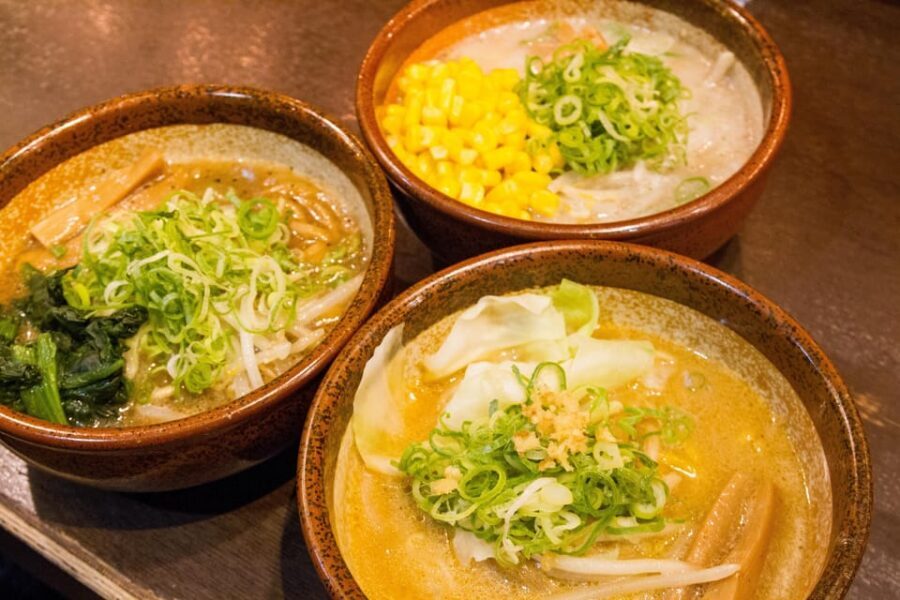
Ramen is one of those foods that people in Japan treat like a personality test. This tour leans into that by serving mini bowls of Hokkaido-style ramen, made vegan and offered with choices like:
- spicy miso
- miso
- shoyu
- shio
Even as minis, you’ll learn something important: ramen flavor in Japan isn’t one thing. It’s a system. The options you get help you understand how vegan broth and toppings can still land in classic Japanese directions. You also get practice mentally sorting what to look for later, like whether you’re aiming for a soy-based feel (shoyu) versus a lighter salt-forward vibe (shio), or something richer and bolder (miso).
The “mini” size is part of the design. You can taste ramen seriously, but the tour doesn’t leave you stuck fighting a huge bowl while you’re still supposed to eat gyoza and sweets later. That pacing is one of the reasons people leave saying they feel satisfied rather than overstuffed in an uncomfortable way.
Worth weighing up alongside this Tokyo pick:


Vegan gyoza and karaage-style bites: the savory comfort challenge
After ramen, the tour shifts into crowd-pleaser territory with vegan gyoza dumplings. Gyoza is one of those foods where the filling and the wrapper both matter. On this tour, you’re sampling a version that keeps the typical gyoza experience but works in a fully plant-based direction. The value here isn’t only taste—it’s learning how Japanese flavors translate beyond meat.
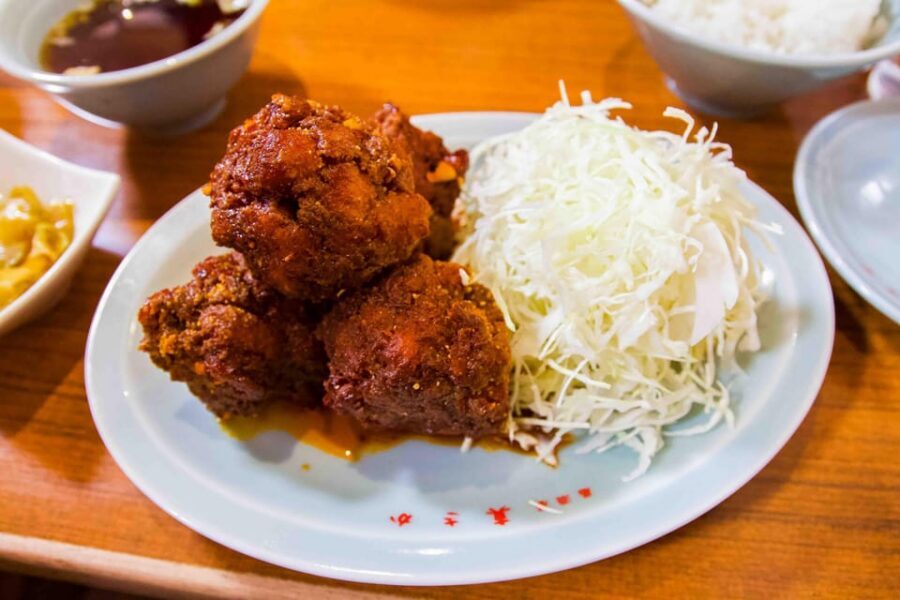
Then comes crunchy vegan karaage, a playful twist on Japanese fried chicken. The key idea is texture. You’ll notice how fried food becomes a vegan-friendly gateway because crispness and seasoning do a lot of the emotional heavy lifting. You’re basically getting a lesson in how Japanese kitchens build flavor through batter, frying technique, and sauce choices, even when the protein base changes.
One practical benefit: savory bites like these are often easier for first-timers than people expect. If you worry about finding vegan meals in Tokyo, this is a confidence builder because these are recognizable foods. You’re tasting the familiar, then learning how to ask for or look for plant-based versions later.
Fruit sandwiches and the butter-and-anko sweet stop
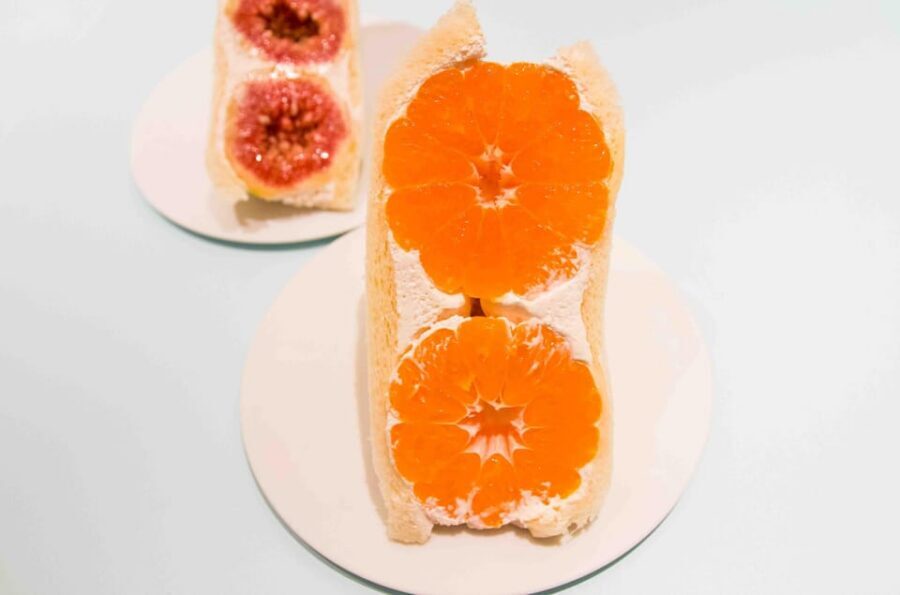
Tokyo does sweets with real commitment, and this tour doesn’t treat dessert like an afterthought. You’ll try unique fruit sandwiches with fresh seasonal fruits, and you’ll also get butter and anko sandwiches.
Why this matters: sweet sandwiches can be weird the first time you see them, but they’re a great way to learn how Japanese dessert flavors work. Fruit-forward bites teach you about freshness and how light sweetness can still feel satisfying. The anko angle teaches you about sweet bean paste, which is one of the most common Japanese sweet flavors you’ll see on menus—especially if you start exploring on your own afterward.
The butter + anko combo also gives you a distinct taste contrast. Anko brings depth and sweetness; butter can soften the edges and make it feel more like a pastry filling than a heavy bean dessert. That contrast is likely why people describe the experience as ending with both a full stomach and a sharp mind—because you’re not only eating, you’re learning how the flavors are constructed.
What your guide teaches you beyond the food
This is where the tour earns its top scores. The guide experience is the backbone.
Guides like Bunga and Brian have been singled out for giving helpful advice on how to navigate vegetarian and vegan eating in Japan. That’s not a small thing. Tokyo has lots of options, but menus can be confusing fast. This tour helps by explaining the stories behind dishes and pointing you toward how local ingredients and techniques matter.
You’ll also get practical tips on navigating Tokyo’s vegan scene, including a quick stop at a convenience store. That piece is smart because convenience stores are where you can fill in gaps on busy days. Even without changing your whole travel style, learning what to look for can save you from eating random snacks that don’t match your needs.
Another practical detail: the tour is designed to be supportive for dietary restrictions and preferences. One review noted that the guide took care of preferences, and another mentioned understanding and accommodating restrictions. So if you have needs beyond standard vegan, bring them up and make sure the guide knows. That tends to reduce stress and helps you get the most out of every stop.
How the pace and small group size changes the whole experience
This tour is limited to 6 participants. That’s not just a number; it changes how the tour feels. Smaller groups mean you spend less time waiting, more time asking questions, and fewer moments where you feel rushed because the group needs to keep moving.
You’ll also be eating multiple places over a 3-hour window, so the pacing is tight by design. The mini format for ramen helps a lot, because you’re not trying to finish one giant bowl and then immediately switch to fried and fried-ish textures and then sweetness.
What you should plan for:
- Comfortable walking shoes
- A water plan (you get 1 beverage included, but you’ll still likely want more later)
- Bring cash for potential train hopping
- Come hungry, but don’t count on this being a light snack run
Also, since the tour ends in Ebisu, it works well if you want to continue exploring that side of the city right after. You’ll start in Shibuya, taste your way through several classic categories, then naturally drift toward the next neighborhood stage of your day.
Who should book this Tokyo Vegan Food Tour
I think this tour fits best if you want three things:
1) clear vegan-friendly guidance in Tokyo
2) a variety of recognizable Japanese foods, all plant-based
3) a fast, structured start to your trip
It’s also a great choice if you’re vegetarian or vegan and want a head start on confidence. One review specifically suggested doing it early in the trip because it sets you up for the rest of your time in Japan. That advice holds up because you’ll come away knowing what ramen options can look like, what gyoza and karaage can taste like in vegan form, and what sweet flavors like anko show up in.
If you’re the type who loves wandering and making every food choice yourself, you might prefer a looser food day. But if you want your first impressions to come with context and fewer ordering headaches, this kind of guided sampling can be the easiest path.
Should you book it?
Yes—if you like structured food learning and you want to eat multiple iconic Japanese dishes in vegan form without guessing. The biggest reasons to book are the variety (ramen, gyoza, karaage-style, fruit sandwiches, butter and anko) and the guide support that helps you navigate Japan’s vegan scene beyond the tour.
I’d skip it only if $99 feels too steep for your budget or if you hate walking between stops for a set 3-hour window.
If you can swing it, it’s one of those experiences that can turn Tokyo from confusing to doable fast.
FAQ
Where is the meeting point?
Your guide meets you at Shibu Hachi Box, across from the Hachiko statue, outside Shibuya Station, with a Food Tours Tokyo sign.
How long is the tour?
The tour lasts 3 hours.
What food is included?
You get 5 types of Japanese food (savory and sweet) and 1 beverage. All of the food on the tour is vegan.
Is the tour guided, and what language is it in?
Yes, it’s a live tour with an English-speaking guide.
How big is the group?
The group is small, limited to 6 participants.
Do I need cash?
Please bring cash, as the tour may hop on the train.
Where does the tour end?
The tour starts in Shibuya and ends in Ebisu.
Eat Your Way Round Tokyo

More Tours in Tokyo




More Tour Reviews in Tokyo




Fresh reviews from around Tokyo






Food & Drink, compared.
 ★ 5.0Shinjuku Food Tour (13 Dishes at 4 Local Eateries)From $866,603 reviews
 ★ 5.0Tokyo Tsukiji Fish Market Food and Culture Walking TourFrom $993,184 reviews
 ★ 4.9Shinjuku Food Tour (15 Dishes and 4 Eateries)From $852,033 reviews
 ★ 5.0Tsukiji Fish Market Food and Walking tourFrom $301,724 reviews
 ★ 5.0Eat and Drink Like a Local: Tokyo Ueno Food Tour-Taverns&RamenFrom $95957 reviews
 ★ 5.0Shibuya Food Tour (13 dishes and 4 Eateries)From $77770 reviews
★ 4.7Tsukiji Fish Market Food and Culture Walking TourFrom $96757 reviews
★ 5.0Shibuya Food Tour (13 dishes and 4 Eateries)From $77770 reviews
★ 4.7Tsukiji Fish Market Food and Culture Walking TourFrom $96757 reviews
 ★ 5.0Tsukiji Fish Market: Street Food & Culture Walking TourFrom $33669 reviews
Browse the lists this tour appears in