
Reviewed · GUIDED
Tokyo Tailored 4 Hours Private Guided Tour
Tokyo is big. This tour helps you win.
This private, tailored 4-hour plan is built for people who want Tokyo highlights without spending your day checking maps. I like that the guide can meet you at your hotel or nearby central spot, so you waste less time figuring out trains, entrances, and street numbers. I also love the no-navigation-stress approach: you still see big names like Senso-ji and Tsukiji, but the route bends around your interests instead of forcing a rigid checklist.
The main drawback is the price. At $631 for 4 hours, you’ll want to be sure you’re also comfortable budgeting for food and your own transportation between stops, since meals aren’t included.
In This Review
- Key things to know before you go
- Why this 4-hour private plan fits real Tokyo time
- Price and value: is $631 worth it?
- Meeting at Tokyo Station and how the pace works
- Stop 1: Tsukiji Outer Market and that market-energy payoff
- Stop 2: Ginza, smart movement, and the Wako Tower area
- Stop 3: Tokyo Midtown Hibiya and photo alleys with yakitori flavor
- Stop 4: Marunouchi and station ramen with a samurai-diet angle
- Stop 5: Ueno and the market-stop that scratches multiple itches
- Stop 6: Asakusa and Senso-ji with the wider neighborhood perspective
- The guide factor: what makes this feel tailored
- Should you book this Tokyo Tailored 4-Hour Private Guided Tour?
- FAQ
- How long is the Tokyo Tailored private tour?
- How much does the tour cost?
- Is this tour private or shared?
- Where does the tour start and what time does it begin?
- Can the guide meet us at our hotel?
- What languages are available for the private guide?
- Is food included in the price?
Key things to know before you go
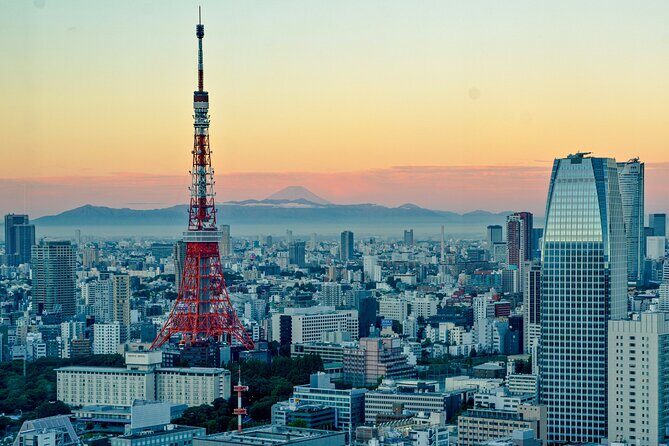
- Hotel or central-area meet-up so you start the tour without commuting stress
- Tsukiji Outer Market focus on the market energy (and food atmosphere) without paying for entry
- Ginza walking/metro mix geared toward efficient movement to the next sights
- Hibiya postwar vibe alleys with photo-friendly streets and yakitori-area atmosphere
- Ueno market time for practical shopping: daily goods, spices, teas, and souvenirs
- Asakusa end cap with Senso-ji plus the wider neighborhood feel, not just one temple stop
More days made easy by a guide
- Tokyo 6hr Private Tour with Government-Licensed Guide★ 5.0 · 3,902 reviews
- Tokyo: Shinjuku Local Bar and Izakaya Guided Walking Tour★ 4.9 · 1,794 reviews
- Tokyo: Private City Highlights Tour with Local Guide★ 4.8 · 1,433 reviews
Why this 4-hour private plan fits real Tokyo time
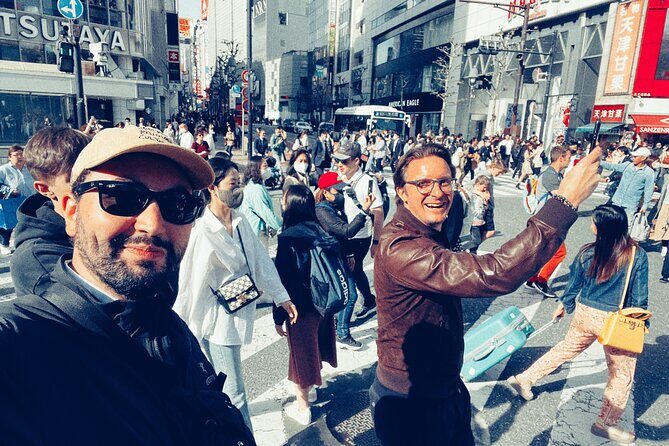
If Tokyo were a board game, most first-timers would lose on turn one. Not because they can’t enjoy it, but because the city is so layered that you can burn hours just getting from one “must-see” to the next.
This tour is built to prevent that. In half a day, you get a smart sweep through multiple iconic areas—Tsukiji, Ginza, Marunouchi, Ueno, and Asakusa—while still keeping the day personal. The big value here is flexibility. Your guide can adjust the pacing and priorities to match what you care about: food, shopping, history, photos, or simply the feeling of each neighborhood.
And because it’s private, your time stays yours. You’re not negotiating around other groups in crowded lanes or waiting for everyone to catch up while you watch the best light disappear.
Price and value: is $631 worth it?
Let’s talk money in a useful way.
At $631 for a 4-hour private tour, you’re paying for three things that are hard to replicate on your own:
- A guide who handles the route logic (where to enter, which lines to use, and how to move efficiently).
- Included guide transportation within the tour (the guide’s public transport/metro fees are covered).
- All fees and taxes wrapped into the experience, plus a private local guide in either English or Spanish.
What’s not included is also straightforward: meals are on you, and your personal transportation isn’t covered. That means your final cost depends on how you eat and how you plan to get to/from the start.
If you’re the kind of traveler who hates “planner fatigue” (looking at stations, reading signs, and trying to guess which exit is correct), a private half-day can be a bargain. If you’re comfortable using transit and building routes, you might prefer to DIY. But for many people, paying for a guide is like buying back time—and Tokyo is one place where that matters fast.
Meeting at Tokyo Station and how the pace works
The tour starts at Tokyo Station (1 Chome-9 Marunouchi, Chiyoda City) at 10:00 am. It can finish in Shinjuku or near Tokyo Station, depending on how the guide structures the wrap-up.
In the real world, you should expect a mix of walking and transit. The plan explicitly allows walking or the metro for certain connections, and you’ll also use rail for at least one leg. That’s important because it prevents the all-day “feet-only” problem. You’ll still walk, but you won’t be stuck doing 100% legs with no breaks.
Practical tip: wear comfortable shoes and keep water handy. Markets and station areas can be intense, and you’ll want to stay upright and un-rushed through the tastings, shopping, and photo stops.
Stop 1: Tsukiji Outer Market and that market-energy payoff
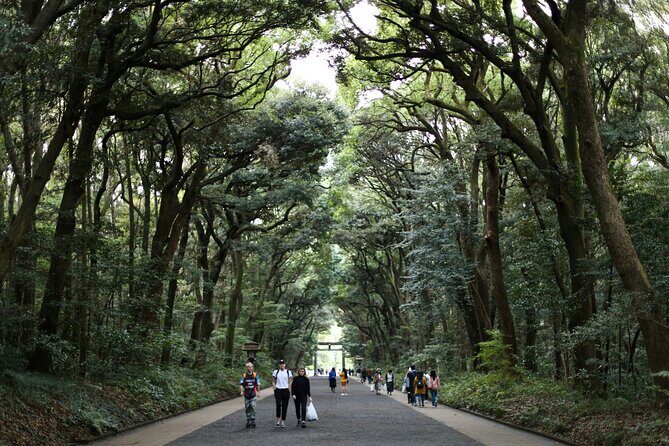
Your first big hit is Tsukiji Outer Market. This is one of Tokyo’s classic food-and-supply zones, full of vendors, small shops, and people moving quickly with purpose. What I like about starting here is that it sets the tone right away: Tokyo as a working city, not just a postcard city.
The goal at the outer market is the atmosphere and the variety—seafood, fish, Japanese kitchen utensils, and stalls that pull you in with everything from ingredients to practical goods. You won’t be paying admission just to be there, and the market vibe makes it easy to snack or browse without needing a museum ticket.
The only caution is crowd density. Even if you go in early, it can still feel busy. If you’re sensitive to tight lanes, keep your pace calm and stick close to your guide so you’re not trying to squeeze past other shoppers.
More private options with your own guide


Stop 2: Ginza, smart movement, and the Wako Tower area
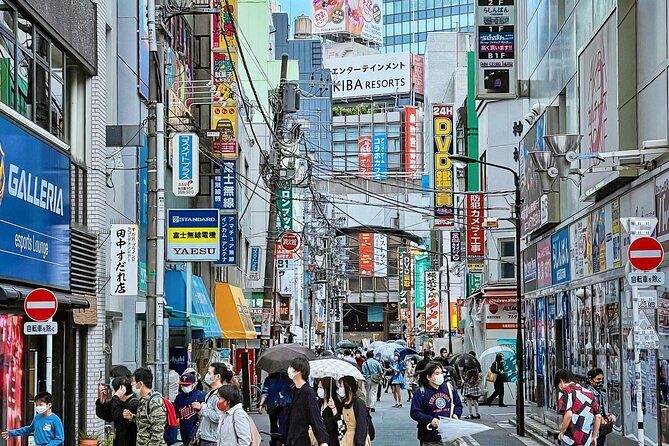
From Tsukiji, the plan connects you to Ginza, one of Tokyo’s most famous shopping districts. Ginza is where design meets retail—clean streets, major flagships, and a certain polished confidence.
What makes this stop work in a private half-day is that you’re not just walking randomly. The itinerary is designed for efficient movement, either on foot or by metro, so you spend time where it matters rather than wandering between stations.
A specific highlight is the Wako Tower area. Even if you’re not a luxury shopper, that space helps you understand Ginza’s identity. It’s a good place to take photos, watch the rhythm of the neighborhood, and reset your brain after the sensory chaos of Tsukiji.
A drawback to note: Ginza can feel expensive and trend-heavy. If your idea of fun is buying spices, street snacks, and everyday goods, you might not spend much money here. But you’ll likely enjoy it more as a streets-and-architecture stop than a shopping mission.
Stop 3: Tokyo Midtown Hibiya and photo alleys with yakitori flavor
Next is Tokyo Midtown Hibiya, and this stop is where the tour shifts from big landmarks into smaller neighborhood storytelling.
The guide’s pitch for this area focuses on postwar Tokyo vibes—and specifically small side streets that are often more photogenic, especially after dark. Even in daylight, you can still feel the contrast: less glossy, more lived-in. The yakitori atmosphere matters too, because it tells you Tokyo isn’t only about temples and towers. It’s also about where locals eat after work.
What I think you’ll enjoy here is the change of pace. After Ginza’s polished feel, Hibiya gives you texture: narrow lanes, casual eating spots, and a more local rhythm.
Consideration: this portion is short on paper (about 15 minutes). That’s normal for a half-day tour. Your best outcome depends on how quickly you’re able to get photos you like without detouring too far.
Stop 4: Marunouchi and station ramen with a samurai-diet angle
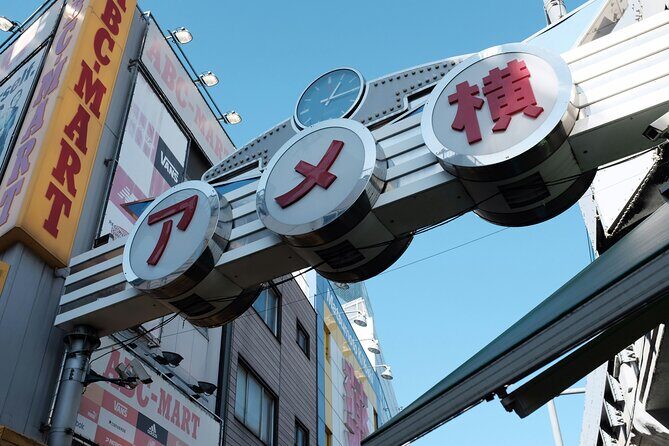
Then it’s into Marunouchi, a central business district right by the rail arteries that power Tokyo.
Here, you take advantage of the area’s transit connections. The itinerary suggests using the JR line to reach the next destination, and it also includes a practical break: you can try ramen inside the station. The guide frames it as ramen linked to a samurai-diet idea, described as primarily vegan in that explanation.
Whether you love that concept or just want noodles, the benefit is timing. Station-area food means you can eat quickly and keep moving. It also gives you a chance to experience Tokyo’s rail-world convenience up close—the kind of place where food, travel, and daily routines overlap.
One downside to expect: station ramen spots can be busy. If you’re hungry (and you will be), try to go at your guide’s pace rather than sprinting for the first available seat.
Stop 5: Ueno and the market-stop that scratches multiple itches
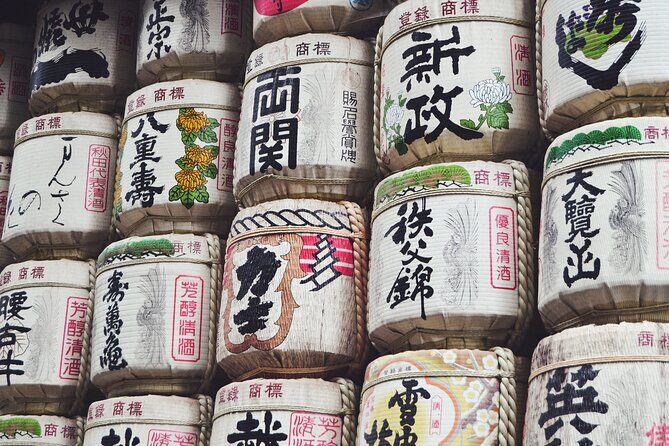
After Marunouchi, the tour heads to Ueno, and this is where the experience turns more practical and shopping-friendly.
The focus is an “authentic” market zone where you can find many categories in one area: daily stuff, clothing, spices, teas, and plenty of food-related shopping. It’s the kind of stop where you can buy small gifts without turning it into a whole separate trip.
I also like that Ueno feels more lived-in than pure attraction-land. If you want souvenirs that look like Tokyo life instead of mass-produced copies, this is often where people find them.
A consideration: markets can mean decision overload. With so many options—spices, teas, packaged foods—you’ll want a plan. Decide what you’re buying before you enter. Otherwise you’ll spend your energy browsing when you could be enjoying the neighborhood.
Stop 6: Asakusa and Senso-ji with the wider neighborhood perspective
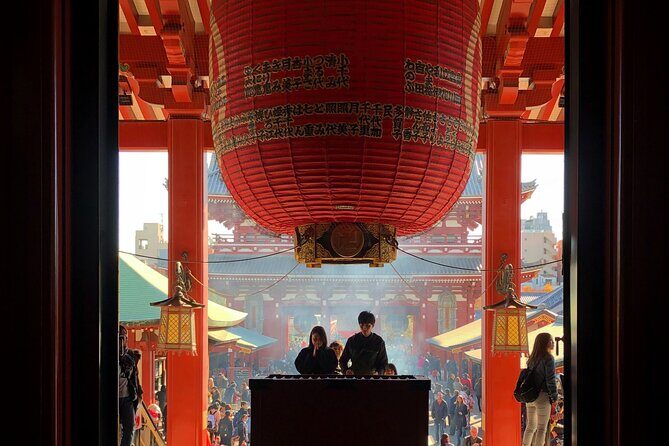
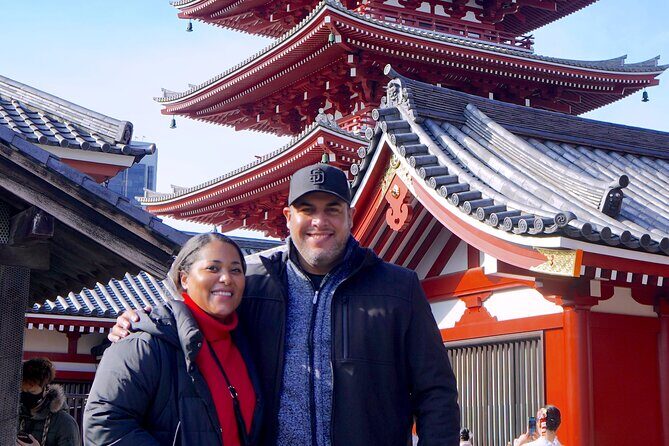
Your final stop is Asakusa, tied to the Taito district and centered around Senso-ji Temple. Senso-ji is the obvious draw, and you’ll see why it remains a constant for first-timers: it’s iconic for a reason.
But this tour doesn’t treat Asakusa as only one temple photo. It points out that the neighborhood includes more than Senso-ji—also referencing the Skytree Tower connection and describing Asakusa as the epicenter of domestic visitor energy since the Edo period.
That matters for how you experience the area. You’ll likely notice the street character: food, movement, and the sense that the neighborhood has been doing tourism in its own way for a very long time. It’s history you can feel in the sidewalks, not just read on a sign.
The main timing consideration: as your tour ends, your walking stamina matters. Asakusa areas can stretch out beyond the temple entrance, so if you want to keep exploring on your own after the tour, save a little energy.
The guide factor: what makes this feel tailored
A private guide isn’t just translation. It’s pace control, route logic, and knowing what order reduces your stress.
In at least one real example, the guide’s name was Show—and he was described as friendly and interesting, with a knack for tailoring the time around what people wanted to see. The biggest practical win in that story was hotel meet-up convenience. When your guide can start near where you’re staying, you get to spend more of those four hours in the neighborhoods you actually came for.
Your best move: message your guide any must-sees or deal-breakers ahead of time. If you care about food, say so. If you want photos, mention it. If you hate shopping, tell them so they can minimize time in retail-heavy zones.
Should you book this Tokyo Tailored 4-Hour Private Guided Tour?
You should book it if:
- You have limited time and want multiple major neighborhoods handled in one go.
- You don’t want to fight transit routes and station exits while also trying to enjoy Tokyo.
- You value a private experience and like the idea of a guide shaping the day around your interests.
- You’re happy to pay for time-saving and included guide coordination.
You might skip it if:
- You’re comfortable building routes on your own and don’t mind navigating stations.
- You’d rather spend the day at fewer stops and go deeper without moving every hour.
- You’re traveling with a tight food budget and don’t want to pay extra for meals on top of the tour price.
If you’re aiming for a smooth, efficient Tokyo hit in just half a day, this is a solid way to do it—especially because it combines big-name sights with neighborhood texture, and it keeps you from turning your vacation into a map-reading exercise.
FAQ
How long is the Tokyo Tailored private tour?
It’s listed as about 4 hours.
How much does the tour cost?
The price is $631.
Is this tour private or shared?
It’s a private tour/activity, meaning only your group participates.
Where does the tour start and what time does it begin?
It starts at Tokyo Station in Marunouchi (1 Chome-9 Marunouchi, Chiyoda City) and the start time is 10:00 am.
Can the guide meet us at our hotel?
There is an optional meet-up at your central location accommodation, and the guide can come to your hotel.
What languages are available for the private guide?
The tour offers an English or Spanish speaking private local guide.
Is food included in the price?
Meal costs are not included. The tour price covers the guided experience, fees and taxes, and the guide’s public transport/metro fees.
Easier with a Guide

More Tours in Tokyo




More Tour Reviews in Tokyo




Fresh reviews from around Tokyo






Guided, compared.
 ★ 5.0Tokyo 6hr Private Tour with Government-Licensed GuideFrom $1553,902 reviews
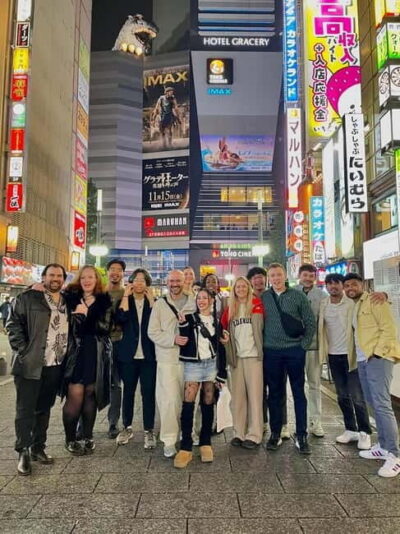 ★ 4.9Shinjuku Local Bar and Izakaya Guided Walking TourFrom $341,794 reviews
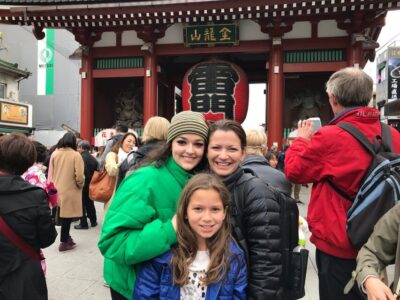 ★ 4.8Private City Highlights Tour with Local GuideFrom $1061,433 reviews
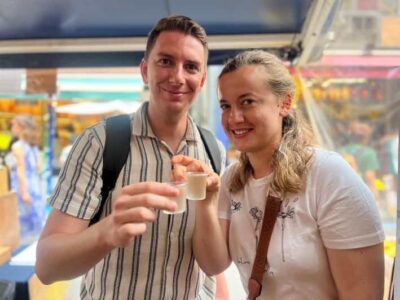 ★ 4.9Tsukiji Fish Market Guided Walking TourFrom $221,397 reviews
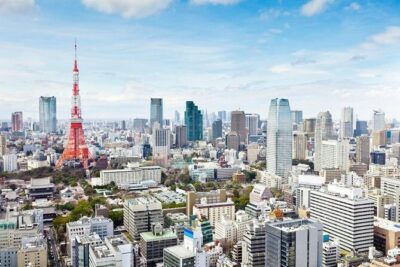 ★ 5.0Tokyo 4hr Private Tour with Government-Licensed GuideFrom $1091,394 reviews
 ★ 5.0Tokyo Guided Small-Group Biking TourFrom $1061,250 reviews
 ★ 4.6Samurai Ninja Museum Guided tour and ExperienceFrom $271,010 reviews
 ★ 5.0Tsukiji Fish Market Guided Tour and Sushi Making with Pro ChefFrom $104775 reviews