
Reviewed · SAMURAI & NINJA EXPERIENCES
Tokyo: Samurai Kendo Practice Experience
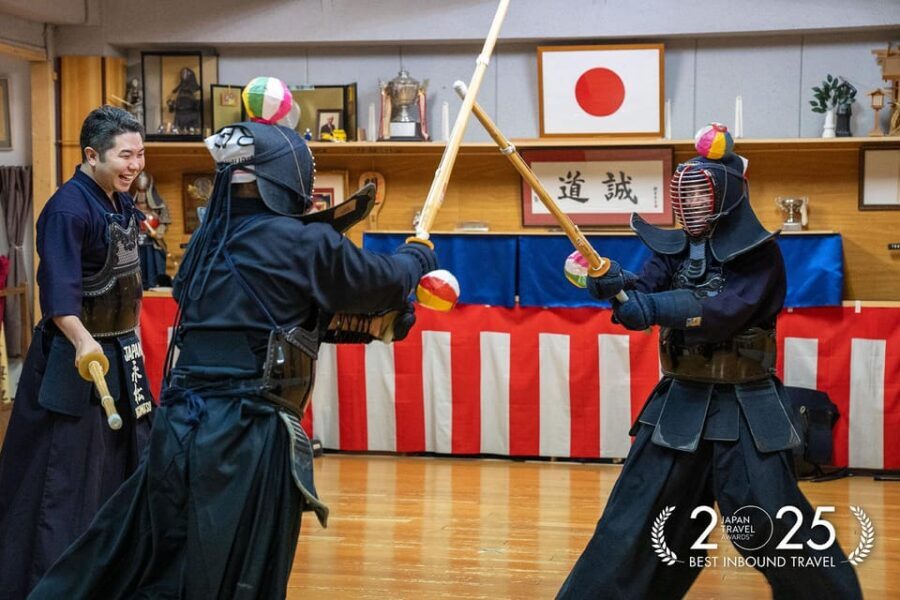
Bamboo strikes and real discipline start fast. This Tokyo experience puts you inside a quiet dojo and has you practice kendo like it is a training session, not a photo stunt. You’ll wear full kendo armor (equipment rental included) and learn Japanese swordsmanship fundamentals from an instructor who runs the room with clear rules.
I especially like how hands-on it is. You don’t just watch; you practice the core strikes and get guided step-by-step, with time to ask questions and talk between drills. I also love the small-group feel, capped at 6 participants, so you get attention when your stance or footwork needs tweaking.
One thing to consider is the intensity and strict coaching style. It’s a physical workout, and some people prefer softer, more gentle instruction, especially during helmet and controlled-contact moments. Also, the dojo is run out of a house, so plan extra time if you’re navigating solo.
In This Review
- Quick hits on this Tokyo Samurai Kendo session
- Where you’ll train: finding 誠道館 near JR Uguisudani
- Your two hours: what the training session feels like
- What you actually learn: men, kote, do and counters you can sense
- The gear: wearing armor and why it changes everything
- English support, strictness level, and why group size matters
- Price and value: is $116 worth two hours in armor?
- Who should book this kendo practice in Tokyo
- Before you go: my practical checklist
- Should you book this Tokyo Samurai Kendo experience?
- FAQ
- FAQ
- How long is the Tokyo Samurai Kendo practice experience?
- What is the price per person?
- Where do I meet for the session?
- Is hotel pickup included?
- Is food included?
- What’s included in the experience?
- How many people are in the group?
- What languages are used during the session?
- What should I wear or bring?
- Can I wear glasses with the head protector?
- What is the cancellation policy?
Quick hits on this Tokyo Samurai Kendo session
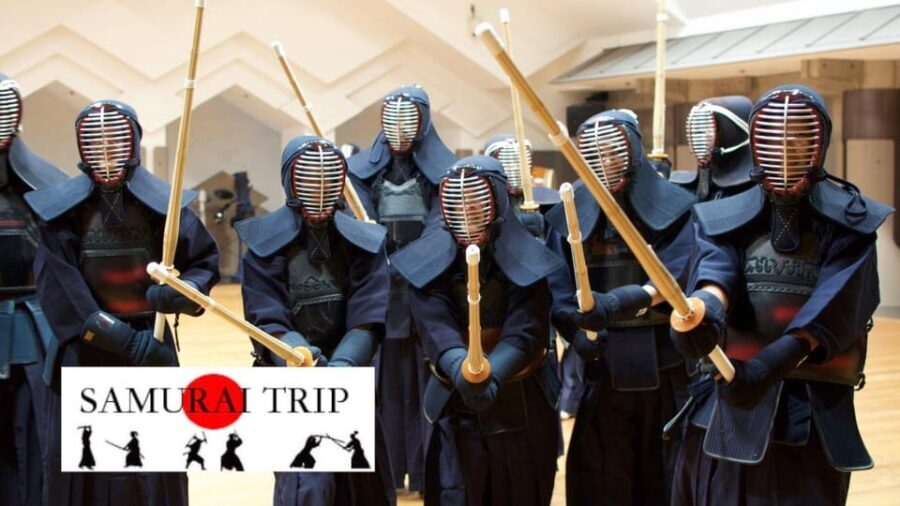
- Full armor rental so you can focus on technique, not shopping for gear
- Men, kote, do basics taught with simple structure you can actually use right away
- Small group (up to 6) for faster corrections and less waiting around
- English and Japanese instruction plus clear demonstrations when language gets tricky
- Sweat factor: bring loose clothes and get ready for a solid workout
More blades, bows and dojo hours
- Tokyo: Samurai Ninja Museum Guided tour and Experience★ 4.6 · 1,010 reviews
- Tokyo: Samurai Sword & Archery Class from Samurai Descendant★ 5.0 · 603 reviews
- Best Samurai Experience in Tokyo★ 5.0 · 458 reviews
Where you’ll train: finding 誠道館 near JR Uguisudani
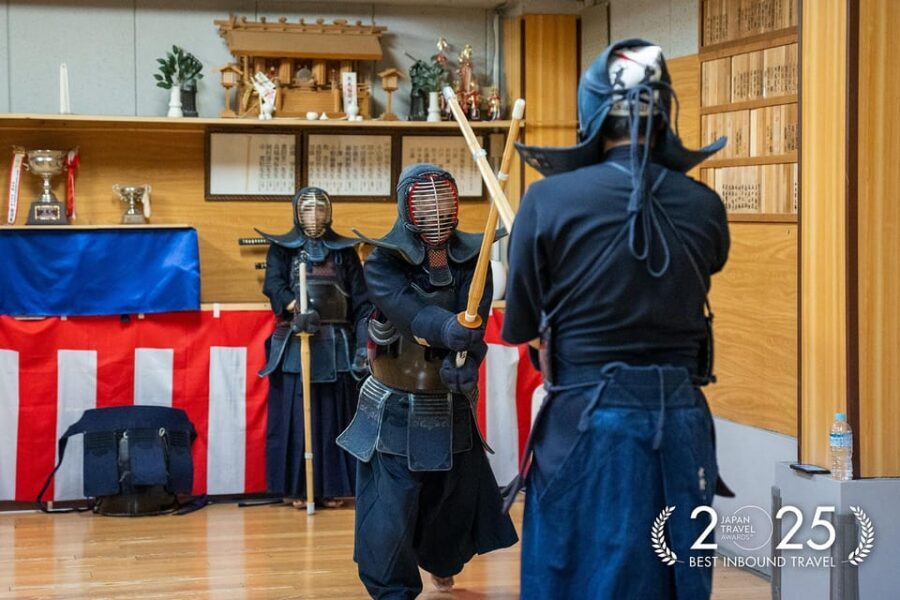
Your meeting point is near JR Uguisudani Station, about 10–12 minutes on foot from the North Exit. The address is 4-7-2, Higashinippori, Arakawa-ku, Tokyo (誠道館), so it’s in the city, not a remote countryside venue.
This matters because kendo is timing-sensitive. You’ll want to arrive calm and ready, not still hunting for the building while everyone else is kitted up. Since the dojo runs out of a house, it can feel slightly confusing the first time. If you’re using maps, zoom in until you can clearly see the street pattern, then approach slowly.
Also note: there’s no hotel pickup. That’s normal for activities like this, but it means you control the timing. Build in buffer time before your two-hour session, especially if you plan to take trains from farther parts of Tokyo.
Your two hours: what the training session feels like
This is a 2-hour practice session, and the exact flow can vary a bit depending on the group and the dojo schedule. Still, the overall arc is consistent: etiquette first, then gear, then drills, and finally light sparring-style practice.
When you arrive, you’ll meet the instructor team and get oriented. Kendo is known for having a strong etiquette culture, and you’ll feel that quickly—clear instructions, respectful pacing, and a focus on safety. Then comes the armor fitting and basic handling. Reviews mention how you get traditional kendo suits and training weapons (and in some cases, supervised handling of a real sword), but your biggest job is learning how the gear changes your movement.
After that, you’ll move into technique basics. You’ll practice the fundamental strike targets:
- men (head/helmet area)
- kote (wrist/forearm area)
- do (chest/body target)
Even as a beginner, the structure is built so you can participate. Several people say the session feels close to a real training atmosphere, with instructors stepping in to correct posture, spacing, and rhythm. You’ll also get brief moments for photos and conversation, so it isn’t only effort and nothing else.
Toward the end, expect lighter, controlled application. Some descriptions mention playful sparring games that keep energy up while still staying safe—good for first-timers who want action without getting overwhelmed.
What you actually learn: men, kote, do and counters you can sense
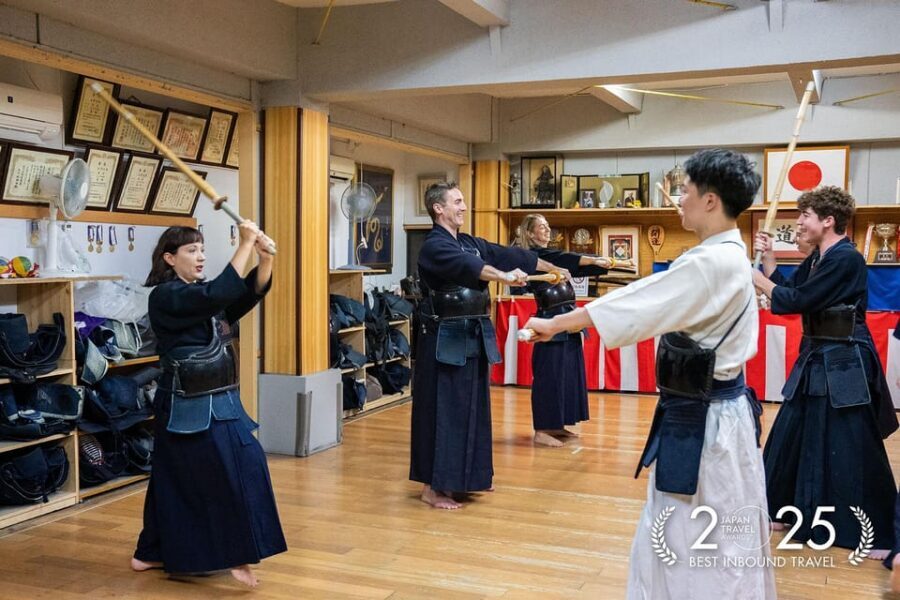
The most practical part of this experience is that it teaches you kendo as a system, not random moves. You’ll start with the three basic striking techniques—men, kote, do—because they’re the easiest targets to understand and the safest to practice in a beginner group.
Then, you’ll add counters and simple tactical ideas. One review notes that you learn some counter techniques, and you apply them in structured practice. That’s the value: even if you never become a kendo competitor, you leave with a mental map of how attacks and responses work.
What I like about this approach is that it reduces intimidation. In movies, sword fighting looks like chaos. In the dojo, it becomes patterns: stance, distance, timing, and controlled impact. When your instructor (often mentioned as Nagamatsu-sensei or Kenshi-san in different accounts) gives a correction, you can tell immediately what to change next rep.
You’ll likely get some rules and practical context too—how to train, how to handle the equipment safely, and how the session is supposed to flow. That turns the experience from a one-time adrenaline hit into something you can remember and try again later if you want to keep learning.
The gear: wearing armor and why it changes everything
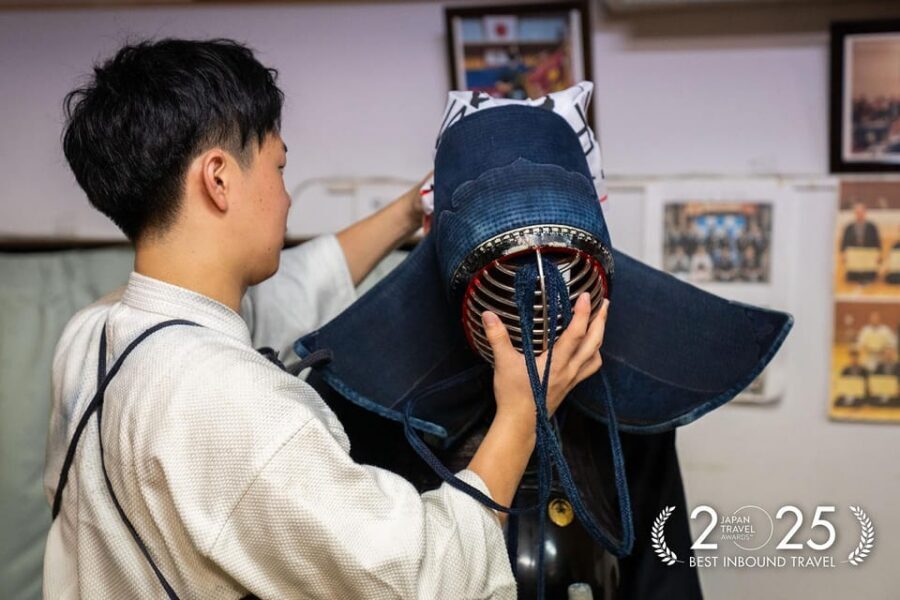
Let’s be honest: kendo armor looks cool, but it’s also a workout multiplier. Once you put on the full setup, your body has to adapt—your balance, your breathing, and even how you turn your head.
This experience includes rental of kendo armor and equipment, plus a free Japanese hand towel and free mineral water. So you’re not paying extra for the stuff you need to participate. That’s part of the value at the listed price.
A few important practical notes:
- Bring or wear loose fitted exercise clothing. If the right sizes for the armor aren’t available, you may be asked to practice using your own clothing.
- If you wear glasses, think carefully. It’s not advisable to wear spectacles during the head protector due to difficulty and risk of damage. Contact lenses are suggested.
- You will sweat. One reviewer specifically warned you to bring fresh clothes, and that’s exactly what I’d plan for—this is physical training, not a casual demo.
Also, pay attention to how instructors manage safety and contact. Some feedback includes comments about being strict (even to the helmet during striking), which is part of why kendo is effective—and why it should be treated with respect.





English support, strictness level, and why group size matters
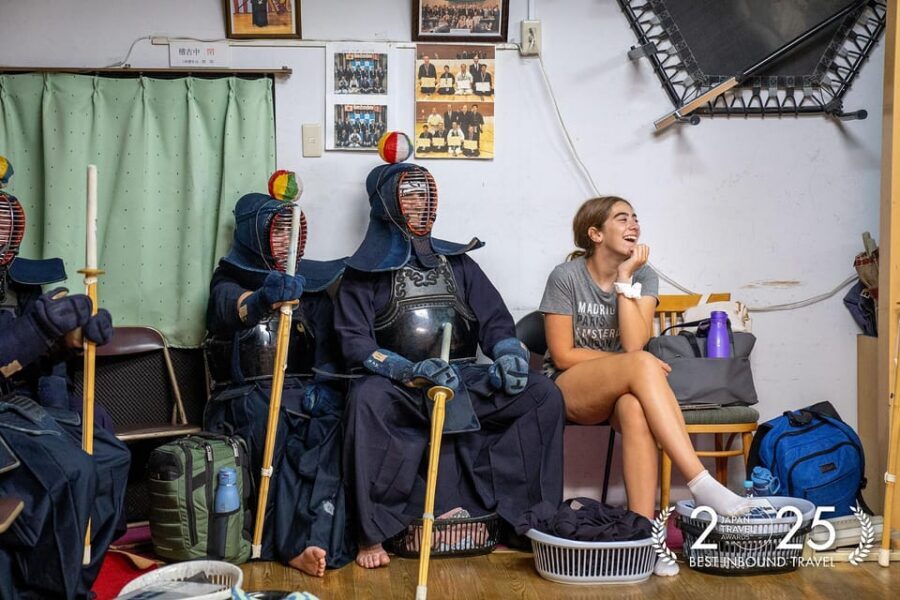
The instruction is English and Japanese, and that’s huge for first-timers. In many technical sports, even a small language gap can turn learning into guesswork. Here, the team provides enough instruction in both languages so beginners can keep up.
Group size is limited to 6 participants, which changes the whole experience. In a bigger class, you wait your turn and learn by watching. In a six-person setup, you get corrections faster. That’s one reason people report the session feels like a real training environment instead of a guided show.
That said, you should know the coaching style can feel blunt. Some accounts mention the instructor sometimes talks quickly or in a way that can come across as rough. Others describe him as strict but playful. My take: if you’re okay with direct coaching and you learn by doing, you’ll probably love it.
If you’re the type who needs lots of reassurance, plan a bit of mental flexibility. Kendo is serious about discipline, and you’ll feel that in the way instructors keep the tempo.
Price and value: is $116 worth two hours in armor?
At $116 per person for 2 hours, the price isn’t low—but it also isn’t random. You’re paying for a package that includes:
- a professional instructor/guide
- rental of full kendo armor and equipment
- mineral water
- a Japanese hand towel
When a tour includes gear rental, technique coaching, and a capped class size, you’re not just buying entertainment. You’re buying time with instructors and access to equipment you probably wouldn’t use anywhere else.
The absence of food means you should plan your meal timing. There’s no hotel pickup, so you’re also paying with your own transit time and energy. But for someone who wants a hands-on Tokyo activity that feels real—rather than just a sightseeing loop—this is a strong value.
I’d think of it as paying for a guided entry into a traditional sport. If you want something like that, $116 can make sense. If you only want light cultural storytelling with zero physical intensity, you might find it more than you need.
Who should book this kendo practice in Tokyo
This is a great fit if you:
- want to try a real martial art experience as a beginner
- enjoy structured instruction and learning through repetition
- want a Tokyo activity with clear rules and etiquette
- like physical challenges that don’t require prior training
It can also be family friendly, based on accounts describing pre-teens enjoying the workout. Still, the experience involves armor and controlled impact, so parents should treat it as active training, not a gentle craft class.
Consider skipping or checking with the provider first if:
- you can’t comfortably wear protective head gear (especially if you rely on glasses)
- you’re sensitive to strict coaching or strong corrections
- you have concerns about body fit in martial arts equipment (one account flagged that it’s not for every body type)
And if you have prior martial arts experience, you might pick up footwork faster. But beginners are explicitly guided, so you don’t need a background to participate.
Before you go: my practical checklist
Here’s what will make your session smoother:
- Wear loose athletic clothing you can sweat in.
- If you use vision correction, bring contact lenses instead of glasses if possible.
- Bring a plan for changing: bring fresh clothes or a small spare item.
- Arrive early enough to find 誠道館 without stress.
- Keep your expectations realistic: this is action and discipline, not a movie scene.
Also, come ready to respect the structure. Kendo training works because everyone follows etiquette and safety cues. When you do, the instructors can focus on technique, and you’ll have more fun.
Should you book this Tokyo Samurai Kendo experience?
If you want a hands-on Tokyo activity that feels authentic, this is a yes for many first-timers. The biggest reasons are simple: you wear full gear, you practice core techniques like men, kote, do, and you get guided in a small group with English and Japanese support.
I’d skip it only if you strongly dislike strict coaching, aren’t comfortable with protective gear, or you’re looking for a low-effort cultural experience. Otherwise, this is the kind of outing you’ll remember because you leave with new skills, real effort, and a better sense of how disciplined Japanese sword practice actually works.
FAQ
FAQ
How long is the Tokyo Samurai Kendo practice experience?
The experience lasts 2 hours.
What is the price per person?
The price is $116 per person.
Where do I meet for the session?
You meet at 誠道館 (4-7-2, Higashinippori, Arakawa-ku, Tokyo), about 10–12 minutes from JR Uguisudani Station North Exit.
Is hotel pickup included?
No, hotel pickup is not included.
Is food included?
No, food is not included.
What’s included in the experience?
Included items are a professional instructor/guide, rental of kendo armor and equipment, free mineral water, and a free Japanese hand towel.
How many people are in the group?
The group is small, limited to 6 participants.
What languages are used during the session?
Instruction is provided in English and Japanese.
What should I wear or bring?
Wear or bring loose fitted exercise clothing. If the provider can’t provide a suitable uniform size, you may need to practice using your own clothing. You should also bring contact lenses if you need vision correction.
Can I wear glasses with the head protector?
It’s not advisable to wear glasses during the head protector because it can be difficult and may risk damage to spectacles. The guidance says contact lenses are recommended.
What is the cancellation policy?
There is free cancellation up to 24 hours in advance for a full refund.
More Tour Reviews in Tokyo



The Way of the Sword, Continued
Fresh reviews from around Tokyo






Samurai & Ninja Experiences, compared.
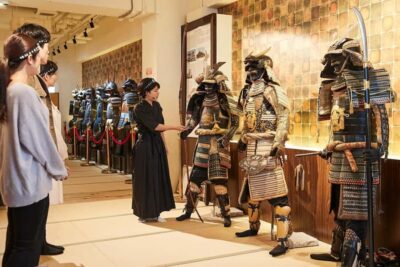 ★ 4.6Samurai Ninja Museum Guided tour and ExperienceFrom $271,010 reviews
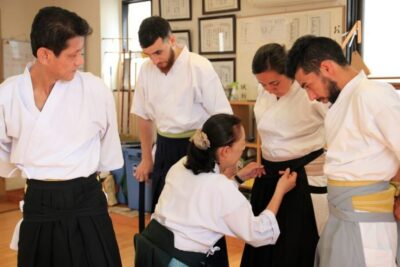 ★ 5.0Samurai Sword & Archery Class from Samurai DescendantFrom $193603 reviews
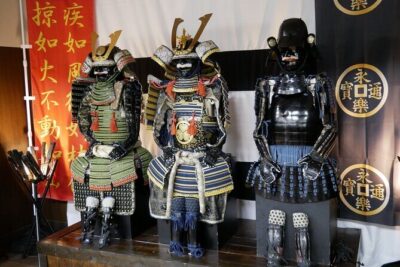 ★ 5.0Best Samurai Experience in TokyoFrom $65458 reviews
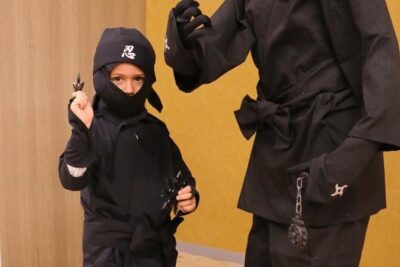 ★ 5.0Ninja Experience (Family Friendly) at Samurai Ninja Museum TOKYOFrom $47441 reviews
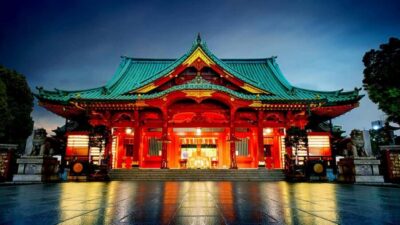 ★ 4.6Samurai Entertainment Night Show in Kanda ShrineFrom $41417 reviews
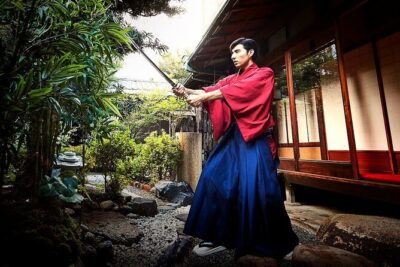 ★ 5.0Tokyo Sword Experience – includes Museum Ticket/Ninja ExperienceFrom $84314 reviews
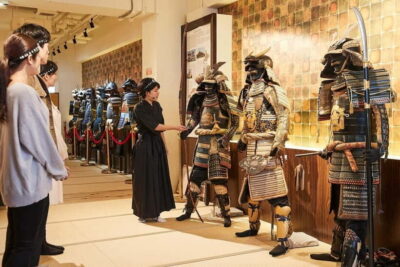 ★ 4.8Samurai Ninja Museum Asakusa: Samurai Sword Lesson & TourFrom $63306 reviews
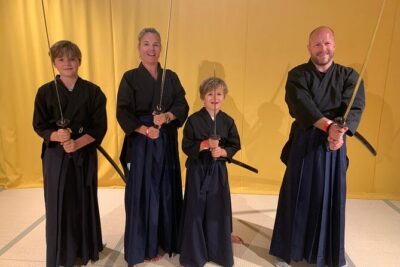 ★ 5.0Samurai Sword Experience (Family Friendly)at SAMURAI MUSEUM TOKYOFrom $65168 reviews
Browse the lists this tour appears in