
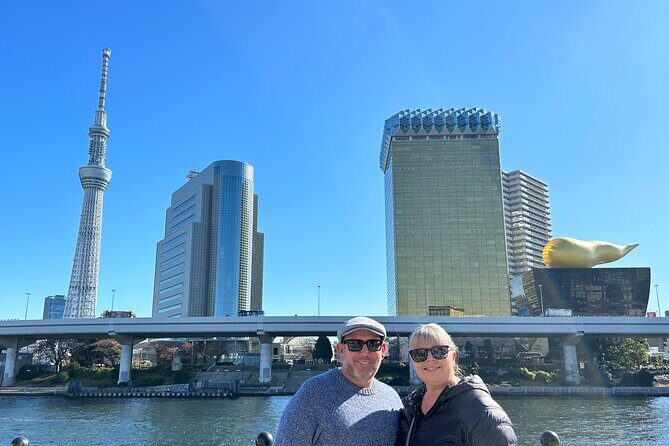
Reviewed · SHIBUYA TOURS
Tokyo Private Tour: One Day Highlights and Optional Shibuya Sky
Tokyo in one packed day can work.
This private highlights tour strings together three of the most different Tokyo neighborhoods—Asakusa, Shibuya, and Harajuku—so you get variety without spending hours figuring things out. I like the English-speaking guide who keeps the day organized, and I like that Shibuya Sky is built in for real, high-up views. One watch-out: it’s still a full 7-hour walking + train day, and Shibuya Sky experiences can be weather-sensitive (especially the outdoor area).
The day starts with culture and history, then flips to big-city crowds, and ends with a shrine visit plus street-level trend watching. In the past, guides like Rie, Keita, and Takeshi have been praised for handling practical details and tailoring the pace to what the group wants. If you prefer a slow, deep temple day or zero crowds, you may find Shibuya a bit intense.
You’ll get hotel pickup and drop-off (in Tokyo’s 23 wards), go by public transit, and keep moving with a small group. It’s a strong choice for first-timers who want a high-quality overview that you can build on later.
In This Review
- Key Things to Know About This Tokyo Private Tour
- Asakusa Culture Center First: a smart start in the right neighborhood
- Kaminarimon and Nakamise Street: your first taste of Asakusa’s rhythm
- Senso-ji Temple and Asakusa Shrine: what to watch beyond the postcard
- Sumida Park and Tokyo Skytree views: take a breather near the river
- Shibuya Sky: skyline views with real timing stakes
- Shibuya Crossing and Hachiko: the crowd scene you should understand
- Meiji Jingu Shrine: the calm pocket right next to the chaos
- Takeshita Street: a little fashion fun before the day ends
- Why the private guide + public transit combo works
- Price and value: what $178.38 per person really buys you
- How fit do you need to be for a 7-hour highlights loop?
- Best fit: who this day tour is perfect for
- Should you book? My straight answer
- FAQ
- What time does the tour start?
- How long is the tour?
- Is Shibuya Sky included, or is it optional?
- Do I need to pay for food during the tour?
- Does the tour include a hotel pickup and drop-off?
- How do we get around during the tour?
- How big is the group?
- What kind of guide support do you get?
- Is cancellation free?
Key Things to Know About This Tokyo Private Tour
- Kengo Kuma-designed Asakusa Culture Tourist Information Center kicks things off with easy local orientation
- Senso-ji + Kaminarimon give you the classic temple approach and street vibe in the same loop
- Shibuya Sky at about 230 meters adds skyline views to the Shibuya Crossing photo moment
- Meiji Jingu’s forested calm contrasts nicely with Harajuku’s teen-fashion energy
- Up to 10 people keeps it private-feeling even if you’re not booking solo
More to do within sight of the Crossing
- Official Street Go-Kart in Shibuya★ 5.0 · 3,435 reviews
- Tokyo: Street Kart Experience in Shibuya★ 4.9 · 1,484 reviews
- Shibuya Meltdown Nightlife Tour: All-You-Can-Drink Bar Hopping★ 5.0 · 1,058 reviews
Asakusa Culture Center First: a smart start in the right neighborhood
The morning begins in Asakusa, a neighborhood that’s built for wandering. You’ll start at the Asakusa Culture Tourist Information Center, designed by architect Kengo Kuma. This stop isn’t just a place to grab directions—it’s also a modern landmark in an area that’s otherwise known for older streets and temple scenery.
I like this kind of start because it helps you get your bearings fast. You’re not just dropped into the chaos of a tourist zone with no plan. And with pickup and transit included, you skip the early-day friction that can eat your energy before the fun even starts.
Expect a short time here, then you roll right into the classic temple approach.
Kaminarimon and Nakamise Street: your first taste of Asakusa’s rhythm
From there you walk through Kaminarimon (Thunder Gate), the outer gate that signals you’re heading into the Senso-ji area. It’s one of those Tokyo scenes that feels both old and very alive—people streaming in, snacks and souvenirs along the way, and constant photo-taking.
Right after, you’ll move through Nakamise Shopping Street, the long market lane leading toward the temple grounds. This is a good spot to buy small gifts, try a snack if you want one, and just watch the flow of pedestrians. The vibe is busy, but it’s orderly enough that you can enjoy it without feeling lost.
A practical tip: wear shoes you trust. This area is packed with foot traffic, and later you’ll do more walking and transit too.
Senso-ji Temple and Asakusa Shrine: what to watch beyond the postcard
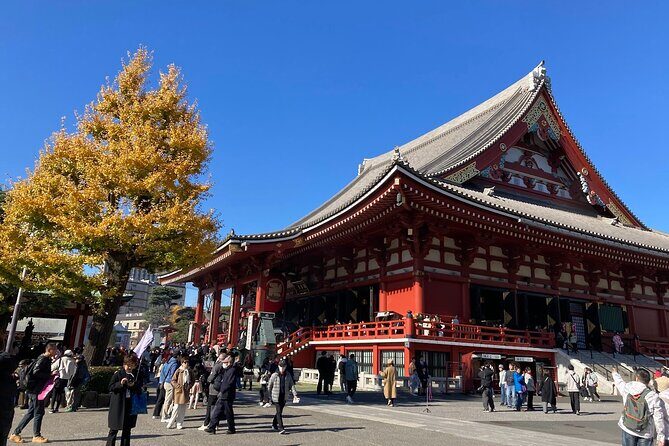
Now you’re at Senso-ji Temple, officially known as Sensō-ji, also called Asakusa Kannon Temple. It’s one of Tokyo’s most popular Buddhist temples, and the crowd energy is part of the experience.
What I think makes this stop worth your time is that it’s not only architecture—it’s ritual. As you look around, notice how people behave: where they pause, how they enter the space, and how they move through the temple area. A good guide helps you read what you’re seeing, not just recite facts.
Close by is Asakusa Jinja Shrine, a Shinto shrine near the Buddhist temple. Seeing both in one day is useful because Tokyo often blends traditions in tight physical proximity. It’s a reminder that religion here isn’t only museums and history—it’s still practiced.
If you have photos on your list, you’ll likely leave with them. If you don’t, you’ll still have something valuable: context for why the neighborhood looks the way it does.
Sumida Park and Tokyo Skytree views: take a breather near the river
After the temple stops, you head to Sumida Park along the Sumida River. This is a quieter break where you can slow down, feel the river breeze, and enjoy views of Tokyo Skytree without tall buildings blocking your line of sight.
This is more than a scenic pause. It helps you reset for the afternoon jump to Shibuya. If you’ve got a tendency to get temple-fatigue, this stop gives you a chance to breathe and recharge with a different kind of Tokyo view.
Think of it as the day’s gentle inhale.
More private options with your own guide


Shibuya Sky: skyline views with real timing stakes
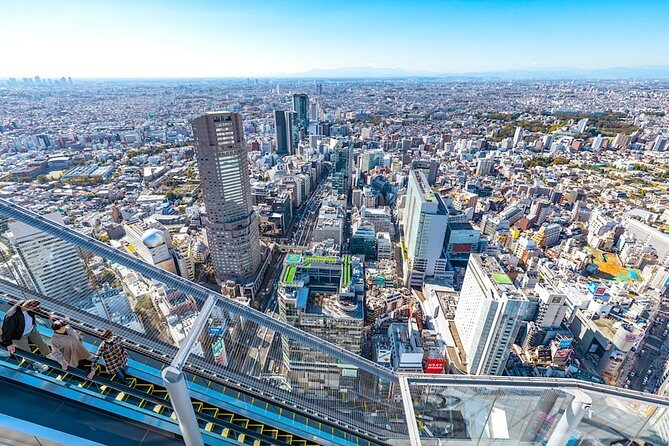
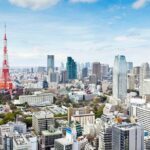
Next comes Shibuya, and the tour includes Shibuya Sky. It’s listed at about 230 meters above ground and is one of Shibuya’s newest landmarks. You’ll have time to enjoy the views from the sky-high observation space, including the well-known Sky Edge area where you look down toward the city below.
The key thing to know is that weather can change the experience. On at least one past day, the outdoor area was closed due to high wind, which can be frustrating if you’re counting on a specific photo spot. If you’re booking this as your main Tokyo skyline moment, I’d stay flexible. Indoors or outdoors, you’ll still get a strong sense of the city’s scale, but the exact vibe can shift.
Shibuya Sky is also a useful counterweight to the Crossing chaos. You get height, a wider angle, and a chance to see how the city layers work.
Shibuya Crossing and Hachiko: the crowd scene you should understand
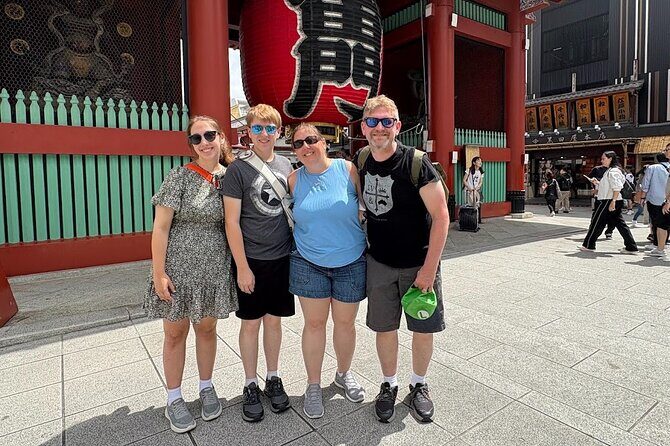
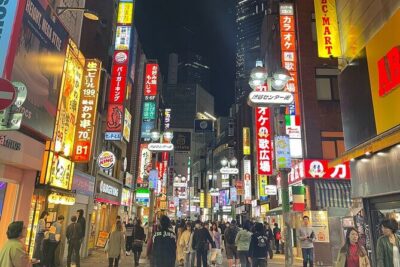
After the views, you step into the street-level legend: Shibuya Crossing. The numbers are wild—up to 500,000 people per day, and at peak times about 3,000 people can cross on one green light.
Even if you’ve seen it in films, it’s different in person. It’s not just big crowds. It’s choreography—signals, waves of people moving in different directions, and the moment when the whole intersection switches from stopped to go.
Then you’ll stop at Hachiko, the bronze dog statue in front of Shibuya Crossing. It’s a classic meet-up point, and it anchors the Crossing area with a local story. If you want something more than a photo, use this moment to connect the famous statue to the neighborhood’s everyday life.
This is where the tour’s “private” part helps. When you’re with a guide, you’re less likely to wander into a bad spot for photos or lose time trying to re-find the group.
Meiji Jingu Shrine: the calm pocket right next to the chaos
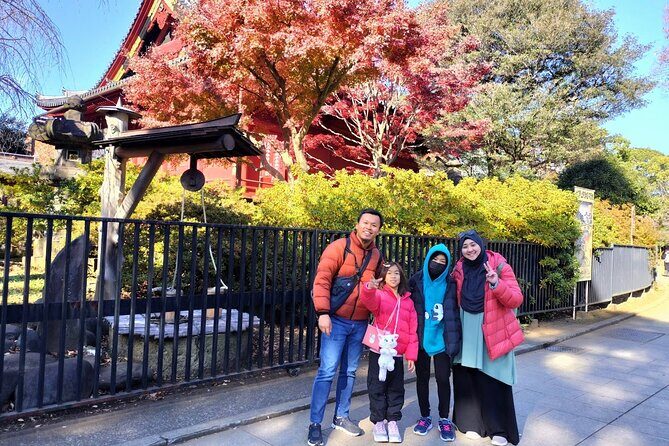
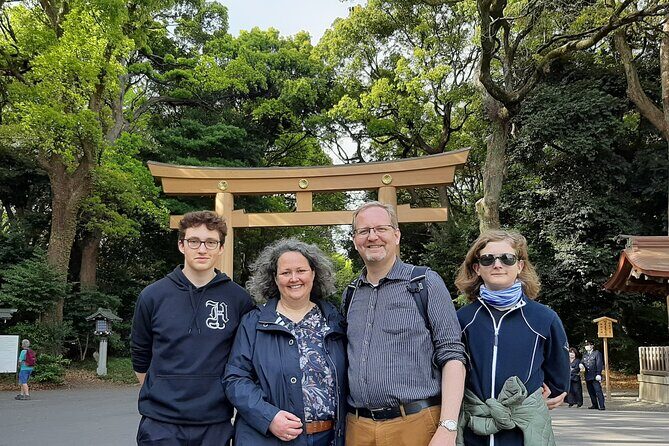
After Shibuya, the tour shifts gears to Meiji Jingu Shrine, a shrine dedicated to the deified spirits of Emperor Meiji and Empress Shoken. It sits by Harajuku and is reached near the JR Yamanote line’s busiest artery, which makes the contrast even better.
Plan for a longer stop here than you might expect, because the grounds are the point. You’ll feel like you walked into a quieter Tokyo world—trees, walking paths, and a different rhythm of footsteps compared with Shibuya.
If you’ve ever wondered how Tokyo can feel both futuristic and old-school calm, this stop is one of the cleanest answers.
Takeshita Street: a little fashion fun before the day ends
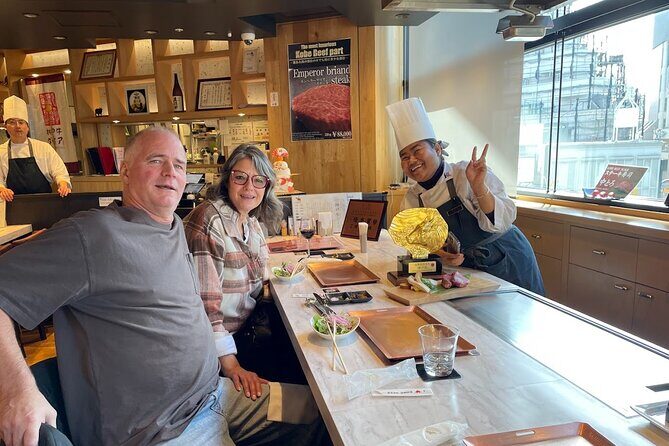
Finally, you reach Takeshita Street, a trend-focused strip about 350 meters long near Harajuku Station. This is the “street style” Tokyo moment: fashion, accessories, snack stalls, and people watching.
It’s short, but it’s a lot of energy. If you want souvenirs, a quick snack, or just to see what’s popular right now, this is a fun way to close the day.
Keep expectations realistic: this part of the day is more about vibe than quiet reflection. But in a one-day highlights tour, that mix is exactly the point.
Why the private guide + public transit combo works
This tour uses public transportation, not private cars. That’s not a downgrade—it’s often the smart way to move in Tokyo. Roads get clogged, and parking costs time and money. Trains and subways keep you on schedule.
Your English-speaking guide handles routing and timing, so you’re not stuck translating station signs at the height of the day. Several guide comments in feedback point to how helpful they are with navigation—sharing how to calculate fares and use the metro—so you can repeat the route later.
Group size is capped at 10, and it’s genuinely private in the sense that it’s only your group. That matters, because you can move at your pace. One day, Tokyo demands patience. A guide helps you spend patience on people and places, not on confusion.
Price and value: what $178.38 per person really buys you
At $178.38 per person, this tour isn’t cheap in the absolute sense. But it’s positioned as a bundle.
Here’s what the price covers based on what’s included:
- an English-speaking guide
- hotel pickup and drop-off within Tokyo’s 23 wards
- public transportation
- all fees and taxes
- Shibuya Sky admission included
- photos of tour participants
- a mobile ticket
What’s not included is the big variable: food and drinks. You’ll pay for lunch and snacks on your own, so budget that separately.
I think the best value angle is the combination of pickup + transit + Shibuya Sky ticket. If you were to do Asakusa, Shibuya, and Harajuku on your own, you’d still spend time paying for tickets, figuring out transport, and wrestling the timing of Shibuya Sky with the rest of the day. This tour reduces those friction costs.
If your group includes two or more people, it can feel even better because you’re buying a guide’s problem-solving, not just company.
How fit do you need to be for a 7-hour highlights loop?
The tour calls for moderate physical fitness. That’s honest. You’ll be on your feet for multiple stops, walking through market streets, and moving between neighborhoods.
The good news: the day is structured so you’re not sprinting from one thing to another with no breaks. There are short stops for gates and shrines, a river pause at Sumida Park, and a skyline block at Shibuya Sky.
Still, bring a plan:
- expect standing in crowds at the Crossing
- expect uneven foot traffic on shopping streets
- bring water, especially in warm weather
Also, note that the day includes temple and shrine areas, which can mean some time outdoors even if the interiors are limited.
Best fit: who this day tour is perfect for
This tour is ideal if you:
- are in Tokyo for the first time and want a fast, high-quality overview
- like mixing classic Asakusa temples with modern Shibuya energy
- want a guide who handles logistics so you can focus on sightseeing
- want Shibuya Sky included without having to schedule it yourself
It’s also a good fit for families who want one organized day, as long as everyone can handle walking. If you prefer deep, slow museum-style pacing, you might find the schedule brisk—but you’ll still come away with a strong sense of what Tokyo neighborhoods feel like.
Should you book? My straight answer
I’d book this tour if your goal is one day, many iconic stops, and minimal stress. The value comes from combining hotel pickup, guided navigation, and Shibuya Sky access with the rest of the city highlights.
I’d think twice if you:
- hate crowds and can’t tolerate the Shibuya Crossing buzz
- want lots of free time with no agenda
- need a fully guaranteed outdoor Shibuya Sky experience, regardless of wind
If you’re flexible and your feet are ready, this is a practical way to turn a single day into a Tokyo memory worth building on.
FAQ
What time does the tour start?
It starts at 9:30am.
How long is the tour?
The duration is about 7 hours.
Is Shibuya Sky included, or is it optional?
The itinerary includes Shibuya Sky and the admission ticket is listed as included.
Do I need to pay for food during the tour?
Food and drinks are not included, so you’ll buy lunch and any snacks yourself.
Does the tour include a hotel pickup and drop-off?
Yes, there is hotel pick up & drop off in the 23 wards of Tokyo.
How do we get around during the tour?
The tour uses public transportation, with an English-speaking guide helping you move between areas.
How big is the group?
The tour is limited to a maximum of 10 people per booking, and it’s a private tour/activity for your group.
What kind of guide support do you get?
You’ll have an English speaking guide.
Is cancellation free?
Yes. You can cancel up to 24 hours in advance for a full refund.
More Tours in Tokyo




More Tour Reviews in Tokyo




Still in Shibuya? Keep Going




Fresh reviews from around Tokyo






Shibuya Tours, compared.
 ★ 5.0Official Street Go-Kart in ShibuyaFrom $763,435 reviews
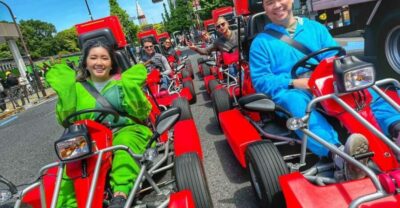 ★ 4.9Street Kart Experience in ShibuyaFrom $741,484 reviews
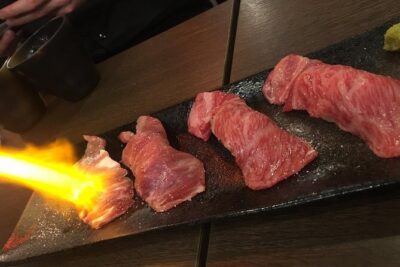 ★ 5.0Shibuya Meltdown Nightlife Tour: All-You-Can-Drink Bar HoppingFrom $1061,058 reviews
 ★ 5.0Shibuya Official Street Go-Kart in Shibuya AnnexFrom $69972 reviews
 ★ 5.0Shibuya Food Tour (13 dishes and 4 Eateries)From $77770 reviews
 ★ 5.0Best of Shibuya Food TourFrom $217612 reviews
 ★ 4.8Shibuya Highlights Walking TourFrom $19601 reviews
 ★ 4.7Premium Go-Kart Tour with Tower & Shibuya CrossingFrom $116528 reviews
Browse the lists this tour appears in