
Reviewed · GUIDED
Tokyo: Private Shinto Shrines Tour by Car with Local Guide
Spiritual Tokyo, minus the guesswork. This private, half-day drive connects you to four major Shinto shrines without the stress of route planning, transit hassles, or figuring out what matters at each stop.
You’ll also get door-to-door hotel pickup, plus an English-speaking local guide who explains what you’re seeing and how to pray the Shinto way.
I especially liked the clear, practical guidance on shrine etiquette and the way the guide helped with goshuin (sacred stamps) so you leave with a real keepsake, not just photos.
The one thing to watch is that lunch isn’t included, so you’ll want to plan a meal gap before or after the tour.
In This Review
- Key Points at a Glance
- Why This Private Shrine Tour Feels Effortless in Tokyo
- Meiji Shrine: The Calm Start That Resets Your Tokyo Day
- Hie Shrine and Its Red Torii Path for Fortune and Relationships
- Tokyo Daijingu: A Love Shrine Stop That Feels Direct
- Kanda Myojin: Business Blessings for the Tech-Minded and Entrepreneurs
- The Koami Jinja Bonus: Protection and Good Luck If Time Allows
- Goshuin Stamps and Ritual Etiquette You Can Reuse
- Timing and Comfort: What Half a Day Usually Means
- Price and Value for a Group of Up to 3
- Who This Tour Suits Best
- A Note on Guide Style and Flexibility
- Should You Book This Tokyo Private Shrine Tour?
- FAQ
- Which shrines are included in the tour?
- Is this tour private, and do I get hotel pickup?
- Does the guide help with goshuin stamps?
- What languages will the guide use?
- Can the itinerary be adjusted for extra places?
- Is lunch included?
Key Points at a Glance
- Four top shrines in about half a day, including Meiji Shrine and Kanda Myojin
- English-speaking local guide who teaches proper Shinto prayer steps
- Goshuin stamp help, including assistance collecting stamps for your book
- Private hotel pickup and A/C car, so you can take it at your pace
- Optional Koami Jinja for good luck and protection lore if time allows
- Flexible routing, and one guide (Oishi) can sometimes accommodate add-ons like Asakusa Shrine if there’s room
More days made easy by a guide
- Tokyo 6hr Private Tour with Government-Licensed Guide★ 5.0 · 3,902 reviews
- Tokyo: Shinjuku Local Bar and Izakaya Guided Walking Tour★ 4.9 · 1,794 reviews
- Tokyo: Private City Highlights Tour with Local Guide★ 4.8 · 1,433 reviews
Why This Private Shrine Tour Feels Effortless in Tokyo
Tokyo’s shrines are easy to find on a map. What’s harder is knowing what to do once you’re there, and how to string several major sites together without burning your morning. This tour solves that with a private car and a plan that hits the spiritual “why” behind each stop.
What makes it work for you is the pacing. Four shrines in roughly half a day is ambitious, but private transport cuts the dead time between locations. You’re not stuck waiting for trains or squeezing into crowded buses with a tight itinerary. And because the guide is there, you spend more time inside the atmosphere—less time figuring out entrances, customs, and order of prayer.
One more practical win: this is a real guided experience, not a drop-and-go. The guide handles the information you’d normally hunt for on your phone, and gives you the kind of quick cultural context that makes the ritual feel understandable rather than confusing.
Meiji Shrine: The Calm Start That Resets Your Tokyo Day
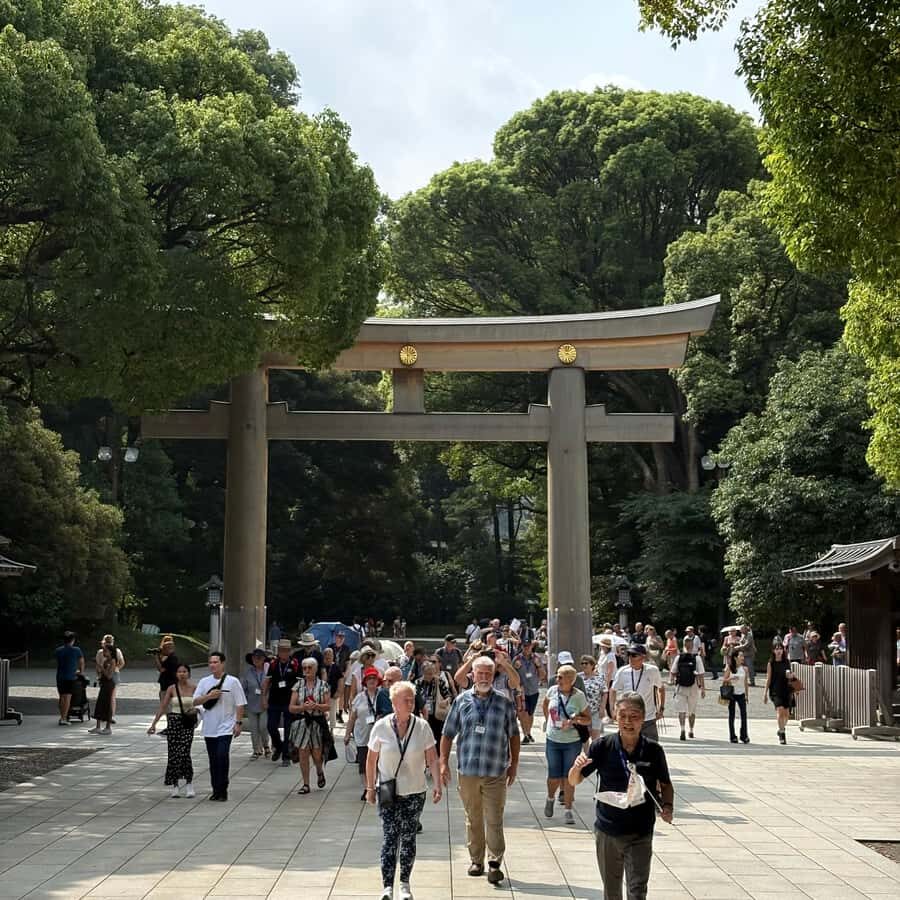
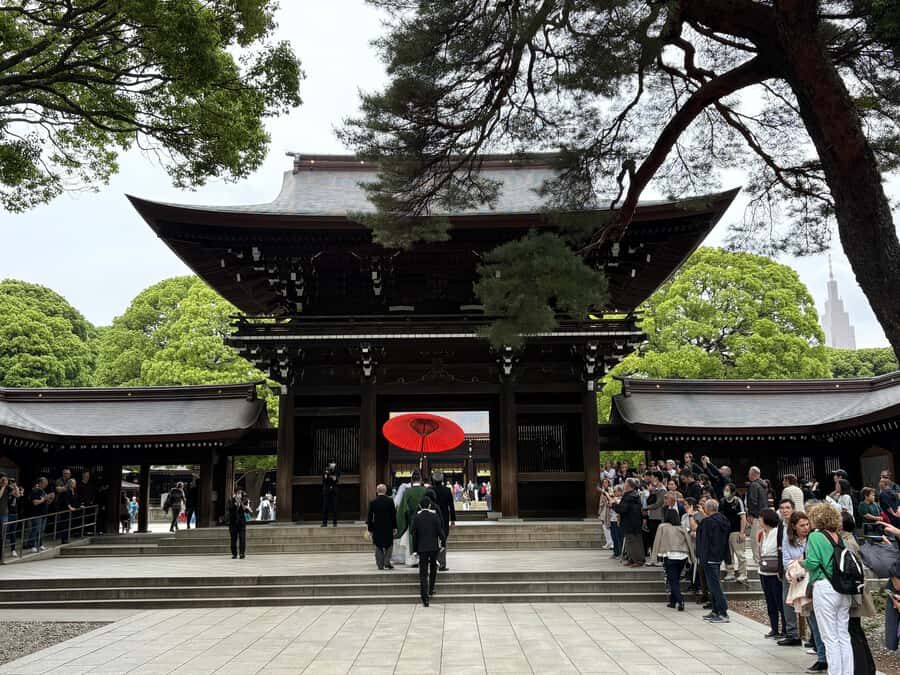
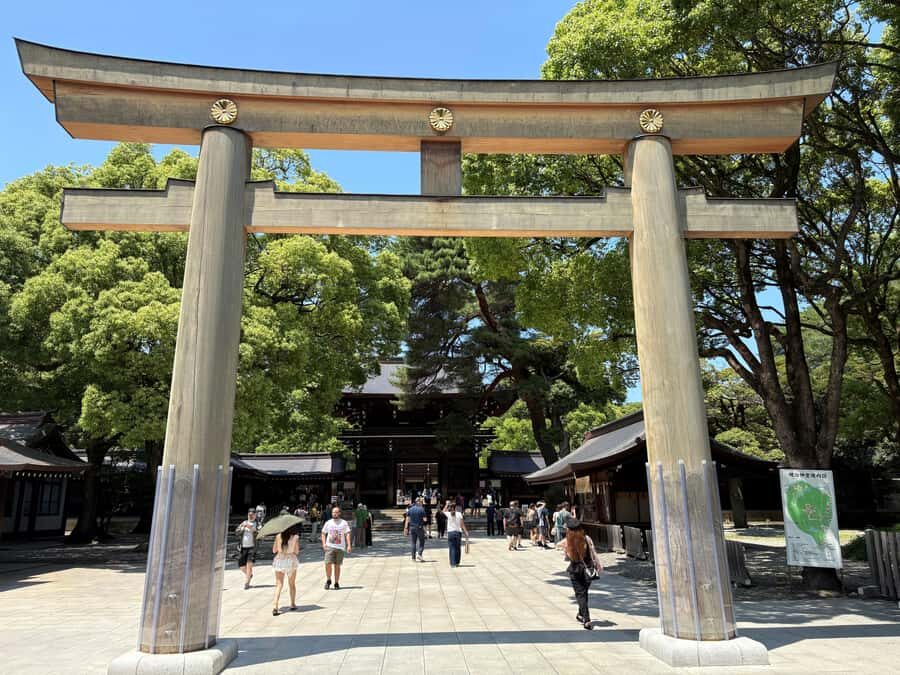
Most people start Tokyo with neighborhoods and neon. Starting with Meiji Shrine is a different kind of reset. It’s set in a forested area right in the city, so the first effect is physical: the noise drops, the air feels cooler, and your mind slows down.
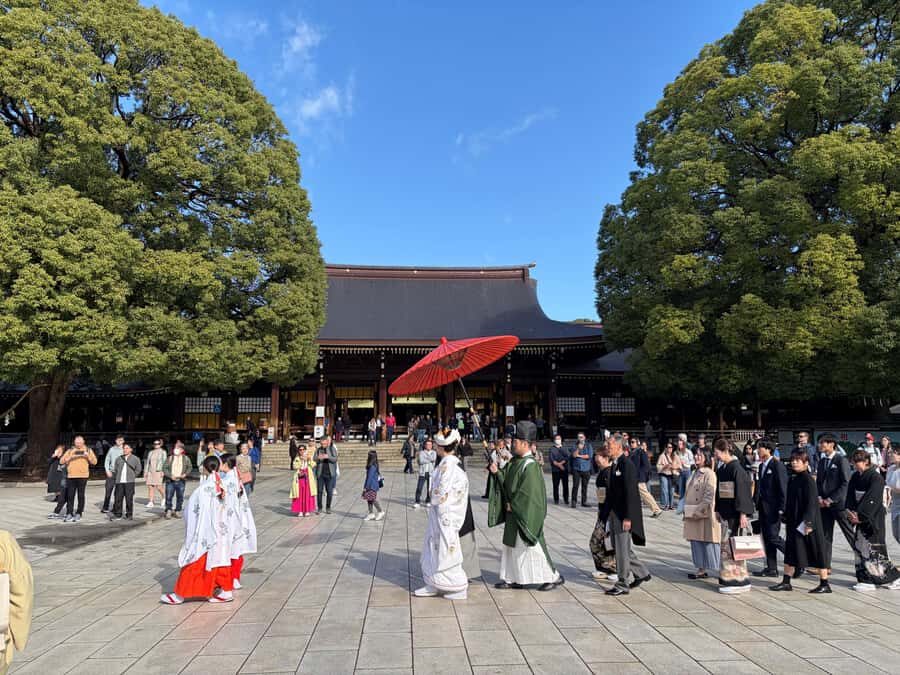
Meiji Shrine is closely tied to Emperor Meiji, and that matters because Shinto shrines often connect more to spirit, gratitude, and respect than to a single “thing” you want to see. The guide’s job here is to make the ritual meaningful. You’ll learn what’s appropriate to do at key points and what you’re actually participating in when you pray.
Even if you’re not a deep-into-religion traveler, you’ll appreciate the logic of the place. This is the kind of shrine where you can stand for a few minutes and feel the shift from city mode to calm mode. If your schedule has you stressed, this is a great first stop because it sets your tone for the rest of the tour.
Practical note: you’ll want comfortable shoes, because shrine grounds involve walking and standing even when the distances feel short.
Hie Shrine and Its Red Torii Path for Fortune and Relationships
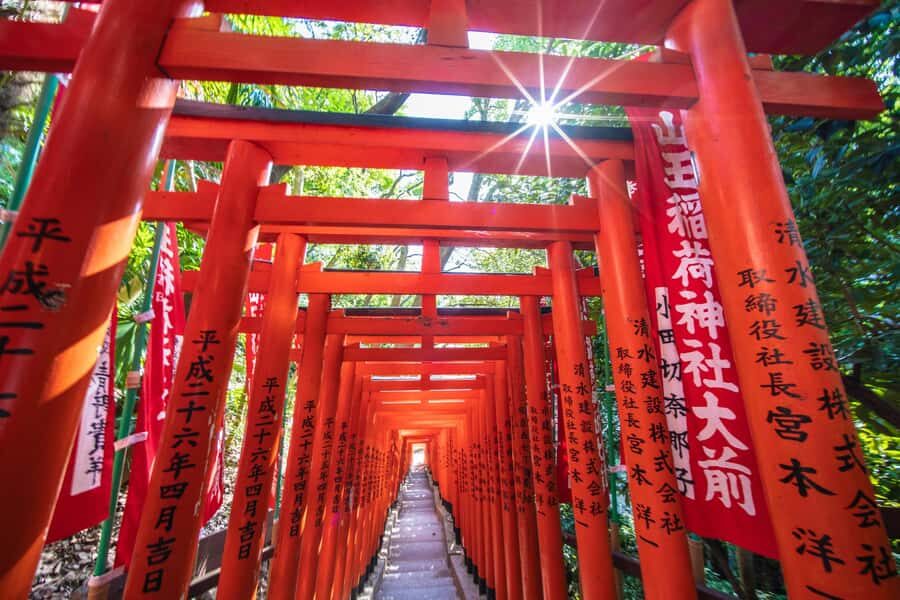
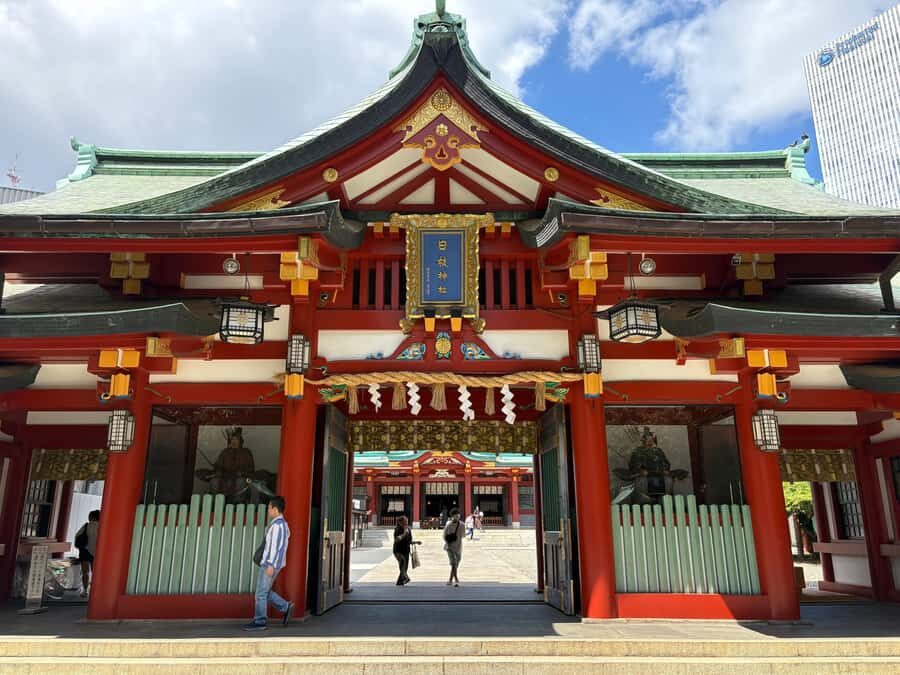
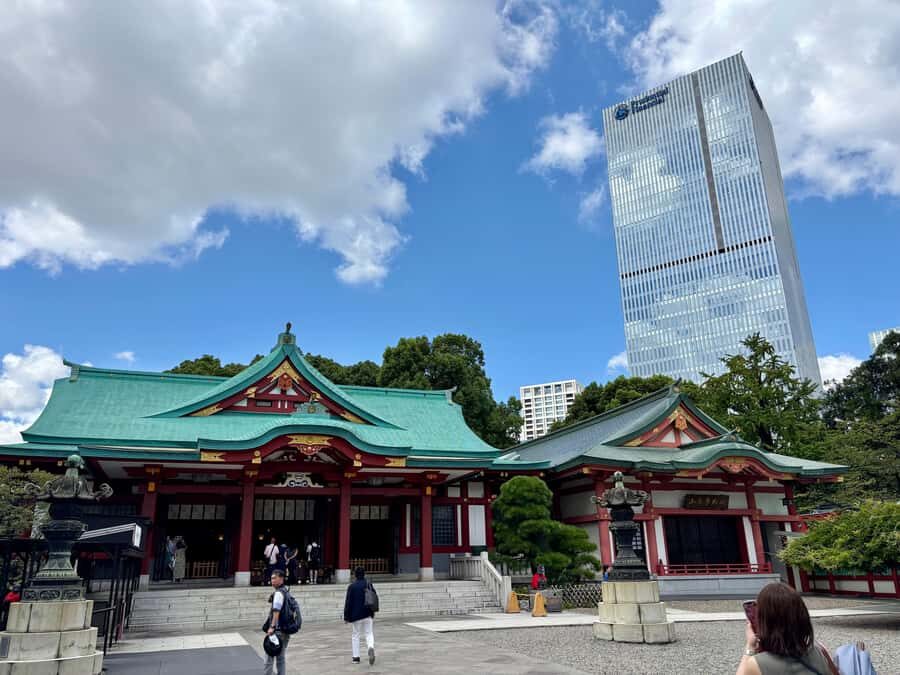
Next you’ll go to Hie Shrine, known for its striking tunnel of red torii gates. It’s an iconic Tokyo sight, but what’s more valuable is how the guide frames the experience beyond “look at the gates.”
Torii gates are part of how Shinto marks sacred space, and the tunnel effect works like a visual rhythm—step forward, notice the color, keep moving, and let the environment do some of the work for you. It’s also where the tour’s theme of blessings becomes tangible. Hie Shrine is especially associated with good fortune and lasting relationships, so your visit can feel purposeful rather than just scenic.
If you like to know what to ask for before you get to the prayer area, you’ll benefit here. The guide’s explanations help you connect the emotional side (love, stability, staying power) to the cultural practice (the way people show respect and make wishes).
Possible drawback: this stop can feel visually intense because there’s so much to notice. If you prefer quiet, slow photography and long pauses, ask your guide to keep your pace gentle.
Tokyo Daijingu: A Love Shrine Stop That Feels Direct
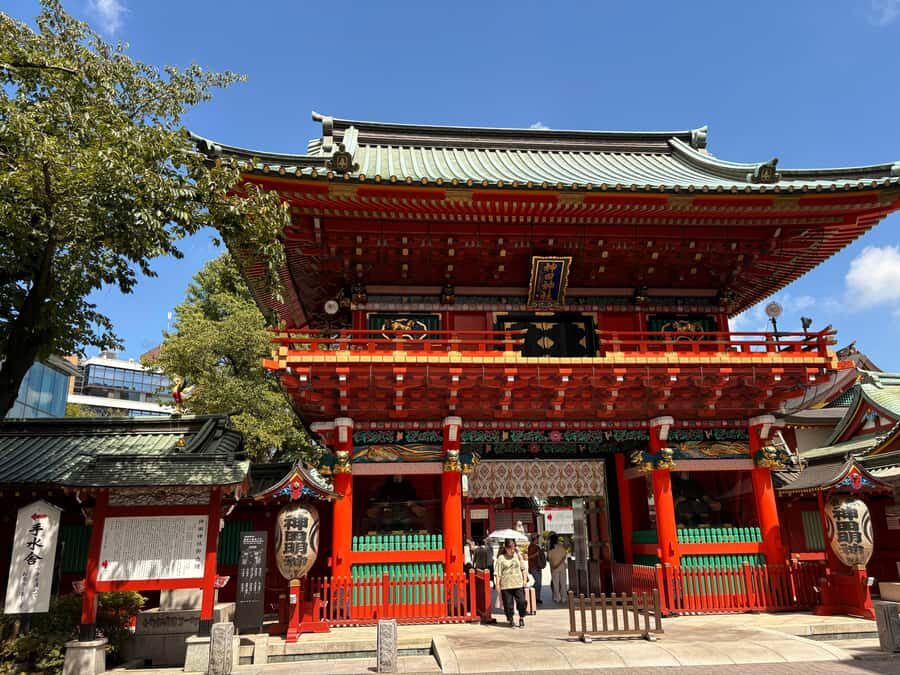
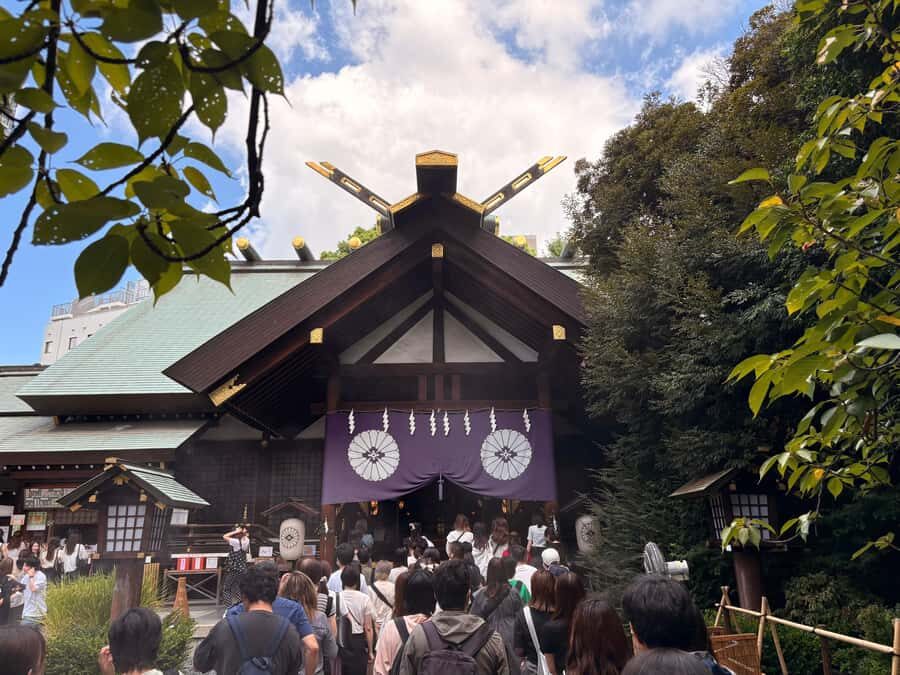
From Hie’s red-gate drama, you’ll head to Tokyo Daijingu, one of Japan’s top shrines associated with romantic happiness. This is the part of the tour that’s easiest to “use” emotionally: you’re not only seeing Shinto tradition—you’re also visiting a place people come to for relationship hopes.
What I like about this stop is the clarity of the purpose. Love shrines can sometimes feel vague, like you’re supposed to pray for something generic and hope for the best. Here, the association is specific enough that you can show up with a clear intention. The guide also helps you understand proper ritual etiquette so you don’t feel awkward about when to bow, where to stand, or what to do with your hands and prayers.
If you’re traveling as a couple, this is often the stop that clicks most. But it also works well for solo travelers who want a personal “reset” around their feelings, their future, or their commitment to their own path.
One thing to keep in mind: prayer spaces are living spaces with real worshippers. That means you’ll want to keep your movements light and follow your guide’s direction. If you do, the whole experience feels respectful, not performative.
More private options with your own guide



Kanda Myojin: Business Blessings for the Tech-Minded and Entrepreneurs
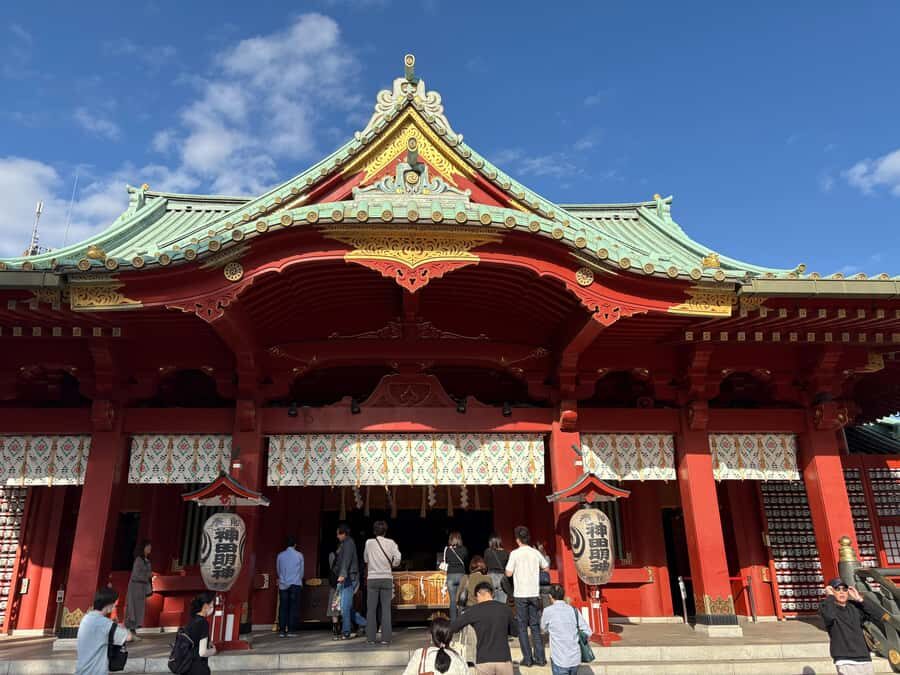
Then you’ll end at Kanda Myojin, a shrine known for blessings sought by entrepreneurs and tech innovators. That detail makes a difference. A lot of visitors come to shrines for romance or luck, but fewer connect the energy to work, protection, and future stability.
Kanda Myojin is often the most lively-feeling stop on the route because people show up with real-world goals: business luck, protection, and confidence for what comes next. The guide’s explanations help you focus your visit. Instead of treating it like a checklist, you’ll understand what the shrine’s reputation is pointing toward.
I also appreciate that this stop brings the tour back to modern life. Tokyo can feel like a machine—fast schedules, deadlines, constant motion. Visiting a shrine that’s associated with business and tech makes the spiritual side feel grounded, not out of touch.
If you’re the type who likes structured intentions—something like: protect my work, support my next step, and bring steady opportunities—this is a powerful place to do it.
The Koami Jinja Bonus: Protection and Good Luck If Time Allows
If your schedule has room, you may stop by Koami Jinja, a smaller shrine famous for good luck and protection. The lore is intense: it survived earthquakes and wartime bombings, so people often believe it has strong protective power.
This is the kind of add-on that makes the tour feel more personal. Instead of simply ticking off famous landmarks, you get a chance to add a “protective” layer to your overall visit. It can also be a nice contrast—after bigger, more famous shrines, a smaller site can feel more intimate and easier to slow down in.
Keep expectations realistic: Koami Jinja is only if time permits. The guide’s flexible pacing matters here. If you’ve had a packed schedule already, it’s worth asking whether you want more time at the big four shrines or if the Koami detour would make your day feel more complete.
Goshuin Stamps and Ritual Etiquette You Can Reuse
The best souvenirs from shrines are often the ones that come with a story you actually understand. That’s where goshuin shine. This tour includes assistance collecting sacred stamps, which means you’re not just wandering around hoping you find the right place.
A guide-led goshuin moment is helpful because the stamp process isn’t complicated, but it does have etiquette. Your guide can tell you what to do, when to step forward, and how to handle your stamp book respectfully. That alone makes the experience feel smoother.
One extra detail I found useful: there’s mention of a stamp book keepsake where you can get stamps for all the shrines for around 500 yen. Since the tour provides stamp assistance, you can plan your budget for this keepsake without stressing about missing the moment.
Even if you’re not collecting stamps normally, this tour is a good introduction. You’ll learn what goshuin are, why people treat them as meaningful, and how they fit into the shrine visit.
Timing and Comfort: What Half a Day Usually Means
This tour is designed as a half-day plan, and private car transport is the key to making that work in Tokyo. The driver and guide handle travel between sites, while you focus on the ritual and the atmosphere.
With hotel pickup and drop-off, you also reduce friction. You’re not losing time to taxis from the nearest station or trying to coordinate timing with public transport. And the A/C vehicle matters, especially when Tokyo weather gets hot or humid.
Walking time is real, though. Shrine grounds involve foot movement and quiet waiting. If you’re the sort of traveler who can’t stand still for more than a few minutes, tell your guide early. You’ll likely get better results if the guide understands your comfort level.
Also, the tour is flexible to your pace and interests. That means you’re not locked into robotic timing at every stop. It’s still structured around four shrines, but your guide can adapt how you experience them.
Price and Value for a Group of Up to 3
At $248 per group up to 3, this isn’t a budget deal in the classic sense. But it can be good value, especially if you care about comfort and guidance.
Here’s how I’d think about the math:
- You’re paying for private transportation (A/C car plus tolls, parking, fuel) rather than sharing transit time with strangers.
- You’re also paying for an English-speaking guide, which adds real interpretive value. Knowing what to do during prayer isn’t just “nice”—it changes how you feel in the space.
- Hotel pickup and drop-off add convenience that you’d otherwise pay for in taxis, plus the time you’d lose figuring logistics.
If you’re traveling solo, the price is higher per person than a group tour. If you’re splitting costs with two others, the value often feels more reasonable because the private car doesn’t scale like a per-person admission-only experience.
One cost detail to plan around: lunch isn’t included. That’s not a surprise, but it does affect how you schedule the day. Decide where you’ll eat beforehand or after. Many people will want to eat near a convenient transit hub once the tour ends.
Who This Tour Suits Best
This tour fits well if you:
- Want major Shinto sites in a short time without DIY stress
- Like cultural context and proper ritual etiquette
- Care about leaving with a tangible keepsake like goshuin
- Travel with someone who appreciates spirituality but might get impatient with unclear instructions
It’s also a strong choice for travelers who prefer comfort and efficiency. Private transport plus hotel pickup is ideal if you’re carrying luggage, tired from another part of Tokyo, or trying to fit spirituality into a “real itinerary.”
If you already know shrine etiquette well and enjoy planning on your own, you might find a self-guided day works too. But for many visitors, the guide and the private car are what turn a good idea into a smooth day.
A Note on Guide Style and Flexibility
The tour runs with a local provider, O2 Japan Travel, and a guide named Oishi is specifically mentioned in the experience details you shared. Oishi is described as professional and accommodating, including helping with shrine protocols and working with requests outside the original plan when there was time.
That kind of flexibility matters more than people expect. Tokyo is full of “I wish we had time for…” moments. When your guide can adjust a route or add a stop like Asakusa Shrine, the day feels more like it belongs to you rather than the tour.
There’s also a mention of Oishi pointing out highlights and even bringing the group to a good sushi restaurant after the shrines. That’s not the core of the tour, but it’s a useful bonus if you want someone to help you land your next meal without hunting.
Should You Book This Tokyo Private Shrine Tour?
I’d book it if you want Tokyo’s spiritual side with minimal friction. The biggest selling points are the private car with hotel pickup and the English-speaking guide who helps you do the rituals the right way. That combination makes the shrines feel respectful, understandable, and worth the time.
I’d think twice if you’re determined to do everything on your own, or if you hate any schedule at all. Also plan for the fact that lunch isn’t included, so you’ll need a meal plan.
If you’re traveling as a group of up to three, the price can feel especially sensible because you’re paying for privacy, comfort, and guidance—not just tickets to a few famous places.
If your goal is good fortune, love wishes, protection energy, and a clear cultural experience in half a day, this tour is built for exactly that.
FAQ
Which shrines are included in the tour?
The tour visits Meiji Shrine, Hie Shrine, Tokyo Daijingu, and Kanda Myojin. Koami Jinja may be added if there is time.
Is this tour private, and do I get hotel pickup?
Yes. It’s a private guided tour by car with hotel pickup and drop-off.
Does the guide help with goshuin stamps?
Yes. Goshuin (sacred stamps) collection assistance is included.
What languages will the guide use?
The tour provides an English-speaking guide (languages listed as Japanese and English).
Can the itinerary be adjusted for extra places?
The itinerary is described as flexible to your pace and interests. In one experience, the guide Oishi accommodated a request to visit Asakusa Shrine even though it wasn’t part of the original plan.
Is lunch included?
No. Lunch is not included. You’ll want to plan a meal before or after the tour.
Easier with a Guide


More Tours in Tokyo




More Tour Reviews in Tokyo




Fresh reviews from around Tokyo






Guided, compared.
 ★ 5.0Tokyo 6hr Private Tour with Government-Licensed GuideFrom $1553,902 reviews
 ★ 4.9Shinjuku Local Bar and Izakaya Guided Walking TourFrom $341,794 reviews
 ★ 4.8Private City Highlights Tour with Local GuideFrom $1061,433 reviews
 ★ 4.9Tsukiji Fish Market Guided Walking TourFrom $221,397 reviews
 ★ 5.0Tokyo 4hr Private Tour with Government-Licensed GuideFrom $1091,394 reviews
 ★ 5.0Tokyo Guided Small-Group Biking TourFrom $1061,250 reviews
 ★ 4.6Samurai Ninja Museum Guided tour and ExperienceFrom $271,010 reviews
 ★ 5.0Tsukiji Fish Market Guided Tour and Sushi Making with Pro ChefFrom $104775 reviews