
Two hours. Two Tokyo moods. This small walk stitches Meiji Jingu calm to Harajuku’s trend-forward streets, so you get a real sense of how Japan can hold old and new in the same breath. It’s not just sightseeing. You’ll also get context for what you’re seeing and how to behave when you’re inside a shrine setting.
I especially like how the tour pays attention to proper Meiji Jingu customs. Guides such as Taka-san and Masa are praised for sharing the right way to visit, which matters when you’re stepping into a Shinto space that has its own rhythm and rules. I also like the Harajuku half for the way it turns street style and snack stops into something you can actually understand, not just snap photos of.
One thing to consider: outside Meiji Jingu, the tour leans more on walking through shopping streets than on deeper modern-Japan analysis. If you’re hoping for lots of extra culture content beyond the shrine, you may wish you had more time—or you’ll want to add your own browsing afterward.
In This Review
- Key things to love about this Meiji-Harajuku route
- Meiji Jingu: how a city shrine visit becomes easy and respectful
- Harajuku on Takeshita Street: fashion, sweets, and the why behind the vibe
- Omotesando Hills finish: where the tour ends and your Tokyo day can spread out
- Price and value: $36 for a fast tradition-and-trend sampler
- Who this tour suits best (and who might want to pair it with more time)
- Meeting point and timing: make it painless at Harajuku Station
- Guides and what their strengths signal
- Should you book this Meiji Shrine to Harajuku tour?
- FAQ
- How long is the Tokyo Pop Culture & Tradition Tour: Meiji Shrine to Harajuku?
- Where is the meeting point?
- What are the main stops on the tour?
- Is food and drinks included in the price?
- What languages are available for the live guide?
- Is the tour wheelchair accessible?
Key things to love about this Meiji-Harajuku route
- Meiji Jingu with guidance that helps you behave respectfully at a shrine
- Harajuku street culture explained in plain terms, not just a photo walk
- Takeshita Street timing that gives you a full hour for fashion and snacks
- Omotesando Hills finish in a calmer, design-forward zone for an easy next stop
- Small time commitment: 2 hours is short enough for first-timers and busy days
More colour: other Harajuku wanders
- Tokyo Go-Kart Tour Shibuya-Harajuku-Shinjuku (*IDP Required)★ 5.0 · 217 reviews
- Tokyo: Guided Go Kart Tour from Harajuku to Shibuya Crossing★ 4.5 · 166 reviews
- Shibuya & Harajuku: Hidden Gems & Highlights Private Tour★ 4.7 · 139 reviews
Meiji Jingu: how a city shrine visit becomes easy and respectful
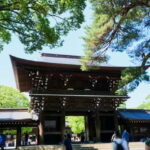
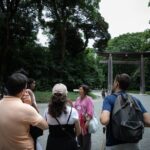
Meiji Jingu is the kind of place you want to experience without rushing. The tour starts you on the shrine grounds, which sit inside a man-made forest—so Tokyo noise drops away fast once you’re under the trees.
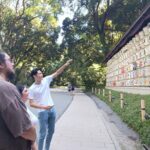
What you’ll do here is mostly simple: a guided visit plus time to look around. But the “simple” part is exactly why this stop works. A good guide can turn a confusing, rule-heavy space into something you feel comfortable doing. In the feedback, Taka-san stood out for sharing proper customs, and that’s the difference between wandering like a tourist and walking like you belong for a moment.
If you’re new to Shinto, this is also where the tour helps. You should expect stories tied to Emperor Meiji and Empress Shoken, plus basic Shinto beliefs and rituals in a way that’s practical for visitors. Think: what you’re seeing, what it means, and how to act. The value here is not only understanding the site. It’s avoiding awkward moments—like not knowing where to look, how to participate (or not), or when to be quiet.
One helpful mindset: Meiji Jingu is not a checklist stop. It’s an atmosphere stop. Even in a 1-hour block, it’s enough time to slow down, read what you can, and notice details like the transition from city streets into an intentionally quiet setting.
Harajuku on Takeshita Street: fashion, sweets, and the why behind the vibe
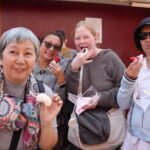
Then you switch gears—hard. Harajuku is where Tokyo lets its hair down, especially around Takeshita Street. This isn’t about “old vs new.” It’s more like “old customs nearby, youth culture on display right now.”
You’ll spend an hour on Takeshita Street with your guide, and you should plan to move at street pace: stop, look, and keep going. This is the zone for youth fashion, kawaii culture, and plenty of street snacks. Because food isn’t included, you’ll be choosing on your own, but the guide’s explanations can help you decide what fits your curiosity and budget.
Kobu is one name that came up with praise, and that matches what this area needs. Harajuku is colorful and chaotic if you don’t have context. A guide can translate what you’re seeing—why certain styles are linked to youth trends, how the street became famous, and why people treat the place like a stage rather than a normal shopping street.
A small practical tip: if you want snacks, don’t plan to eat every thing. Pick one or two items, then go back to browsing. Takeshita Street can be crowded, and if you try to do everything at once, you’ll burn time standing in line or second-guessing what you really wanted.
Also, keep expectations honest. This portion is lively and visual. It’s less about museum-style explanations and more about experiencing the street culture in motion. If that sounds good to you, you’re in the right place.
Omotesando Hills finish: where the tour ends and your Tokyo day can spread out
The walk ends at 表参道ヒルズ (Omotesando Hills), which is a smart ending point. Omotesando is known for a tree-lined avenue feel and modern architecture—so instead of getting deposited into another hyper-crowded lane, you land in a calmer, more structured district.
This matters for your timing. A tour that ends at a place with lots of next options helps you avoid the awkward question of what to do next. After the tour, you can keep exploring, grab coffee, or do designer browsing at your own speed.
If you’re traveling with kids, this ending can work well too because it’s easier to pause and regroup. One review specifically mentioned that kids enjoyed the mix of history and pop culture, and an Omotesando finish is a nice follow-up to the peak chaos of Takeshita Street.
Price and value: $36 for a fast tradition-and-trend sampler
At $36 per person for a 2-hour guided walk, this isn’t priced like a luxury private tour. It’s priced like a targeted experience: one guided shrine visit, one hour for Harajuku street culture, and a finish at a strong shopping/coffee hub.
Here’s how I’d judge the value. You’re paying mainly for two things:
- A guide who can explain what you’re seeing, especially at Meiji Jingu where customs matter.
- Time efficiency in a Tokyo neighborhood that can feel overwhelming if you’re trying to piece it together alone.
Food and drinks aren’t included, so you should budget for at least one snack or drink if you want to eat during Harajuku. That’s normal for this kind of walking tour. The value is that you won’t waste time guessing what’s worth trying—you’ll have your guide’s context while you’re deciding in the moment.
If you’re a first-time visitor, or if your Tokyo schedule is packed, this short duration is a major selling point. Two hours is the kind of plan that fits neatly between train rides, shopping blocks, or other neighborhood visits.
More forest calm at Meiji Shrine

Who this tour suits best (and who might want to pair it with more time)
This tour is a strong match if you want a quick, balanced Tokyo snapshot. It’s especially good for:
- First-timers who want both shrine culture and youth street style without committing to a full day
- People who like guided “how to act” help at religious sites
- Visitors who want an easy place to keep going afterward, since you finish at Omotesando Hills
It’s less ideal if you’re seeking a long-form, modern-society deep dive. The tour is only 2 hours, and the structure intentionally gives Meiji Jingu its guided focus. One feedback note suggested the rest of the tour felt more like walking through shopping streets with less insight into modern Japan. That doesn’t ruin the experience, but it helps you set expectations.
My practical recommendation: treat this as a first-or-second stop, not your whole Harajuku day. If you want more time in Takeshita Street, you’ll naturally have time to do that after the tour ends. If you want more calm after Meiji Jingu, you can extend your walk in the shrine area on your own when the guided portion is done.
Meeting point and timing: make it painless at Harajuku Station
You’ll meet in front of NewDays 原宿, a convenience store near the Omotesando Exit of Harajuku Station. Your guide will be holding a sign. This is the kind of meeting point that usually helps you avoid the classic Tokyo problem of “where exactly is the group?”
Because the tour runs for 2 hours, your big timing win is that it doesn’t eat your whole day. You’ll cover the essentials at a human pace:
- about one hour at Meiji Jingu
- about one hour on Takeshita Street
- then you finish at Omotesando Hills
If you’re planning around trains, keep a little buffer before and after. Tokyo station areas can be bigger than they look on a map, and you’ll want to arrive calm—not sprinting.
Guides and what their strengths signal
Several guide names came up in the feedback: Ayuko, Kobu, Taka-san, and Masa. The common thread in the praised moments is how they handle two very different environments.
At Meiji Jingu, guides seem to focus on making respectful behavior feel natural. That’s where your “culture friction” would otherwise appear—how to approach, what to notice, and how to understand shrine rituals without overcomplicating it.
At Harajuku, guides are doing the translation work: helping you read street fashion culture and the logic behind the scene. It’s not just letting you look. It’s helping you understand why it exists and what it represents to the people shaping it.
That blend is the point of the tour. If you like Tokyo that way—quiet-to-quirky in one smooth route—this is a good match.
Should you book this Meiji Shrine to Harajuku tour?
I’d book it if your goal is a fast, guided taste of Tokyo’s contrasts: shrine traditions, then youth pop culture, then a modern design district to land in. It’s short enough to stay flexible, and the guidance at Meiji Jingu is the kind of value that can save you from missing key context.
Skip it (or pair it with extra self-time) if your main goal is a long, structured explanation of modern Japanese life during the Harajuku stretch. This walk is designed more for guided shrine understanding and street-level pop-culture experience than for an extended lecture.
If you want a simple plan you can trust, this one is hard to beat for a two-hour window.
FAQ
How long is the Tokyo Pop Culture & Tradition Tour: Meiji Shrine to Harajuku?
The tour lasts 2 hours.
Where is the meeting point?
Meet in front of NewDays 原宿 near the Omotesando Exit of Harajuku Station. Your guide will be holding a sign.
What are the main stops on the tour?
You’ll visit Meiji Shrine, then walk around Takeshita Street, and finish at 表参道ヒルズ (Omotesando Hills).
Is food and drinks included in the price?
No. Food and drinks are not included, so you’ll buy your own snacks or drinks during Harajuku.
What languages are available for the live guide?
The tour offers live guides in English, Japanese, Spanish, Chinese, and French.
Is the tour wheelchair accessible?
Yes, the tour is wheelchair accessible.
More Tour Reviews in Tokyo






More Time at Meiji Shrine
More Harajuku to Wander


Fresh reviews from around Tokyo






Harajuku Tours, compared.
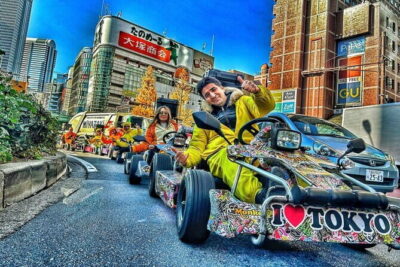 ★ 5.0Tokyo Go-Kart Tour Shibuya-Harajuku-Shinjuku (*IDP Required)From $88217 reviews
 ★ 4.5Guided Go Kart Tour from Harajuku to Shibuya CrossingFrom $103166 reviews
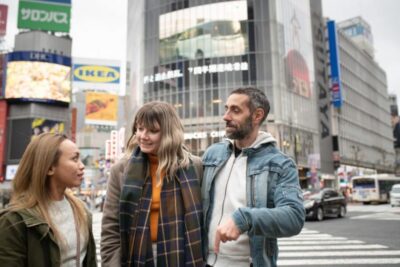 ★ 4.7Shibuya & Harajuku: Hidden Gems & Highlights Private TourFrom $64139 reviews
Harajuku Kawaii Fashion and Pop-Culture TourFrom $7994 reviews
Harajuku Private Tour: Kawaii Fashion & Animal Cafe IncludedFrom $11869 reviews
★ 4.7Shibuya & Harajuku: Hidden Gems & Highlights Private TourFrom $64139 reviews
Harajuku Kawaii Fashion and Pop-Culture TourFrom $7994 reviews
Harajuku Private Tour: Kawaii Fashion & Animal Cafe IncludedFrom $11869 reviews
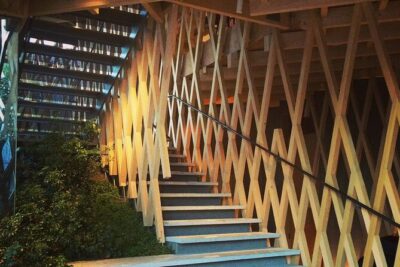 ★ 5.0Private Harajuku Omotesando Architecture Walking TourFrom $13267 reviews
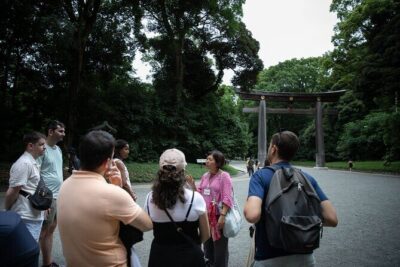 ★ 5.0Harajuku Meiji Shrine Walking Tour in TokyoFrom $2561 reviews
 ★ 5.0Kawaii Food Tour of Harajuku TokyoFrom $20949 reviews
Browse the lists this tour appears in