
Reviewed · GUIDED
Tokyo: Off the Beaten Path Private Guided Tour
Tokyo feels bigger when you wander with a guide. With a private, licensed Japan-government-certified guide, you can aim for the Tokyo you actually want—classic neighborhoods like Shibamata and Yanaka, plus food-and-market streets, while learning the history and culture behind it all. It’s built for a morning start, and your day can be as focused or as flexible as you like.
I especially like the customization. When I think about value in Tokyo, time matters, and this format helps you use it wisely. Guides such as Naoko and Yoko are described as adjusting the plan when priorities shift, so you don’t feel stuck following a preset script.
One consideration: you’ll cover transportation costs during the tour and any entrance fees yourself, and the booking isn’t fully confirmed until the guide contacts you (usually within 7 days). If you prefer everything wrapped into one price, this may feel a bit DIY.
In This Review
- Key things you’ll notice on this Tokyo tour
- Why a private, licensed guide is the real product here
- What this feels like day-to-day
- Hotel pickup, 6 hours, and how you’ll actually move around
- Shibamata: old shopfronts and classic street snacks
- Yanaka Ginza: the quieter side of Tokyo shopping
- Nezu and Sendagi options for a calmer, more residential feeling
- Kappabashi Street for cooking gear, food props, and souvenirs that matter
- Asakusa and Fukagawa Edo Museum: famous districts with a history lens
- How the guide tailors your day without wasting time
- Price and value: $151 per person is about time, language, and focus
- Practical tips so your 6-hour route feels smooth
- Should you book this Tokyo off the beaten path tour?
- FAQ
- How long is the Tokyo private guided tour?
- How much does the tour cost?
- What neighborhoods and areas can the itinerary include?
- Can I customize the route?
- Who provides the tour, and what languages are offered?
- Is pickup included, and where do we meet?
- Is food included in the tour price?
- Are entrance fees included?
- Do I pay for transportation during the tour?
- What’s the cancellation policy?
- Is the tour wheelchair accessible?
Key things you’ll notice on this Tokyo tour
- Nationally licensed guide: Tour Guide-Interpreter certification, English and Japanese support
- Route control: customize your stops or let the guide build the flow for you
- Off-the-beaten-path neighborhoods: Yanaka, Shibamata, Asakusa, Fukagawa areas, plus options like Nezu and Sendagi
- Morning energy: hotel pickup and a full 6 hours on foot and by transit
- Practical guidance: help navigating on public transport (or taxis you pay for) and understanding what you’re seeing
More days made easy by a guide
- Tokyo 6hr Private Tour with Government-Licensed Guide★ 5.0 · 3,902 reviews
- Tokyo: Shinjuku Local Bar and Izakaya Guided Walking Tour★ 4.9 · 1,794 reviews
- Tokyo: Private City Highlights Tour with Local Guide★ 4.8 · 1,433 reviews
Why a private, licensed guide is the real product here
Tokyo has plenty of great sights. The trick is making sure you see them in a way that fits your interests, your pace, and your language comfort. That’s what this tour is built around: you’re not just being taken to places—you’re being guided by someone who understands Japanese culture and history well enough to explain it clearly.
The guide’s Tour Guide-Interpreter certification is the big deal. It’s not a vague “local friend” setup. This matters because the best parts of Tokyo aren’t always the loud, obvious landmarks. It’s the small shopfront you would’ve missed, the neighborhood feel that makes you slow down, and the context that helps you connect the modern streets to older Japan.
You also get a private group. That sounds like a luxury word, but it’s practical: you can ask questions, move at a sensible speed, and adjust the plan without worrying about matching everyone else’s schedule.
The tour is also genuinely flexible. You can tell your guide what you want most—food-focused streets, residential/backstreet neighborhoods, shopping for cooking supplies, or a balance of classic districts—and the itinerary can reflect that. If you want the guide to choose, they can.
What this feels like day-to-day
Expect a day where you’re walking and moving between areas, but the guide is doing the mental work: where to go next, how long each stop will take, and what to pay attention to while you’re there. If you’ve ever spent Tokyo daylight hours bouncing between maps, train lines, and indecision, you’ll appreciate the difference fast.
Hotel pickup, 6 hours, and how you’ll actually move around
The day starts with a morning pickup from your accommodation in Tokyo, if you’re within reasonable walking distance, or from a train station you request. Your guide meets you in the hotel lobby or at the station, then you head off on foot from there.
The tour is 6 hours long. That’s enough time to cover multiple neighborhoods without feeling like a nonstop sprint. Still, it’s not a sit-and-watch experience. This is the kind of day that rewards comfortable shoes and a willingness to walk.
Transportation during the tour uses public transit or private taxis, but you pay those transportation fees separately. This is worth planning for. Tokyo transit is usually manageable, but costs add up. The upside is that you’ll get a smoother route than trying to do everything solo while also reading signs and train maps.
Rain or shine is part of the deal. The route can shift with the weather, but you should assume you’ll be outside at least some of the time. Bring a compact umbrella or rain layer if you travel in wetter months.
Wheelchair accessible is listed, which is a meaningful point if mobility is a concern. Since the tour includes walking plus transit, it’s smart to communicate your needs early so the guide can factor it in.
Shibamata: old shopfronts and classic street snacks
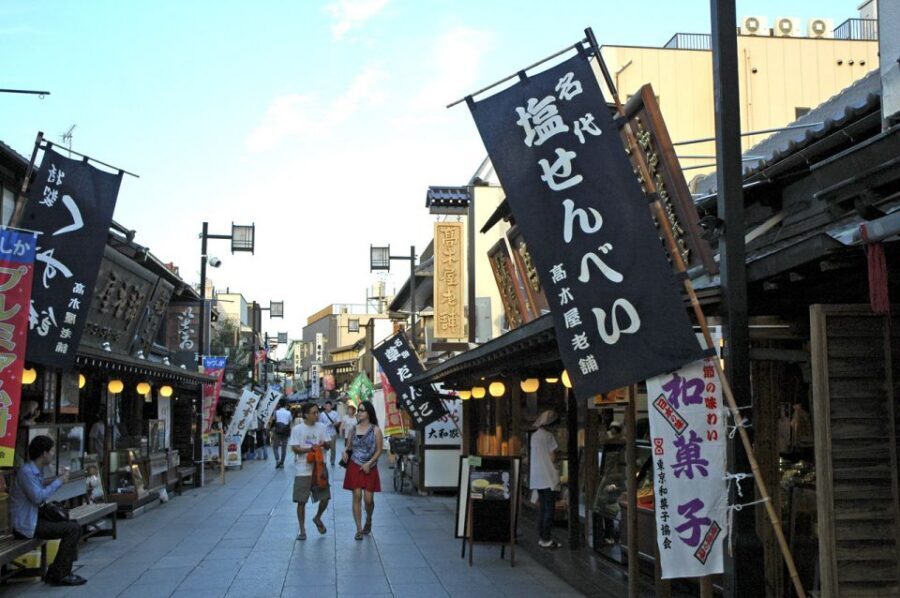
Shibamata is where the day takes on a more old-fashioned pace. It’s known for historical shops, and the tour experience leans into that: you’ll spend time in the neighborhood’s shopping street atmosphere and browse the places that have been around for a long time.
A major part of the fun here is the food window-shopping. Your guide may point you toward classic Japanese snacks such as senbei (Japanese crackers), soy sauce crackers, and chewy rice balls. Even if you don’t go full food-quest mode, these items give you an easy way to taste the neighborhood without needing reservations or a long meal.
What you get from Shibamata isn’t just an Instagram stop. It’s the feeling of being in a part of Tokyo where older trade and street culture still shapes what people do. That’s the kind of atmosphere that’s hard to replicate with a checklist.
A small drawback: because it’s shop-and-street focused, you’ll want to bring a little flexibility for when you find something you want to try. If you’re the type who hates changing plans mid-day, tell your guide upfront so they can balance browsing with your priorities.
More private options with your own guide


Yanaka Ginza: the quieter side of Tokyo shopping
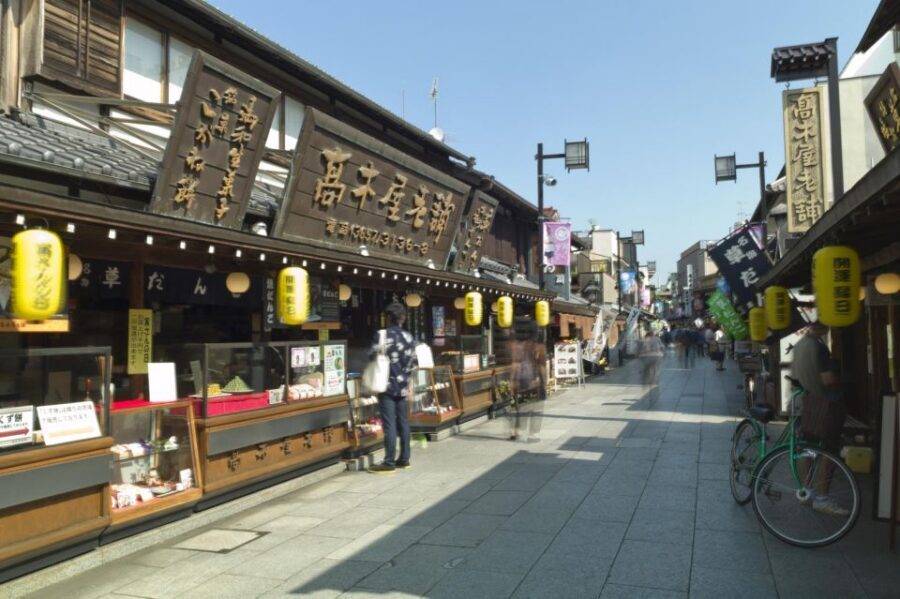
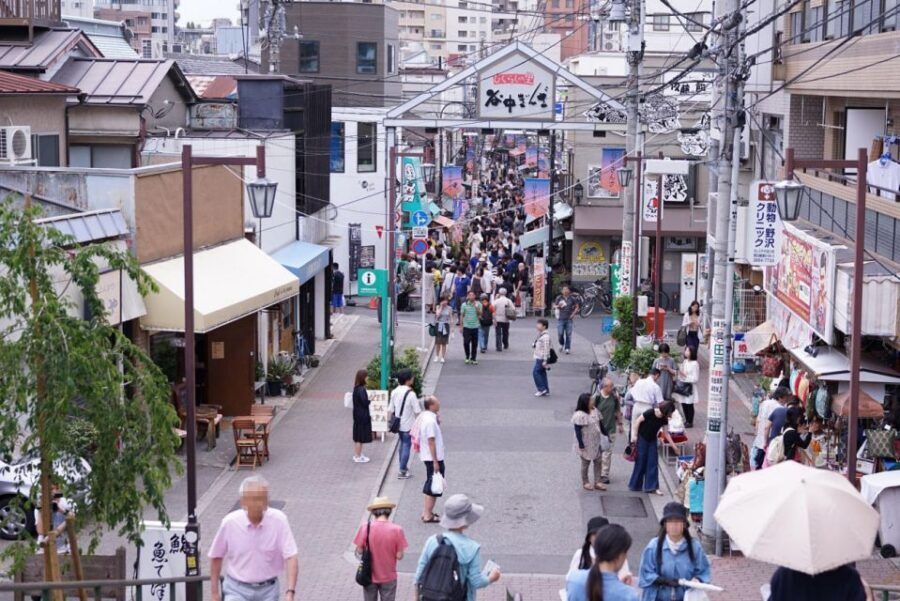
Next, the tour can head to Yanaka Ginza. Even among locals, it’s described as lesser-known, with that “old Japan” charm that people chase but often struggle to find on their own.
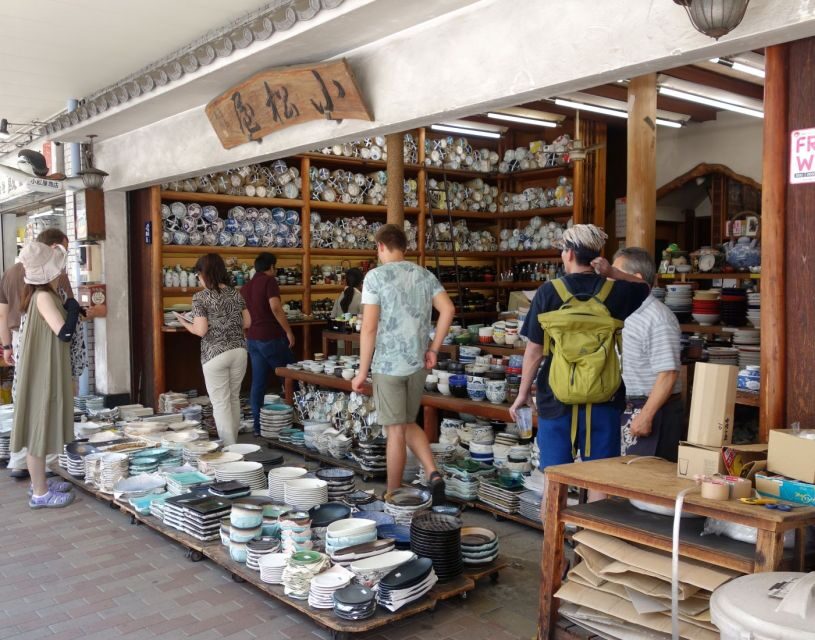
Yanaka Ginza is a small shopping street where you’ll see an interesting mix. There are some modern 100-yen stores. Right next to that, you’ll find handicrafts, ceramics, and street-food shops. That blend is part of why the area works so well on a guided day: you can browse without feeling lost, and your guide can help you understand what’s worth your attention.
This stop is especially good if you like small local goods rather than mass-market souvenirs. Think crafts and ceramics you can actually use at home—not just items that look pretty in a bag.
You might also enjoy this area more if you’ve realized Tokyo’s “big sights” are only half the story. Neighborhood shopping streets are where you get a sense of daily life and local taste. The tour’s off-the-beaten-path framing fits Yanaka perfectly.
Nezu and Sendagi options for a calmer, more residential feeling
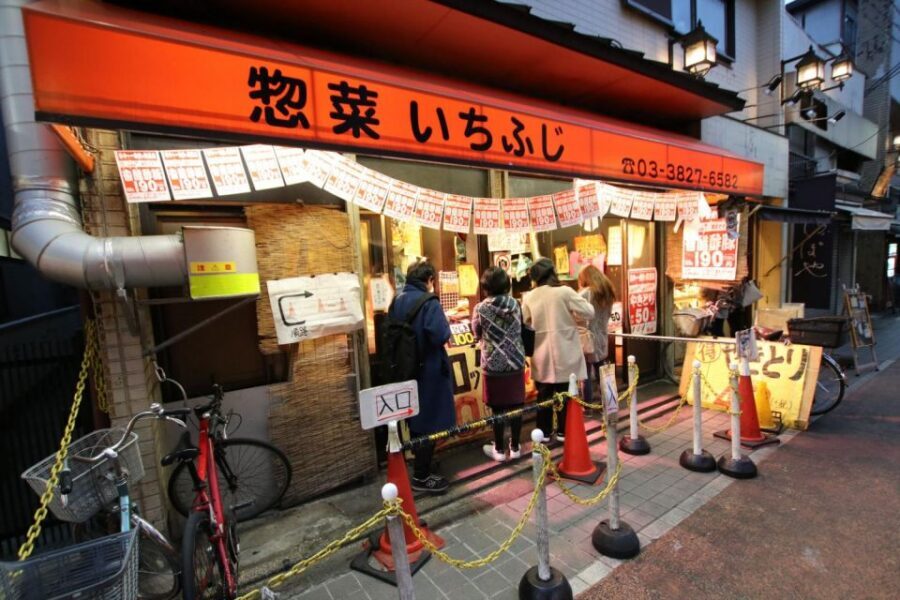
Depending on how your guide builds the day, you may spend time in the Nezu and Sendagi areas. Names like these matter because they’re the kind of Tokyo you don’t stumble into by accident if you’re sticking only to the most famous districts.
The practical value here is simple: you get variety. After the energy of classic shopping and landmark districts, these areas can feel quieter, more everyday, and more lived-in.
This is also where a private guide becomes extra useful. One review notes the guide tailored the day so the group could see residential areas, which is exactly the kind of request that can make a Tokyo trip feel more real. If you like streets where people actually live—rather than areas built for visitors—bring that preference early when you meet the guide.
Kappabashi Street for cooking gear, food props, and souvenirs that matter
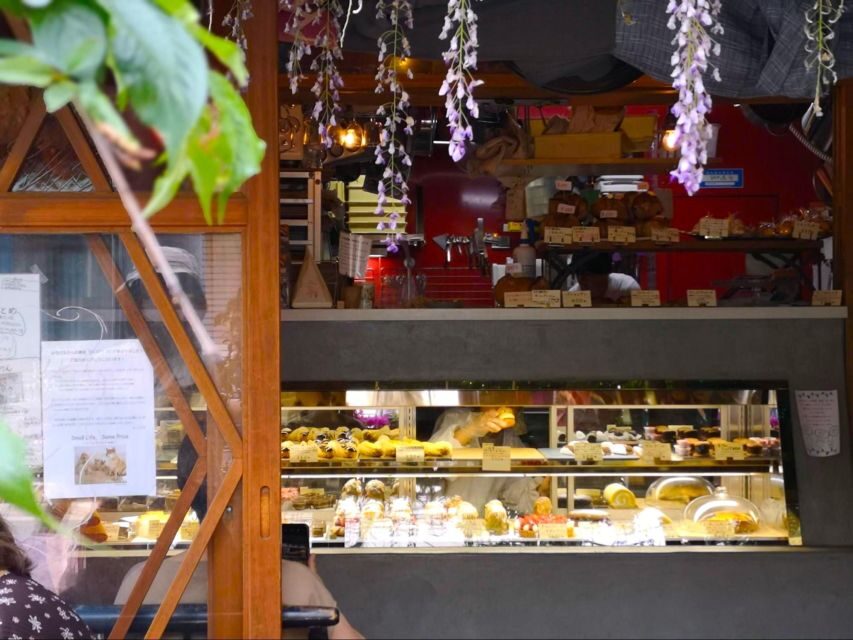
If you’ve ever wanted to cook Japanese food back home, Kappabashi Street is the stop that turns a Tokyo souvenir into a future hobby. This street is lined with kitchen shops, and you can also find items like kitchen clothing and even a fake food store.
That last detail matters because it changes what you’re shopping for. Real Japanese restaurants use food displays, and seeing that world close up gives you a new angle on something you might have noticed while dining out.
This is also a good place to browse even if you don’t buy anything. The scale and variety of cookware and kitchen items are usually bigger than your brain expects until you’re standing in the street.
Two tips to get more from this stop:
- Tell your guide what you’re hoping to buy (knives, serving dishes, utensils, anything specific).
- Let the guide decide how much time to spend there based on what you actually enjoy. Some people love the hunt; others want a short, efficient browse.
Remember: food and drink aren’t included, and entrance fees aren’t included either. Kappabashi is usually easy to handle without extra tickets, but any purchases are obviously on you.
Asakusa and Fukagawa Edo Museum: famous districts with a history lens
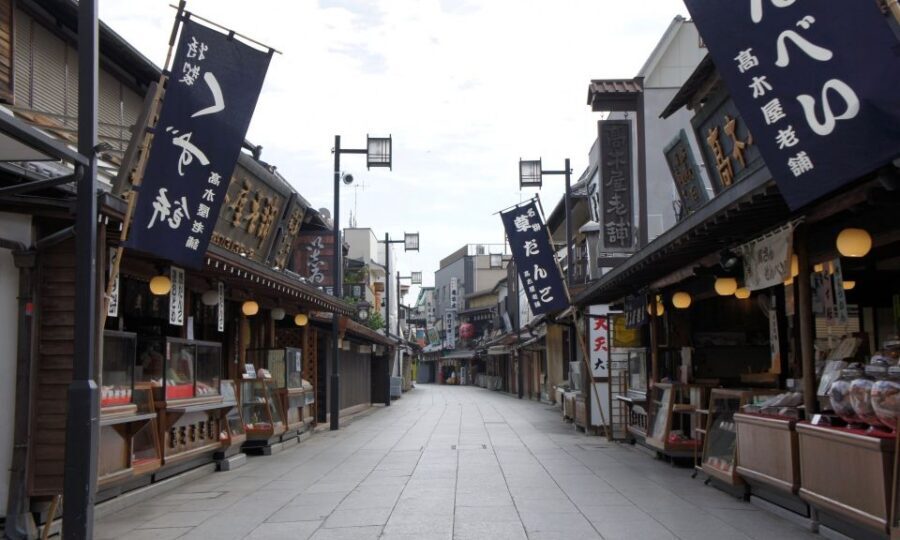
Asakusa is one of Tokyo’s best-known areas, and it works in this itinerary because you still get the bigger-picture context. The tour doesn’t frame it as just sightseeing. It’s about understanding what you’re looking at and why it matters in the story of Japan.
Fukagawa Edo Museum is another option that ties directly to that theme: it’s a history-focused stop that helps connect Edo-era culture to the city you see today. Even if you’re not a museum superfan, a place like this gives your day a “why” layer.
This is where you’ll likely feel the benefit of a guide who can explain culture and history clearly in English or Japanese. The tour is designed so you’re not just moving through spots—you’re learning enough to make the neighborhoods feel connected.
A practical note: museums often require entry fees, and those aren’t included. If you’re budgeting tightly, ask your guide (when you’re planning the route) which optional stops are most important to you so you can prioritize paid entries.
How the guide tailors your day without wasting time
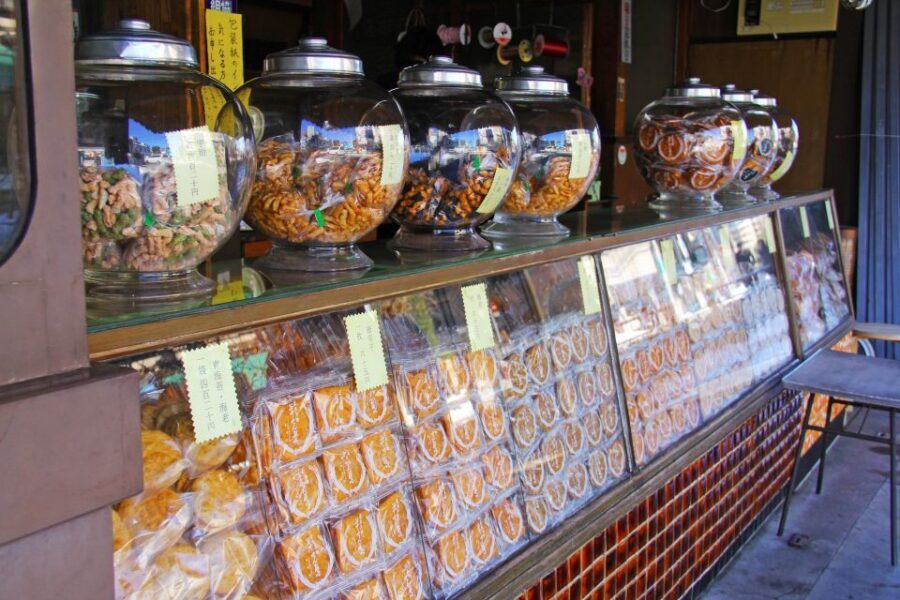
Here’s what makes this tour feel different from many private tours: your guide isn’t just responsive, they’re proactive about planning. You tell them special requests, and the guide tailors the day accordingly. That can mean adding extra places, swapping in neighborhoods you prefer, or adjusting the pace.
The reviews reinforce this style of guidance. People like An and Naoko are described as building itineraries around interests and adapting plans when extra stops were requested. Another guide, Kei, is noted for catering to wishes and helping with questions beyond the tour itself.
You should take advantage of that. When you start, think in categories:
- What do you want more of: food streets, shopping, quieter neighborhoods, or history sights?
- What do you want less of: long train rides, heavy museum time, or crowded areas?
- Any musts, any no-thanks.
Then let your guide handle the sequence. Tokyo geography can be confusing if you’re tired. A good guide saves you from backtracking and from time spent standing around.
Also, because it’s a private group, you can ask questions as you go. If you’re curious about what you’re seeing, this tour is set up for that.
Price and value: $151 per person is about time, language, and focus
At $151 per person for a 6-hour private tour, you’re paying for three big things:
- A licensed local guide who can explain culture and history
- Time-efficient route planning (especially if you customize)
- English or Japanese support so you can understand what’s going on without stress
That’s the value equation. If you were doing this solo, you’d spend time figuring out transit and spending effort figuring out what places mean. Paying for a guide can be worth it when you want a high-quality day without decision fatigue.
Now the balancing reality: the cost doesn’t include food, entrance fees, or transportation during the tour. You’ll likely spend extra depending on what you choose to enter and how much you eat and drink. But that can actually be a benefit. You stay in control of meals and snacks, and you can choose your level of paid attractions.
Who gets the best deal from this price?
- First-timers who want more than the standard highlight list
- Travelers who want backstreet neighborhoods without the stress of planning
- People who care about shopping for kitchen items or street-level local food
- Anyone who prefers private guidance over group tour logistics
Who might feel it’s less worth it?
- Budget travelers who are comfortable navigating Tokyo on their own
- People who want fully packaged costs with no separate spending
Practical tips so your 6-hour route feels smooth
This tour is designed to be flexible, but you’ll get better results if you show up prepared.
Wear good walking shoes. The day includes on-foot movement and neighborhood wandering.
Use your first meeting to set boundaries. Tell your guide your pace and your must-do themes. If you hate shopping, don’t pretend you love it once you see Kappabashi.
Plan a snack budget. If you want senbei, soy sauce crackers, or chewy rice balls, you’ll be paying for food yourself. This also helps you avoid feeling rushed.
Bring a short list of interests. Names like Shibamata, Yanaka Ginza, Kappabashi, Nezu, Sendagi, Asakusa, and Fukagawa Edo Museum are likely to come up as options. Even if you don’t pick exact stops yet, knowing what kind of experience you want makes customization easier.
Have cash or card ready for purchases. Yanaka and Kappabashi are the kind of places where you might find something you want to take home.
Should you book this Tokyo off the beaten path tour?
If you want Tokyo that feels personal, this is a strong match. The tour’s best feature is the combination of private licensed guidance and a route that can lean into quiet neighborhoods, street-level shopping, and history-focused context. Shibamata and Yanaka are the kind of areas that benefit from someone explaining what you’re seeing and helping you move efficiently.
Book it if:
- You’re excited by neighborhoods like Yanaka and Shibamata
- You want to balance sightseeing with local-life feel
- You like the idea of a customized itinerary where your interests drive the day
Skip it if:
- You’d rather pay only one fixed price with no separate transport or entrance fees
- You don’t want to walk much during the day
- You want a fully pre-set itinerary with no tailoring
One more honest note: confirmation timing depends on the guide, with contact often within a week. If your schedule is tight, plan buffer time in your Tokyo plans.
FAQ
How long is the Tokyo private guided tour?
It’s a 6-hour private tour.
How much does the tour cost?
The price is $151 per person.
What neighborhoods and areas can the itinerary include?
It can include areas such as Shibamata, Yanaka Ginza, Kappabashi Street, Nezu, Sendagi, Fukagawa Edo Museum, and Asakusa, depending on the route your guide builds.
Can I customize the route?
Yes. You can request special preferences, and the guide will tailor the itinerary accordingly. You can also choose to let the guide handle itinerary planning.
Who provides the tour, and what languages are offered?
A licensed local guide provides the tour. Languages offered are English and Japanese.
Is pickup included, and where do we meet?
Pickup is included from your accommodation on foot if within a reasonable distance, or from a train station you request. Your guide will meet you in the hotel lobby or at the train station about 10 minutes before the scheduled time.
Is food included in the tour price?
No. Food and drink are not included.
Are entrance fees included?
No. Entrance fees are not included.
Do I pay for transportation during the tour?
Yes. Public/private transportation fees during the tour are not included, so you’ll pay for transport separately.
What’s the cancellation policy?
You can cancel up to 24 hours in advance for a full refund.
Is the tour wheelchair accessible?
Wheelchair accessible is listed as part of the experience.
Easier with a Guide

More Tours in Tokyo




More Tour Reviews in Tokyo




Fresh reviews from around Tokyo






Guided, compared.
 ★ 5.0Tokyo 6hr Private Tour with Government-Licensed GuideFrom $1553,902 reviews
 ★ 4.9Shinjuku Local Bar and Izakaya Guided Walking TourFrom $341,794 reviews
 ★ 4.8Private City Highlights Tour with Local GuideFrom $1061,433 reviews
 ★ 4.9Tsukiji Fish Market Guided Walking TourFrom $221,397 reviews
 ★ 5.0Tokyo 4hr Private Tour with Government-Licensed GuideFrom $1091,394 reviews
 ★ 5.0Tokyo Guided Small-Group Biking TourFrom $1061,250 reviews
 ★ 4.6Samurai Ninja Museum Guided tour and ExperienceFrom $271,010 reviews
 ★ 5.0Tsukiji Fish Market Guided Tour and Sushi Making with Pro ChefFrom $104775 reviews