
Reviewed · PRIVATE
Tokyo : Must-see attractions private tour
Tokyo feels easier with a guide. This private walking tour is interesting because you get to choose the mix of main sights and surrounding areas, then move at a pace that fits your day. I really like the customization (you are not stuck on a rigid route), and I also like the practical local advice you can use beyond the attractions.
One thing to consider: the amount of historical and cultural explanation can vary by guide, so if you want deeper context on every stop, you’ll want to ask ahead. Still, the private setup makes it easier to steer the tour toward what you care about most.
In This Review
- Key things that make this Tokyo private tour worth it
- How a private hotel-meet Tokyo walk changes the whole day
- Building your own Tokyo route: pick the sights that match your mood
- Tsukiji Outer Market food energy (and how to not miss the good stuff)
- Senso-ji Temple and Asakusa rituals: iconic sights plus respectful guidance
- Meiji Shrine and the torii gate: Shinto context without turning it into a lecture
- Akihabara for tech, anime, and gaming fans: more than store-hopping
- Tokyo Skytree views: choosing the right time and reading the city from above
- Ginza: upscale shopping with history and practical recommendations
- Odaiba viewpoints and futuristic architecture: when photos matter most
- Ueno Park museums and seasonal timing (including cherry blossoms)
- Roppongi Hills and the Mori Art Museum: art-focused stops with city energy
- What I’d ask your guide on day one (so the tour hits harder)
- Price and value: $53 per person for a private, flexible walking day
- Who this tour suits best (and who might want to think twice)
- Should you book this Tokyo must-see private walking tour?
- FAQ
- How long is the Tokyo private walking tour?
- Is this tour private?
- Where does the guide meet us?
- What languages are available for the live guide?
- Do we use public transport during the tour?
- Is the tour wheelchair accessible?
Key things that make this Tokyo private tour worth it
- Private, customizable route so you can balance big landmarks with calmer side streets
- Hotel meet-up and a guide who can help you navigate efficiently
- Practical guidance beyond sightseeing, including local etiquette tips on how to behave in public
- Choice of iconic areas like Asakusa, Akihabara, Ginza, Odaiba, Ueno, and Roppongi
- Multi-language support (English, French, Italian, Spanish, Japanese, Chinese, Traditional Chinese)
- Comfort-first format with wheelchair accessibility and a group that stays just with you
More private options with your own guide
- Tokyo 6hr Private Tour with Government-Licensed Guide★ 5.0 · 3,902 reviews
- Private Tour to Mt. Fuji and Hakone (Fully Licenced Operator)★ 5.0 · 1,910 reviews
- Tokyo Customized Private Tour (Must See Places in 1 Day)★ 5.0 · 1,499 reviews
How a private hotel-meet Tokyo walk changes the whole day
Tokyo is a lot. The streets are busy, the neighborhoods feel different block to block, and the city rewards people who move with purpose. With this tour, you get one person focused entirely on you, so you’re not wasting time figuring out where to go next or how long things take.
The private format matters more than it sounds. You can spend extra minutes at the places you care about and skip what you don’t. And because the guide can also point out other things to do, the day often turns into a mix of must-sees and smart detours.
You also get built-in flexibility on timing. The tour runs from 2 to 8 hours, depending on what you book and what you want to pack in. That range is helpful if you’re arriving mid-day, have a dinner plan, or want a longer wandering session for photo stops.
Building your own Tokyo route: pick the sights that match your mood
This isn’t a one-size-fits-all “see everything” production. The experience is designed around the idea that you choose what you see, and the guide helps you stitch it together into a smooth walking-and-transit day.
Here are the kinds of stops the tour can include, and what each one tends to offer. Think of this like a menu, not a guaranteed order—your guide can shape it to fit your interests and pacing.
Tsukiji Outer Market food energy (and how to not miss the good stuff)
Tsukiji Outer Market is listed as a key part of the experience because a guide helps you handle the chaos. You get help navigating the busier sections, plus context on the significance of different seafood and street food.
What you’ll like most is the practical angle. When someone explains what you’re looking at, food shopping stops feeling like guesswork. You also get a better sense of what to try and how to move through the area without losing time.
A small consideration: if you’re traveling with strong dietary restrictions, you’ll want to be clear early on. The tour data says guides can explain the significance of the foods and help you taste, but it doesn’t spell out detailed options for every dietary need. Asking questions upfront helps.
Senso-ji Temple and Asakusa rituals: iconic sights plus respectful guidance
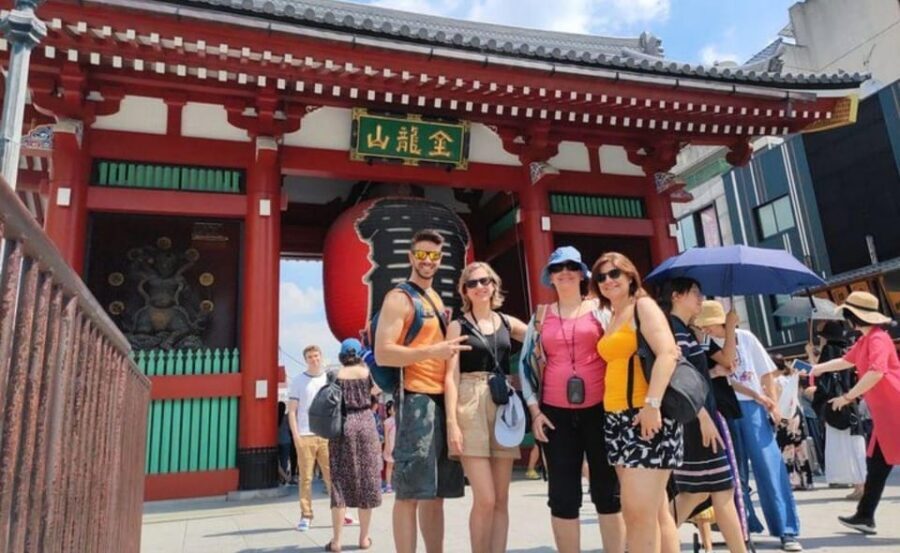
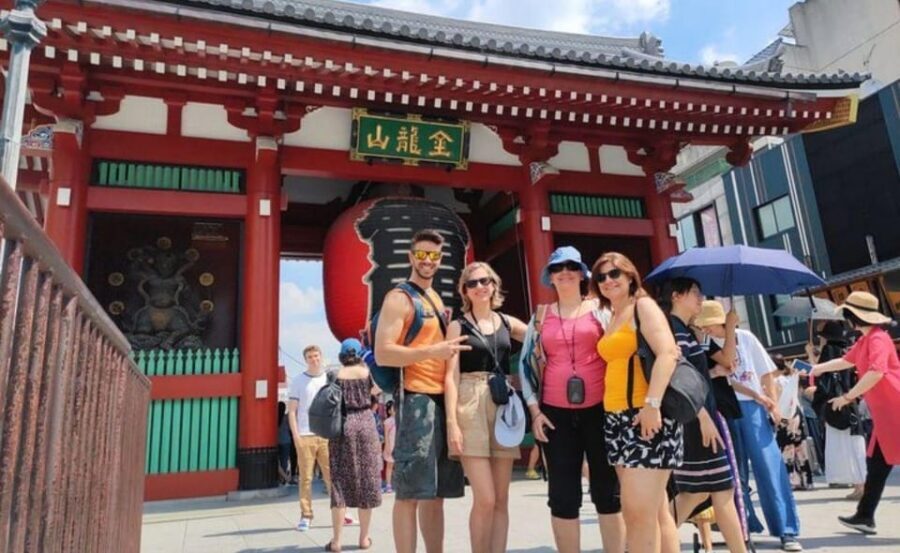
Asakusa and Senso-ji are another core stop. With a guide, you can explore the historic temple area, learn stories connected to the temple, and move through key areas like the Thunder Gate. If traditional rituals interest you, the guide can help you participate appropriately.
This is where a guide adds value beyond photos. You’ll usually get more than a location name—you’ll get meaning. And in a place where visitors often rush, having someone manage the flow can help you slow down at the right moments.
From the guide-name details shared in feedback, some guides also focus on respectful public behavior. For example, Karl is specifically mentioned for explaining Japanese customs and politeness norms like how not to talk on public transport and how not to eat while walking. That kind of context is useful near crowded areas and in transit between stops.





Meiji Shrine and the torii gate: Shinto context without turning it into a lecture
Meiji Shrine is another highlight option, and the tour approach here is simple: cultural context. A guide can explain Shinto rituals, why the torii gate matters, and share stories tied to the surrounding forest and the shrine’s history.
If you like spiritual places but don’t want a long, academic lecture, this structure works well. You can get enough background to understand what you’re seeing, then spend your time noticing the atmosphere and details on your own.
One caution based on the variation in feedback: some guides may offer more or less history. If that matters to you, bring it up immediately after meeting your guide. A quick request for deeper cultural and historical explanation can steer the tour.
Akihabara for tech, anime, and gaming fans: more than store-hopping
Akihabara can be a fun add-on if you’re into electronics, anime, and gaming. The tour description notes that a guide can take you to places you might not find alone, explain cultural significance, and help you navigate the variety of stores.
This is one of those areas where having someone who knows the neighborhood can save time. You avoid the common problem of wandering into the wrong kind of store for your interests. Instead, you can spend your minutes in the sections that match what you like.
It also pairs well with your guide tailoring. If your goal is photography, you might spend more time on streets and storefronts. If you want shopping, you might prioritize places where you can compare items without being pulled in five different directions.
Tokyo Skytree views: choosing the right time and reading the city from above
Tokyo Skytree shows up as a highlight because a guide can add context about its construction and significance. The experience also promises panoramic views from the observation decks.
The key value here is planning your time and not getting lost in a long queue situation. Even if you already know Skytree is worth it, a guide can help you organize the sequence so you’re not burned out before the big view.
A practical note: observation-deck experiences often mean waiting and walking. If you book a long route, you might want to keep Skytree as a centerpiece so it doesn’t become a rushed checkbox.
Ginza: upscale shopping with history and practical recommendations
Ginza is included as an option for shopping and entertainment, with a guide who can share the area’s history and help you find places that fit your style. The tour description even mentions the possibility of exclusive stores and hidden gems for shopping and dining.
In practice, this is where a guide earns their fee if you tell them what you want. Want classic department-store browsing? Trendy fashion? Food spots for a sit-down break? Give those preferences early, and you’re likely to get a better hit rate than random wandering.
Since Ginza is a bigger, more structured shopping district, your route logic matters. A guide can help you avoid unnecessary backtracking and keep you moving between stops you actually care about.
Odaiba viewpoints and futuristic architecture: when photos matter most
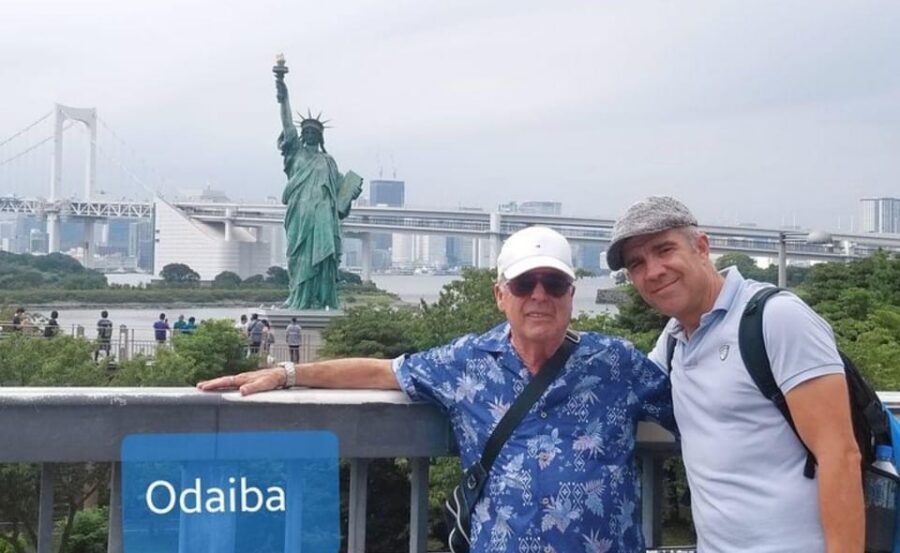
Odaiba is described as an entertainment complex area on an artificial island. A guide can explain the history of the island, point out what makes the architecture feel futuristic, and help you find good photo viewpoints.
If your priority is photos, this is a good stop to plan for. The tour format helps because you get someone focused on where to stand for photos, how to time it, and how to link it to other nearby areas without wasting transit time.
A small drawback to watch for: if you only have a short tour window, Odaiba may compete with other heavy hitters. If you want Tokyo Skytree and Odaiba both, you may need to choose the right tour duration, since everything depends on your customization.
Ueno Park museums and seasonal timing (including cherry blossoms)
Ueno Park is another listed option, with museums and attractions highlighted. A guide can share stories about why the park matters, and also guide you to spots that are good during cherry blossom season.
This is a strong choice if you like a mix of nature-meets-culture, or if you want a calmer pace compared to shopping-heavy areas. It also works if you want a break after busy neighborhoods.
Because the tour data mentions cherry blossom viewing during season, you’ll get the most value if your dates match. If they don’t, you’ll still likely enjoy museum and park-focused walking, but you may not get the seasonal extra.
Roppongi Hills and the Mori Art Museum: art-focused stops with city energy
Roppongi Hills is included for art, shopping, and entertainment. The guide can help you explore the area and information about the architecture and cultural events, including the Mori Art Museum.
This is a smart choice if you want a “Tokyo modern” contrast after temples and older neighborhoods. The tour structure also helps because Roppongi Hills can feel like a maze of connected buildings. Having a guide who can point you toward what you care about makes it easier to move with confidence.
If you’re tired of walking in lines, this style of neighborhood can feel more comfortable. Still, it’s not automatically a short stop, so think about how much time you want to allocate when you book a 2-hour versus 8-hour version.
What I’d ask your guide on day one (so the tour hits harder)
One reason this tour gets strong ratings is that the guide is not just there to move you from A to B. You can get lots of valuable advice about other things to do, and the guide’s familiarity with the area helps you avoid aimless wandering.
Based on feedback details tied to specific guides like Fernando, Lucas, and Karl, the guide experience can vary in style. Some guides emphasize history and traditions, while others may focus more on practical navigation and etiquette.
To get the best version of the tour, you can set expectations right away:
- Tell your guide what you want more of: temples, shopping, tech, views, or rituals
- Ask for a short explanation at each stop if you care about context, not just movement
- Mention if you want more photo time or more quick shopping time
This way, you reduce the odds of feeling like your tour is moving too fast or providing too little background.
Price and value: $53 per person for a private, flexible walking day
At $53 per person, this tour can be good value if you’re traveling with someone you’d rather not separate from. Private walking tours add up quickly in big cities, and Tokyo is no exception. Here, the structure is designed to get you meaningful time with a guide and a route you can shape.
The real value is not just the guide—it’s the combination of:
- Private group (you’re not squeezed into someone else’s pace)
- Customization to your interests
- Hotel meet-up to remove the stress of figuring out logistics on arrival
- Guided walking plus public transport when needed
Also, the duration range (2 to 8 hours) gives you control. If you book a shorter version, you’re paying for a focused highlight route. If you book longer, you’re paying for flexibility and more stops, which can be a better deal when you want both a big landmark and surrounding neighborhoods.
Who this tour suits best (and who might want to think twice)
This tour fits you best if:
- You want a private day where you can choose the mix of Tokyo highlights
- You prefer walking with local guidance instead of planning every step alone
- You like getting recommendations you can use after the tour ends
It may be less ideal if:
- You want a tightly scripted history tour with heavy, consistent explanations every time
- You’re set on a specific, fixed route and don’t want customization
One practical strategy: if you care deeply about historical details, communicate that upfront. The tour is customizable, so your needs can guide the guide.
Should you book this Tokyo must-see private walking tour?
I’d book it if you want Tokyo to feel organized, with someone helping you choose what matters and where to go next. The private, customizable structure is the big win, especially if you’re traveling in a way that needs flexibility—photos, shopping preferences, or a slower day.
If you’re hoping for deep, consistent cultural history at every single stop, you should ask your guide to emphasize background right from the start. When you do that, you’re more likely to get the best blend of practical navigation and meaningful context.
If your goal is value, this one can work because it gives you a guided day across major Tokyo areas without forcing you into a rigid plan. For many visitors, that’s the difference between seeing Tokyo and really understanding it enough to enjoy the rest of the trip.
FAQ
How long is the Tokyo private walking tour?
The duration is flexible: you can choose a tour length from 2 to 8 hours, depending on availability and the option you select.
Is this tour private?
Yes. It’s a private group, so you won’t be combined with strangers.
Where does the guide meet us?
The guide meets you at your hotel. Pickup is listed as optional, but the standard meet-up is at your accommodation.
What languages are available for the live guide?
The tour offers live guiding in English, French, Italian, Spanish, Japanese, Chinese, and Traditional Chinese.
Do we use public transport during the tour?
The inclusions mention walking tour and public transport, except if you select one of the options. So public transit may be included depending on your selected option.
Is the tour wheelchair accessible?
Yes, it’s listed as wheelchair accessible.
Just Your Group: Private Options



More Tours in Tokyo

More Tour Reviews in Tokyo



Fresh reviews from around Tokyo






Private, compared.
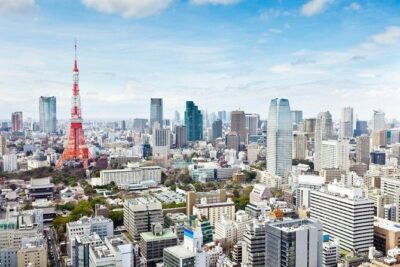 ★ 5.0Tokyo 6hr Private Tour with Government-Licensed GuideFrom $1553,902 reviews
 ★ 5.0Private Tour to Mt. Fuji and Hakone (Fully Licenced Operator)From $4971,910 reviews
 ★ 5.0Tokyo Customized Private Tour (Must See Places in 1 Day)From $1451,499 reviews
 ★ 4.9Mount Fuji Full-Day Private Tour from Tokyo (Customizable)From $3931,470 reviews
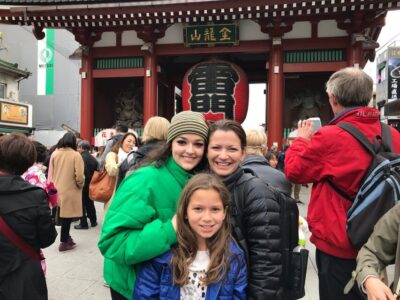 ★ 4.8Private City Highlights Tour with Local GuideFrom $1061,433 reviews
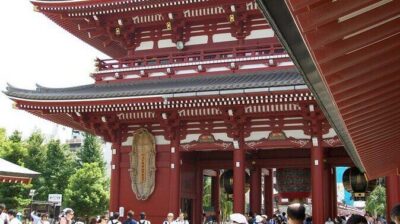 ★ 5.0Private Custom Tour: Tokyo in a DayFrom $1591,432 reviews
 ★ 5.0Tokyo 4hr Private Tour with Government-Licensed GuideFrom $1091,394 reviews
 ★ 5.0Tokyo Customized Private Tour: See Top Attractions in 1 DayFrom $1451,351 reviews