

Reviewed · PRIVATE
Tokyo Layover 5 Hours Private Tour
Five hours can change your Tokyo mood.
This private layover tour is built for one thing: turning a long wait between flights into a real sightseeing hit. You’ll get pickup and drop-off at Haneda, ride in a private vehicle, and have the flexibility to shape the stops around what you care about most.
I especially like the practical touches—free Wi‑Fi on board, plus bottled water and snacks—because that helps you stay human after an overnight flight. Another big plus is that you can store luggage in the vehicle, so you’re not dragging bags through crowded neighborhoods. One possible drawback: the schedule is tight, so you’ll move quickly between major areas and won’t have time for long museum-style detours.
In This Review
- Key takeaways from this Haneda layover tour
- Making the most of a 5-hour Tokyo layover
- Arrival at Haneda: pickup that actually reduces stress
- Choosing your vibe: how this private itinerary stays flexible
- Senso-ji Temple in Asakusa: Tokyo’s old soul first
- Tsukiji fish market area: outer-market atmosphere, not the old wholesale scene
- Ginza’s modern polish: crafts, boutiques, and architecture quick hits
- Imperial Palace area: stepping from Shogun history into today
- National Diet building + formal Tokyo government landmarks
- Omotesando: architecture-lovers and brand-watchers
- Takeshita Street: Harajuku youth culture in fast forward
- Meiji Jingu: a calm reset from the city’s noise
- Shibuya Crossing: Tokyo’s loudest intersection, in 15 minutes
- Comfortable private transport: why the car time matters
- What the price really buys you (and when it’s a great deal)
- Who this Tokyo layover tour fits best
- Should you book this Haneda Tokyo layover tour?
- FAQ
- Where does the tour start and end?
- How long is the Tokyo layover private tour?
- Is this a private tour?
- What’s included during the ride?
- Can I customize the itinerary?
- What is the cancellation rule?
Key takeaways from this Haneda layover tour
- Private door-to-door pickup at Haneda, with luggage stored in the vehicle to keep you mobile
- Free onboard Wi‑Fi, plus bottled water and snacks to smooth the day’s bumps
- A “highlights with flexibility” itinerary: temples, fish market area, modern shopping streets, and Shibuya
- You can customize on the fly, and guides have handled everything from families to school groups
- Short walking strategy: the private vehicle helps reduce long stretches when you’re time-crunched
- Guide-driven timing that works around real-world issues like rush hour and rain
More private options with your own guide
- Tokyo 6hr Private Tour with Government-Licensed Guide★ 5.0 · 3,902 reviews
- Private Tour to Mt. Fuji and Hakone (Fully Licenced Operator)★ 5.0 · 1,910 reviews
- Tokyo Customized Private Tour (Must See Places in 1 Day)★ 5.0 · 1,499 reviews
Making the most of a 5-hour Tokyo layover
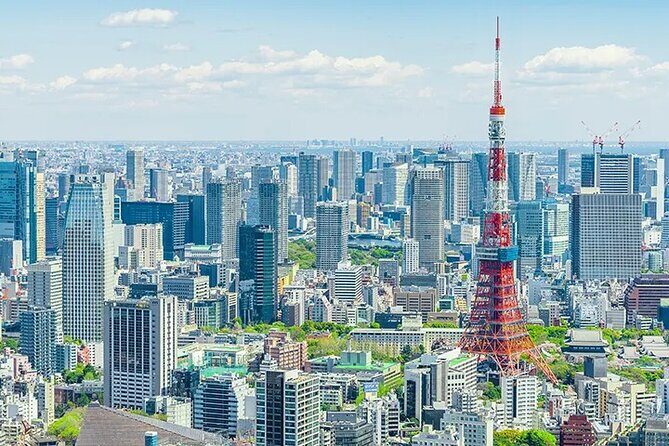
A Tokyo layover can either feel like punishment or like bonus time. This tour aims squarely at bonus time. You start at Haneda and end back at Haneda, which means you’re not solving the whole transit puzzle with jet lag still clinging to your shoulders.
Your time is also structured for “see it, snap it, feel it.” You’ll hit classic Tokyo neighborhoods and landmarks without pretending you’ll do Tokyo like locals do it. The private car matters here. In five hours, the difference between walking long distances and getting dropped near each sight is huge.
And yes, it’s designed for different kinds of groups. I’ve seen guides handle multigenerational parties (including older travelers) and big groups, which tells you the focus is on keeping the experience organized and paced.
Arrival at Haneda: pickup that actually reduces stress
Meeting at Haneda Airport (3-3-2 Hanedakuko, Ota) keeps things simple. The tour runs all day during the listed season, from 12:00 AM to 11:30 PM, so even odd flight times are workable.
The best part isn’t just that pickup exists. It’s that guides are practiced at making pickup smooth after long flights—reaching out ahead of time, meeting you in the arrival area, and then getting moving fast once everyone is accounted for. That matters because Tokyo traffic and airport logistics can be unpredictable, especially when you’re on a schedule.
You’ll also have bottled water and snacks in the car. That sounds minor until you realize your body often doesn’t agree with the plan you made on your flight booking page.
Choosing your vibe: how this private itinerary stays flexible
The tour’s core promise is personalization. You’re not stuck with a rigid “tour bus” sequence. You can customize the private itinerary to match your interests, which is how you avoid the classic layover trap: seeing things you don’t care about while missing what would have made the trip worth it.
In practice, this is where a good guide earns their fee. Several guides in this program have been noted for planning based on the group’s interests and adjusting as you go. If you’re a temple-and-photo person, you’ll get the temple time you want. If your group is shopping-leaning, you’ll spend more energy on Ginza and Omotesando-type streets. If your group wants youth culture, Harajuku areas like Takeshita Street and the shrine stop afterward make a lot of sense.
Also, don’t be shy about asking if your flight situation changes. People have had enough time added when their plans shifted. With a private setup, that kind of adjustment is more feasible than on fixed group tours.
Senso-ji Temple in Asakusa: Tokyo’s old soul first
Stop 1: Senso-ji Temple (about 1 hour)
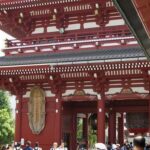
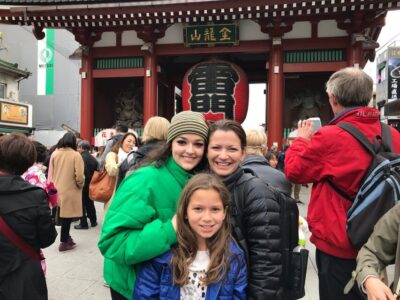
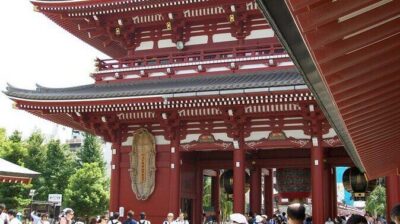
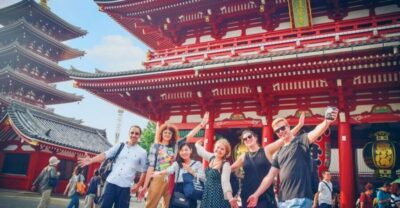
Senso-ji is the kind of place that instantly makes Tokyo feel like Japan. It’s the oldest temple in Tokyo, and it’s strongly tied to Asakusa’s long story. You’ll see the classic temple approach and the atmosphere that draws both locals and visitors.
What to expect:
- A lively temple area where you’ll want to take a slow first look before you start choosing photos.
- A chance to see traditional religious Tokyo without spending your whole day on one site.
This stop is also a smart opener for a layover. It’s iconic, easy to understand, and doesn’t require specialized knowledge to appreciate.
Possible drawback: crowds. In an hour, you can see a lot, but you won’t have time to stand around forever. Move with purpose, and leave space to pause if something catches your eye.





Tsukiji fish market area: outer-market atmosphere, not the old wholesale scene
Stop 2: Tsukiji Fish Market (about 40 minutes)
Tsukiji changed in 2018—most of the main wholesale market moved to Toyosu. But the outer market area at Tsukiji is still very much alive, with shops and places to snack and browse.
Why this stop works on a layover:
- You get the “food Tokyo” vibe fast.
- You can keep it flexible—browse for a bit, grab a quick bite, and move on.
What to expect:
- Lots of small storefronts and food stands.
- A more street-level experience than a sit-down meal.
If you want lunch, this is a logical zone to consider. You’ll find plenty of options nearby, and squeezing in a quick bite here can make the rest of the afternoon easier.
Watch-outs: it’s lively and can be narrow. In five hours total, you’ll want to pick what you want to sample so you don’t wander in circles.
Ginza’s modern polish: crafts, boutiques, and architecture quick hits
Stop 3: Ginza (about 30 minutes)
Ginza is where Tokyo flexes its modern side. You’ll see upscale boutiques and galleries, plus shops that highlight Japanese traditional crafts. It also has a strong architecture-and-restaurant feel, which makes it a good “change of pace” after temple and market areas.
In half an hour, you’re not shopping your way through Ginza. You’re getting oriented: a taste of polished Tokyo, good photo angles, and a sense of how the city varies block by block.
What I like about this kind of stop on a layover: it adds variety without requiring long entry lines or ticketed attractions.
Imperial Palace area: stepping from Shogun history into today
Stop 4: Imperial Palace (about 30 minutes)
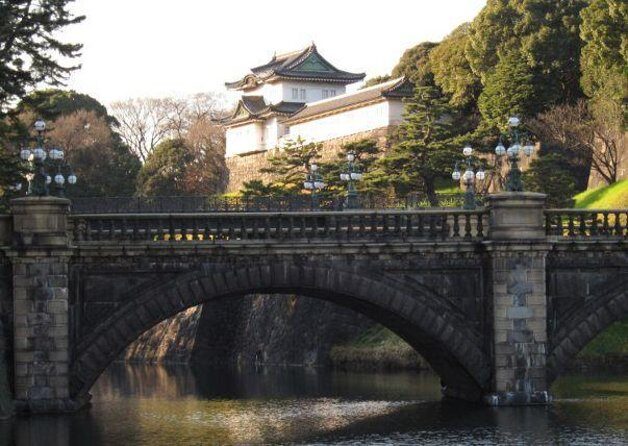
The Imperial Palace grounds connect modern Japan to older power structures. The area was once the castle region tied to the Tokugawa shoguns (from 1603 to 1868). Later, political power shifted back to the Emperor Meiji, and the palace became what it is today.
What to expect:
- A calmer, more open-feeling environment than the shopping streets.
- A scenic pause in the middle of a fast itinerary.
This stop also gives you a “big picture” moment. You’re not just chasing neighborhoods—you’re seeing the civic heart of the city in a way that feels different from temples or shopping.
Keep it realistic: in 30 minutes, you’ll be outside and around the grounds, not doing a deep historical study.
National Diet building + formal Tokyo government landmarks
The itinerary includes a stop at the National Diet building area. It’s known for being one of the few buildings that survived the 1945 air raids. Built in 1936, it’s a striking reminder that modern Tokyo isn’t just neon—it’s also history set in steel and stone.
In a layover tour, this is valuable because it adds a serious, grounded contrast. After crowds and street life, a government landmark makes the city feel bigger.
Omotesando: architecture-lovers and brand-watchers
Stop 5: Omotesando (about 20 minutes)
Omotesando is where Tokyo’s design energy shows up. You’ll see buildings associated with well-known architects and you can spot international fashion presence too.
This is a smart short stop because:
- It’s visual. Even if you don’t shop, the street scene gives you plenty to photograph and talk about.
- It’s a quick bridge between youth culture (Harajuku nearby) and the more reflective stop of Meiji Jingu.
Possible drawback: if your group expects a slow stroll with lots of time for browsing, 20 minutes may feel short. That’s the trade for fitting everything into a layover-friendly schedule.
Takeshita Street: Harajuku youth culture in fast forward
Stop 6: Takeshita Street (about 30 minutes)
Takeshita Street is one of the best places in Tokyo to see youth fashion and bold styles in a concentrated area. It’s a fast, fun stop when you want color, energy, and people-watching.
What to expect:
- Busy street crowds.
- Outfit variety that ranges from cute to outrageous.
In 30 minutes, you can do the essential loop: walk a bit, get photos, try a snack if you want one, then head out before you’re stuck fighting the crowd for every angle.
Tip: if you care about photos, arrive with a plan. Know what you want—street style shots, the colorful storefront vibe, or a quick “we were here” view.
Meiji Jingu: a calm reset from the city’s noise
Stop 7: Meiji Jingu Shrine (about 40 minutes)
Meiji Jingu is a welcome break. After the hustle of Harajuku, this shrine feels like a different world—more spacious, more quiet, and better for a breather.
There’s also an interesting possibility: depending on the day, you might be able to see a traditional Japanese wedding ceremony on Saturdays and Sundays.
What to expect:
- A peaceful atmosphere that actually feels like an escape.
- Time to slow down and enjoy a more reflective side of Tokyo.
In my view, this is one of the best strategic choices for a layover tour. You get the culture, the scenery, and the emotional reset without needing a full half-day.
Shibuya Crossing: Tokyo’s loudest intersection, in 15 minutes
Stop 8: Shibuya Crossing (about 15 minutes)
Shibuya Crossing is the busiest intersection in the world, and it’s famous for a reason. Even if you’ve seen it on screens, being there makes it feel real.
In a layover schedule, this stop is perfect because:
- It’s short.
- It’s instantly recognizable.
What to expect:
- A strong sense of motion and crowd rhythm.
- Great opportunities for “where we are in Tokyo” photos.
In 15 minutes, you’ll capture the crossing experience and still have enough time to keep the tour on schedule for the airport return.
Comfortable private transport: why the car time matters
This tour rides in a private vehicle, which is a big deal in Tokyo. It saves time and reduces walking, especially when it’s raining or your flights are in chaos mode.
People have been impressed by comfortable, clean cars and guides who manage timing through real conditions like rush hour. That’s not fluff. When you’re working with a 5-hour window, transport choices determine whether the day feels smooth or stressful.
And because there’s free Wi‑Fi aboard, you can handle messages, flight updates, or even just kill time without burning data.
What the price really buys you (and when it’s a great deal)
The tour costs $641.36 per group for up to 9 people, and it’s often booked around 60 days in advance. That’s a group price, not a per-person ticket.
Here’s how the value can break down:
- If you fill the group (9 people), you’re around $71 per person.
- If you’re a small group, the per-person cost rises, but you’re still paying for a private car and guide service for the full block of time.
This is a great value if you have:
- A family with kids who need pacing.
- A mixed-age group (older travelers appreciate less walking).
- Multiple friends who want control over what they see.
If you’re traveling solo, it can still be worth it for the “I don’t want to figure out transit during a layover” factor—but the best value shows up when the group size is closer to the maximum.
Who this Tokyo layover tour fits best
This tour fits best if you want:
- A curated highlights pass with flexibility.
- A smooth, low-stress plan that starts and ends at Haneda.
- A guide-led day so you’re not guessing what’s worth it.
It’s also ideal for groups that need coordination—school groups, families, and mixed-age parties are all examples of why this private format works.
If you’re the type who wants deep, unhurried sightseeing with lots of stops inside major venues, you’ll probably feel rushed. This is a layover sprint, not an all-day Tokyo romance.
Should you book this Haneda Tokyo layover tour?
Yes—if your priority is getting real Tokyo experiences without turning your layover into an exhausting transit day. The best reason to book is the combination of private pickup/drop-off at Haneda, a customizable plan, and practical comfort details like Wi‑Fi, water, and snacks.
I’d hesitate only if you’re expecting a slow, museum-style day or you hate crowds. In five hours, you’ll be near major sights that attract people.
My decision rule:
- Book it if you want highlights plus structure.
- Skip it if you want long time in one place and zero rushing.
FAQ
Where does the tour start and end?
The tour starts at Haneda Airport (3-3-2 Hanedakuko, Ota 144-0041 Tokyo Prefecture) and ends back at the same meeting point.
How long is the Tokyo layover private tour?
The duration is about 5 hours.
Is this a private tour?
Yes. It’s a private tour/activity, meaning only your group participates.
What’s included during the ride?
You get free Wi‑Fi on board, plus bottled water and snacks. Pickup and drop-off are offered, and luggage can be stored in the vehicle.
Can I customize the itinerary?
Yes. The tour is described as customizable to your interests, so you can choose what you want to see within the time you have.
What is the cancellation rule?
You can cancel for a full refund up to 24 hours in advance of the experience’s start time. If you cancel less than 24 hours before, the amount paid isn’t refunded.
Just Your Group: Private Options


More Tours in Tokyo

More Tour Reviews in Tokyo



Fresh reviews from around Tokyo






Private, compared.
 ★ 5.0Tokyo 6hr Private Tour with Government-Licensed GuideFrom $1553,902 reviews
 ★ 5.0Private Tour to Mt. Fuji and Hakone (Fully Licenced Operator)From $4971,910 reviews
 ★ 5.0Tokyo Customized Private Tour (Must See Places in 1 Day)From $1451,499 reviews
 ★ 4.9Mount Fuji Full-Day Private Tour from Tokyo (Customizable)From $3931,470 reviews
 ★ 4.8Private City Highlights Tour with Local GuideFrom $1061,433 reviews
 ★ 5.0Private Custom Tour: Tokyo in a DayFrom $1591,432 reviews
 ★ 5.0Tokyo 4hr Private Tour with Government-Licensed GuideFrom $1091,394 reviews
 ★ 5.0Tokyo Customized Private Tour: See Top Attractions in 1 DayFrom $1451,351 reviews