
Reviewed · TOKYO
Tokyo: Kintsugi Art Repair Workshop
Kintsugi turns breakage into beauty. This hands-on Tokyo workshop teaches the classic Japanese repair-with-gold approach in a calm, practical way, and you’ll leave with a take-home art object. I like that everything is provided (so you don’t need to shop for tools), and the pace fits a tight itinerary. One thing to consider: it’s not a long, traditional multi-week process, and larger damage may not be fully completed within the 90 minutes.
The setting is also a big part of the appeal. The class is limited to up to 5 participants, and instruction includes English interpretation, which makes it easier to follow each step without guessing. If you’re hoping to fix a damaged mug handle or a non-ceramic item, this workshop has limits on what can be restored.
In This Review
- Key Things I’d Not Skip
- Kintsugi in Tokyo: Why This Works for Real Travel Days
- A small reality check
- Finding the Workshop at Nihonbashi Mutoh Main Store
- The 90-Minute Flow: From Broken to Gold-Seamed
- Step 1: Choose and prep the piece
- Step 2: Adhere and fill
- Step 3: Sand and smooth
- Step 4: Apply gold along the cracks
- Step 5: Final finish and take-home packing
- What You Can Repair (and the Limits That Matter)
- If you’re debating whether to bring your own piece
- Instructor Support and English Interpretation in a Small Group
- The “quiet, relaxing” factor
- The Take-Home Piece: Value Beyond a Souvenir
- What it’s good for
- Why it feels worth $125
- Optional shopping nearby
- Price and Logistics: Making It Fit Your Day
- Who Should Book This Workshop (and Who Might Skip It)
- Should You Book This Kintsugi Workshop?
- FAQ
- FAQ
- How long is the Tokyo Kintsugi workshop?
- Where do I meet for the workshop?
- Do I need to bring materials or tools?
- Can I bring my own broken ceramic to repair?
- What size and damage limits apply if I bring my own piece?
- Is the workshop suitable for kids?
- Is instruction offered in English?
- Will my repair always be finished within 90 minutes?
- What can I do with the finished piece?
- What is the cancellation policy?
Key Things I’d Not Skip
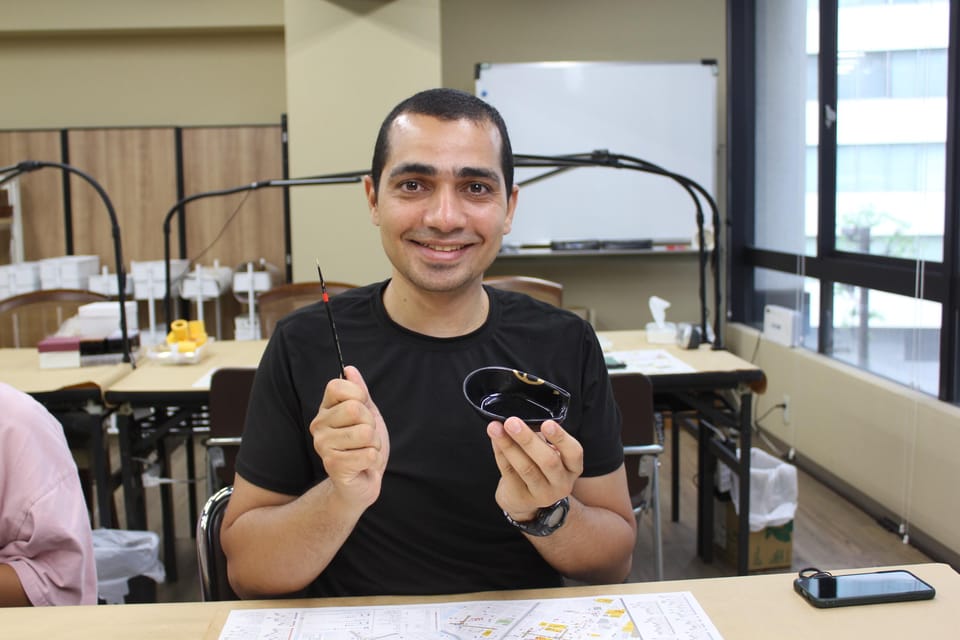
- Gold-seam craftsmanship: you learn the core Kintsugi method using lacquer and metallic gold along the cracks
- Materials included: no need to bring supplies, just comfortable clothes
- Small group (max 5): more hands-on time and easier coaching
- Take-home art: you leave with a unique repaired piece designed for display (and sometimes dry food use)
- Time-smart format: 90 minutes, ideal when you want culture without losing a whole day
Before you commit, see how this one stacks up against a few Tokyo favourites:
- Mt Fuji and Hakone 1-Day Bus Tour Return by Bullet Train★ 5.0 · 26,383 reviews
- 1-Day Tokyo Bus Tour★ 5.0 · 14,250 reviews
- Tokyo: teamLab Planets TOKYO Digital Art Museum Entry Ticket★ 4.6 · 9,779 reviews
Kintsugi in Tokyo: Why This Works for Real Travel Days
Kintsugi isn’t just a craft trick. It’s a mindset: when something breaks, you don’t hide the scars—you highlight them. In this workshop, that philosophy turns into something you can actually do with your hands.
What makes it especially good for Tokyo is the timing. You’re looking at about 90 minutes, plus you can tack it onto a day without rearranging your whole trip. The location is also convenient: it’s about 15 minutes by subway from Asakusa, which helps if you’re doing the usual east-side sights first and want something quieter later.
Also, the experience is set up to be beginner-friendly without being watered down. You’re guided by professionals, and English interpretation is provided. You aren’t just watching the craft—you’re performing steps in sequence: setting pieces, filling gaps, smoothing, then finishing with metallic seams.
A small reality check
This is not the slowest, old-school version where everything can take a long time to cure and finish. One participant noted that their session was a shortened approach compared with traditional timelines, which makes sense for a 90-minute workshop. If you’re chasing a deep, month-long method, you may want to do a little reading before you go so you know what you’re signing up for.
Finding the Workshop at Nihonbashi Mutoh Main Store
You meet at Nihonbashi Mutoh Main Store (日本橋滄浪閣 Bldg.) in Chuo City, Tokyo, at 1-8-13 Nihonbashihoncho.
That address matters because it anchors the experience in a real shop setting, not a generic studio room. In reviews, people mention the store has attractive ceramic items and related craft goods you can buy before or after your session. If you’re the type who likes a small “craft atmosphere” while traveling—quiet, focused, and not overly touristy—this location tends to deliver.
Practical tip: arrive at least 5 minutes early. The workshop starts promptly, and the session length can’t be extended for anyone who hasn’t finished.
The 90-Minute Flow: From Broken to Gold-Seamed
Even without bringing a vessel, you’ll still go through a full Kintsugi-style process. The workshop is designed so you learn the technique through doing, not just listening.
Here’s how the flow typically feels:





Step 1: Choose and prep the piece
You’ll work with ceramic and you’ll be guided on what to do first. In the teaching process described by participants, there’s often a stage where broken pieces are positioned back together using temporary materials, like taping or similar holding methods, so you can get alignment right before bonding.
Step 2: Adhere and fill
Next comes repairing: applying bonding material to rejoin the break. If there’s a chipped section or gaps, you may add filler materials to bring the surface closer to the original shape. Reviews mention putty-style filling and using clay for larger chips in some cases.
You also get instruction on pacing and where to put material so it doesn’t waste time—or end up in the wrong place.
Step 3: Sand and smooth
After adhesion and filling, there’s usually a smoothing step. This part is less glamorous than the gold seams, but it’s what keeps the final finish from looking rough or uneven. Expect coaching on surface feel and texture rather than technical jargon.
Step 4: Apply gold along the cracks
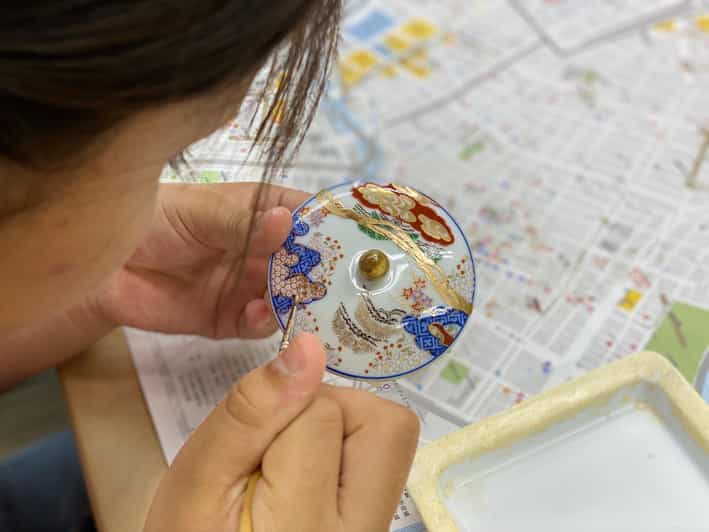
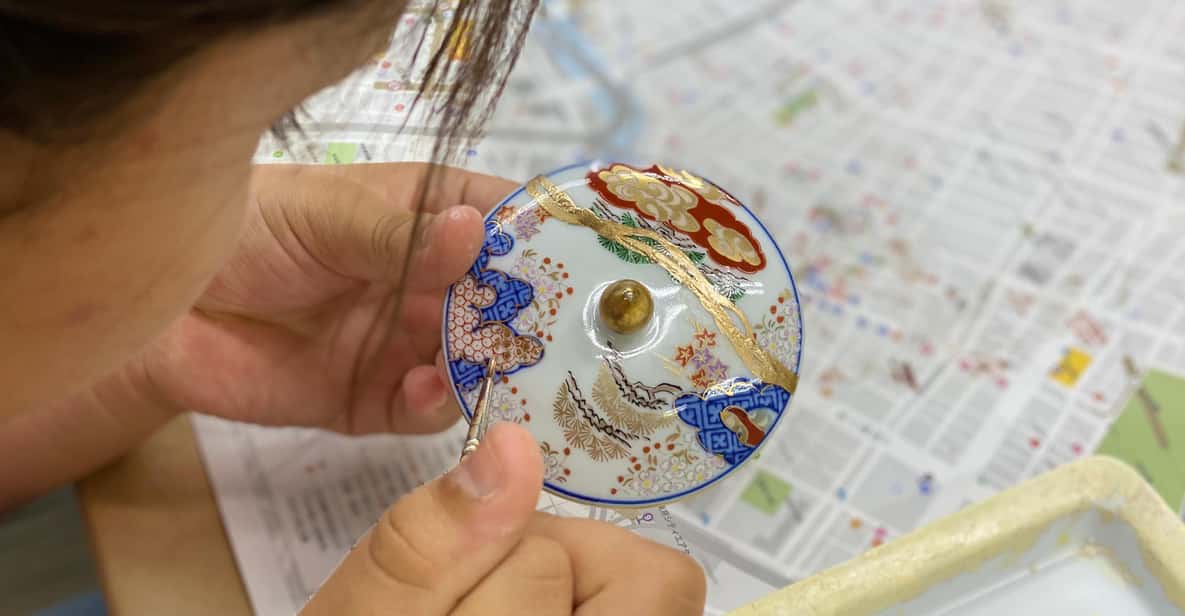
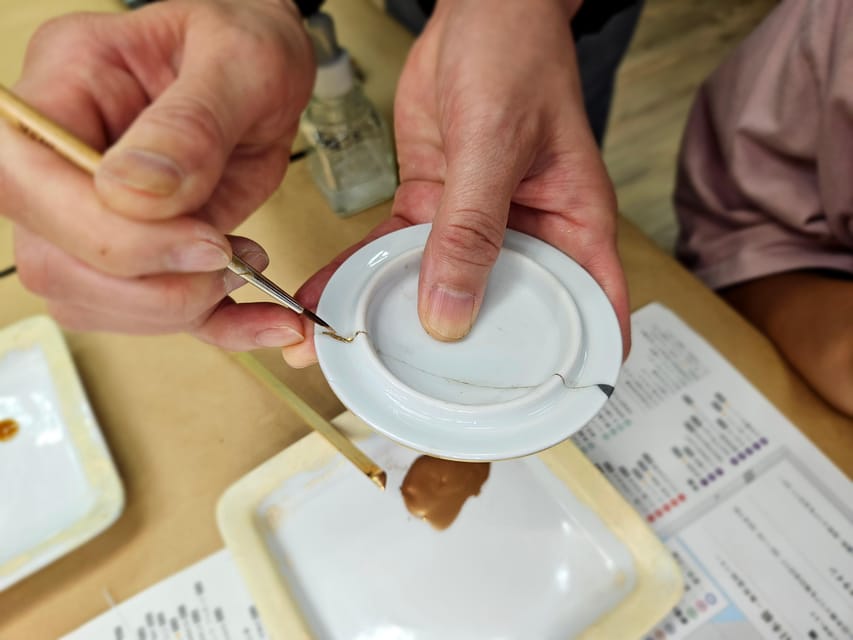
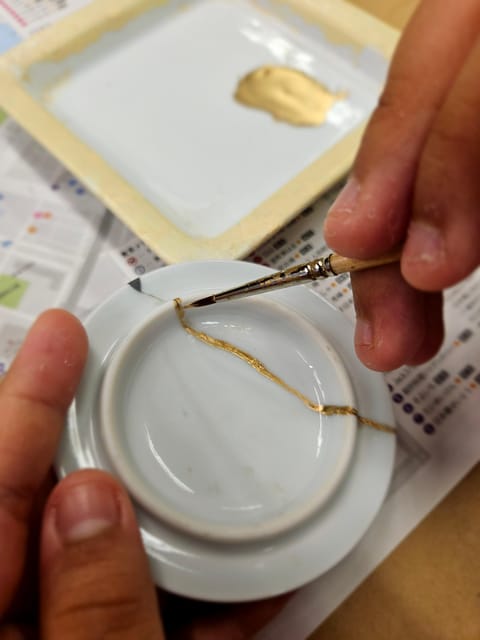
This is the heart of it. The instructor guides you on applying lacquer/adhesive and then metallic gold along the seam lines. The result is what makes Kintsugi instantly recognizable: fracture lines become design lines.
Step 5: Final finish and take-home packing
You’ll complete your piece during the session, but a practical note from reviews: items may need time to cure afterward. One participant mentioned their pieces needed about a week to cure and were boxed carefully by staff. That’s helpful to know if you’re planning to travel again soon—pack smart and don’t rush handling.
What You Can Repair (and the Limits That Matter)
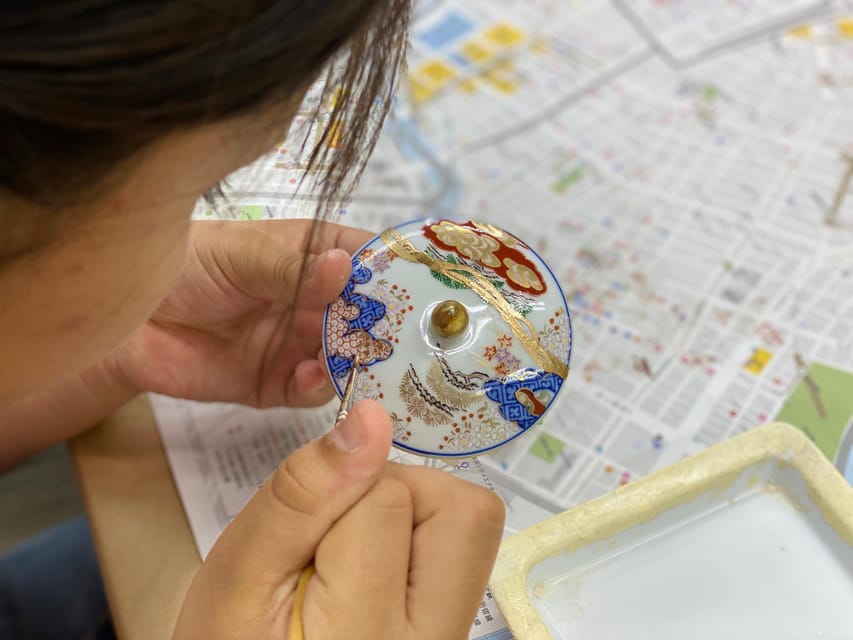
This workshop is for ceramic vessels only. If your item isn’t ceramic, or if it’s not in the right category, don’t count on a repair here.
Key limits you should plan around:
- Only ceramic vessels are restorable
- Chipped and cracked mug handles are not repairable
- Up to 1–2 cracks can be worked on for personal items
- Size limits: up to φ15 cm and height up to 15 cm
And there’s another practical detail: depending on the crack or chip size, personal-object repairs might not be fully completed within the 90-minute window.
If you’re debating whether to bring your own piece
If you already have a small, ceramic vessel with one or two manageable cracks, bringing it can feel extra meaningful because it becomes your original object with a new story. But if the damage is bigger than the limits, you might end up disappointed by timing.
If you just want a great souvenir and a smooth experience, you can simply use the workshop’s provided piece and focus on learning the steps.
Instructor Support and English Interpretation in a Small Group
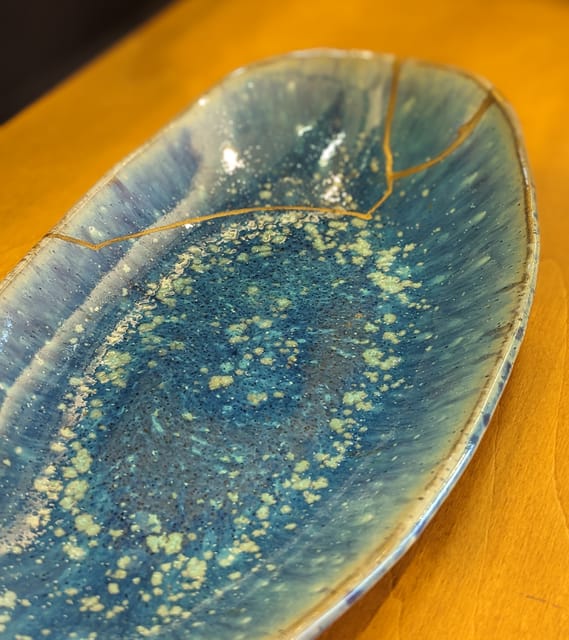
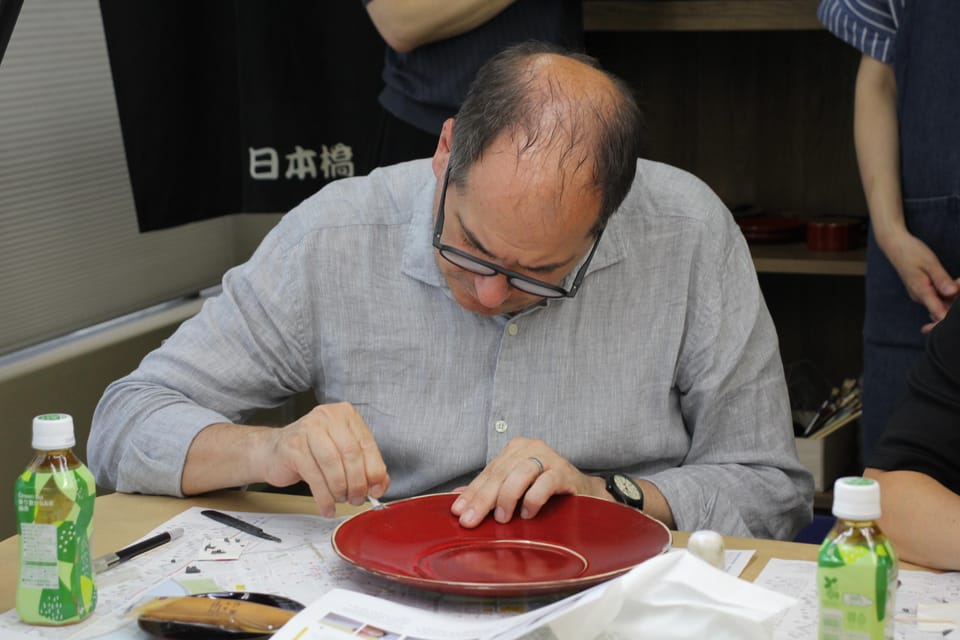
The instruction is where this workshop consistently wins praise. The class is limited to 5 participants, and reviews describe patient, kind teaching with hands-on guidance.
A few helpful patterns show up across feedback:
- Clear step-by-step instruction (so you’re not guessing)
- Teachers are attentive at your work surface, not just giving general advice
- English interpretation is included, which helps you understand the why, not just the how
One review specifically called out an instructor named Hijiri as excellent: knowledgeable, patient, and helpful. Others mention a setup where the Japanese instructor leads and an interpreter supports, making communication smoother.
The “quiet, relaxing” factor
Several participants describe the workshop atmosphere as calm and even peaceful. That doesn’t sound like it should matter on a trip—until you do enough Tokyo days. If your schedule is packed, this kind of focused craft time can feel like a reset.
The Take-Home Piece: Value Beyond a Souvenir
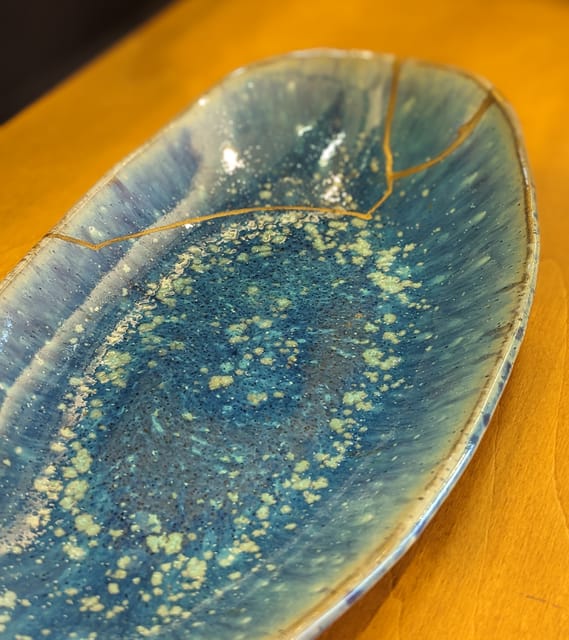
You’re not leaving empty-handed. The workshop includes souvenirs, and the big payoff is that you take home a piece you repaired yourself.
What it’s good for
The completed item can be used to hold dry food items, but it’s primarily intended for decorative purposes. That’s a smart expectation: treat it like art, not like a daily dishwasher-and-microwave object.
Why it feels worth $125
Let’s talk value in plain terms. At $125 per person for 90 minutes, you’re paying for:
- instruction from a professional team
- materials provided (you’re not buying a kit)
- time and tools to do delicate finishing work
- a take-home ceramic art piece created through your hands
In Tokyo, many activities charge for the experience only. This charges for the experience plus a tangible handmade outcome, which is what makes it feel like more than a pass-through cultural stop.
Optional shopping nearby
The shop setting often includes items for sale—ceramics, lacquerware, and small gifts like tenugui. If you like browsing craft goods, you’ll likely enjoy spending a little time there before or after your session.
Price and Logistics: Making It Fit Your Day
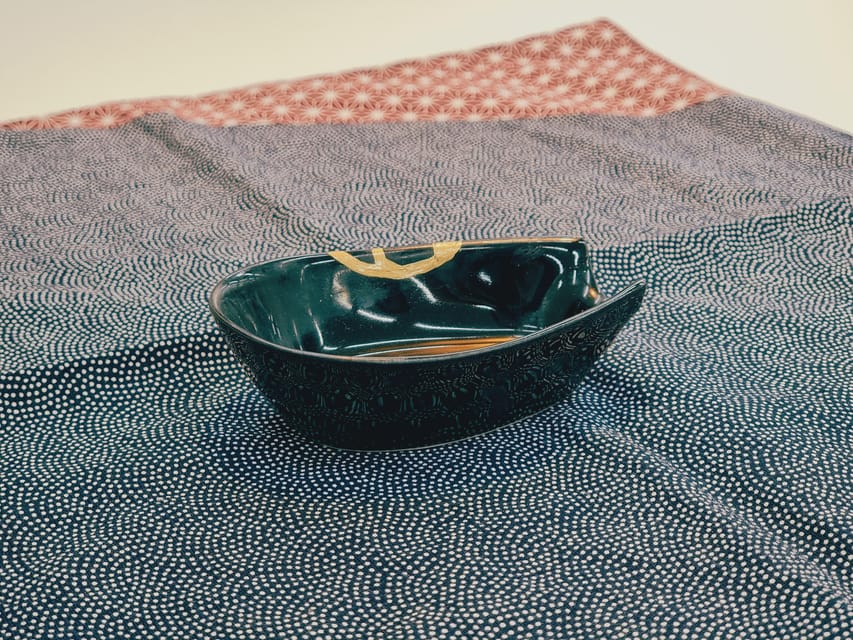
At a glance, $125 might sound like a lot for a workshop. Here’s why it tends to feel fair for this one: you’re paying for guided labor plus a finished artifact you can keep.
The logistics are also relatively easy:
- 90 minutes is short enough for morning or afternoon
- it’s about 15 minutes by subway from Asakusa
- the meeting point is in central Tokyo (Nihonbashi area)
One more practical consideration: the experience begins promptly and the end time can’t be extended. If you’re slow due to nerves, don’t worry—support is part of the teaching—but you still need to stay on pace during the session.
Who Should Book This Workshop (and Who Might Skip It)
This is a great fit if you want:
- a hands-on cultural activity with a clear process
- a souvenir that feels personal because you repaired it
- a calmer activity that doesn’t eat your whole day
- something you can do even if you don’t speak much Japanese (English interpretation helps)
It may be less ideal if:
- you want a long, traditional training process with deep theory and slow curing steps
- you’re bringing a larger-damage mug or anything outside ceramic vessels
- you’re counting on repairing something with a complex, multi-break pattern beyond the crack limits
One participant noted that the workshop can feel more quick-and-practical than theory-heavy. If that matters to you, plan to read a bit beforehand so you already know the big ideas behind Kintsugi.
Should You Book This Kintsugi Workshop?
If you want a Tokyo activity that’s creative, guided, and time-smart—and you like the idea of taking home a repaired object rather than just a photo—this is a strong yes.
Here’s my simple decision rule:
- Book it if you’ll enjoy quiet craft work and want a gold-seam souvenir you made.
- Think twice if your goal is traditional-level depth that takes much longer, or if your damaged item is outside the ceramic/vessel and size/crack limits.
FAQ
FAQ
How long is the Tokyo Kintsugi workshop?
The experience lasts about 90 minutes.
Where do I meet for the workshop?
You meet at Nihonbashi Mutoh Main Store (日本橋滄浪閣 Bldg.), 1-8-13 Nihonbashihoncho, Chuo City, Tokyo.
Do I need to bring materials or tools?
No. The workshop provides all materials, so you do not need to bring anything.
Can I bring my own broken ceramic to repair?
Yes, you can bring a ceramic vessel to restore, if it fits the workshop limits. The workshop notes that restoration is for ceramic vessels only.
What size and damage limits apply if I bring my own piece?
The item should be up to φ15cm and height up to 15cm, with 1–2 cracks. Chipped and cracked mug handles are not repairable.
Is the workshop suitable for kids?
It’s for ages 13 and up. Minors must be accompanied by a guardian.
Is instruction offered in English?
Yes. English instruction and interpretation are provided.
Will my repair always be finished within 90 minutes?
Not always. The workshop notes that depending on the size of the crack or chip, it may not be fully completed in 90 minutes for brought-in items.
What can I do with the finished piece?
The completed piece can be used to hold dry food items, but it is primarily intended for decorative purposes.
What is the cancellation policy?
Free cancellation is available if you cancel up to 3 days in advance for a full refund.
More Tour Reviews in Tokyo



Fresh reviews from around Tokyo






Tokyo, compared.
 ★ 5.0Mt Fuji and Hakone 1-Day Bus Tour Return by Bullet TrainFrom $16326,383 reviews
 ★ 5.01-Day Tokyo Bus TourFrom $12914,250 reviews
 ★ 4.6teamLab Planets TOKYO Digital Art Museum Entry TicketFrom $259,779 reviews
 ★ 4.0Mt Fuji & Hakone Cruise, Drum Show Bullet Train 1 Day from TokyoFrom $1497,413 reviews
 ★ 5.0Shinjuku Food Tour (13 Dishes at 4 Local Eateries)From $866,603 reviews
 ★ 4.4Tokyo Mt Fuji 5th St & Hakone Cruise Bus Tour w/Bullet TrainFrom $1545,024 reviews
 ★ 5.0Flagship 2-Hours Official Street Go-Kart Tour – Tokyo Bay ShopFrom $644,974 reviews
 ★ 4.5From Tokyo: Mount Fuji Full-Day Sightseeing TripFrom $684,970 reviews