
Reviewed · FOOD & DRINK
Tokyo: Food Tour in Ueno with 10+ Tastings of Japanese Classics
Ueno tastes like Tokyo’s shortcut. This short food tour strings together Ueno street scenes—markets, under-the-tracks alleys, a park pause, and two spiritual stops—so you get both flavor and context fast. I like that it’s built to match your 10+ tastings with your own tastes, instead of feeling like a one-size-fits-all checklist.
What I really appreciate is how the pacing works with the food. You’ll have a local English-speaking guide, so you can ask about what you’re eating and how to order or handle it without stress. One possible consideration: this is a walking-focused route, and the menu can shift based on weather and what’s available that day.
In This Review
- Key highlights worth planning around
- Why Ueno is the smartest place to eat first
- Your route in plain English: markets, under-the-tracks lanes, and sacred grounds
- Market stop: where Japanese snacks meet gift-shopping energy
- Under the elevated tracks: the charm of alleys in the Shitamachi mood
- Ueno Park break: a breather between bites
- Shinto shrine stop: the Tokugawa Ieyasu connection
- Buddhist worship grounds: calm surroundings before the next taste
- What you’ll actually eat and drink (and why it’s a good mix)
- Guide-led pacing: how you get value beyond the food
- Price and logistics: is $142 a fair deal for what you get?
- Who this tour fits best (and who might want something else)
- Should you book this Ueno food tour?
- FAQ
- How long is the Ueno food tour?
- How much does it cost?
- Where do I meet the group?
- Is hotel pickup included?
- What’s included in the tastings and drinks?
- Is the guide English-speaking?
- Is there a limit on group size?
- Is the tour mostly walking?
- What if I have dietary requirements?
- What happens if the weather is bad?
- Can I cancel for a full refund?
Key highlights worth planning around
- Small group feel (max 15) keeps the vibe friendly and makes questions easy
- Two tea types plus matcha ice cream gives you a proper Tokyo sweet-and-sip moment
- Food + places in one route: market stalls, under-girders streets, a shrine, and a temple
- Tailored stops so you’re not stuck with foods you don’t want
- Secret dish adds a fun element, often including well-known comfort fare
- Comfortable shoes matter since you’ll cover ground across Ueno
Other plates worth crossing Tokyo for
- Tokyo: Shinjuku Food Tour (13 Dishes at 4 Local Eateries)★ 5.0 · 6,603 reviews
- Tokyo Tsukiji Fish Market Food and Culture Walking Tour★ 5.0 · 3,184 reviews
- Tokyo: Shinjuku Food Tour (15 Dishes and 4 Eateries)★ 4.9 · 2,033 reviews
Why Ueno is the smartest place to eat first
Ueno is one of those Tokyo neighborhoods where you can still feel the city’s daily rhythm. It’s not all polished storefronts and postcard streets. Instead, you’ll find food near transit, casual snack spots, and lanes that feel like they serve locals before they serve tourists.
That’s what makes this tour a strong “first Tokyo week” move. In about 3.5 hours, you’re not just eating. You’re also learning how Ueno’s spaces connect: markets pull you in with smells, parks give you breathing room, and sacred sites ground the whole experience.
Also, the guide is a big part of the value here. This isn’t a scavenger hunt where you guess what you’re ordering. With an English-speaking local guide, I find you can focus on the food and the stories instead of translating every moment in your head.
Your route in plain English: markets, under-the-tracks lanes, and sacred grounds
This tour follows a walkable loop in Ueno, starting at Ueno Station and ending back near where you met. Along the way, you’ll hit six main stops that combine Tokyo classics with neighborhood texture.
Here’s the shape of the day. First you’ll start with a popular indoor-outdoor market, then you’ll move into an area under elevated train tracks—often described as being under the girders. After that, you’ll get a park break in Ueno, then step into Shinto and Buddhist spaces tied to the area’s longer story. Finally, you’ll work through more tastings before wrapping back up.
One practical note: the exact food and order can change due to availability and weather, so keep a flexible mindset. If it’s rainy or crowded, the guide’s job is to keep you fed and keep the route sensible.
Market stop: where Japanese snacks meet gift-shopping energy
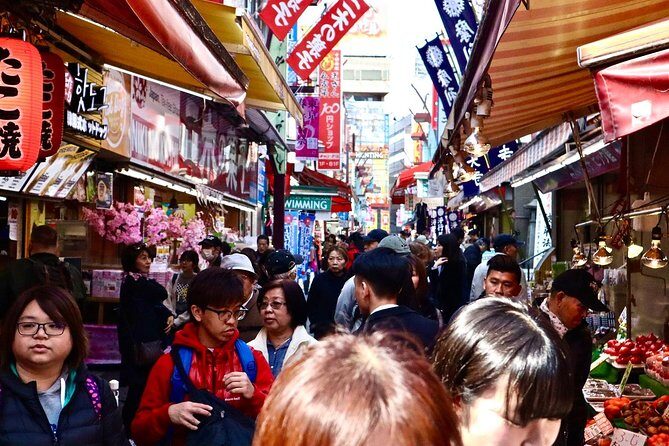
Your first tasting phase happens in a popular indoor-outdoor market with shops selling everything from food and treats to gifts and clothing. That mix matters. Markets in Tokyo aren’t only about food; they’re how neighborhoods do errands—so the atmosphere feels everyday, not staged.
Expect this stop to set the tone: you’ll start sampling quickly, likely including classics like sushi and gyoza. Markets like this are also where it’s easiest to learn small practical points, like how to eat certain foods without making a mess and how to order efficiently at busy counters.
A market stop also helps first-timers. If you’re new to Japan, it can be hard to know what’s worth trying. Here, you get guidance and variety without needing to research 20 menus in advance.
Under the elevated tracks: the charm of alleys in the Shitamachi mood
Next comes an area under elevated train tracks—the Japanese term for under the girders. This kind of setting is a signature of older, working parts of Tokyo. It’s street-level life shaped by the train line above it.
What I like about adding this stop is that it gives you contrast. The market feels like one kind of sensory overload. The under-girders lanes feel more like you’re moving through everyday Tokyo, where small eateries survive on regular customers.
In practice, this stop also helps with digestion and pacing. You’re not stuffing yourself in one place. You’re walking, then stopping, then walking again—so the tour feels like a smooth progression rather than a food marathon.
Worth weighing up alongside this Tokyo pick:


Ueno Park break: a breather between bites

You’ll then step into Ueno Park, a spacious public park in the Taitō area. It’s especially famous in spring for cherry blossoms and hanami, but you don’t need to be there in April to appreciate it.
This park stop works as a reset. It’s the moment your feet get a bit of relief, and your brain stops sprinting between tastes. I also like that it changes the lighting and soundscape. You go from market hustle and train noise to open air and slower foot traffic.
If you’re traveling with kids or anyone who gets tired quickly, the park time can be a lifesaver. Several people highlight that the tour is easy and simple even with younger travelers, which usually comes down to pacing like this.
Shinto shrine stop: the Tokugawa Ieyasu connection
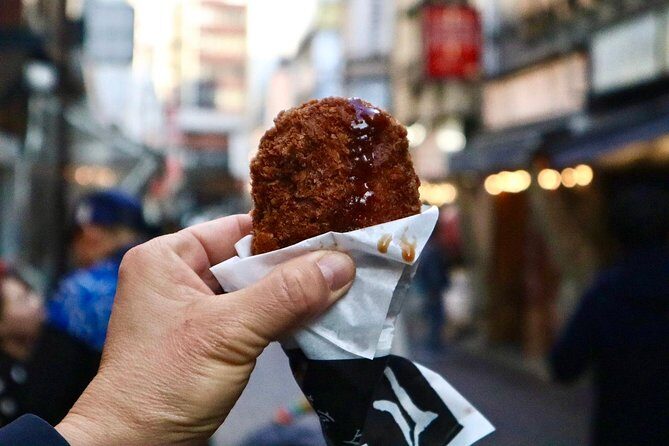
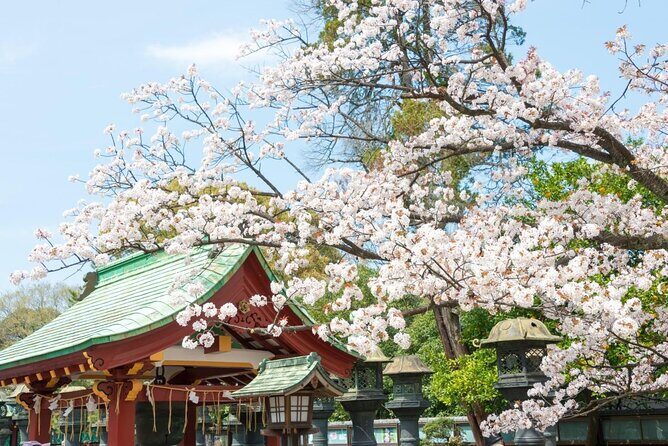
From the park you’ll move to a shrine in the Shinto tradition, built and dedicated in 1627 to remember Tokugawa Ieyasu, founder of the Tokugawa shogunate.
Even if you don’t plan to read every plaque, this stop adds meaning. Food tours can sometimes become just lists of items. Here, the shrine time gives you a sense of why parts of Tokyo look and feel the way they do—ritual, memory, and place.
The benefit for you is that it turns the day into a story you can actually remember. You eat, then you see a landmark tied to Japan’s leadership history, then you eat again. It keeps the tour from feeling like it’s only about calories.
Buddhist worship grounds: calm surroundings before the next taste
After the Shinto stop, you’ll visit a center for Buddhist worship and prayer with tranquil landscaping. This shift matters. Shinto and Buddhism are different in feel, and experiencing both in one walk helps you understand how layered Tokyo can be.
You don’t need to be religious to appreciate the setting. The calmer grounds create a mental pause, and that makes the next round of food feel more enjoyable when you return to street-level energy.
If you’re a “walk-and-learn” type of traveler, this is one of the strongest reasons to book. It’s not only eating—it’s how Tokyo threads everyday life with spiritual space.
What you’ll actually eat and drink (and why it’s a good mix)
The tour is built around fresh, authentic Japanese classics, and the listed inclusions cover both savory and sweet, plus drinks to wash everything down.
Here’s what’s included:
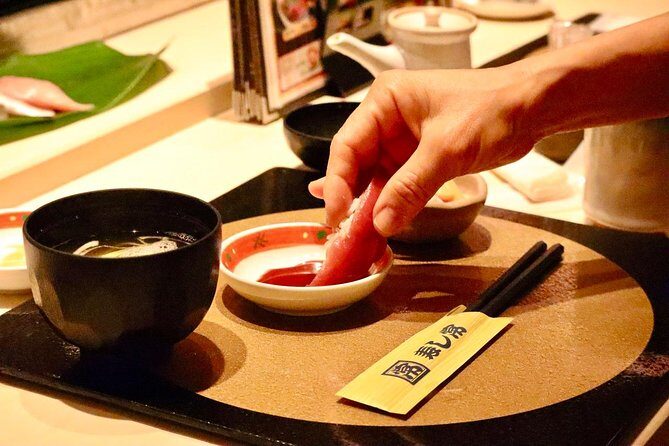
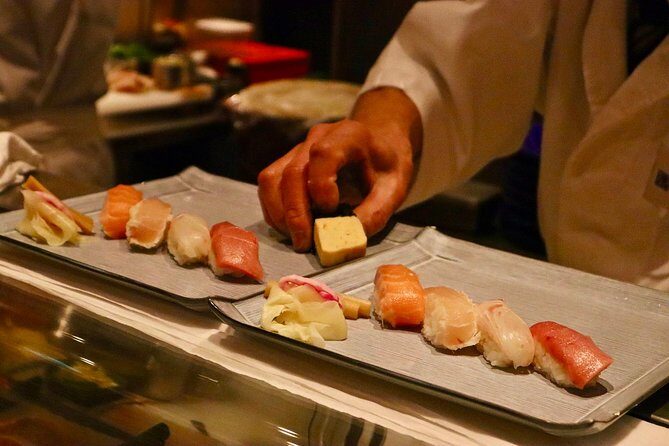
- Fresh, authentic sushi
- Crispy gyoza, a local favorite
- Yakitori, perfectly grilled Japanese skewered chicken
- Seasonal fresh fruits
- Creamy matcha ice cream
- Two different types of tea
- One draft beer
- Water
- A Secret Dish
That lineup is smart for most people because it avoids the “only one flavor family” problem. You get grilled, fried/crisp, bite-sized dumplings, rice-based sushi, and then a sweet finish with matcha.
Also, tea and matcha ice cream help the day feel distinctly Japanese. It’s not just beer and soda while you sample snacks. You’re tasting cultural favorites in their own lane.
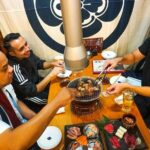
One more detail from real-world experiences on this kind of tour: the Secret Dish can be a surprise that sometimes turns out to be something like sukiyaki, depending on what’s available that day. So keep expectations open. You’re not just repeating the same style of food for four stops.
Guide-led pacing: how you get value beyond the food
The best food tours don’t only feed you. They help you make sense of what you’re eating and how to repeat it later.
On this tour, you’re with a passionate local English-speaking guide. That matters because you can:
- ask what makes one dish different from another
- learn small etiquette points so you don’t feel awkward
- get practical recommendations for what to try next time, not just during the tour
People mention guides like Harumi, Natsumi, Yumi, and Mari, and the common thread is that the explanations stay friendly and the energy stays upbeat. That’s the difference between hearing facts and actually enjoying the walk.
And because the group max is 15, you’re more likely to get personal attention and conversation rather than being one face in a crowd.
Price and logistics: is $142 a fair deal for what you get?
$142 for about 3 hours 30 minutes can feel steep at first glance, especially if you’re used to buying street snacks for a few dollars. The value here comes from packing several things into one price:
- A lot of food: you’re set up for 10+ tastings, not just a couple samples
- Multiple course types: savory bites, grilled skewers, sushi, a sweet finish, and fruit
- Drinks included: draft beer, two tea types, plus water
- Guide support: help with language and ordering at local spots
- Route planning: you’re not spending time hunting down the right places yourself
If you tried to recreate this alone, you could easily end up paying more for the convenience, plus you’d need to do research to avoid tourist traps. The guide reduces that friction.
The one thing you should do to get maximum value: come hungry, or at least skip a heavy meal before. Several people call out that you’ll eat a lot, so plan your day around it.
Who this tour fits best (and who might want something else)
This tour is a great match if you:
- want an easy introduction to Tokyo through food
- like walking and short stopovers rather than long museum-style time
- appreciate having someone handle ordering and explanations
- want a small-group experience without the cost of a fully private tour
It’s also ideal if you’re pressed for time. In one afternoon, you’ll cover markets, transit-adjacent alley vibes, a park pause, and two spiritual stops.
Where it may not fit as well:
- If you dislike walking, be cautious. The tour specifically notes a fair amount of walking, and comfortable shoes really are part of the deal.
- If you’re extremely picky or have complex dietary needs, you’ll need to communicate ahead so the team can cater as best they can.
Should you book this Ueno food tour?
I’d book it if you want a fast, local-feeling Tokyo introduction with 10+ tastings and built-in cultural stops. It’s not only about eating; it’s about learning how Ueno moves—markets, alleys under the tracks, park breaks, and sacred grounds—without wasting your vacation time trying to figure it out alone.
If you’re on the fence, use this quick checklist:
- You’re okay walking for about 3.5 hours.
- You want sushi, gyoza, yakitori, matcha, tea, and at least one beer included.
- You like the idea of a guide handling language and ordering.
- You’re flexible if the menu shifts due to weather or what’s available.
If that sounds like you, this is a strong start to your Tokyo food plan—especially for first-timers who want authentic flavors in a small, manageable group.
FAQ
How long is the Ueno food tour?
The tour lasts about 3 hours 30 minutes.
How much does it cost?
It costs $142.00 per person.
Where do I meet the group?
Meet at Ueno Station, 7 Chome-1, Ueno, Taito City, Tokyo 110-0005, Japan.
Is hotel pickup included?
No. Hotel pickup and drop-off are not included.
What’s included in the tastings and drinks?
The tour includes fresh sushi, gyoza, yakitori, seasonal fresh fruits, matcha ice cream, two types of tea, a Secret Dish, and one draft beer (plus water).
Is the guide English-speaking?
Yes. The tour includes a local English-speaking guide.
Is there a limit on group size?
Yes, the tour has a maximum of 15 travelers.
Is the tour mostly walking?
Yes. The tour involves a fair amount of walking, so comfortable shoes are recommended.
What if I have dietary requirements?
You should contact the tour in advance with any dietary requirements so they can cater as best as possible.
What happens if the weather is bad?
The experience requires good weather. If it’s canceled due to poor weather, you’ll be offered a different date or a full refund.
Can I cancel for a full refund?
Yes. Cancellation is free up to 24 hours in advance for a full refund. If you cancel less than 24 hours before the start time, it’s not refunded.
Eat Your Way Round Tokyo

More Tours in Tokyo




More Tour Reviews in Tokyo




Fresh reviews from around Tokyo






Food & Drink, compared.
 ★ 5.0Shinjuku Food Tour (13 Dishes at 4 Local Eateries)From $866,603 reviews
 ★ 5.0Tokyo Tsukiji Fish Market Food and Culture Walking TourFrom $993,184 reviews
 ★ 4.9Shinjuku Food Tour (15 Dishes and 4 Eateries)From $852,033 reviews
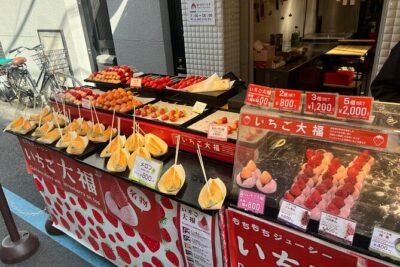 ★ 5.0Tsukiji Fish Market Food and Walking tourFrom $301,724 reviews
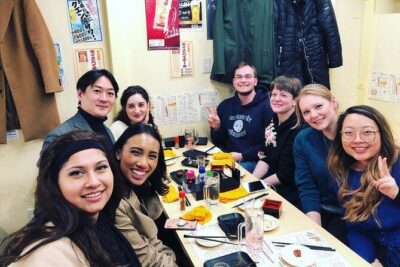 ★ 5.0Eat and Drink Like a Local: Tokyo Ueno Food Tour-Taverns&RamenFrom $95957 reviews
 ★ 5.0Shibuya Food Tour (13 dishes and 4 Eateries)From $77770 reviews
★ 4.7Tsukiji Fish Market Food and Culture Walking TourFrom $96757 reviews
★ 5.0Shibuya Food Tour (13 dishes and 4 Eateries)From $77770 reviews
★ 4.7Tsukiji Fish Market Food and Culture Walking TourFrom $96757 reviews
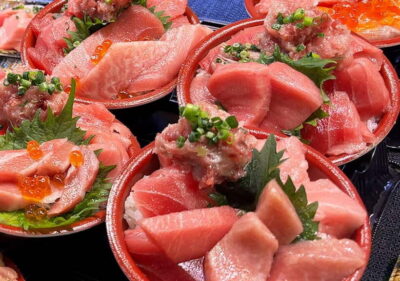 ★ 5.0Tsukiji Fish Market: Street Food & Culture Walking TourFrom $33669 reviews
Browse the lists this tour appears in